10 Ways to Help Reduce Indoor Dog Barking
Does your dog bark at every noise, passing stranger, or movement outside the window? Constant indoor barking can quickly disturb a peaceful home, interrupt your work, and make it difficult for everyone to relax. Although barking is a natural way for dogs to communicate, excessive noise often signals that your dog needs more guidance, enrichment, or help feeling comfortable indoors.
The good news is that you can teach your dog calmer habits with patience and consistent training. These 10 ways to help reduce indoor dog barking will show you how to identify barking triggers, reward quiet behavior, create a relaxing environment, and meet your dog’s daily needs. Whether your dog barks at the doorbell, reacts to outside noises, or demands attention, small changes can make a meaningful difference.
1. Identify the Cause of Indoor Barking
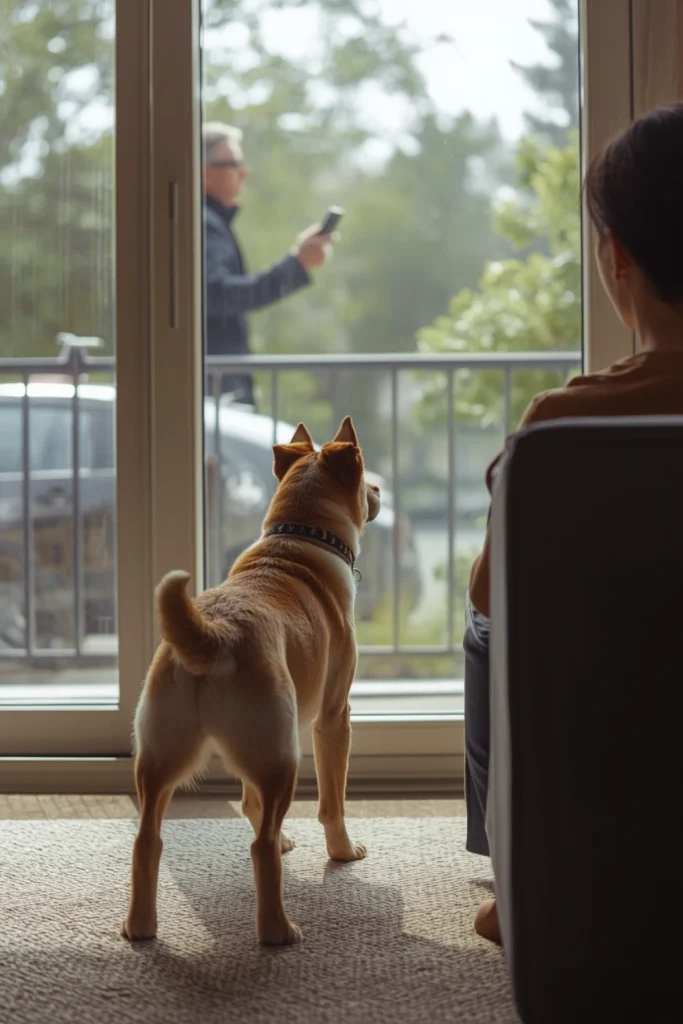
Before changing your dog’s behavior, spend time observing when the barking happens. Does your dog bark at footsteps in the hallway, cars passing outside, the doorbell, or family members moving between rooms? Perhaps barking starts when you sit down to work or when your dog wants food or playtime. Understanding the pattern helps you choose a training approach that addresses the actual cause rather than simply reacting to the noise.
Keep a simple record of the trigger, time, location, and your dog’s response. For example, you may notice that your dog barks whenever someone walks past the front window in the afternoon. This observation suggests that limiting the view and rewarding calm behavior could help. If barking occurs mainly when your dog is alone, consider whether separation-related distress may be involved. Careful observation makes training more focused and helps you measure improvement over time.
2. Reduce Visual Triggers Around Windows

Many dogs bark indoors because they can see people, other dogs, bicycles, or cars moving past the house. A window can become a constant source of excitement, especially for dogs that feel the need to alert their families to every movement. If your dog spends hours watching the street and barking, reduce access to the view while you work on training. This can immediately lower the number of opportunities for repeated barking.
Try closing curtains, using privacy film, or moving furniture away from windows that encourage your dog to stand guard. You can also create a comfortable resting area in a quieter part of the home. These adjustments are not a replacement for training, but they prevent your dog from repeatedly practising the barking behavior. Once your dog is calmer, practise rewarding quiet observation from a suitable distance and gradually work toward more challenging situations.
3. Teach the “Quiet” Command

Teaching a reliable “quiet” cue can help your dog learn when to stop barking. Start in a low-distraction environment rather than waiting for a major barking episode. When your dog makes a brief bark and then pauses naturally, calmly say “quiet” and reward the silence immediately with a small treat or gentle praise. At first, even one second of silence is a useful starting point. Avoid shouting, as your dog may interpret your loud voice as more excitement.
Practise for a few minutes at a time and gradually increase the duration of quiet behavior before giving the reward. Once your dog understands the cue in an easy setting, practise when mild everyday sounds occur. If your dog cannot respond, reduce the distraction or increase the distance from the trigger. Be patient and consistent, and avoid repeating the command many times without giving your dog a chance to succeed.
4. Reward Quiet and Relaxed Behavior
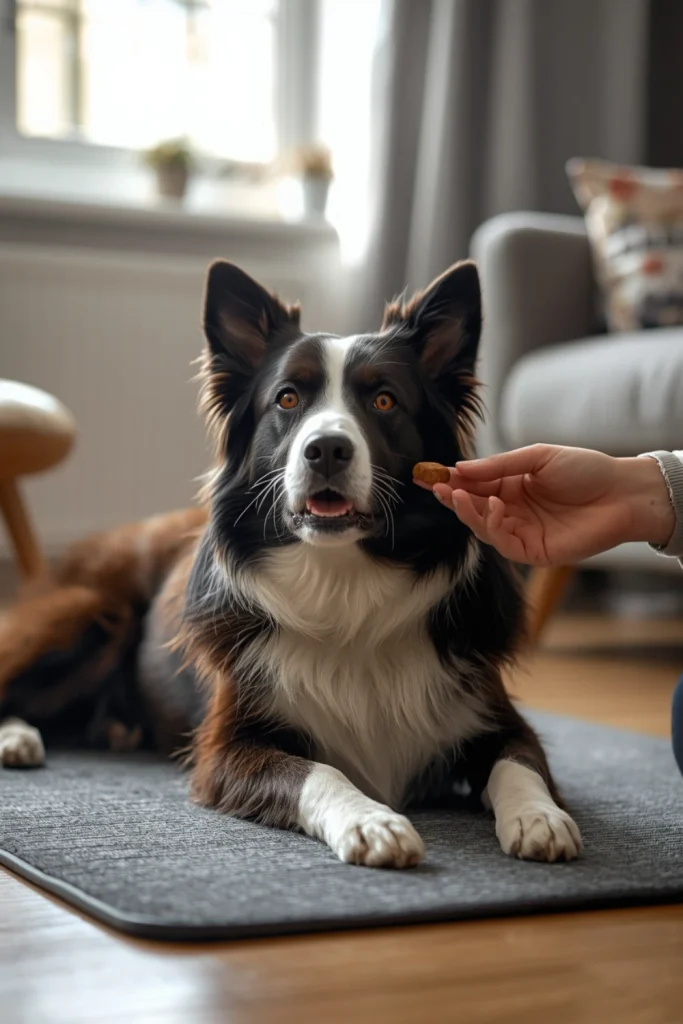
One of the most effective ways to help reduce indoor dog barking is to reward your dog when they are already calm. Owners often pay attention only after barking begins, but quiet behavior deserves recognition too. If your dog hears a noise outside and remains relaxed, offer praise or a small treat. If your dog settles on a bed instead of rushing to the door, reward that choice. These moments help your dog learn which behaviors are worthwhile.
Try to deliver the reward while your dog is still calm. If your dog is watching a passerby through the window without barking, calmly praise them before they become excited. Keep your voice gentle so you do not accidentally increase arousal. With repeated practice, your dog can begin to associate everyday sounds and movements with calm behavior rather than an urgent need to bark. This approach is especially useful when combined with managing triggers and maintaining a consistent routine.
5. Provide More Physical Exercise
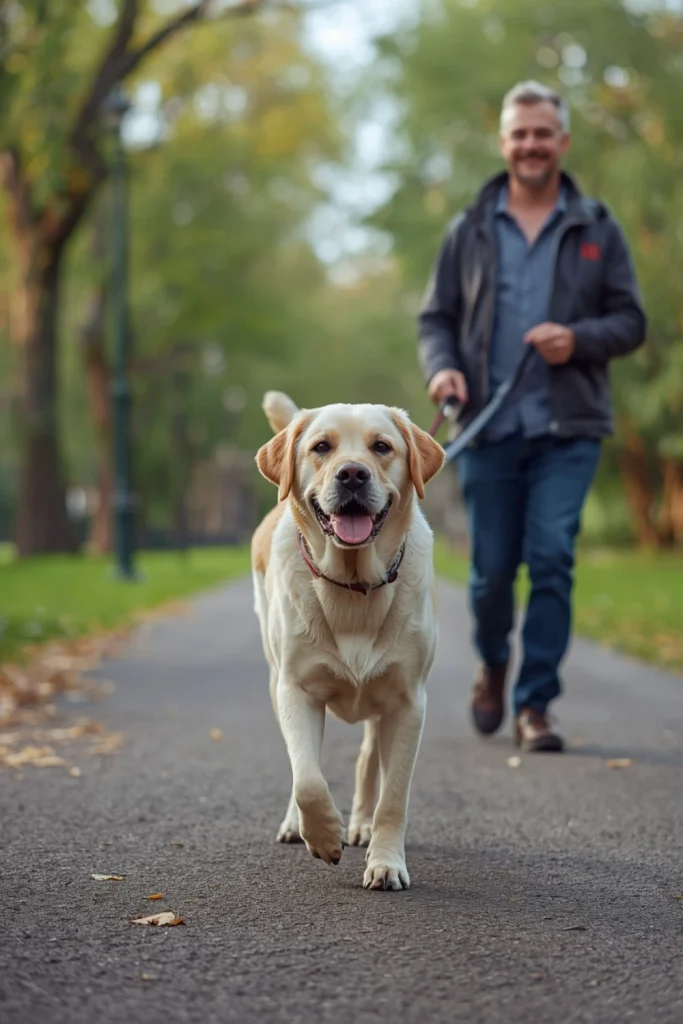
Dogs that do not receive enough appropriate activity may become restless indoors. Some respond to that restlessness by barking at noises, following their owners from room to room, or demanding constant attention. Regular walks, supervised play, sniffing opportunities, and age-appropriate games can help your dog use energy in healthy ways. The right amount of exercise depends on your dog’s breed, age, health, and individual temperament.
Plan activities that fit your dog’s needs rather than simply trying to tire them out. A relaxed sniffing walk may be more helpful for some dogs than a highly stimulating game. Puppies, senior dogs, and dogs with medical conditions may need shorter or gentler activities. Exercise can reduce barking related to boredom or restlessness, but it may not resolve fear, separation-related distress, or other behavioral concerns on its own. Combine physical activity with training, enrichment, and sufficient rest for better results.
6. Keep Your Dog Mentally Engaged

Mental stimulation is just as important as physical exercise when you want to reduce unnecessary indoor barking. Dogs need opportunities to explore, sniff, solve simple problems, and learn new behaviors. Without enough engagement, some dogs create their own activities, such as barking at household sounds or demanding attention whenever their owners sit down. Puzzle feeders, food-dispensing toys, scent games, and short training sessions can provide productive mental challenges.
For a simple enrichment activity, hide a few pieces of your dog’s regular food in easy-to-find locations around a safe room and encourage them to search. You can also practise basic cues such as “sit,” “stay,” and “go to your mat.” Keep activities appropriate for your dog’s abilities, and supervise toys that might break apart. Mental enrichment does not solve every barking problem, but it can make the day more satisfying and encourage your dog to settle more comfortably at home.
7. Create a Quiet and Comfortable Resting Area

A designated resting area can help your dog relax when household activity becomes overwhelming. Choose a comfortable bed or mat in a relatively quiet part of the home, away from busy windows, the front door, or loud appliances. Make the area inviting with familiar bedding and safe toys. Encourage your dog to use it by rewarding them for settling there, rather than forcing them to stay in place when they are uncomfortable.
A calm resting space is especially useful when visitors arrive, children are playing, or outside noises are frequent. You can use a baby gate to provide separation while still allowing your dog to remain part of the household. Make sure the area has adequate ventilation, access to water when appropriate, and enough space for your dog to rest comfortably. If your dog appears frightened or distressed when separated, introduce the space gradually and seek professional advice if needed.
8. Manage Doorbell and Visitor Barking
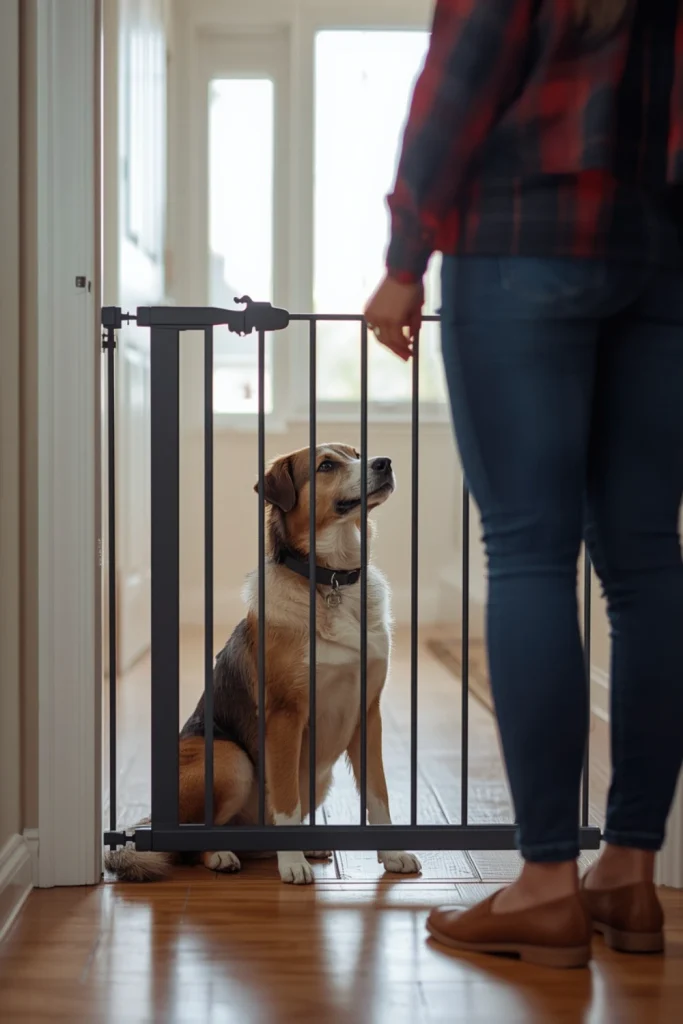
Doorbells, knocks, and arriving visitors can trigger intense barking because dogs may feel excited, protective, or uncertain. Begin by practising with a quiet knock or a recording of a doorbell played at a low volume. Reward your dog for remaining calm or turning their attention toward you. Gradually increase the sound only when your dog can handle the current level without becoming overwhelmed. Short, controlled sessions are more effective than waiting for real visitors to arrive.
When guests come to your home, manage the situation before opening the door. Use a leash, baby gate, or comfortable separate room if needed. Ask visitors to avoid leaning over your dog or reaching toward them immediately. Reward calm behavior and allow greetings only when your dog can approach safely. If your dog is afraid of unfamiliar people, provide distance and choice instead of forcing contact. With gradual practice, the arrival of visitors can become less stressful and less noisy.
9. Avoid Reinforcing Attention-Seeking Barking
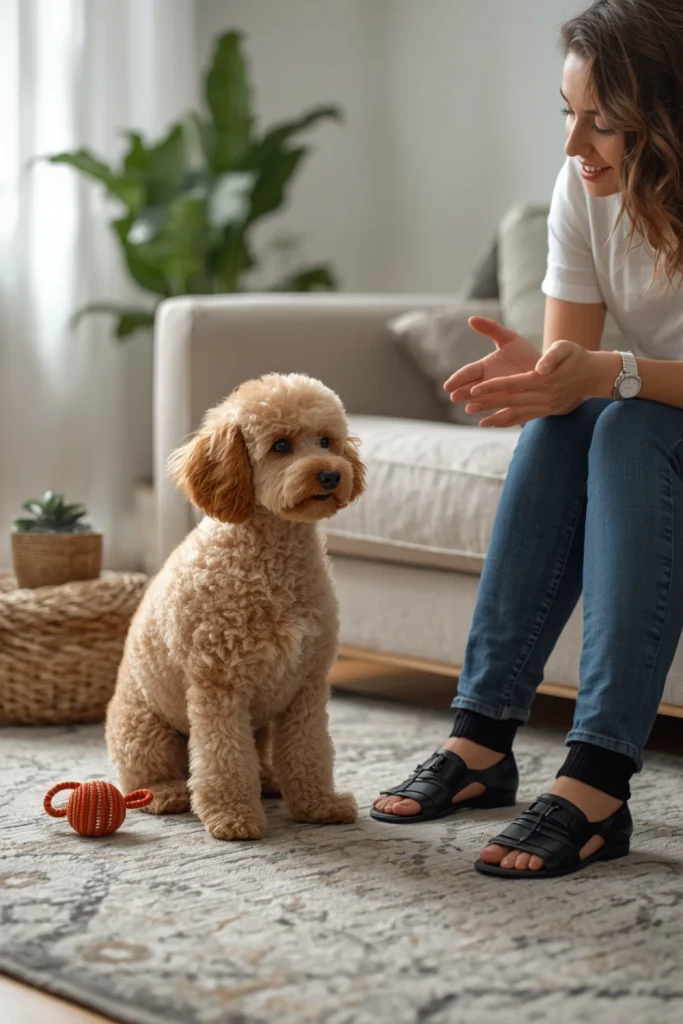
Some dogs bark indoors because they want food, playtime, petting, or their owner’s attention. If barking regularly results in immediate interaction, the dog may learn that making noise is an effective way to get what they want. Instead, teach your dog a quieter way to request attention. Reward them for sitting calmly, bringing a toy, or settling near you. These alternative behaviors help your dog communicate without relying on repeated barking.
When you are confident the barking is attention-seeking and your dog’s needs are met, avoid rewarding the noise with excited conversation or immediate play. Wait for a brief pause and then reward the quiet moment or ask for a simple behavior your dog knows. Do not use this approach to ignore barking caused by fear, pain, urgent needs, or separation-related distress. Understanding the reason for the behavior is essential. Consistent responses from everyone in the household will help your dog learn clearer expectations.
10. Build a Consistent Daily Routine

A predictable daily routine can help dogs feel more settled and reduce barking linked to boredom or uncertainty. Try to provide regular opportunities for meals, walks, play, training, toilet breaks, and rest. Dogs do not need every activity to happen at exactly the same minute, but a reasonably consistent pattern can make their day easier to understand. When physical needs and opportunities for enrichment are met, some dogs find it easier to relax indoors.
Make sure all family members follow the same basic training rules. If one person encourages barking while another tries to stop it, your dog may receive mixed signals. Practise calm behavior in different rooms and around ordinary household sounds, rewarding progress along the way. If your dog becomes more vocal at certain times, review the routine to see whether they need exercise, a toilet break, rest, or a quieter environment. A consistent routine supports training, although persistent anxiety-related barking may require additional help.
Final Thoughts
Helping reduce indoor dog barking begins with understanding why your dog is making noise. Visual triggers, boredom, attention seeking, doorbell excitement, and anxiety can all contribute to barking, but each may require a different response. By managing the environment, teaching useful cues, rewarding calm behavior, and providing a balanced daily routine, you can help your dog develop quieter habits.
Start with one or two strategies that match your dog’s main triggers and practise them consistently. Celebrate small improvements instead of expecting an overnight change, and avoid punishment that may increase fear or confusion. If barking persists or seems connected to pain, anxiety, or separation-related distress, seek professional guidance. With patience and the right approach, you can create a more peaceful home for both you and your dog.