A Simple Puppy Socialization Schedule by Age
Bringing a puppy home is the beginning of an exciting journey filled with new discoveries, playful moments, and important learning experiences. One of the best ways to help your puppy grow into a confident and well-adjusted dog is to introduce the world gradually. A well-planned Puppy Socialization Schedule makes it easier to know what to practice at each stage, from the first weeks at home to the months when your puppy becomes more independent.
Every puppy learns at a different pace, so socialization should never feel like a race. Short introductions to friendly people, everyday sounds, safe environments, and positive experiences can help your puppy develop confidence without feeling overwhelmed. By following an age-appropriate routine, watching your puppy’s body language, and rewarding calm curiosity, you can build a strong foundation for a happier life together.
1. Birth to 3 Weeks: Gentle Early Experiences
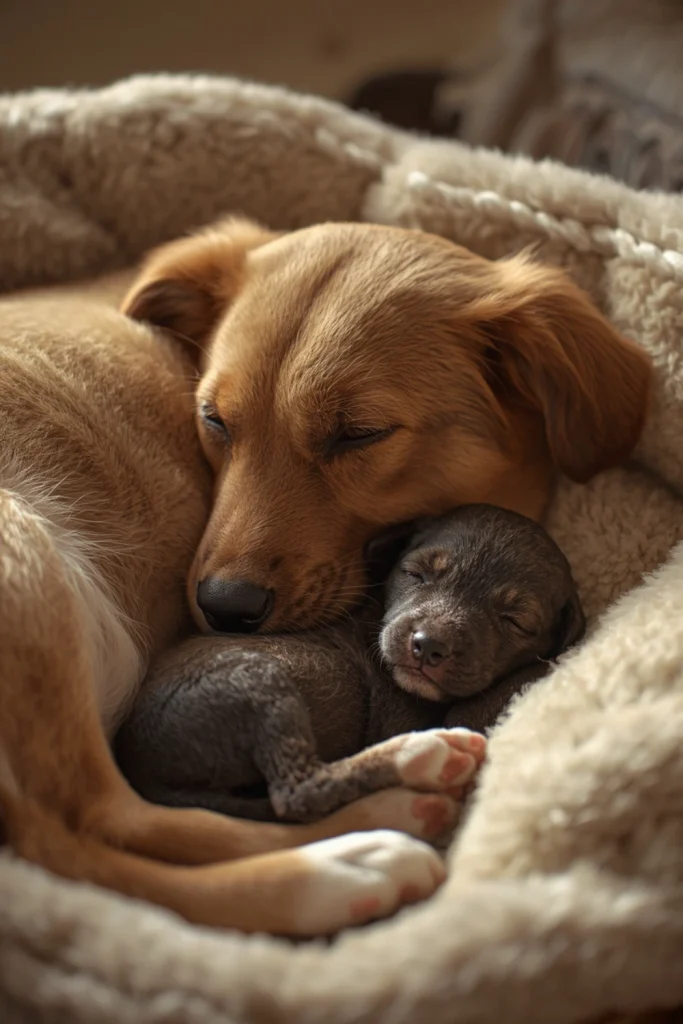
During the first three weeks, puppies depend heavily on their mother and littermates. Their eyes and ears are still developing, and their movement is limited. Social experiences during this stage should be managed primarily by a responsible breeder or caregiver. The main priorities are warmth, appropriate nutrition, cleanliness, gentle care, and a calm environment rather than introducing many new sights and sounds.
If you are caring for puppies at this age, follow veterinary guidance for safe handling and health monitoring. Brief, gentle handling may be appropriate when the mother is comfortable and the puppies are healthy, but avoid excessive disturbance. Prospective owners generally cannot control this early stage, so ask the breeder or rescue organization about the puppy’s early care and experiences when possible.
2. 3 to 4 Weeks: Begin Gentle Sensory Exploration

Around three to four weeks, puppies gradually become more aware of their surroundings and begin exploring beyond their immediate resting area. Under appropriate caregiver supervision, they may encounter gentle household sounds, different safe textures, and calm human interaction. The goal is to provide a comfortable environment where puppies can begin noticing new experiences without being startled or overwhelmed.
Caregivers should introduce changes gradually and allow puppies to retreat to familiar bedding when they need rest. Avoid loud noises, unstable surfaces, unfamiliar animals, and stressful handling. Puppies at this stage still need substantial sleep and close care. A clean, secure environment and gentle exposure are more valuable than a busy schedule filled with unfamiliar people or objects.
3. 4 to 5 Weeks: Introduce Safe Textures and Objects

As puppies become more mobile, caregivers can introduce simple objects and surfaces in a secure area. A flat towel, a stable rubber mat, or a smooth piece of cardboard may provide opportunities to explore new textures. Puppies can also investigate safe toys with different shapes and materials. These experiences encourage curiosity and help them become familiar with ordinary changes in their surroundings.
Every object should be clean, stable, and too large to swallow or break into dangerous pieces. Avoid slippery surfaces, sharp edges, objects that may collapse, and toys with detachable parts. Let puppies approach voluntarily and never force them onto an unfamiliar surface. Keep sessions brief, provide access to familiar resting areas, and watch for signs of discomfort or fatigue.
4. 5 to 6 Weeks: Build Positive Associations With People
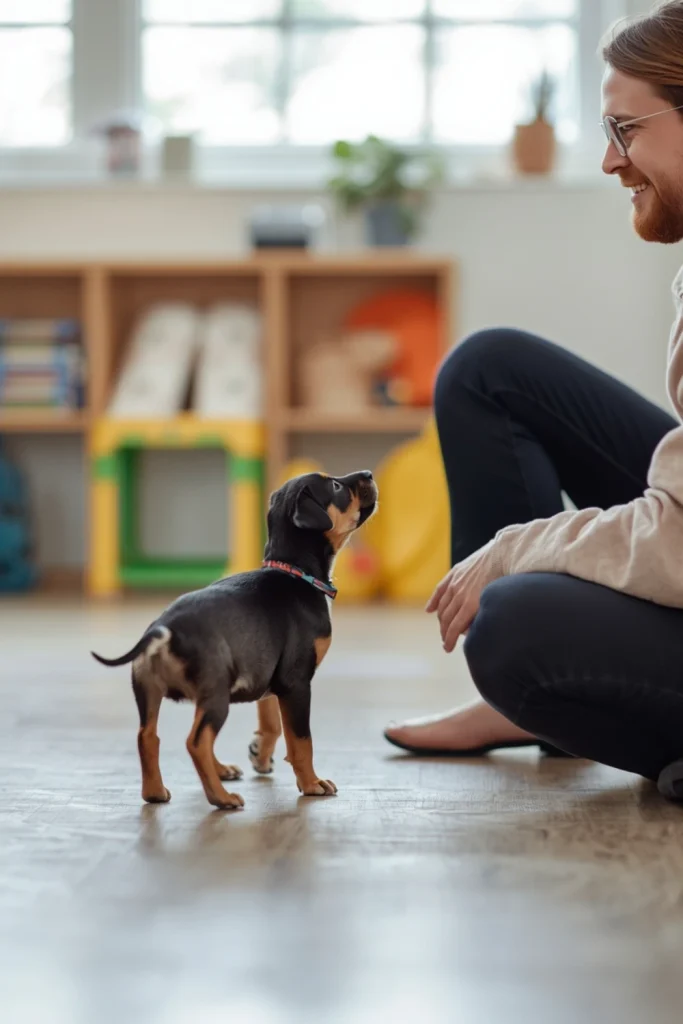
At five to six weeks, puppies can benefit from gentle, supervised interactions with familiar people. Caregivers can sit near the puppies, speak softly, and allow voluntary approaches. Different calm voices and appearances may help puppies become accustomed to normal human variation. These interactions should be brief and pleasant, with plenty of opportunities to return to their littermates and rest.
Avoid passing puppies around to numerous visitors or allowing children to handle them without close adult supervision. Sudden movements, loud voices, and rough handling can create unnecessary stress. Puppies should be able to move away whenever possible. Responsible early care supports a positive start, but puppies still need continued socialization after they enter their new homes.
5. 6 to 8 Weeks: Explore the World Before Going Home

The six-to-eight-week period is often a time of increasing curiosity, play, and interaction with littermates. Puppies may be introduced gradually to safe toys, household sounds, gentle handling, and different surfaces. Positive experiences can help them begin learning about their surroundings before moving to a new home, where they will encounter many additional changes.
Puppies still need protection from illness, so early exploration should take place in clean, appropriately managed environments. Avoid unknown dogs and potentially contaminated public ground. If you are selecting a puppy, ask the breeder or rescue organization about the puppy’s health care, handling, and exposure to everyday sounds. A well-supported transition can make the first days at home less overwhelming.
6. 8 to 10 Weeks: Establish a Positive Routine at Home
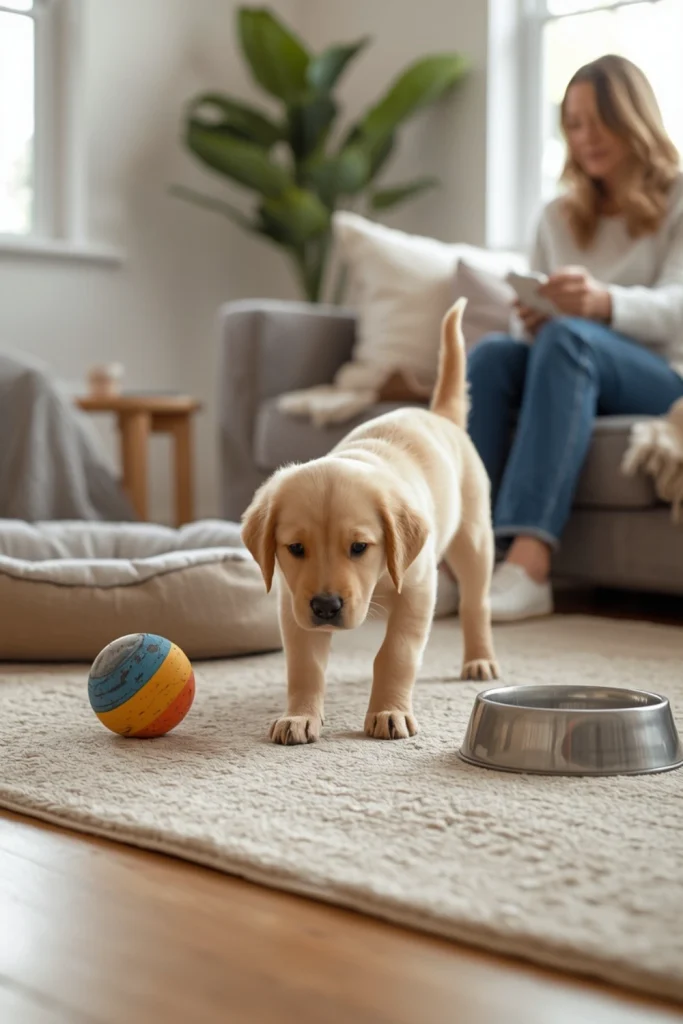
When your puppy arrives home, the first priority is helping it feel safe in its new environment. Introduce the sleeping area, feeding location, toilet area, and family members gradually. Keep the household routine predictable and allow the puppy to investigate one room at a time. Familiar routines can reduce uncertainty while the puppy learns about new smells, sounds, and people.
Begin gentle socialization with trusted visitors, safe household objects, and short handling exercises. Reward calm curiosity and avoid inviting too many people over at once. Puppies at this age need frequent naps, meals appropriate to their veterinary care plan, and opportunities to toilet. Keep early days calm rather than scheduling a long series of new experiences. Your puppy should have plenty of time to rest and build trust.
7. 8 to 12 Weeks: Introduce Friendly People and Everyday Sounds
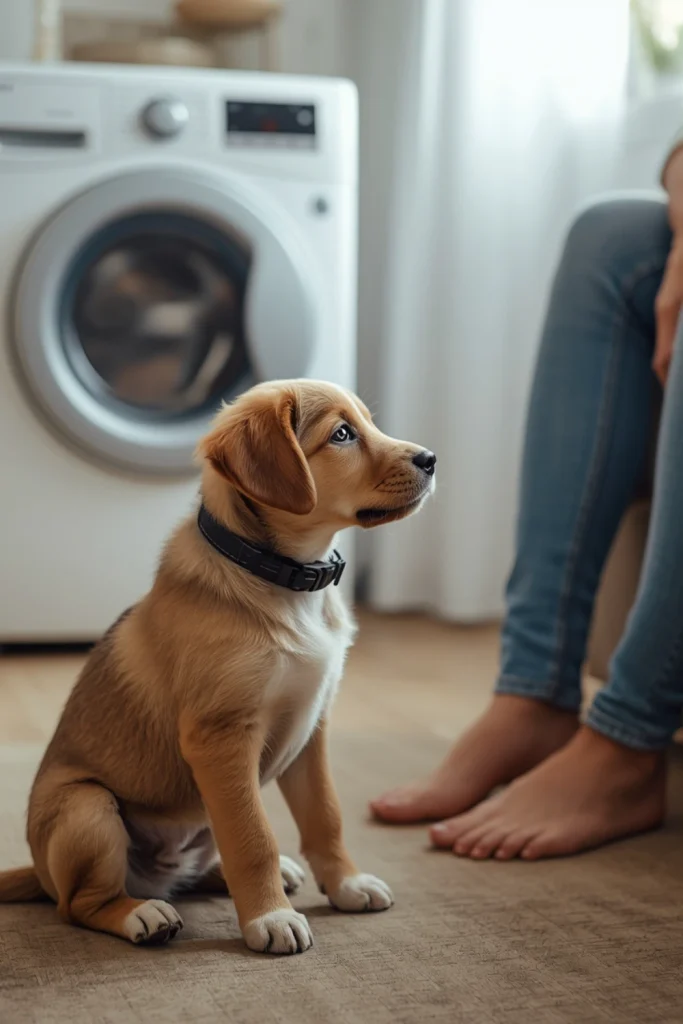
This period is a useful time to build positive associations with everyday life. Invite one or two trusted visitors at a time, and let your puppy decide whether to approach. You can also introduce gentle household sounds, such as a doorbell recording at low volume or an appliance operating from another room. Pair manageable experiences with treats, play, or another reward your puppy enjoys.
Avoid placing your puppy directly beside loud machinery or allowing visitors to crowd it. Keep a comfortable distance from anything unfamiliar and observe your puppy’s reactions. If it becomes tense or stops accepting treats, make the activity easier. Socialization during this stage should combine new experiences with familiar routines, quiet rest, and opportunities to play in a safe environment.
8. 8 to 12 Weeks: Begin Safe Outdoor Observation
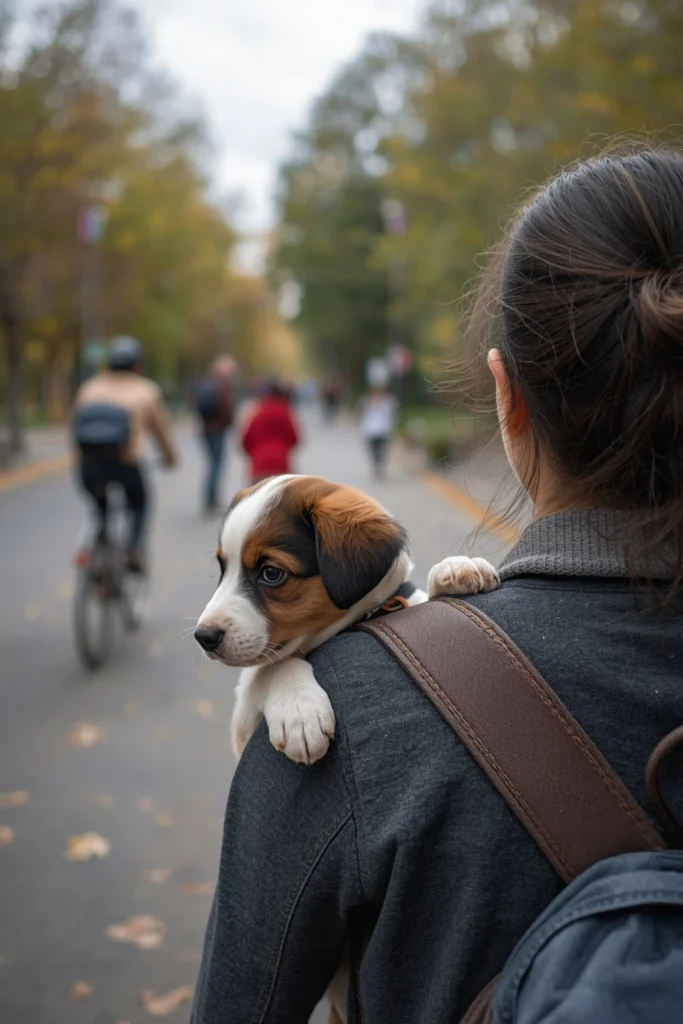
Outdoor observation can introduce your puppy to passing vehicles, pedestrians, bicycles, birds, and changing sounds. Choose a quiet location and remain at a distance where your puppy can observe without becoming overwhelmed. Depending on veterinary advice, you might carry your puppy or use another safe setup that avoids contact with potentially contaminated public ground.
Reward your puppy for calmly watching the environment, sniffing the air, or looking back toward you. You do not need to approach every person or dog. If traffic noise or movement causes worry, increase the distance or leave the area. Ask your veterinarian which outdoor locations are appropriate before the puppy completes its vaccinations. The objective is safe exposure, not maximum activity.
9. 10 to 12 Weeks: Practice Gentle Handling and Grooming
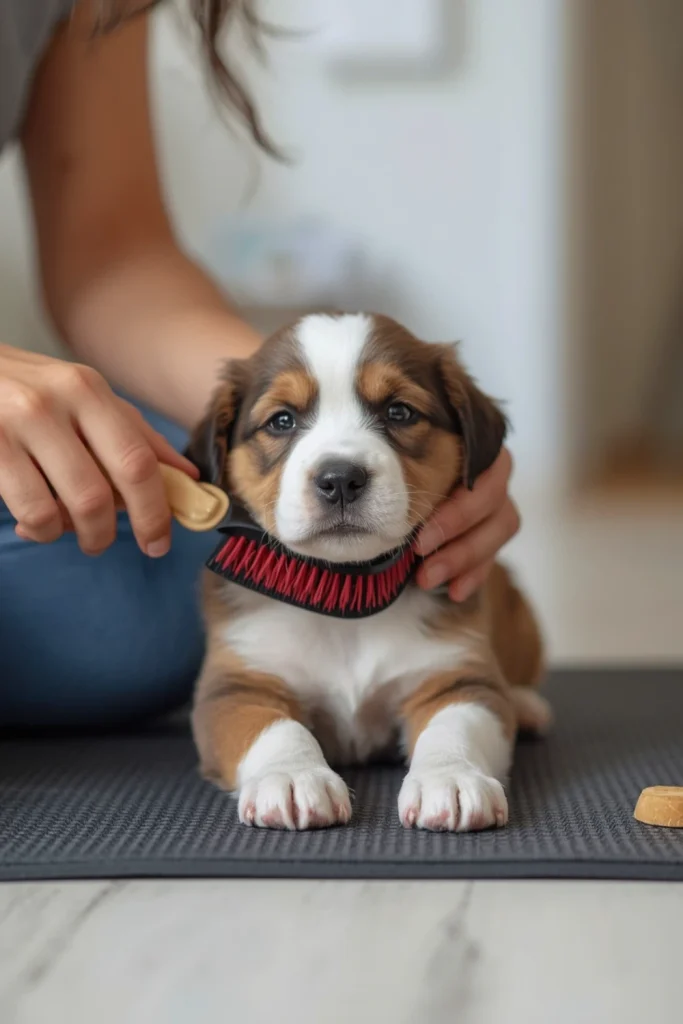
As your puppy becomes familiar with its new home, start short handling exercises that prepare it for routine care. Gently touch the paws, ears, shoulders, and collar, rewarding relaxed responses. Introduce a soft brush and allow the puppy to sniff it before brushing a small area of fur. These simple experiences can help make future grooming and veterinary visits more comfortable.
Keep the sessions brief and stop if your puppy becomes uncomfortable. Avoid forcing the puppy to remain still or completing a full grooming routine in one session. If your puppy pulls away, reduce the intensity and try again later. Use a stable, non-slip surface and choose grooming equipment appropriate for its coat. Gentle, predictable handling can build trust and make everyday care less stressful.
10. 10 to 14 Weeks: Introduce Suitable Dogs and Puppy Classes
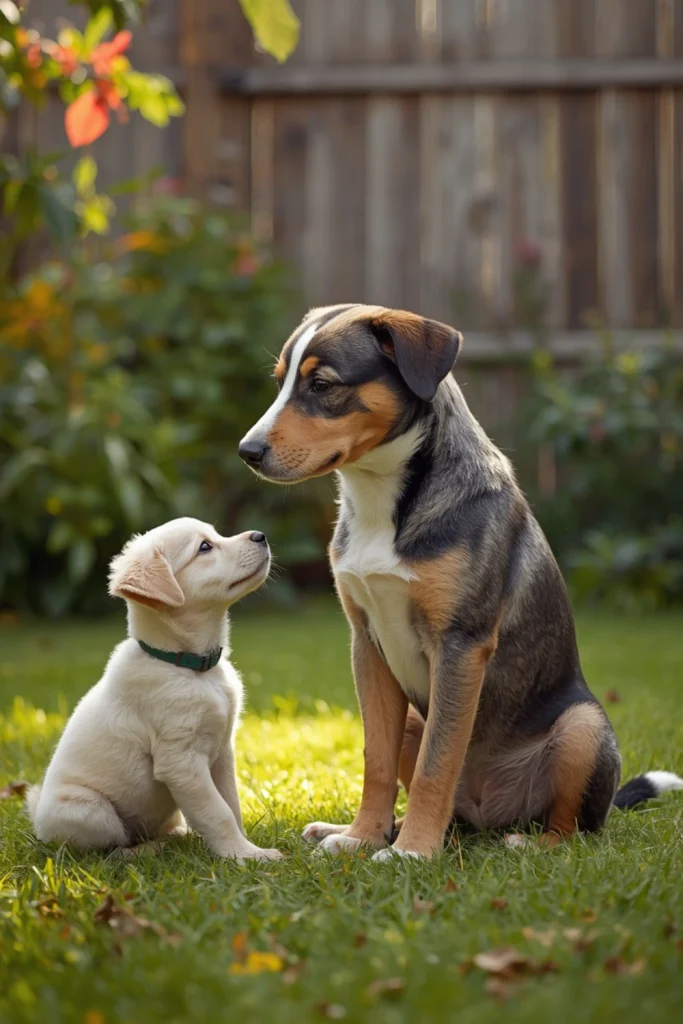
Positive interactions with other dogs can help puppies learn appropriate social behavior, but choosing the right environment is important. Arrange a controlled meeting with a healthy, friendly, appropriately vaccinated dog whose behavior is known. Start with space between the dogs and allow them to observe each other. Keep the interaction short and provide breaks before either dog becomes tired or overwhelmed.
You can also ask your veterinarian about a reputable puppy class that uses reward-based training and appropriate health precautions. A good class allows puppies to rest, observe, and move away from interactions. Avoid uncontrolled play sessions and places with a high risk of infectious disease. If your puppy appears fearful, a trainer can help you find a more gradual approach. Not every puppy needs direct play with every dog to socialize successfully.
11. 12 to 16 Weeks: Build Confidence With Everyday Environments
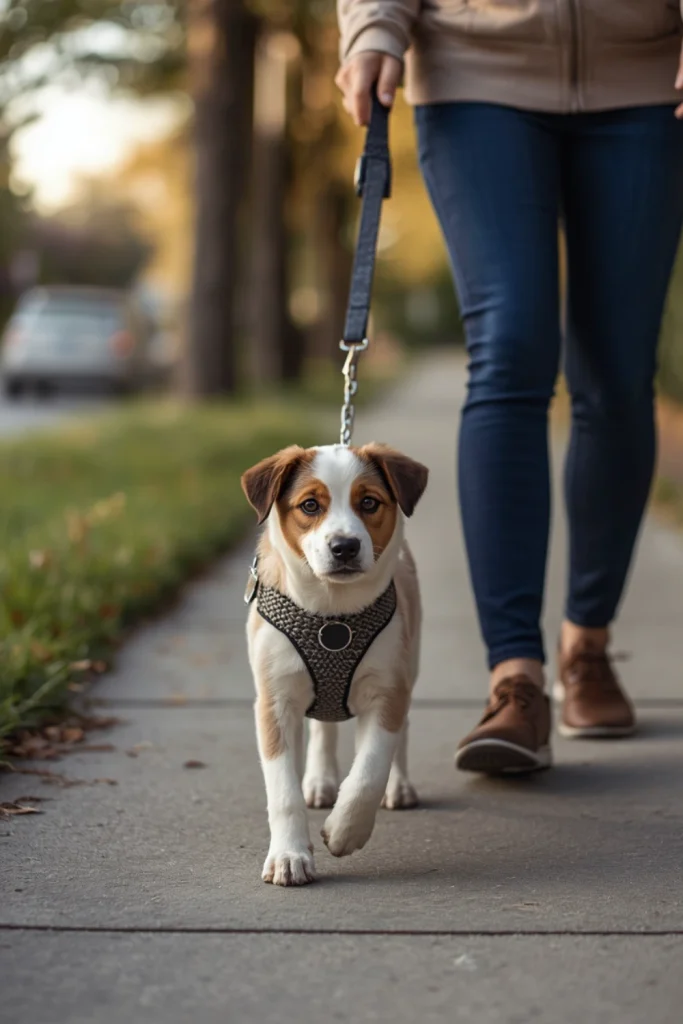
As your puppy grows, gradually introduce more variety into its experiences. Depending on veterinary guidance, this may include quiet streets, calm outdoor seating areas, different buildings, or brief visits to suitable puppy-friendly locations. Start during quieter periods and keep enough distance from traffic, crowds, and unfamiliar animals so your puppy can remain relaxed.
Reward calm observation and let your puppy investigate at its own pace. Avoid taking a young puppy to a crowded festival or noisy shopping area simply to provide exposure. One comfortable visit to a quiet environment can be more valuable than an overwhelming trip. If your puppy shows signs of stress, return to an easier setting and build confidence through gradual practice.
12. 3 to 4 Months: Practice Leash and Walking Skills

Around three to four months, many puppies can continue learning how to wear a harness, walk on a leash, and respond to their owners in different safe environments. Start in a quiet room or enclosed private area before practicing in a calm outdoor location approved by your veterinarian. Reward your puppy for following you, checking in, and walking without tension on the leash.
Do not expect long walks or perfect obedience at this age. Puppies have developing bodies and short attention spans, so keep walks appropriate for their individual needs and veterinary advice. Allow safe sniffing breaks and avoid dragging your puppy toward unfamiliar objects. The goal is to make walking a positive shared activity while gradually teaching useful skills for future outings.
13. 4 to 5 Months: Practice Calm Greetings and Independence
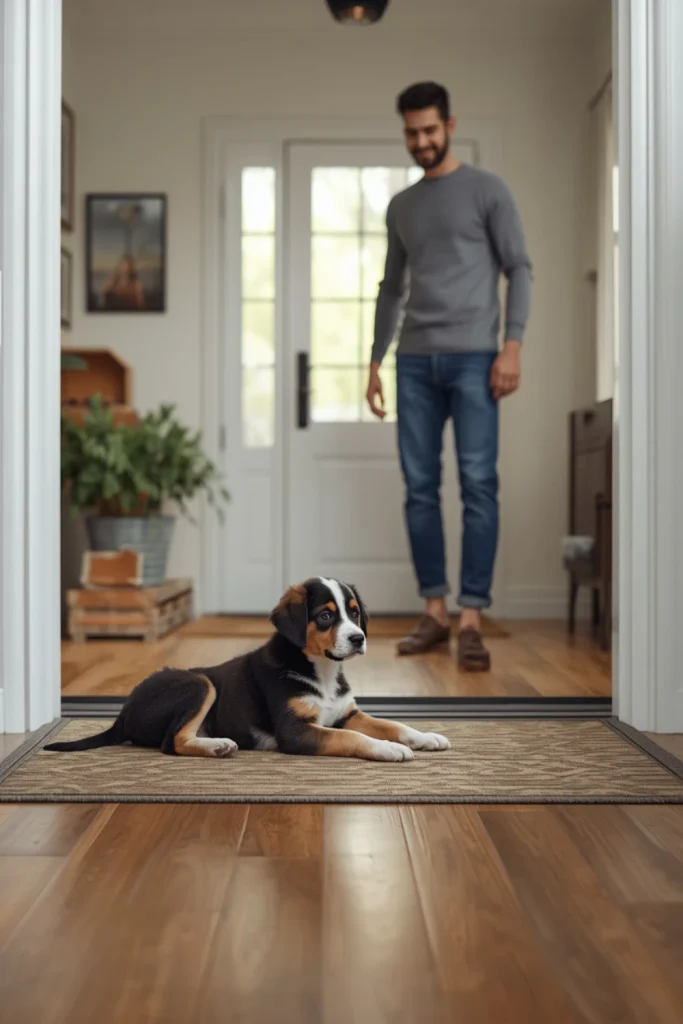
As puppies become more active and curious, they may become excited when visitors arrive or when they see familiar people. Practice calm greetings by rewarding four paws on the floor and encouraging the puppy to approach only when comfortable. A mat or quiet resting area can help your puppy learn to settle while visitors enter the home.
This is also a suitable time to build brief, positive periods of independence. Offer a safe chew toy or food puzzle while you remain nearby, then gradually increase the distance if your puppy stays relaxed. Avoid leaving a young puppy alone for long periods without preparation. Independence should be introduced gradually, and persistent distress when separated may require guidance from a veterinarian or qualified behavior professional.
14. 5 to 6 Months: Continue Socialization During Adolescence
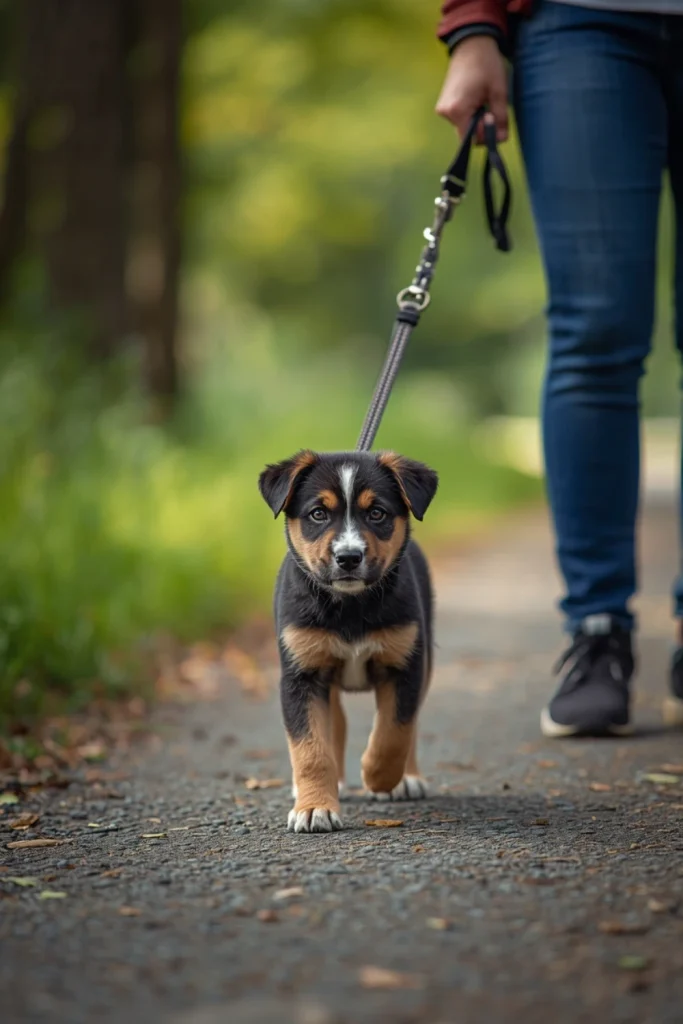
As your puppy approaches adolescence, it may become more energetic, independent, or cautious in unfamiliar situations. Experiences that previously seemed easy may suddenly feel challenging. Continue introducing people, sounds, surfaces, and environments gradually, and reward calm behavior. Familiar routines and positive reinforcement can help your puppy navigate changing responses during development.
Avoid assuming that earlier socialization means your work is complete. Continue practicing leash skills, calm observation, grooming, and appropriate dog interactions. Choose suitable environments rather than exposing your puppy to intense situations without preparation. If your puppy becomes fearful of something it previously accepted, reduce the difficulty and rebuild positive associations. Temporary uncertainty can happen, and patient training can help support confidence.
15. 6 to 12 Months: Maintain Confidence and Good Habits
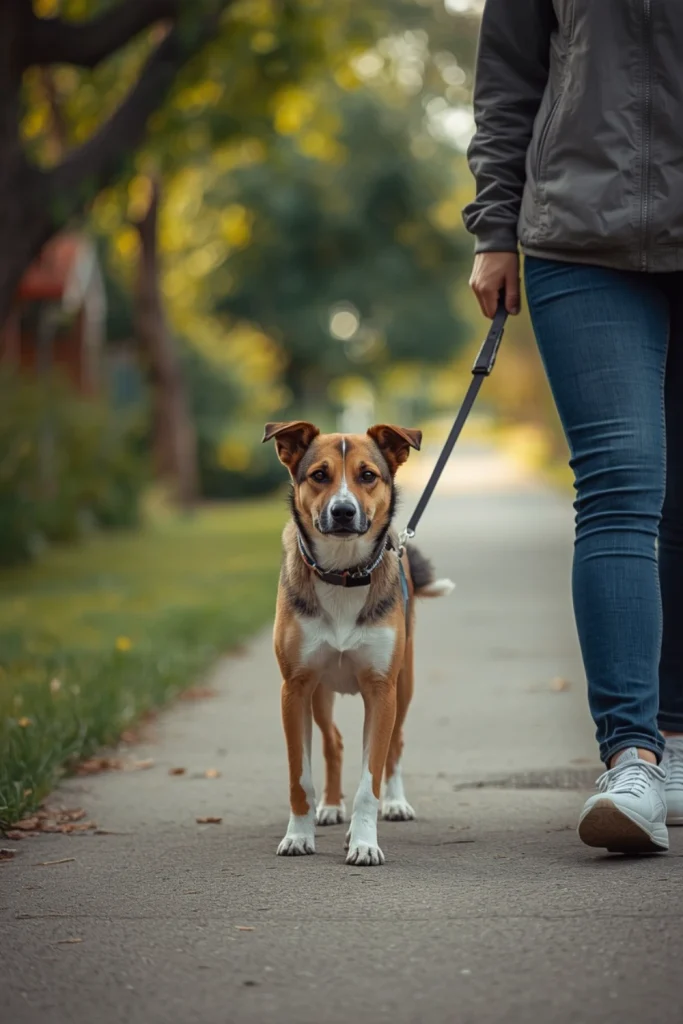
Between six and twelve months, many dogs enter adolescence, a stage when distractions and excitement may increase. Continue practicing the skills learned during puppyhood, including calm greetings, leash walking, settling on a mat, and responding to familiar cues. Provide opportunities to observe new environments and meet suitable people without requiring the dog to interact with everyone.
Keep training consistent and adjust activities to your dog’s maturity, health, and confidence. Some adolescent dogs may temporarily become more cautious or distracted, so return to easier exercises when necessary. Continue reward-based training and provide adequate rest, play, and enrichment. If your dog develops persistent fear, intense reactivity, or difficulty coping with ordinary situations, consult your veterinarian or a qualified behavior professional for individualized support.
Final Thoughts
A simple Puppy Socialization Schedule helps you introduce new experiences at the right pace while building trust and confidence. From the first gentle sensory experiences to leash practice and adolescent training, each stage offers opportunities to help your puppy become more comfortable with everyday life.
Remember that age ranges are general guidelines, not strict deadlines. Every puppy develops differently, and positive socialization depends on patience, repetition, rest, and respect for your puppy’s boundaries. Follow veterinary guidance about vaccination precautions, reward calm curiosity, and seek professional help if fear or distress persists. With a flexible routine and consistent support, you can give your puppy a strong foundation for a happy, confident future.