15 Winter Dog Care Tips to Keep Your Pup Comfortable
Winter can be a wonderful season for dogs and their families. Some pups love exploring snowy parks, playing in the garden, and enjoying cozy evenings at home. However, colder temperatures also bring challenges that every dog owner should understand. Dry skin, cold paws, wet fur, icy sidewalks, and reduced outdoor activity can affect your dog’s comfort and overall well-being.
Following the right Winter Dog Care Tips can help you protect your furry friend throughout the colder months. Whether you have a playful puppy, an adult dog, or a senior companion, simple changes to your daily routine can make winter safer and more enjoyable. From choosing comfortable bedding to protecting paws and maintaining exercise, these practical ideas will help keep your pup warm, healthy, and happy.
1. Create a Warm and Cozy Sleeping Space
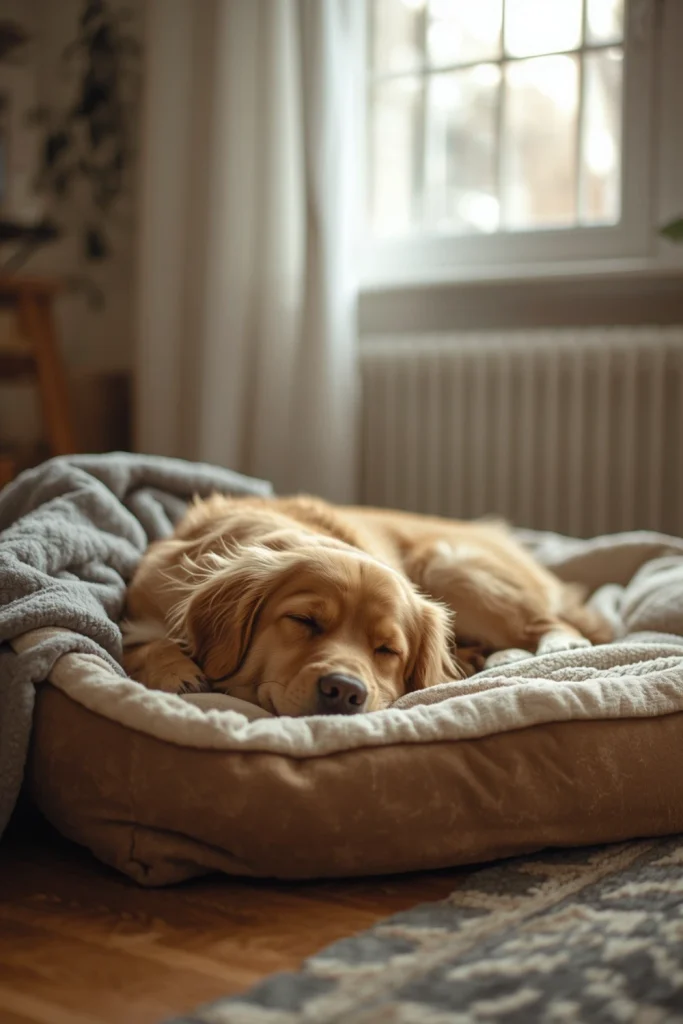
A comfortable sleeping area is one of the most important things your dog needs during winter. Cold floors, open windows, and drafty doorways can make resting uncomfortable, especially for small dogs and pets with short coats. Place your dog’s bed in a warm indoor area away from direct cold air. Choose a padded bed that provides enough support and keeps your pup’s body separated from cold flooring. A washable blanket can add another layer of comfort during chilly nights.
Pay attention to your dog’s sleeping habits when arranging the space. Some dogs enjoy curling up in a soft, enclosed bed, while others prefer a larger mattress where they can stretch out. Keep bedding clean and dry, and wash blankets regularly to remove dirt and loose hair. Avoid placing beds directly beside heaters, fireplaces, or other hot surfaces because excessive heat can cause burns or discomfort.
2. Choose a Suitable Winter Coat or Sweater
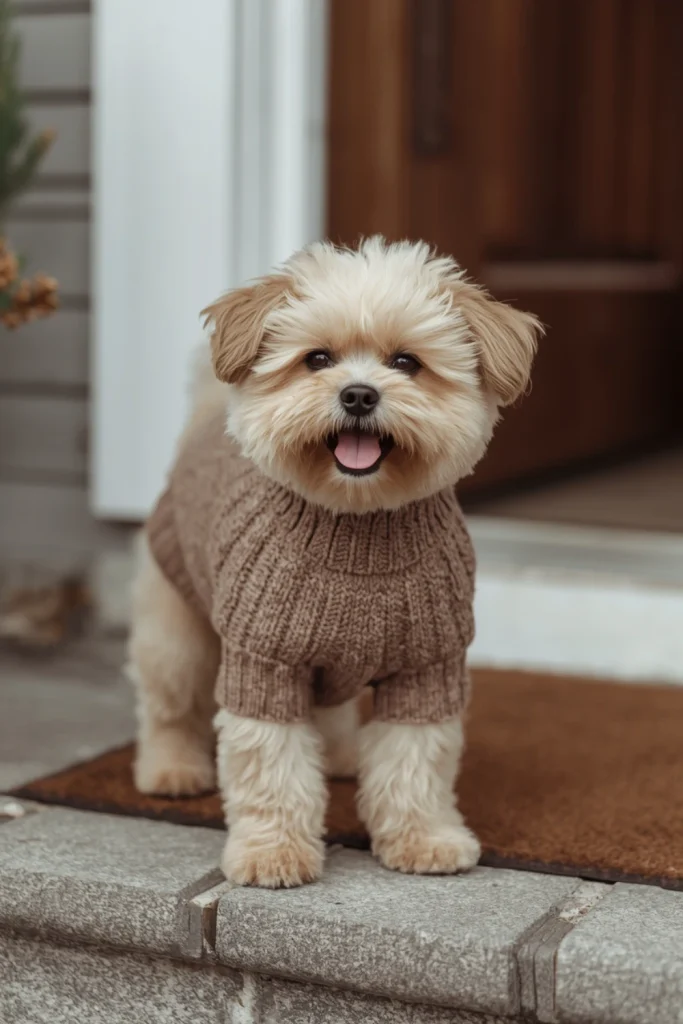
Some dogs need extra protection when temperatures drop, particularly small breeds, short-haired dogs, puppies, and senior pets. A comfortable winter coat or sweater can help these dogs stay warmer during outdoor walks. Choose clothing that covers the chest and back while allowing your dog to move naturally. A suitable jacket should not pull around the neck, restrict the legs, or make breathing uncomfortable. Soft, breathable materials are often more comfortable for everyday use.
Before buying winter clothing, measure your dog’s chest, neck, and back according to the manufacturer’s instructions. Introduce the garment slowly by allowing your pup to sniff it before putting it on. Reward calm behavior so your dog develops a positive association with wearing clothes. Remove the coat when your dog comes indoors if the room is warm, and always take off wet clothing promptly to prevent discomfort.
3. Protect Your Dog’s Paws from Snow and Ice
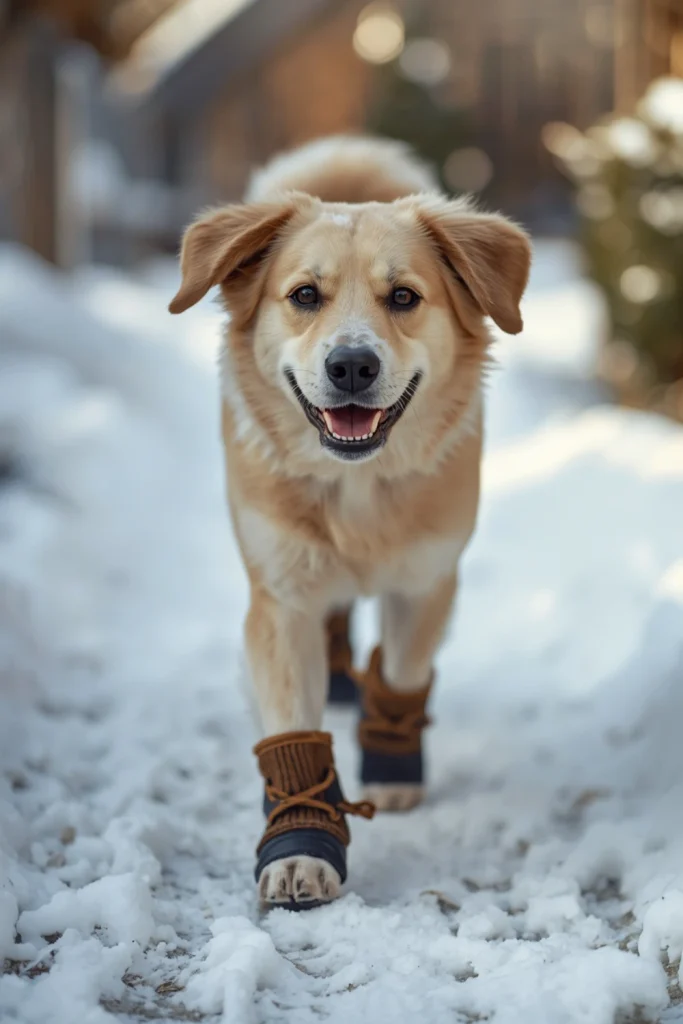
Your dog’s paws come into direct contact with cold pavement, snow, ice, and other winter surfaces. These conditions can cause dryness, irritation, cracking, and discomfort. Road salt and ice-melting chemicals may also stick to paw pads and fur between the toes. During winter walks, watch for signs that your dog is uncomfortable, such as repeatedly lifting its feet, stopping, limping, or trying to return home.
Dog boots can provide useful protection when your pet walks on icy or salted surfaces. Choose boots that fit securely without squeezing the paws, and introduce them gradually indoors. If your dog refuses to wear boots, ask your veterinarian about an appropriate paw balm. After every outdoor walk, gently rinse or wipe the paws with lukewarm water and dry them carefully. Check between the toes for trapped ice, small cuts, redness, or unusual swelling.
4. Adjust Your Dog’s Walking Schedule
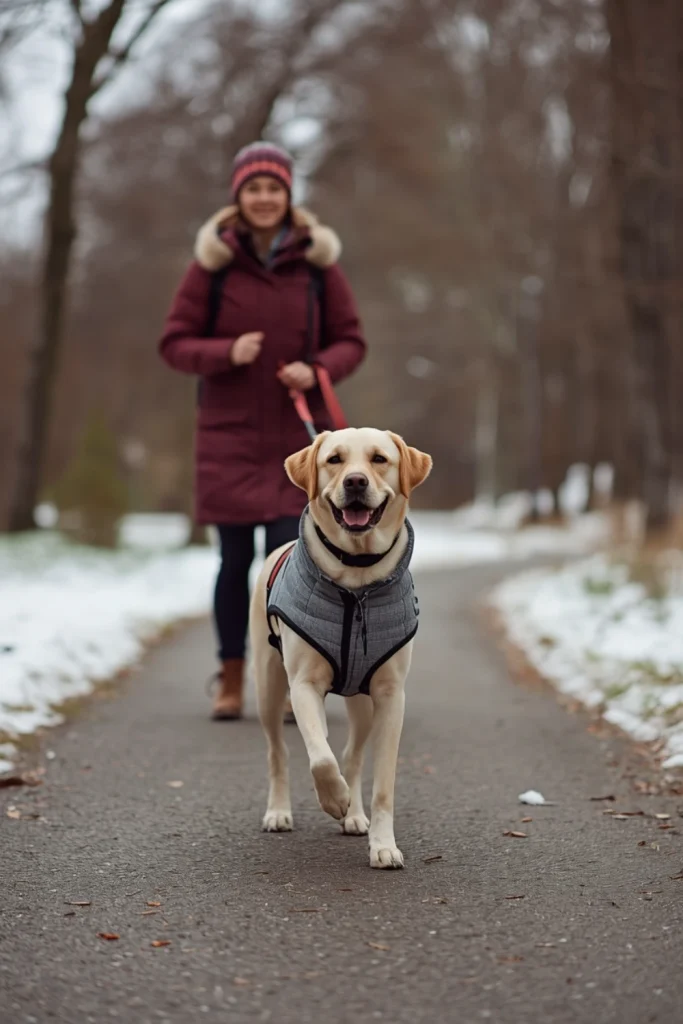
Regular walks remain important during winter, but extremely cold weather may require changes to your usual schedule. Instead of taking one long walk, consider several shorter walks throughout the day. This allows your dog to enjoy fresh air, bathroom breaks, and outdoor stimulation without spending too much time in uncomfortable temperatures. Choose the warmest suitable part of the day when possible, and avoid severe weather conditions.
Every dog has a different level of cold tolerance, so observe your pet carefully. Shivering, whining, slowing down, lifting paws, or refusing to walk can indicate discomfort. Select routes with safe surfaces and avoid heavily iced sidewalks where your dog could slip. Use a secure leash, especially when snow reduces visibility or covers familiar paths. If the weather becomes unsafe, replace the outdoor walk with suitable indoor activities.
5. Keep Your Dog’s Fur Clean and Dry
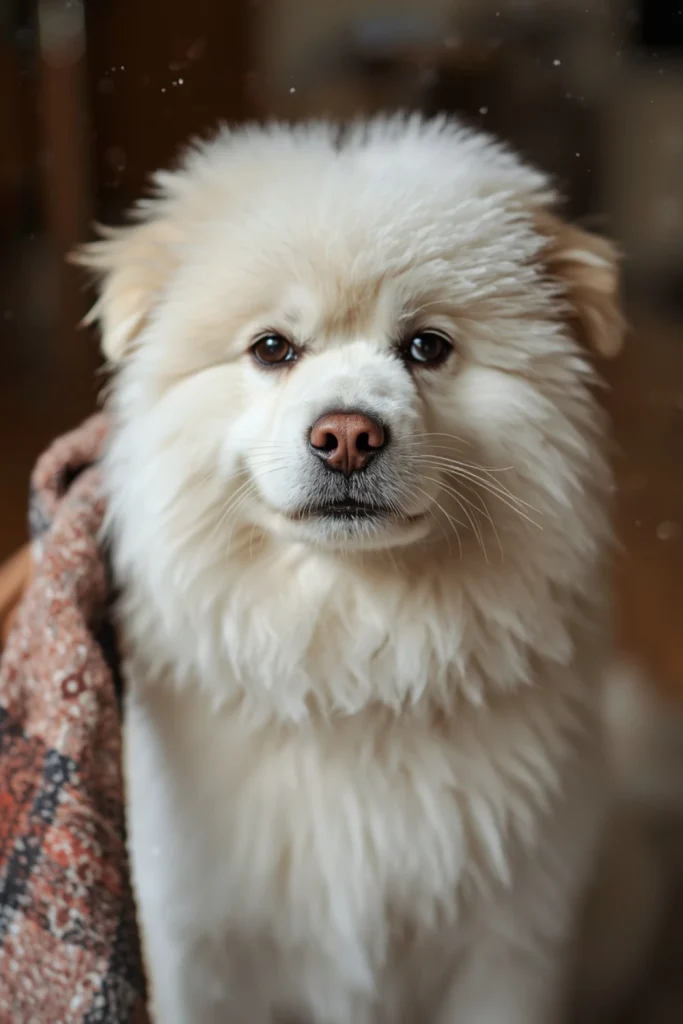
Wet fur can make your dog uncomfortable and increase heat loss in cold weather. Snow, rain, and damp grass may leave your pet’s coat wet after outdoor activities. When your dog comes inside, use a soft, absorbent towel to dry the body, belly, legs, and paws. Pay particular attention to long-haired dogs because moisture can remain trapped underneath thick fur. A clean, dry coat helps your pup settle comfortably after winter walks.
Regular brushing is also important because it removes loose hair, dirt, and tangles. Dogs with long or double coats may need more frequent brushing to prevent mats that trap moisture and debris. If you use a pet-safe dryer, select a low and comfortable heat setting and avoid directing hot air at one spot for too long. Never allow your dog to remain in wet clothing or bedding. Make sure the coat is completely dry before bedtime.
6. Maintain a Balanced Winter Diet
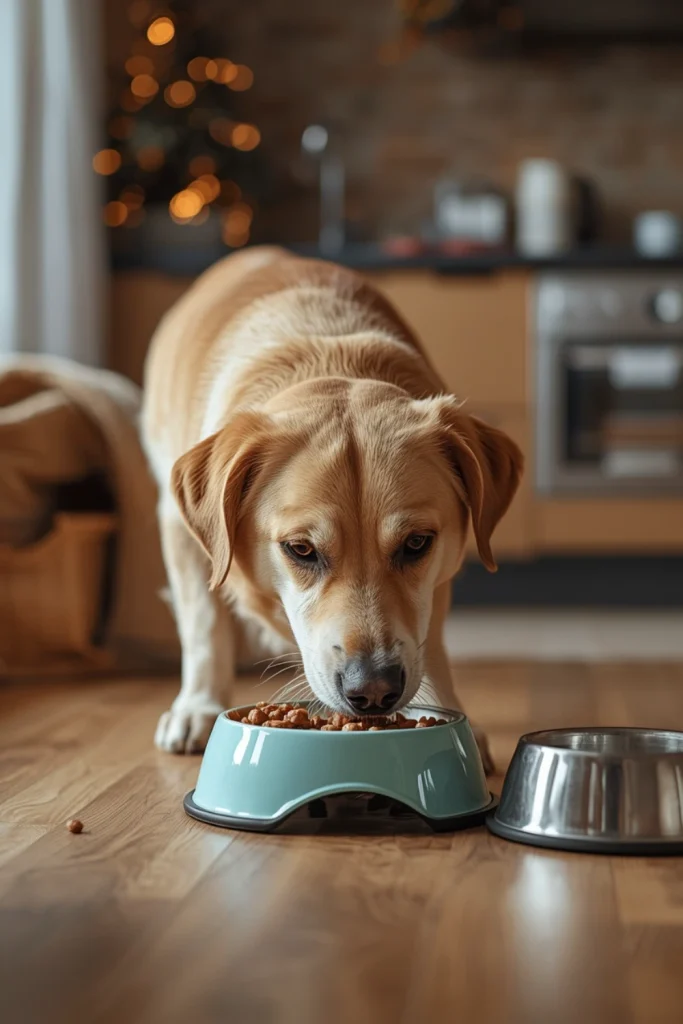
A healthy diet supports your dog’s energy, immune system, muscles, and general well-being throughout winter. Some dogs remain active during colder months, while others spend more time indoors and exercise less. These changes can affect their daily calorie needs. Rather than automatically increasing food portions because the weather is cold, consider your dog’s activity level, age, size, and body condition. A balanced diet should provide the nutrients your pet needs without unnecessary extra calories.
Choose complete and balanced dog food that is appropriate for your pet’s life stage. Follow feeding guidance from your veterinarian and monitor your dog’s weight regularly. If your dog becomes less active during winter, you may need to adjust portions to prevent unwanted weight gain. Treats should remain a small part of the daily diet. Avoid giving excessive table scraps or fatty human foods, as these can upset digestion and contribute to unhealthy weight changes.
7. Keep Fresh Drinking Water Available
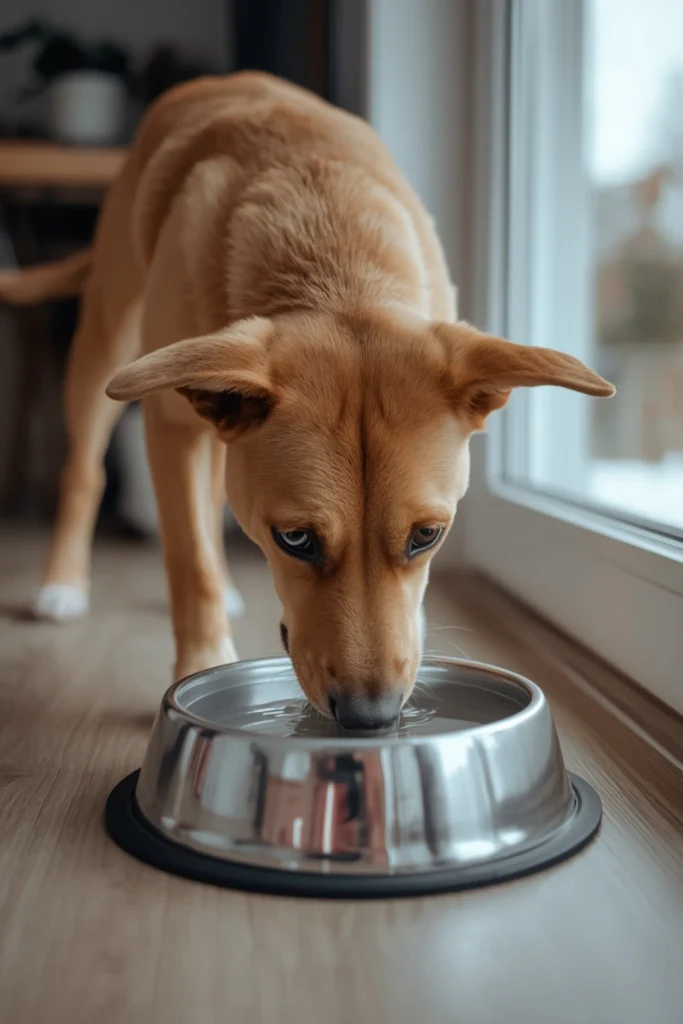
Dogs need fresh water throughout the year, even when temperatures are low. Some pets may drink less during winter because they do not feel as thirsty as they do in hot weather. However, proper hydration remains important for digestion, circulation, and normal body functions. Indoor heating can also make the air dry, so keeping water available is especially important for dogs that spend most of their time inside.
Wash your dog’s water bowl regularly and refill it with clean water several times a day. Place the bowl somewhere your pup can reach easily without having to cross slippery floors. If your dog spends time outdoors, check that the water has not frozen. Replace icy water with fresh water and use a suitable container during freezing conditions. Never assume your dog is drinking enough simply because a bowl is nearby; observe its normal drinking habits.
8. Provide Indoor Exercise and Mental Stimulation
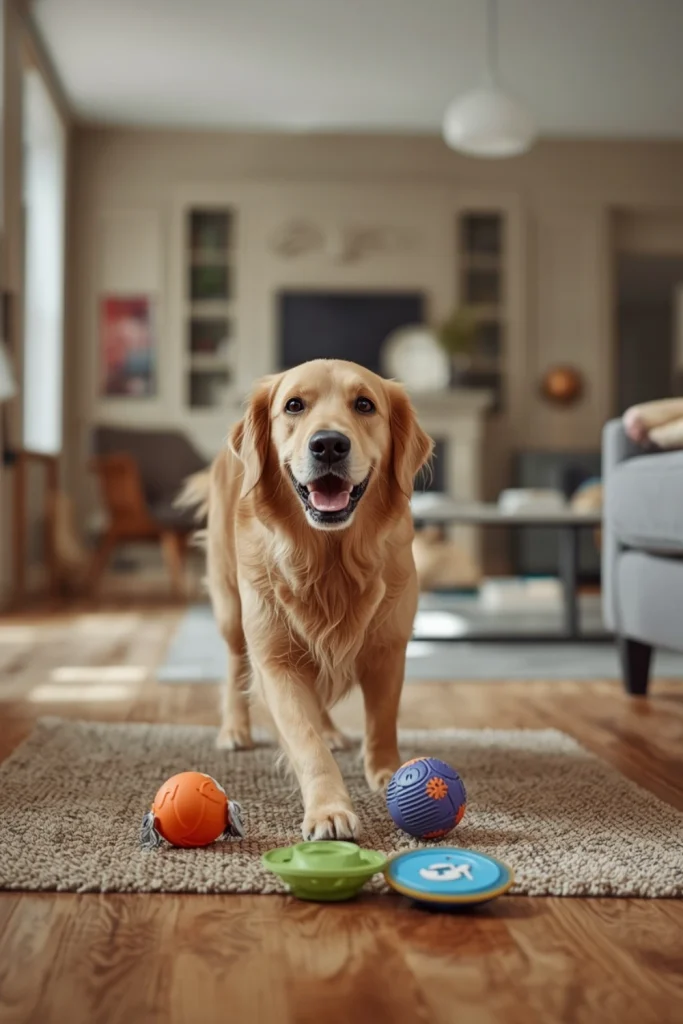
Bad weather can make outdoor exercise difficult, but dogs still need regular movement and mental activity. Spending too much time without stimulation may lead to boredom, excessive barking, chewing, or other unwanted behaviors. Indoor games provide an excellent way to keep your pup active when it is too cold, wet, or icy outside. Choose activities that suit your dog’s age, energy level, and physical abilities.
Try gentle indoor fetch, hide-and-seek, basic obedience practice, or simple scent games. Puzzle feeders and treat-dispensing toys can also encourage your dog to think and work for rewards. Before starting a game, remove objects that could cause injuries and make sure the floor is not slippery. Avoid encouraging high jumps or fast running in small spaces. A few short play sessions throughout the day can help maintain a healthy routine.
9. Protect Your Dog from Winter Chemicals
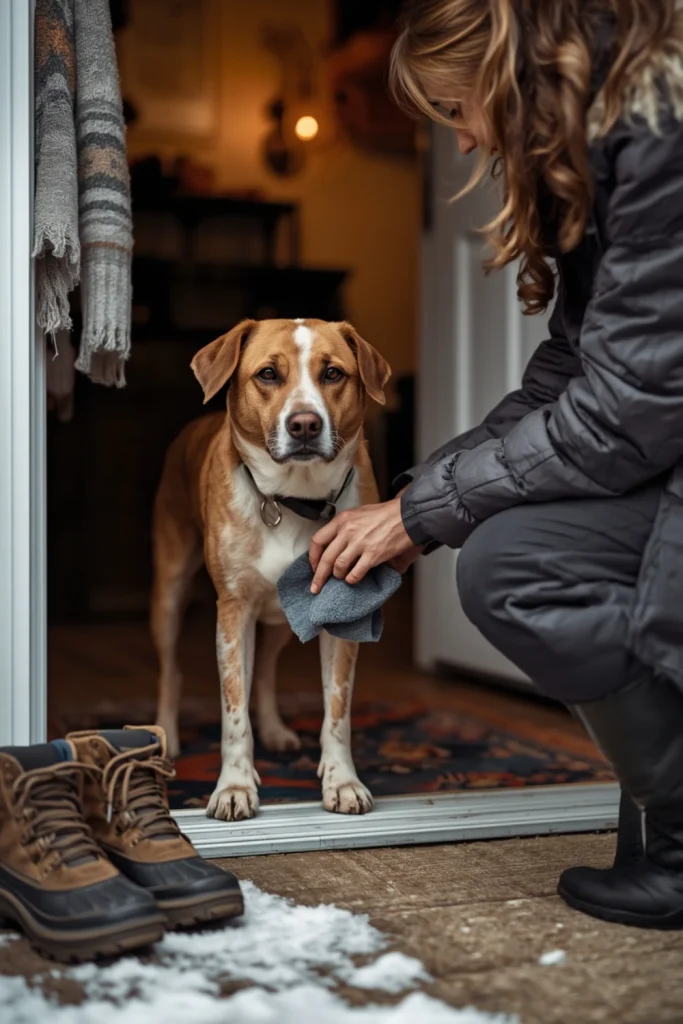
Winter roads and sidewalks may contain salt, antifreeze, and chemical products used to melt ice. These substances can irritate your dog’s paws and may cause serious harm if swallowed. Dogs sometimes lick their feet after returning from a walk, which increases the risk of swallowing chemical residue. Antifreeze is particularly dangerous, and suspected exposure should always be treated as an emergency.
Keep your dog away from puddles, spills, garages, and containers holding automotive chemicals. Store all cleaning and de-icing products in secure places that pets cannot access. After walking on treated surfaces, clean your dog’s paws and lower legs with lukewarm water and dry them thoroughly. If you suspect your dog has swallowed antifreeze or another harmful chemical, contact an emergency veterinarian immediately. Do not wait for symptoms or attempt to treat poisoning at home.
10. Watch for Signs of Cold Stress
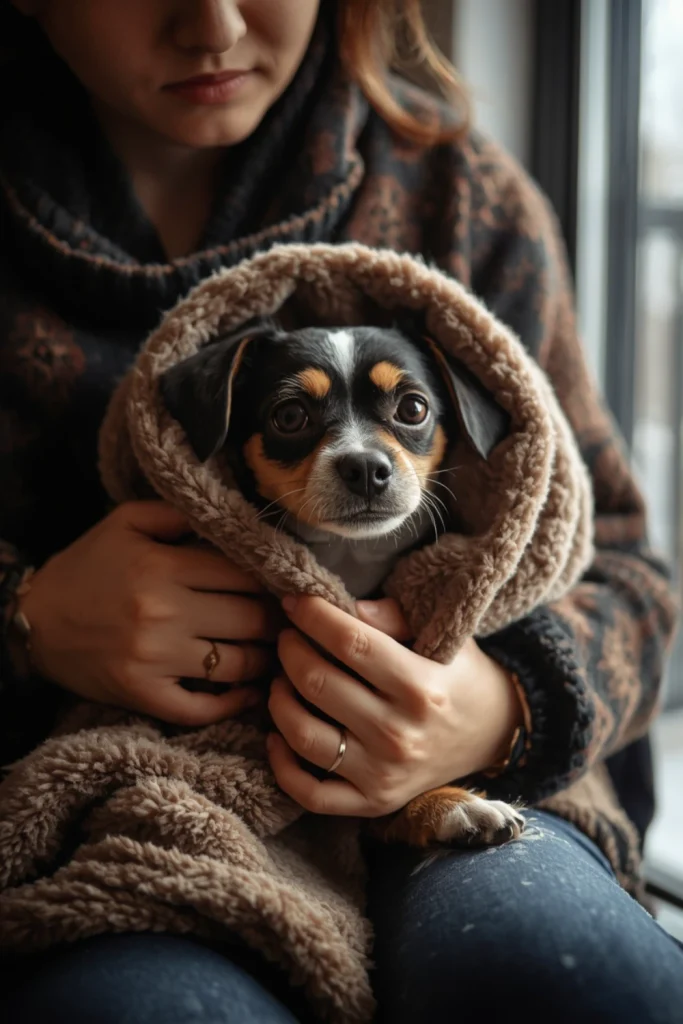
Dogs cannot explain when they feel too cold, so owners must learn to recognize changes in behavior. Common signs of cold stress include shivering, whining, lifting paws, curling up tightly, seeking shelter, and refusing to continue walking. Some dogs may become unusually quiet or less interested in outdoor activities. If you notice these signs, take your dog to a warm place and allow it to rest.
More serious warning signs include weakness, confusion, difficulty walking, and unusual breathing. These symptoms may indicate hypothermia or another medical problem that requires urgent veterinary attention. Move your dog to a dry, warm environment and contact a veterinarian immediately if serious symptoms appear. Use dry blankets to provide gentle warmth, but avoid direct high heat or rubbing areas that may have frostbite. Never ignore unusual behavior simply because your dog has a thick coat.
11. Maintain a Regular Grooming Routine
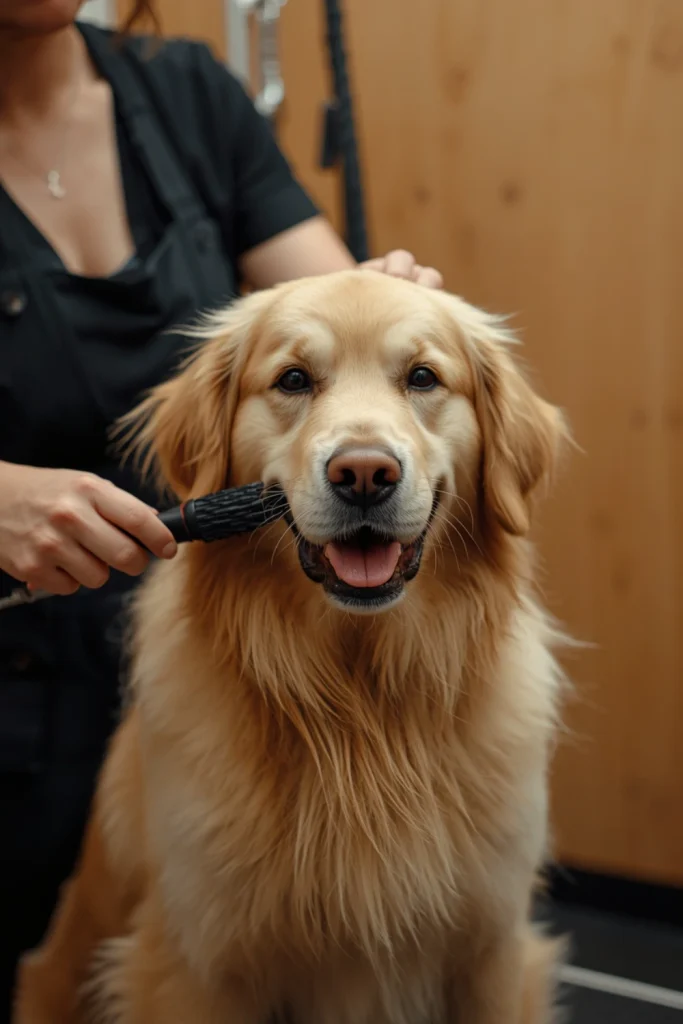
Grooming is important during winter because it helps keep your dog’s skin and coat healthy. Regular brushing removes loose hair, dirt, and tangles while allowing you to check for skin irritation or unusual changes. Dogs with long or thick coats may need frequent brushing because mats can trap moisture and make the coat uncomfortable. A well-maintained coat also makes it easier to notice small problems before they become more serious.
Avoid shaving your dog’s coat unnecessarily during winter, especially if your pet belongs to a breed with a double coat. Bathing should depend on your dog’s individual needs rather than a fixed schedule. Use a gentle shampoo designed specifically for dogs and make sure the coat dries completely after bathing. Check the ears, nails, paw pads, and skin during grooming. If you notice persistent itching, redness, or unusual hair loss, consult your veterinarian.
12. Give Extra Attention to Puppies and Senior Dogs

Puppies and senior dogs may need additional protection during cold weather. Young puppies are still developing and may have more difficulty maintaining a comfortable body temperature. Older dogs may have reduced mobility, joint discomfort, or health conditions that make cold weather harder to tolerate. Provide these pets with a warm indoor resting area and supervise outdoor activities carefully.
Keep outdoor sessions short when temperatures are low, and avoid allowing puppies or senior dogs to sit on cold, damp ground for long periods. Soft bedding can provide extra comfort, especially for older pets that struggle to get up from hard surfaces. Make sure puppies receive appropriate bathroom breaks and gentle play opportunities. If your senior dog seems unusually stiff or uncomfortable, discuss suitable winter care and pain management options with a veterinarian.
13. Keep Your Dog Safe Around Heaters and Fireplaces
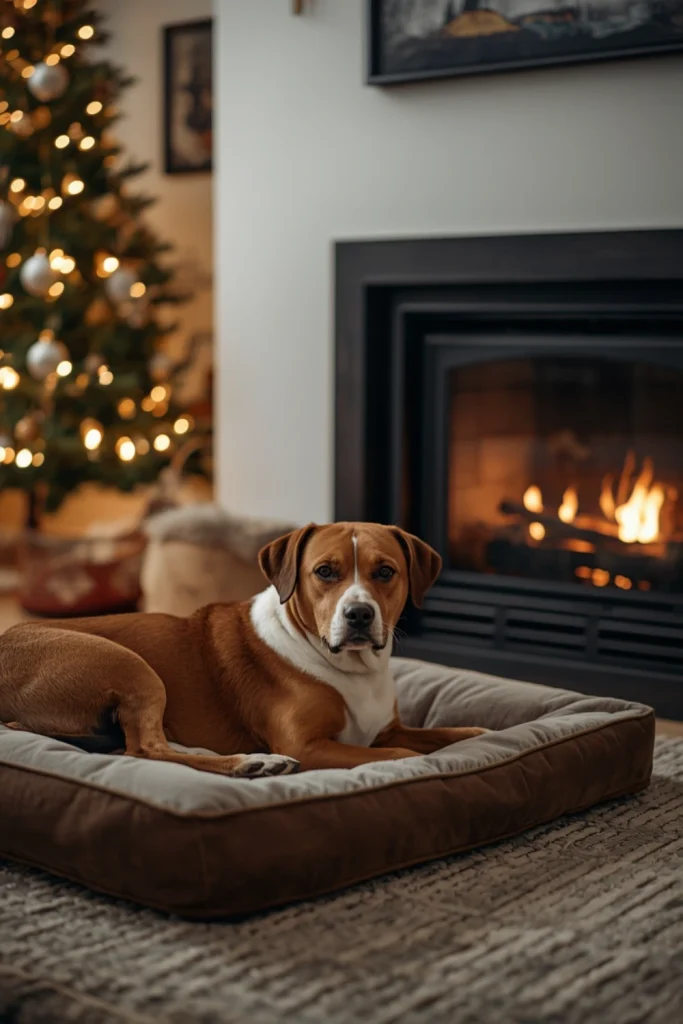
Heaters and fireplaces can make your home more comfortable during winter, but they may also create safety risks for curious pets. Dogs sometimes move too close to warm surfaces because they enjoy the heat. Direct contact with heaters, fireplaces, radiators, or hot equipment can cause burns. A pet may also accidentally knock over a portable heater while playing or moving around the room.
Create a safe resting area that allows your dog to stay warm without sitting directly beside a heat source. Use suitable protective barriers around fireplaces and keep electrical cords out of reach. Never leave a portable heater unattended where your dog can access it. Make sure your pet can move away from warmth whenever it feels too hot. A comfortable room temperature and a padded dog bed are generally safer than direct exposure to intense heat.
14. Keep Your Dog’s Identification and Safety Gear Updated
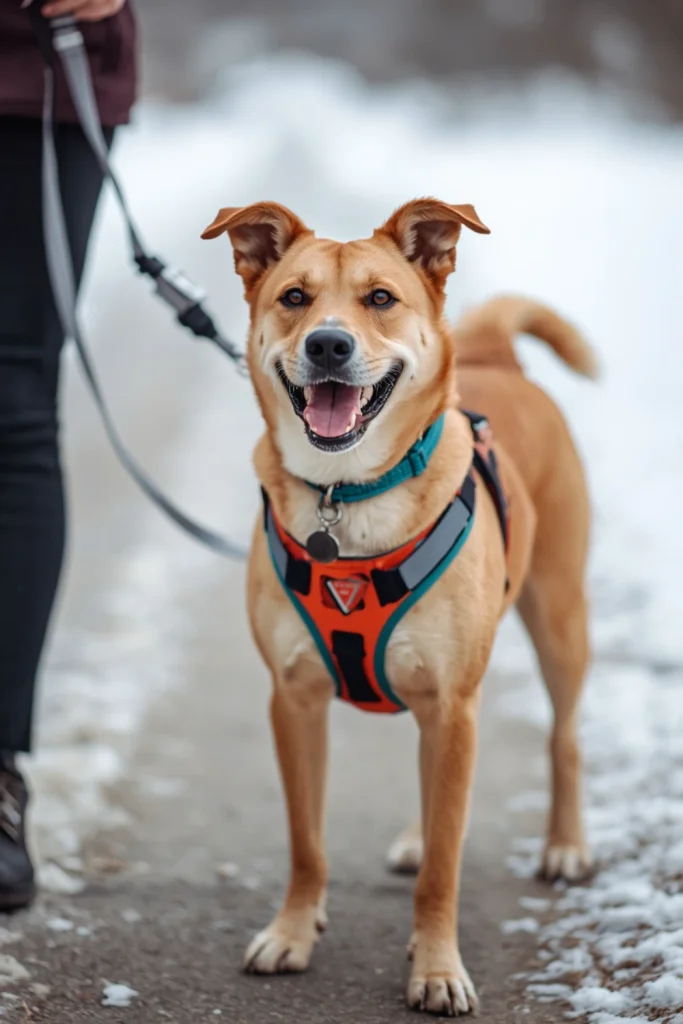
Winter weather can make outdoor conditions unpredictable. Snow, fog, rain, and early darkness may reduce visibility and make it harder to recognize familiar surroundings. If your dog becomes separated from you, proper identification can help someone return your pet safely. Make sure your dog wears a comfortable collar with an updated identification tag that includes a current phone number.
A registered microchip provides another important layer of identification. Check that your contact details are correct with the microchip registry. For evening walks, consider reflective equipment or a suitable light-up accessory to help drivers and other people see your dog. Use a secure leash and properly fitted harness, especially in unfamiliar places. Snow may cover landmarks and walking paths, so avoid allowing your dog to roam freely in areas where it could become lost.
15. Schedule Regular Winter Veterinary Checkups
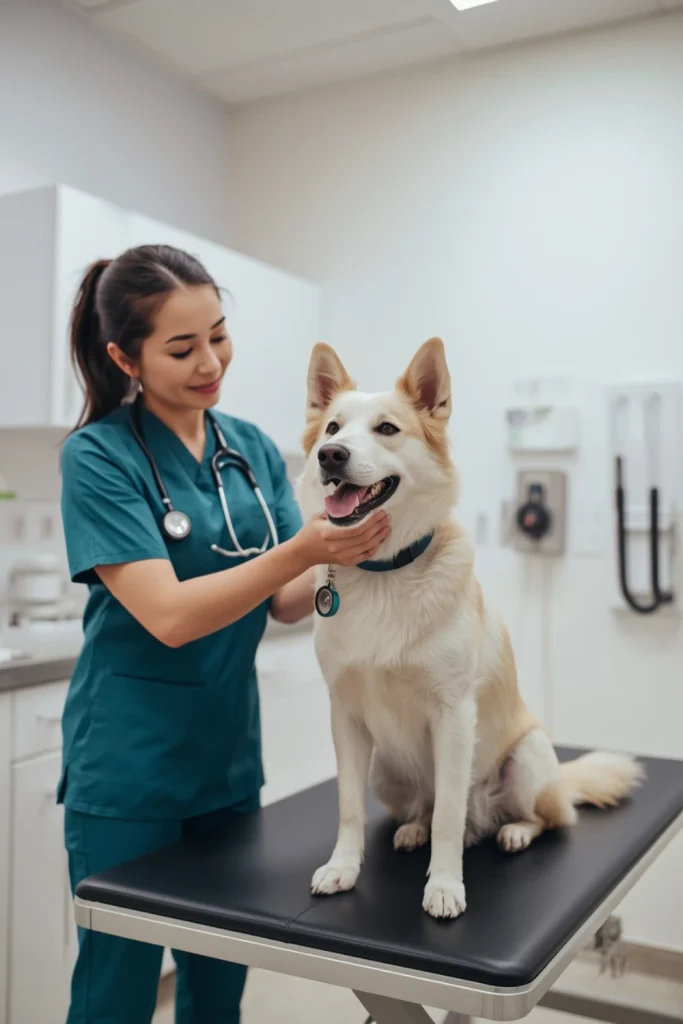
A veterinary checkup is an important part of responsible winter dog care. Cold weather may make existing health problems more noticeable, particularly in senior dogs and pets with joint or mobility issues. A veterinarian can assess your dog’s general condition and recommend suitable changes to its diet, exercise, grooming, and daily routine. Regular checkups also provide an opportunity to discuss any concerns you have noticed during colder months.
Do not wait for a routine appointment if your dog develops unusual symptoms. Persistent coughing, changes in appetite, weakness, skin irritation, difficulty walking, or unusual tiredness should be discussed with a veterinarian. Keep vaccinations, parasite prevention, and prescribed medications up to date according to professional advice. Your veterinarian can also help you decide whether your dog needs additional protection based on its breed, age, and health history.
Conclusion
Keeping your pup comfortable during winter does not require complicated routines or expensive equipment. The most important Winter Dog Care Tips include providing warm bedding, choosing suitable clothing when needed, protecting sensitive paws, maintaining a balanced diet, and adjusting outdoor exercise. Regular grooming, fresh drinking water, and careful supervision also help your dog stay comfortable during colder months.
Remember that every dog has different needs. Puppies, senior dogs, small breeds, and pets with health conditions may require additional attention. Watch your dog’s behavior, make changes when temperatures become uncomfortable, and contact your veterinarian if you notice unusual symptoms. With consistent care and a little preparation, you can help your furry companion enjoy a safe, healthy, and comfortable winter.