
15 Common New Dog Owner Mistakes to Avoid
Bringing a new dog into your home is an exciting experience filled with cuddles, playful moments, and unforgettable memories. However, becoming a responsible dog owner involves more than providing food, toys, and a comfortable bed. Dogs need consistent training, proper nutrition, regular exercise, veterinary care, and plenty of patience. Whether you are welcoming a young puppy or adopting an adult dog, understanding the most common mistakes can help you build a happier and healthier relationship with your new companion.
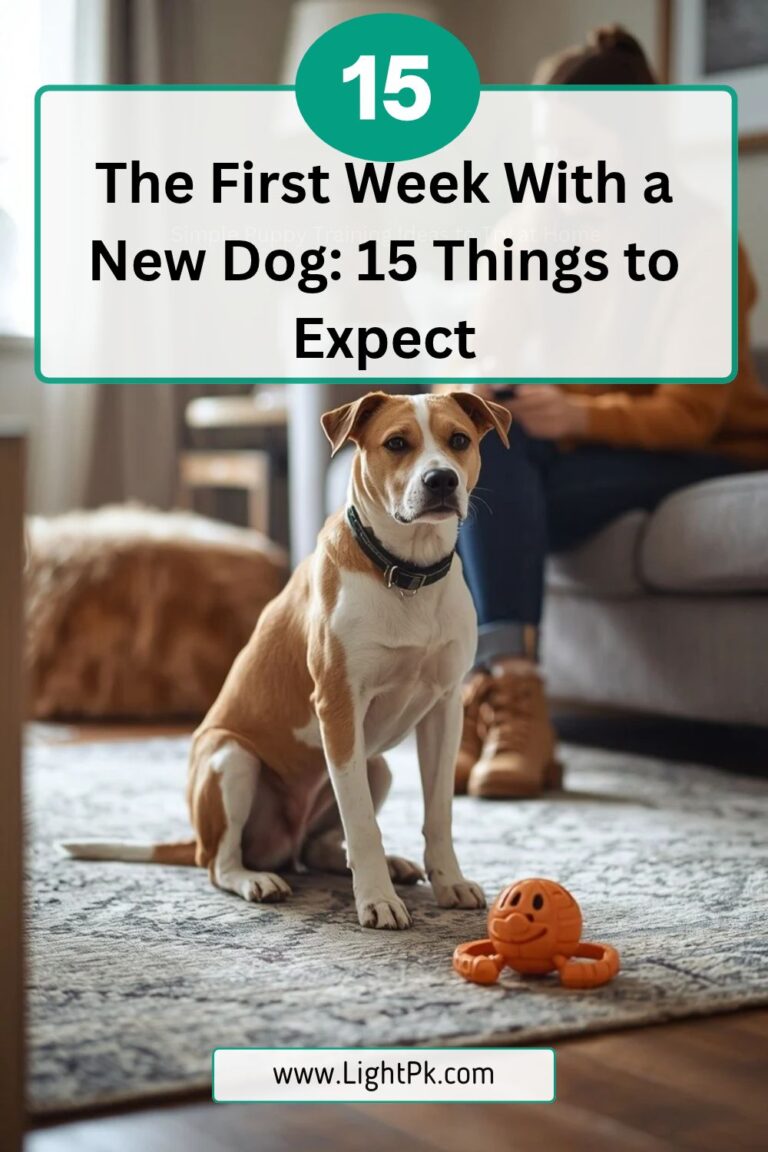
Many first-time owners make simple mistakes without realizing how these decisions can affect their dog’s behavior, confidence, and well-being. The good news is that most of these problems are preventable with the right knowledge and a little preparation. In this guide, we will explore 15 common Dog Owner Mistakes to avoid, along with practical tips to help you raise a well-behaved, confident, and healthy dog. These suggestions can make your first days, weeks, and months together much easier.
1. Bringing a Dog Home Without Proper Preparation
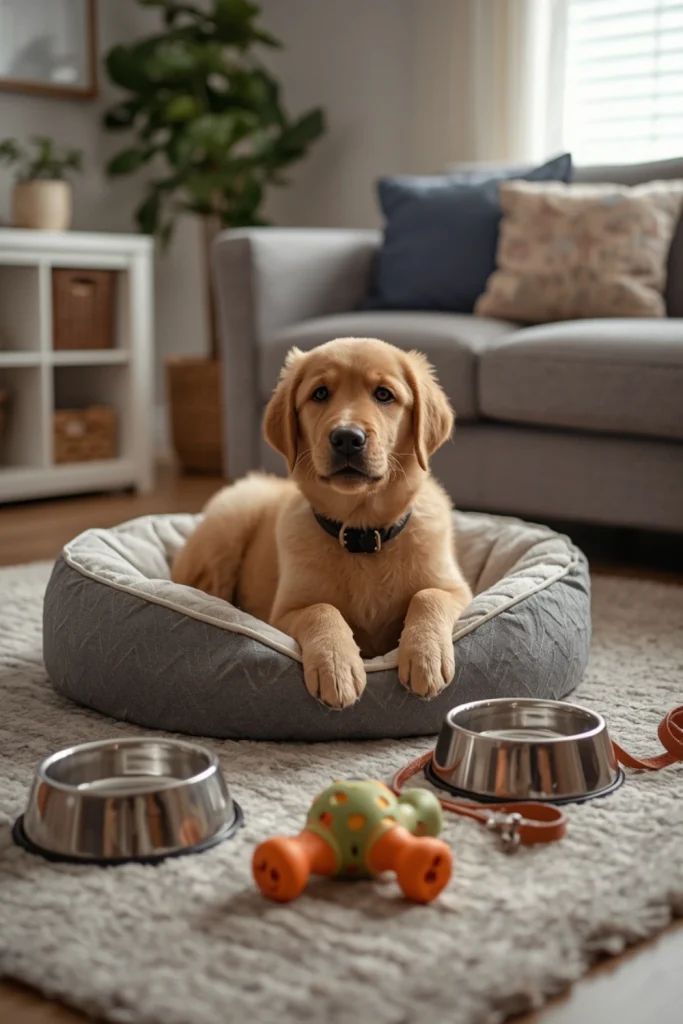
One of the most common dog owner mistakes is bringing a new dog home without preparing the environment first. A new dog needs a safe place to sleep, appropriate food, fresh water, toys, a collar or harness, a leash, and suitable grooming supplies. Without these essentials, the first few days can become stressful for both the dog and the owner. Puppies may chew electrical cords, swallow small objects, or explore dangerous areas if the home is not prepared carefully.
Before bringing your dog home, remove hazards, secure cleaning products, protect electrical cables, and keep potentially dangerous foods out of reach. Set up a comfortable resting area where your dog can relax without constant disturbance. You should also decide where the dog will eat, sleep, and go for bathroom breaks. Preparing these areas in advance helps your new companion settle in more comfortably and establishes a foundation for good habits.
2. Expecting Your Dog to Adjust Immediately
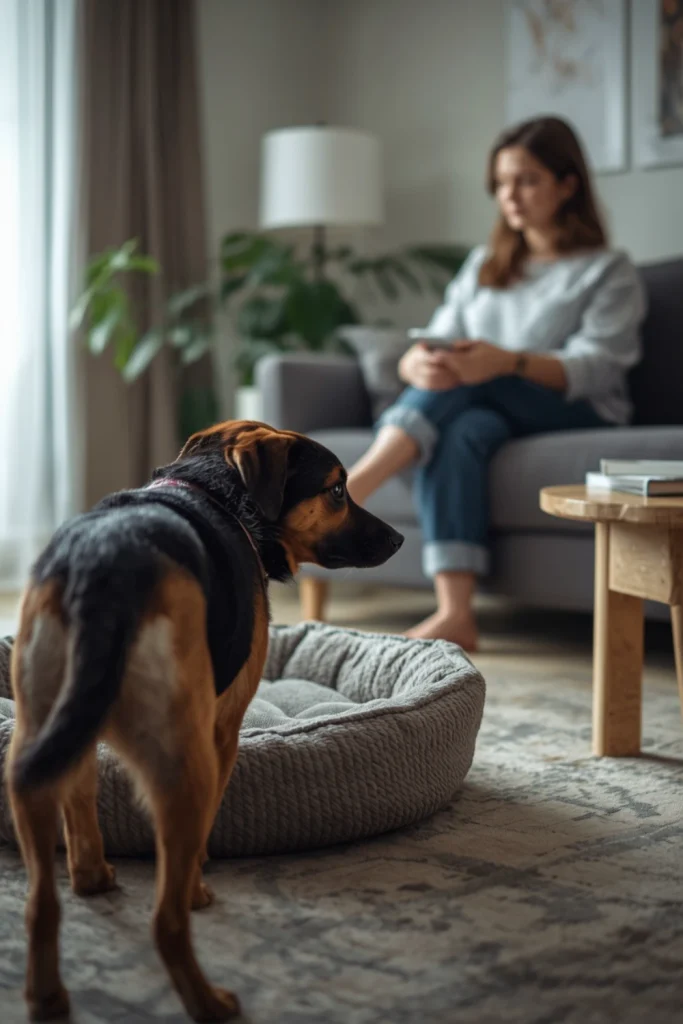
A new home can feel overwhelming to a dog. Different smells, unfamiliar people, new sounds, and changes in routine may cause confusion or anxiety. Some dogs explore confidently from the beginning, while others hide, refuse food temporarily, or follow their owners everywhere. Expecting your dog to behave perfectly during the first few days is an unrealistic expectation that can create unnecessary frustration.
Give your dog time to become familiar with the new environment at a comfortable pace. Keep the household calm, introduce family members gradually, and provide a quiet resting place. Avoid forcing interactions or inviting too many visitors immediately after arrival. Allow your dog to approach people voluntarily and reward calm behavior with gentle praise. Remember that adjustment takes time, and every dog is different. Patience and consistency can help your new companion develop trust and feel secure in your home.
3. Skipping Early Veterinary Care
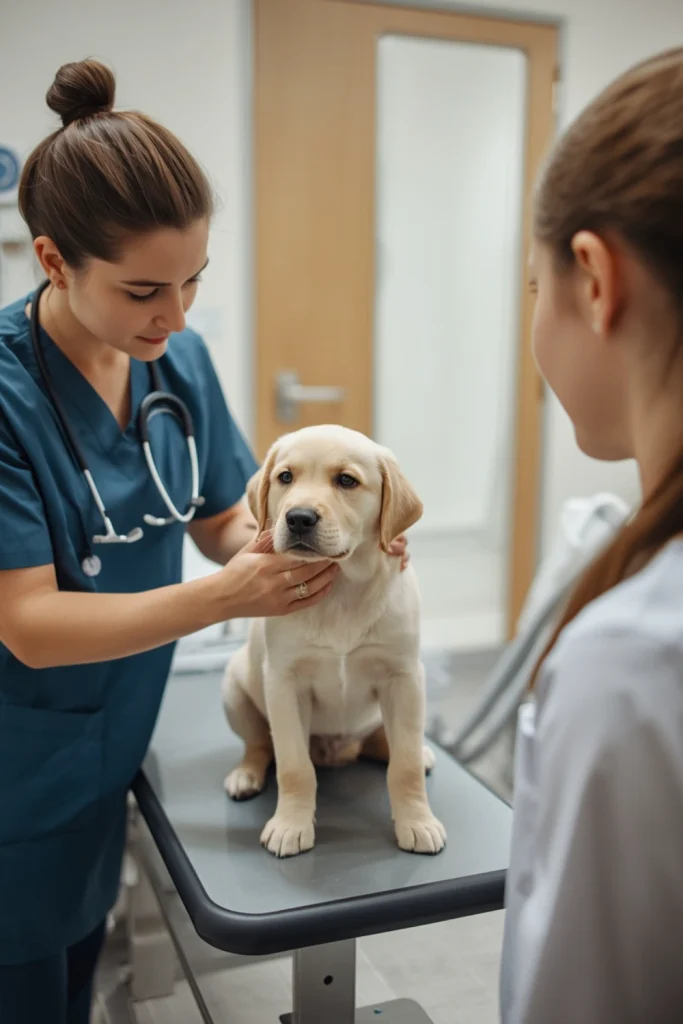
Another important mistake is assuming that a new dog does not need a veterinary appointment if it appears healthy. Some health problems are difficult to notice without a professional examination. Your dog may also need vaccinations, parasite prevention, a discussion about nutrition, dental care, and an appropriate schedule for future checkups. Puppies and newly adopted dogs may have incomplete or unknown medical histories.
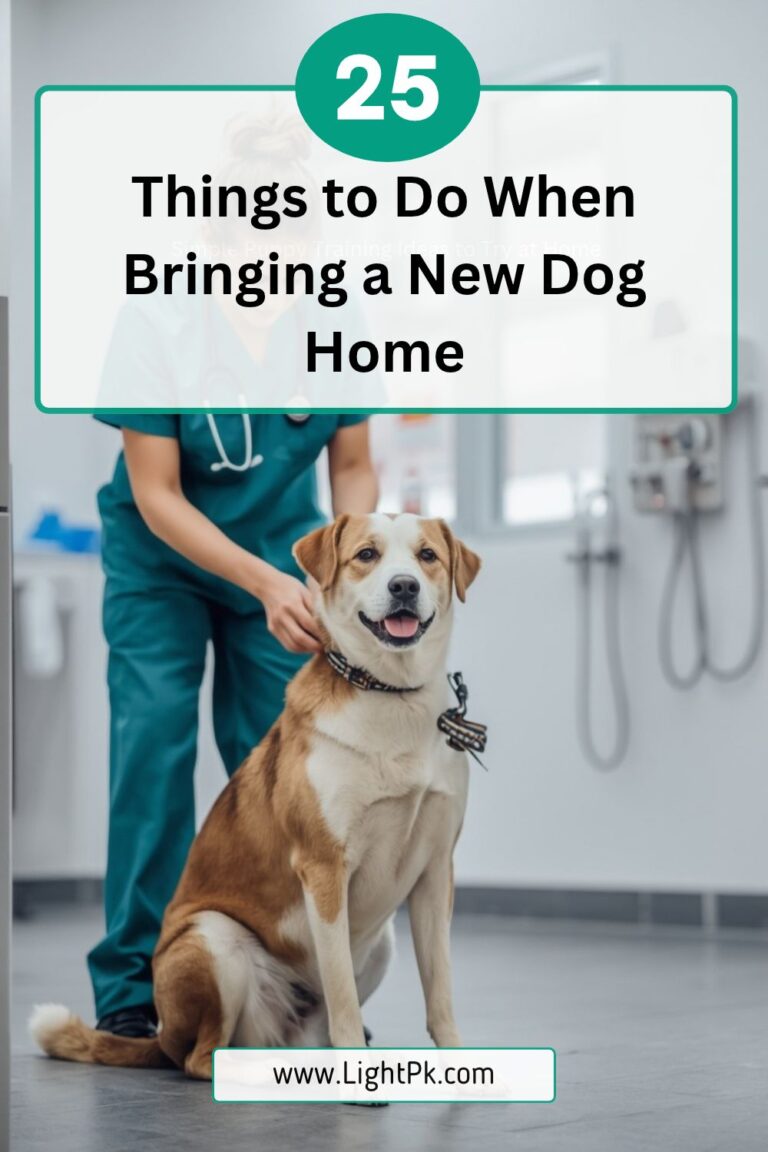
Arrange a veterinary examination soon after bringing your dog home. Take any available vaccination records, adoption documents, and information about previous medications. Ask your veterinarian about age-appropriate vaccines, flea and tick prevention, deworming, microchipping, and spaying or neutering when appropriate. Seek prompt veterinary advice if your dog develops persistent vomiting, difficulty breathing, severe weakness, or other concerning symptoms. Establishing veterinary care early helps you understand your dog’s health needs and prevent avoidable complications.
4. Choosing the Wrong Food or Overfeeding

Feeding your dog improperly is one of the most common Dog Owner Mistakes. Some owners choose food based only on price, packaging, or advertising, while others provide too many treats and oversized meals. Dogs have different nutritional requirements depending on their age, size, activity level, and health. A growing puppy, for example, may need a diet specifically formulated for growth rather than food designed for adult maintenance.
Choose a complete and balanced dog food appropriate for your dog’s life stage and individual needs. Follow feeding guidance while adjusting portions according to body condition and veterinary advice. Keep clean drinking water available throughout the day. Treats should remain a limited part of the overall diet, and table scraps should not replace balanced meals. Avoid toxic foods such as chocolate, grapes, raisins, onions, and products containing xylitol. If you are unsure which diet is suitable, ask your veterinarian for personalized recommendations.
5. Ignoring Consistent Training
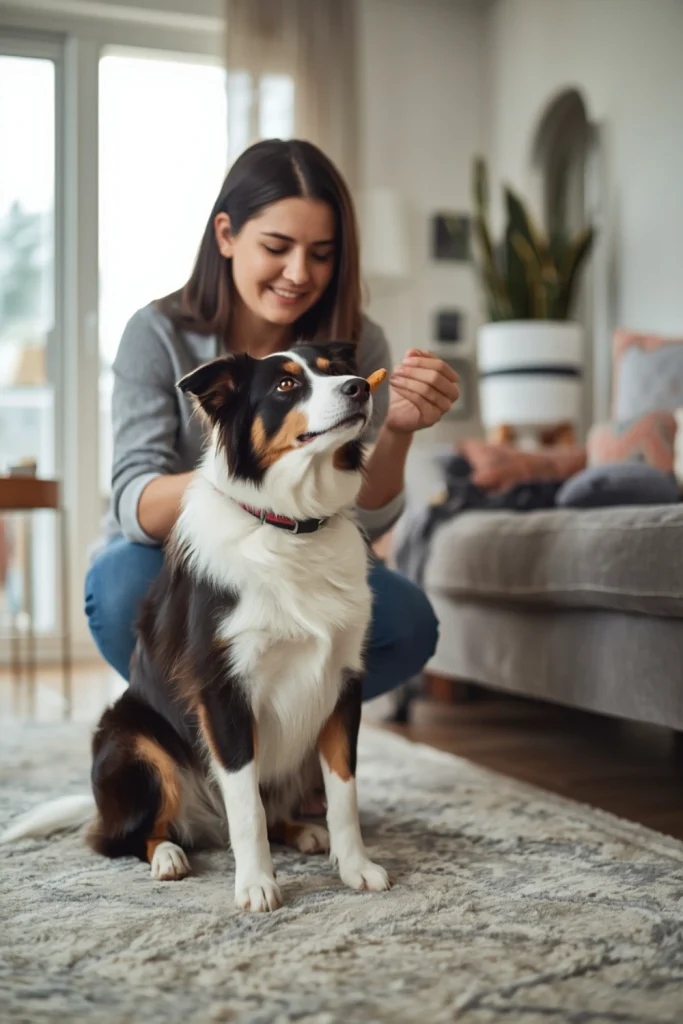
Some new owners assume that dogs will naturally understand household rules. Unfortunately, dogs do not automatically know where to sleep, when to settle, how to walk on a leash, or which behaviors are acceptable. Without clear guidance, a dog may develop habits such as jumping on guests, pulling during walks, begging at the table, or ignoring basic cues.
Start training early with simple skills such as responding to their name, coming when called, sitting, settling, and walking calmly on a leash. Keep sessions short and enjoyable, especially for puppies with limited attention spans. Use rewards your dog values, including small treats, toys, and praise. Practice in a quiet environment before gradually introducing distractions. Everyone in the household should use consistent cues and rules. Regular, positive training sessions help your dog understand what you expect and strengthen your relationship.
6. Using Punishment Instead of Positive Reinforcement
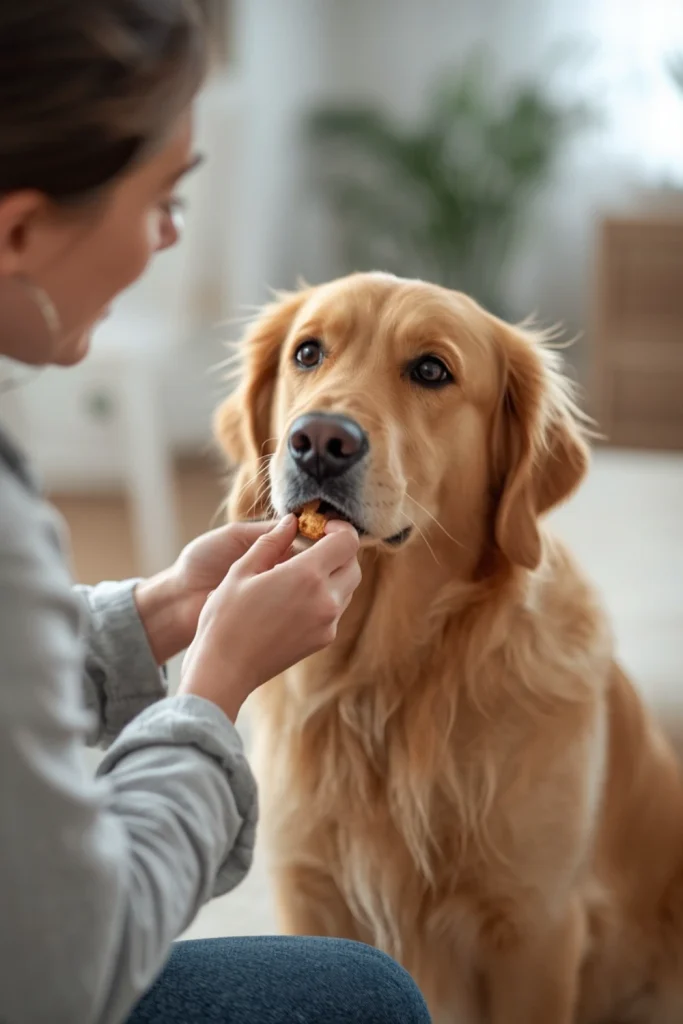
When dogs make mistakes, frustrated owners may shout, intimidate them, or use physical punishment. These reactions can damage trust and make some dogs fearful, anxious, or defensive. Punishment also does not necessarily teach a dog what behavior should replace the unwanted action. For example, scolding a puppy for chewing a shoe does not explain which toys are appropriate to chew.
Focus on rewarding desirable behavior and managing situations that encourage unwanted habits. If your puppy chews furniture, calmly redirect them toward a suitable chew toy and praise them for using it. If your dog jumps on people, reward moments when all four paws remain on the floor. Avoid hitting, yelling, or frightening your dog. For persistent or dangerous behavior, consult a qualified reward-based trainer or veterinary behavior professional. Positive reinforcement creates clearer communication and helps dogs learn without unnecessary fear.
7. Skipping Socialization During Puppyhood
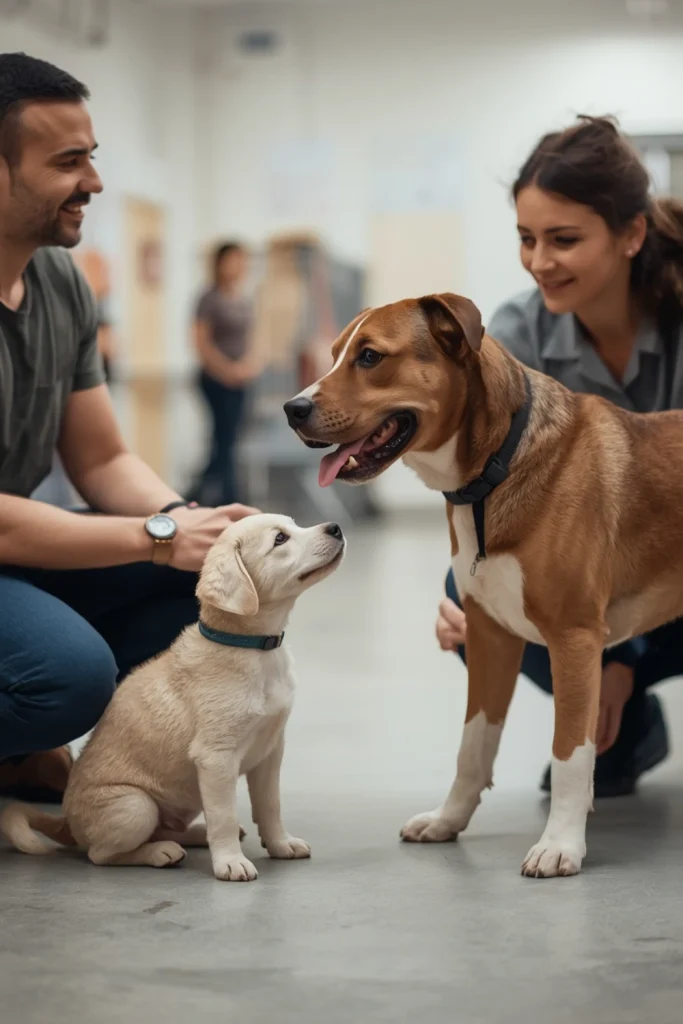
Socialization is an essential part of raising a confident dog, yet many owners misunderstand what it involves. Some keep puppies away from unfamiliar experiences for too long, while others expose them to crowded places, loud noises, and unfamiliar dogs too quickly. Both approaches can make new experiences difficult. Proper socialization means helping a puppy develop comfortable, positive associations with different people, environments, sounds, surfaces, and everyday situations.
Introduce new experiences gradually and allow your puppy to observe from a comfortable distance. Reward relaxed behavior and provide breaks whenever the puppy seems overwhelmed. Safe exposure should be balanced with veterinary guidance about vaccination risks. Puppy classes that follow appropriate health and hygiene practices can provide useful learning opportunities. Avoid forcing interactions with unfamiliar dogs or people. Quality matters more than quantity: calm, positive experiences help puppies become more adaptable as they grow.
8. Neglecting Exercise and Mental Stimulation
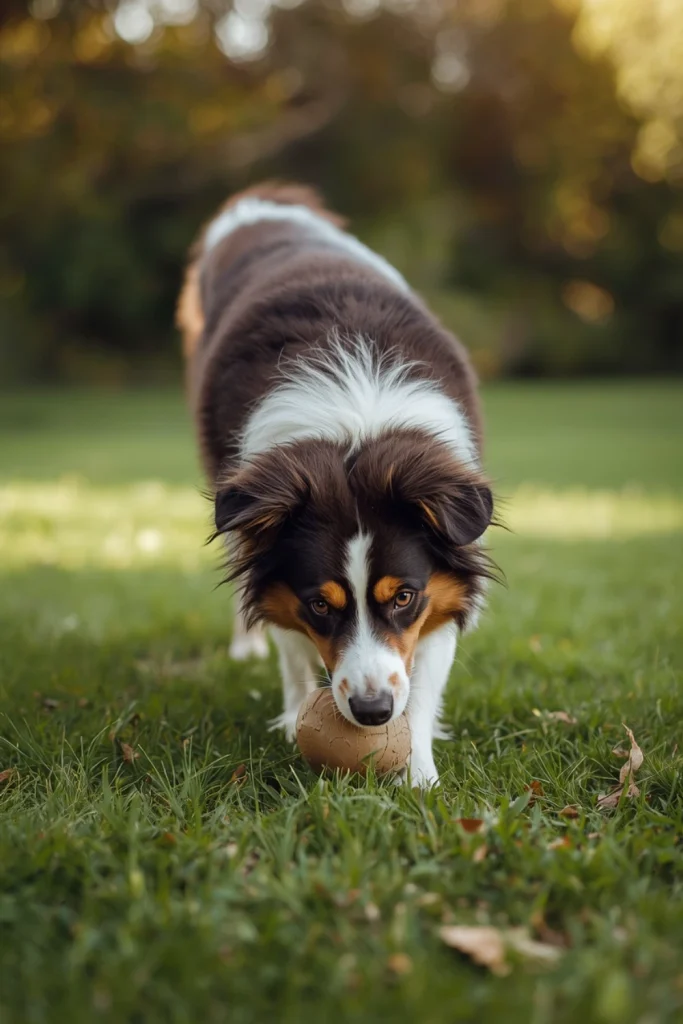
Dogs need appropriate physical activity and mental stimulation to maintain their well-being. When their needs are not met, some dogs may become restless, bark excessively, chew household objects, or struggle to settle. However, exercise requirements vary considerably. A young, energetic working breed may need different activities from a senior companion dog or a puppy whose growing body requires careful management.
Develop an activity routine that suits your dog’s age, health, temperament, and breed characteristics. Walks, sniffing opportunities, food puzzles, scent games, and short training sessions can provide valuable enrichment. Rotate toys to maintain interest and allow safe exploration of new environments. Avoid assuming that exhausting your dog is the only way to meet their needs. Puppies should not be pushed into strenuous exercise, and dogs with medical limitations may require modified activities. Ask your veterinarian if you are uncertain about suitable exercise levels.
9. Giving Too Much Freedom Too Soon
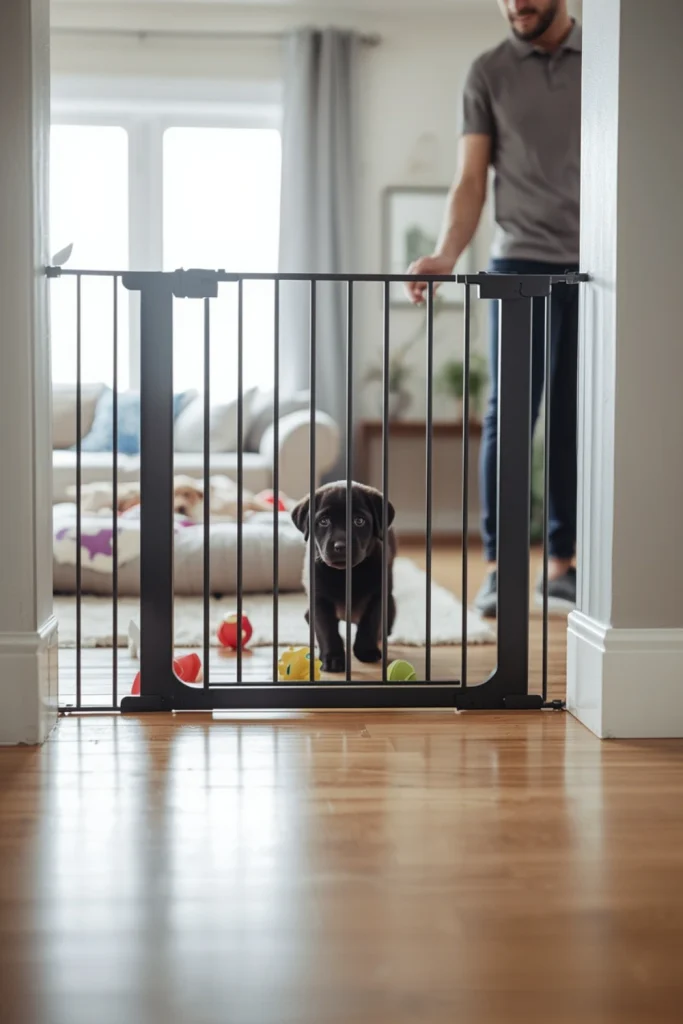
A new dog may seem well-behaved when supervised but make mistakes when left alone in an unfamiliar room. Giving unlimited access to the entire house immediately can lead to chewing, house-soiling, damaged belongings, and unsafe exploration. Puppies are particularly curious and may not yet understand household boundaries or recognize dangerous objects.
Begin with a dog-proofed area where you can supervise your companion more easily. Use baby gates or exercise pens when appropriate, and introduce additional rooms gradually as your dog demonstrates reliable behavior. Keep tempting objects out of reach and provide suitable toys. Supervise puppies closely when they are exploring new spaces. A crate may be useful when introduced positively and used appropriately, but it should never be a place for punishment or prolonged confinement. Gradually increasing freedom helps your dog succeed while protecting both your home and their safety.
10. Inconsistent Bathroom Training
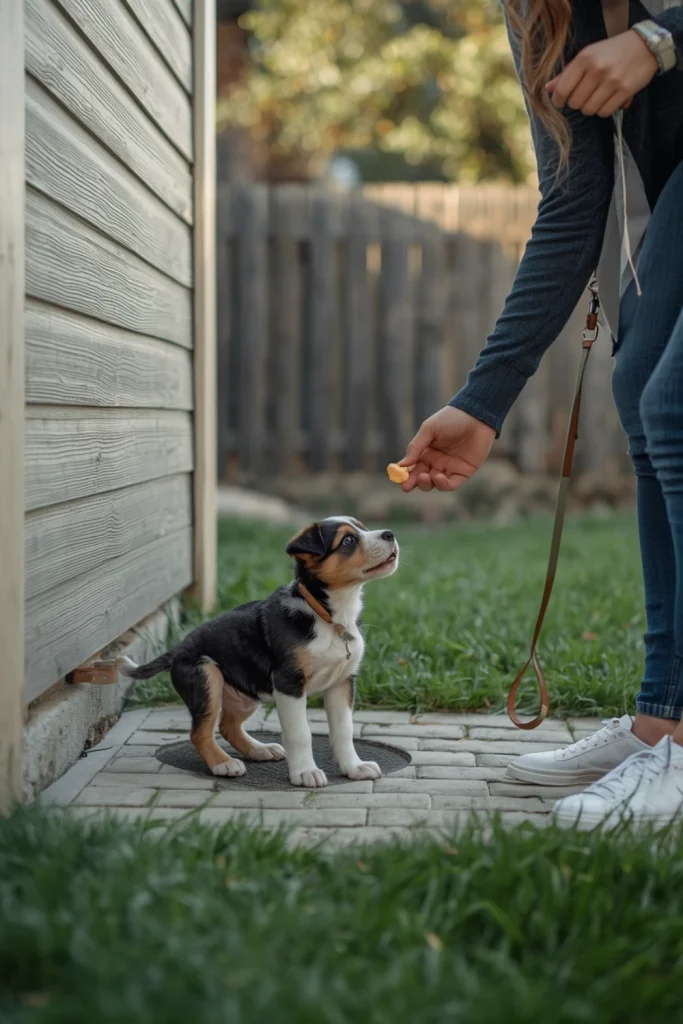
House-training can become confusing when owners follow different rules each day. Taking a puppy outside only when accidents happen, changing the designated bathroom location frequently, or forgetting regular breaks can slow learning. Scolding a dog after discovering an accident is also ineffective because the dog may not connect the punishment with the earlier behavior.
Create a predictable bathroom routine. Take puppies outside after waking, eating, drinking, playing, and before bedtime, with additional opportunities based on their age and individual needs. Choose a consistent outdoor location and reward your dog immediately after they finish. Supervise closely indoors and clean accidents using an appropriate enzymatic cleaner. If you catch your dog beginning to eliminate indoors, calmly interrupt if possible and guide them outside without frightening them. Persistent or sudden changes in bathroom habits may indicate a medical issue and should be discussed with a veterinarian.
11. Leaving a New Dog Alone for Too Long
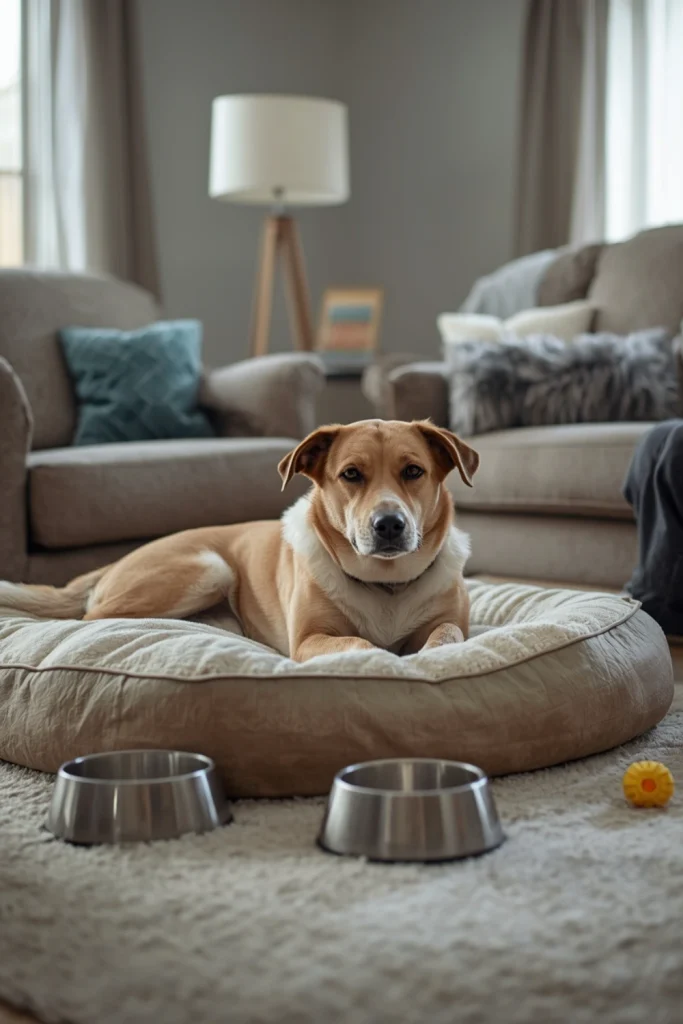
Many owners need to work, attend appointments, or manage family responsibilities, but leaving a newly adopted dog alone for extended periods can create difficulties. Dogs may become distressed, bark, chew objects, or have accidents when they have not learned to cope with separation. Puppies generally need more frequent bathroom breaks and supervision than mature dogs.
Build alone-time skills gradually. Start with brief, comfortable separations and increase the duration according to your dog’s response. Provide a safe resting area, fresh water, and appropriate enrichment. Avoid making departures and returns unnecessarily dramatic, and ensure your dog has had suitable opportunities to relieve themselves before you leave. For long absences, consider help from a trusted caregiver, dog walker, or suitable daycare. If your dog shows intense distress, such as persistent panic or attempts to escape, consult a veterinarian or qualified behavior professional rather than simply extending the time alone.
12. Ignoring Grooming and Dental Care
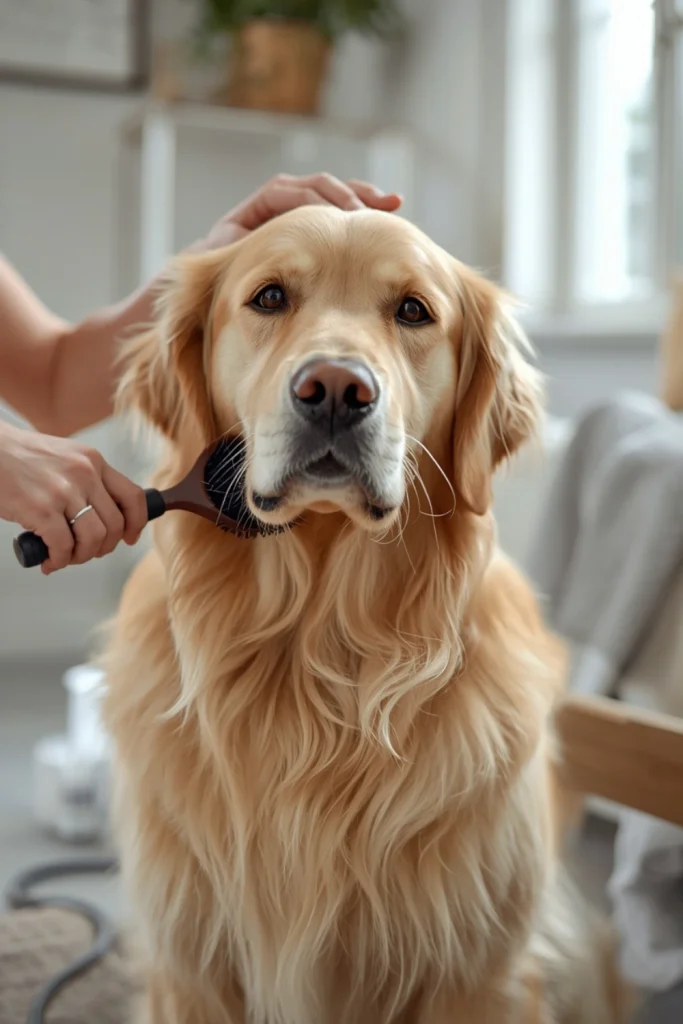
Grooming is more than making your dog look attractive. Regular brushing, nail care, ear checks, bathing when appropriate, and dental hygiene can support comfort and health. Owners who ignore these responsibilities may overlook tangled fur, painful overgrown nails, skin irritation, ear problems, or dental disease. Some dogs require daily brushing, while others need less frequent coat maintenance depending on their coat type.
Introduce grooming gradually using gentle handling and rewards. Brush your dog with tools suited to their coat, check their paws and skin regularly, and trim nails carefully without cutting into the sensitive quick. Ask a professional groomer or veterinarian for help if you are unsure how to perform a task safely. Use dog-specific dental products and establish a regular toothbrushing routine when possible. Avoid forcing long grooming sessions on a frightened dog. Short, positive experiences can help make grooming a manageable part of everyday care.
13. Misunderstanding Your Dog’s Body Language
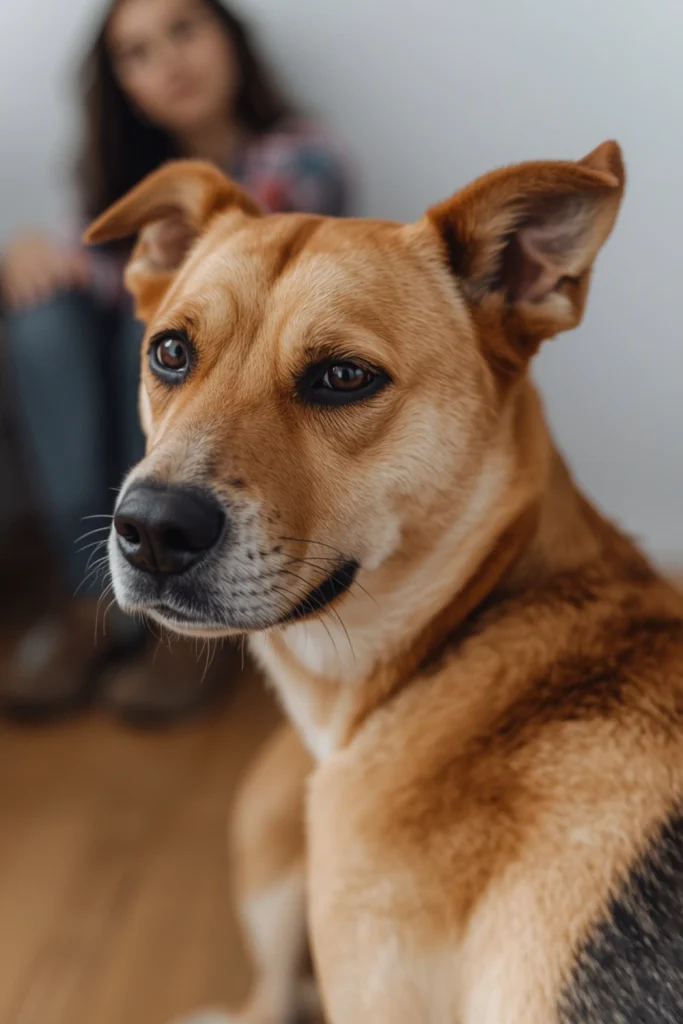
Dogs communicate through more than barking and tail wagging. Their posture, facial expressions, ear position, gaze, and movement can provide clues about how they feel. A wagging tail does not always mean a dog is happy, and a dog that becomes unusually still may be uncomfortable or frightened. Misreading these signals can cause owners to continue interactions when their dog needs space.
Learn to recognize common signs of stress, including turning the head away, repeated lip licking, yawning in an uncomfortable situation, tucked posture, attempts to move away, and sudden stiffness. Individual signals should be considered in context rather than interpreted in isolation. When your dog appears uncomfortable, increase distance from the trigger and allow them to relax. Teach children to respect the dog’s resting area and avoid hugging, chasing, or disturbing the animal while eating. Respecting body language helps prevent conflicts and builds trust.
14. Forgetting Identification and Safety Measures
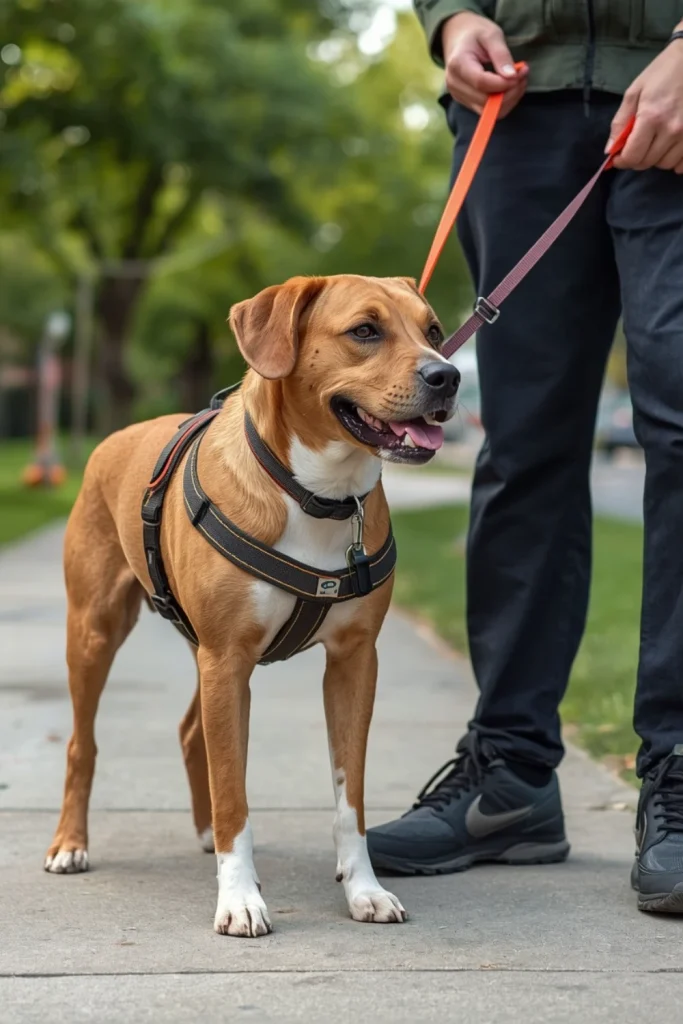
Even a well-trained dog can become frightened by a loud noise, slip out through an open door, or escape when a leash breaks. New owners sometimes assume their dog will always stay nearby, so they delay getting identification or allow the dog to roam without appropriate supervision. These decisions can put the animal at risk of traffic injuries, getting lost, or encountering dangerous situations.
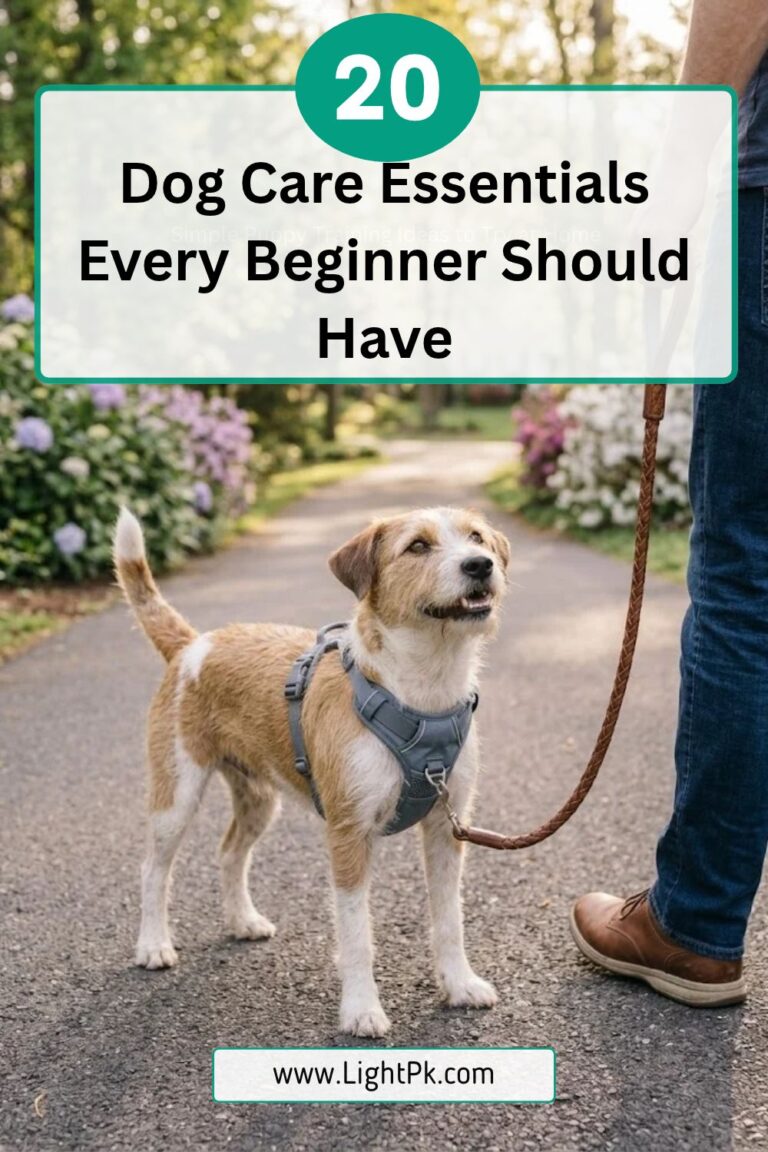
Use a properly fitted collar with current identification details and ensure your dog has a secure leash or harness for walks. Discuss microchipping with your veterinarian and keep registration and contact information updated. Check gates, fences, and doors regularly, particularly when visitors arrive. Use a secure carrier or suitable restraint during vehicle travel, and never allow your dog to ride loose in a moving vehicle. Keep your dog’s vaccinations and parasite prevention current according to veterinary advice. Basic safety measures provide an important layer of protection even when your dog is usually reliable.
15. Expecting Perfect Behavior Without Patience
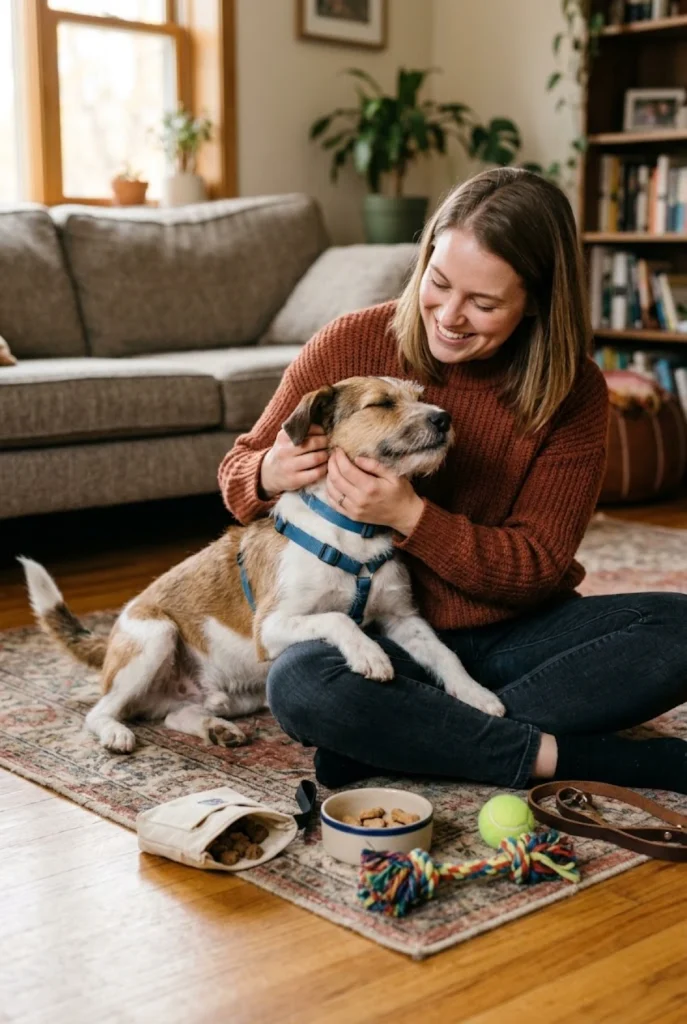
One of the biggest new dog owner mistakes is expecting immediate results. Dogs need time to learn routines, develop confidence, understand household expectations, and build relationships with their families. Puppies may have accidents, adolescent dogs may become distracted, and rescue dogs may need extra time to feel safe. Comparing your dog with perfectly trained dogs on social media can create unrealistic expectations and unnecessary pressure.
Focus on steady improvement rather than perfection. Celebrate small achievements, maintain realistic training goals, and adjust your approach when something is not working. Keep a simple record of training progress, bathroom habits, and situations that trigger unwanted behavior. Remember that setbacks are a normal part of learning. If a problem continues or becomes dangerous, seek help from a veterinarian or qualified reward-based trainer. With consistency, kindness, and patience, you can help your dog develop useful skills and become a confident member of your family.
Conclusion
Becoming a successful dog owner is a learning process, and mistakes can happen even when you have the best intentions. The most important thing is to recognize problems early and make changes that support your dog’s safety, health, and emotional well-being.
By preparing your home, providing proper nutrition, scheduling veterinary care, using positive reinforcement, and establishing consistent routines, you can avoid many common Dog Owner Mistakes. Give your dog time to adjust, learn to recognize their body language, and make exercise, grooming, and mental enrichment regular parts of daily life.
Most importantly, remember that every dog is an individual. What works for one dog may need to be adjusted for another. With patience, consistency, and a willingness to learn, you can build a strong bond with your new companion and enjoy a more rewarding life together.