
How Long Should You Walk Your Dog? A Simple Guide
Does your dog get excited when you reach for its leash? Daily walks are one of the most important parts of keeping your furry friend healthy, active, and happy. However, many dog owners wonder how long a walk should actually last. Should you walk your dog for 15 minutes, 30 minutes, or an entire hour? The answer depends on your dog’s age, breed, health, fitness, and energy level.
Every dog has different exercise requirements, and choosing the right walking duration can make a big difference in its overall well-being. Puppies need shorter and gentler outings, adult dogs may enjoy longer walks, and senior dogs often benefit from comfortable, low-impact activities. In this guide, you will discover how long to walk your dog at different life stages, how to recognize when your pet needs a break, and how to create a healthy daily walking routine.
1. How Long Should You Walk a Puppy?
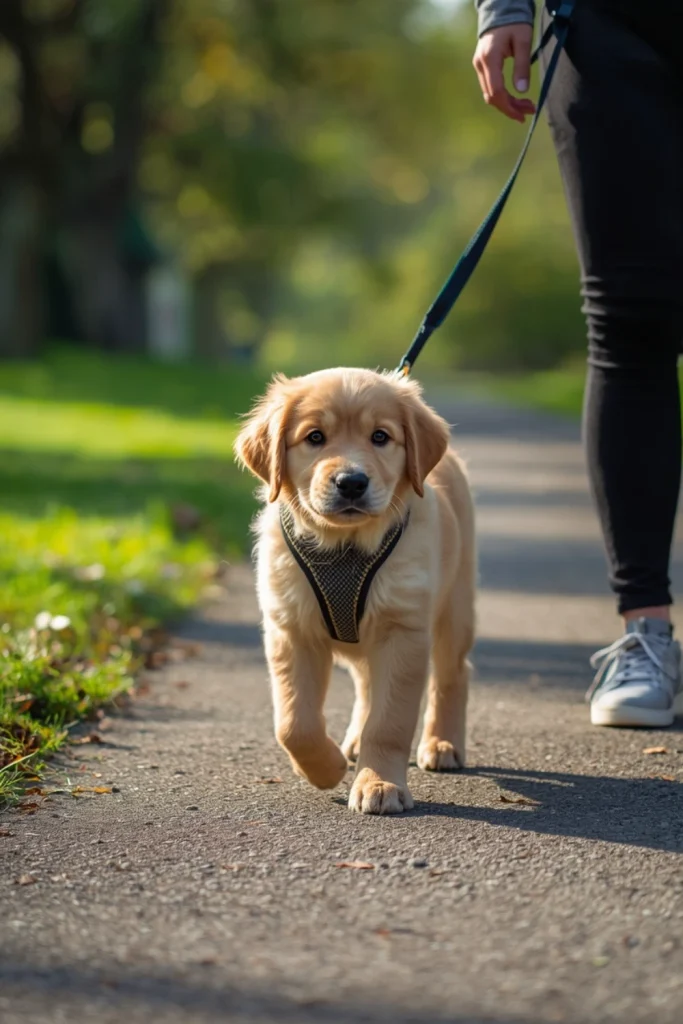
Puppies need gentle, age-appropriate exercise because their bones, muscles, and joints are still developing. Instead of taking your puppy on long walks, begin with short outdoor experiences that allow it to explore safely. The appropriate duration depends on age, breed, vaccination status, and individual development. Very young puppies may benefit from brief outdoor exploration and several short potty outings throughout the day.
As your puppy grows, gradually introduce comfortable leash walks and positive outdoor experiences. Avoid forcing your puppy to continue when it appears tired or uncomfortable. Puppies also need plenty of sleep, playtime, and opportunities to explore at their own pace. Ask your veterinarian when it is safe to visit public walking areas, especially before your puppy has completed its recommended vaccinations.
2. How Long Should You Walk an Adult Dog?
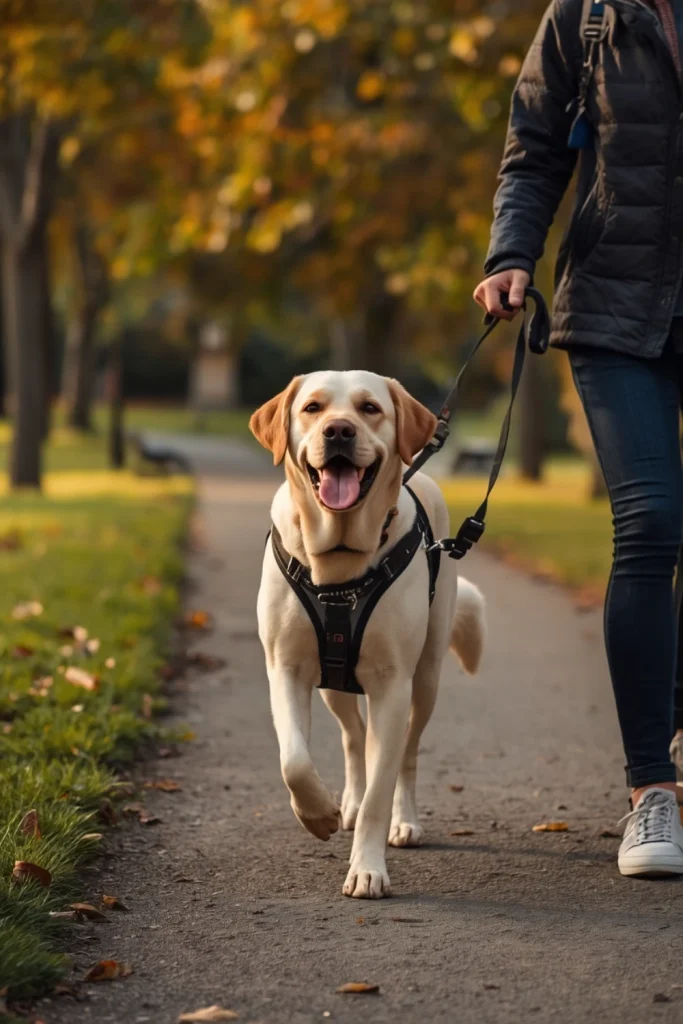
Healthy adult dogs generally benefit from regular daily exercise, with many enjoying two walks that together provide approximately 30 to 60 minutes or more of activity. However, this is only a general starting point. Some relaxed companion breeds may prefer shorter walks, while energetic working breeds may need considerably more exercise throughout the day. Your dog’s health and fitness should always guide the duration.
Try dividing your adult dog’s walking time into morning and evening sessions. This gives your pet regular opportunities to explore, exercise, and enjoy outdoor activities without requiring one extremely long outing. Monitor its breathing, movement, and energy after each walk. If your dog appears comfortable and recovers normally, the schedule may be suitable. If it struggles or seems exhausted, reduce the intensity and consult your veterinarian if necessary.
3. How Long Should You Walk a Senior Dog?

Senior dogs often benefit from shorter, gentler walks that support movement without putting unnecessary pressure on their joints. Many older dogs enjoy several 10- to 20-minute outings, although the ideal duration depends on their mobility, medical history, and fitness. Some healthy senior dogs can comfortably enjoy longer walks, while others need frequent breaks and slower movement.
Pay close attention to your senior dog’s body language. If it starts walking slowly, lagging behind, limping, or showing signs of discomfort, allow it to rest. Choose smooth walking surfaces and avoid steep hills or challenging trails if your pet has mobility problems. Regular gentle movement can help maintain quality of life, but dogs with arthritis or other medical conditions should follow an exercise plan recommended by their veterinarian.
4. How Dog Breed Affects Walking Duration
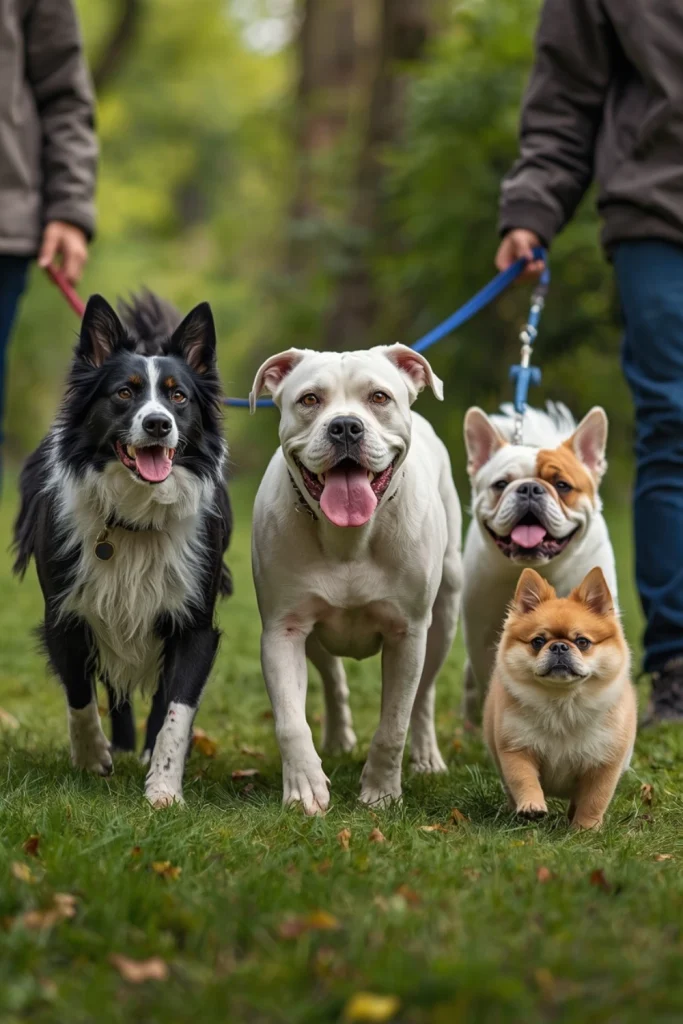
Breed can influence how long your dog should walk because different breeds have been developed for different activities. Working and herding breeds, such as Border Collies and Australian Shepherds, often have high energy levels and may require more exercise and mental challenges. Companion breeds may have lower exercise requirements, although they still need regular opportunities to move and explore.
However, breed should never be the only factor when planning walks. Two dogs of the same breed can have different fitness levels, personalities, and health needs. A young energetic dog may enjoy longer outings, while an older dog of the same breed may prefer shorter sessions. Learn about your dog’s characteristics, observe its behavior, and adjust walking time according to its individual abilities.
5. How Long Should You Walk a Small Dog?
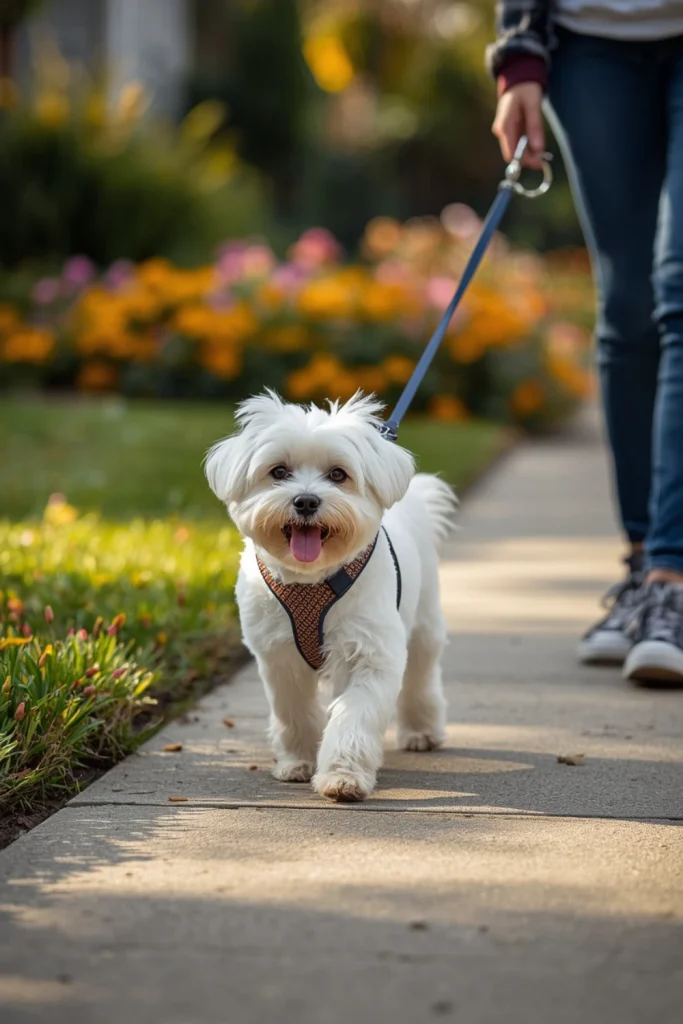
Small dogs often need regular daily walks, but their ideal duration depends on their breed, fitness, and energy levels. Some small companion dogs enjoy two or three short walks throughout the day, while more energetic small breeds may happily explore for longer periods. Their shorter legs do not automatically mean they cannot enjoy extended walks, but distance and intensity should be appropriate.
Watch your small dog’s movement and comfort during outdoor activities. Avoid making it jump repeatedly over obstacles or walk on extremely hot pavement. Carrying a small water bottle can be helpful during longer outings, especially in warm weather. If your dog becomes tired, allow it to rest instead of forcing it to continue. A comfortable and enjoyable routine is more important than reaching a particular distance.
6. How Long Should You Walk a Large Dog?
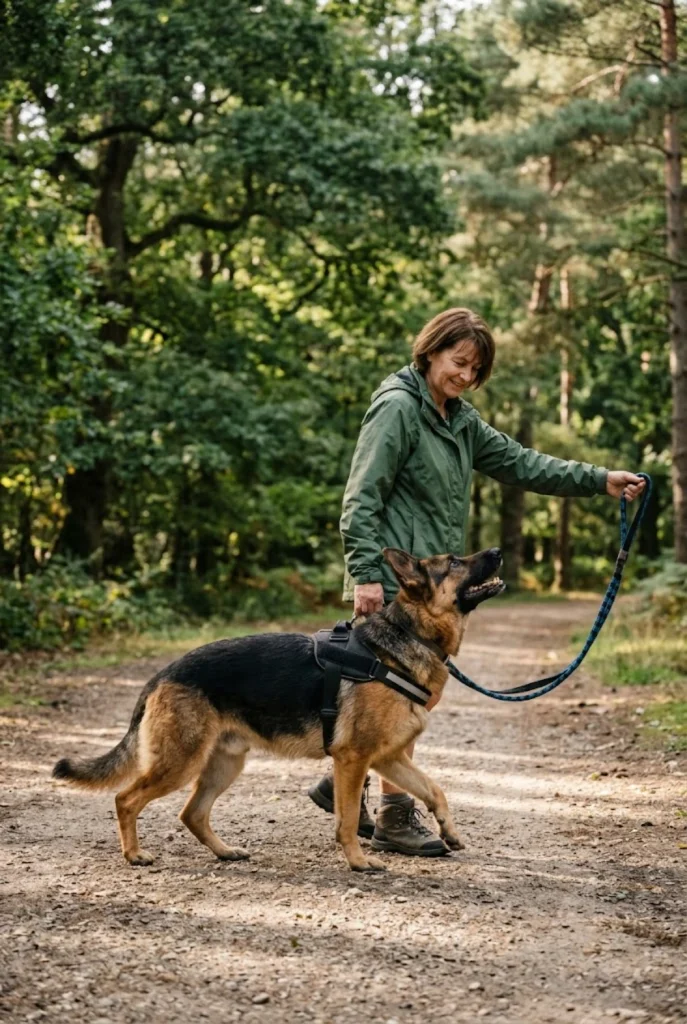
Large dogs can have different exercise needs depending on their breed, age, body condition, and health. Many healthy adult large dogs enjoy moderate daily walks, while active breeds may need additional exercise. However, some giant breeds are naturally less energetic and may prefer shorter, relaxed outings. Their size does not automatically mean they need longer walks.
When planning exercise for a large dog, pay attention to joint health and physical comfort. Avoid sudden increases in walking distance, particularly if your dog is overweight or not accustomed to regular activity. Choose comfortable routes and allow water breaks when needed. Puppies from large breeds require special care because their growing joints and bones should not be subjected to excessive forced exercise. Ask your veterinarian for age-appropriate guidance.
7. Is One Long Walk Better Than Two Short Walks?
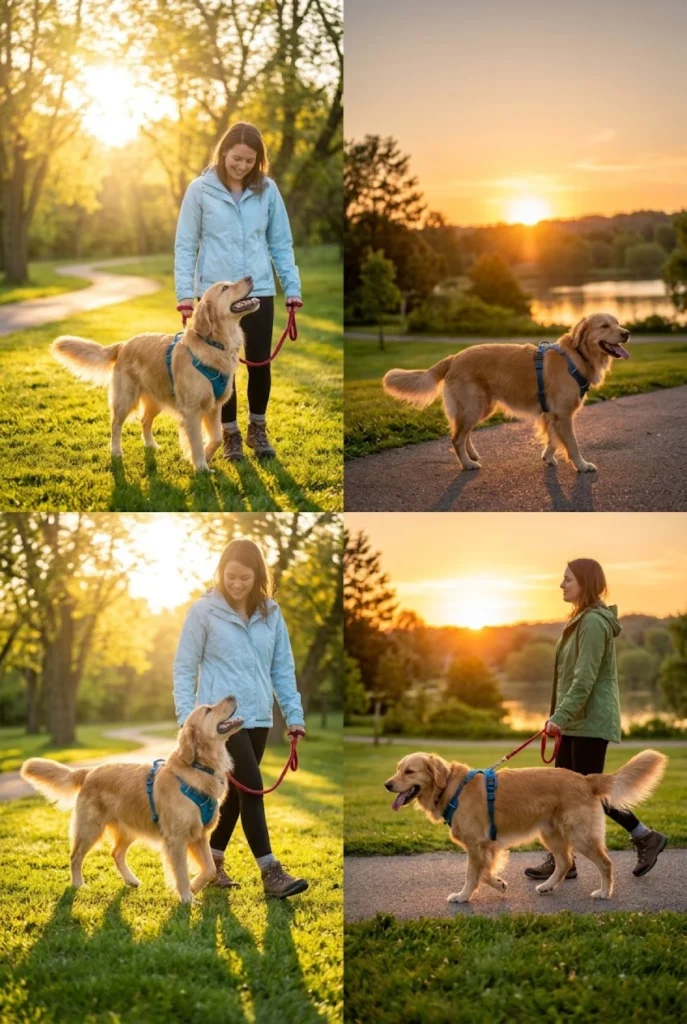
Many dog owners wonder whether one long walk is better than two shorter sessions. In most cases, dividing daily walking time into multiple outings can be a practical choice. Morning and evening walks give dogs more frequent opportunities to explore, stretch their legs, and take outdoor potty breaks. Shorter sessions may also be easier for puppies, senior dogs, and pets with limited stamina.
However, some healthy adult dogs enjoy longer walks, particularly when they are accustomed to regular exercise. The best arrangement depends on your dog’s needs and your daily schedule. You can experiment with different walking patterns while observing your pet’s comfort and energy. Avoid suddenly changing from short walks to very long outings. Gradual adjustments help your dog build fitness safely.
8. How Weather Affects Your Dog’s Walking Time
Weather conditions can significantly influence how long your dog should walk. During hot weather, even healthy dogs may become uncomfortable or overheat during outdoor activities. Choose cooler morning or evening hours, avoid hot pavement, and provide access to fresh water. Some dogs with short noses, thick coats, or breathing difficulties are especially vulnerable to heat and may need shorter outings.
Cold, rainy, and windy weather may also affect walking comfort. Small dogs, short-haired breeds, puppies, and senior pets may need extra protection in cold conditions. During storms, extreme heat, icy conditions, or other dangerous weather, indoor enrichment may be a safer alternative. Always adjust walking duration according to the weather instead of following the same schedule throughout the year.
9. How to Know If Your Dog Has Walked Enough
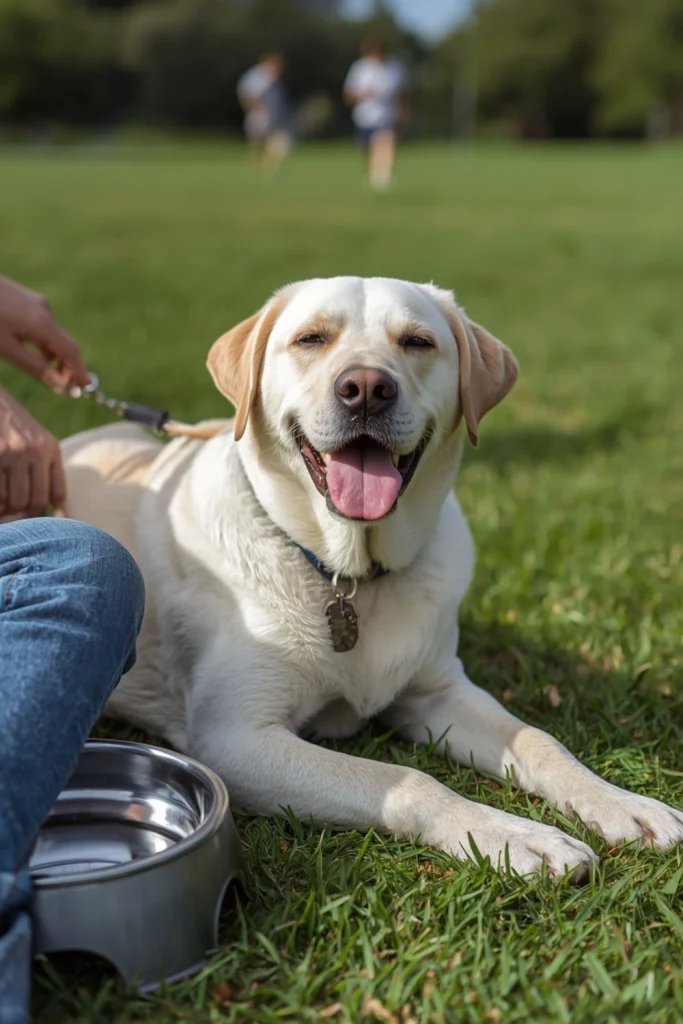
Understanding your dog’s behavior is one of the best ways to decide whether its walking duration is appropriate. A comfortably exercised dog may return home relaxed, drink some water, and settle down for a nap. It should generally remain alert, responsive, and interested in normal activities. Your dog should not appear completely exhausted after every walk.
Watch for signs that your dog needs a break, including lagging behind, excessive panting, repeated stopping, limping, or difficulty continuing. These behaviors may indicate tiredness, overheating, discomfort, or another health issue. Stop the activity and move to a safe resting place if necessary. If your dog struggles during ordinary walks or shows unusual symptoms, seek veterinary advice instead of simply increasing its exercise.
10. Walking Duration for Dogs That Need More Exercise
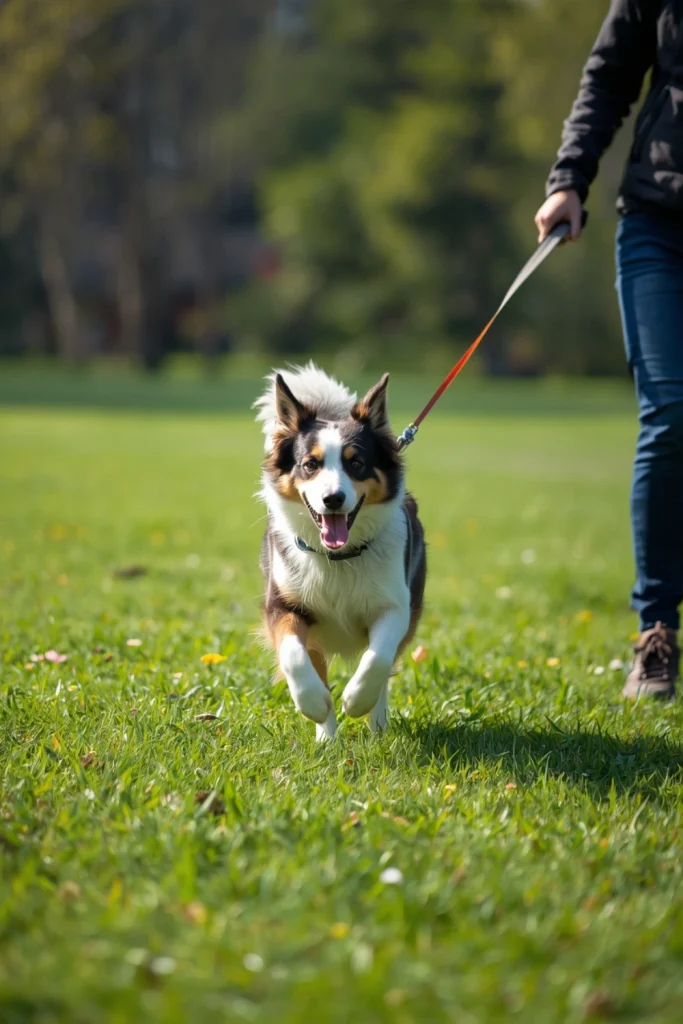
Some dogs have naturally high energy levels and enjoy more physical activity than others. Border Collies, Australian Shepherds, Siberian Huskies, and other active breeds may need a combination of walking, training, interactive games, and suitable physical challenges. For these dogs, simply taking a short walk around the neighborhood may not provide enough daily stimulation.
However, more exercise does not always mean longer walks. Add variety through scent games, obedience training, safe off-leash activities in permitted enclosed areas, and interactive play. These activities can provide mental engagement alongside physical movement. Build exercise gradually and consider your dog’s fitness and health. The goal is to create a balanced routine that satisfies its needs without causing excessive fatigue or physical stress.
11. How Long Should You Walk an Overweight Dog?
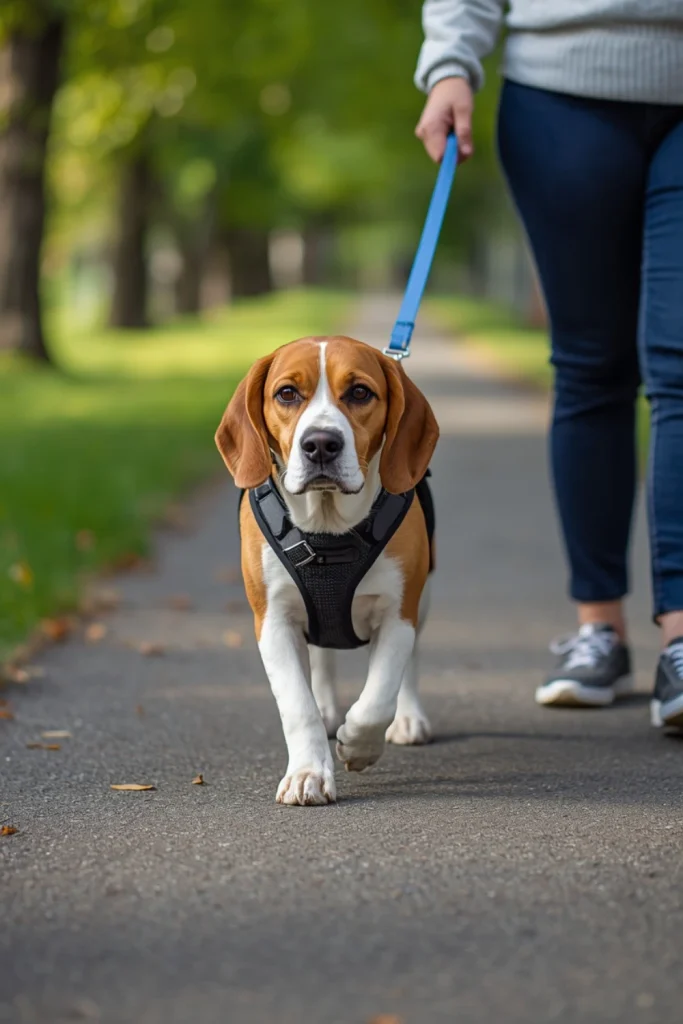
Overweight dogs may benefit from regular walking because gentle physical activity can support weight management and overall fitness. However, starting with long walks can put unnecessary pressure on their joints and make exercise uncomfortable. Begin with short, relaxed outings and gradually increase the duration as your dog becomes fitter. For some dogs, 10- to 15-minute walks may be a reasonable starting point, depending on their health and veterinary advice.
Combine walking with appropriate portion control, balanced nutrition, and other healthy habits. Avoid allowing your dog to overexert itself, especially during warm weather. Monitor its breathing, movement, and recovery after each outing. If your dog has significant excess weight or an existing health condition, ask your veterinarian to create a safe weight-management and exercise plan.
12. How Long Should You Walk a Dog With High Energy?
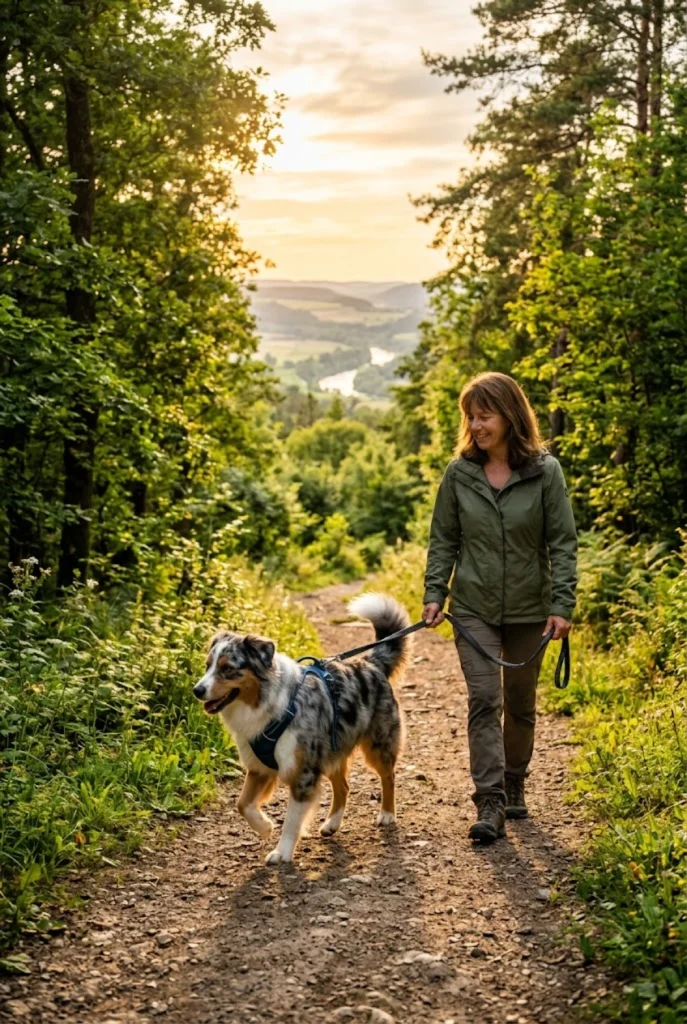
High-energy dogs often enjoy longer walks and additional activities throughout the day. Their exercise requirements depend on their breed, age, fitness, and individual personality. Some active adult dogs may enjoy 45 to 60 minutes of walking or more, divided into suitable sessions. However, walking alone may not satisfy their need for mental stimulation and problem-solving activities.
Consider combining outdoor walks with obedience training, fetch, scent games, and other appropriate activities. Allow your dog to explore different environments and take sniffing breaks during walks. Avoid increasing exercise suddenly simply because your dog has plenty of energy. Build its fitness gradually and provide enough recovery time. A balanced routine can help active dogs remain physically comfortable and mentally engaged.
13. How Long Should You Walk a Dog With Low Energy?
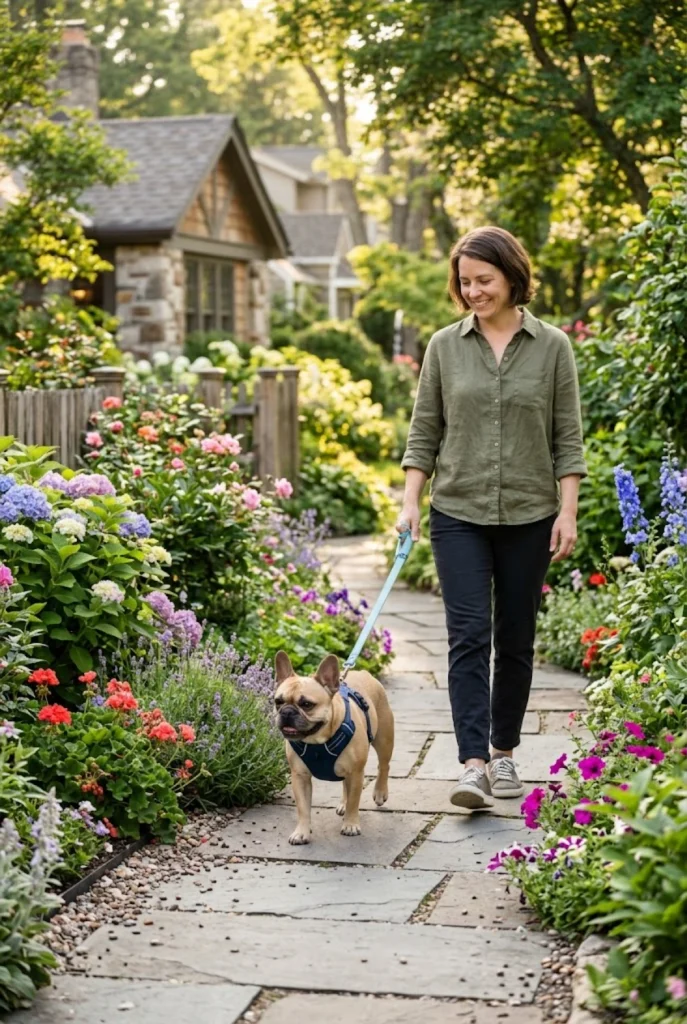
Some dogs naturally have calmer personalities and lower energy levels. They may prefer relaxed walks, shorter routes, and plenty of time to investigate their surroundings. Small companion breeds, some older dogs, and pets with certain health conditions may not enjoy long or physically demanding outings. However, low energy does not mean a dog should never exercise.
Start with comfortable walking sessions and observe how your dog responds. You can offer short walks several times throughout the day instead of expecting it to complete one long session. Allow plenty of sniffing opportunities and choose flat, comfortable surfaces. If your normally active dog suddenly becomes less interested in walking, do not assume it is simply lazy. A sudden reduction in energy can be a sign of pain or illness and should be discussed with a veterinarian.
14. How Long Should You Walk Your Dog Before Work?
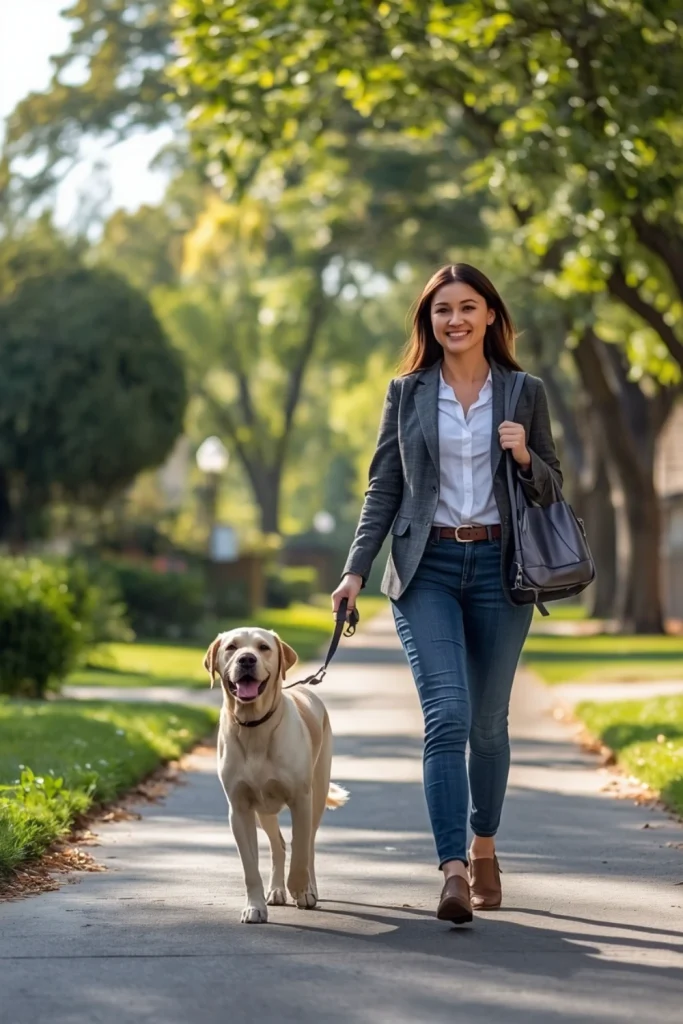
A morning walk before work can be a useful part of your dog’s daily schedule. Depending on your dog’s age and fitness, a 15- to 30-minute outing may provide an opportunity for movement, sniffing, and a bathroom break. More energetic dogs may need additional exercise later in the day. The important thing is to choose a duration that fits your dog’s needs and your available time.
Prepare your walking equipment the night before to make mornings easier. Keep the leash, harness, waste bags, and water bottle in one convenient location. Avoid rushing your dog through the entire walk. Even a relatively short outing can be valuable when it includes safe exploration and positive interaction. After returning home, provide fresh water and a comfortable resting area before leaving for work.
15. How Long Should You Walk Your Dog After Work?
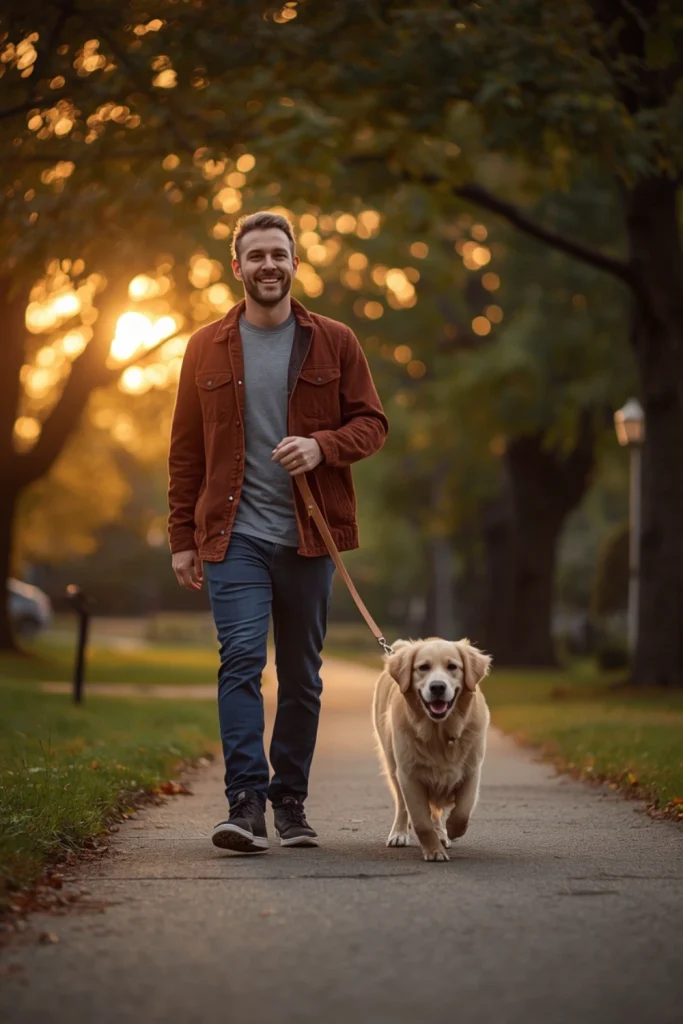
An evening walk after work can provide your dog with another opportunity for exercise and outdoor exploration. Many owners use this time for a 20- to 40-minute outing, adjusting the duration according to their dog’s activity needs. If your pet has spent much of the day resting indoors, an evening walk may help provide additional movement and mental stimulation.
Choose a comfortable pace and avoid immediately starting an intense walk if your dog has been inactive for several hours. Begin with gentle movement and allow it to explore along the route. If you return home after sunset, use reflective equipment and choose familiar, well-lit areas. Finish the outing with fresh water and a calm period of rest. A predictable evening walk can become an enjoyable part of your dog’s daily routine.
16. How Long Should You Walk Your Dog on Weekends?
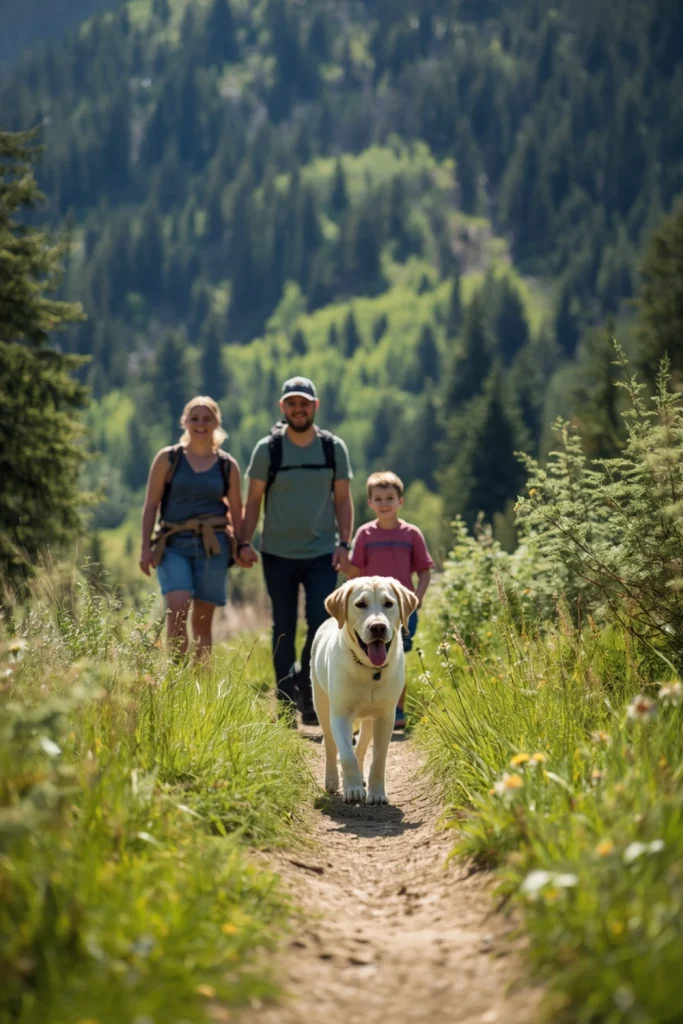
Weekends can provide more flexibility for dog owners who have limited time during the working week. You may have opportunities to explore new parks, nature trails, and dog-friendly walking areas. However, having more free time does not mean your dog should suddenly complete a much longer walk than usual. Increasing activity too quickly can cause discomfort, particularly for dogs that are not accustomed to longer outings.
Instead, use weekends to add variety to your dog’s normal exercise routine. Visit a safe new location, practice leash training, or include additional sniffing and exploration breaks. If your dog is comfortable and physically prepared, you can gradually extend the walking duration. Remember to provide rest, water, and suitable breaks. A weekend adventure should be enjoyable rather than an exhausting challenge.
17. How Long Should You Walk Your Dog in Hot Weather?
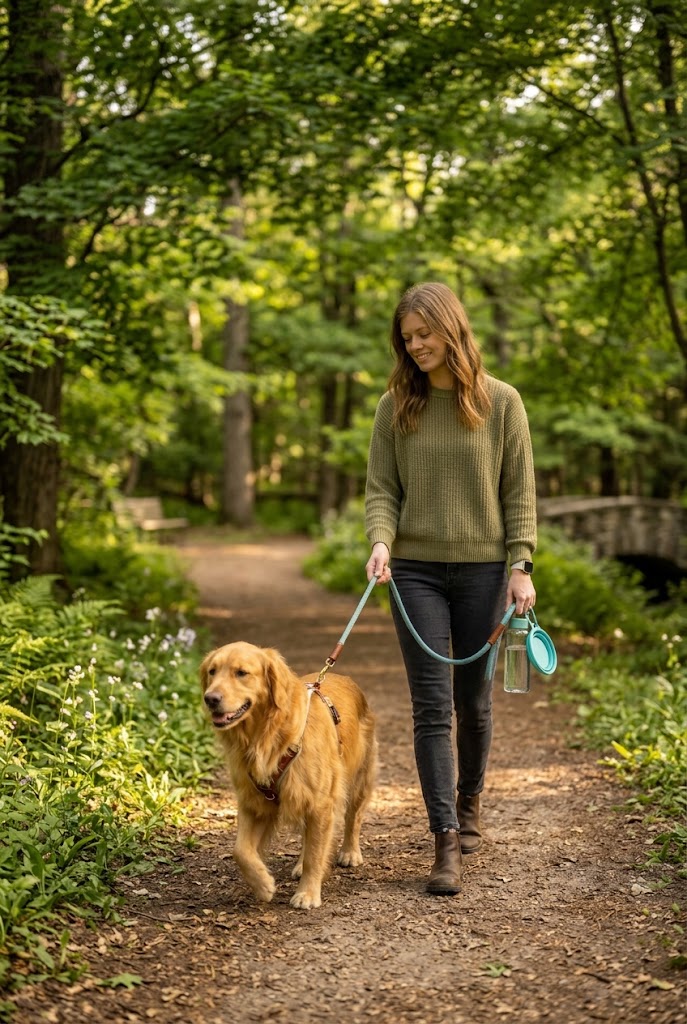
Hot weather requires extra care because dogs can overheat during outdoor activities. During particularly warm days, choose early morning or late evening when temperatures are lower. Some dogs may need very short outdoor sessions instead of their usual walking duration. Dogs with short noses, thick coats, excess weight, or breathing problems may be especially vulnerable to heat-related illness.
Always check the pavement before taking your dog outside. If the surface is too hot for your hand, it may be unsafe for your dog’s paws. Carry water, choose shaded routes, and avoid strenuous activity during high temperatures. Watch for heavy panting, excessive drooling, weakness, vomiting, or unusual behavior. These can be signs of heatstroke, which is an emergency. Move your dog to a cooler area and seek immediate veterinary care if heatstroke is suspected.
18. How Long Should You Walk Your Dog in Cold Weather?
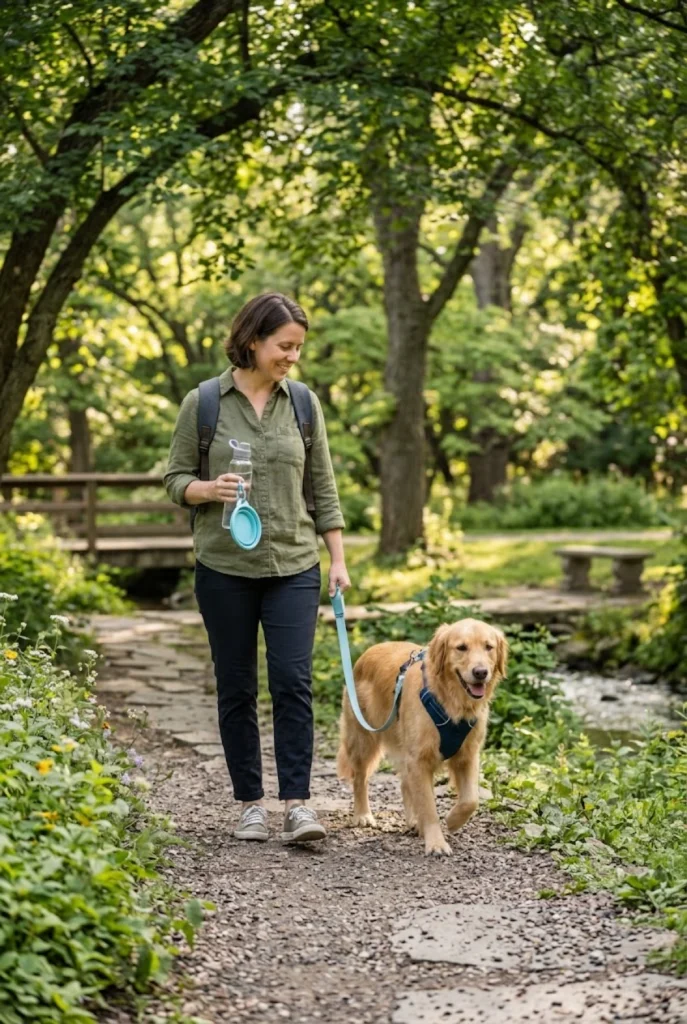
Many healthy dogs enjoy outdoor walks during colder months, but the appropriate duration depends on their size, coat, age, and tolerance for low temperatures. Short-haired breeds and small dogs may become uncomfortable more quickly than thick-coated breeds. Puppies and senior dogs may also need additional protection and shorter outings when conditions are cold.
Choose safe routes that do not have slippery ice or dangerous surfaces. Consider a properly fitted dog jacket if your pet needs extra warmth. After returning home, dry wet paws and fur, and check for signs of discomfort. Shivering, repeatedly lifting paws, reluctance to walk, and seeking warmth may indicate that your dog is too cold. Reduce the walking time and move indoors when necessary.
19. How Long Should You Walk a Dog That Pulls on the Leash?
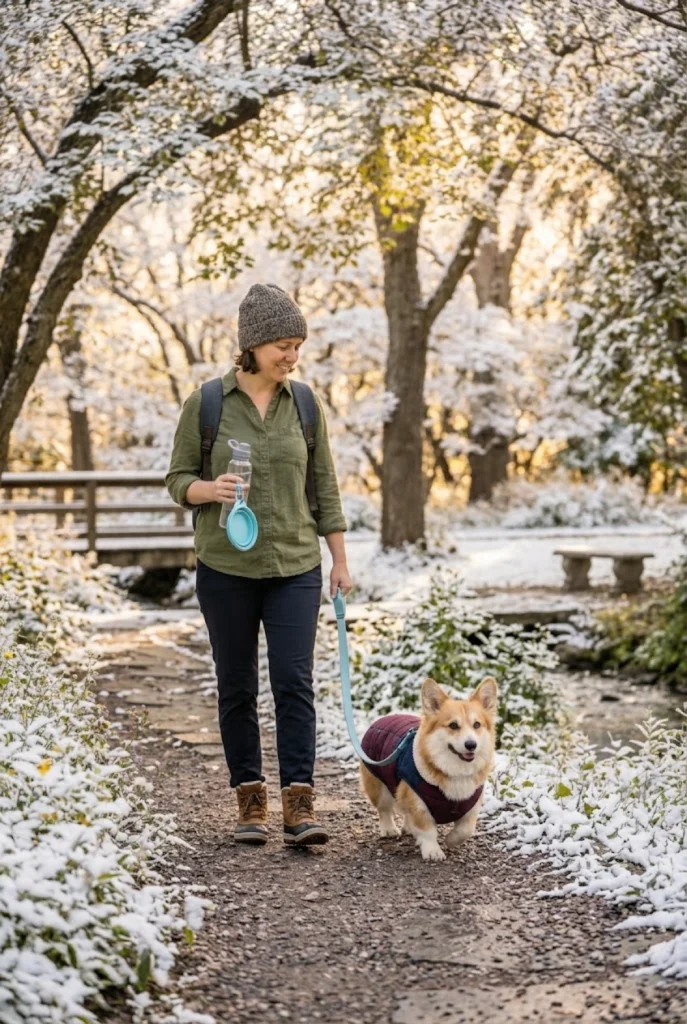
Dogs that pull on the leash may need shorter training-focused walks while learning better walking manners. Instead of concentrating only on distance, use these outings to teach your dog how to walk calmly beside you. Begin in a quiet location with fewer distractions and reward your pet whenever it maintains a comfortable, loose leash.
You can gradually increase walking duration as your dog becomes more confident and responsive. If it pulls toward other dogs, people, or exciting smells, create some distance and encourage it to focus on you. Avoid jerking the leash or using painful corrections. A comfortable harness and positive-reinforcement training can help improve the experience. If pulling is difficult to manage, consider assistance from a qualified dog trainer.
20. How Long Should You Walk a Dog That Gets Tired Quickly?
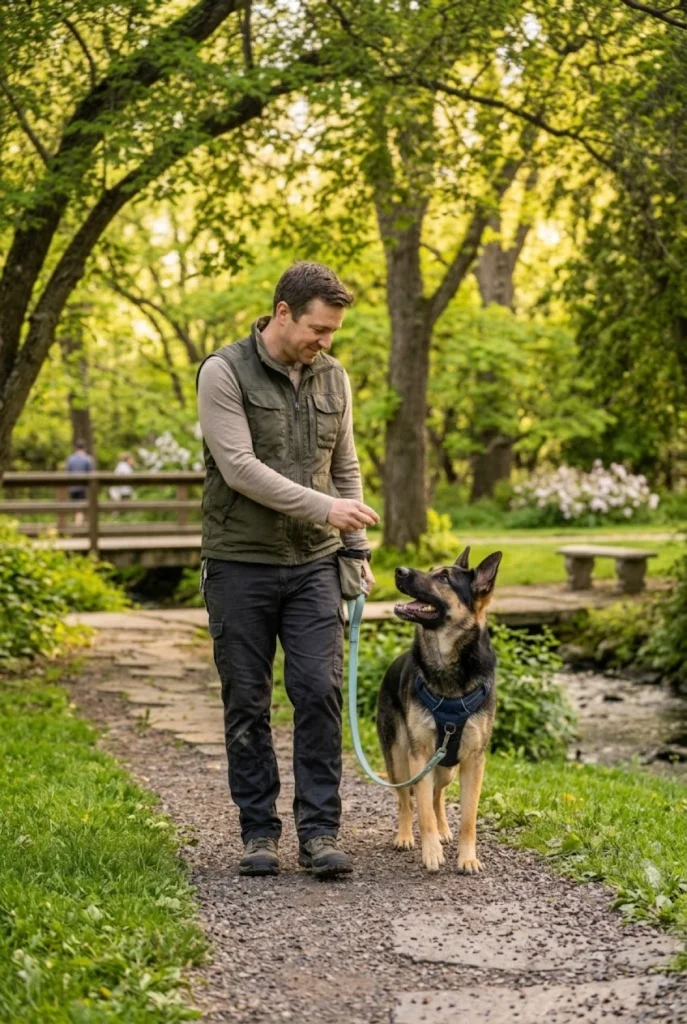
If your dog becomes tired quickly during walks, start by reducing the duration and intensity of outdoor activities. A short walk with several rest breaks may be more suitable than a long outing. However, frequent tiredness can have several causes, including low fitness, excess weight, age-related changes, pain, or underlying medical conditions.
Pay attention to whether your dog has always had low stamina or whether the change is recent. If it previously enjoyed longer walks but now struggles after a few minutes, arrange a veterinary examination. Avoid trying to improve stamina by forcing your dog to walk farther. Once any medical concerns have been addressed, your veterinarian can help you develop a gradual exercise plan that matches your dog’s physical abilities.
21. Does Your Dog Need Rest Days From Walking?
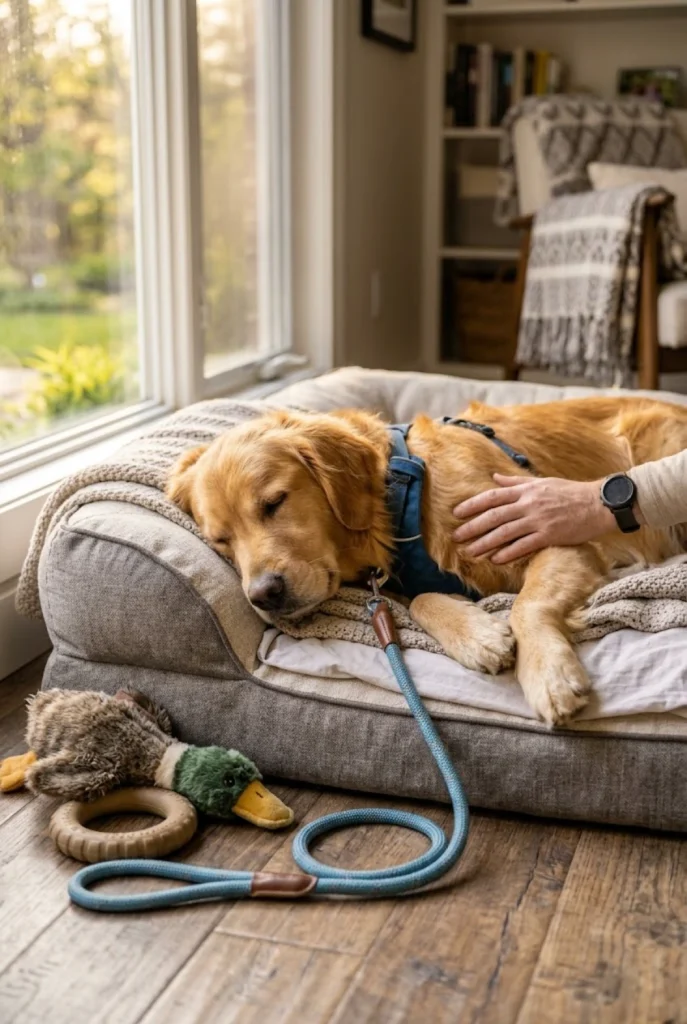
Dogs do not necessarily need complete rest days from all walking, but their activity levels should change according to their physical condition and recovery. After an unusually active day, a longer hike, or an energetic play session, your dog may benefit from a quieter day with shorter and gentler walks. This gives its body an opportunity to recover without removing all normal movement.
Rest is particularly important for puppies, senior dogs, and pets recovering from illness or injury. However, some dogs with medical conditions may have specific exercise restrictions that require veterinary guidance. You can replace demanding activities with gentle sniffing opportunities or indoor enrichment when appropriate. Pay attention to soreness, limping, or unusual tiredness, and avoid continuing exercise if your dog appears uncomfortable.
22. How Long Should You Walk Your Dog for Weight Management?
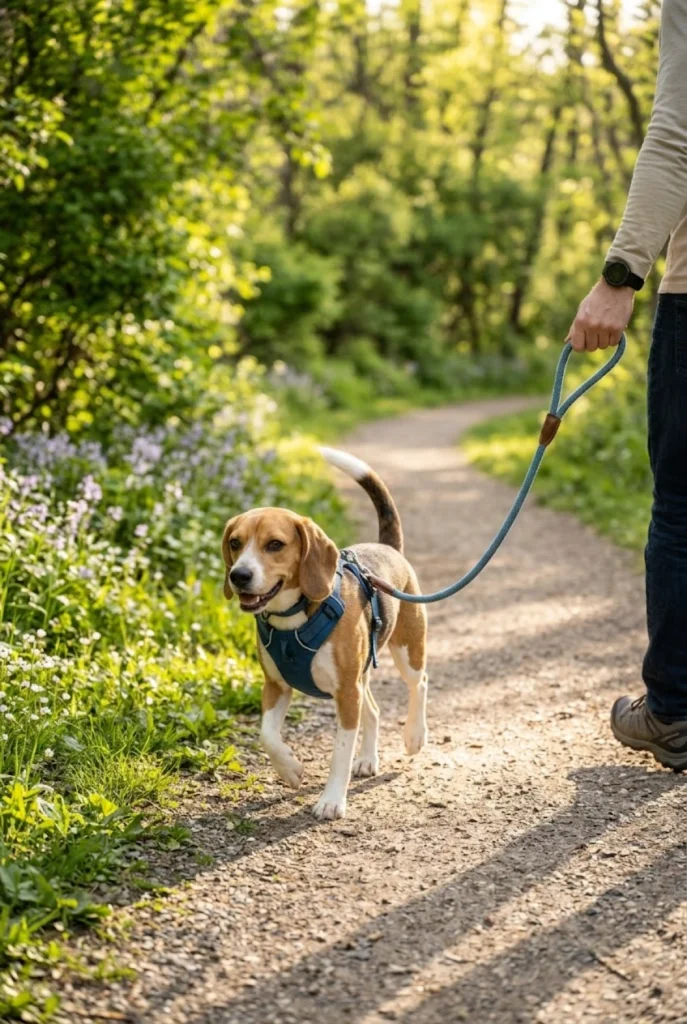
Walking can be a useful part of a healthy weight-management plan for dogs. Regular movement helps increase daily activity, while appropriate nutrition and portion control support a healthy body condition. However, overweight dogs should not immediately begin long or intense walks. Starting gradually can help protect their joints and make exercise more comfortable.
Your veterinarian can recommend a suitable walking duration based on your dog’s current weight, fitness, and medical history. You may begin with several short outings and increase the time as your dog becomes more comfortable. Monitor progress through regular weight checks and body-condition assessments rather than relying only on walking distance. Combining appropriate exercise with a balanced diet is generally more effective than trying to solve weight problems through exercise alone.
23. How Long Should You Walk a Dog With Arthritis?
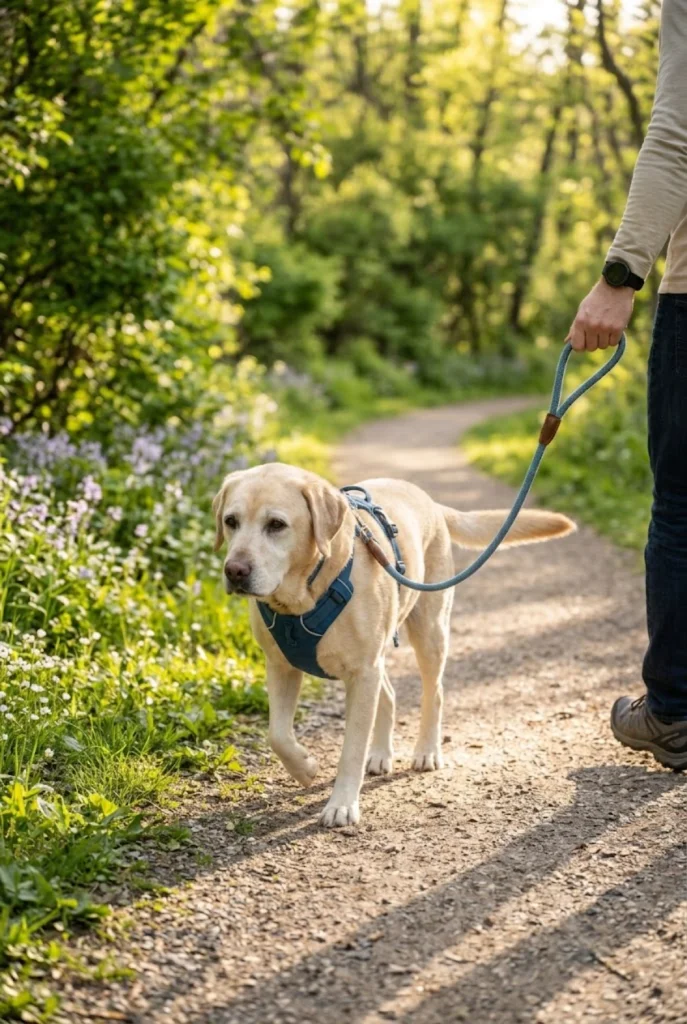
Dogs with arthritis may still benefit from appropriate daily movement, but their exercise needs require special attention. Gentle, controlled walks can help maintain mobility, while overly long or demanding outings may increase discomfort. Many dogs with joint problems do better with several shorter sessions rather than one extended walk.
Choose flat, non-slippery routes and allow your dog to move at its own pace. Avoid steep hills, repeated jumping, and rough terrain if these activities cause discomfort. Watch for stiffness, limping, reluctance to stand, or changes in walking behavior. Ask your veterinarian about a suitable exercise schedule and whether additional pain-management or rehabilitation support is appropriate. Never assume that an arthritic dog should stop all movement without professional guidance.
24. Can You Walk Your Dog Too Much?
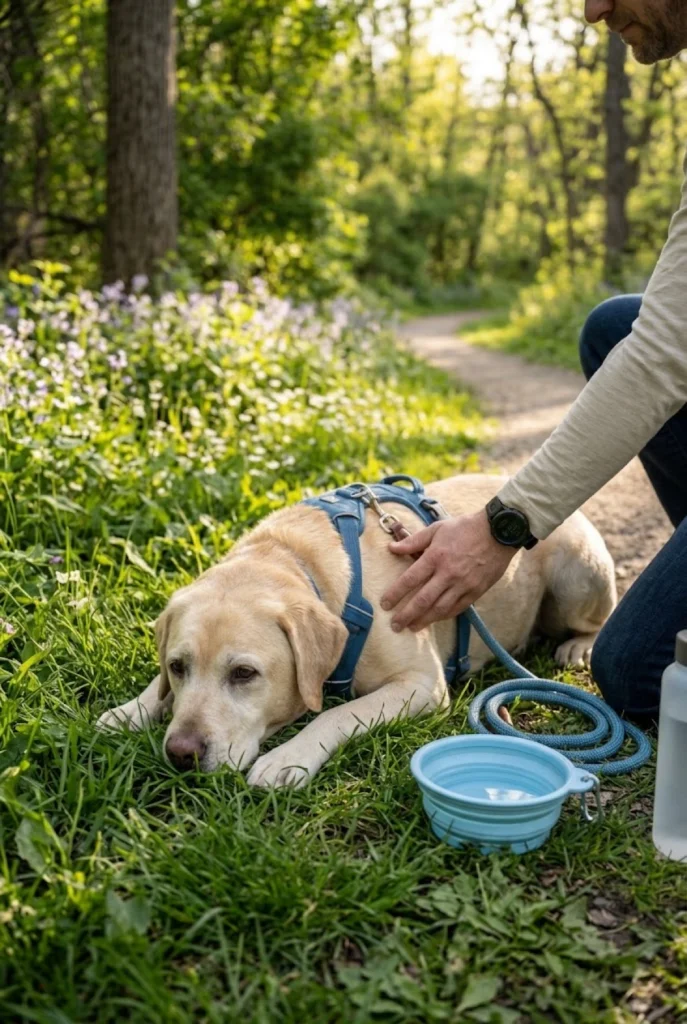
Yes, dogs can become physically exhausted if their exercise exceeds their fitness and health limits. This is particularly important for puppies, senior dogs, overweight pets, and breeds with breathing difficulties. Walking for too long or increasing distance too quickly can lead to soreness, excessive fatigue, and injuries. A dog that enjoys outdoor activities may continue moving even when it needs a break.
Watch for warning signs such as excessive panting, lagging behind, limping, weakness, unusual drooling, or difficulty recovering after exercise. Stop the walk if your dog appears uncomfortable and move to a safe resting area. If it shows severe weakness, collapse, breathing difficulty, or signs of heatstroke, seek urgent veterinary care. A healthy walking routine should support fitness without pushing your pet beyond its abilities.
25. How to Increase Your Dog’s Walking Time Safely
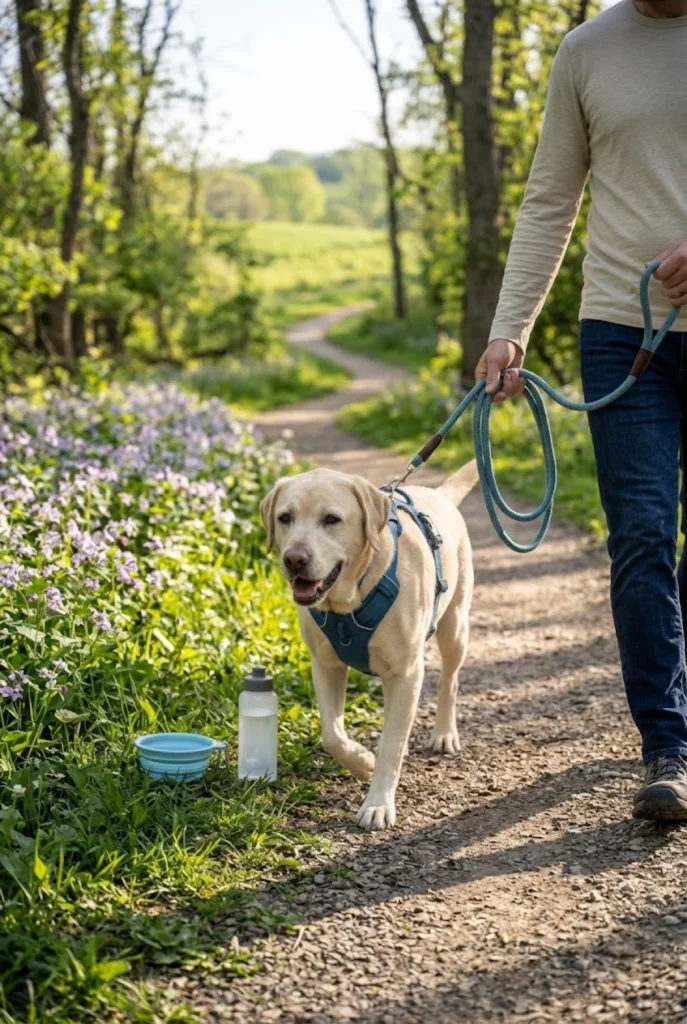
If your dog is comfortable with its current walking routine, you may gradually increase the duration to provide additional exercise. Start by adding a few minutes to selected walks rather than making a sudden large change. Observe how your pet responds during the outing and afterward. If it remains comfortable and recovers normally, you can continue adjusting the schedule slowly.
Avoid increasing walking time at the same time as exercise intensity. For example, do not introduce a longer route, steep hills, and a faster pace all in one day. Give your dog enough time to adapt to each change. Keep fresh water available and provide rest when needed. If your pet has an existing health condition, discuss any increase in exercise with your veterinarian first.
26. How to Create a Daily Dog Walking Schedule
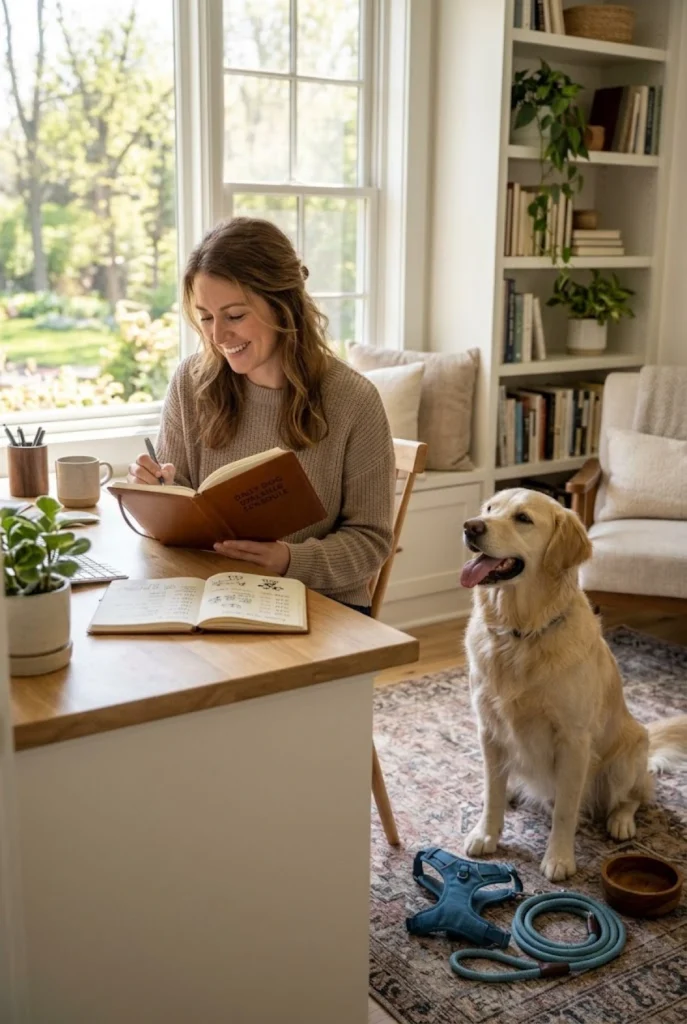
A simple daily schedule can make it easier to provide consistent exercise. Consider your work hours, your dog’s age, and its individual needs when choosing walking times. Many owners prefer a morning outing and an evening walk, with additional short potty breaks throughout the day. Puppies and dogs with certain medical conditions may need more frequent outdoor opportunities.
Write down your dog’s walking times and adjust them when necessary. For example, a busy weekday may require shorter sessions, while a weekend may offer more opportunities for outdoor exploration. Keep the schedule flexible enough to account for weather, health, and unexpected responsibilities. The goal is to establish a realistic routine that you can maintain consistently rather than creating an unrealistic plan.
27. What to Do Instead of Walking Your Dog on Busy Days
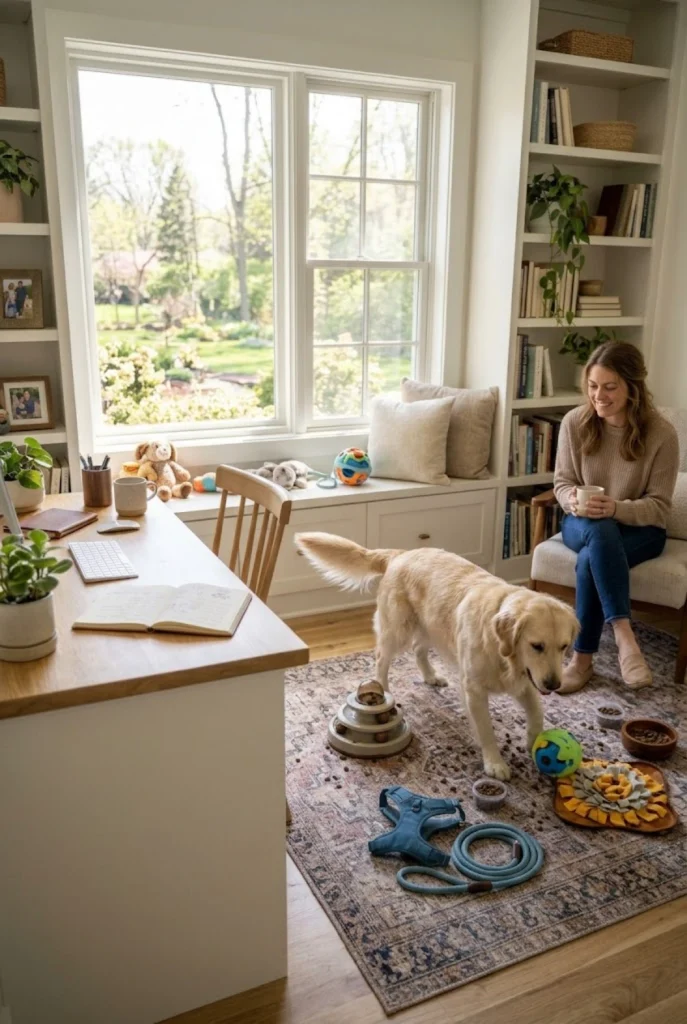
There may be days when work, bad weather, illness, or other responsibilities make regular walks difficult. On these occasions, suitable indoor activities can help provide mental stimulation and some physical movement. Puzzle feeders, scent games, hide-and-seek, and short obedience sessions are useful ways to keep your dog engaged without leaving home.
Choose activities according to your dog’s age, health, and energy level. Avoid exciting games that involve excessive jumping or rough movement, especially in small indoor spaces. Remember that indoor enrichment does not always replace the physical exercise and bathroom opportunities your dog needs. If you cannot walk your dog, arrange a suitable alternative such as a trusted family member or professional dog walker when possible.
28. How to Make Your Dog’s Walks More Interesting
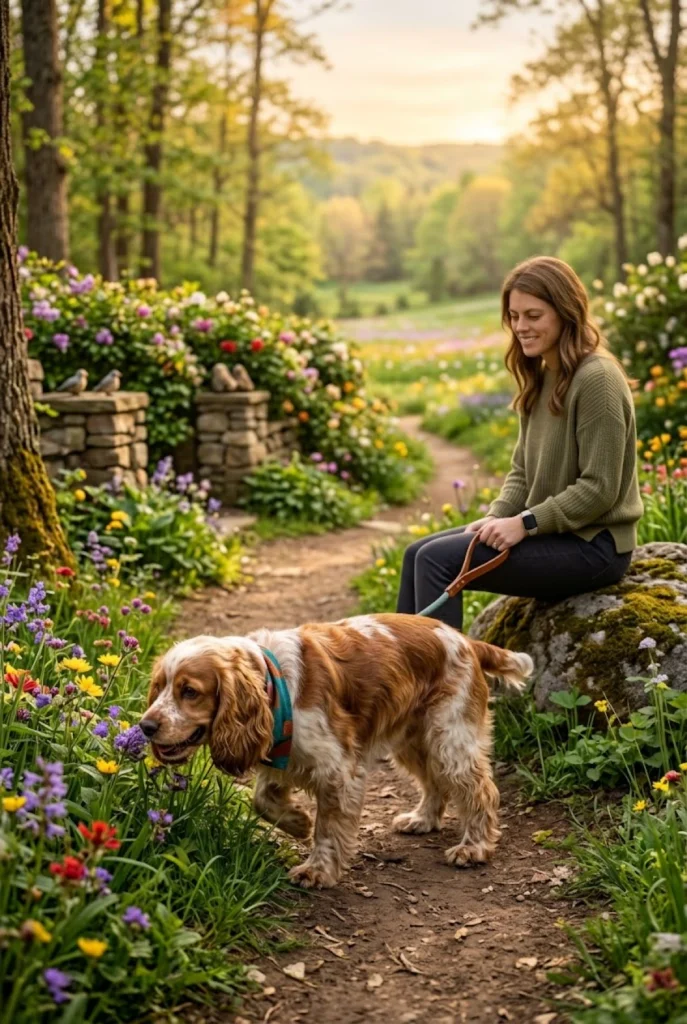
Dogs enjoy exploring different smells, surfaces, sounds, and environments. Repeating the same route every day can become less interesting for some pets, so introducing safe variety may improve their walking experiences. You can visit a different neighborhood, explore a dog-friendly park, or take a quiet nature trail when conditions are suitable.
Include activities that encourage your dog to use its senses. Allow sniffing breaks, practice simple commands, and reward calm behavior around mild distractions. You can also introduce new walking surfaces gradually, such as grass or safe gravel paths. Avoid crowded or stressful environments if your dog feels uncomfortable. The goal is to make walks enjoyable and mentally stimulating while maintaining a safe and manageable routine.
29. How to Tell If Your Dog Enjoys Walking
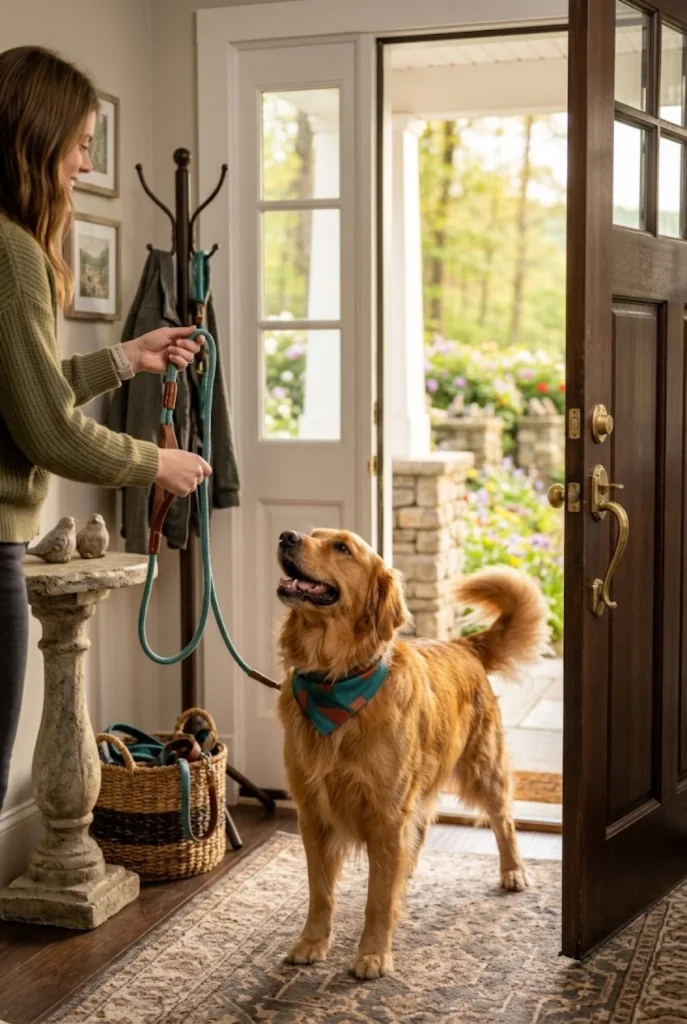
Most dogs that enjoy walking show interest when they see their leash, approach the door willingly, and explore their surroundings with curiosity. During a comfortable walk, your dog may sniff the grass, look around, maintain a relaxed posture, and respond positively to your attention. After returning home, it should generally settle down without showing unusual exhaustion or discomfort.
However, not every dog expresses excitement in the same way. Some are naturally calm, while others may feel nervous in unfamiliar environments. Watch your dog’s body language rather than judging its happiness by how quickly it walks. If it repeatedly refuses to move, hides, trembles, or shows signs of pain, investigate the cause. Positive experiences and gradual exposure can help build walking confidence.
30. How Walking Helps Your Dog’s Mental Health
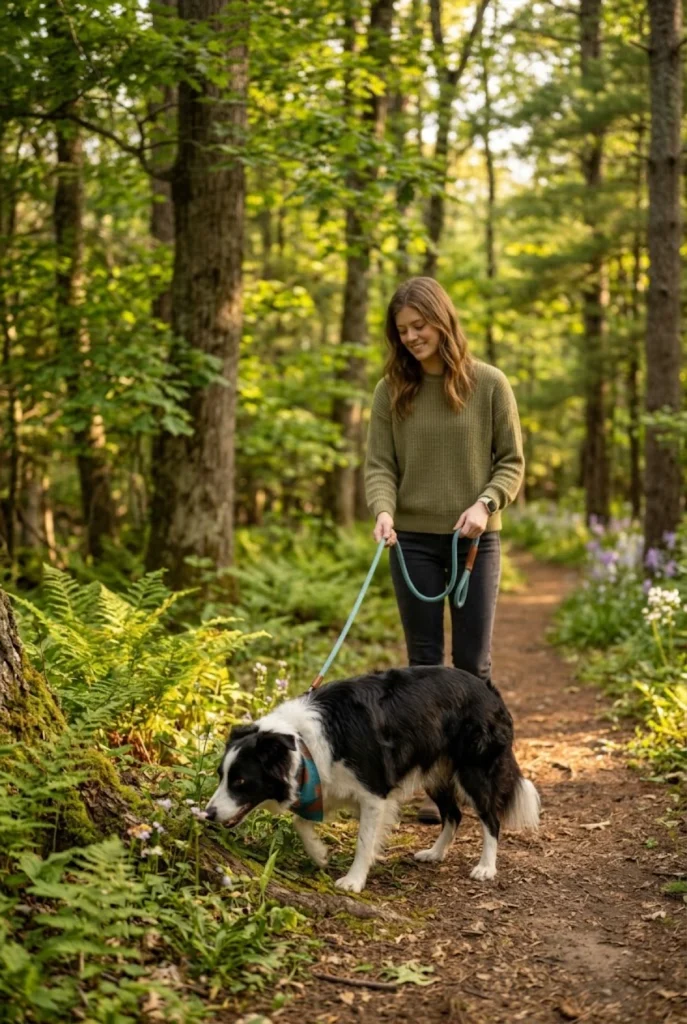
Walking provides more than physical activity. It gives dogs opportunities to explore their surroundings, experience new smells, and respond to different environmental situations. These experiences can provide valuable mental stimulation and help prevent boredom. Dogs that enjoy regular, suitable outdoor activities also have opportunities to interact positively with their owners.
Mental enrichment is particularly important for intelligent and energetic breeds that enjoy problem-solving. You can make walks more engaging by including scent exploration, simple training exercises, and visits to safe new environments. Avoid overwhelming your dog with too many unfamiliar experiences at once. Some dogs need more time to feel comfortable in busy locations. A balanced walking routine should provide stimulation while allowing plenty of opportunities to relax.
Conclusion
Understanding how long you should walk your dog is an important part of responsible pet ownership. Every dog has different exercise requirements, and the ideal walking duration depends on age, breed, fitness, health, and energy level. Puppies generally need short and gentle outings, adult dogs may enjoy longer daily walks, and senior dogs often benefit from comfortable activities with regular rest breaks.
Start with a walking schedule that suits your dog’s abilities and gradually adjust it as needed. Choose safe walking routes, carry fresh water, pay attention to weather conditions, and allow your dog enough time to explore and sniff. Most importantly, never force your pet to continue walking when it shows signs of exhaustion or discomfort.
Regular, enjoyable walks can support your dog’s physical fitness, mental stimulation, and relationship with you. Focus on consistency rather than distance, and make every walk a positive experience for your furry friend.