12 Essential Dog Grooming Tools for Beginners
Keeping your dog clean, comfortable, and well-groomed does not have to be difficult. With the right equipment, even first-time dog owners can manage many basic grooming tasks at home. From brushing loose hair to cleaning paws and maintaining healthy teeth, simple grooming habits can make a big difference in your dog’s everyday care.
However, choosing the right equipment can feel confusing when you are just getting started. There are many brushes, combs, shampoos, nail clippers, and other products available. Which ones do you actually need? This beginner-friendly guide covers 12 essential Dog Grooming Tools and explains what each tool does, how to choose it, and how to use it safely.
1. Dog Grooming Brush
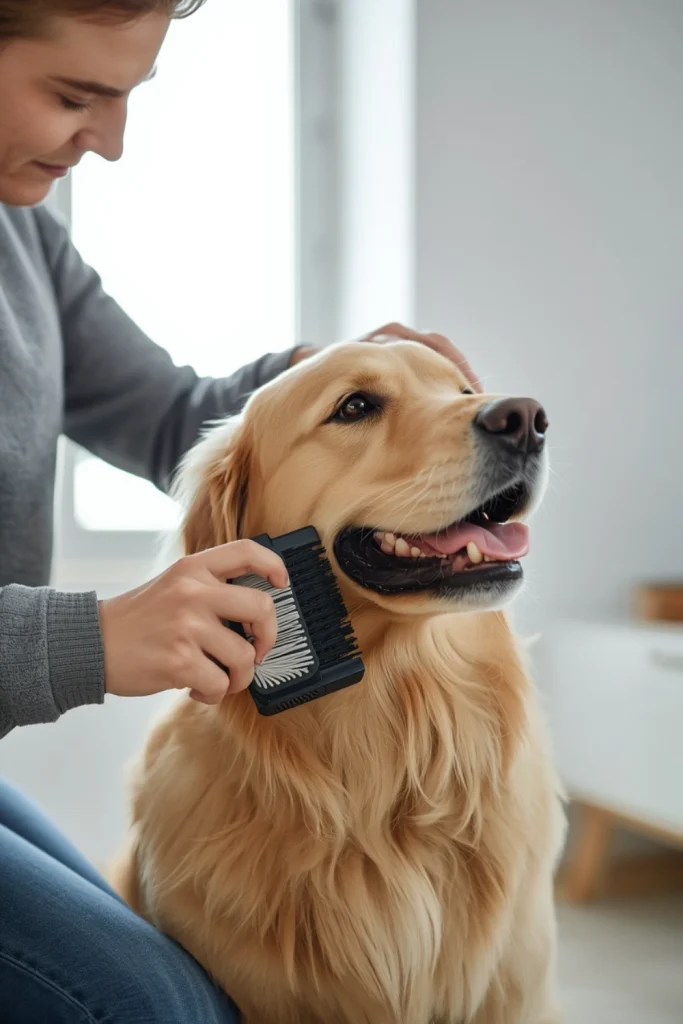
A dog grooming brush is one of the most important items in a beginner’s grooming kit. Regular brushing helps remove loose hair, dust, and small tangles from your dog’s coat. It can also distribute natural oils through the fur, helping the coat look clean and well-maintained. Different brushes are designed for different coat types. Soft-bristle brushes and grooming mitts may suit many short-haired dogs, while slicker brushes are commonly used for longer or curlier coats.
Before buying a brush, consider your dog’s coat length, thickness, and texture. Choose one with comfortable bristles and a handle that is easy to control. Start with gentle strokes in the direction of hair growth, and avoid pressing the brush too firmly against the skin. If your dog has a thick or complicated coat, ask a professional groomer to recommend an appropriate brush. A suitable tool makes regular grooming more comfortable and effective.
2. Dog Grooming Comb
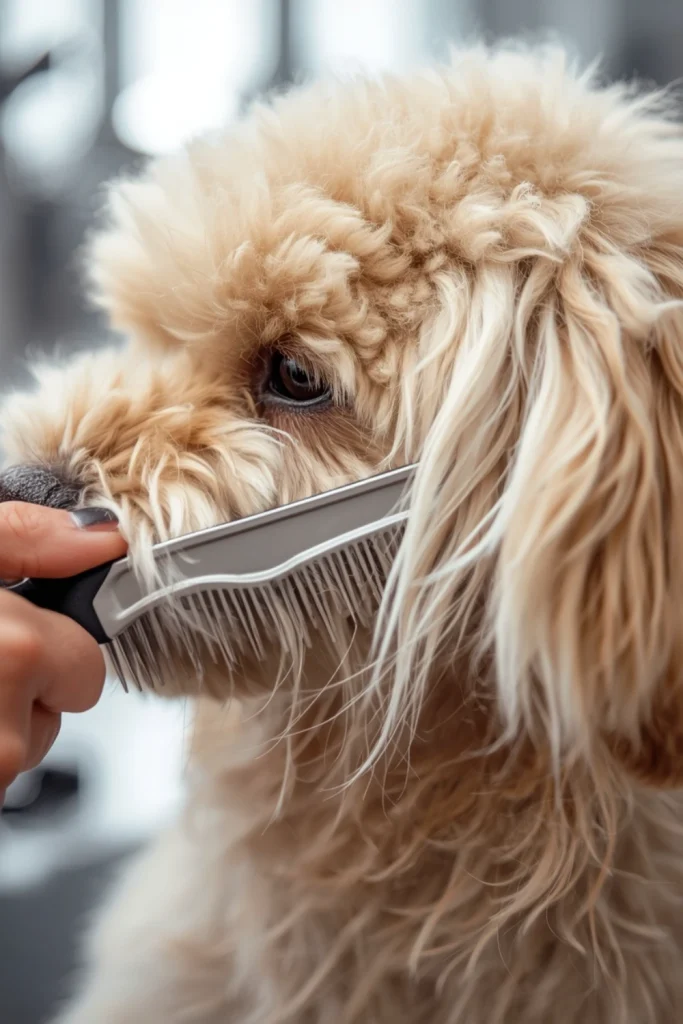
A grooming comb is useful for checking your dog’s coat and finding small tangles that a brush may not remove. It is especially helpful for dogs with long, thick, or curly hair. A suitable comb can help you work through loose knots and inspect areas where tangles commonly develop, including behind the ears, around the legs, beneath the collar, and near the tail. Many dog owners prefer metal combs with rounded teeth because they can move through suitable coats effectively when used gently.
When using a comb, begin at the ends of the hair and gradually work toward the roots. Hold the hair near the skin to reduce pulling while working through a small tangle. Never force a comb through a tight mat because doing so can hurt your dog. Severe mats should be handled by a professional groomer. After each grooming session, remove trapped hair from the comb and clean it according to the manufacturer’s instructions.
3. Dog Shampoo
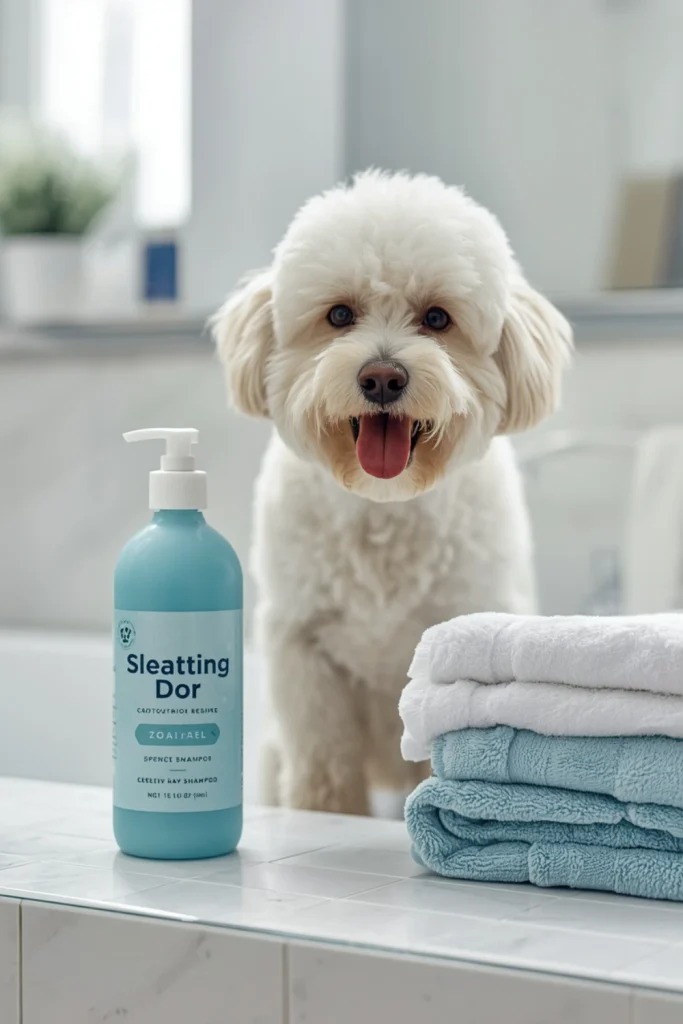
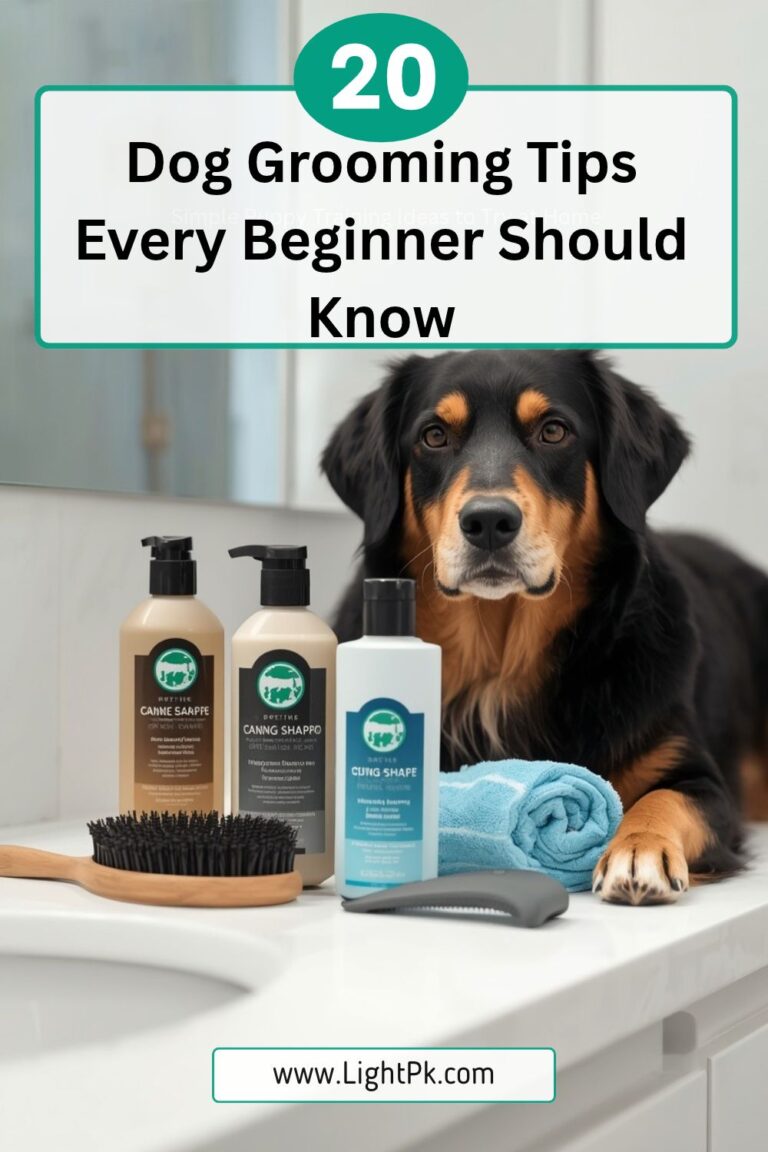
Dog shampoo is an essential grooming product because it helps remove dirt, odors, and buildup from your pet’s coat. However, not every shampoo is suitable for every dog. Always choose a product specifically formulated for dogs, and consider your pet’s skin condition and coat type. Some products are designed for general cleaning, while others are made for sensitive skin or particular grooming needs. If your dog has allergies, persistent itching, or a skin condition, ask your veterinarian which shampoo is appropriate.
Read the product label and follow the instructions carefully. Use lukewarm water, apply the recommended amount, and rinse thoroughly so that shampoo residue does not remain on the coat. Avoid getting shampoo into your dog’s eyes and ears. Do not use human shampoo or household soap as a substitute because these products may irritate canine skin. Also, avoid unnecessary frequent bathing. The best bathing schedule depends on your dog’s coat, lifestyle, and individual needs.
4. Dog Nail Clippers
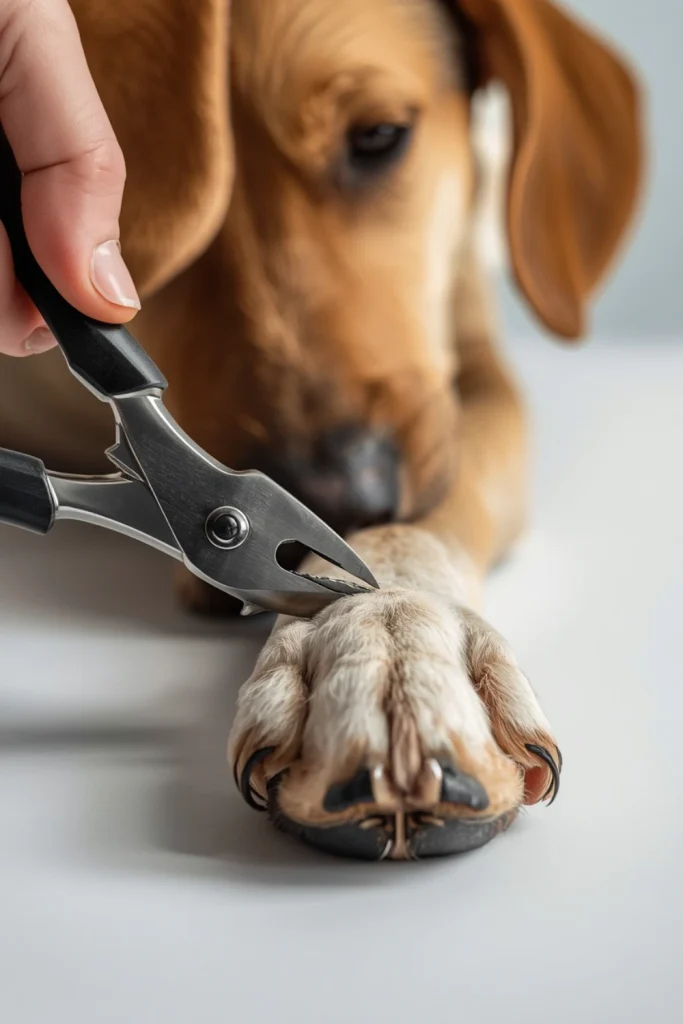
Dog nail clippers help maintain your pet’s nails at a comfortable length. Overgrown nails can make walking uncomfortable and may affect how your dog places its paws on the ground. Some active dogs naturally wear down their nails on suitable walking surfaces, while others need regular trimming. Common nail clipper styles include scissor-style and guillotine-style designs. Choose a size that matches your dog’s nails and a style that you can hold securely.
Before trimming, learn where the quick is located. The quick contains blood vessels and nerves, so cutting into it can cause pain and bleeding. Trim only small amounts at a time and avoid rushing. Dark nails can make the quick difficult to see, so beginners may find it helpful to ask a veterinarian or professional groomer for a demonstration. If your dog becomes frightened or struggles, stop the session and work gradually on getting your pet comfortable with paw handling.
5. Dog Nail Grinder
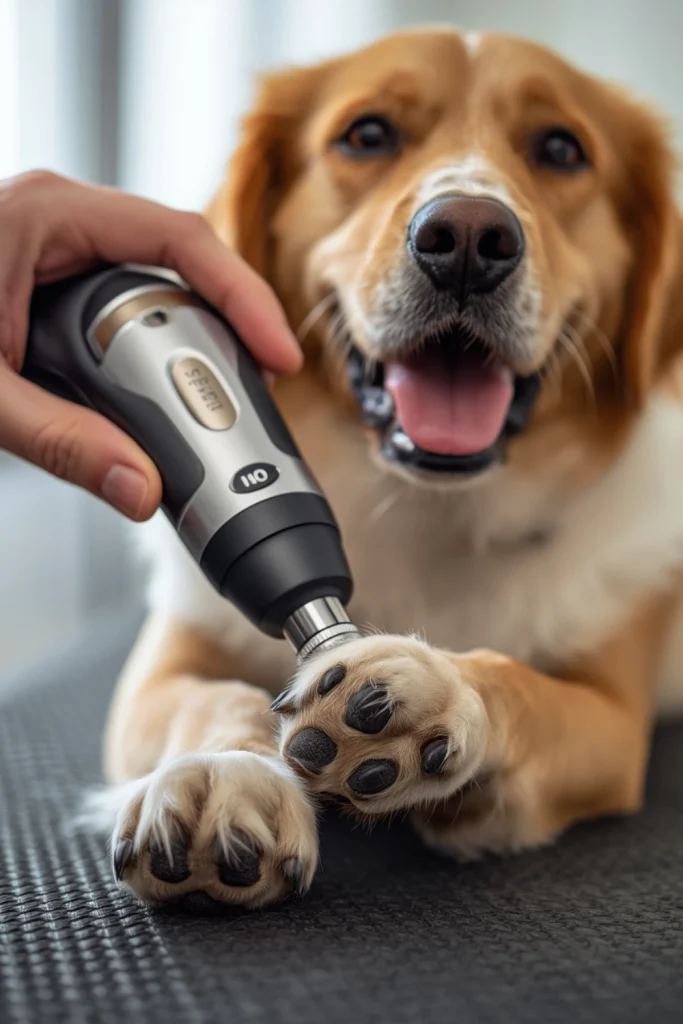
A dog nail grinder is an alternative to traditional nail clippers. It uses a rotating grinding surface to shorten and smooth the nail gradually. Some owners prefer grinders because they can remove small amounts at a time and help reduce sharp edges. They may be useful for dogs whose nails split easily during clipping. Choose a grinder designed for pets, with a comfortable grip, appropriate safety features, and a noise level your dog can tolerate.
Introduce the grinder slowly because the sound and vibration may make some dogs nervous. Allow your dog to inspect the switched-off tool first. Next, reward calm behavior when the grinder is briefly switched on at a comfortable distance. Follow the manufacturer’s instructions and touch the nail to the grinding surface only for short periods to prevent heat buildup. Do not grind too close to the quick. If you are unsure about nail maintenance, ask a professional groomer or veterinarian to demonstrate the correct technique.
6. Dog Grooming Scissors
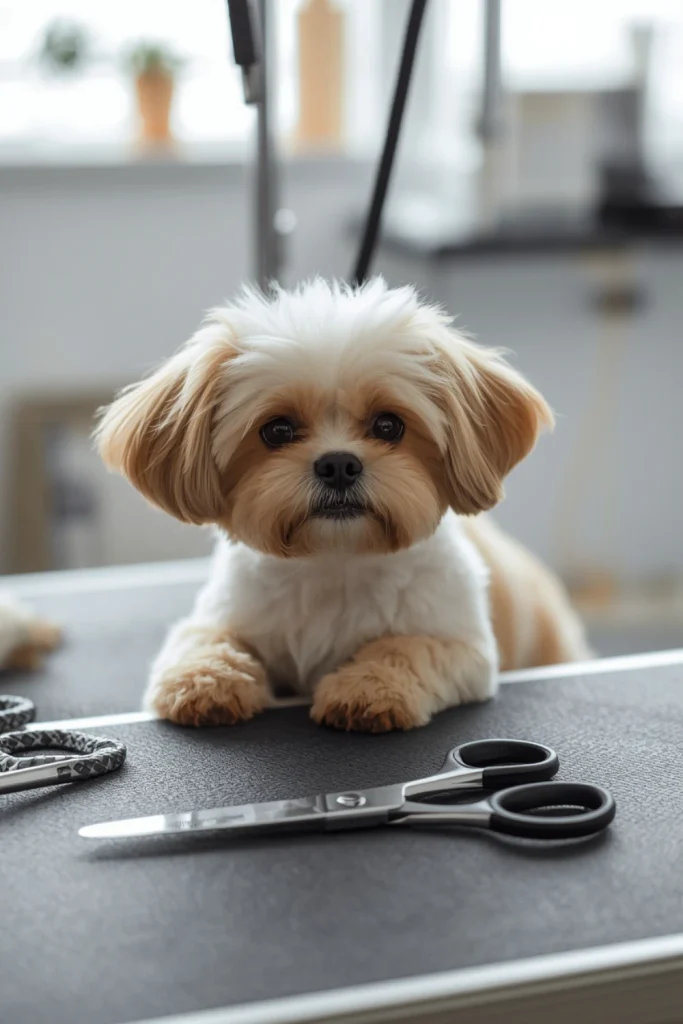
Dog grooming scissors are designed to trim selected areas of your dog’s coat. They may be useful for maintaining longer hair around the paws or tidying small areas when the owner understands the correct technique. Some scissors have rounded tips, while thinning shears are designed to reduce bulk and blend different coat lengths. The right equipment depends on your dog’s coat type and the kind of grooming you plan to do. Always choose tools specifically designed for pet grooming.
Beginners should be especially cautious when using scissors around the face, eyes, ears, paws, and other sensitive areas. Dogs can move suddenly, and sharp blades may cause serious injuries. Never try to cut a tight mat close to the skin with household scissors because skin can become trapped inside the mat. For complicated trimming or sensitive areas, professional grooming is usually safer. Keep your scissors clean, dry, and stored securely after every session.
7. Dog Grooming Dryer
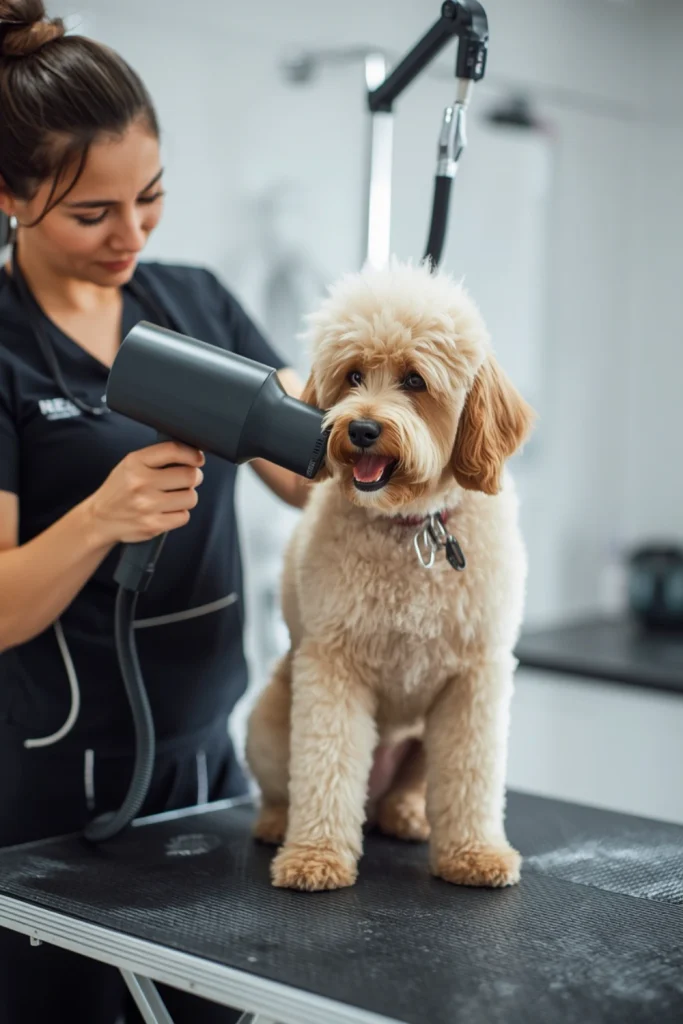
A dog grooming dryer can help remove moisture from your dog’s coat after bathing. It may be particularly useful for dogs with thick, long, or double coats where water can remain trapped for longer. Pet-specific dryers are available with different airflow and temperature settings. Choose a model designed for animals and consider your dog’s size, coat type, and sensitivity to noise. A powerful human hair dryer is not automatically a safe substitute because excessive heat may cause discomfort or skin injury.
Introduce the dryer gradually, especially if your dog is sensitive to unfamiliar sounds. Begin with the machine switched off and allow your pet to investigate it. When using it, follow the manufacturer’s safety instructions, keep airflow moving, and avoid directing hot air toward one spot. Watch your dog’s body language throughout the process. If your dog becomes frightened, stop and use absorbent towels or another suitable drying method instead.
8. Dog Toothbrush and Toothpaste
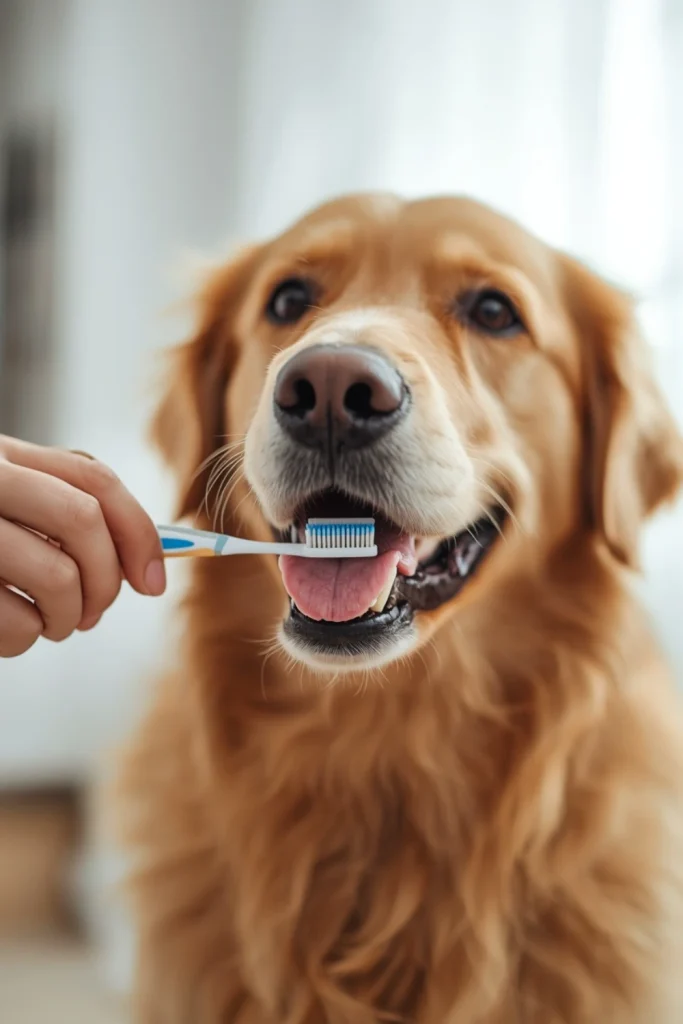
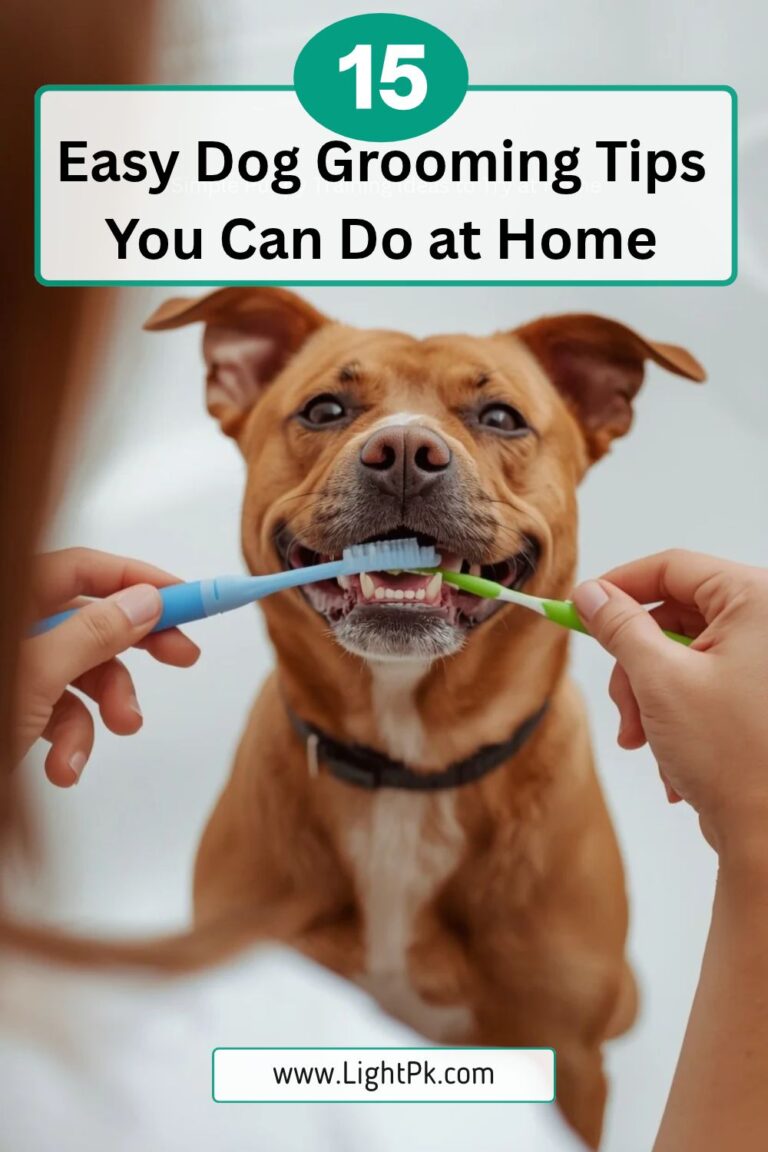
Dental care is an important part of dog grooming, and a pet toothbrush should be included in your basic supplies. Regular brushing helps remove plaque from the teeth and supports better oral hygiene. Dog toothbrushes are available in different sizes and styles, including small brushes for puppies and larger brushes for adult dogs. Choose one that fits comfortably in your hand and allows you to reach your dog’s teeth without causing discomfort.
Always use toothpaste formulated specifically for dogs. Human toothpaste is not a safe substitute because some ingredients may be harmful if swallowed. Introduce toothbrushing gradually by allowing your dog to smell the brush and taste a small amount of dog toothpaste. Begin with a few teeth and increase the brushing time as your pet becomes comfortable. Ideally, brush regularly and ask your veterinarian about dental examinations and other suitable oral care products.
9. Dog Ear Cleaning Supplies
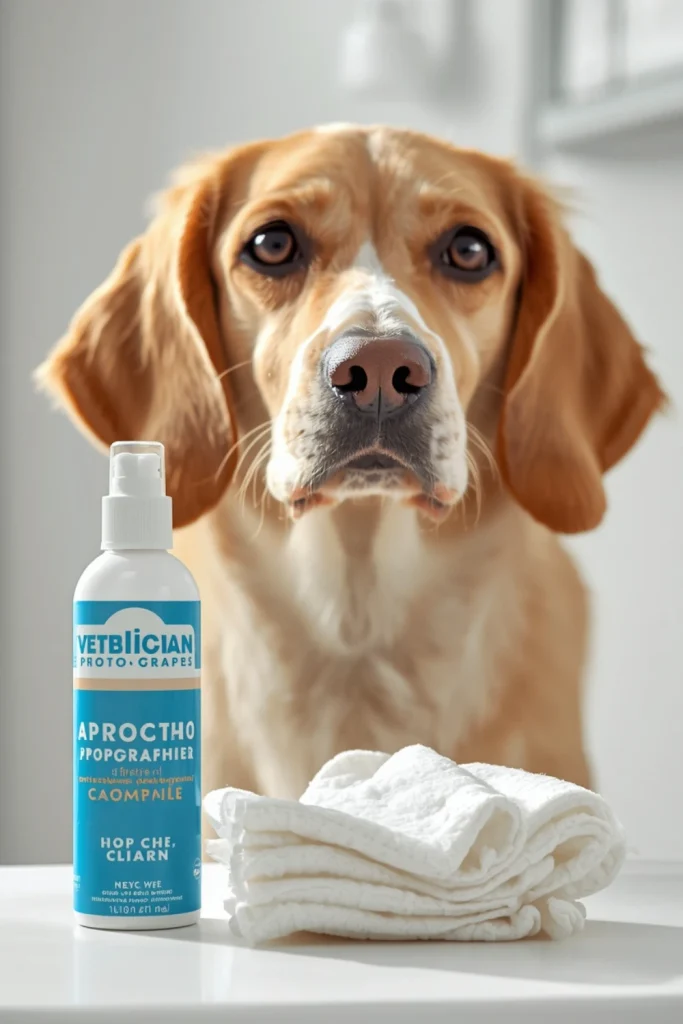
Ear-cleaning supplies can be useful for dogs that need occasional ear cleaning. A veterinarian-approved ear-cleaning solution and soft cotton pads or gauze are common options. However, not every dog needs frequent ear cleaning. Some dogs naturally have clean ears, while others may need more attention because of their ear shape, coat, or individual needs. Regularly checking the visible ear area helps you notice unusual redness, discharge, swelling, or unpleasant odors.
If cleaning is appropriate, follow the cleaner’s directions and gently wipe only the visible parts of the ear. Never push cotton swabs, fingers, or other objects deep into the ear canal. Avoid using alcohol, hydrogen peroxide, or homemade cleaning mixtures unless your veterinarian specifically instructs you to do so. If your dog shakes its head repeatedly, scratches its ears, shows pain, or has unusual discharge, contact a veterinarian instead of trying to solve the problem with cleaning products.
10. Dog Grooming Gloves
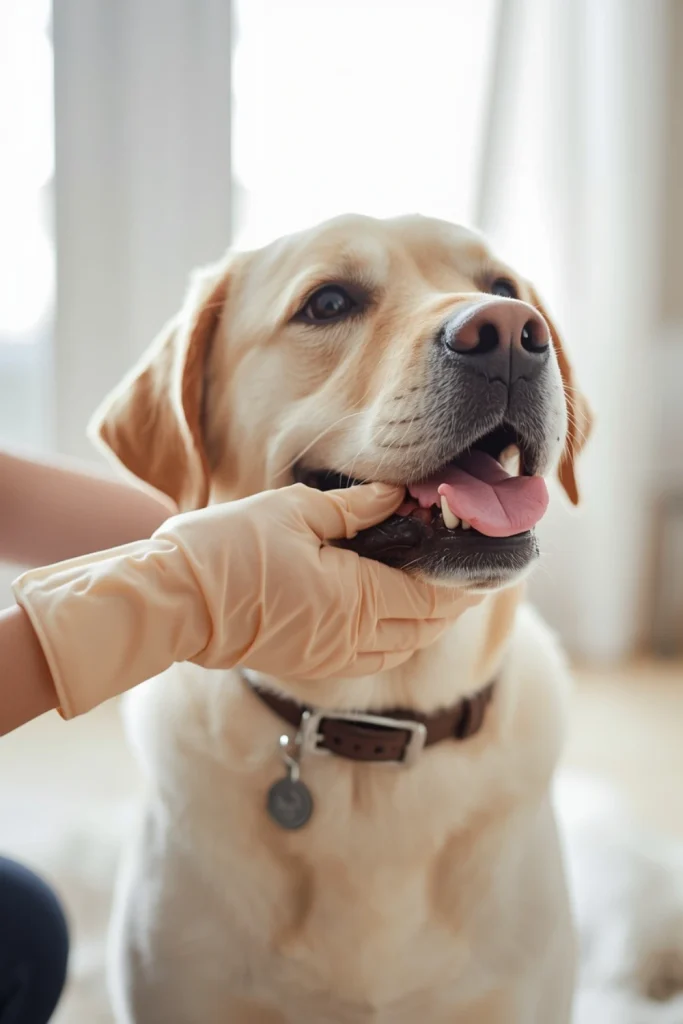
Dog grooming gloves offer a simple way to remove loose hair while gently handling your pet. These gloves usually have soft rubber or silicone grooming surfaces that collect loose fur as you stroke the dog’s coat. They may work particularly well for many short-haired dogs and pets that dislike traditional brushes. Because the glove fits over your hand, grooming can feel similar to ordinary petting for some dogs, making it a useful option for introducing basic coat care.
Choose a glove with soft, flexible grooming tips and a comfortable fit. Check that the material is suitable for pets and has no rough edges that could irritate the skin. Begin with gentle strokes and watch how your dog responds. Grooming gloves may not be sufficient for long, thick, or heavily tangled coats, so they should not replace a suitable brush or comb when those tools are needed. Remove collected hair and clean the glove after each use.
11. Dog Grooming Table or Non-Slip Mat
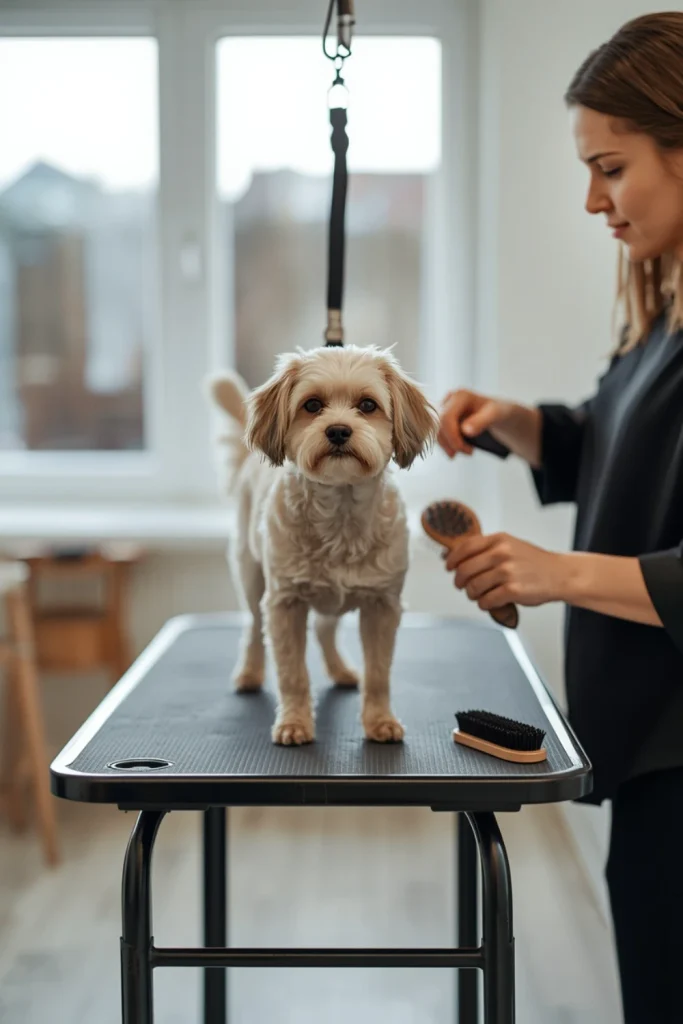
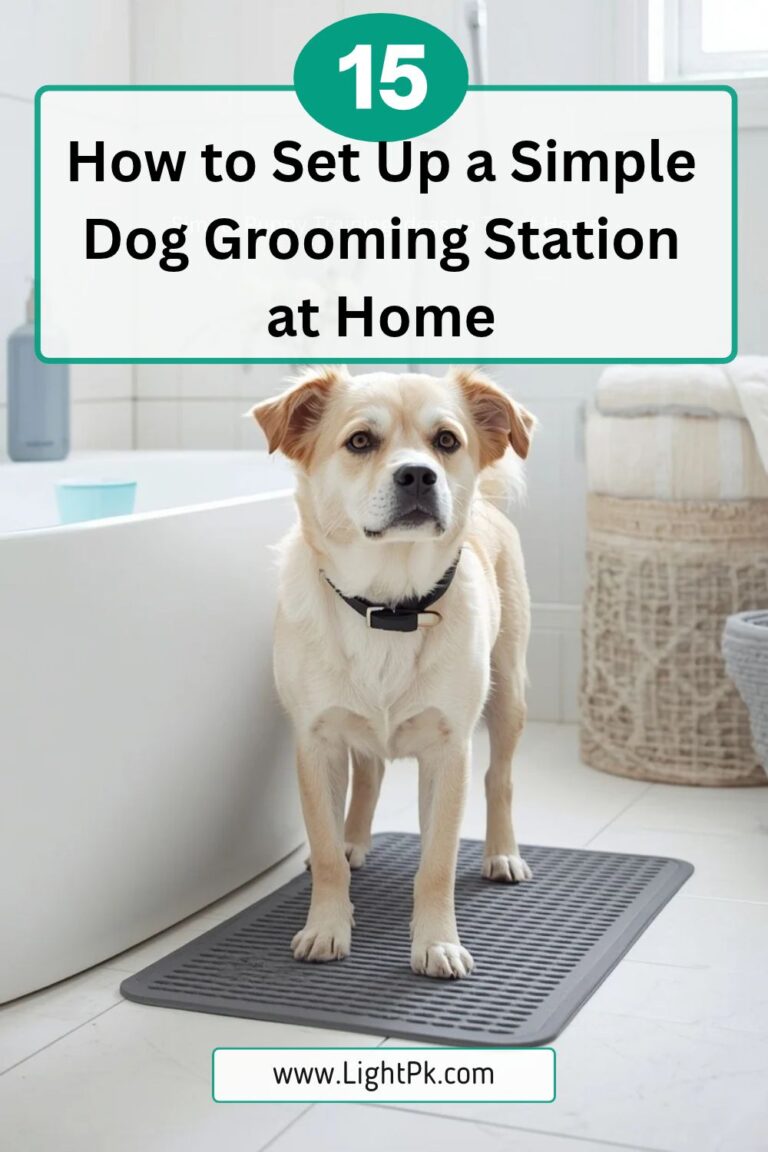
A grooming table or non-slip mat can provide a stable surface for brushing and other routine grooming activities. A dedicated grooming table may be useful for small dogs because it allows the owner to work at a comfortable height. For many beginners, however, a non-slip mat placed on a secure, low surface may be enough for simple brushing. Stability is the most important feature. Your dog should feel secure rather than sliding around during grooming.
Choose a surface appropriate for your dog’s size and weight. Never leave your dog unattended on an elevated grooming table, and avoid using restraints in a way that could cause choking or injury. For dogs that are nervous about raised surfaces, begin grooming on the floor with a comfortable mat. Introduce a grooming table only when your pet is relaxed and you understand how to use the equipment safely. A stable grooming area can make the experience easier for both of you.
12. Dog Grooming Towels and Drying Cloths
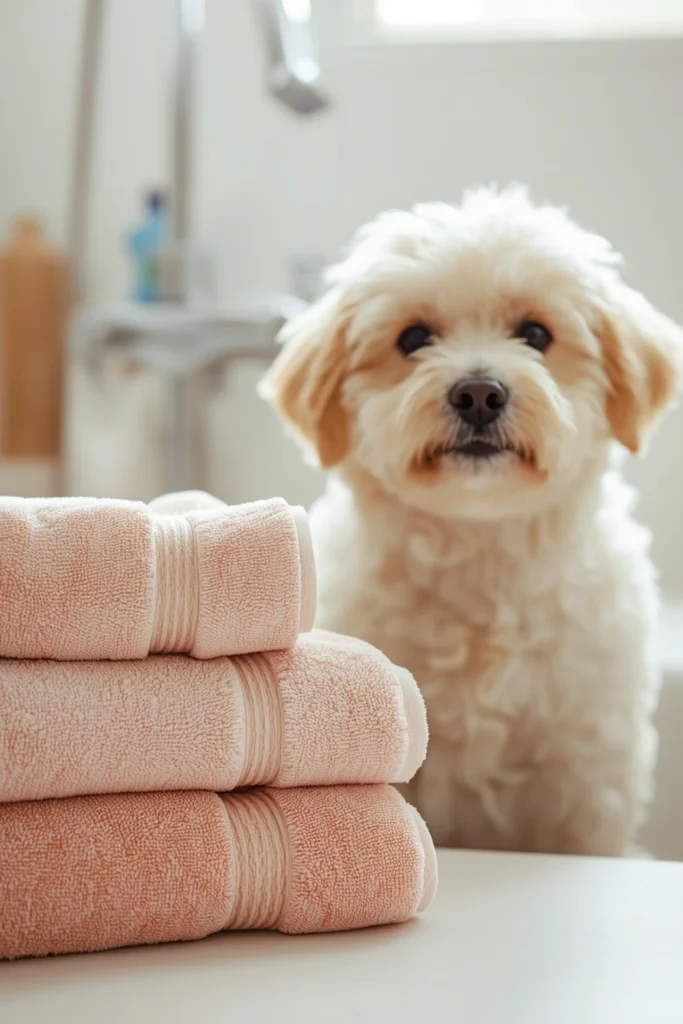
Absorbent towels are simple but essential dog grooming supplies. After a bath, a suitable towel helps remove excess water and makes drying more comfortable. Microfiber pet towels can be useful because they absorb moisture efficiently and are often easy to wash. You may also want to keep a separate towel near the entrance for drying muddy paws after outdoor walks. Having dedicated towels makes it easier to maintain a clean and organized grooming routine.
Choose soft towels that are large enough for your dog and comfortable against its skin. Pat the coat gently instead of rubbing aggressively, especially if your dog has long hair that can tangle. Wash towels regularly and allow them to dry fully before storing them. Keep grooming towels separate from everyday household towels if possible. Clean, dry supplies help make each grooming session more hygienic and convenient.
Final Thoughts
Choosing the right Dog Grooming Tools is an important first step toward building a simple and effective grooming routine. You do not need expensive equipment or professional experience to handle basic care at home. A suitable brush, comb, dog shampoo, nail-care tool, toothbrush, and towels can help you manage many everyday grooming tasks.
Remember that every dog has different needs. Consider your pet’s coat type, size, comfort, and lifestyle before purchasing new equipment. Introduce each tool gradually, use it according to its instructions, and avoid complicated grooming tasks until you understand the correct technique. With patience and consistency, the right grooming kit can make caring for your dog easier and more enjoyable.