15 Dog Travel Tips for a Smoother Trip
Traveling with your dog can turn an ordinary vacation into an unforgettable adventure. Whether you are planning a weekend getaway, a family road trip, or a long-distance holiday, having your furry companion beside you makes the experience even more special. However, traveling with a dog requires preparation, patience, and a little extra planning to keep your pet comfortable, healthy, and safe throughout the journey.
From packing essential supplies to choosing pet-friendly accommodations, small details can make a big difference when traveling with your four-legged friend. A well-prepared trip helps reduce stress, prevents unexpected problems, and allows you to enjoy your vacation without unnecessary worries. These 15 Dog Travel Tips will help you prepare for your next adventure and make traveling with your dog easier and more enjoyable.
1. Visit Your Veterinarian Before Traveling
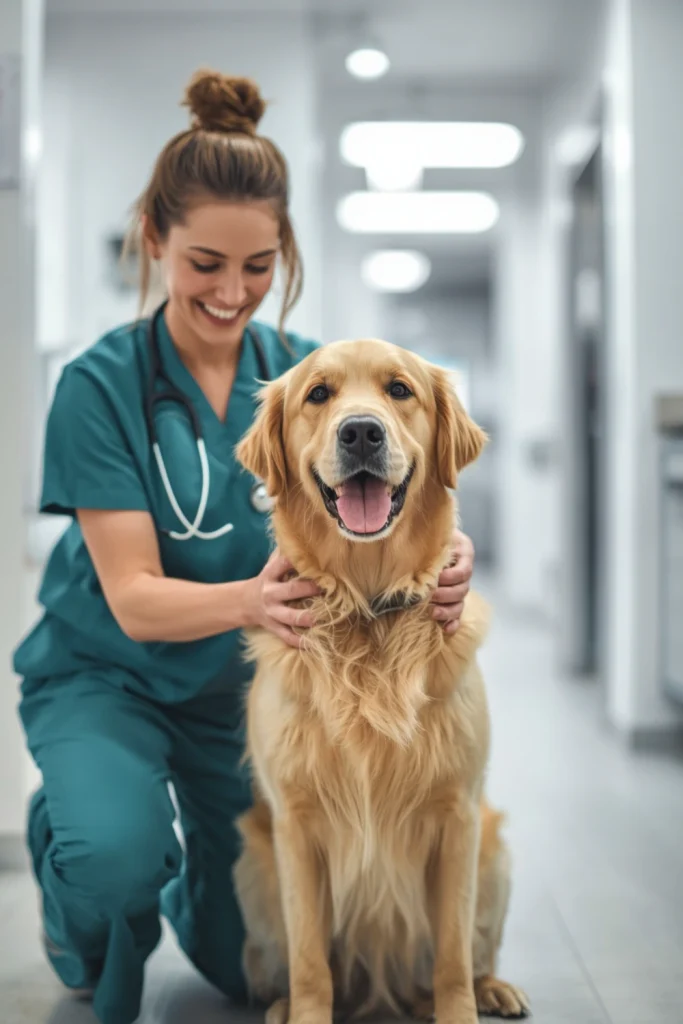
Before planning a long journey, schedule a veterinary checkup to make sure your dog is healthy enough to travel. This is one of the most important Dog Travel Tips because traveling can be physically demanding, particularly for puppies, senior dogs, and pets with existing health conditions. Your veterinarian can assess your dog’s general health and discuss any precautions you should take before leaving home.
Ask about vaccinations, parasite prevention, motion sickness, and any medications your pet may need. If you are traveling internationally, research the destination’s animal import requirements well in advance. Some countries require microchip identification, specific vaccinations, health certificates, or waiting periods. Keep copies of your dog’s important medical documents in your travel bag so you can access them whenever necessary.
2. Choose the Right Travel Carrier or Safety Harness
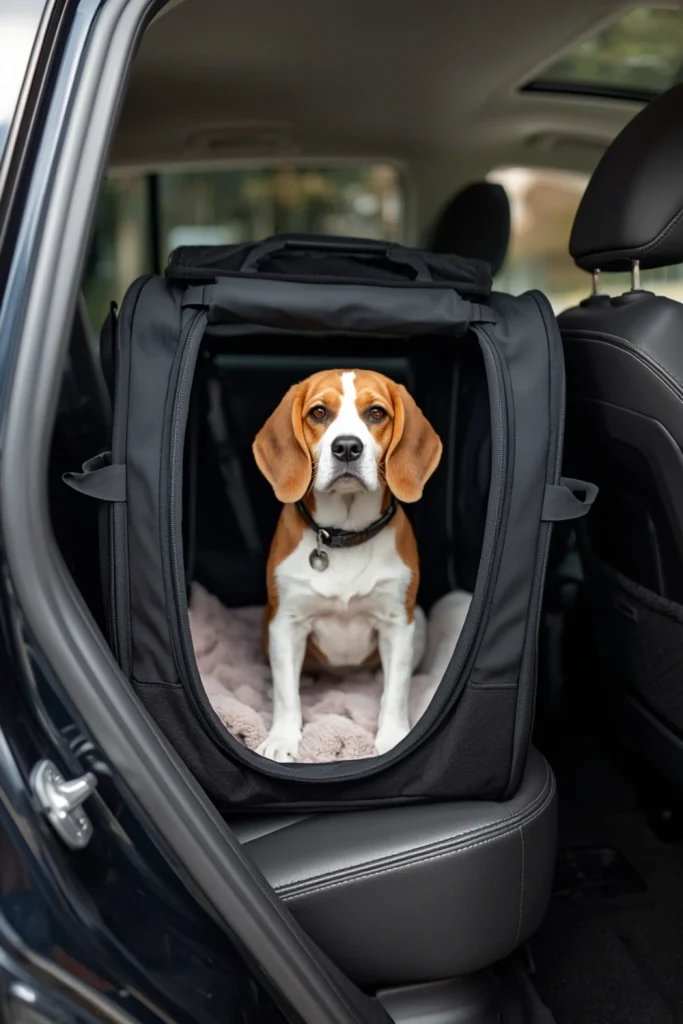
Choosing the right travel carrier or safety harness is essential for keeping your dog secure during transportation. A suitable carrier provides a comfortable and enclosed space where smaller dogs can relax without moving around unnecessarily. Larger dogs may benefit from a properly fitted vehicle safety harness. The best option depends on your dog’s size, personality, transportation method, and the safety equipment available for your vehicle.
Introduce your dog to the carrier or harness before the journey so they have time to become comfortable with it. Place a familiar blanket or favorite toy inside to create a positive association. Make sure the carrier provides enough room for your dog to stand, turn around, and lie down comfortably. Secure it according to the manufacturer’s instructions, and never allow your dog to travel unrestrained inside a moving vehicle.
3. Pack Essential Supplies for Your Dog
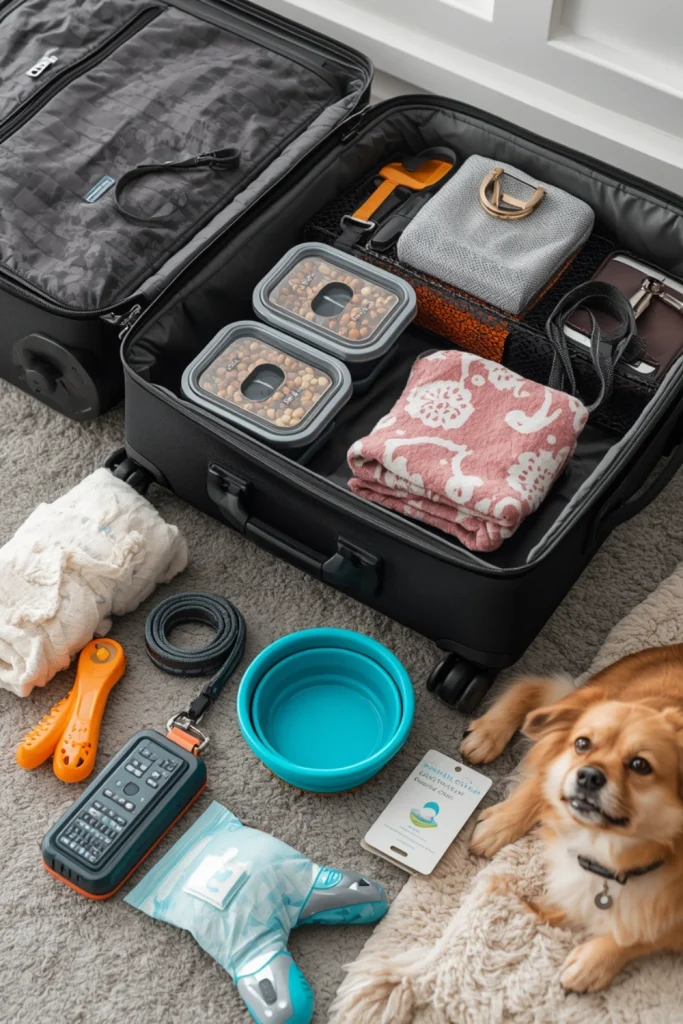
Packing the right supplies can make traveling with your dog much easier. Your pet will need several familiar items to remain comfortable throughout the journey. Essential supplies include enough dog food, clean drinking water, food and water bowls, a leash, collar, waste bags, grooming products, towels, and comfortable bedding. Bringing these items from home helps maintain your dog’s routine and prevents unnecessary shopping during the trip.
Create a separate travel bag specifically for your dog so you can find everything quickly. Pack extra food in case your journey takes longer than expected, along with prescribed medications and important veterinary records. You may also want to include your dog’s favorite toys, treats, and a familiar blanket. Keep frequently needed items somewhere easily accessible instead of placing everything at the bottom of a large suitcase.
4. Keep Your Dog’s Identification Information Updated
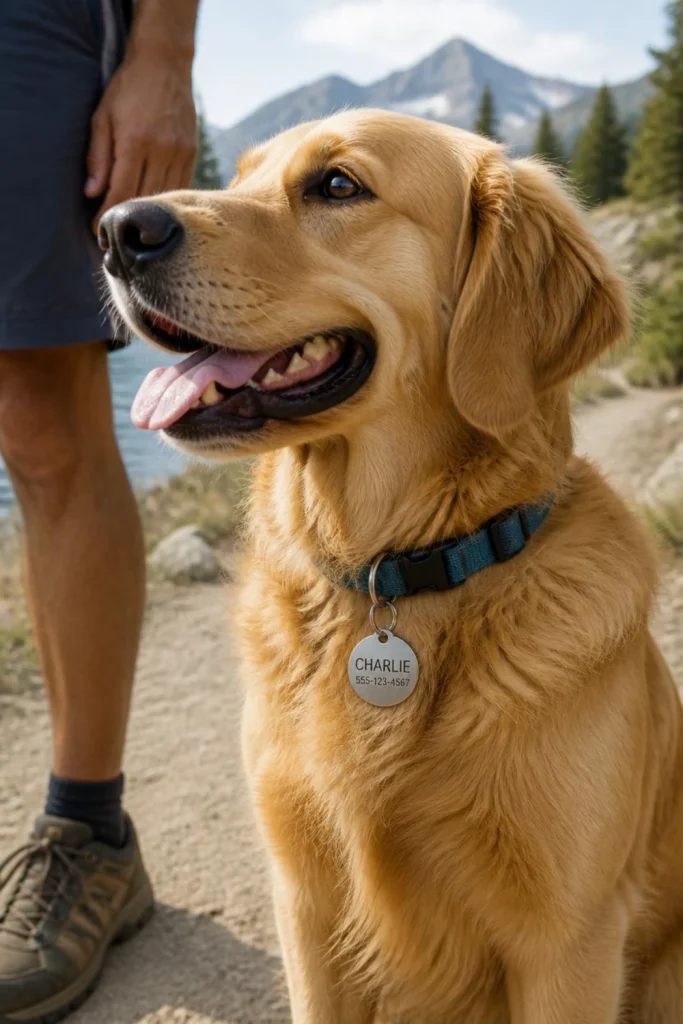
Proper identification is one of the most important safety measures when traveling with your dog. New environments, unfamiliar people, and unexpected noises may sometimes cause dogs to become frightened or distracted. Even a normally well-behaved dog may accidentally slip out of a leash or wander away while exploring a new destination. A clearly visible identification tag can help someone contact you if your pet becomes lost.
Make sure your dog’s collar includes an updated identification tag with your current phone number and relevant contact details. Microchipping is another useful safety measure because it provides permanent identification. Before leaving, check that your microchip registration information is accurate and your contact details are current. You can also keep recent photographs of your dog on your phone to help identify your pet if necessary.
5. Plan Regular Breaks During Long Road Trips
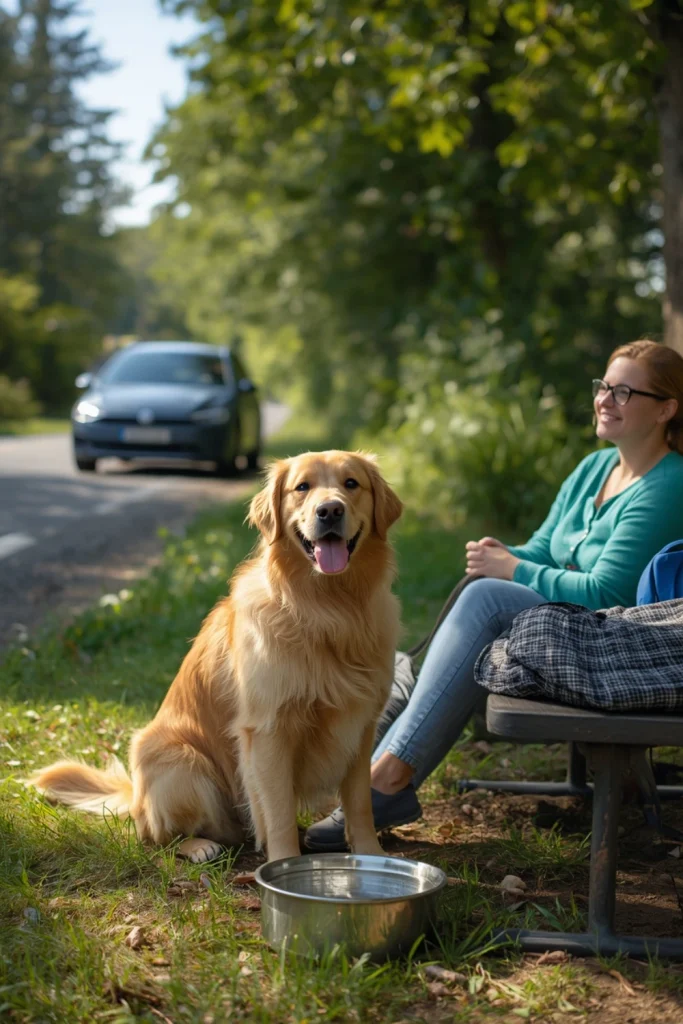
Long road trips can become uncomfortable for dogs when they have to remain inside a vehicle for extended periods. Your pet needs opportunities to stretch, walk, drink water, and relieve themselves. Regular breaks also help reduce restlessness and allow you to check whether your dog is feeling comfortable. Planning stops before leaving can make your journey more organized and prevent unnecessary delays.
For many dogs, a break every two to three hours is a reasonable starting point, although puppies, senior dogs, and pets with specific health needs may require more frequent stops. Choose safe rest areas away from busy traffic and keep your dog on a leash whenever outside the vehicle. Offer fresh drinking water and allow your pet to explore briefly. Never leave your dog unattended in a parked vehicle, particularly during warm or sunny weather.
6. Maintain Your Dog’s Regular Feeding Schedule
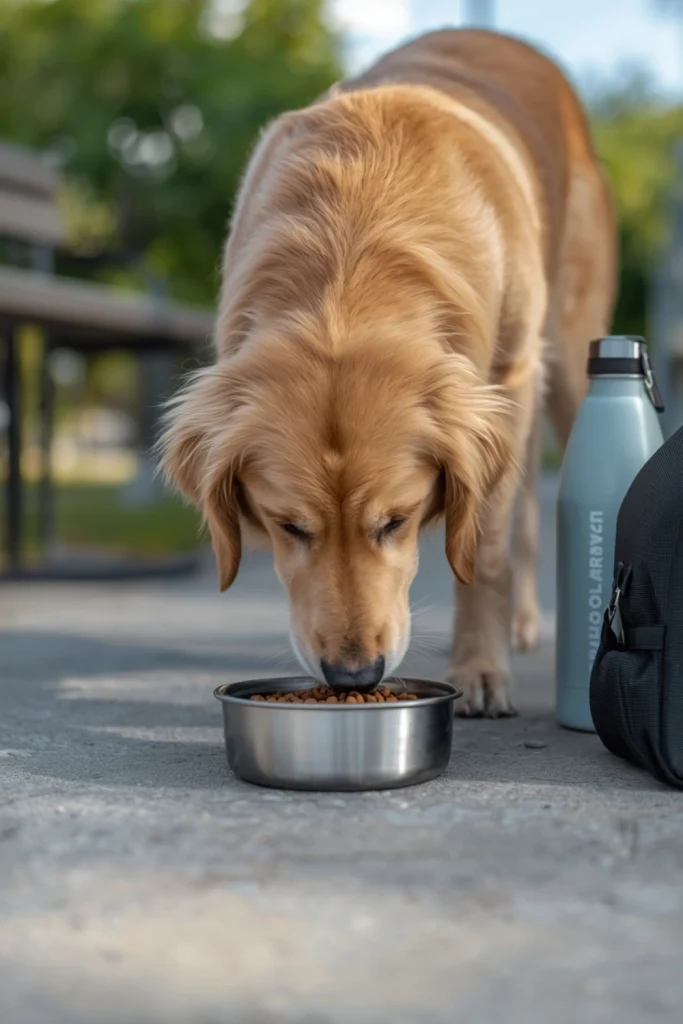
Maintaining your dog’s regular feeding schedule can help make traveling less stressful. Sudden changes in meal times or unfamiliar foods may upset your dog’s stomach, particularly when combined with the excitement of traveling. Try to follow your pet’s normal feeding routine as closely as possible, even when staying somewhere new. Bring the same food your dog eats at home instead of introducing different meals during the journey.
For dogs that experience motion sickness, ask your veterinarian whether adjusting meal timing before travel would be helpful. Avoid feeding a large meal immediately before a long car journey unless your veterinarian advises otherwise. Always provide access to fresh drinking water and monitor your pet’s appetite throughout the trip. If your dog refuses food for an extended period or develops vomiting or diarrhea, seek veterinary advice.
7. Choose Pet-Friendly Hotels and Accommodations

Finding suitable accommodation is an important part of planning a successful dog-friendly vacation. Not every hotel, guesthouse, rental property, or holiday resort allows pets. Even properties that advertise themselves as pet-friendly may have restrictions regarding dog size, breed, additional charges, or the number of pets permitted. Checking these details before booking can prevent unpleasant surprises when you arrive.
Contact the accommodation provider directly to confirm its pet policies and ask about available facilities. Find out whether dogs are allowed inside guest rooms, whether there are designated outdoor walking areas, and whether pets can be left alone temporarily. Look for a quiet room where your dog can rest comfortably. Bringing familiar bedding and toys can also help your pet feel more relaxed in an unfamiliar environment.
8. Help Your Dog Get Comfortable With Car Travel
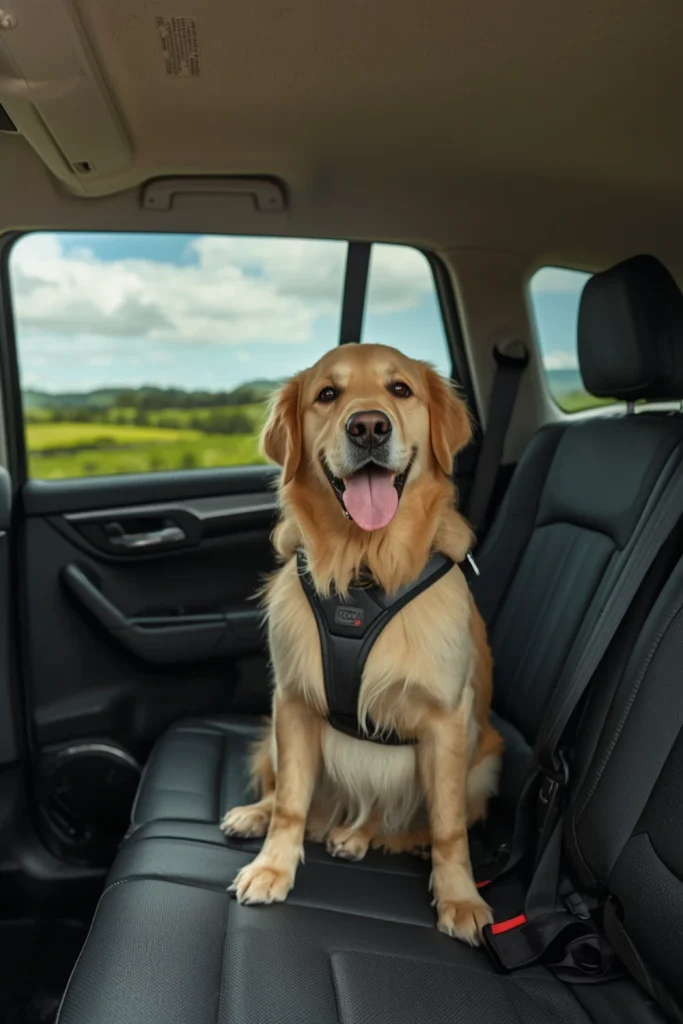
Not every dog feels comfortable inside a moving vehicle. Some pets become nervous because of unfamiliar sounds, movement, vibrations, or previous unpleasant travel experiences. If your dog is not used to car journeys, preparing them gradually can make a significant difference. Start with short sessions inside a parked vehicle before progressing to brief drives around your neighborhood.
Reward calm behavior with praise and suitable treats so your dog begins associating car travel with positive experiences. Gradually increase the duration of journeys as your pet becomes more comfortable. Keep the vehicle well ventilated and maintain a comfortable temperature. Always use an appropriate safety harness or secured travel carrier. If your dog experiences severe anxiety or motion sickness, consult your veterinarian before planning a longer trip.
9. Bring Familiar Toys and Bedding

Traveling introduces your dog to unfamiliar surroundings, different smells, strange sounds, and new sleeping arrangements. These changes can sometimes make pets nervous, especially if they are used to a consistent home environment. Bringing familiar toys and bedding can provide a sense of security and help your dog settle down more easily. Familiar scents may also make a new room feel less intimidating.
Pack your dog’s favorite blanket, sleeping cushion, and a few safe toys before leaving home. Avoid bringing too many unnecessary items because they can take up valuable luggage space. Choose toys your dog already enjoys rather than introducing several unfamiliar products during the trip. Once you arrive, arrange the familiar bedding in a quiet corner and allow your pet to explore the new environment at their own pace.
10. Research Dog-Friendly Activities at Your Destination
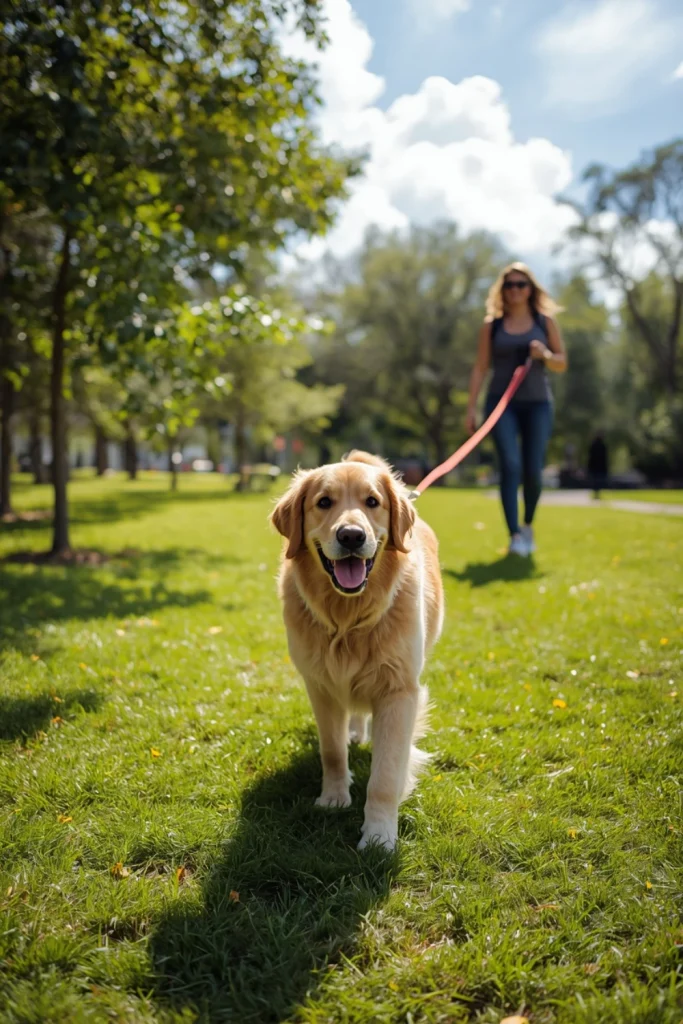
A successful dog-friendly vacation should include activities that your pet can enjoy. Before leaving, research parks, walking trails, beaches, outdoor cafes, and other locations that welcome dogs. Some destinations have special pet-friendly facilities, while others restrict dogs in public spaces or require them to remain on a leash. Checking these rules in advance helps you choose activities that are safe and suitable.
Consider your dog’s energy level, age, and physical abilities when planning outings. An energetic young dog may enjoy a longer nature walk, while an older pet might prefer a quiet park with shaded resting areas. Check local regulations concerning waste disposal, leash requirements, and restricted areas. Avoid overcrowded locations if your dog becomes nervous around unfamiliar people or other animals.
11. Protect Your Dog From Heat and Weather Changes
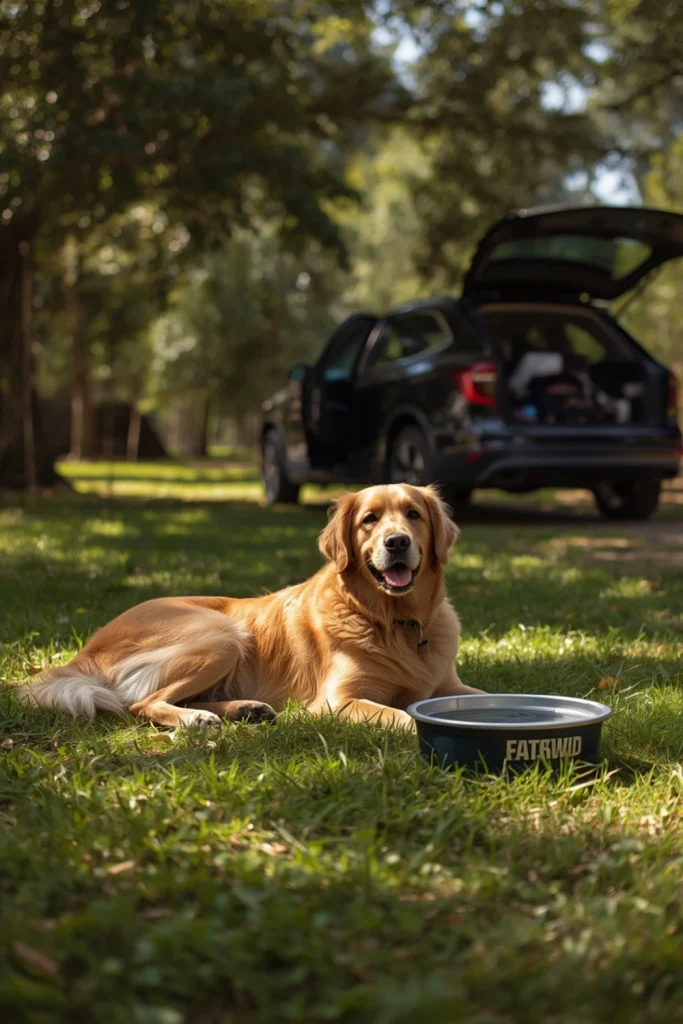
Weather conditions can change during a journey, and dogs may struggle when exposed to excessive heat, cold temperatures, strong winds, or heavy rainfall. Hot weather is particularly concerning because dogs can overheat quickly, especially when traveling in vehicles or walking on warm pavement. Cold and wet conditions can also make certain pets uncomfortable, particularly puppies, senior dogs, and short-haired breeds.
Check the weather forecast before leaving and prepare suitable supplies for the conditions you expect to encounter. Carry fresh drinking water, provide shaded resting areas, and avoid strenuous outdoor activities during the hottest part of the day. In colder conditions, use suitable dog clothing when appropriate and keep your pet dry. Watch for excessive panting, weakness, confusion, or other signs of heat-related illness and seek emergency veterinary care if these occur.
12. Keep Your Dog on a Leash in Unfamiliar Places

Keeping your dog on a leash is especially important when visiting unfamiliar destinations. New surroundings contain different smells, sounds, people, vehicles, and animals that may distract your pet. Even dogs with excellent recall may become confused or excited when exploring a new location. A secure leash helps prevent accidental escapes and allows you to guide your dog away from potential dangers.
Choose a comfortable leash and properly fitted harness or collar before beginning your walk. Keep your dog close when walking near roads, crowded areas, unfamiliar animals, or wildlife. Even if a destination allows off-leash activities, only consider them in designated secure areas where your dog can be safely supervised. Carry waste bags and clean up after your pet to help maintain a pleasant environment for everyone.
13. Prepare a Pet First Aid Kit
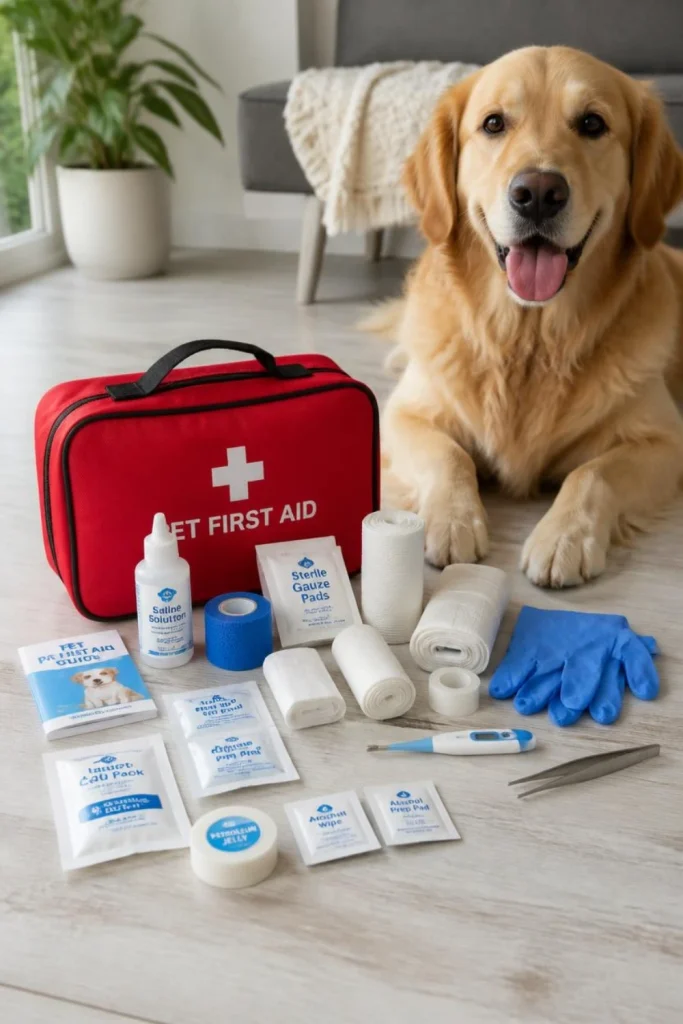
Unexpected situations can happen while traveling, so preparing a basic pet first aid kit is a sensible precaution. Your dog may experience a minor cut, insect sting, broken nail, or other small injury during outdoor activities. Having appropriate supplies available can help you provide temporary care while arranging professional veterinary assistance when necessary. A first aid kit is particularly useful when visiting remote destinations or areas far from veterinary clinics.
Include clean gauze, sterile dressings, non-stick pads, saline wound solution, tweezers, disposable gloves, and a digital thermometer. You should also carry your veterinarian’s contact information and details of an emergency veterinary clinic near your destination. Ask your veterinarian which additional supplies are appropriate for your dog. Never give human painkillers or medications without professional veterinary guidance, as some can be dangerous for pets.
14. Keep Your Dog Calm During Travel
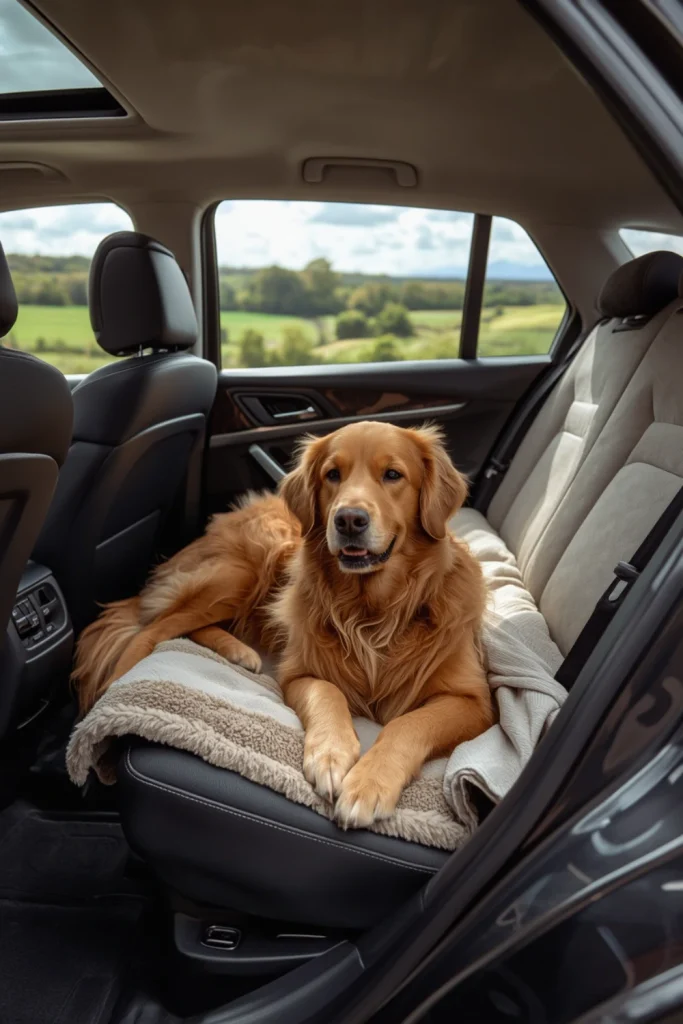
Travel anxiety can affect dogs in different ways. Some pets become restless, bark frequently, pant excessively, or refuse to settle down when surrounded by unfamiliar environments. Others may hide, shake, or show signs of fear. Understanding your dog’s behavior can help you recognize stress early and take steps to make the journey more comfortable.
Maintain a calm environment by avoiding unnecessary noise and sudden changes during travel. Bring familiar items, provide regular breaks, and reward relaxed behavior with praise. Avoid forcing your dog to interact with unfamiliar people or animals if they appear uncomfortable. If your pet experiences severe anxiety, discuss behavior training and appropriate treatment options with a veterinarian before your journey. Never use sedatives or calming medications without professional advice.
15. Make Time for Rest and Sleep During the Trip

Traveling can be exciting, but it can also be tiring for dogs. New surroundings, long walks, unfamiliar sounds, and changes in routine may cause your pet to become exhausted. Just like people, dogs need sufficient rest to recover from physical activity and manage the excitement of a vacation. Without proper breaks, some pets may become irritable, restless, or less interested in exploring.
Create a comfortable resting area at your accommodation and allow your dog to sleep without unnecessary interruptions. Bring familiar bedding and maintain a consistent bedtime routine whenever possible. Avoid scheduling too many activities in one day, particularly if your dog is older or not accustomed to long journeys. Watch for signs of tiredness and give your pet plenty of time to relax before continuing your travel plans.
Final Thoughts
Traveling with your dog can be an unforgettable experience when you prepare properly. From visiting your veterinarian and packing essential supplies to choosing pet-friendly accommodation and planning regular breaks, every small detail contributes to a smoother journey.
By following these 15 Dog Travel Tips, you can help your furry companion feel more comfortable, secure, and relaxed throughout your adventure. Remember that every dog has different travel needs depending on age, breed, personality, and health. Be patient, maintain familiar routines, and give your pet enough time to rest and explore.
Most importantly, prioritize your dog’s safety over your travel schedule. With proper planning and thoughtful preparation, you and your four-legged companion can enjoy many wonderful adventures together.