20 Things Every First-Time Dog Owner Should Know
Bringing a dog into your life can be one of the most rewarding decisions you ever make. From joyful greetings at the door to peaceful evenings spent together, dogs bring companionship, affection, and countless memorable moments. However, becoming a responsible pet parent involves more than choosing a cute puppy or buying a comfortable bed. Your new companion will depend on you for nutrition, exercise, healthcare, training, safety, and emotional support throughout their life.
Every First-Time Dog Owner should understand the basics before welcoming a dog home. The right preparation can prevent common mistakes, reduce stress, and help your pet settle into a new environment. Whether you are adopting a puppy or an adult dog, these 20 essential things will help you build healthy routines, understand your dog’s behavior, and provide the loving care your companion deserves.
1. Choose a Dog That Matches Your Lifestyle
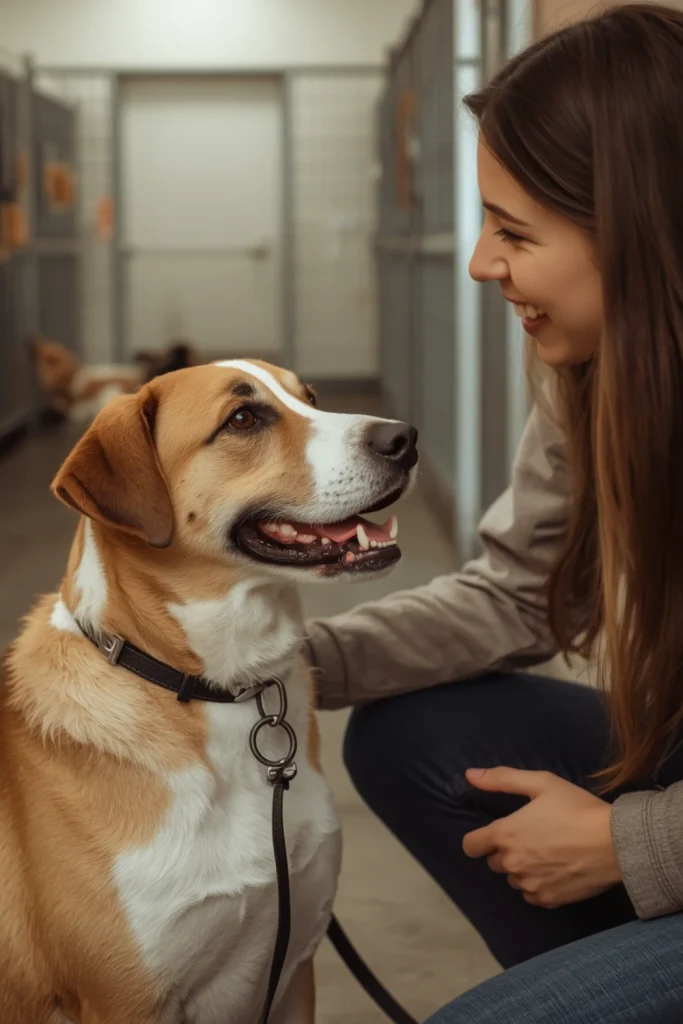
Choosing the right dog is one of the first decisions you will make as a new pet parent. Different breeds and individual dogs have different exercise requirements, temperaments, grooming needs, and energy levels. An active dog may thrive with someone who enjoys long walks, while a calmer companion may be better suited to a quieter household. Consider your work schedule, living arrangements, available budget, family members, and experience with animals before making a decision.
Do not choose a dog based only on appearance, popularity, or size. Research the dog’s expected adult size, common health concerns, training requirements, and typical behavior. Mixed-breed dogs can also make wonderful companions, and adoption organizations may help match you with a suitable personality. Spend time interacting with a potential pet before making a commitment whenever possible. A thoughtful choice can make the adjustment easier for both you and your dog.
2. Prepare Your Home Before Bringing Your Dog
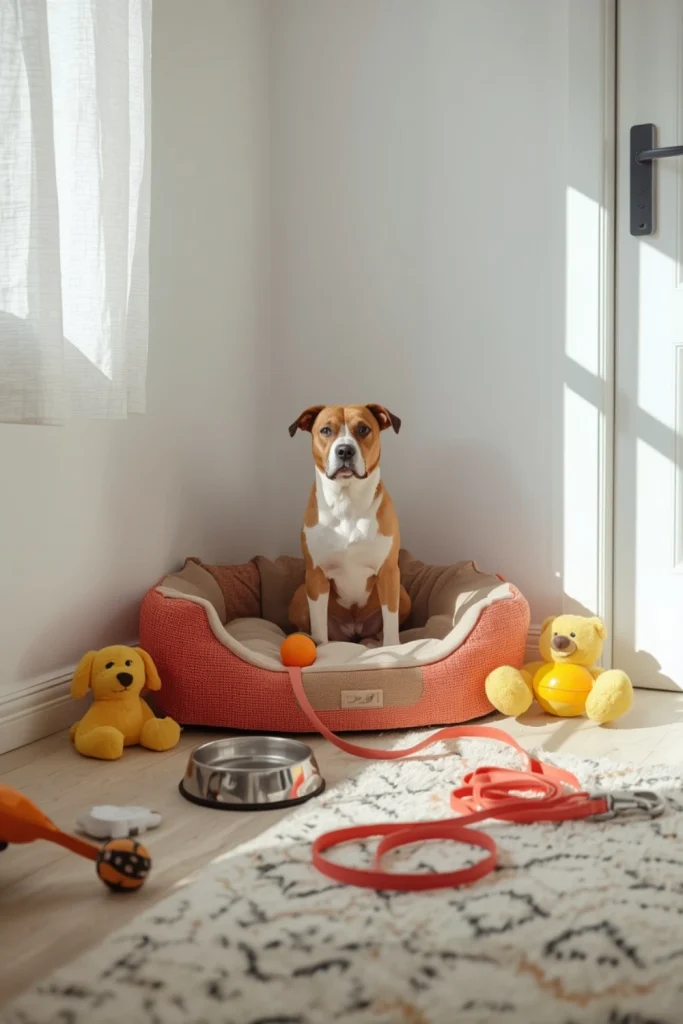
Preparing your home in advance helps your dog feel comfortable and reduces the risk of accidents. Set up a designated resting area, choose a convenient location for food and water bowls, and decide where your dog will sleep. Purchase essential supplies such as a suitable leash, collar or harness, identification tag, grooming tools, waste bags, and appropriate toys. Having these items ready allows you to focus on helping your new companion settle in rather than rushing to find supplies.
Walk through your home and identify possible hazards before your dog arrives. Secure cleaning products, medicines, electrical cords, sharp objects, and small items that could be swallowed. Keep dangerous foods out of reach and check whether household plants are toxic to dogs. Inspect gates, fences, balconies, and windows to reduce escape risks. If you have children or other pets, establish safe boundaries and supervise introductions carefully. A well-prepared home creates a safer and more welcoming environment.
3. Understand the Real Cost of Dog Ownership
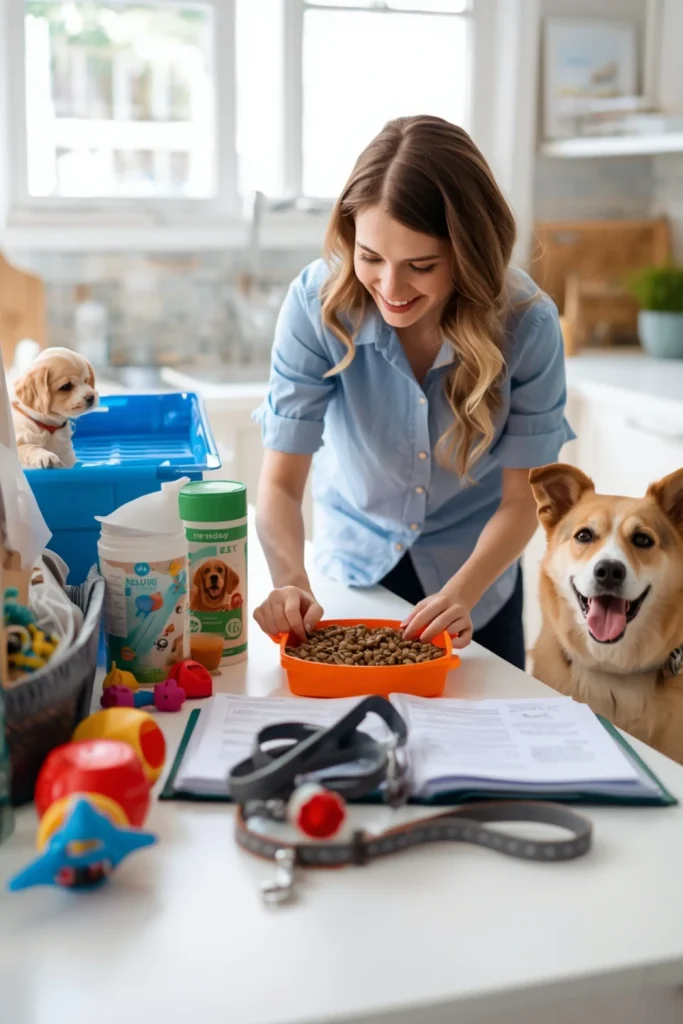
Owning a dog involves ongoing expenses that extend far beyond the initial adoption fee or purchase price. You will need to budget for food, veterinary examinations, vaccinations, parasite prevention, grooming, training, toys, and replacement equipment. Some dogs require specialized diets or professional grooming, while others may need ongoing medical treatment. The overall cost varies according to your location, dog’s size, lifestyle, and individual health needs.
Create a realistic monthly budget before bringing a dog home. Include routine expenses and set aside additional money for unexpected veterinary bills. Depending on availability and suitability, pet insurance may also be worth researching. You do not need to purchase every accessory advertised for dogs, but you should never compromise on essential nutrition, preventive healthcare, or safety. Planning your finances helps you provide consistent care and reduces the risk of difficult decisions when your dog needs attention.
4. Choose the Right Food for Your Dog
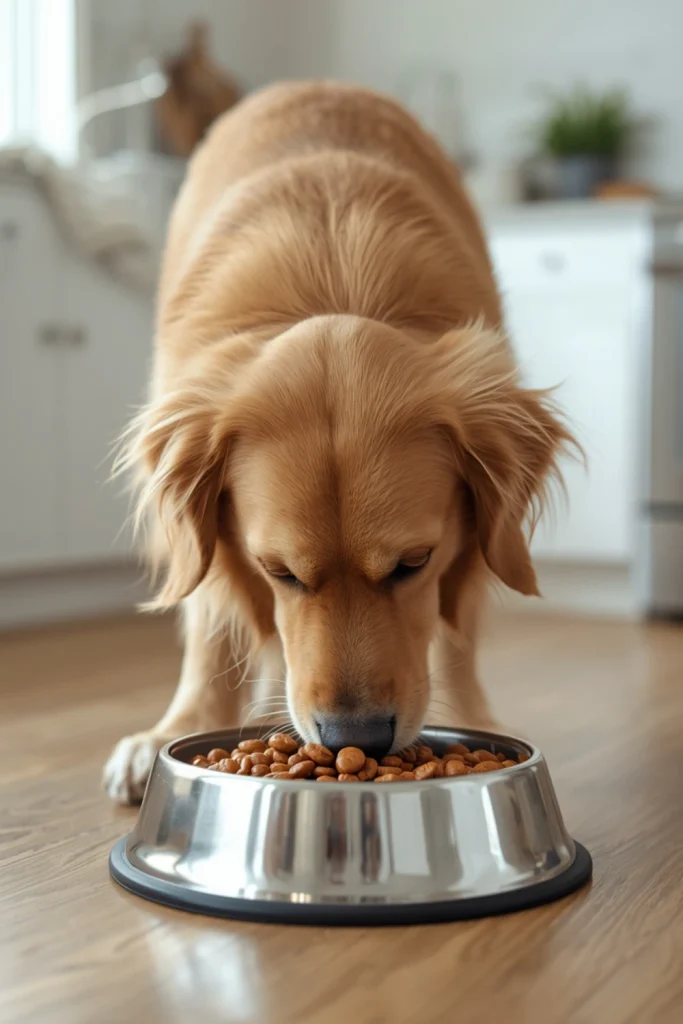
Proper nutrition supports your dog’s growth, energy, digestion, muscle development, and overall health. Puppies need diets formulated for growth, while adult dogs generally require food designed for maintenance. Senior dogs may have different nutritional needs depending on their activity level and medical conditions. Choose a reputable, complete, and balanced food appropriate for your dog’s life stage. Your veterinarian can help you select a suitable diet if your dog has allergies, digestive problems, or other health concerns.
Read feeding instructions carefully, measure portions, and monitor your dog’s weight and body condition. Avoid feeding table scraps simply because your pet seems interested in your meal. Chocolate, grapes, raisins, onions, and products containing xylitol can be dangerous to dogs. Introduce new foods gradually to minimize digestive upset, and avoid sudden dietary changes unless advised by a veterinarian. If your dog refuses food persistently, loses weight unexpectedly, or develops repeated vomiting or diarrhea, seek veterinary advice rather than assuming the problem will resolve on its own.
5. Always Provide Fresh Drinking Water
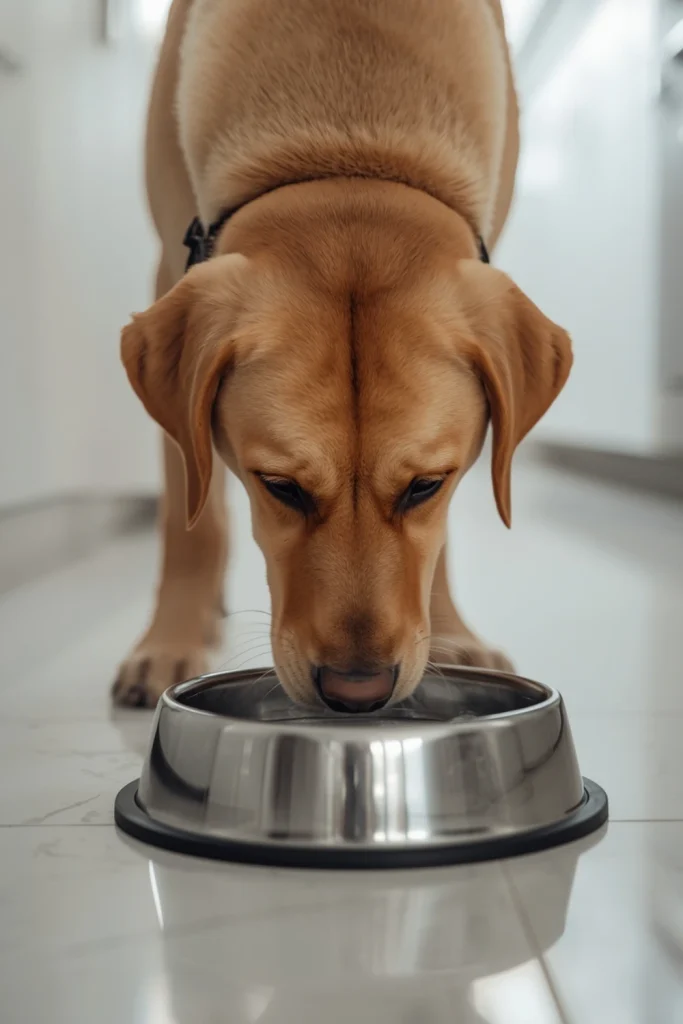
Fresh water is essential for hydration, digestion, temperature regulation, and normal body functions. Every dog should have access to clean drinking water throughout the day. Water needs vary depending on body size, diet, exercise, weather, and health. Dogs may need more opportunities to drink after vigorous play or during hot weather. Place water bowls somewhere easily accessible, and consider providing additional bowls if your home has multiple floors or your dog spends time in different areas.
Wash bowls regularly to remove saliva, dirt, and food residue, and refill them with fresh water. When travelling or going for walks, bring a portable bottle and a suitable drinking bowl. Watch for unusual changes in drinking habits, such as excessive thirst or a sudden decrease in water consumption. These changes may sometimes indicate an underlying health problem. Never restrict water simply to reduce toilet accidents without veterinary guidance, particularly in puppies or dogs with medical conditions.
6. Establish a Consistent Daily Routine
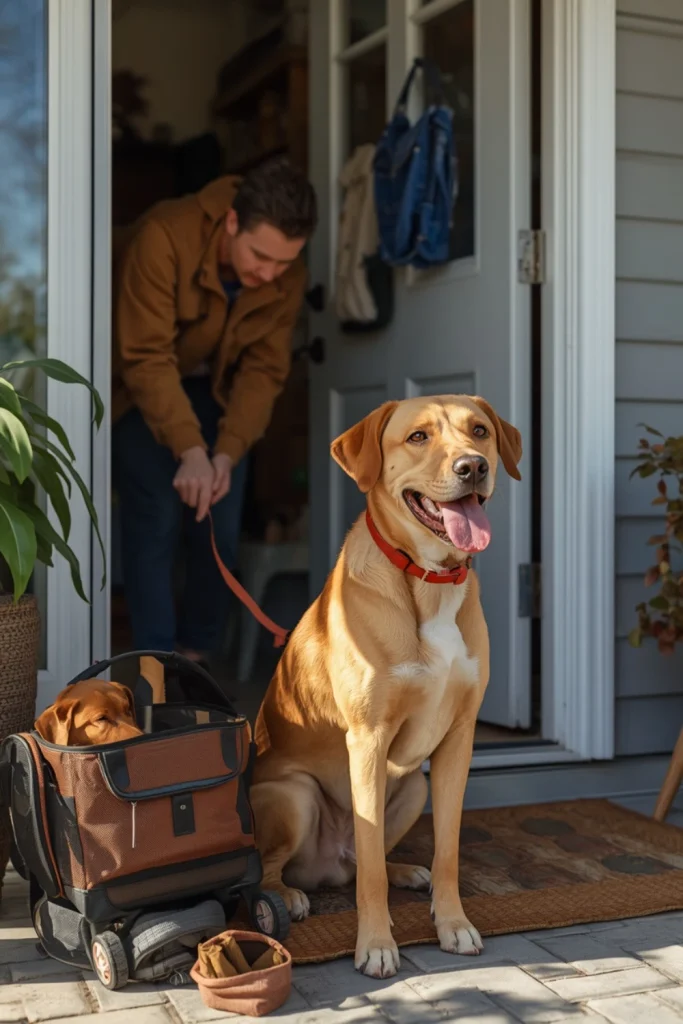
Dogs often feel more secure when their day follows a predictable pattern. Create a routine that includes feeding, toilet breaks, walks, training, playtime, and rest. Consistent meal times can make it easier to monitor your dog’s appetite, while regular bathroom opportunities help puppies learn where to eliminate. A reliable routine is particularly useful when a dog has recently moved into a new home and is still adjusting to unfamiliar people, sounds, and surroundings.
Your schedule should fit your dog’s age, health, and individual needs. Puppies typically need more frequent toilet breaks and rest periods than healthy adult dogs. Some dogs also require extra exercise or mental stimulation. You do not need to follow an exact timetable every day, but try to maintain a familiar sequence of activities. Consistency helps your dog understand what to expect, reduces confusion, and makes daily care more manageable for the entire household.
7. Schedule Regular Veterinary Checkups
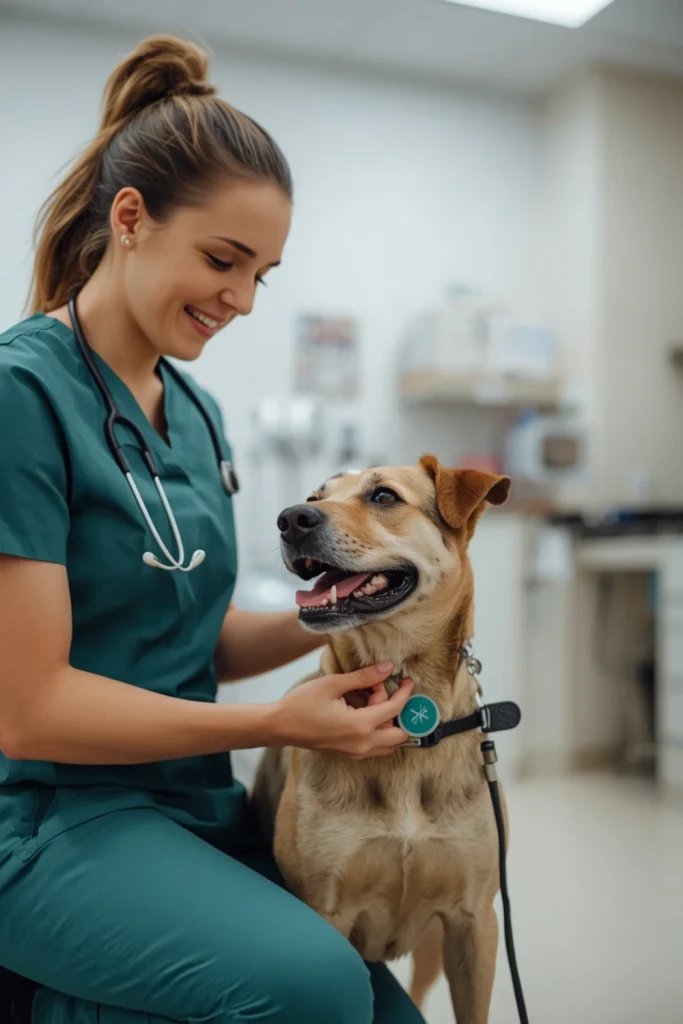
Regular veterinary care is essential for monitoring your dog’s health and identifying problems early. Puppies need appointments for vaccinations, developmental assessments, and parasite prevention. Adult dogs benefit from routine wellness examinations, while senior dogs may need more frequent visits depending on their medical history. A veterinarian can assess weight, teeth, skin, ears, and general condition, helping you understand whether your dog is developing and maintaining a healthy lifestyle.
Ask your veterinarian to recommend a preventive healthcare schedule based on your dog’s age, location, lifestyle, and risk factors. This may include vaccinations, parasite testing, flea and tick prevention, dental assessments, and discussions about spaying or neutering. Keep medical records and vaccination certificates organized so you can access them when necessary. Never wait for a routine appointment if your dog develops serious symptoms such as difficulty breathing, collapse, suspected poisoning, or severe weakness. These situations may require emergency veterinary attention.
8. Give Your Dog Appropriate Daily Exercise
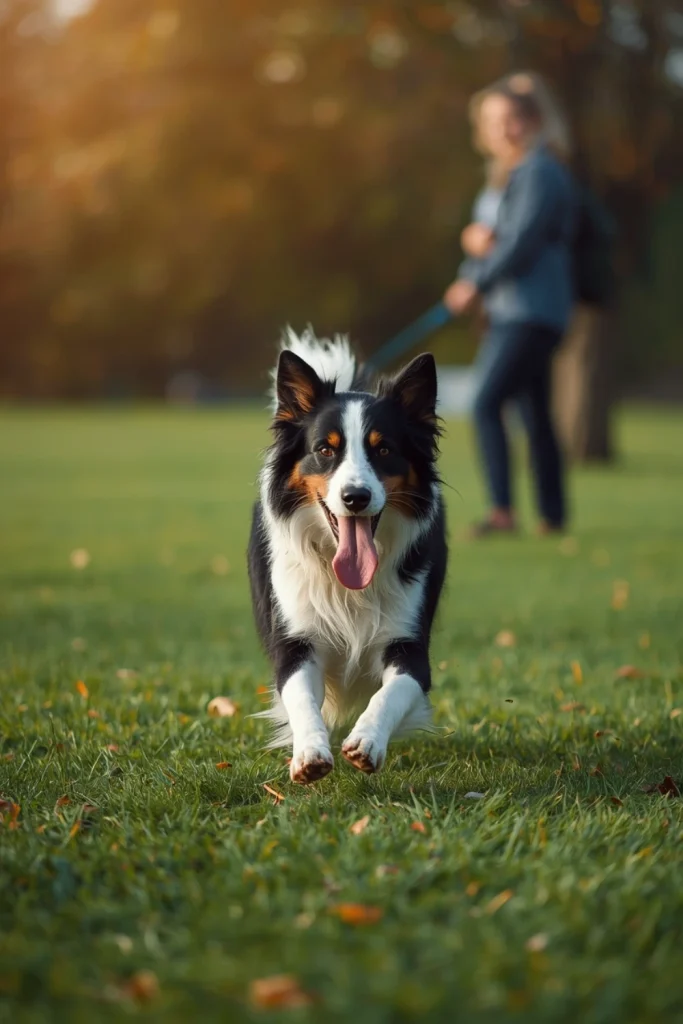
Exercise helps dogs maintain a healthy weight, strengthen muscles, support mobility, and use their energy constructively. The amount of exercise needed depends on age, breed, fitness, temperament, and health. Some dogs enjoy longer walks and active games, while others prefer gentle outings. Begin with manageable activities and gradually adjust the duration according to your dog’s response. Growing puppies need age-appropriate activity, and strenuous repetitive exercise may be unsuitable while their bones and joints are developing.
Walking is not the only way to provide exercise. Fetch, supervised play, sniffing walks, and exploring safe environments can make daily activity more enjoyable. Monitor your dog for excessive panting, limping, slowing down, or reluctance to continue. During hot weather, exercise during cooler hours and provide fresh water and shade. Avoid dangerously hot pavement, and ask your veterinarian about safe activity levels if your dog has joint problems, breathing difficulties, heart disease, or another medical condition.
9. Begin Training With Positive Reinforcement
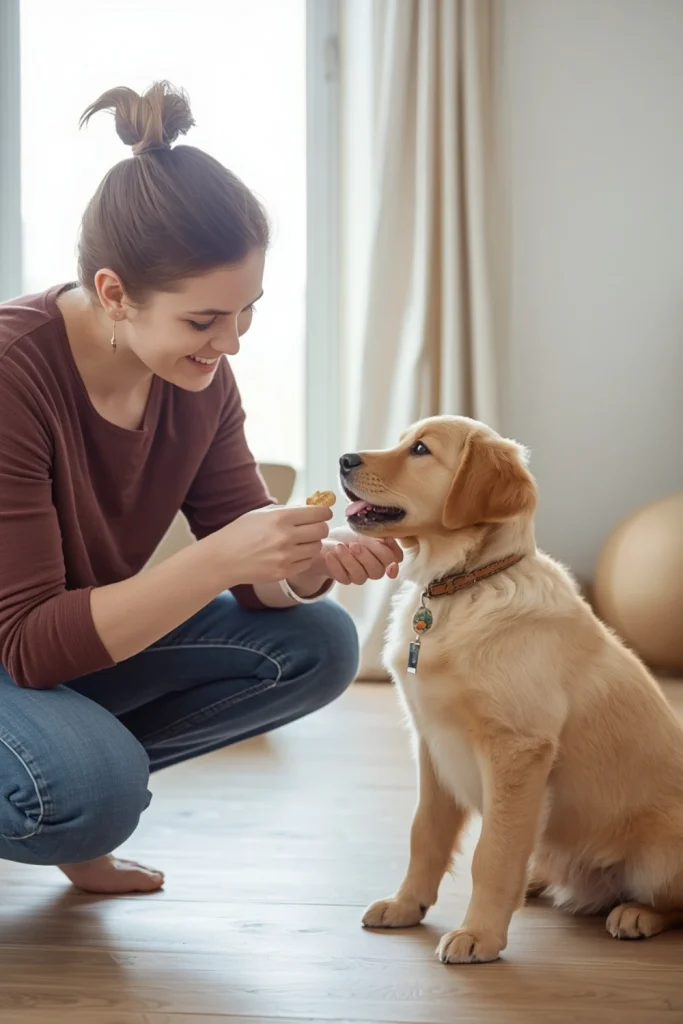
Training teaches your dog how to behave safely and comfortably around people, other animals, and everyday situations. Start with basic commands such as sit, stay, come, leave it, and walking calmly on a leash. Keep sessions short and enjoyable, especially when working with puppies. Reward desirable behavior with small treats, praise, or play. Use consistent words and hand signals so your dog can understand your expectations without becoming confused by changing instructions.
Positive reinforcement encourages your dog to repeat behaviors that lead to rewarding outcomes. If your dog makes a mistake, calmly redirect them toward an appropriate alternative instead of shouting or using physical punishment. Practise in quiet surroundings first, then gradually introduce distractions as your dog improves. Remember that learning takes time and progress may vary between individual dogs. If you experience persistent training difficulties, consider seeking help from a qualified, reward-based trainer who can guide you through practical exercises.
10. Socialize Your Dog Gradually
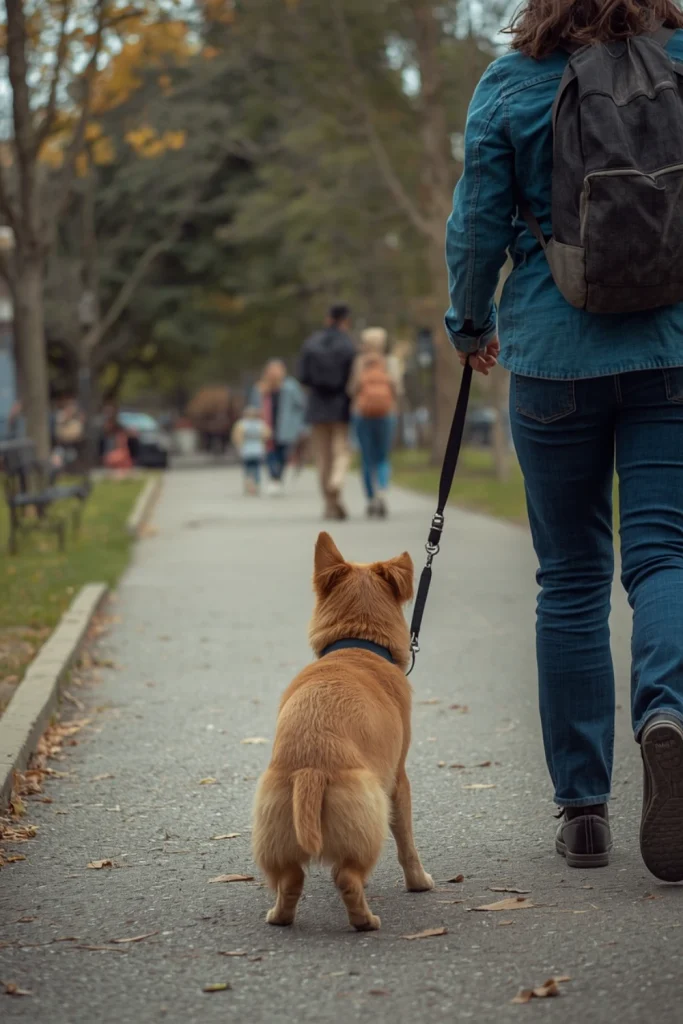
Socialization helps dogs become more comfortable with people, animals, sounds, surfaces, and new environments. For puppies, positive experiences during early development can be particularly valuable. However, socialization does not mean introducing your dog to every person or animal immediately. Instead, provide calm, controlled opportunities for your dog to observe and explore new things without feeling overwhelmed. Reward relaxed behavior and allow your pet to move away when they need more space.
Ask your veterinarian about safe socialization options while your puppy’s vaccinations are still in progress. Avoid areas with a high risk of infectious disease until your veterinarian advises that they are suitable. Adult dogs also benefit from gradual introductions, especially when they have limited previous experience or a history of fear. Never force a frightened dog to approach unfamiliar people or animals. If your dog repeatedly displays intense fear, lunging, or other difficult reactions, consult a qualified trainer or veterinary behavior professional.
11. Keep Up With Grooming and Hygiene
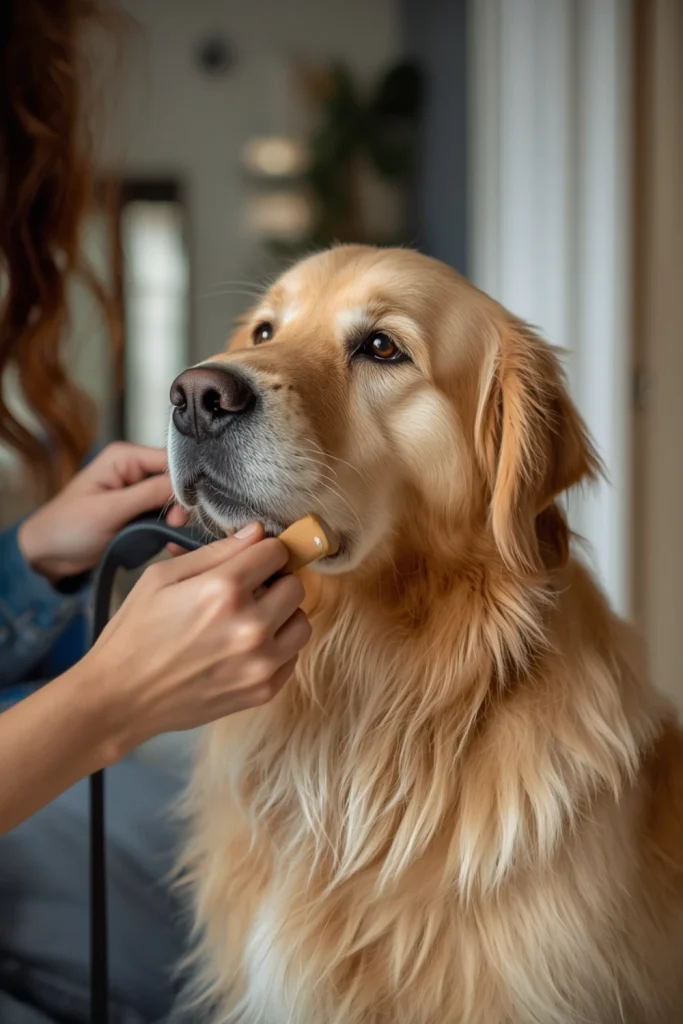
Regular grooming helps keep your dog comfortable and allows you to notice changes in the coat, skin, ears, and paws. Long-haired dogs may require frequent brushing to prevent tangles and painful mats, while short-haired dogs often need less intensive grooming. Choose a brush suited to your dog’s coat and introduce grooming gradually. If your pet becomes nervous, keep sessions brief and reward calm behavior. Establishing a gentle routine early can make brushing and handling easier as your dog grows older.
Bathing frequency depends on your dog’s coat, lifestyle, and skin condition. Use dog-safe shampoo and avoid products intended for humans unless your veterinarian specifically recommends them. Check your dog’s ears for redness, unusual odor, or discharge, and clean them only with appropriate products when necessary. Trim nails carefully to prevent discomfort, and seek professional help if you are unsure how to do so safely. Regular hygiene should also include dental care, paw checks, and attention to any unusual lumps, wounds, or skin irritation.
12. Take Care of Your Dog’s Teeth
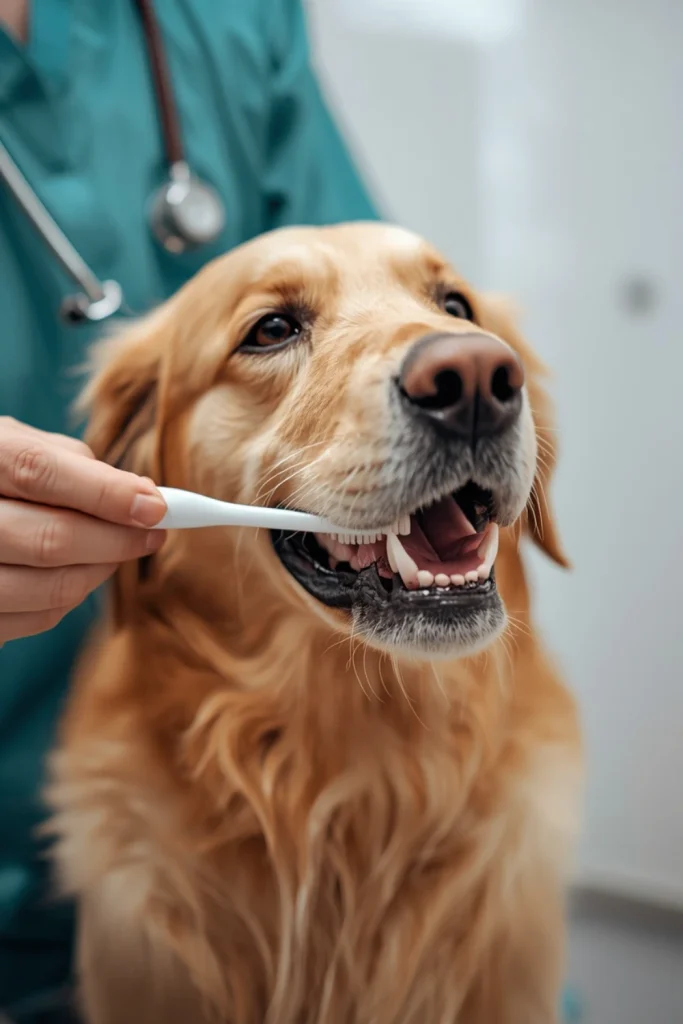
Dental health is an important part of your dog’s overall well-being. Plaque can accumulate on teeth and contribute to tartar, gum inflammation, persistent bad breath, and periodontal disease. Dental discomfort can make eating and chewing difficult, yet dogs do not always show obvious signs of pain. Begin by gently handling your dog’s muzzle and lifting the lips briefly to inspect the teeth. Introduce a soft toothbrush gradually, rewarding your pet for remaining calm during each step.
Daily brushing is ideal when your dog tolerates it. Always use toothpaste formulated for dogs because some human toothpaste ingredients may be unsafe for pets. Appropriate dental chews may provide additional benefits, but they do not replace brushing or professional dental care. Ask your veterinarian to examine your dog’s mouth during routine appointments and discuss whether a professional cleaning is necessary. Bleeding gums, loose teeth, difficulty chewing, excessive drooling, or persistent bad breath should be evaluated instead of ignored.
13. Understand Your Dog’s Body Language
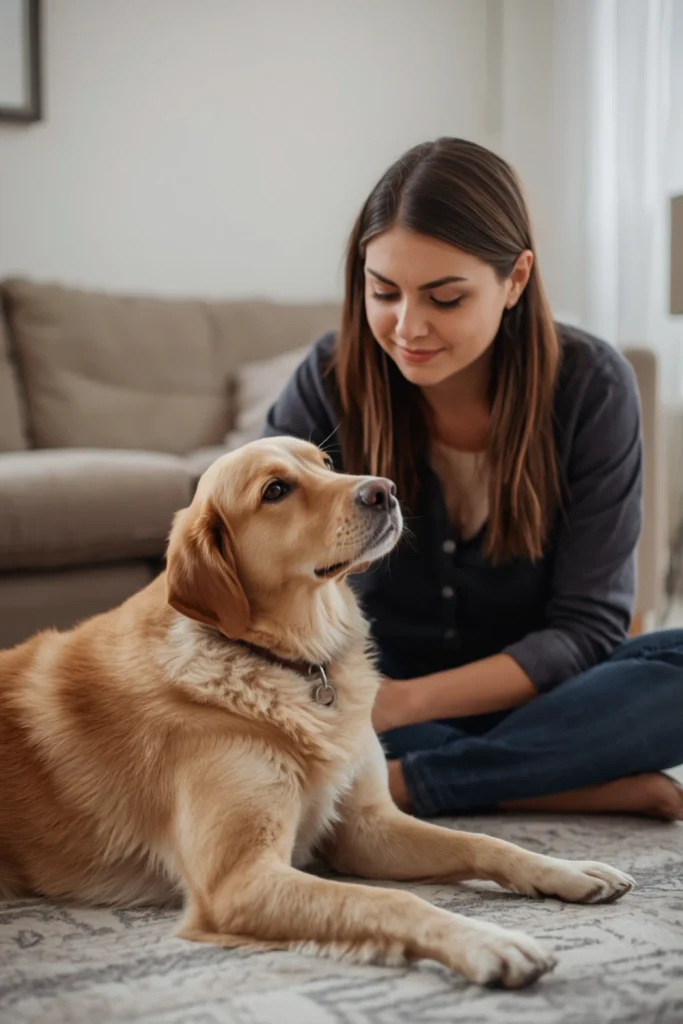
Dogs communicate through body posture, facial expressions, movement, vocalizations, and other signals. Learning to recognize these signs helps you understand when your dog feels relaxed, excited, uncomfortable, or frightened. A loose body and relaxed movements may suggest comfort, while a stiff posture, tucked tail, repeated lip licking, turning away, or attempts to retreat can indicate stress. A wagging tail does not always mean a dog is friendly, so look at the whole body and the surrounding situation.
Respect your dog’s signals by allowing space when they appear uncomfortable. Avoid forcing hugs, disturbing your pet while sleeping, or insisting on interactions with unfamiliar animals. Teach children to approach calmly, leave resting dogs alone, and ask an adult before touching a dog. Always supervise interactions between children and pets. If your dog suddenly becomes withdrawn, unusually irritable, or sensitive to touch, arrange a veterinary examination because pain or illness may be contributing to the behavior.
14. Make Your Home Safe for Your Dog

A safe home protects your dog from common accidents and potentially dangerous substances. Keep medicines, cleaning products, pesticides, batteries, sharp tools, and small objects securely out of reach. Protect electrical cords, close trash bins, and check fences, balconies, windows, and gates for possible escape routes. Research household plants before bringing them into areas your dog can access. Puppies in particular need supervision because they may chew, swallow, or investigate objects that adults would normally ignore.
Food safety is equally important. Chocolate, grapes, raisins, onions, garlic, and products containing xylitol can be toxic to dogs. Cooked bones may splinter, while small toys and swallowed objects can cause choking or intestinal blockages. Provide suitable toys that match your dog’s size and chewing strength, and remove damaged items promptly. If your dog swallows a potentially toxic substance or dangerous object, contact a veterinarian immediately. Do not induce vomiting or give home remedies unless a veterinary professional specifically instructs you to do so.
15. Provide Mental Stimulation Every Day
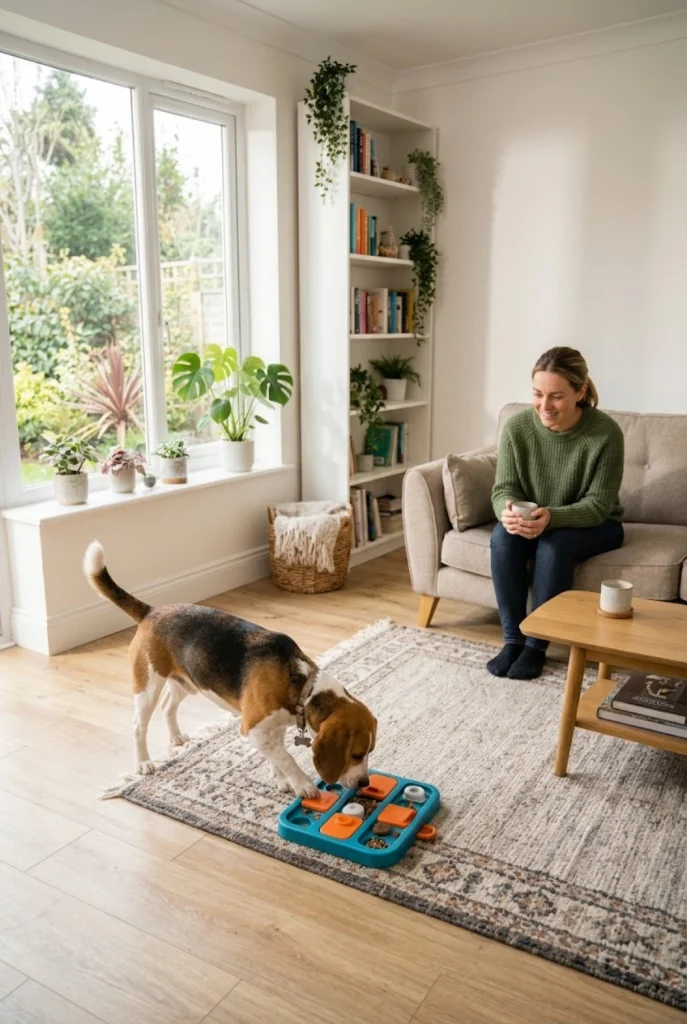
Physical activity alone does not meet every dog’s needs. Mental stimulation gives dogs opportunities to explore, solve problems, and use their natural abilities. Puzzle feeders, scent games, interactive toys, and short training sessions can make ordinary days more interesting. Start with simple activities that match your dog’s skill level, then gradually introduce more challenging options. Supervise your dog with toys that could break apart or be swallowed, and remove damaged items to reduce the risk of injury.
You can provide enrichment without buying expensive equipment. Hide a few pieces of your dog’s regular food for a supervised sniffing game, practise familiar commands, or encourage your pet to search for a favourite toy. Rotate safe toys to maintain interest and vary activities throughout the week. Mental stimulation can help reduce boredom, but it does not replace exercise, rest, or companionship. If your dog frequently destroys objects, barks excessively, or struggles when left alone, consult a veterinarian or qualified trainer to identify the cause and develop a suitable plan.
16. Learn How to Prevent and Manage Parasites
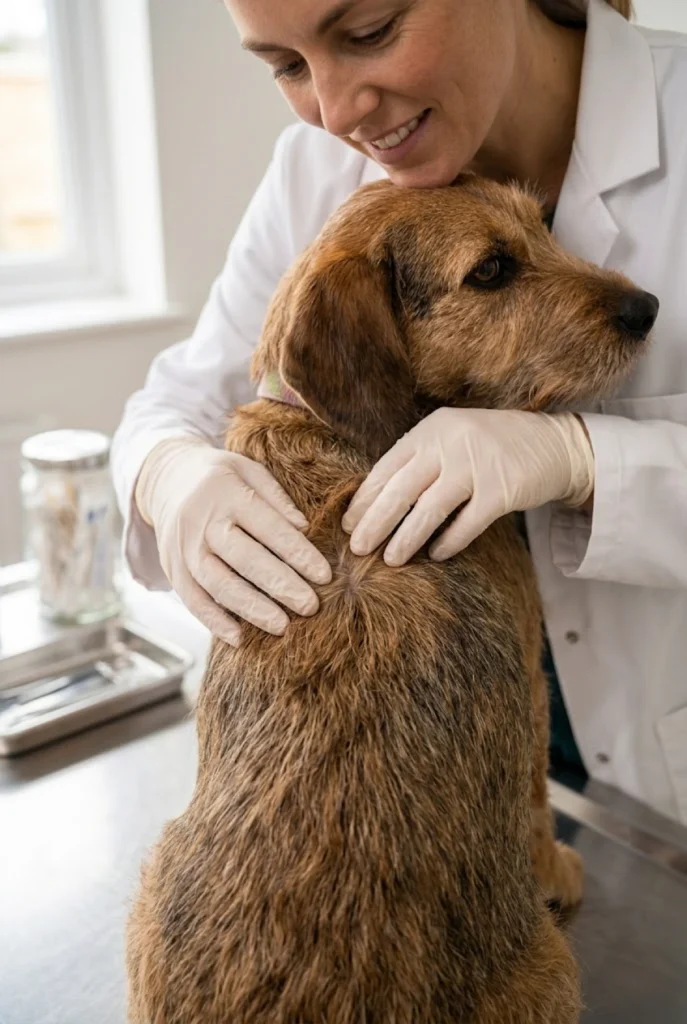
Fleas, ticks, and other parasites can cause itching, skin irritation, and sometimes serious illness. The risks vary according to your location, the places your dog visits, and contact with other animals. Ask your veterinarian to recommend an appropriate prevention plan based on your dog’s age, weight, health, and lifestyle. Depending on the circumstances, this may involve flea and tick prevention, intestinal parasite testing, or other treatments. Never assume that a product designed for cats or another animal is safe for dogs.
Check your dog’s coat after walks through grassy areas, wooded trails, or locations where ticks are common. Pay attention to the ears, neck, paws, and other areas where parasites may hide. Wash bedding as appropriate and follow product instructions carefully. If you find a tick, use an appropriate removal tool or seek veterinary assistance. Persistent scratching, visible parasites, hair loss, or inflamed skin may require professional treatment. Avoid applying household insecticides or essential oils as improvised remedies because some products can harm pets.
17. Keep Identification and Vaccination Records Updated
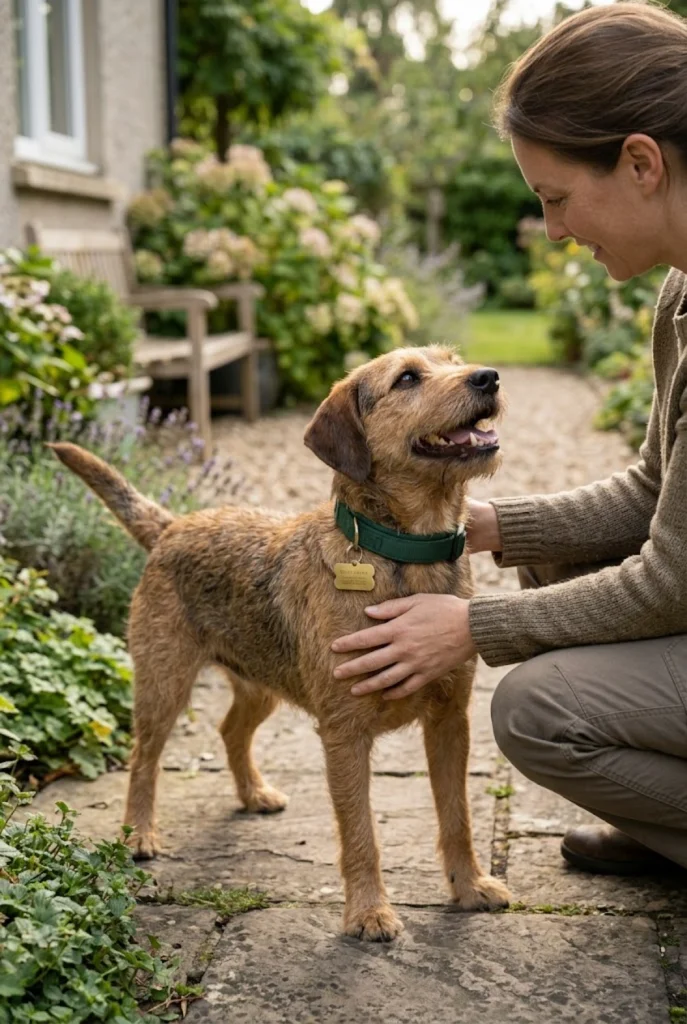
Even a well-trained dog can become frightened by a loud noise or escape through an open gate. A secure collar with an identification tag displaying a current contact number can improve the chances of being reunited with your pet. Check the collar’s fit regularly, especially during puppyhood, and replace it if it becomes damaged. A properly fitted harness and secure leash are also useful for walks, helping you maintain control without relying on identification equipment alone.
Microchipping provides an additional layer of identification. A veterinarian can implant the chip and explain how to register it with an appropriate database. A microchip is not a GPS tracker; it stores an identification number that can be scanned by compatible equipment. Keep your registration information updated when your phone number or address changes. Also organize vaccination certificates, veterinary reports, and medication details in one accessible place. Good records make travel, boarding, veterinary appointments, and emergency care easier to manage.
18. Prepare Your Dog for Time Alone

Many first-time owners need to leave home for work, shopping, or other responsibilities. It is important to help your dog become comfortable with short periods of separation rather than suddenly leaving them alone for a long time. Start with brief absences when your dog is settled, and gradually increase the duration if they remain comfortable. Provide a safe resting area, fresh water, and suitable enrichment. Make sure your dog has had appropriate toilet breaks and activity before you leave.
Watch for signs that your dog is struggling, including persistent barking, destructive behavior, pacing, drooling, or attempts to escape. These behaviors may indicate separation-related distress rather than disobedience. Avoid punishing your dog for damage or accidents that occur while you are away. Puppies generally need more frequent supervision and toilet breaks than adult dogs, so arrange suitable care when necessary. If your dog experiences severe distress, consult your veterinarian or a qualified behavior professional for an individualized plan.
19. Choose Safe Toys and Supervise Playtime
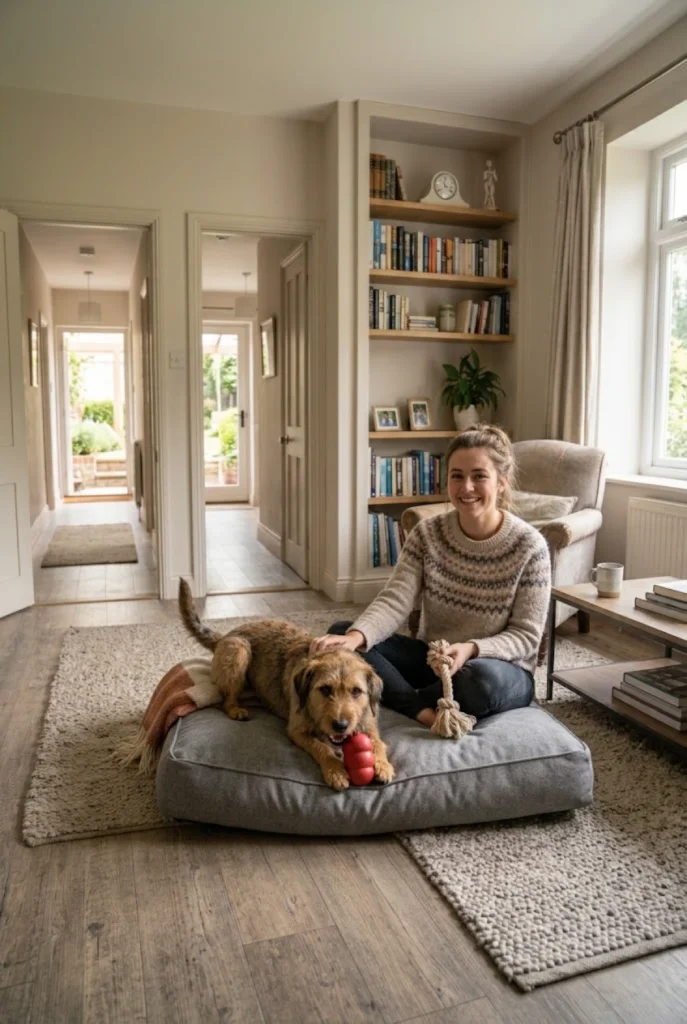
Toys provide entertainment, encourage movement, and give dogs appropriate ways to explore and chew. However, not every toy is suitable for every dog. Choose products that match your pet’s size, chewing strength, and play style. Toys that are too small can become choking hazards, while damaged items may release pieces that your dog could swallow. Inspect toys regularly and replace those that become broken, sharp, or excessively worn. If your dog is an enthusiastic chewer, ask your veterinarian or a knowledgeable pet professional about safer options.
Supervise your dog when introducing a new toy, especially if you do not yet know how your pet plays. Avoid toys containing loose parts that can easily detach, and use caution with very hard objects that may damage teeth. Interactive play can also strengthen your relationship with your dog, whether you are practising fetch, tug with appropriate rules, or simple search games. Provide a variety of suitable activities and allow your dog time to rest between energetic sessions. Safe play helps make exercise enjoyable while reducing preventable injuries.
20. Be Patient and Commit to Lifelong Care
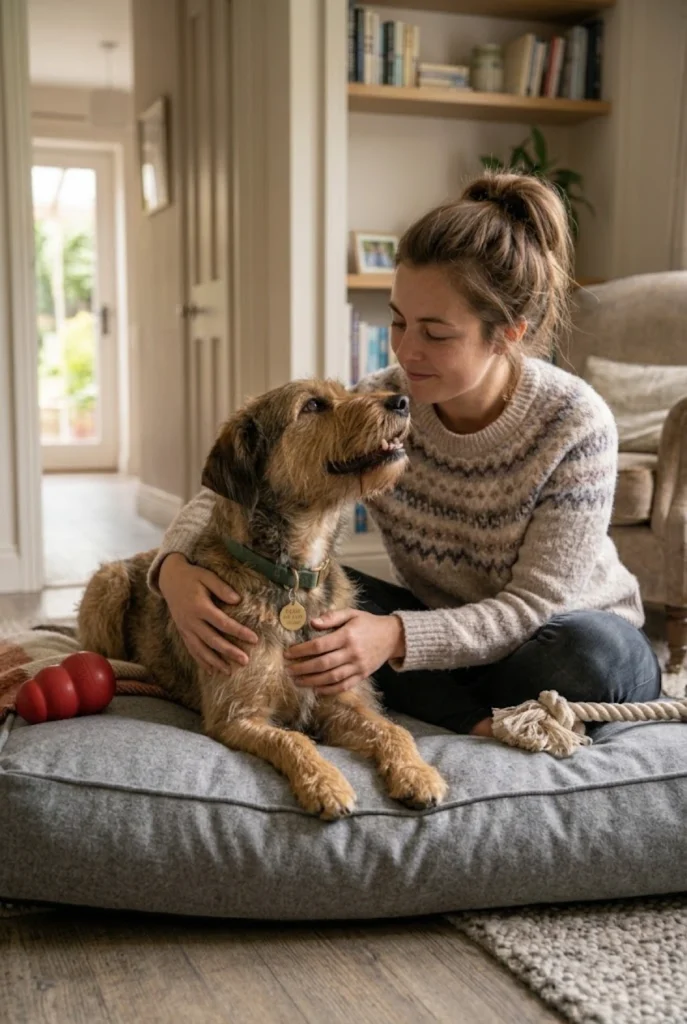
Becoming a responsible pet parent is a learning process. Your dog may need time to understand household rules, become comfortable with unfamiliar surroundings, and learn new commands. Accidents, barking, chewing, and other challenging behaviors can occur, particularly during the adjustment period. Respond calmly, identify possible causes, and reward desirable behavior. Avoid expecting immediate perfection or comparing your dog with other pets. Every animal has a different personality, background, learning speed, and set of needs.
Lifelong care means continuing to adapt as your dog grows older. A puppy’s nutritional, exercise, and supervision needs differ from those of a senior dog. Health concerns may also change over time, requiring adjustments to diet, activity, grooming, or veterinary visits. Make time for companionship, provide appropriate healthcare, and seek professional advice when difficulties arise. Dogs depend on their families for protection and comfort throughout their lives. Consistency, patience, and responsible decision-making can help you build a trusting relationship that remains rewarding for many years.
Conclusion
Welcoming a dog into your family is a wonderful experience, but it also comes with important responsibilities. Every First-Time Dog Owner can build a strong foundation by preparing their home, choosing appropriate food, establishing routines, scheduling veterinary visits, and learning the basics of training and behavior. These 20 essential lessons can help you avoid common mistakes and provide your dog with a safer, healthier, and more comfortable life.
Remember that responsible dog ownership is not about knowing everything immediately. It is about being willing to learn, responding to your dog’s needs, and providing consistent care throughout every stage of life. With patience, positive training, appropriate healthcare, and plenty of companionship, you can help your dog feel secure and develop a lasting bond. Start with the essentials, celebrate small improvements, and enjoy the rewarding journey of becoming a confident and caring pet parent.