12 Dog Care Tips for Rainy Days
Rainy days can be fun for some dogs, but they can also bring unexpected challenges for pet owners. Wet fur, muddy paws, slippery floors, dirty puddles, and cold temperatures can affect your dog’s comfort and daily routine. Whether your dog loves playing in the rain or prefers staying warm indoors, providing the right care during wet weather is essential for their health and happiness.
The good news is that keeping your dog comfortable during the rainy season does not require complicated routines or expensive products. A few simple habits can make a big difference. From protecting sensitive paws to maintaining indoor exercise and proper grooming, these Dog Care Tips for Rainy Days will help you take better care of your furry friend throughout the wet season.
1. Keep Your Dog’s Coat Clean and Dry
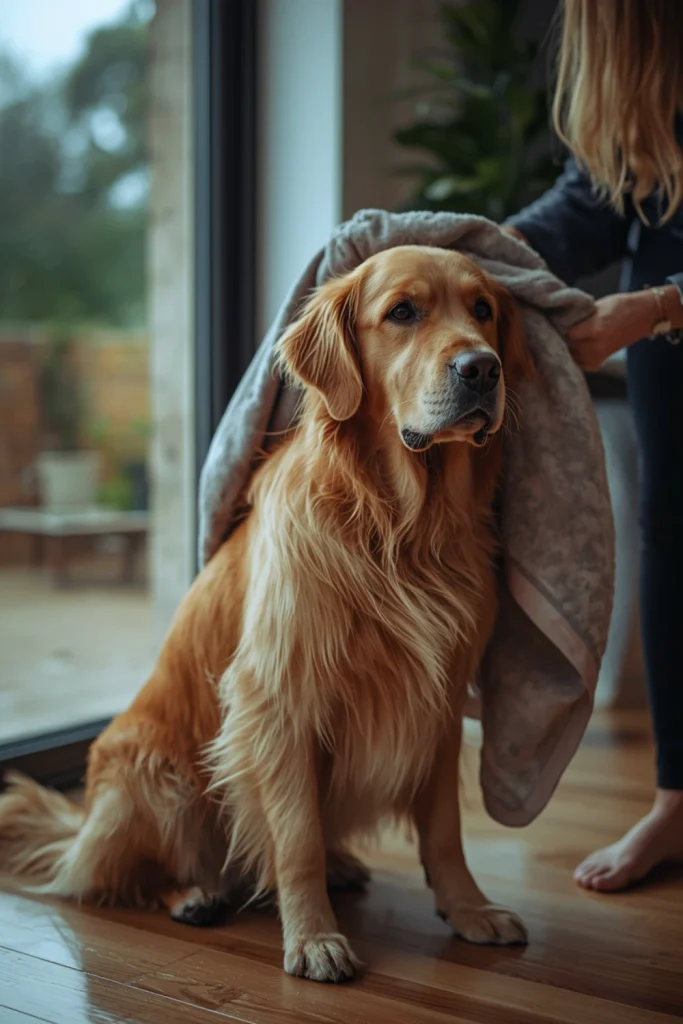
One of the most important Dog Care Tips for Rainy Days is keeping your dog’s coat clean and dry. When dogs walk through rain, their fur collects moisture, mud, dirt, and outdoor debris. If the coat remains wet for extended periods, it may cause discomfort, unpleasant smells, and skin irritation. Dogs with long or thick coats need particular attention because water can become trapped close to their skin.
After every rainy walk, gently dry your dog’s body using a clean, absorbent towel. Pay attention to the belly, chest, legs, tail, and areas underneath the ears. If your dog has a thick coat, carefully separate the fur to check for hidden moisture. A pet-safe dryer on a low, comfortable setting may also help when necessary. Never leave your dog sleeping with a completely wet coat or damp bedding.
2. Clean Your Dog’s Paws After Every Walk
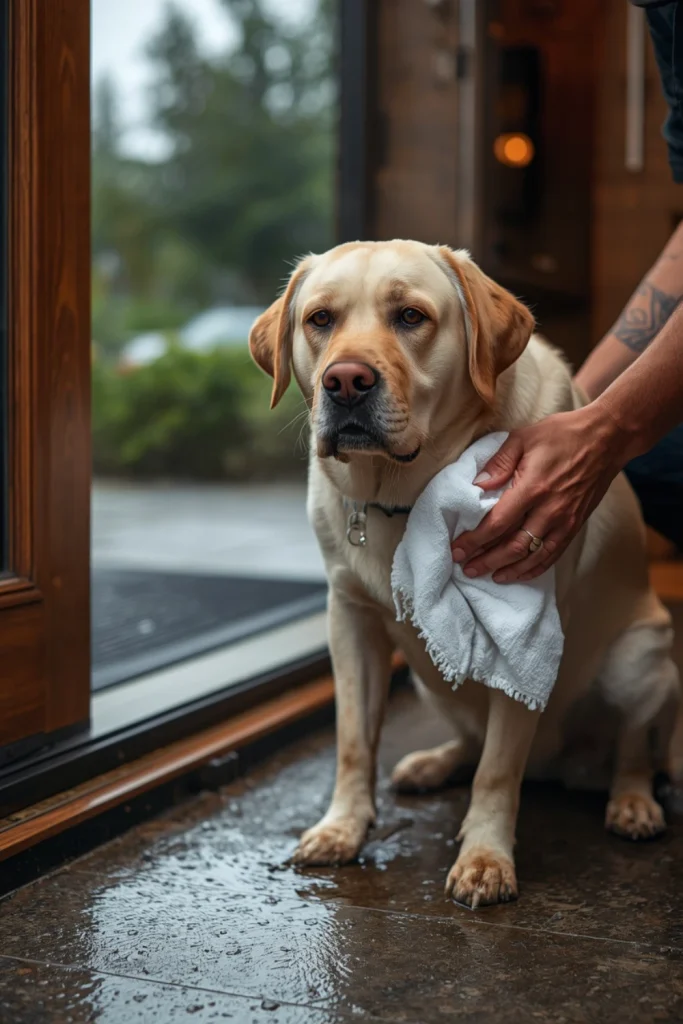
Your dog’s paws come into direct contact with muddy paths, wet grass, dirty sidewalks, and roadside surfaces during rainy weather. These areas may contain bacteria, chemicals, animal waste, sharp objects, and other substances that can irritate sensitive paw pads. Mud and small stones can also become trapped between the toes, causing discomfort when your dog walks. Regular paw cleaning is therefore an essential part of rainy-season pet care.
After returning home, gently clean each paw with a damp, soft cloth or suitable pet-safe wipes. Check between the toes, around the nails, and underneath the paw pads for trapped dirt or injuries. Dry the paws thoroughly before allowing your dog to walk around the house or settle on their bed. If your dog has sensitive paws, properly fitted dog boots may provide additional protection during outdoor walks.
3. Use a Comfortable Waterproof Dog Raincoat
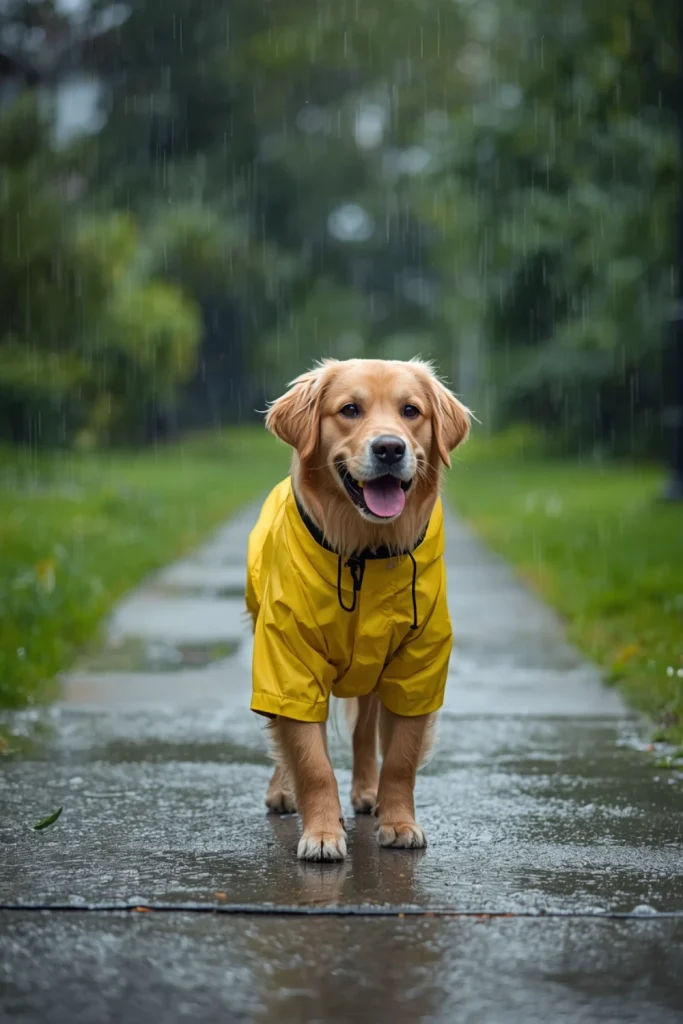
A waterproof dog raincoat can make outdoor walks more comfortable, particularly for dogs with short coats or those that become cold easily. Puppies, senior dogs, and smaller breeds may also need extra protection depending on the weather and temperature. A suitable raincoat helps reduce the amount of water reaching your dog’s body and prevents excessive mud from collecting on the fur. It can also make the cleaning process easier when you return home.
Choose a lightweight, breathable raincoat that fits your dog properly without restricting movement around the shoulders, chest, and legs. Check that the material is waterproof and comfortable against the skin. Allow your dog to become familiar with the coat gradually using treats and positive reinforcement. Avoid clothing that is too tight or causes overheating. Remember that a raincoat does not replace proper drying and grooming after outdoor activities.
4. Create a Warm and Comfortable Sleeping Area
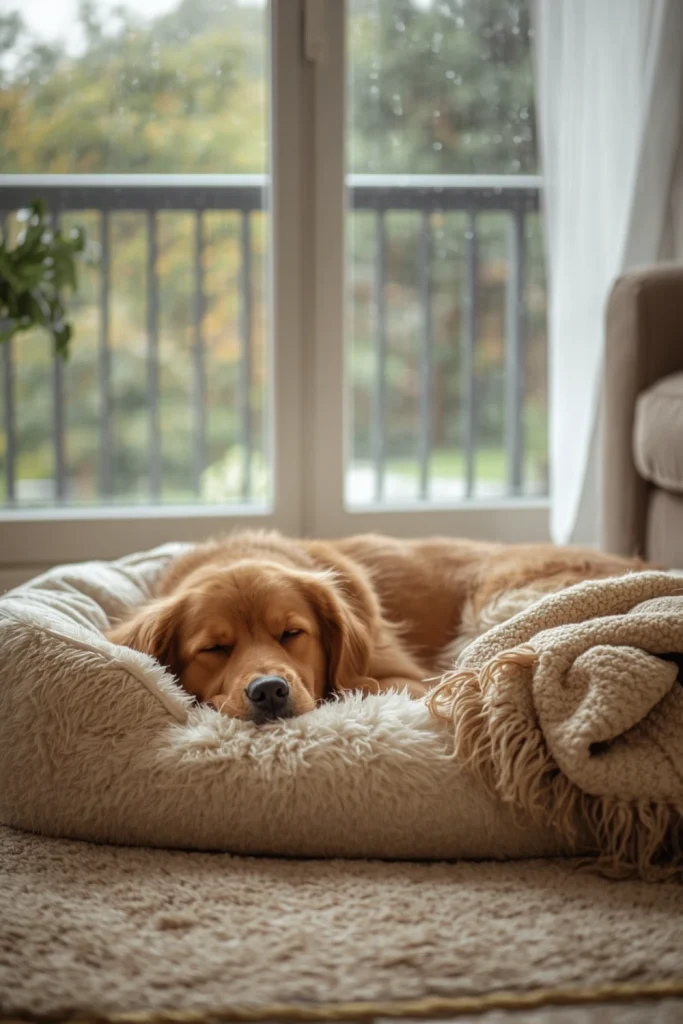
Your dog needs a clean, dry, and comfortable sleeping area throughout the rainy season. Wet weather can make indoor temperatures feel colder, especially when there are strong winds or damp conditions. Sleeping on cold floors or wet bedding may cause discomfort and prevent your pet from enjoying proper rest. Creating a dedicated sleeping space helps your dog stay relaxed after outdoor activities and gives them a safe place to recover.
Place your dog’s bed in a warm indoor location away from leaking windows, open doors, and cold drafts. Add a washable blanket that provides additional comfort without making your pet too hot. Check the bedding regularly for moisture, dirt, and unpleasant odors. Wash blankets and covers whenever necessary and allow them to dry completely before use. A comfortable sleeping area is particularly important for puppies, senior dogs, and pets with limited mobility.
5. Maintain Your Dog’s Exercise Routine Indoors
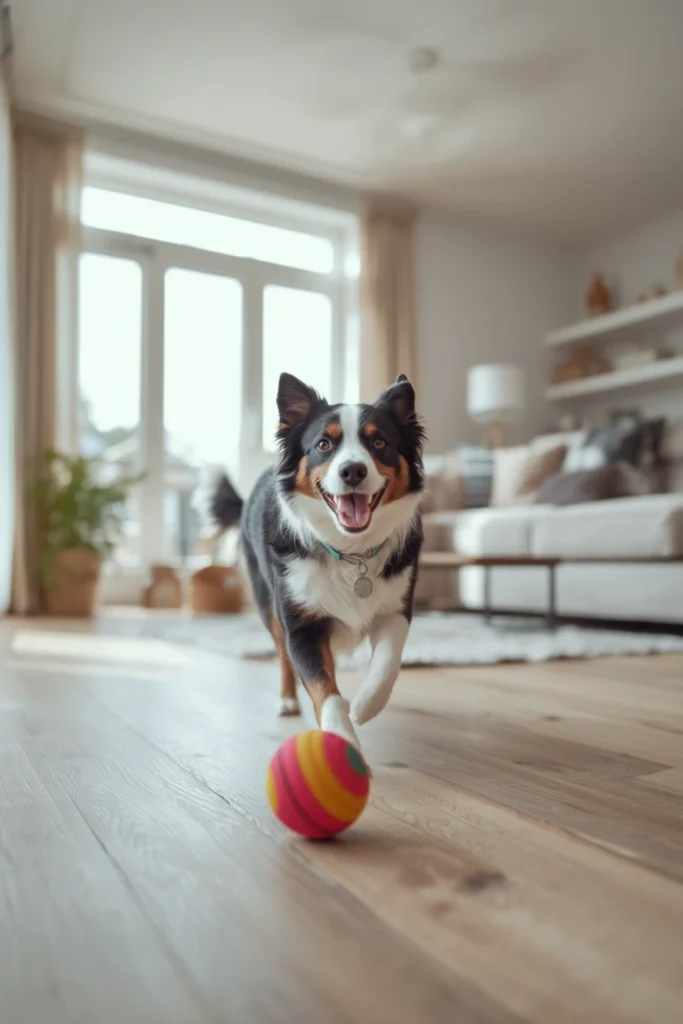
Rainy weather should not mean your dog stops exercising. Regular physical activity supports healthy muscles, maintains an appropriate body weight, and helps prevent boredom. However, heavy rainfall, thunderstorms, and slippery outdoor surfaces can make normal walks unsafe. When going outside is not practical, indoor exercise provides a useful alternative that helps your dog remain active and mentally satisfied.
Try playing indoor fetch with a soft ball, practicing basic obedience commands, or organizing short movement games in a spacious room. You can also create a simple indoor obstacle course using safe household items. Remove slippery rugs and fragile objects before beginning any activity. Adjust the intensity according to your dog’s age, size, and fitness level. Remember to provide drinking water and breaks between play sessions, especially for energetic dogs.
6. Keep Your Dog Away From Dirty Puddles
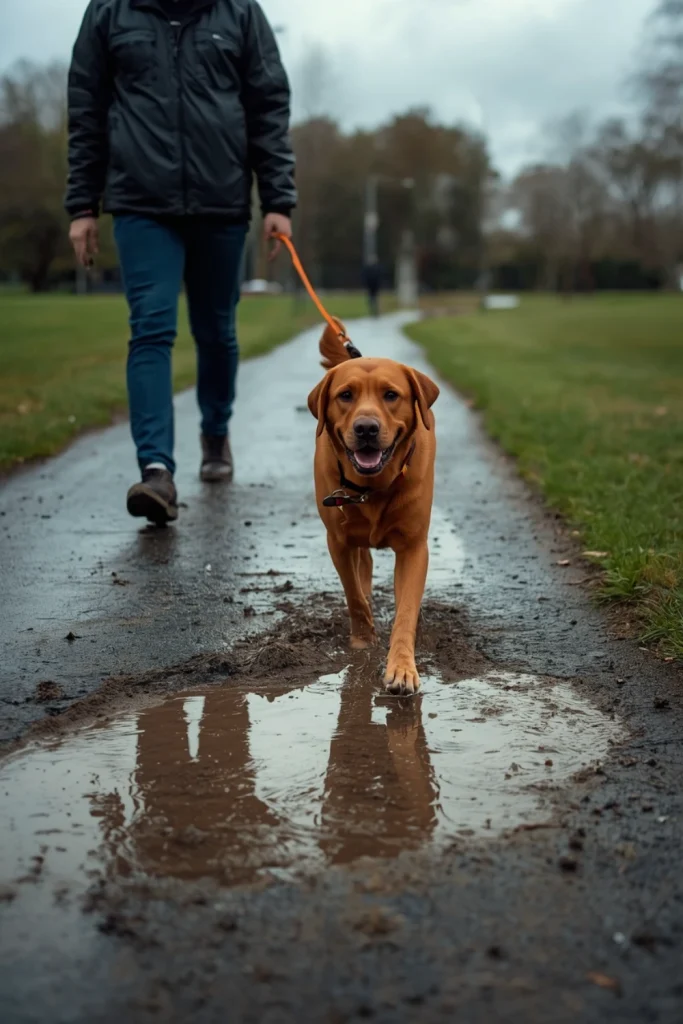
Many dogs enjoy splashing through puddles after rainfall. Although this behavior may look harmless, standing water can contain harmful bacteria, parasites, animal waste, chemicals, and other contaminants. Roadside puddles are especially concerning because water can collect substances from vehicles, roads, and surrounding areas. Drinking contaminated water may cause digestive problems or expose your pet to infections.
During outdoor walks, keep your dog on a secure leash and guide them away from dirty puddles, drainage channels, flooded roads, and stagnant water. Carry a bottle of fresh drinking water so your dog has a safe alternative when thirsty. If your dog drinks from an unknown water source, monitor them for vomiting, diarrhea, unusual tiredness, or appetite changes. Contact your veterinarian if symptoms appear or you suspect exposure to contaminated water.
7. Brush Your Dog Regularly to Prevent Tangled Fur
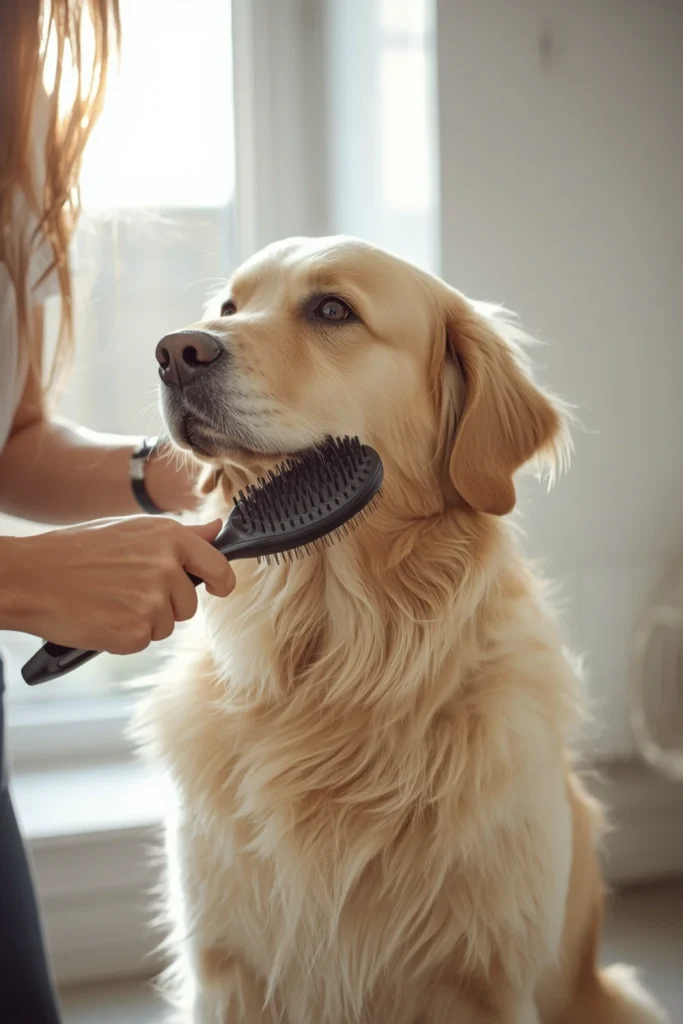
Regular brushing becomes especially important during rainy weather, particularly for dogs with medium or long coats. Wet fur can collect loose hair, dirt, leaves, and small pieces of outdoor debris. When tangled hair dries without proper grooming, uncomfortable mats may develop. These mats can trap moisture close to the skin, making it difficult to maintain a clean and healthy coat. Proper brushing helps remove loose hair and keeps your dog’s fur manageable.
Choose a grooming brush that suits your dog’s coat type and brush gently several times a week. Pay particular attention to areas behind the ears, underneath the legs, around the chest, and near the tail. These areas can develop tangles more easily. If your dog’s fur becomes muddy, remove loose dirt carefully without pulling or irritating the skin. For severe mats, seek help from a professional groomer rather than trying to cut them close to the skin yourself.
8. Maintain Proper Indoor Hygiene
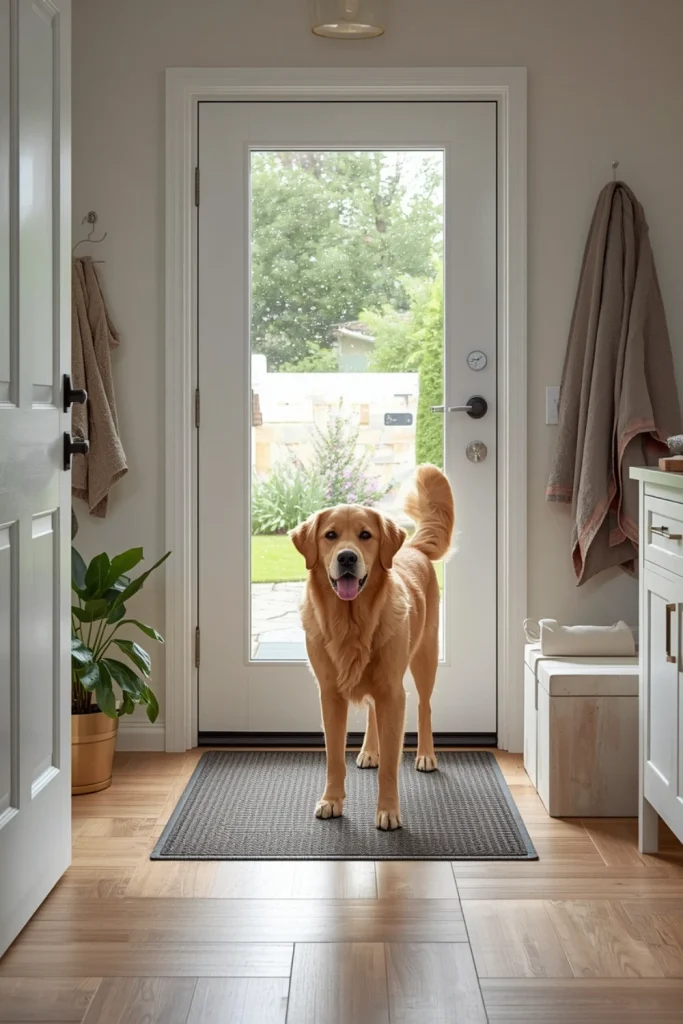
Rainy weather can make your home dirty much faster because dogs often bring mud, water, and outdoor debris inside. Wet paw prints on floors, damp towels, and muddy bedding can create an unpleasant environment. Poor indoor hygiene may also allow dirt and microorganisms to accumulate in areas where your dog regularly sleeps and plays. Maintaining a clean living space is important for both your family’s comfort and your pet’s well-being.
Create a small cleaning station near your entrance with clean towels, pet-safe wipes, and a washable mat. Clean your dog’s paws before allowing them to walk throughout the house. Remove muddy footprints promptly and wash bedding, blankets, and towels regularly. Use pet-safe cleaning products and keep detergents and disinfectants out of your dog’s reach. Make sure floors are completely dry before allowing your dog to play or walk across them to reduce the risk of slipping.
9. Watch for Skin Irritation and Infections
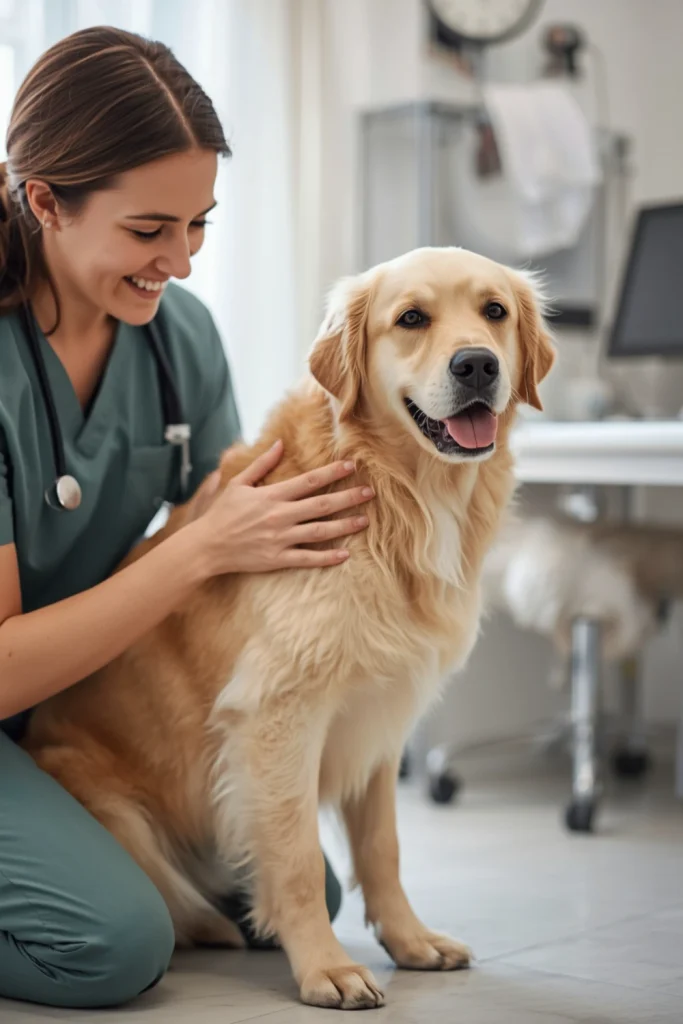
Dogs that frequently get wet may experience skin irritation, especially when moisture remains trapped underneath their coats. Damp areas can encourage the growth of microorganisms, and repeated exposure to muddy environments may make existing skin sensitivities worse. Some dogs may develop redness, itching, unpleasant odors, or uncomfortable skin conditions. Pets with thick fur, skin folds, or existing allergies may require additional attention during rainy weather.
Check your dog’s skin regularly, particularly around the ears, paws, belly, armpits, and other areas where moisture can collect. Look for excessive scratching, redness, sores, hair loss, or unusual smells. Keep your dog clean and dry, but avoid unnecessary bathing because excessive washing may remove natural skin oils. Use only appropriate dog grooming products. If irritation continues, becomes severe, or is accompanied by discharge or pain, contact your veterinarian for an examination and suitable treatment.
10. Keep Your Dog Mentally Active With Indoor Games

Physical exercise is important, but dogs also need mental stimulation to remain happy and well-behaved. When rainy weather keeps your pet indoors for long periods, boredom can lead to unwanted behaviors such as excessive barking, chewing furniture, digging at carpets, or constantly demanding attention. Indoor enrichment activities provide an enjoyable way to keep your dog occupied while encouraging curiosity, learning, and problem-solving skills.
Try hiding small treats around a safe room and encouraging your dog to find them using their sense of smell. Puzzle feeders, interactive toys, and short training sessions are also useful options. You can teach simple commands such as sit, stay, come, and leave it. Keep activities enjoyable and reward positive behavior with praise or suitable treats. Always choose toys appropriate for your dog’s size and chewing habits, and supervise activities involving small objects.
11. Protect Your Dog From Cold Temperatures and Strong Winds
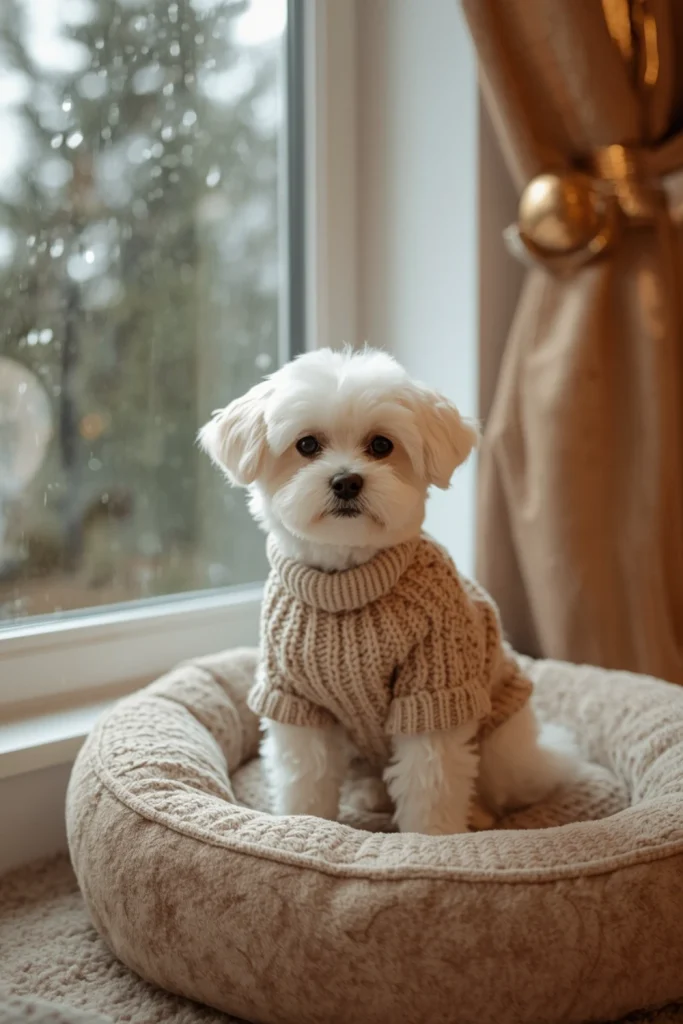
Rainy days sometimes bring colder temperatures, strong winds, and uncomfortable outdoor conditions. These changes can affect dogs differently depending on their size, breed, coat, age, and health. Small breeds, short-haired dogs, puppies, senior pets, and dogs with certain health conditions may be more sensitive to cold weather. Extended exposure to cold rain can cause discomfort and may increase the risk of cold-related health problems.
Check the weather before taking your dog outside and shorten walks when temperatures become particularly uncomfortable. A properly fitted sweater or waterproof coat may provide additional warmth when appropriate. Avoid leaving your dog outside for extended periods during cold rainfall or strong winds. Once indoors, dry their coat and paws thoroughly and provide a warm resting area. Watch for persistent shivering, weakness, unusual tiredness, or other concerning symptoms and seek veterinary advice when necessary.
12. Check and Clean Your Dog’s Ears Carefully
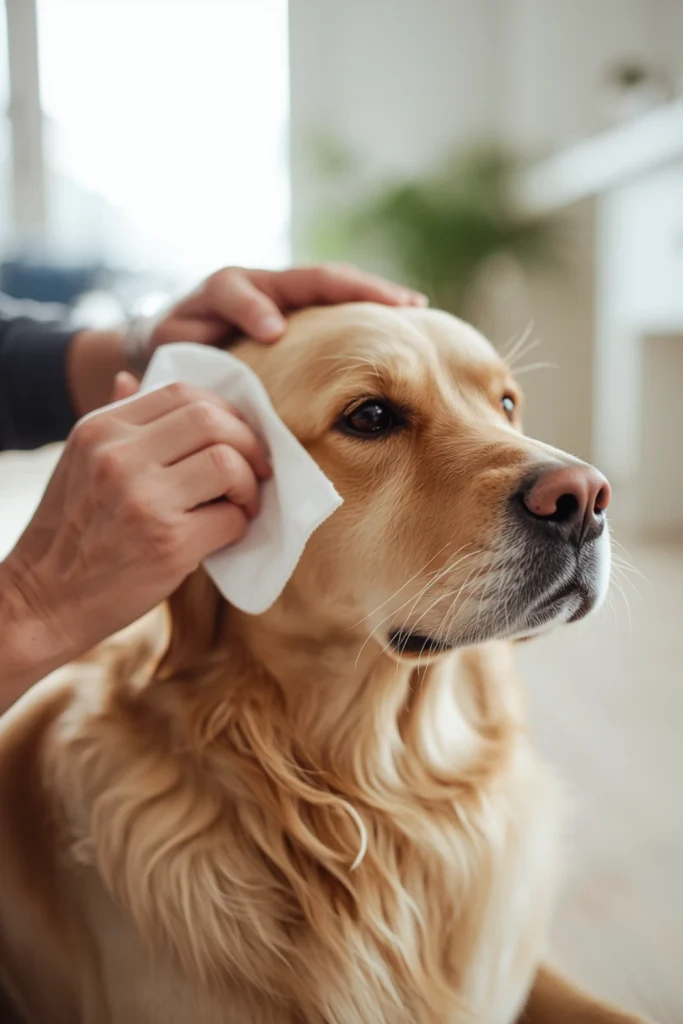
Your dog’s ears deserve extra attention during rainy weather because moisture and dirt can collect around the outer ear and ear flap. Dogs with floppy ears may be particularly vulnerable to trapped moisture because air circulation around their ears can be limited. If the ears remain damp or become irritated, your pet may experience discomfort or develop an ear infection. Regular inspection helps you notice potential problems before they become more serious.
After a rainy walk, gently dry the outside of your dog’s ears using a clean, soft towel. Never insert cotton swabs, fingers, or other objects deep into the ear canal. Look for redness, unusual discharge, unpleasant smells, frequent head shaking, or excessive scratching. If you notice any of these signs, contact your veterinarian for advice. Avoid putting homemade cleaning solutions or water inside the ears unless your veterinarian recommends a suitable ear-cleaning product.
Final Thoughts
Taking care of your furry friend during wet weather does not have to be difficult. By following these 12 Dog Care Tips for Rainy Days, you can protect your dog’s paws, maintain a clean coat, prevent unnecessary discomfort, and keep your pet physically and mentally active even when outdoor activities are limited.
Remember that every dog has different needs depending on age, breed, coat type, and health. Pay attention to your pet’s behavior, provide a comfortable indoor environment, and consult a veterinarian whenever you notice unusual symptoms. With a little preparation and consistent care, rainy days can become a safe, comfortable, and enjoyable part of your dog’s routine.