25 Things to Do When Bringing a New Dog Home
Bringing a new dog home is an exciting moment filled with happiness, curiosity, and new responsibilities. Whether you are welcoming a playful puppy or adopting an adult dog, the first few days can shape how comfortable and secure your new companion feels. A little preparation before arrival can make the transition easier and help your dog begin building trust with you.
Knowing what to do when bringing a new dog home can prevent common mistakes, reduce stress, and establish healthy routines from the beginning. From preparing a safe sleeping area to choosing the right food, introducing family members, and scheduling a veterinary visit, these practical tips will help you create a welcoming environment where your dog can settle in, learn, and thrive.
1. Prepare Your Home Before Your Dog Arrives
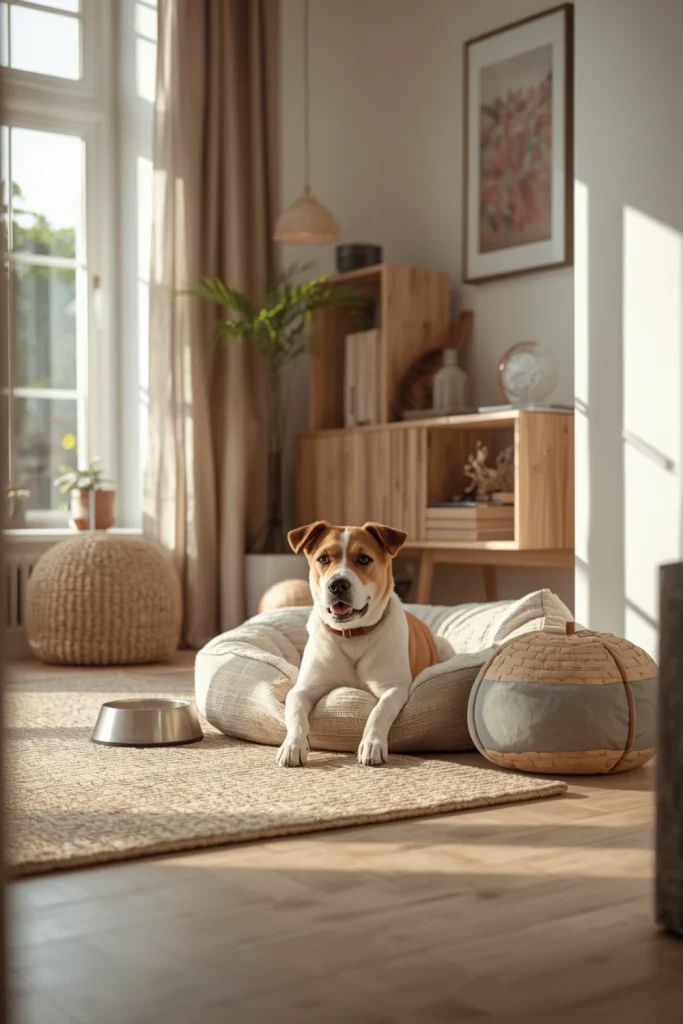
Before bringing your new dog home, prepare a comfortable and safe space where they can rest without being disturbed. Remove electrical cords, cleaning products, medicines, small objects, and anything your dog could swallow or chew. Keep shoes, food wrappers, and household chemicals out of reach. If you have stairs, balconies, or open windows, make sure they are secure. A little preparation can prevent accidents and help your dog explore the new environment more safely.
Start by allowing your dog to access only a few dog-friendly areas rather than the entire house. Too much space can feel overwhelming, especially for puppies and newly adopted dogs. Keep the environment calm, and gradually introduce additional rooms as your dog becomes more confident. This approach helps establish boundaries and makes supervision easier during the adjustment period.
2. Purchase Essential Dog Supplies
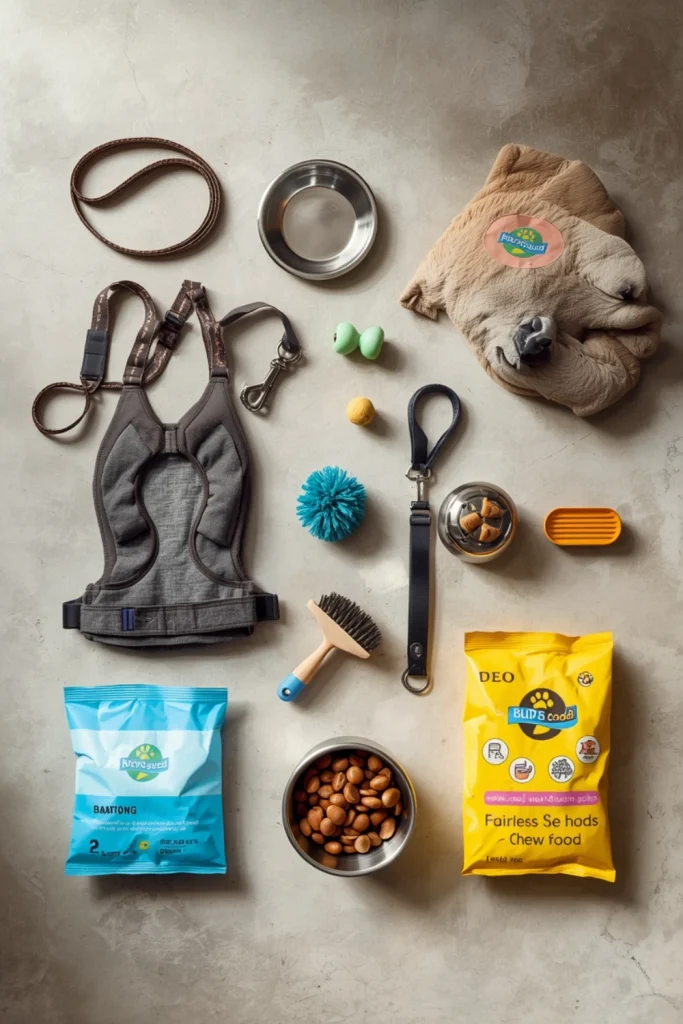
Gather the basic supplies your dog will need before arrival. These include food, food and water bowls, a comfortable bed, a suitable collar or harness, a leash, waste bags, grooming tools, and age-appropriate toys. Puppies may also benefit from washable bedding, puppy pads when appropriate, and safe chew toys. Having these essentials ready means you can focus on helping your dog settle in instead of making repeated shopping trips.
Choose supplies according to your dog’s size, age, breed, and individual needs. For example, a small puppy may need a lightweight harness, while a large dog may require sturdier equipment. Avoid toys that are small enough to swallow or products that break into sharp pieces. If you are adopting an adult dog, ask the previous caregiver or shelter which food, toys, and equipment the dog already likes.
3. Choose the Right Food for Your Dog

Good nutrition supports your dog’s growth, energy, immune system, healthy skin, and coat. Select a complete and balanced dog food appropriate for the animal’s life stage, such as puppy, adult, or senior. Consider your dog’s size, activity level, and any dietary requirements recommended by a veterinarian. Puppies generally need food formulated for growth, while adult dogs require nutrition suited to maintaining their health and body condition.
If your new dog is already eating a particular food, continue with it initially if it is appropriate and available. An immediate diet change can upset the digestive system during an already stressful transition. If you need to switch foods, ask your veterinarian for guidance and generally transition gradually over several days. Avoid giving human foods indiscriminately, and never offer known dangerous foods such as chocolate, grapes, raisins, onions, or products containing xylitol.
4. Create a Comfortable Sleeping Area

Your dog needs a quiet place where they can sleep, relax, and feel secure. Choose a location away from heavy foot traffic, loud appliances, and constant disturbances. Provide a suitable dog bed or comfortable washable bedding, ensuring it is large enough for your dog to stretch out. Keep the sleeping area at a comfortable temperature and away from drafts or excessive heat.
Allow your dog to choose to rest in this space without being repeatedly called away. Children and other household members should understand that a resting dog needs privacy. If you plan to use a crate, introduce it gradually and positively rather than forcing your dog inside. The sleeping area should feel like a safe retreat, not a place of punishment. A predictable resting spot can make the first nights more comfortable.
5. Dog-Proof Your House and Garden
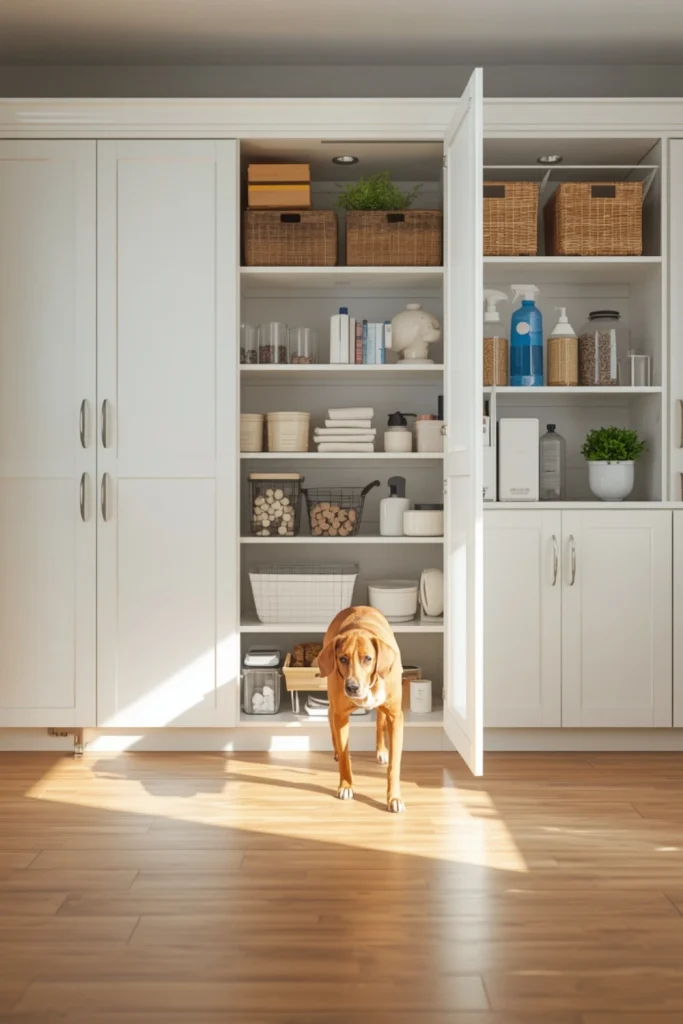
A dog-proof home reduces the risk of injuries, poisoning, and destructive behavior. Secure rubbish bins, keep medicines and cleaning products in closed cabinets, and move electrical cords out of reach. Houseplants should also be checked for toxicity because some common plants can be dangerous to dogs. Keep human snacks, sharp tools, batteries, and small objects away from curious noses and mouths.
If your home has a garden, inspect the fencing and look for gaps where your dog might escape. Remove hazardous garden chemicals, secure pools and water features, and check for poisonous plants or sharp objects. Never assume that a fenced garden is completely safe without inspecting it carefully. Supervise outdoor exploration, particularly during the first few weeks, while your dog learns the boundaries of the property.
6. Arrange a Veterinary Checkup

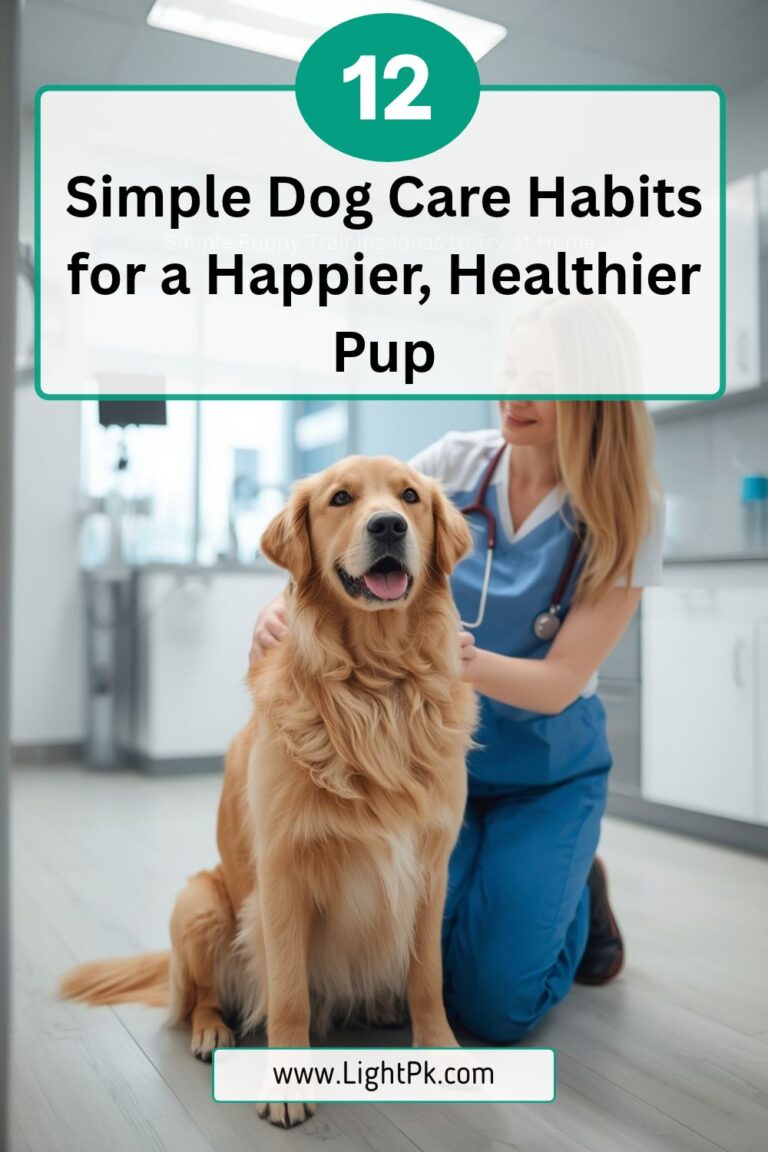
A veterinary visit is one of the most important steps when bringing a new dog home. Even if your dog appears healthy, an examination can help identify concerns that may not be obvious. The veterinarian can assess body condition, teeth, ears, skin, mobility, and general health while reviewing the dog’s medical history. Bring any available adoption paperwork, vaccination records, medication details, and information about previous health problems.
Ask the veterinarian about vaccination requirements, parasite prevention, dental care, nutrition, microchipping, and the appropriate timing for spaying or neutering if relevant. Puppies may require a series of appointments, while adult dogs may need individualized preventive care. If your dog has difficulty breathing, repeated vomiting, severe weakness, suspected poisoning, or another urgent symptom, seek prompt veterinary assistance rather than waiting for a routine appointment.
7. Keep Your Dog’s Existing Routine in Mind

When possible, ask the previous owner, breeder, rescue organization, or shelter about your dog’s established routine. Find out what food the dog eats, when meals are served, how often the dog goes outside, where they sleep, and which words or commands they already recognize. Familiar habits can provide a sense of stability when everything else is new.
Try to preserve the most important parts of that routine during the first few days. You can gradually introduce your preferred schedule after your dog begins to settle. If the previous routine is unsuitable for your household or your dog’s health, adjust it carefully rather than making every change at once. Consistency helps dogs understand what to expect and can make feeding, toileting, sleeping, and training easier.
8. Introduce Your Dog to the House Slowly
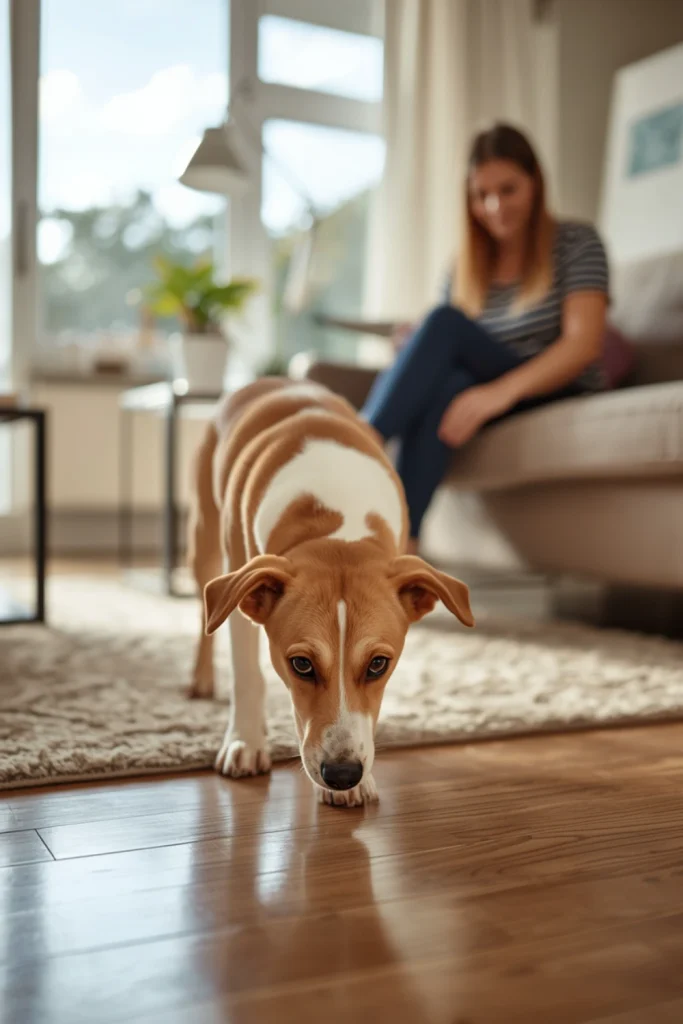
It may be tempting to let your new dog explore every room immediately, but a gradual introduction is often more comfortable. Begin with one quiet, dog-safe area where your pet can investigate familiar objects, drink water, and rest. Allow the dog to sniff at their own pace without pulling them toward new objects or repeatedly calling them away from exploration.
Watch your dog’s body language as you introduce additional areas. A relaxed posture, gentle curiosity, and willingness to explore may suggest growing confidence. Hiding, trembling, excessive panting, or repeatedly trying to escape can indicate stress. If your dog seems overwhelmed, return to a familiar area and give them time. The purpose is to build confidence through positive experiences, not to complete a house tour in one afternoon.
9. Introduce Family Members Calmly

Meeting new people can be exciting or stressful for a dog. Ask family members to remain calm, avoid crowding the dog, and allow the animal to approach voluntarily. Sitting sideways, speaking softly, and offering space can make the first interaction less intimidating. Children should be taught not to chase, hug tightly, pull ears or tails, or disturb a dog while eating or sleeping.
Supervise all interactions between dogs and children, even if the dog appears friendly. Never leave a young child alone with a dog. If the dog moves away, hides, growls, or shows other signs of discomfort, respect the warning and increase the distance. Positive introductions help establish trust and teach everyone in the household how to interact safely with the newest family member.
10. Introduce Other Pets Carefully

If you already have a dog, cat, or another household pet, do not assume that the animals will become friends immediately. Begin with controlled introductions and provide separate spaces where each animal can retreat. For dogs, a calm introduction on neutral ground may be helpful. Keep both animals at a comfortable distance and use secure leads when appropriate, avoiding tight restraint that could increase tension.
For cats and other small pets, use barriers or separate rooms to prevent chasing and accidental injury. Allow the animals to become familiar with each other’s scents before progressing to closer contact. Feed them separately and keep prized toys or treats out of shared spaces at first. Supervise interactions until you are confident the animals can coexist safely. If either animal displays persistent aggression or intense fear, seek guidance from a qualified behavior professional.
11. Establish a Consistent Feeding Schedule

A regular feeding schedule helps your dog anticipate meals and makes it easier to monitor appetite and digestion. Puppies usually require more frequent meals than adult dogs, while the appropriate schedule for an adult depends on individual needs and veterinary advice. Follow the food packaging guidance as a starting point, then adjust portions according to your dog’s age, weight, activity, and body condition with professional guidance when needed.
Measure food rather than guessing portions, and keep fresh drinking water available. Avoid changing meal times constantly or allowing different family members to feed extra portions without communicating. Record any unusual changes in appetite, vomiting, diarrhea, or thirst. If your dog refuses food for a prolonged period, seems unwell, or is a young puppy with poor intake, contact a veterinarian for advice appropriate to the dog’s age and condition.
12. Start Toilet Training from Day One

Toilet training should begin as soon as your dog arrives. Take the dog to a suitable outdoor toilet area after waking, eating, drinking, playing, and before bedtime. Puppies often need frequent opportunities, while adult dogs may have different schedules depending on their habits and health. Use the same outdoor location and a consistent cue if helpful, giving your dog time to sniff and finish.
Praise and reward your dog immediately after they toilet in the correct place. If an accident occurs indoors, clean it thoroughly with an appropriate pet-safe enzymatic cleaner and continue the routine. Avoid shouting, rubbing the dog’s nose in the mess, or punishing accidents after they happen. These reactions can create fear without teaching the desired behavior. Frequent supervision and predictable opportunities are more effective than expecting a new dog to understand household rules instantly.
13. Use a Leash and Identification Before Going Outside

Before taking your new dog into public areas, ensure they have a properly fitted collar or harness, a secure leash, and identification with current contact details. Check that the equipment fits comfortably and cannot slip off easily. A frightened dog may suddenly bolt when encountering traffic, unfamiliar people, loud sounds, or other animals, so reliable equipment is essential for safety.
Keep initial outdoor trips short and controlled, especially if your dog is still adjusting. Avoid busy roads, crowded parks, and uncontrolled dog gatherings until you understand your pet’s behavior. Ask your veterinarian about vaccination status and when public ground exposure is appropriate, particularly for puppies that may not have completed their vaccination schedule. A microchip can provide an additional layer of identification, but keep the registration information current.
14. Begin Training with Simple Commands

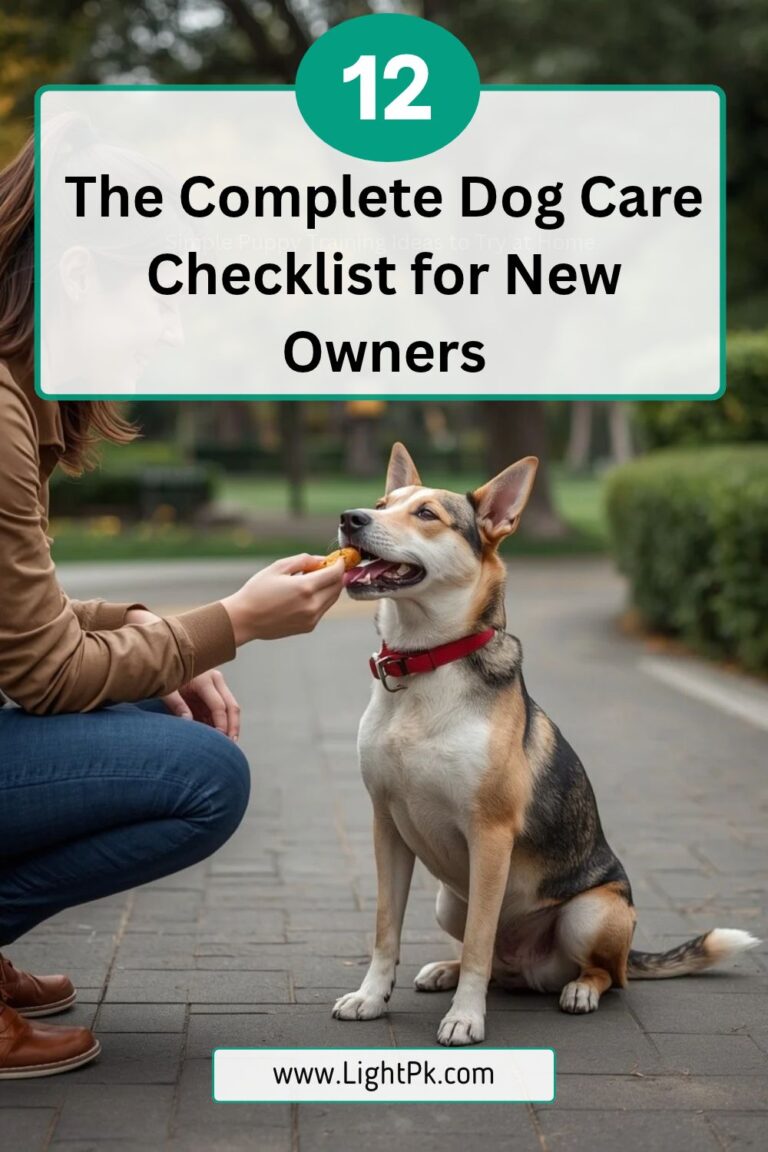
Basic training helps your dog understand how to live safely and comfortably with your family. Start with simple skills such as responding to their name, coming when called, sitting, waiting briefly, and walking on a loose leash. Keep sessions short and enjoyable, especially for puppies and dogs that are easily distracted. Choose a quiet environment initially, then gradually practice in places with more distractions.
Use rewards your dog values, such as small treats, praise, play, or access to something enjoyable. Reward the behavior you want to see and avoid harsh punishment or intimidation. All family members should use consistent words and expectations so the dog receives clear signals. Remember that training takes time. Your goal during the first few days is to begin building communication and trust, not to expect perfect obedience.
15. Provide Safe Toys and Mental Stimulation

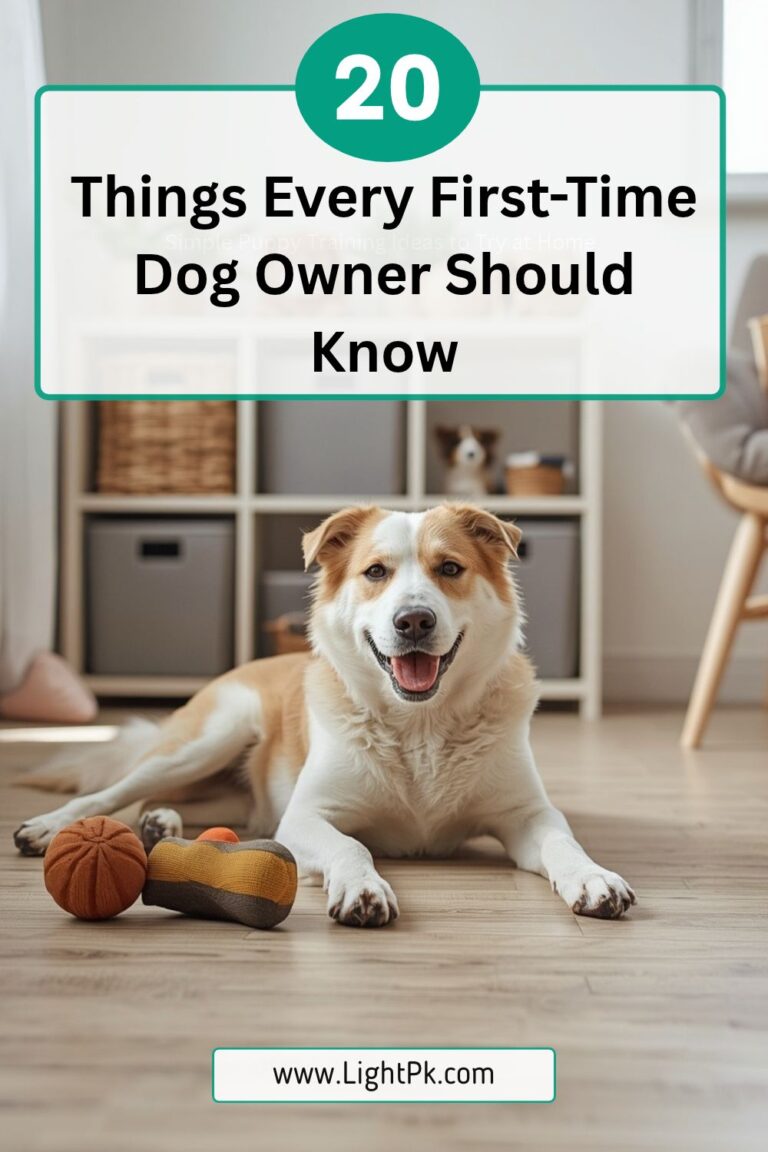
Dogs need more than food, water, and a place to sleep. Mental stimulation gives them opportunities to explore, solve simple problems, and use natural behaviors. Choose safe chew toys, food puzzles, sniffing activities, and interactive games suitable for your dog’s age and size. A few carefully selected toys are often more useful than overwhelming the dog with a large collection all at once.
Introduce new toys while supervising your dog, especially if they chew aggressively or tend to swallow objects. Remove damaged toys and avoid items that break into small pieces. You can also scatter a portion of your dog’s normal food in a safe sniffing area or reward them for finding a hidden treat. Start with easy activities and increase difficulty gradually. These experiences can reduce boredom and help your dog develop confidence in a new environment.
16. Give Your Dog Plenty of Rest

Moving into a new home can be physically and emotionally tiring. Your dog may encounter unfamiliar sounds, smells, people, and activities throughout the day, even when everyone is being gentle. Provide opportunities for quiet rest between meals, toilet breaks, training sessions, and play. Puppies and senior dogs may need substantial sleep, while individual adult dogs also vary in their resting needs.
Avoid waking your dog repeatedly to show them to visitors or encourage play. If your dog goes to their bed or another quiet place, allow them to settle. A tired dog may become more irritable, restless, or less responsive to training, so rest is part of healthy adjustment. Keep the first day relatively simple and postpone unnecessary outings or large gatherings until your dog is more comfortable.
17. Learn Your Dog’s Body Language

Dogs communicate through their posture, facial expressions, movement, and behavior. A loose body, relaxed facial muscles, and willingness to approach may indicate comfort, while tucked tails, lowered posture, repeated lip licking, turning away, or attempts to hide can suggest uncertainty or stress. Growling, stiffening, or showing teeth may indicate that the dog needs more distance. These signals should be taken seriously rather than dismissed.
Observe your dog’s behavior in different situations and give them choices whenever possible. If they seem uncomfortable with handling, visitors, or another animal, reduce the pressure and allow them to move away. Do not punish growling, because it can be an important warning that the dog is distressed. If you are uncertain about repeated fear or aggressive behavior, consult a veterinarian or qualified reward-based behavior professional for individualized advice.
18. Groom Your Dog According to Its Needs
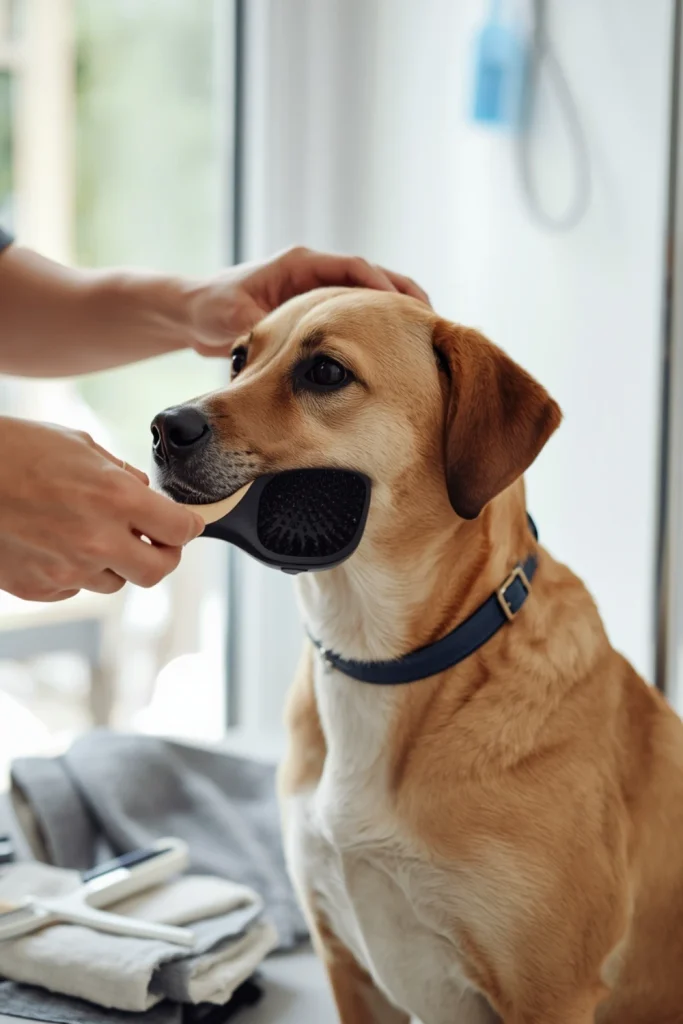
Regular grooming helps maintain healthy skin and coat while giving you a chance to notice changes such as lumps, irritation, parasites, or unusual hair loss. The right routine depends on coat type, breed, age, and lifestyle. Long-haired dogs may need frequent brushing to prevent mats, while short-haired dogs often require less intensive coat care. Use tools designed for your dog’s coat and introduce them gently.
Start with brief brushing sessions, rewarding calm behavior along the way. Avoid pulling painfully through tangles or forcing a frightened dog to continue. Check paws and nails regularly, and ask a veterinarian or professional groomer to demonstrate nail trimming if you are unsure how to do it safely. Grooming should become a comfortable routine rather than a stressful struggle. Seek veterinary advice if you notice persistent itching, sores, unusual odors, or skin changes.
19. Protect Your Dog from Weather and Temperature Changes

Dogs can be sensitive to extreme heat, cold, rain, and sudden temperature changes. Provide access to shade, fresh water, and a comfortable indoor environment. During hot weather, avoid strenuous exercise in the hottest part of the day and remember that pavement can become dangerously hot. Never leave a dog unattended in a parked vehicle, even if the windows are partly open.
Cold weather also requires attention, particularly for small, short-coated, young, elderly, or medically vulnerable dogs. Keep outdoor trips appropriate to the weather and use suitable protective clothing if recommended for your dog. Dry wet fur and paws when necessary, and check for discomfort after walks. Watch for signs of heat stress, such as excessive panting, weakness, vomiting, or collapse, and seek emergency veterinary care if heatstroke is suspected.
20. Introduce Socialization Gradually

Socialization helps dogs become more comfortable around different people, environments, sounds, surfaces, and everyday experiences. However, it should not mean forcing a dog to greet every person or animal. Begin with calm, positive experiences at a distance where your dog can remain relaxed. Reward curiosity and allow your dog to observe unfamiliar situations without pressure.
For puppies, discuss safe socialization opportunities with your veterinarian, particularly before the vaccination series is complete. Carrying a puppy in appropriate settings, inviting calm visitors, and exposing them to household sounds can provide useful experiences without unnecessary risk. Adult rescue dogs also benefit from gradual introductions, but their pace may differ. Watch for stress and give your dog breaks. A few pleasant experiences are more valuable than overwhelming exposure to crowds, loud noises, or uncontrolled dogs.
21. Prevent Fleas, Ticks, and Other Parasites

Parasite prevention is an important part of keeping a new dog healthy. Fleas can cause itching and skin irritation, ticks may transmit disease, and intestinal parasites can affect digestion and overall well-being. Ask your veterinarian which prevention products are suitable for your dog’s age, weight, health, and local environment. Do not assume that a product intended for one species or weight range is safe for another.
Check your dog’s coat and skin after outdoor activities, particularly if you walk through grass, shrubs, or wooded areas. Follow veterinary advice on deworming and testing, especially for puppies and newly adopted dogs with an uncertain medical history. Keep bedding clean and watch for scratching, visible parasites, or changes in stools. If you suspect an infestation, consult your veterinarian about a safe, effective treatment plan rather than combining products without guidance.
22. Keep Important Health and Adoption Records

Organizing your dog’s paperwork from the beginning makes future care easier. Keep adoption documents, vaccination records, microchip details, medication instructions, veterinary reports, and any known medical history in one safe location. Save the contact details of your regular veterinarian and the nearest emergency veterinary clinic. If your dog has an ongoing condition, keep a clear record of prescribed medications and follow the veterinarian’s instructions.
You can maintain a digital folder or a simple paper file, whichever is easiest for your household. Record important dates such as appointments, vaccinations, parasite prevention, and follow-up visits. Share relevant information with every responsible caregiver, including anyone who may look after your dog while you are away. Organized records reduce confusion and help veterinary professionals make informed decisions about your dog’s care.
23. Set Household Rules and Boundaries

Dogs learn household expectations more easily when family members follow the same rules. Decide where your dog is allowed to sleep, whether furniture is accessible, which rooms are off-limits, and how family members will respond to jumping or begging. These rules should be realistic and consistent. If one person encourages a behavior while another constantly discourages it, the dog may struggle to understand what is expected.
Use management and reward-based teaching to encourage appropriate behavior. For example, reward your dog for keeping four paws on the floor when greeting people, or provide a comfortable bed as an alternative to entering a restricted room. Avoid yelling or physical punishment. Boundaries should make life safer and more predictable, not frightening. Discuss the rules with children and other caregivers before the dog arrives so everyone can work together.
24. Prepare for Separation and Alone Time

A new dog may become anxious when left alone because the home and its people are unfamiliar. Avoid leaving your dog for a long period immediately after arrival if you can arrange otherwise. Begin by allowing short, calm periods of independence while the dog has access to a safe area, water, and suitable resting space. Increase the duration gradually according to how comfortably your dog copes.
Some dogs settle easily, while others show distress through persistent barking, pacing, destructive behavior, or attempts to escape. These signs should not automatically be treated as disobedience. Provide appropriate exercise, enrichment, and predictable departures, and avoid making leaving or returning an overwhelming event. If your dog shows ongoing distress when alone, consult a veterinarian or qualified behavior professional. A gradual plan can help prevent separation-related problems from becoming established.
25. Build Trust Through Love, Patience, and Consistency
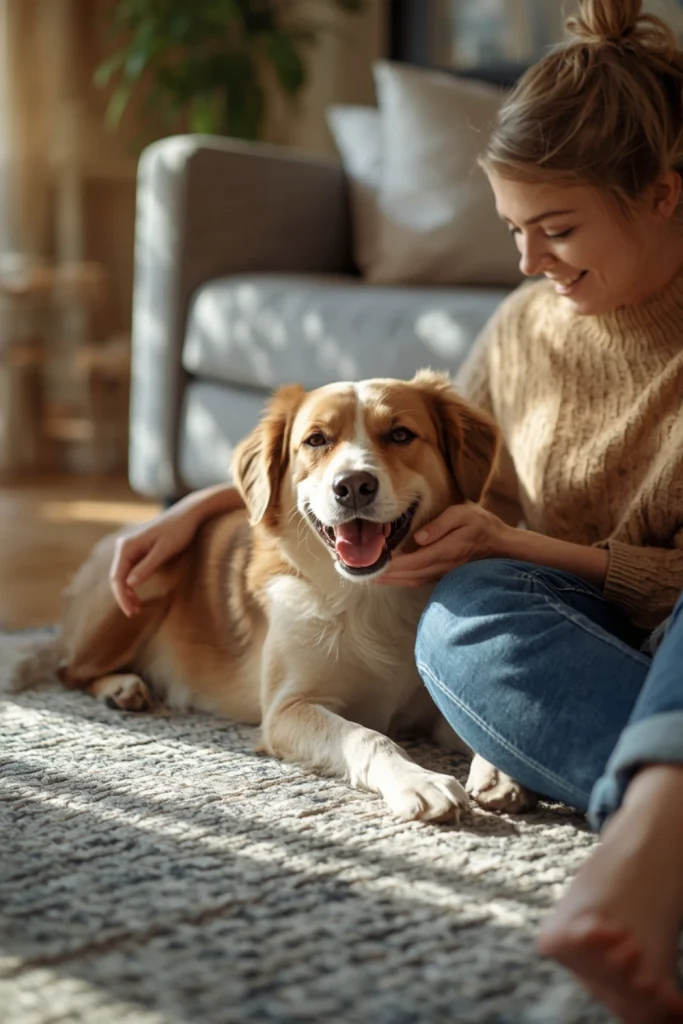
The most important thing to do when bringing a new dog home is to build a trusting relationship. Your dog may not immediately understand your routines or feel confident in unfamiliar surroundings. Offer gentle attention, predictable care, positive interactions, and enough space to settle. Spend time together through relaxed walks when appropriate, quiet companionship, simple training, and games your dog enjoys.
Remember that every dog adjusts at a different pace. Some become comfortable within days, while others need weeks or longer, especially after a difficult previous experience. Avoid comparing your dog with another pet or expecting instant affection. Celebrate small improvements, respect signs of discomfort, and seek professional help when challenges persist. With consistent care and patience, you can help your dog feel secure and create the foundation for a rewarding lifelong relationship.
Final Thoughts
Bringing a new dog home is the beginning of an important relationship. Preparing your house, providing the right supplies, arranging veterinary care, establishing routines, and introducing people and pets carefully can make the transition smoother. Most importantly, give your dog time to understand the new environment and learn that your home is a safe place.
Use these 25 things to do when bringing a new dog home as a practical checklist rather than a strict set of rules. Every dog has different needs, so adapt your approach to their age, personality, health, and previous experiences. With patience, consistent care, and positive training, you can help your new companion settle in and build a strong bond with your family.