The Complete Dog Care Checklist for New Owners
Bringing a dog home is an exciting experience filled with wagging tails, playful moments, and plenty of new responsibilities. Whether you are welcoming a tiny puppy or adopting an adult dog, your new companion depends on you for food, safety, exercise, grooming, training, and affection. Having a clear plan from the beginning can make the transition easier and help you build a strong, lasting bond with your pet.
The Complete Dog Care Checklist in this guide will help you organize everything you need to care for your dog confidently. From preparing your home and choosing nutritious food to scheduling veterinary visits and building healthy daily routines, you will learn the essential steps every new dog owner should know. Use this practical guide to create a safe, comfortable, and loving environment where your dog can thrive.
1. Prepare Your Home Before Bringing Your Dog Home
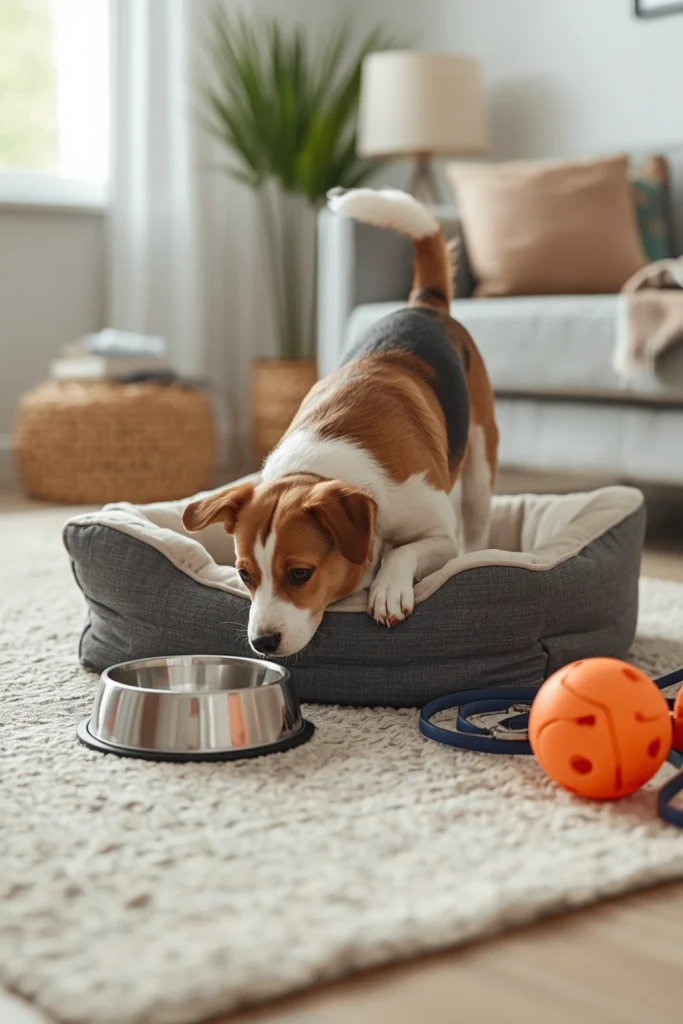
Before your dog arrives, create a comfortable space where they can relax, eat, sleep, and feel secure. Choose a suitable dog bed, food and water bowls, a leash, a properly fitted collar or harness, and a few safe toys. Keep essential supplies in an accessible place so you can follow a consistent routine from the first day. If you are bringing home a puppy, consider using a suitable playpen or baby gates to limit access to areas that have not been made safe. A quiet resting area can help your new companion adjust without feeling overwhelmed.
Walk through your home from your dog’s perspective and remove potential hazards. Secure electrical cords, household cleaners, medications, small objects, and foods that may be toxic to dogs. Keep rubbish bins covered, store shoes where they cannot be chewed, and check fences and gates if you have a yard. Introduce your dog to one area at a time instead of allowing unrestricted access immediately. A prepared environment reduces preventable accidents and gives your pet a safer, calmer start.
2. Choose the Right Food and Establish a Feeding Routine
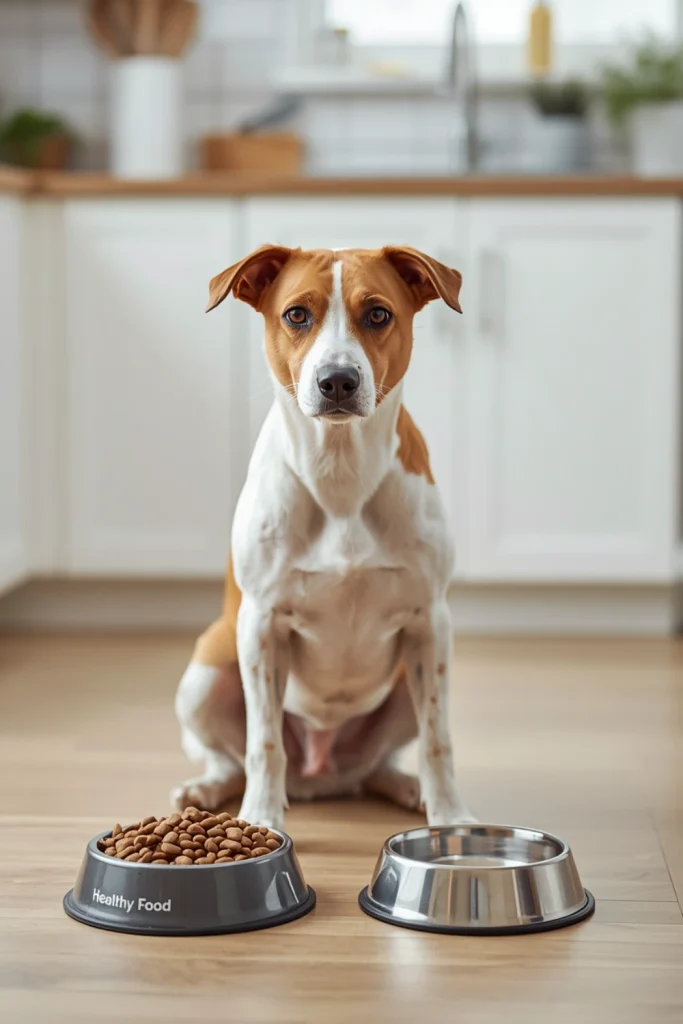
Nutrition is one of the most important parts of the Complete Dog Care Checklist. Choose a complete and balanced dog food suitable for your pet’s life stage, size, activity level, and health needs. Puppies generally require food formulated for growth, while adult dogs need nutrition designed for maintenance. Senior dogs may need a different approach depending on their condition and activity. If you adopt a dog that already eats a particular food, ask what it is and whether there are any known dietary sensitivities. Your veterinarian can help you select an appropriate diet.
Create regular meal times and measure portions rather than guessing how much food your dog needs. Follow the food label as a starting point, but remember that feeding requirements vary between individual dogs. Puppies may need several meals a day, while many adult dogs do well with a consistent schedule of two meals. Provide clean drinking water at all times, and avoid feeding toxic foods such as chocolate, grapes, raisins, onions, and products containing xylitol. When changing foods, transition gradually unless your veterinarian recommends otherwise. Monitor your dog’s appetite, stool, weight, and energy to help assess whether the routine is working.
3. Schedule a Veterinary Checkup and Plan Preventive Care
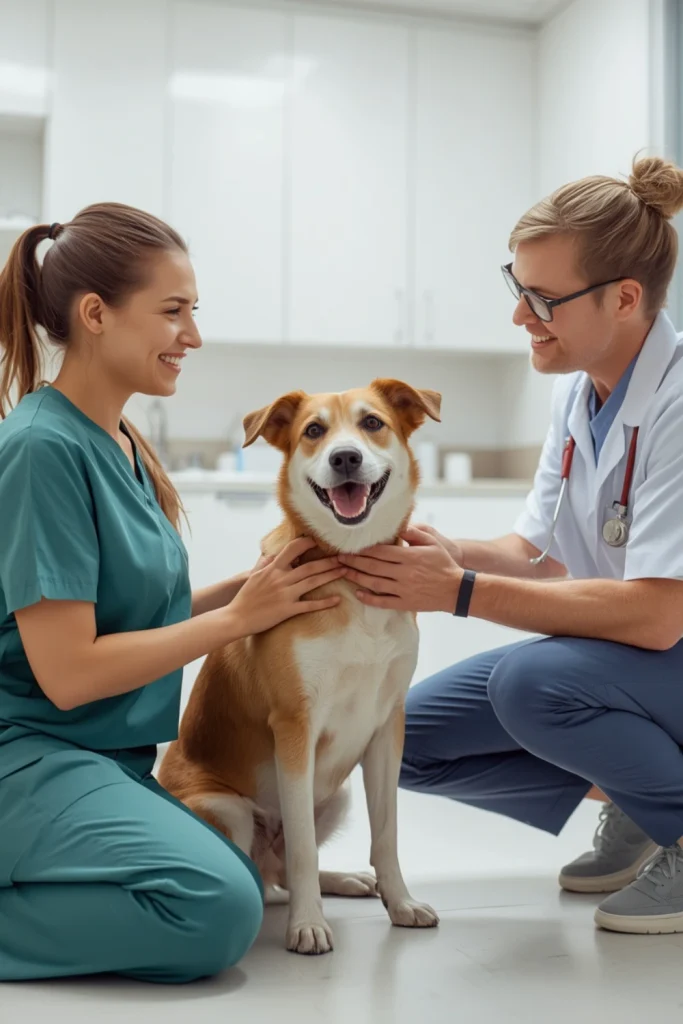
Arrange a veterinary appointment soon after bringing your dog home, particularly if you have adopted a rescue dog or do not have complete medical records. Bring any available vaccination documents, previous medical information, and details about the food your dog eats. During the visit, your veterinarian can assess your pet’s general health, weight, teeth, skin, ears, and movement. They can also discuss vaccinations, parasite prevention, microchipping, and other care appropriate to your dog’s age and lifestyle. Puppies generally need a series of early visits, while adult dogs require ongoing preventive examinations.
Keep a record of appointments, vaccinations, medications, and any symptoms you notice between visits. Ask your veterinarian when the next checkup should take place and which preventive treatments are suitable for your location. Do not wait for a scheduled appointment if your dog develops concerning symptoms. Difficulty breathing, collapse, seizures, severe bleeding, suspected poisoning, or repeated unproductive attempts to vomit require urgent veterinary attention. For persistent changes in appetite, unusual thirst, coughing, or mobility, seek professional advice promptly. Preventive healthcare cannot eliminate every illness, but it can help you identify risks and make informed decisions.
4. Create a Daily Exercise and Walking Schedule
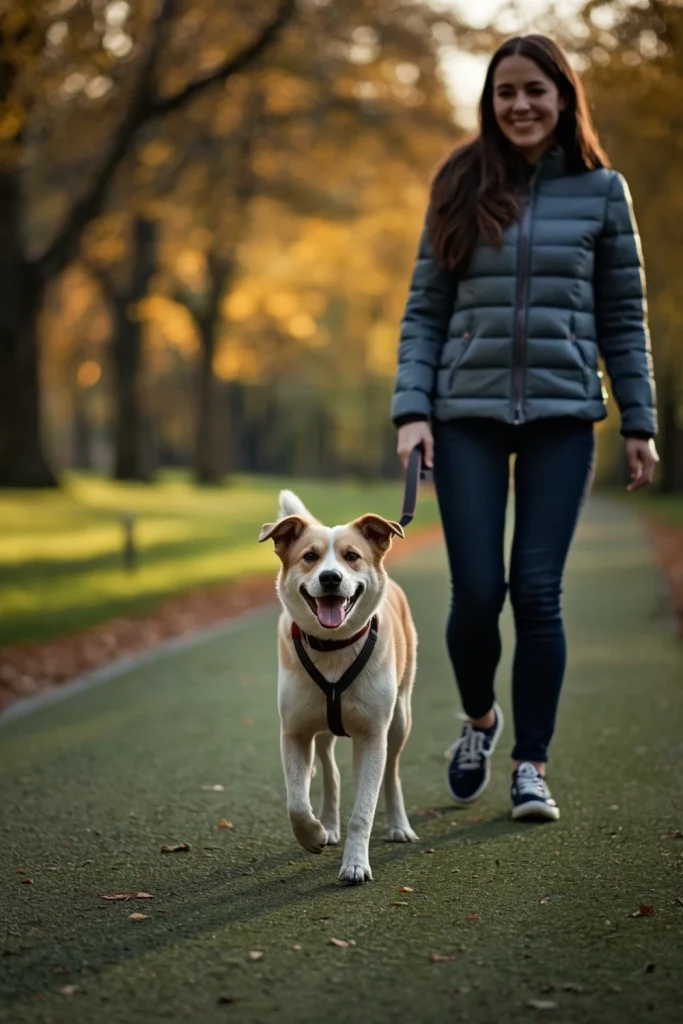
Exercise helps dogs maintain a healthy weight, strengthen muscles, explore their surroundings, and use their energy constructively. The right amount depends on your dog’s age, breed, fitness, and medical history. Some dogs enjoy long walks and active games, while others need shorter, gentler outings. Puppies should not automatically follow the same exercise routine as adult dogs, and senior dogs may benefit from several short walks instead of one demanding session. Ask your veterinarian if you are uncertain about appropriate exercise, especially if your dog has joint, breathing, or heart problems.
Build walking and playtime into your daily schedule so that activity does not become an occasional afterthought. A morning walk, a short afternoon game, and an evening outing may work well for some households. Use a secure leash and properly fitted harness or collar, and practise calm walking before visiting crowded places. During hot weather, choose cooler times of day, bring water when needed, and avoid hot pavement that may burn paw pads. Watch for excessive panting, limping, weakness, or reluctance to continue. Exercise should support your dog’s well-being, not push them beyond their limits.
5. Establish a Puppy Potty Training or Bathroom Routine
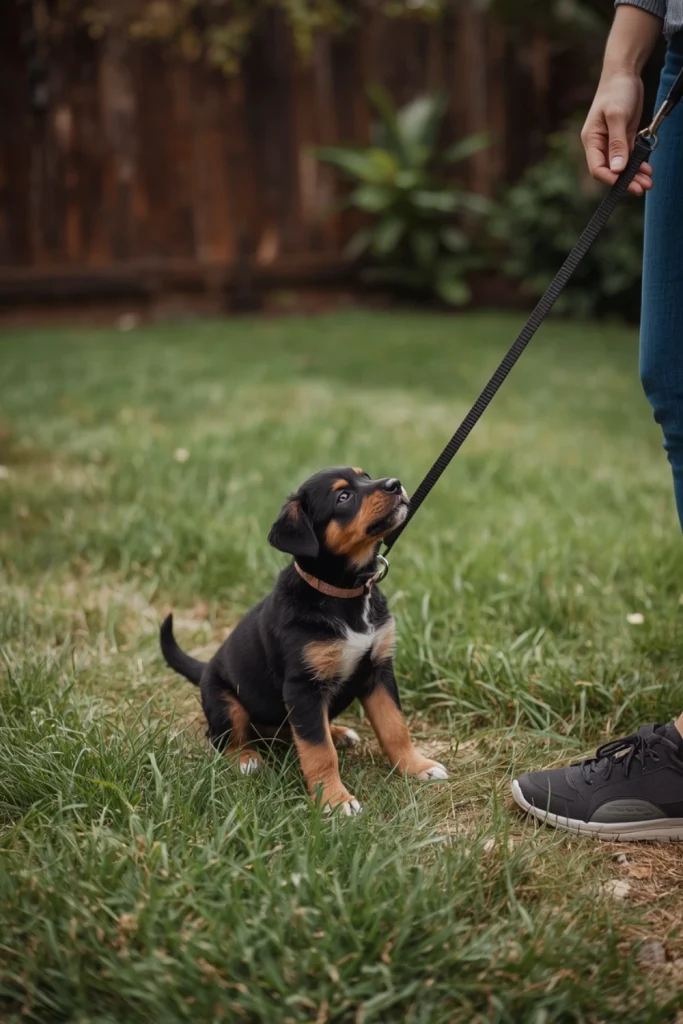
Bathroom training is one of the first practical responsibilities for new dog owners. Puppies usually need frequent opportunities to go outside, including after waking up, eating, drinking, playing, and before bedtime. Adult dogs may already have bathroom habits, but they can still need time to adjust to a new home. Choose a consistent outdoor bathroom location and take your dog there regularly. When your pet goes in the correct place, offer calm praise and an immediate reward so the desired behavior becomes easier to understand.
Accidents can happen while your dog learns the routine. Clean indoor accidents thoroughly with a pet-safe enzymatic cleaner to help remove lingering odors. Avoid shouting or punishing your dog after an accident, because it may create fear without teaching the correct behavior. Instead, supervise your pet closely, watch for sniffing or circling, and provide more frequent bathroom breaks when necessary. Keep a simple record of bathroom times if you are struggling to identify a pattern. If an otherwise house-trained dog suddenly begins urinating frequently or having accidents, contact a veterinarian to rule out a medical cause.
6. Maintain Coat Grooming, Bathing, and Nail Care
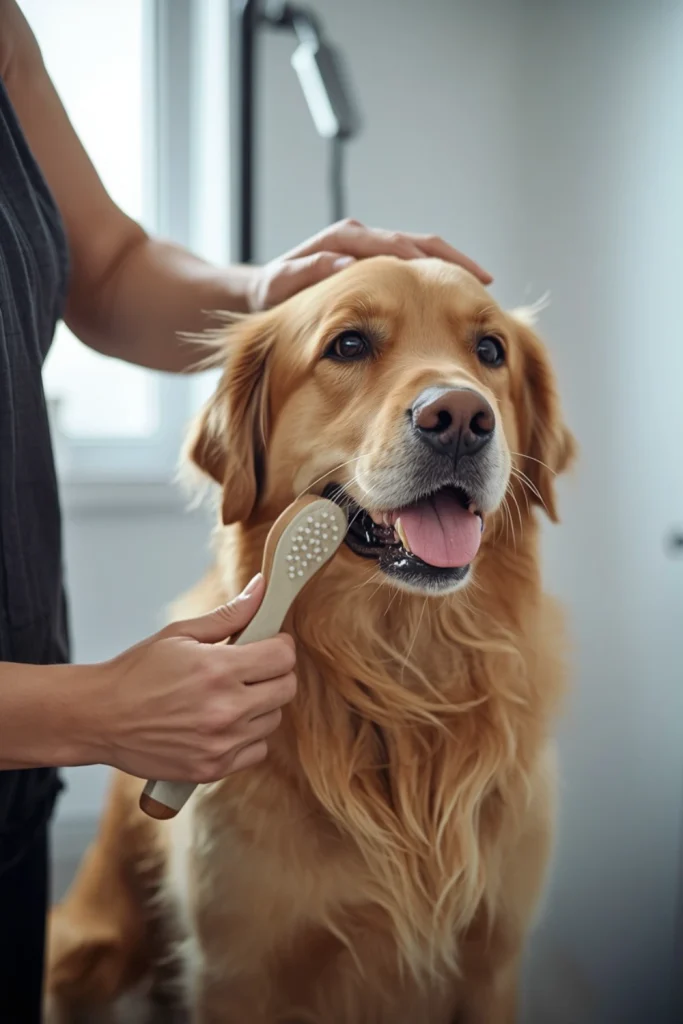
Grooming keeps your dog comfortable and gives you a chance to check for changes in the coat and skin. Brush your pet according to their coat type: long-haired and curly-coated dogs may need frequent brushing, while short-haired dogs may need less intensive care. Use a suitable brush and work gently through the fur, paying attention to areas where mats can develop. Bathing frequency depends on your dog’s coat, activity, and skin condition. When a bath is needed, use a dog-specific shampoo and rinse thoroughly to prevent residue from irritating the skin.
Nail care is equally important because overgrown nails can affect comfort and movement. Check your dog’s nails regularly and trim them carefully with suitable pet nail clippers, or ask a groomer or veterinarian to demonstrate the process. Avoid cutting too close to the quick, which contains blood vessels and nerves. If your dog becomes frightened during grooming, introduce handling gradually and reward calm behavior. Check the ears and paws during grooming sessions, but avoid inserting objects deep into the ears. Persistent itching, severe matting, unusual hair loss, or irritated skin should be discussed with a veterinarian.
7. Make Dental Hygiene Part of Your Dog’s Care Checklist
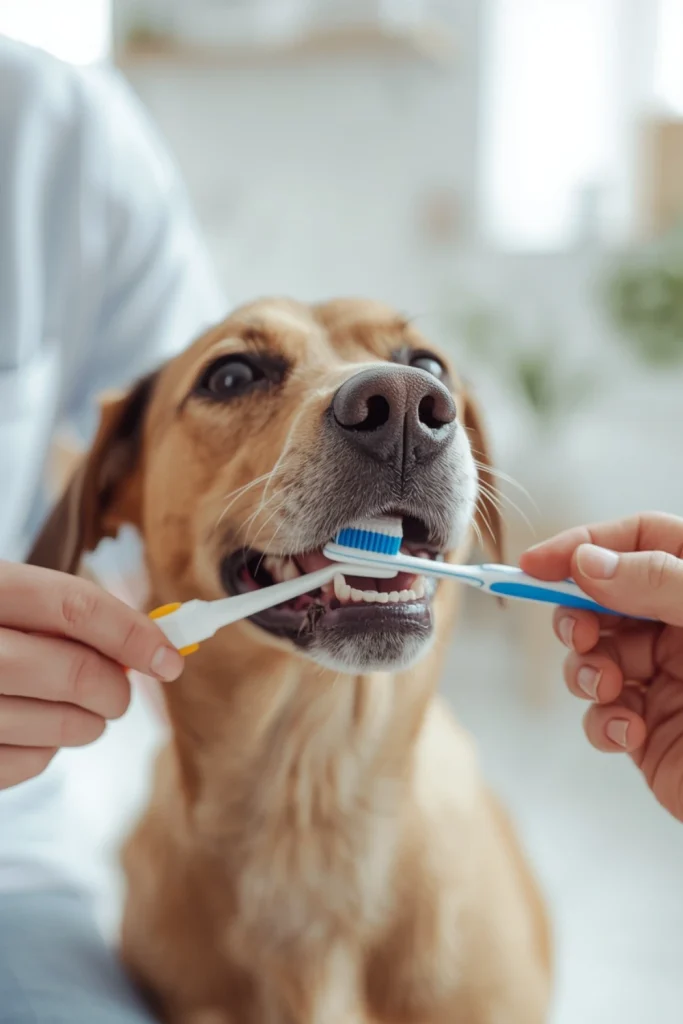
Dental care is often overlooked by new owners, but it is essential for maintaining oral health. Plaque can build up on teeth and contribute to bad breath, gum inflammation, and periodontal disease. Untreated dental problems may cause discomfort and make chewing difficult. Introduce a dog-specific toothbrush and canine toothpaste as early as your pet comfortably allows. Human toothpaste should not be used because it is not designed to be swallowed by dogs and may contain unsafe ingredients. Regular brushing, ideally daily when possible, can help control plaque.
If your dog is new to tooth brushing, start slowly. Allow them to sniff the brush and toothpaste, then gently touch the outside of the muzzle. Gradually introduce brushing to a few teeth before extending the session. Reward calm cooperation and stop if your dog becomes distressed. Dental chews and oral care products may provide additional support, but they do not necessarily replace brushing or professional examinations. Check your dog’s mouth when it is safe and comfortable to do so, and contact your veterinarian if you notice bleeding gums, loose teeth, facial swelling, difficulty chewing, or persistent bad breath.
8. Prepare a Comfortable Sleeping and Resting Area
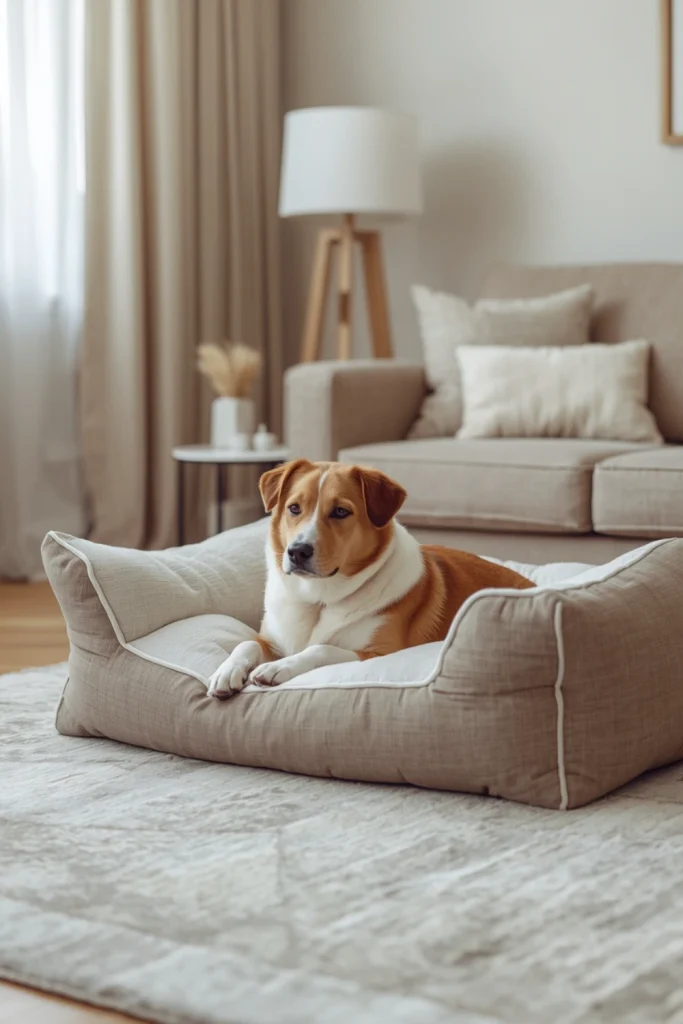
Every dog needs a comfortable place to sleep and relax without constant disturbance. Choose a bed that fits your dog’s size and allows them to stretch out and change positions easily. Place it in a quiet area away from busy walkways, loud appliances, and temperature extremes. Some dogs feel secure resting near their family, while others prefer a quieter corner. Puppies may benefit from a safe, appropriately sized sleeping area, while senior dogs may need an easily accessible bed with additional support. Keep the area clean and wash bedding regularly.
Establish a predictable bedtime routine that includes a final bathroom break, a calm period, and access to the usual sleeping space. Avoid encouraging highly energetic games immediately before bed if they make it harder for your dog to settle. Teach children to leave a resting dog alone, since a startled or uncomfortable pet may react defensively. Ensure your dog can access water as appropriate and is not left in an area that becomes too hot or cold. If your dog suddenly struggles to sleep, frequently changes position, or appears uncomfortable when lying down, consult your veterinarian to investigate possible causes.
9. Start Basic Training and Socialization Early
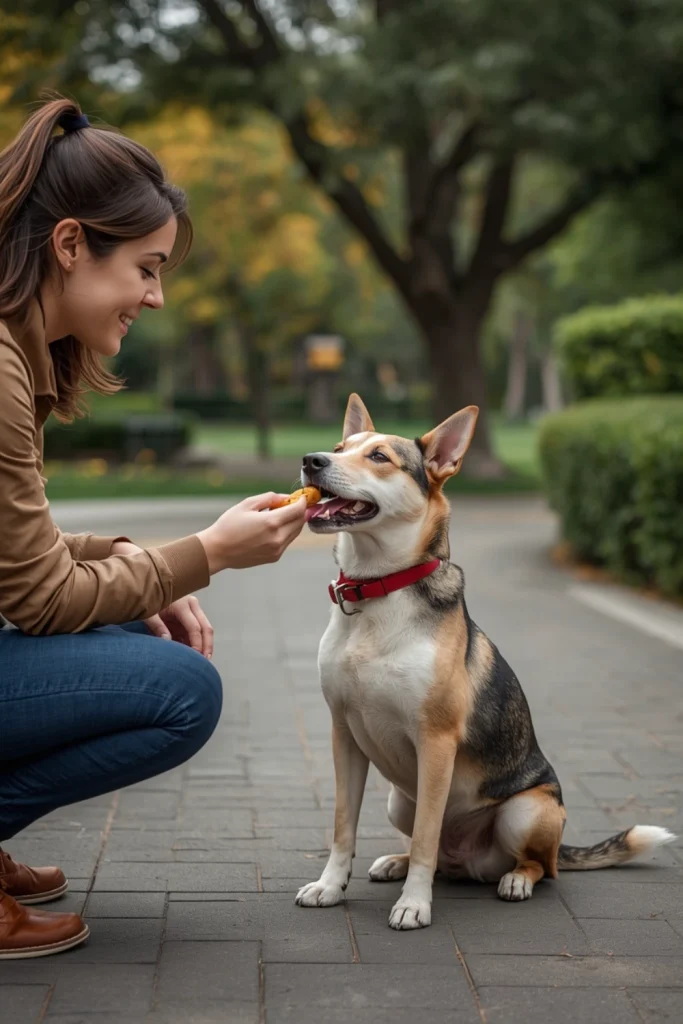
Training helps your dog learn household rules, communicate with you, and respond more safely to everyday situations. Start with simple cues such as their name, sit, stay, come, and loose-leash walking. Use short sessions, clear signals, and rewards that your dog enjoys. Practise in a quiet environment first, then gradually introduce distractions as your pet becomes more confident. Consistency is important, so make sure family members use the same cues and expectations. Rewarding desirable behavior helps your dog understand what works without relying on fear or intimidation.
Socialization means helping your dog become comfortable with different people, environments, sounds, surfaces, and experiences in a safe, positive way. It does not mean forcing your dog to greet every person or animal. Allow your pet to observe new situations from a comfortable distance, and provide praise or treats for relaxed behavior. For puppies, ask your veterinarian about safe socialization opportunities based on their vaccination status and local disease risks. Never punish a frightened dog for showing discomfort. If your dog displays persistent fear, severe reactivity, or aggression, seek help from a qualified reward-based trainer or veterinary behavior professional.
10. Provide Mental Stimulation and Safe Toys
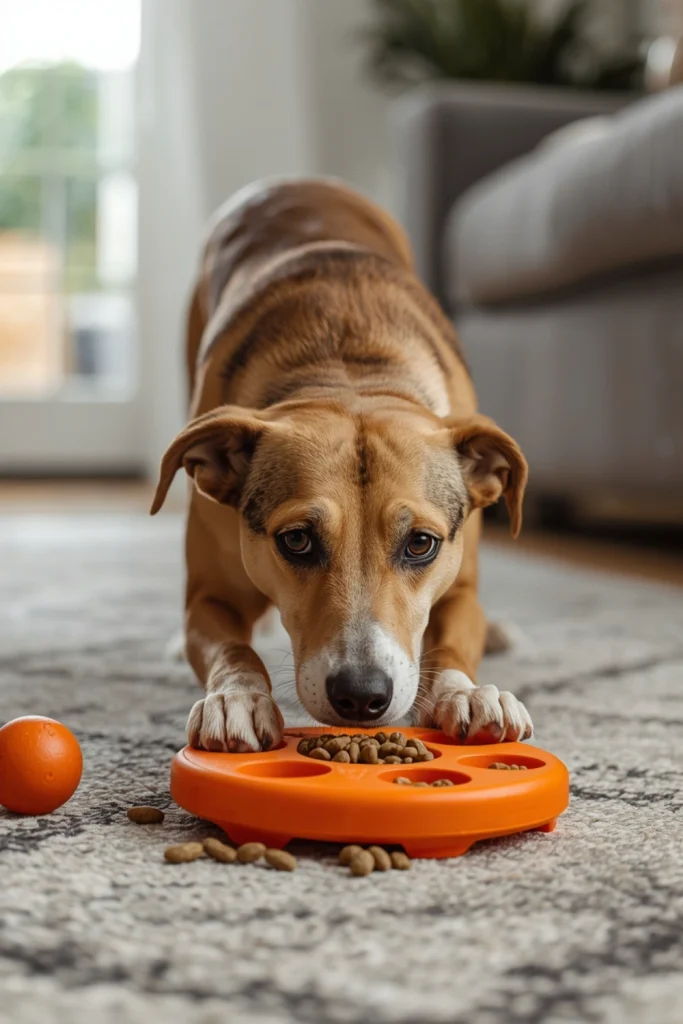
Dogs need mental activity in addition to walks and physical play. Food puzzles, sniffing games, short training exercises, and hide-and-seek activities provide opportunities to explore and solve simple problems. These activities can be especially useful for dogs that spend a lot of time indoors or become restless when they have little to do. Choose toys appropriate for your dog’s size, chewing habits, and play style. Supervise your dog with unfamiliar toys, and remove any items that break into small pieces or could create a choking hazard.
You can provide enrichment without purchasing expensive equipment. Hide a few pieces of your dog’s regular food in easy-to-find locations, practise a new command, or allow extra time for sniffing during a walk. Rotate suitable toys to keep activities interesting, and give your dog breaks if they become frustrated or tired. Avoid games that encourage dangerous chasing near roads or rough play that risks injury. If your dog frequently chews furniture, digs excessively, or seems unusually restless, consider whether their daily routine provides enough appropriate exercise, attention, and mental stimulation. When destructive behavior is sudden or severe, consider veterinary advice as well.
11. Keep Identification and Safety Equipment Updated
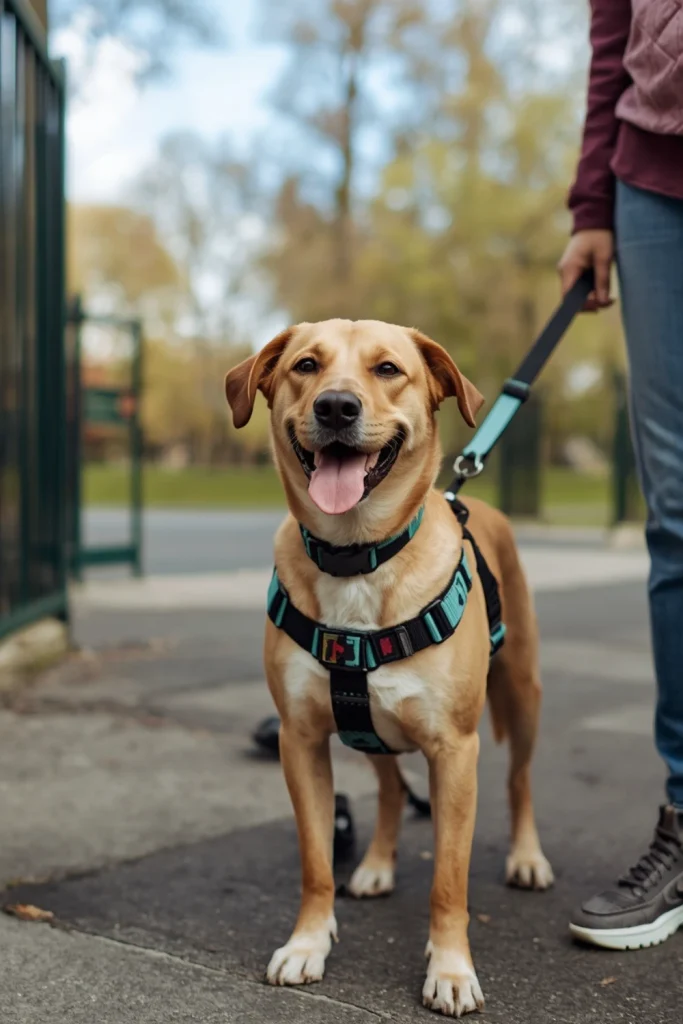
Identification is an important safety measure for every dog, including pets that usually stay indoors or in a fenced yard. Make sure your dog wears a comfortable collar with an identification tag displaying current contact details. Ask your veterinarian about microchipping and ensure the registration information remains accurate if your phone number or address changes. A microchip does not replace a collar tag, but it can provide another way to identify your pet if they become lost. Check collars and harnesses regularly to ensure they fit correctly and are not damaged.
Review your home’s safety arrangements as your dog grows and explores. Check gates, fences, doors, and windows, and make sure your dog cannot easily escape. Use a leash in public areas where required or when traffic, unfamiliar animals, or other hazards make off-leash activity unsafe. Keep cleaning products, medications, toxic foods, and small swallowable objects out of reach. Never leave a dog unattended in a vehicle where temperature can become dangerous. If your dog escapes, having recent photographs, accurate identification details, and a list of local veterinary clinics or shelters can make it easier to organize a prompt search.
12. Build a Bond Through Daily Attention and Observation
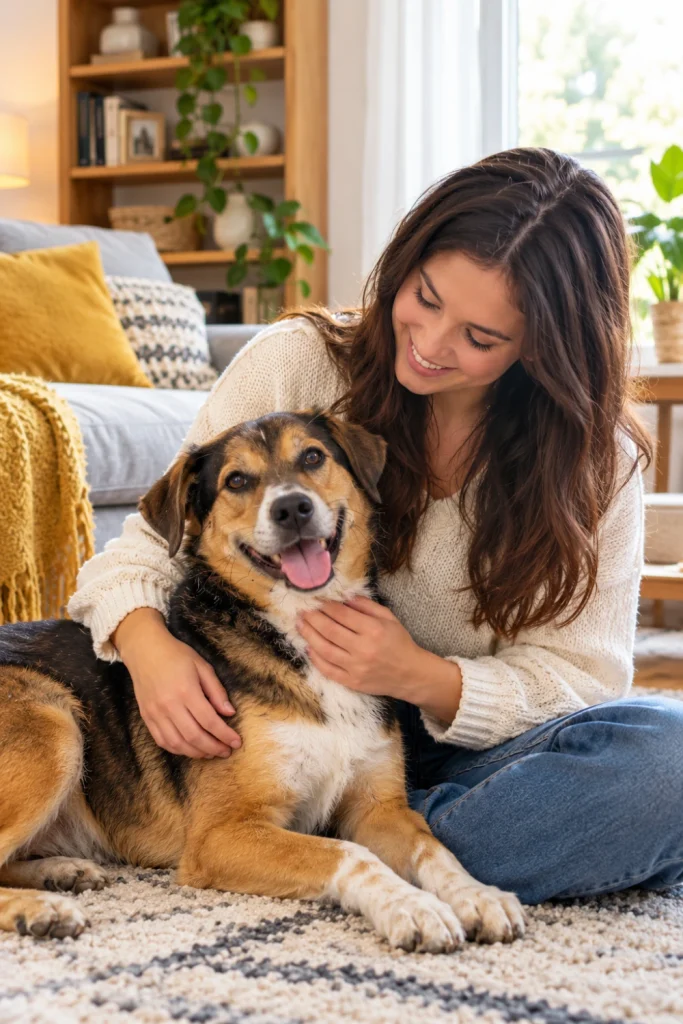
A healthy relationship with your dog develops through patience, trust, and consistent positive experiences. Spend time together through play, gentle training, walks, or simply relaxing in the same room. Learn how your dog prefers to receive affection. Some dogs enjoy cuddling, while others feel more comfortable sitting nearby or engaging in an activity. Respect their signals and give them space when needed. Allowing your dog to approach at their own pace is particularly important for newly adopted pets that may need time to feel secure in an unfamiliar home.
Daily observation also helps you notice changes in your dog’s usual behavior. Pay attention to appetite, drinking, energy, mobility, sleep, bathroom habits, and interest in familiar activities. A dog that suddenly hides, becomes irritable, avoids touch, or loses interest in play may be frightened, uncomfortable, or unwell. Avoid automatically treating these changes as disobedience. Consider what has changed in the environment and seek veterinary advice if symptoms persist or appear suddenly. Building a strong bond means learning to recognize your dog’s needs and responding with calm, consistent care.
Conclusion
Bringing home a dog is the beginning of a rewarding relationship, but it also comes with daily responsibilities. Preparing your home, choosing appropriate food, arranging veterinary care, creating an exercise schedule, maintaining hygiene, and practising positive training can help your new companion settle in safely. Regular observation and meaningful companionship are equally important because they help you understand your dog’s individual needs.
Use this Complete Dog Care Checklist as a practical guide rather than a list of rules you must master overnight. Begin with the essentials, establish a realistic routine, and gradually work through the remaining tasks. Every dog is different, so adapt your care plan as your pet grows and changes. With consistency, patience, and responsible veterinary support, you can give your dog a safer, happier, and healthier life.