
12 Gentle Grooming Tips for Senior Dogs
Senior dogs deserve extra love, patience, and attention, especially when it comes to grooming. As dogs grow older, their bodies change, their skin may become more sensitive, and everyday grooming activities can become uncomfortable. Simple tasks such as brushing, bathing, nail trimming, and cleaning their ears may require a gentler approach than before.
The good news is that grooming your senior dog does not have to be stressful. With the right techniques, suitable grooming tools, and a little patience, you can keep your older companion clean, healthy, and comfortable. These 12 Gentle Grooming Tips for Senior Dogs will help you create a safe and relaxing grooming routine that supports your dog’s changing needs.
1. Brush Your Senior Dog Gently and Regularly

Brushing is one of the most important grooming activities for older dogs. As dogs age, their skin may become thinner, drier, or more sensitive. Using too much pressure or a brush with harsh bristles can cause discomfort and irritation. Choose a soft-bristle brush, gentle grooming mitt, or suitable comb that works well with your dog’s coat type. Begin brushing slowly, using light strokes and paying attention to how your dog responds. Regular gentle brushing helps remove loose hair, dirt, and small tangles while keeping the coat looking clean and healthy.
Try to make brushing a short and enjoyable experience instead of a long grooming session. For dogs with short coats, a few minutes of brushing several times a week may be enough. Long-haired senior dogs may need more frequent attention to prevent mats and tangles. Always brush in the direction of hair growth and avoid pulling knots. If you discover a tight mat close to the skin, do not forcefully pull it apart. A professional groomer can safely remove difficult tangles without hurting your older companion.
2. Use Gentle, Dog-Friendly Shampoo
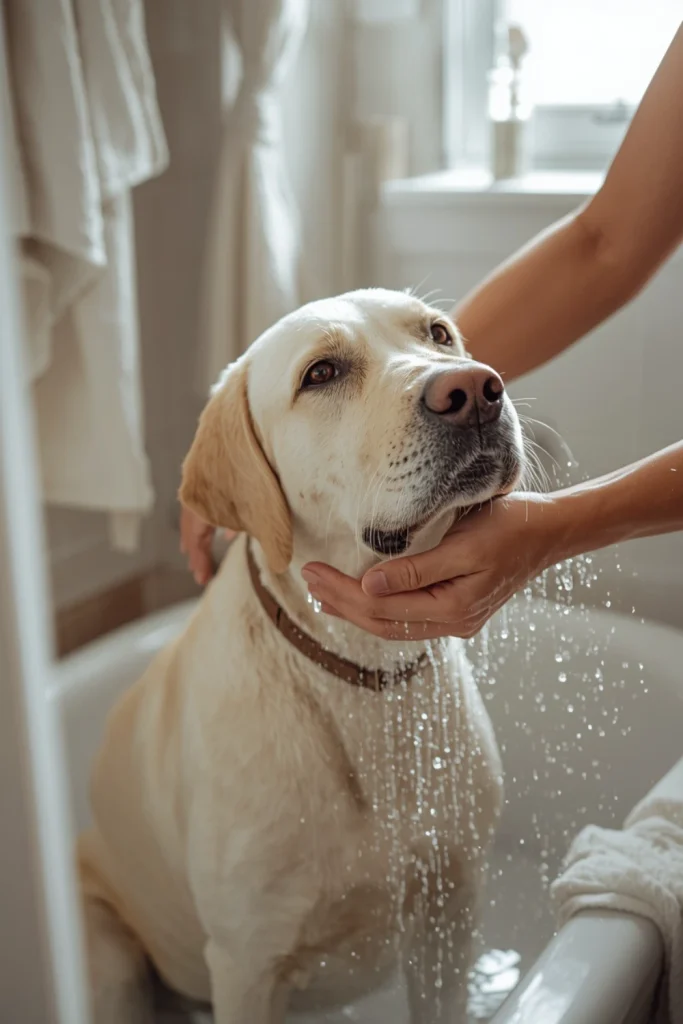
Choosing the right shampoo is especially important when grooming senior dogs. Older dogs may develop dry skin, sensitivity, or other skin-related problems that make ordinary shampoos uncomfortable. Select a mild, dog-specific shampoo designed for sensitive skin. Avoid human shampoos, strongly scented products, and harsh cleaning ingredients that may remove natural oils from your dog’s coat. If your senior dog has allergies, persistent itching, or an existing skin condition, ask your veterinarian which shampoo is appropriate before trying a new product.
Before bathing, gently wet your dog’s coat with lukewarm water. Apply a small amount of shampoo and massage it into the fur without rubbing aggressively. Be careful around the eyes, ears, nose, and mouth. Rinse thoroughly because leftover shampoo can irritate sensitive skin. After bathing, gently pat your dog dry with a soft towel. Avoid bathing too frequently, as excessive washing can make dry skin worse. Your dog’s coat type, lifestyle, and skin condition should determine how often a bath is necessary.
3. Keep Grooming Sessions Short and Comfortable
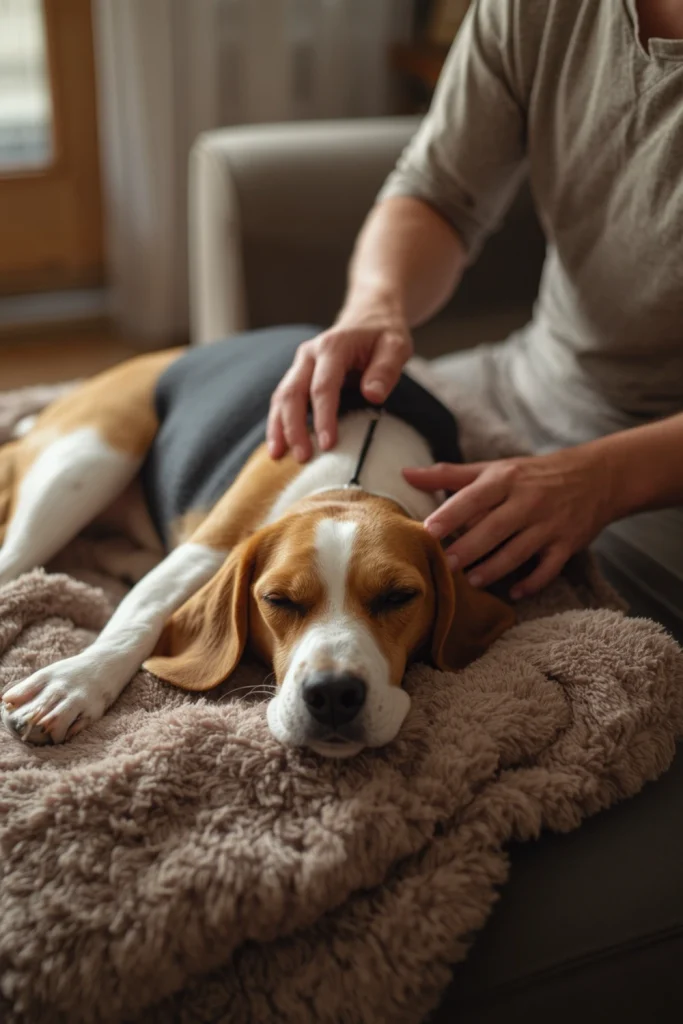
Senior dogs may not have the same energy or stamina they had when they were younger. Standing for long periods, remaining in one position, or tolerating several grooming activities at once can become tiring. Instead of completing the entire grooming routine in one session, divide it into smaller activities. For example, brush your dog’s coat in the morning, clean its face later, and check its paws the following day. Short sessions help reduce physical stress and allow your dog to enjoy grooming without becoming exhausted.
Pay attention to your dog’s body language throughout the process. If your dog starts panting excessively, trembling, repeatedly changing positions, or trying to move away, take a break. Some older dogs may also become restless because of joint pain or difficulty maintaining balance. Give your companion enough time to relax between activities. A comfortable grooming routine should always prioritize your dog’s physical needs rather than completing every task according to a fixed schedule.
4. Choose a Comfortable and Non-Slip Grooming Surface
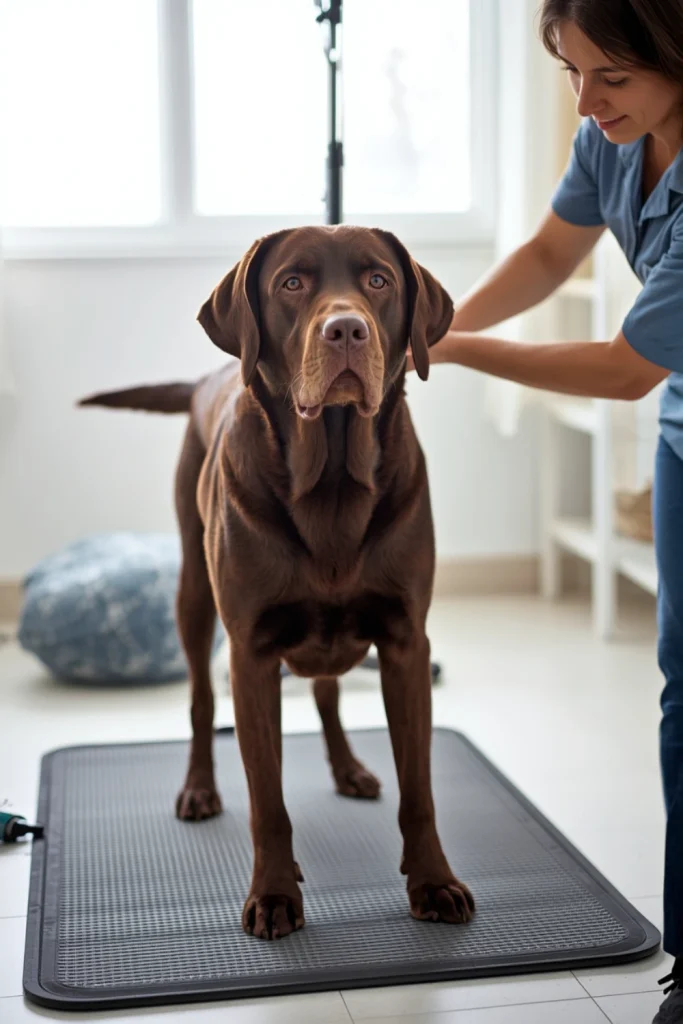
A safe grooming surface can make a big difference for senior dogs, especially those experiencing arthritis, weakness, or balance problems. Slippery bathroom floors, smooth tiles, and raised grooming tables may increase the risk of falls. Instead, choose a flat, stable surface with a non-slip mat or thick rubber-backed blanket. This helps your dog maintain balance while standing, sitting, or lying down during grooming. Make sure the grooming area has enough space for your dog to change positions comfortably.
For dogs with mobility difficulties, grooming on the floor is often safer than placing them on a raised table. You can also use a supportive cushion or orthopedic dog bed to make resting more comfortable. Avoid forcing your dog to stand if lying down is easier. Keep grooming supplies within reach so you do not need to leave your dog unattended. A calm and secure grooming environment can reduce anxiety and make routine care much easier for older pets.
5. Trim Your Senior Dog’s Nails Carefully

Nail care is essential for senior dogs because overgrown nails can affect walking, posture, and comfort. Older dogs may naturally become less active, which means their nails might not wear down as quickly as they did when they were younger. Long nails can press against the ground, change the position of the toes, and make walking uncomfortable. Check your dog’s nails regularly and look for signs such as clicking sounds on hard floors, nails touching the ground while standing, or difficulty walking comfortably.
Use dog-specific nail clippers or a suitable nail grinder designed for pets. Trim only small amounts at a time to avoid cutting into the quick, which contains blood vessels and nerves. Dark nails require extra care because the quick is harder to see. If your dog has thick nails, sensitive paws, or difficulty remaining still, consider asking a professional groomer or veterinarian for assistance. Never force your senior dog through a painful nail-trimming session. Gentle handling and frequent breaks are much safer.
6. Clean Your Senior Dog’s Ears Gently
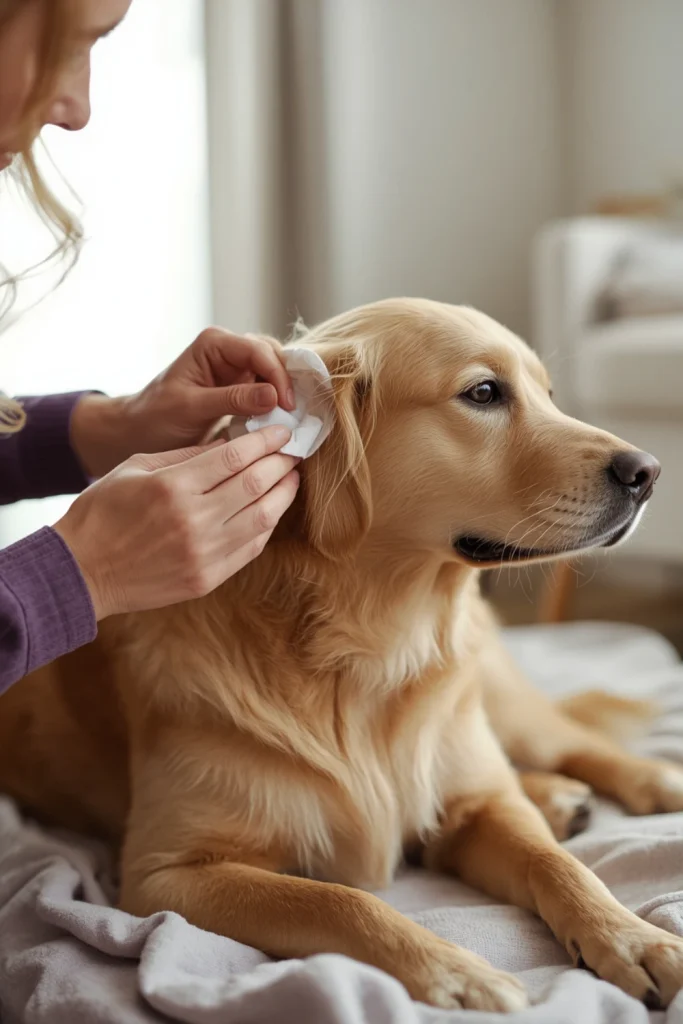
Ear cleaning is another important part of a senior dog’s grooming routine. Older dogs may become more vulnerable to ear irritation and infections, particularly if they have floppy ears, allergies, or a history of ear problems. Check your dog’s ears regularly for redness, unusual discharge, swelling, unpleasant smells, or excessive wax. Healthy ears generally should not have a strong unpleasant odor. Regular visual checks help you notice potential problems before they become more serious.
Use a veterinarian-approved dog ear-cleaning solution and a soft cotton pad to clean only the visible outer ear. Never insert cotton swabs, fingers, or other objects deep into the ear canal. Avoid cleaning ears that look painful, swollen, or infected without veterinary guidance. If your dog repeatedly scratches its ears, shakes its head, or shows signs of discomfort, contact your veterinarian. Gentle ear care should keep the ears clean without damaging delicate tissues or causing unnecessary irritation.
7. Pay Extra Attention to Your Senior Dog’s Paws

Senior dogs’ paws deserve regular attention because they can become dry, cracked, or irritated with age. Walking on rough surfaces, hot pavement, cold ground, and dirty outdoor areas may cause discomfort. Check between your dog’s toes and around the paw pads for dirt, small stones, redness, swelling, or cuts. Long hair between the paw pads can also collect debris and make walking less comfortable. Keeping the paws clean helps prevent irritation and allows you to notice small problems early.
After outdoor walks, gently wipe your dog’s paws with a soft, damp cloth or pet-safe cleaning wipes. Dry the spaces between the toes carefully to prevent moisture from collecting. If the paw pads appear dry, ask your veterinarian about a suitable dog-safe paw balm. Avoid using human skincare products without veterinary advice. If you notice bleeding, persistent licking, swelling, or painful cracks, seek professional help. Regular paw inspections are especially useful for older dogs that spend more time resting indoors.
8. Keep Your Senior Dog’s Face Clean
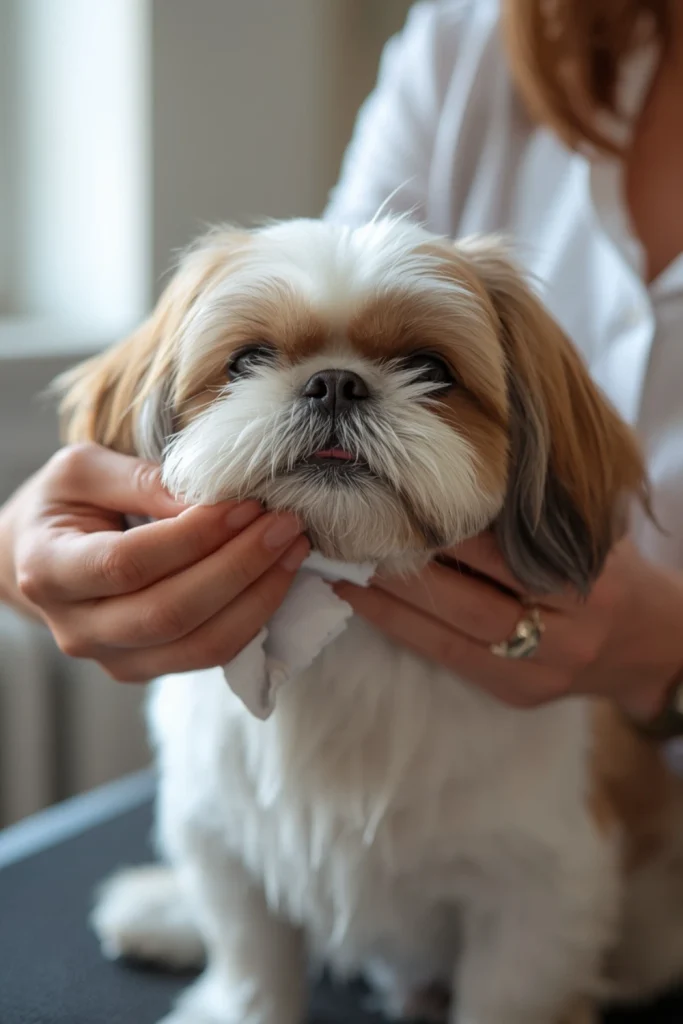
Face cleaning is an important grooming task, particularly for senior dogs with long facial hair, wrinkles, or tear staining. Food particles, dust, saliva, and eye discharge can collect around the mouth and eyes. If these areas are not cleaned regularly, they may become uncomfortable or irritated. Use a clean, soft, slightly damp cloth to gently wipe the face. Pay special attention to the areas around the mouth, chin, and visible eye corners without rubbing directly against the eyes.
Dogs with flat faces or facial folds may need additional attention because moisture and debris can collect inside skin creases. Gently clean these areas using veterinarian-approved products when necessary, then dry them carefully. Never use household cleaning products, strongly scented wipes, or products containing ingredients that could irritate your dog’s eyes or skin. If you notice excessive eye discharge, redness, swelling, or an unusual smell around facial folds, consult your veterinarian rather than relying on grooming alone.
9. Check Your Senior Dog’s Skin for Unusual Changes
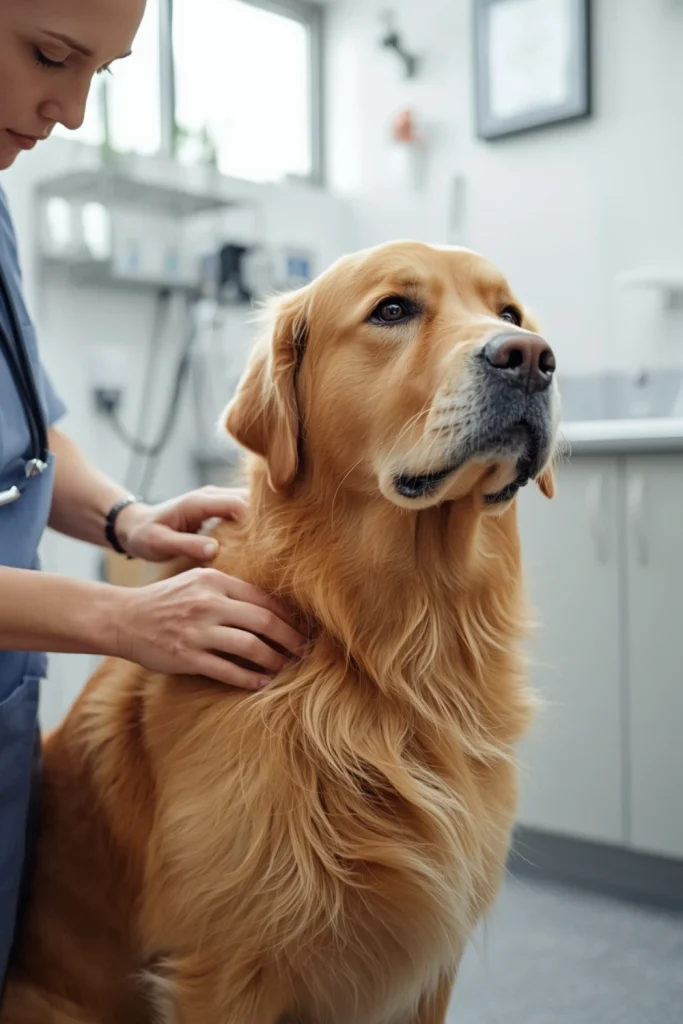
Regular grooming provides an excellent opportunity to examine your senior dog’s skin. As dogs age, they may develop dry patches, small lumps, skin tags, changes in pigmentation, or other skin abnormalities. While some changes are harmless, others may require veterinary attention. During brushing, gently move the fur aside and look for redness, swelling, scabs, unusual bumps, hair loss, or areas that seem painful when touched. Checking your dog’s body regularly helps you become familiar with what is normal for your companion.
Pay particular attention to the belly, legs, neck, ears, and areas where skin folds naturally occur. If you discover a new lump, take note of its location and size and arrange a veterinary examination. Do not assume that a growth is harmless simply because your dog is old. Avoid scratching dry patches or attempting to remove skin growths at home. Grooming is a useful way to monitor your dog’s condition, but it cannot replace regular veterinary checkups and professional medical examinations.
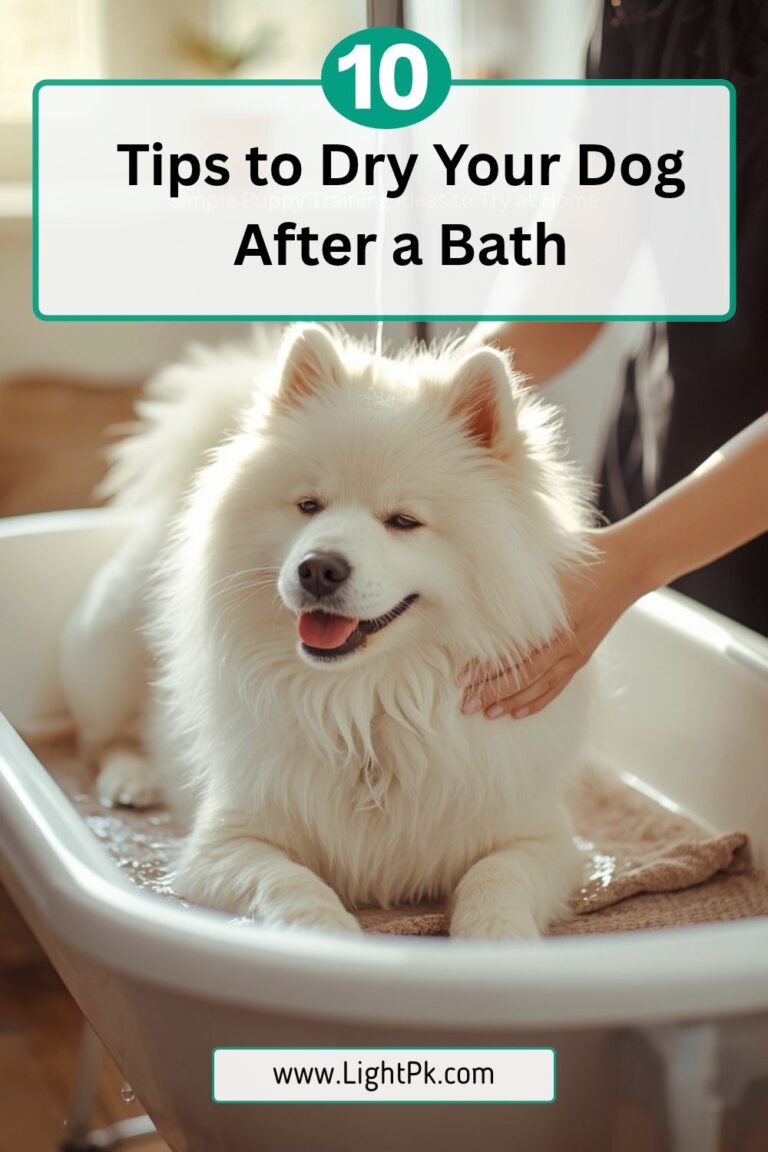
10. Dry Your Senior Dog Thoroughly After Bathing

Drying is an important part of grooming that should never be rushed, especially for senior dogs. Older pets may become uncomfortable when their coats remain wet for too long. Moisture trapped close to the skin can contribute to irritation, particularly in dogs with thick coats, skin folds, or sensitive skin. After bathing, use a soft, absorbent towel to gently remove excess water. Avoid rubbing vigorously because older dogs may have sensitive skin and stiff joints that make rough handling uncomfortable.
If your dog tolerates a pet-safe hair dryer, choose a low heat or cool setting and keep the dryer at a comfortable distance. Avoid directing hot air toward the face, ears, or sensitive areas. Always monitor your dog’s reaction and stop if it appears frightened or uncomfortable. Make sure the coat is adequately dry, especially around the belly, paws, armpits, and skin folds. Provide a warm, draft-free resting area afterward so your senior companion can relax comfortably.
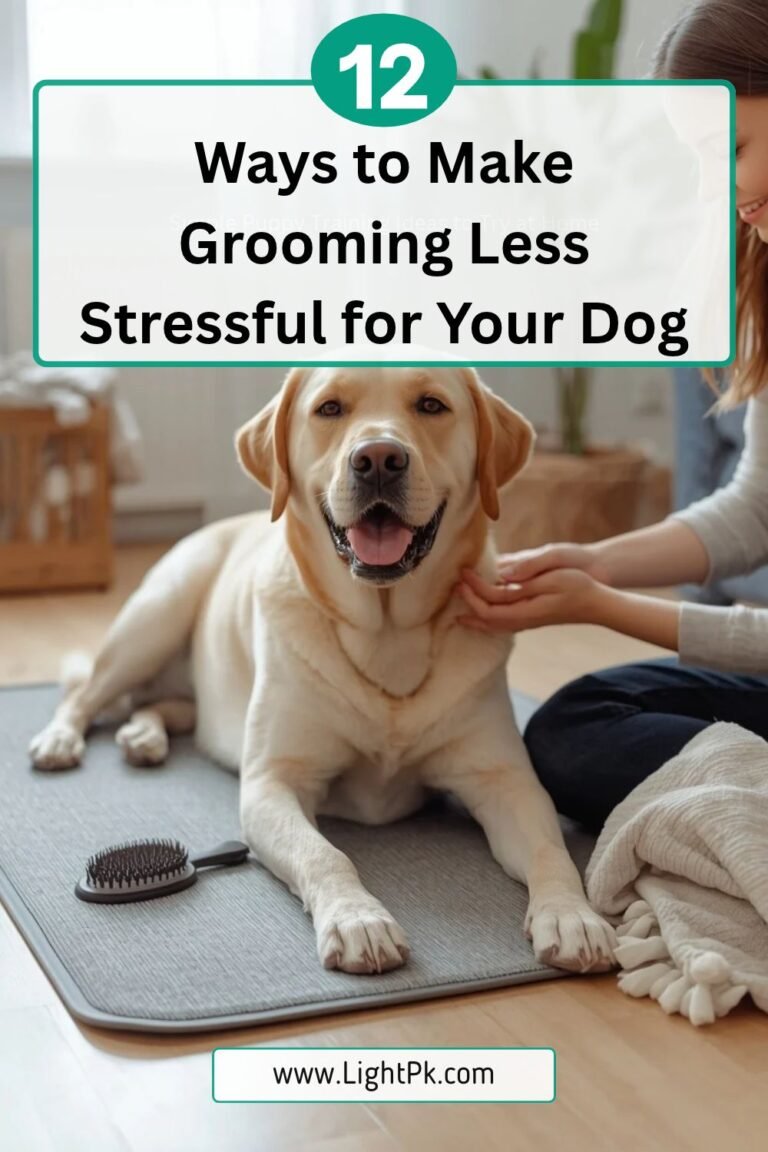
11. Make Grooming a Positive and Stress-Free Experience
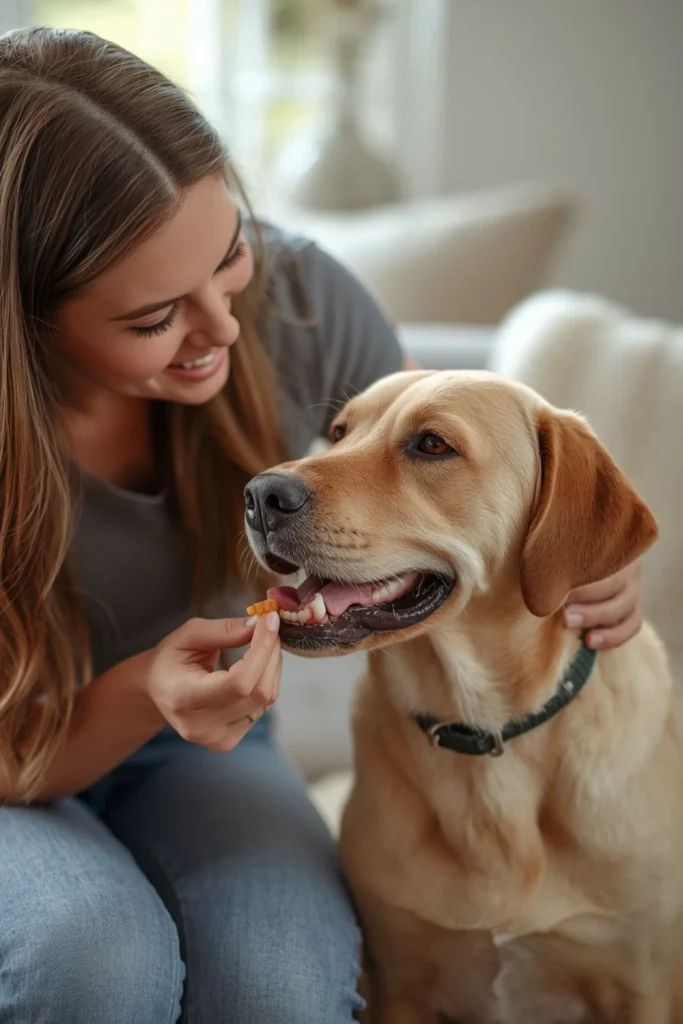
Senior dogs may become more sensitive to unfamiliar sounds, sudden movements, and changes in their environment. Grooming equipment, running water, nail clippers, and hair dryers may cause anxiety, particularly in dogs experiencing hearing or vision changes. To make grooming easier, choose a quiet room where your dog feels safe. Introduce grooming tools slowly and allow your companion to smell them before use. Speak calmly, move gently, and avoid sudden handling that could surprise or frighten your older pet.
Positive reinforcement can also help your dog develop a comfortable relationship with grooming. Offer small dog-safe treats, praise, and affection during and after each activity. If your dog becomes nervous, stop and give it time to relax. Never punish or force an older dog for resisting grooming because discomfort may be the reason behind its behavior. If grooming anxiety becomes severe, discuss suitable strategies with your veterinarian or a qualified force-free professional trainer.
12. Consider Professional Grooming for Special Needs

Some senior dogs need extra grooming assistance because of mobility problems, thick coats, severe tangles, or health conditions. Professional groomers who have experience handling older dogs can provide valuable support. They may offer shorter grooming appointments, gentle handling techniques, low-stress bathing, and suitable grooming tools. Before booking an appointment, explain your dog’s age, mobility limitations, skin sensitivity, and any areas that cause discomfort. Choose a groomer who understands that senior dogs need patience and special attention.
For dogs with arthritis, heart conditions, breathing difficulties, or other medical concerns, discuss grooming arrangements with your veterinarian first. Some pets may benefit from grooming at home, while others may need professional assistance. You can also ask whether the groomer offers one-on-one appointments or senior-friendly grooming services. Never hesitate to stop a grooming appointment if your dog appears distressed. The main goal is to keep your companion comfortable, safe, and well cared for.
Final Thoughts
Caring for an older dog requires patience, understanding, and a little extra attention. As your companion grows older, its grooming needs may change, making gentle handling and comfortable grooming tools more important than ever. Simple habits such as regular brushing, careful nail trimming, paw cleaning, and gentle bathing can help maintain your dog’s hygiene and comfort.
The most important thing is to adjust every grooming activity according to your senior dog’s physical abilities and individual needs. Keep sessions short, choose a safe grooming area, and never ignore signs of discomfort or pain. Remember that grooming is not just about maintaining a beautiful coat; it is also an opportunity to check your dog’s health and strengthen your bond.
By following these 12 Gentle Grooming Tips for Senior Dogs, you can help your older companion enjoy a cleaner, healthier, and more comfortable life. Give your dog the patience, kindness, and love it deserves during every grooming session.