15 Easy Dog Dental Care Habits to Start at Home
A healthy smile is about much more than clean-looking teeth. Your dog’s dental health plays an important role in eating comfortably, enjoying daily activities, and maintaining overall well-being. Unfortunately, many dog owners overlook dental care until they notice bad breath, yellow teeth, or difficulty chewing. The good news is that simple habits at home can make a meaningful difference.
Starting a dog dental care routine does not have to be difficult or expensive. With gentle brushing, suitable dental products, regular mouth checks, and a little patience, you can help support your dog’s oral health. Whether you have a young puppy or an adult dog, these Dog Dental Care Habits can help you build a consistent routine and make dental care a comfortable part of everyday life.
1. Brush Your Dog’s Teeth Regularly
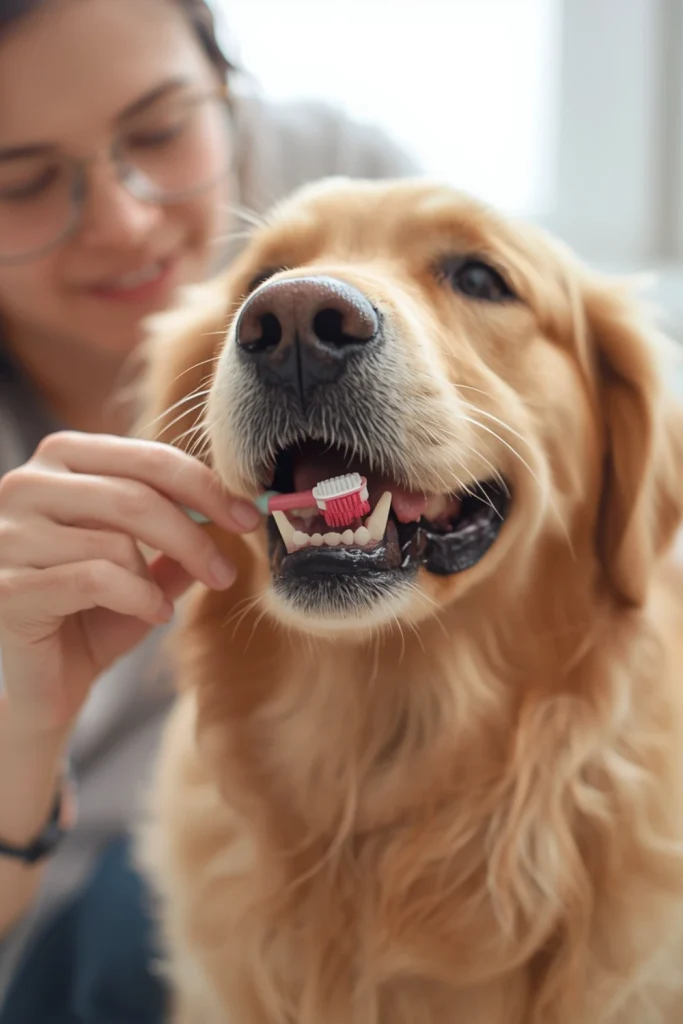
Brushing is one of the most effective habits for supporting your dog’s dental health. Food particles and bacteria can collect on the teeth and form plaque. If plaque is not removed, it can harden into tartar, which is much more difficult to remove at home. Regular brushing helps clean the tooth surfaces and reduce plaque buildup. Ideally, aim to brush your dog’s teeth daily. If that is not possible at first, start with a manageable schedule and gradually work toward more frequent brushing. Consistency is more important than trying to complete a long brushing session immediately.
Choose a toothbrush designed specifically for dogs. A soft-bristled brush or a dog finger toothbrush may be easier to handle, depending on your pet’s size and comfort. Use gentle movements along the outside surfaces of the teeth, especially near the gumline. You do not need to force your dog’s mouth open or brush every tooth perfectly during the first session. Begin with a few seconds and slowly increase the time as your dog becomes comfortable. Stop if your dog appears painful or distressed.
2. Use Toothpaste Made Specifically for Dogs
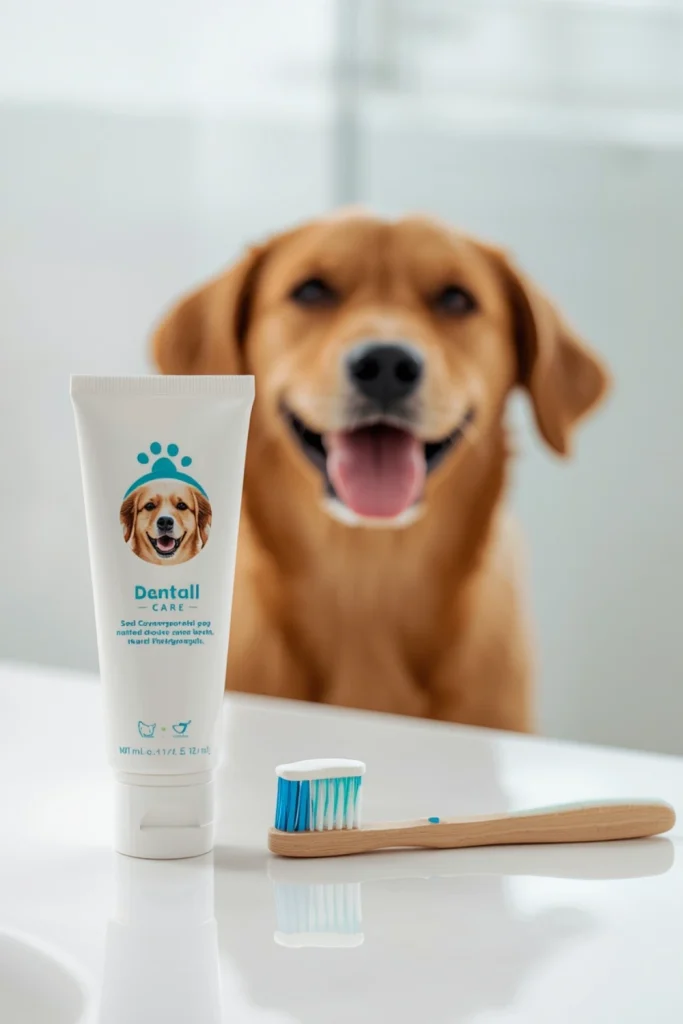
Choosing the correct toothpaste is an important part of safe dog dental care. Human toothpaste is not suitable for dogs because it may contain ingredients that are unsafe for pets when swallowed. Some products contain fluoride or artificial sweeteners such as xylitol, which can be dangerous to dogs. Dogs generally swallow toothpaste instead of spitting it out, so their toothpaste must be formulated for pets. Dog toothpaste is available in different flavors, including poultry and other pet-friendly options, which can make brushing more appealing.
Before buying a toothpaste, check the product label and choose one specifically intended for dogs. If your dog has allergies, a sensitive mouth, or an existing health condition, ask your veterinarian which product is appropriate. Use only a small amount according to the product instructions. Avoid homemade toothpaste recipes unless your veterinarian recommends a specific option. A suitable dog toothpaste, combined with gentle brushing, can help make your daily dental routine safer and more effective.
3. Introduce Dental Care Slowly
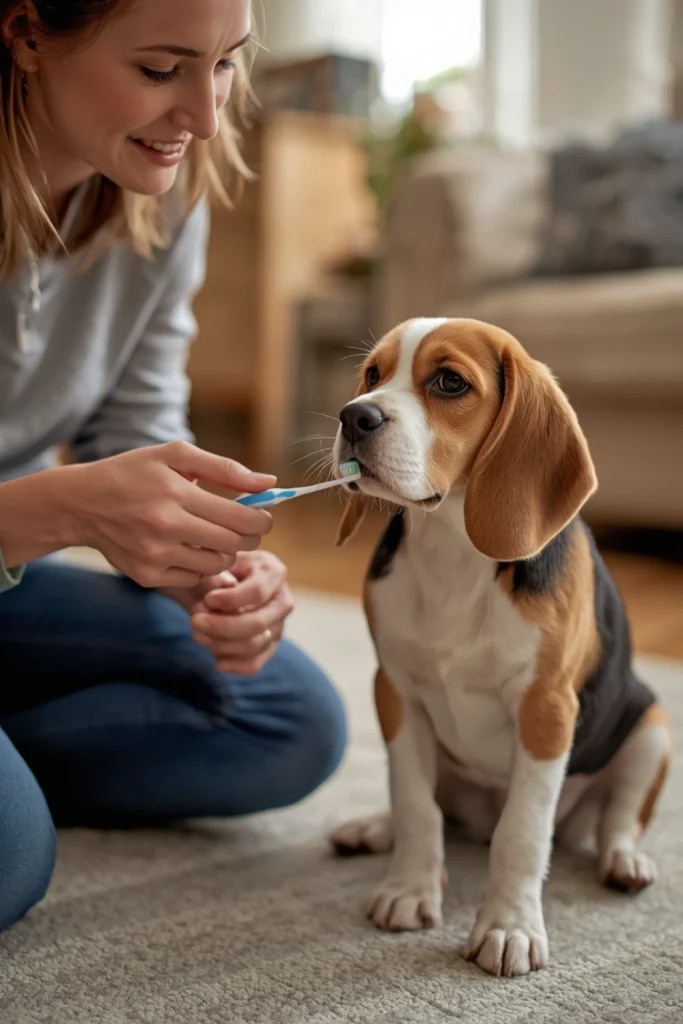
Some dogs accept toothbrushing quickly, while others need time to understand what is happening. Forcing a toothbrush into your dog’s mouth can create fear and make future sessions more difficult. Instead, introduce dental care in small steps. Start by allowing your dog to sniff the toothbrush and toothpaste. Offer praise when your pet investigates these items calmly. On another day, gently touch your dog’s cheek or lift the lip for a moment. These short introductions help your dog become familiar with the routine without feeling pressured.
Once your dog is comfortable with gentle mouth handling, place a little dog toothpaste on your finger and allow your pet to taste it. Then gradually introduce the toothbrush, starting with one or two teeth. Keep early sessions short and positive. If your dog pulls away, becomes tense, or tries to escape, take a break and try again later. Patience helps build trust. A relaxed dog is more likely to cooperate with regular dental care over time.
4. Check Your Dog’s Mouth Regularly
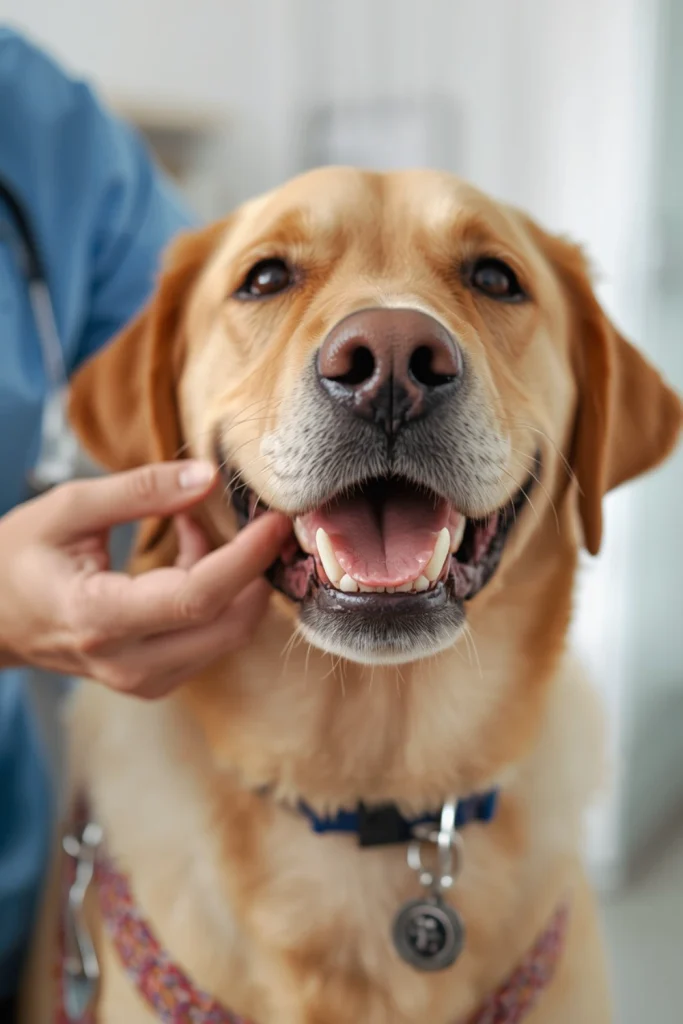
A quick mouth check can help you notice changes before they become more serious. Choose a calm time when your dog is relaxed, such as after a walk or during a quiet grooming session. Gently lift the lips and look at the visible teeth and gums. Healthy gums are generally pink, although normal pigmentation varies between dogs. Look for unusual redness, swelling, bleeding, broken teeth, heavy tartar, or anything that appears different from your dog’s usual mouth condition.
You do not need to force your dog’s mouth open widely or examine areas that are difficult to reach. A brief, gentle inspection is enough for a basic home check. If your dog shows pain, pulls away suddenly, or refuses to let you touch the mouth, do not force the examination. Contact your veterinarian if you notice a concerning change. Regular observations help you understand what is normal for your dog and make it easier to identify problems that need professional attention.
5. Provide Appropriate Dental Chews

Dental chews can be a useful addition to your dog’s oral care routine. Some specially designed chews help reduce plaque through the mechanical action of chewing. They may also keep dogs occupied and provide an enjoyable activity. However, not every chew is a dental product, and ordinary treats should not automatically be considered effective for cleaning teeth. Look for products specifically designed for dental care and follow the manufacturer’s feeding instructions.
Choose a chew that matches your dog’s size, age, and chewing style. A product that is too small may create a choking risk, while an excessively hard chew can damage teeth. Always supervise your dog while chewing and remove a product if it becomes small enough to swallow whole or develops sharp edges. Dental chews should complement brushing rather than replace it. Ask your veterinarian for recommendations if your dog has missing teeth, a history of dental problems, or difficulty chewing.
6. Choose Safe and Suitable Chew Toys
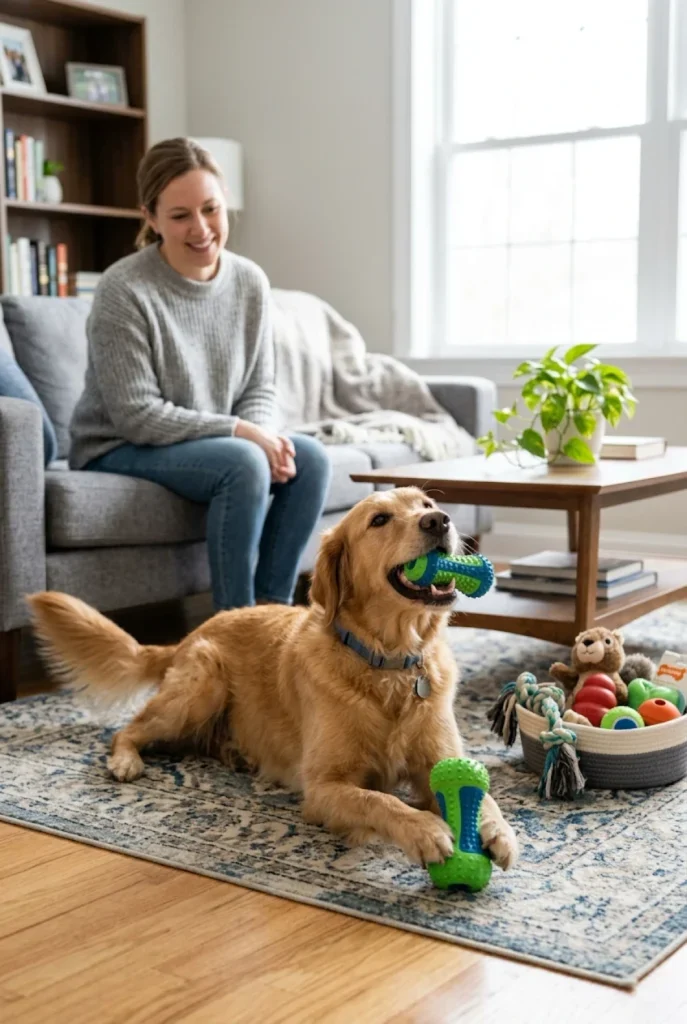
Chewing is a natural behavior for dogs, and appropriate chew toys can provide mental stimulation while supporting a healthy daily routine. Some rubber toys are designed with textured surfaces that may help remove soft debris from tooth surfaces as dogs chew. These toys can also redirect chewing away from furniture, shoes, and other household items. Select a toy that is specifically designed for dogs and appropriate for your pet’s size and chewing strength.
Avoid objects that are extremely hard, such as stones, hard bones, or antlers, because they may cause tooth fractures. A useful safety guideline is to avoid chew items that cannot give slightly under pressure or that seem harder than your dog’s teeth. Inspect toys regularly for cracks, loose pieces, and damaged edges. Replace worn toys before your dog can swallow pieces. Remember that chew toys are not a substitute for brushing or professional dental care, but they can be a helpful part of a balanced routine.
7. Offer Fresh Drinking Water Every Day
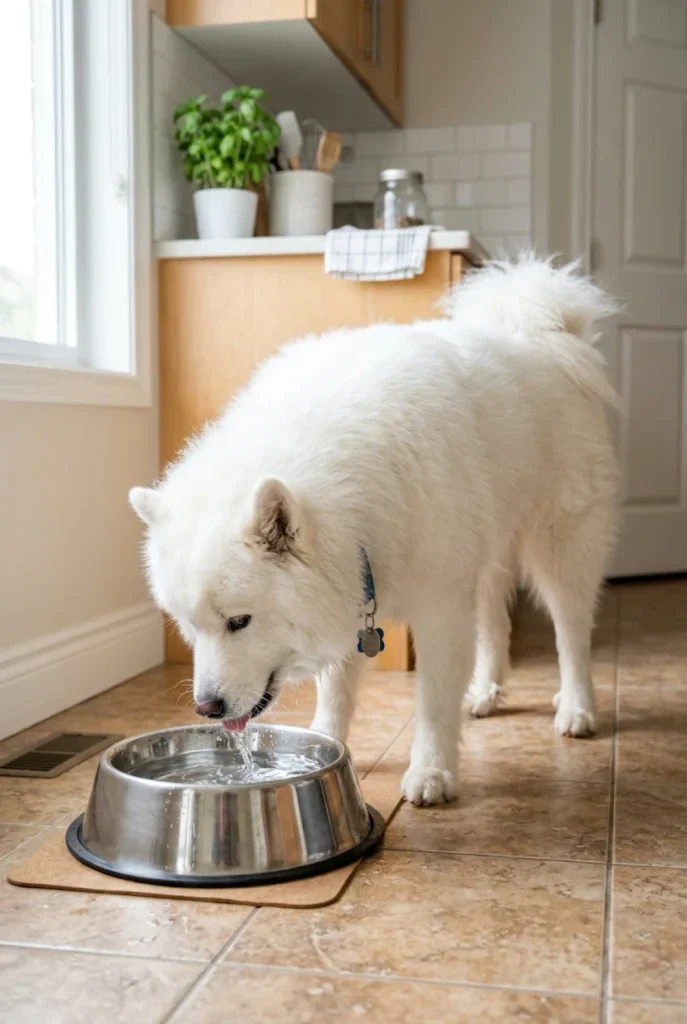
Fresh water is essential for your dog’s general health and supports normal moisture in the mouth. Make sure your pet has access to clean drinking water throughout the day. Wash the water bowl regularly because saliva, food particles, and dirt can collect on its surface. Refill the bowl with fresh water rather than allowing it to remain unchanged for long periods. A clean water station also encourages good everyday hygiene and helps your dog stay comfortable.
Place the water bowl somewhere your dog can reach easily. If you have several floors or a large home, consider providing more than one water station. Wash bowls with pet-safe dishwashing methods and rinse them thoroughly to remove soap residue. Water alone cannot remove hardened tartar or replace toothbrushing, but it is an important part of daily care. If your dog suddenly drinks much more or much less than usual, discuss the change with your veterinarian.
8. Pay Attention to Your Dog’s Breath

A dog’s breath will not always smell like fresh mint, but a strong or unpleasant odor should not be ignored. Persistent bad breath can be associated with plaque, tartar, gum inflammation, infected teeth, or other oral health concerns. Some owners assume that bad breath is simply a normal part of having a dog. However, a noticeable change in smell can be an early reason to check your dog’s mouth and arrange a veterinary examination.
Do not try to hide persistent bad breath with scented treats or household products. These may cover the smell without addressing its cause. Check for other changes, such as red gums, drooling, chewing on one side, reduced appetite, or discomfort when eating. If the odor is sudden, severe, or accompanied by other symptoms, contact your veterinarian promptly. A professional examination can help determine whether the problem is related to dental disease or another health issue.
9. Feed a Balanced, Age-Appropriate Diet
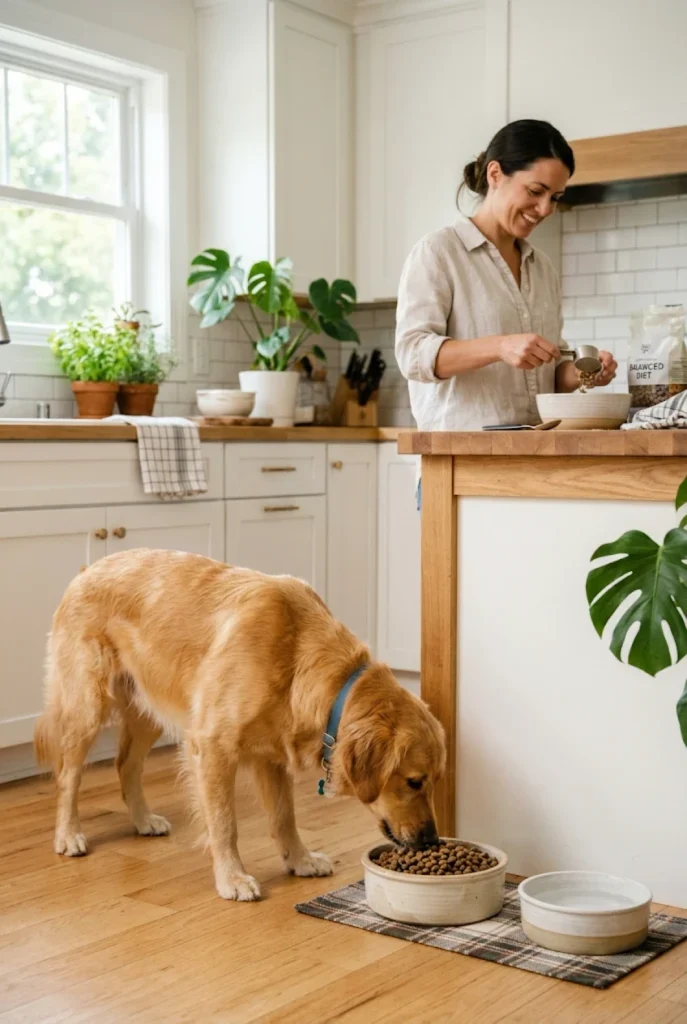
A balanced diet supports your dog’s overall health, including the tissues and structures of the mouth. Choose a complete and balanced dog food appropriate for your pet’s life stage, size, and individual needs. Puppies, adult dogs, and senior dogs may have different nutritional requirements. A suitable diet helps maintain general health, while consistent dental care addresses plaque and tartar more directly. Food choice alone should never be treated as a complete dental cleaning method.
Some dog foods are specially designed to support oral health, with kibble shapes or textures intended to help reduce plaque. If you are considering a dental diet, ask your veterinarian whether it is appropriate for your dog. Dogs with missing teeth, sensitive mouths, or other medical conditions may need a different food texture. Avoid making sudden dietary changes without a good reason. Introduce new food gradually and monitor your dog’s appetite, digestion, and comfort while eating.
10. Keep Human Food and Sugary Treats Limited
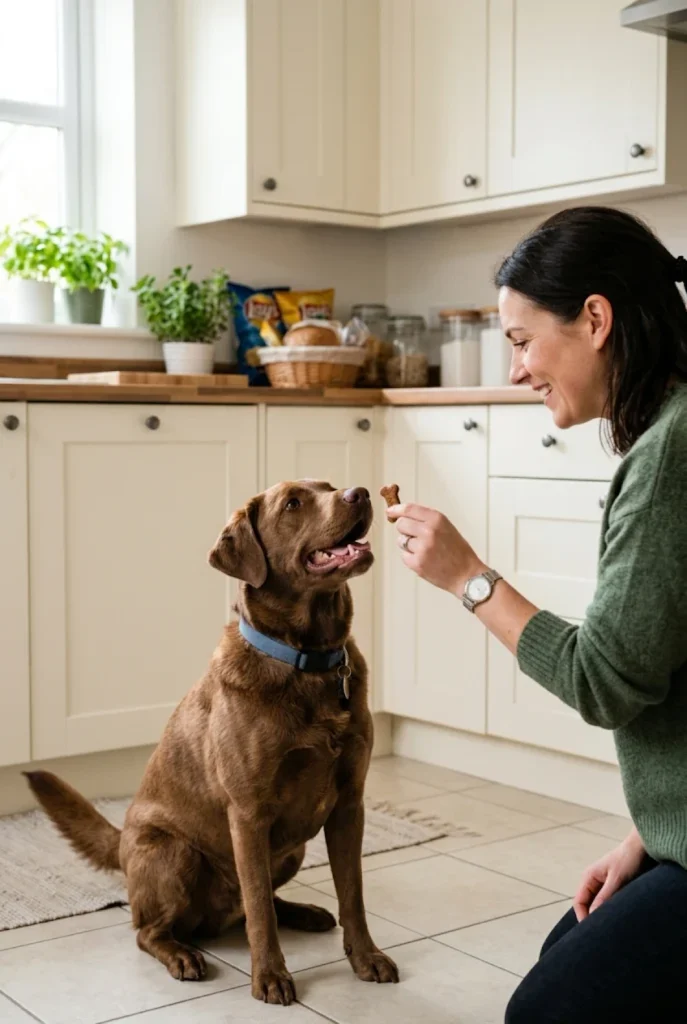
Many dogs enjoy sharing food with their owners, but frequent table scraps and excessive treats can make it harder to maintain a healthy diet. Sugary or sticky human foods are not suitable dental care products and should not be used to clean a dog’s teeth. Some human foods are also toxic to dogs, including chocolate, grapes, raisins, onions, garlic, and products containing xylitol. Keeping these foods away from your pet is an important part of responsible home care.
Use dog-safe treats in sensible portions and consider including them in training or positive dental care sessions. Treats should not make up an excessive part of your dog’s daily calories. If you want to offer fresh foods, check that each item is safe for dogs and serve it in an appropriate form and quantity. Your veterinarian can help you choose suitable treats, especially if your dog has weight concerns, allergies, or a medical condition.
11. Consider Veterinary-Approved Dental Water Additives
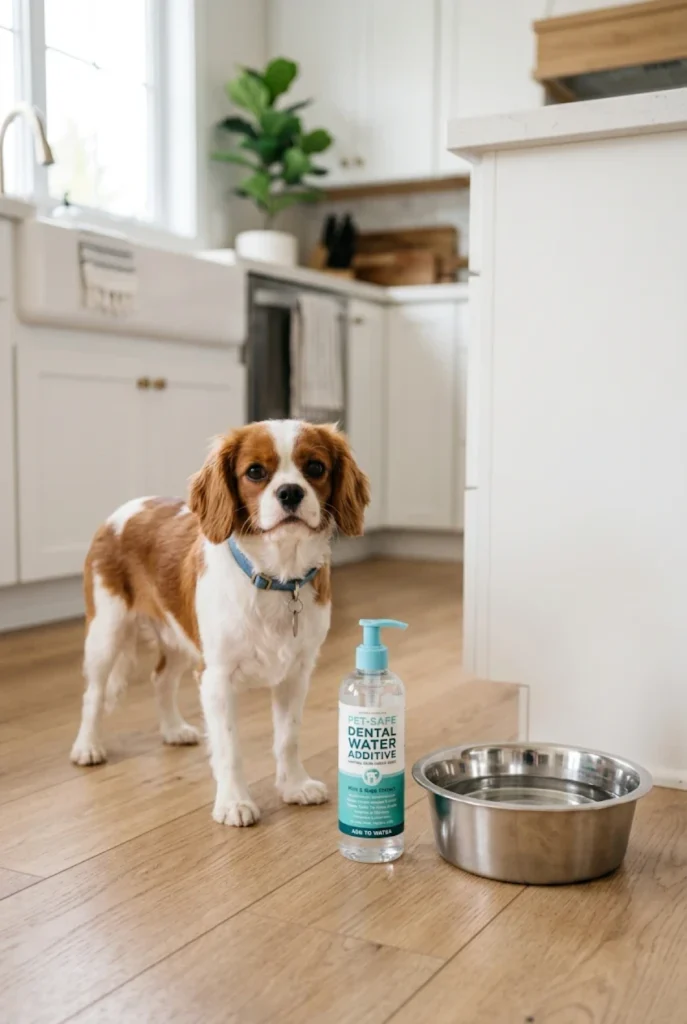
Some pet dental products are designed to be added to drinking water. These products may help support oral hygiene by reducing certain bacteria or helping control plaque, depending on their ingredients and evidence. They can be convenient for dogs that are difficult to brush, but they are not a replacement for regular toothbrushing or professional dental examinations. Not all water additives are suitable for every dog, so product selection matters.
Choose only products specifically formulated for dogs and follow the label directions carefully. Ask your veterinarian before using an additive if your dog takes medication, has a health condition, or is reluctant to drink water. Monitor your pet’s water intake after introducing any new product. If your dog avoids the bowl, stop using the additive and offer plain fresh water. Maintaining normal hydration is more important than using an optional dental product.
12. Make Dental Care a Positive Daily Experience

Dogs learn through repetition and positive experiences. If dental care always involves restraint, stress, or discomfort, your pet may begin avoiding the toothbrush and hiding when you approach. Instead, make each session calm and predictable. Choose a quiet location, speak gently, and allow your dog to remain in a comfortable position. You can begin with simply touching the muzzle or lifting the lip before gradually introducing brushing.
Reward cooperation with praise, affection, or a small dog-safe treat. Some dogs prefer brushing while standing, while others feel more comfortable sitting beside their owner. Find a position that allows you to work gently without putting pressure on your dog’s body. Keep the routine short enough that your pet remains relaxed. If your dog becomes frightened or defensive, stop and consider asking a veterinarian or qualified force-free trainer for guidance.
13. Keep a Consistent Dental Care Schedule

A regular schedule makes it easier to remember dental care and helps your dog become familiar with the process. Choose a time that fits naturally into your day, such as after an evening walk or before bedtime. Daily brushing is ideal for many dogs, but if you are just starting, begin with a realistic routine and build consistency. You can also set aside a weekly time to check the teeth, gums, and dental supplies.
A simple checklist can help you track brushing sessions, changes in breath, and any concerns you notice. Avoid treating the schedule as a reason to brush through pain or irritation. If your dog has sore gums, a broken tooth, or another concerning symptom, pause home brushing in the affected area and contact your veterinarian. A routine should support your dog’s comfort, not create additional stress. Regular habits make it easier to notice changes and seek help when needed.
14. Arrange Regular Veterinary Dental Checkups
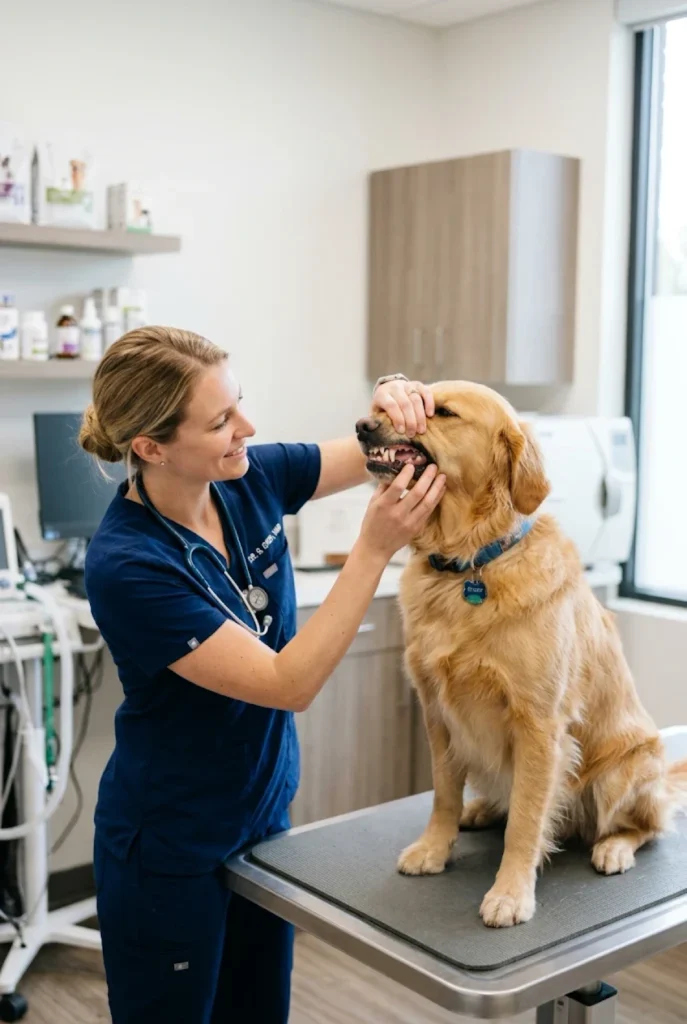
Home dental care is important, but it cannot identify or treat every dental problem. Your veterinarian can examine the teeth, gums, and areas that are difficult to see during a home inspection. Professional dental examinations help identify gum disease, damaged teeth, oral infections, and other concerns. Your veterinarian can also recommend how often your dog needs a dental assessment based on age, breed, health history, and current oral condition.
Some dogs develop dental problems more quickly than others. Small breeds, older dogs, and pets with crowded teeth may need particularly careful monitoring, although any dog can develop oral disease. If a professional dental cleaning is recommended, ask about the procedure, anesthesia, and any necessary tests. Do not attempt to scrape tartar from your dog’s teeth using household tools. Professional cleaning requires appropriate equipment and veterinary supervision, especially when cleaning below the gumline.
15. Watch for Signs of Dental Problems
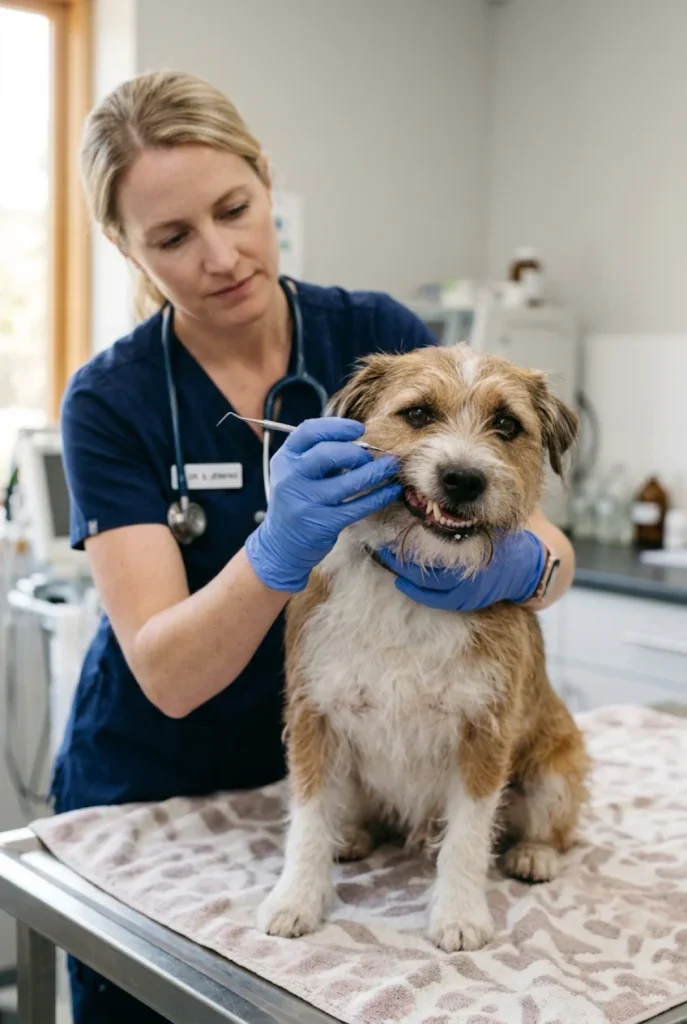
One of the most valuable dog dental care habits is learning to recognize warning signs. Watch for persistent bad breath, red or swollen gums, bleeding, yellow or brown deposits on teeth, excessive drooling, pawing at the mouth, or changes in chewing behavior. Your dog may also drop food, chew on one side, become less interested in hard food, or react when you touch the face. These changes may indicate pain or an oral health problem that needs veterinary attention.
Dogs often hide discomfort, so a pet that continues eating may still have a painful tooth or gum condition. Do not wait for the problem to become severe before seeking advice. Contact your veterinarian if you notice a broken or loose tooth, facial swelling, bleeding, pus, difficulty eating, or signs of significant pain. Sudden swelling, uncontrolled bleeding, or difficulty breathing requires urgent veterinary attention. Early professional care can prevent avoidable discomfort and help protect your dog’s health.
Final Thoughts
Building healthy Dog Dental Care Habits at home does not need to be difficult. Simple actions such as regular toothbrushing, using dog-specific toothpaste, providing suitable dental chews, offering fresh water, and checking your dog’s mouth can support better oral hygiene. The most important part is creating a routine that your dog can tolerate comfortably and that you can maintain consistently.
Remember that home dental care and professional veterinary care work together. Brushing helps manage plaque, but it cannot remove all hardened tartar or treat existing dental disease. Watch for bad breath, red gums, bleeding, broken teeth, and changes in eating behavior. If you notice a problem, seek veterinary advice rather than trying to treat it with household products. With patience and regular attention, you can help your dog enjoy a healthier, more comfortable smile.