

12 Ways to Get Your Dog Comfortable With Toothbrushing
A healthy smile is just as important for your dog as it is for you. Regular toothbrushing helps remove plaque, reduce bad breath, and support better oral health. However, many dogs feel nervous when someone touches their mouth or introduces a toothbrush. This can make daily dental care challenging, especially for first-time dog owners.
The good news is that you can make toothbrushing a comfortable and positive experience with patience, gentle handling, and consistent practice. Whether you have a young puppy or an adult dog, these 12 simple ways to get your dog comfortable with toothbrushing will help you build a stress-free dental care routine. You do not need expensive equipment or complicated training techniques. Small steps and positive rewards can make a big difference.
1. Start by Letting Your Dog Explore the Toothbrush
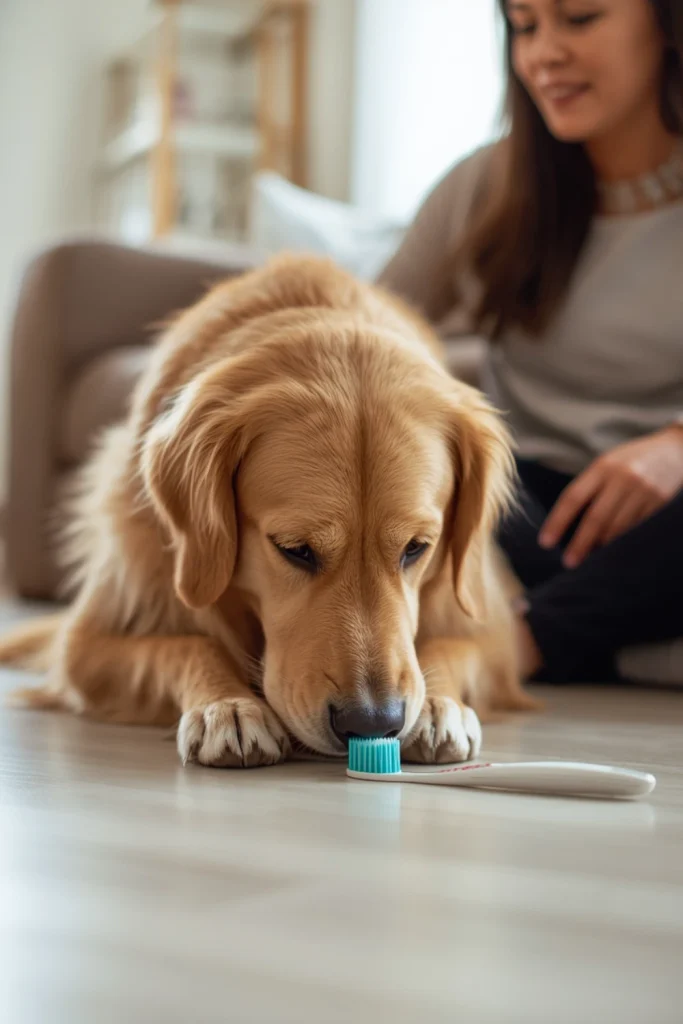
One of the easiest ways to get your dog comfortable with toothbrushing is to introduce the toothbrush slowly. Instead of immediately putting it inside your dog’s mouth, allow your pet to see, smell, and investigate it. Place the toothbrush on the floor near your dog and let your furry friend approach it naturally. Never force your dog to touch or smell the brush.
Keep these first introductions short and relaxed. When your dog shows curiosity, offer a small treat or gentle praise. Repeat this activity for a few days until the toothbrush no longer seems unusual or frightening. The goal is to help your dog understand that the toothbrush is a normal household object rather than something to fear.
2. Choose a Dog-Friendly Toothbrush
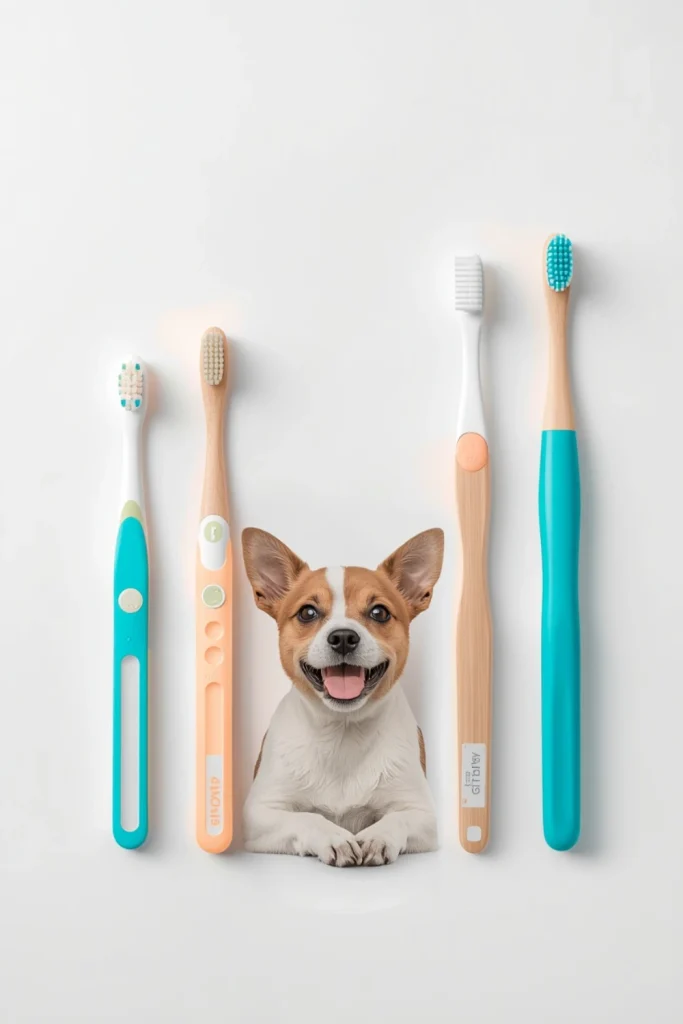
Choosing the right toothbrush can make a significant difference in your dog’s comfort. Human toothbrushes may have bristles or shapes that are unsuitable for some dogs. Look for a toothbrush specifically designed for pets, with soft bristles and a comfortable handle. A smaller brush head is often easier to control, especially when cleaning the teeth of puppies and small breeds.
Some dogs prefer long-handled pet toothbrushes, while others may feel more comfortable with specially designed finger toothbrushes. Consider your dog’s mouth size and personality when choosing dental equipment. Introduce the selected brush gradually and allow your dog to investigate it before attempting to brush. A comfortable toothbrush makes the experience easier for both you and your pet.
3. Let Your Dog Get Used to Having Their Mouth Touched

Many dogs dislike having their mouths handled because they are not familiar with the sensation. Before introducing toothbrushing, help your dog become comfortable with gentle mouth handling. Begin by calmly touching your dog’s cheeks and the outside of the muzzle. Use a relaxed voice and reward your pet for remaining calm.
Once your dog accepts these touches, gradually move your fingers toward the lips. Lift the lips gently for a moment to expose the teeth, then release them. Avoid holding your dog’s mouth open or applying pressure. Practice for a few seconds at a time and gradually increase the duration. This simple exercise helps build trust and prepares your dog for future dental care.
4. Introduce Dog Toothpaste Before Brushing
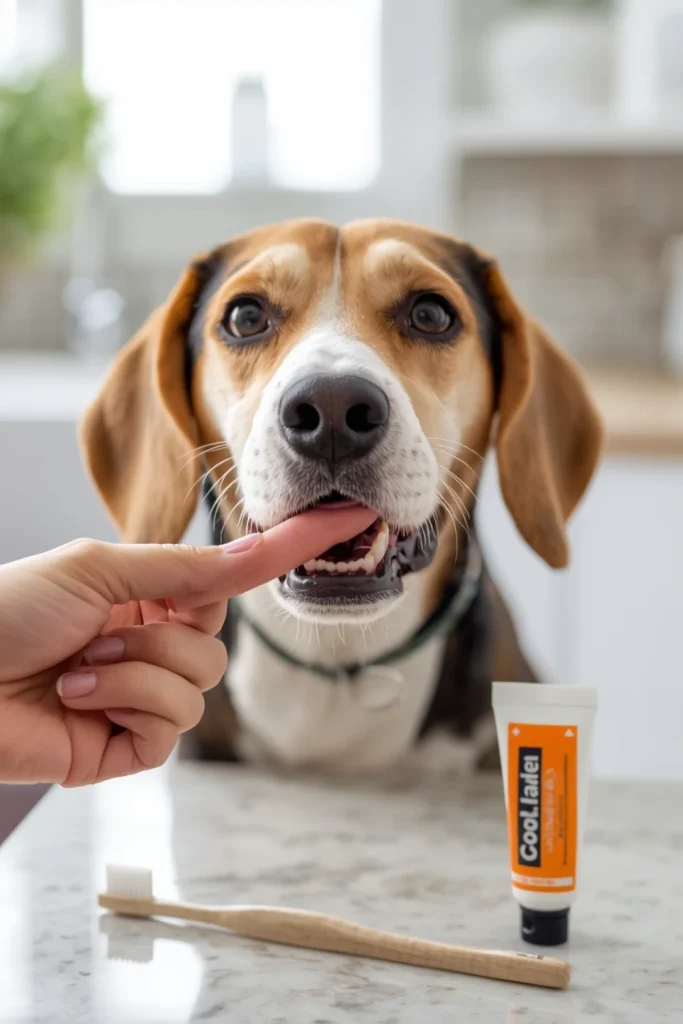
Toothpaste can be an unfamiliar experience for dogs, so introduce it separately from the toothbrush. Always choose toothpaste specifically formulated for dogs. Human toothpaste is not suitable because it may contain ingredients, including fluoride or xylitol, that can be harmful if swallowed. Dogs generally swallow toothpaste rather than spitting it out, making pet-safe formulas essential.
Place a tiny amount of dog toothpaste on your fingertip and allow your dog to smell and taste it. Some pet toothpastes come in appealing flavors, such as poultry or other dog-friendly options. Reward your dog for calmly licking the toothpaste. Repeat this process until your pet accepts the taste without hesitation. This makes the next stage of brushing much easier.
5. Use Positive Reinforcement During Every Practice Session
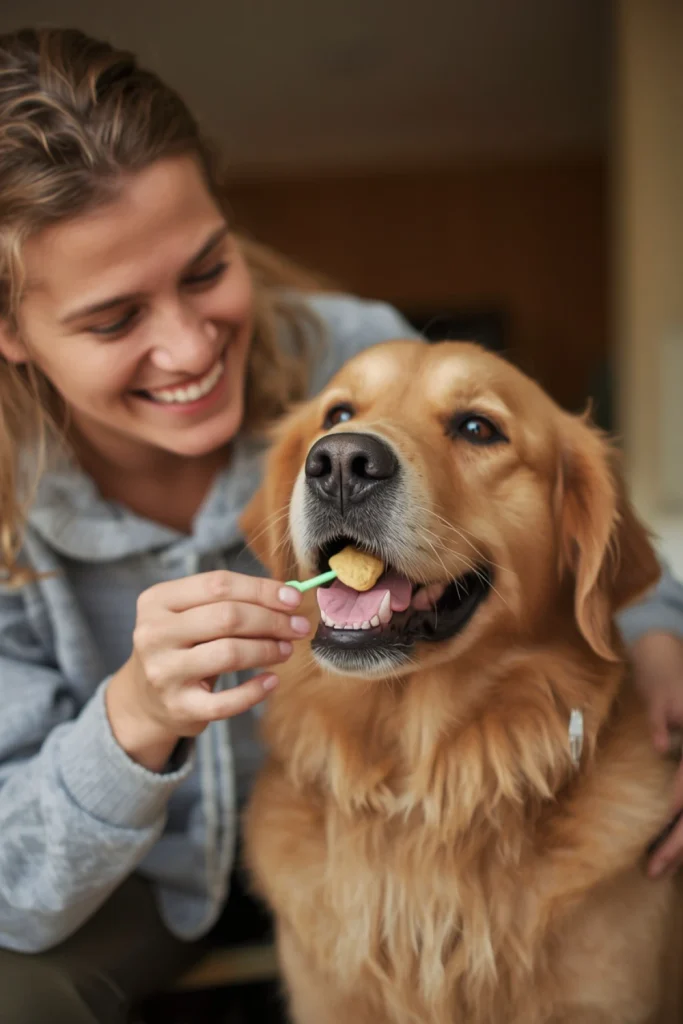
Positive reinforcement is one of the most effective ways to help your dog develop good habits. Instead of forcing your pet to accept brushing, reward small steps toward the desired behavior. For example, give a treat when your dog calmly looks at the toothbrush, accepts mouth handling, or allows a brief touch near the lips.
Use gentle praise, affection, and small dog-friendly treats to create positive associations. Keep rewards consistent so your dog understands which behaviors are encouraged. Avoid shouting, punishment, or physical restraint during training. If your dog becomes nervous, pause and return to an easier step. With repeated positive experiences, your pet can begin to associate dental care with attention, rewards, and a calm environment.
6. Begin With Just a Few Seconds of Brushing

Trying to brush every tooth during the first session can overwhelm your dog. Instead, begin with a very short brushing experience. Once your dog accepts the toothbrush, place a small amount of dog toothpaste on it and gently touch one or two outer teeth. Stop before your dog becomes uncomfortable and offer praise or a reward.
Gradually increase the brushing time as your dog becomes more relaxed. You might begin with only a few seconds and work toward a longer session over several days or weeks. There is no need to rush. Short, successful sessions are more useful than long experiences that create fear. The objective is to develop a comfortable routine that your dog can accept consistently.
7. Create a Calm and Comfortable Brushing Environment
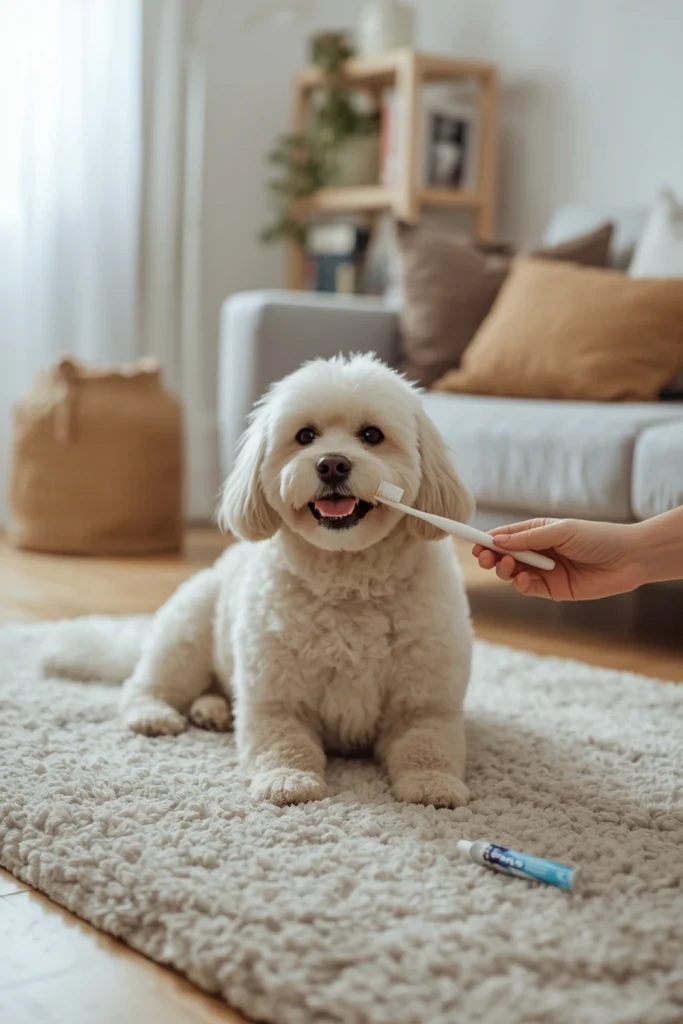
Your dog’s surroundings can influence how comfortable brushing feels. A noisy room, unfamiliar location, or busy environment may increase nervousness. Choose a quiet place where your dog usually feels safe. This could be a comfortable corner of your living room or another familiar area with minimal distractions.
Before beginning, allow your dog to settle down. Speak softly, move slowly, and avoid sudden movements around the face. Keep the toothbrush, toothpaste, and rewards nearby so you do not need to leave your dog during the session. A peaceful environment helps your pet focus on the experience. Over time, using the same location can also make toothbrushing feel like a familiar daily activity.
8. Try Finger Brushing if Your Dog Dislikes a Regular Toothbrush
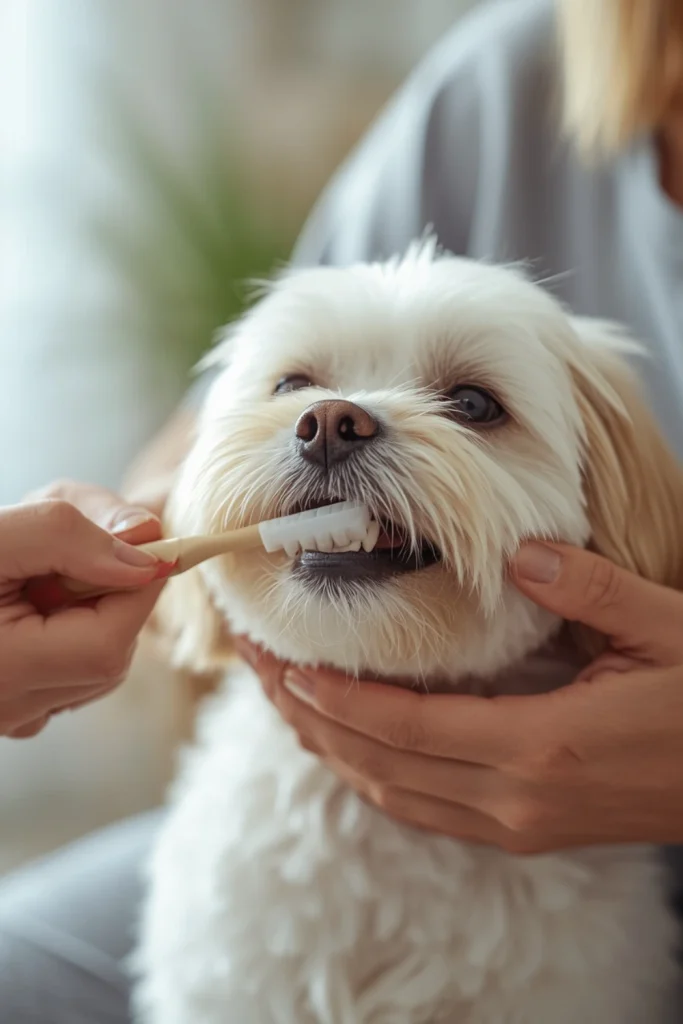
Some dogs feel uncomfortable when a traditional toothbrush enters their mouth. If your pet struggles with a regular brush, a soft finger toothbrush may be worth trying. These products fit over your finger and are designed to help owners gently clean their dog’s teeth. However, always choose a product specifically made for pets and make sure it fits securely.
Introduce the finger toothbrush gradually, just as you would introduce a regular brush. Allow your dog to smell it before placing it near the mouth. Begin by gently touching the outside teeth and reward calm behavior. A finger brush may offer better control for some owners, but it is not suitable for every dog. If your pet dislikes it, return to gradual training rather than forcing the experience.
9. Follow a Consistent Daily Toothbrushing Schedule

Dogs often become more comfortable with activities when they happen regularly. Creating a consistent toothbrushing schedule helps your pet understand what to expect. Choose a convenient time, such as after an evening walk or before bedtime, when your dog is usually relaxed. Avoid brushing immediately after exciting play or when your pet is overly energetic.
Consistency is more important than making every session long. If your dog is still learning, continue with short practice sessions and gradually work toward brushing every day. Daily brushing is generally recommended because plaque can build up quickly. If you miss a session, simply return to your routine the next day. A predictable schedule helps turn dental care into a familiar habit rather than an unexpected activity.
10. Brush the Outer Surfaces of the Teeth First
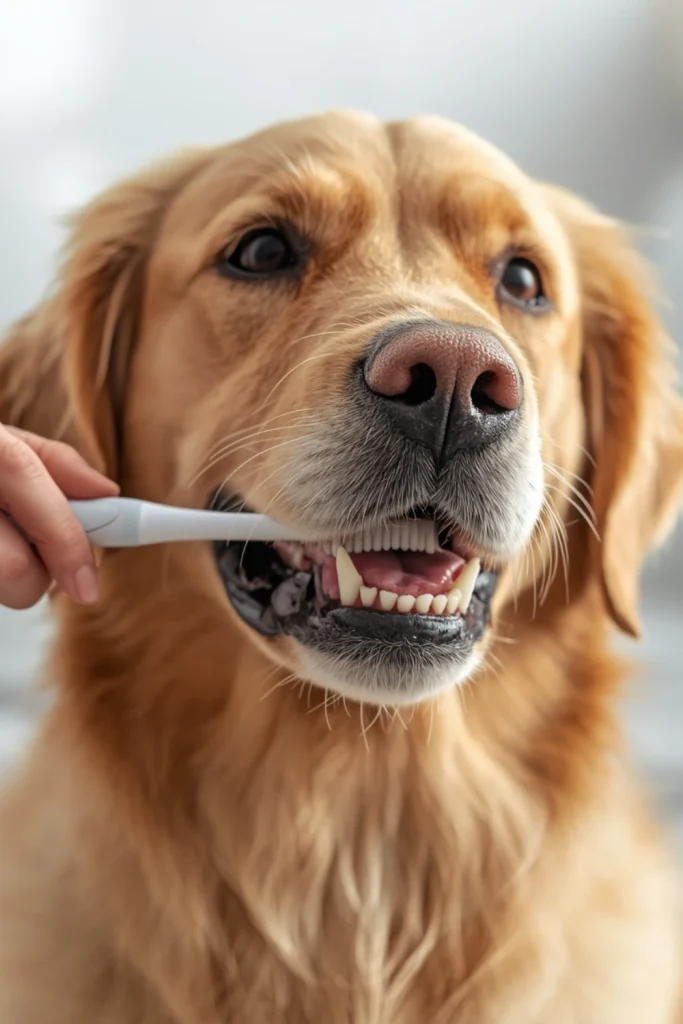
When your dog becomes comfortable with the toothbrush, begin cleaning the outer surfaces of the teeth. These areas are usually easier to reach and are important places where plaque can accumulate. Gently lift your dog’s lips and use small circular movements along the gumline. Hold the brush at a slight angle and avoid pressing too hard.
Start with the canine teeth and gradually move toward the back teeth as your dog becomes more comfortable. You do not need to force the mouth open because the outer surfaces can often be reached while your dog’s mouth remains mostly closed. Keep your movements gentle and watch your pet’s reactions. If your dog pulls away or becomes distressed, stop and return to shorter practice sessions.
11. Recognize Your Dog’s Signs of Stress

Understanding your dog’s body language is essential when building a comfortable toothbrushing routine. Some dogs show stress through turning their heads away, pulling back, licking their lips repeatedly, yawning, trembling, or trying to escape. Others may become unusually still or tense. These signs can indicate that the experience is becoming uncomfortable.
Never ignore your dog’s signals or continue brushing when your pet is clearly distressed. Stop the session, give your dog some space, and return to an easier training step later. If your dog growls, snaps, or shows signs of significant fear, avoid punishment and do not attempt to overpower them. Seek help from a veterinarian or qualified reward-based trainer if necessary. Respecting your dog’s boundaries helps build trust and makes future practice safer.
12. Make Toothbrushing a Positive Part of Your Bonding Time
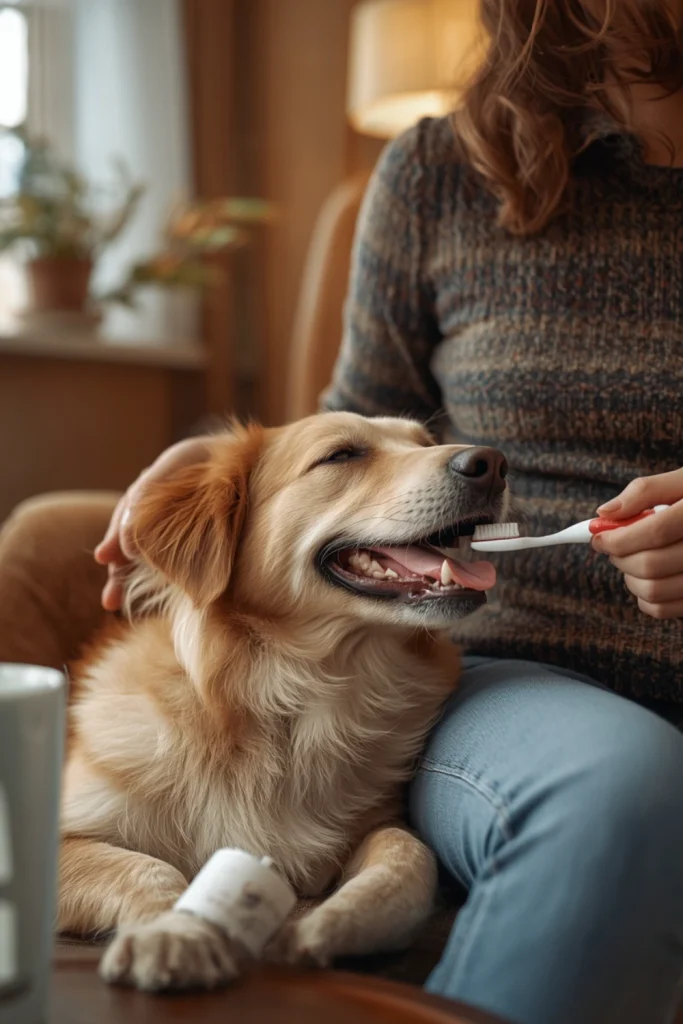
Toothbrushing does not have to feel like a difficult task. With the right approach, it can become another opportunity to strengthen your relationship with your dog. Use a gentle voice, comfortable handling, and plenty of patience. Let your pet take breaks when necessary and reward progress instead of expecting perfection.
Remember that every dog learns at a different speed. Some puppies may accept a toothbrush quickly, while older dogs may need several weeks of gradual introduction. Celebrate small improvements, such as allowing mouth handling or calmly accepting toothpaste. When your dog begins to feel safe and relaxed during brushing, maintaining the routine becomes much easier. A positive experience can support both your dog’s dental health and your relationship.
Final Thoughts
Learning how to get your dog comfortable with toothbrushing takes patience, consistency, and a gentle approach. Your dog may not accept a toothbrush immediately, but small steps can gradually make the experience easier and more enjoyable. Start by introducing the toothbrush, practicing gentle mouth handling, and rewarding calm behavior.
Remember these 12 simple ways: choose the right toothbrush, introduce dog-safe toothpaste, use positive reinforcement, create a peaceful environment, and gradually increase brushing time. Pay attention to your dog’s body language and never force a brushing session when your pet feels uncomfortable.
Most importantly, make dental care a regular part of your dog’s daily routine. Healthy teeth and gums contribute to better comfort and quality of life. With patience and positive training, you can help your furry friend develop a lifelong habit of good oral hygiene.