10 Dog Dental Hygiene Tips for Fresher Breath
A happy dog deserves a healthy smile and fresh breath! However, unpleasant dog breath is a common problem that many pet owners experience. Food particles, plaque buildup, bacteria, and poor oral hygiene can make your furry friend’s breath smell unpleasant. More importantly, these issues may contribute to gum disease, tooth decay, and other dental problems if ignored.
The good news is that maintaining your dog’s dental health does not have to be difficult. With a few simple daily habits, the right dental products, and regular veterinary checkups, you can help keep your dog’s mouth cleaner and healthier. These 10 dog dental hygiene tips for fresher breath will help beginners create an easy dental care routine that supports healthy teeth, comfortable gums, and better overall well-being.
1. Brush Your Dog’s Teeth Regularly
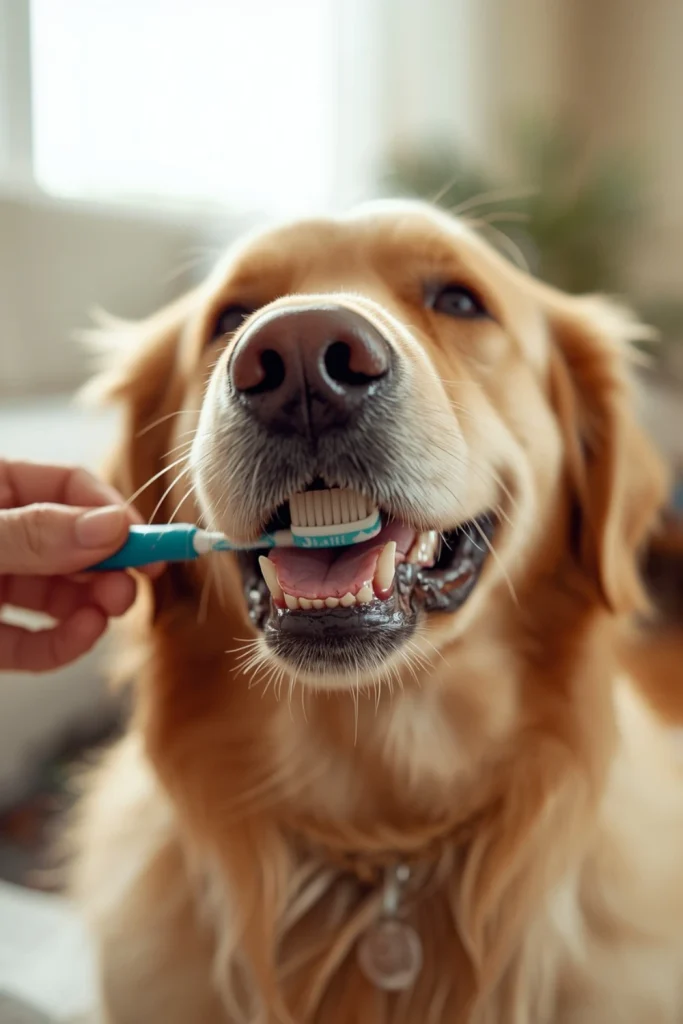
Regular toothbrushing is one of the most effective ways to maintain your dog’s dental hygiene and reduce unpleasant breath. Food particles and bacteria can collect on the teeth throughout the day, forming plaque that gradually becomes harder to remove. Brushing helps clean these deposits before they develop into more serious dental problems. Ideally, brush your dog’s teeth every day using a soft-bristled pet toothbrush and toothpaste specifically formulated for dogs.
If your dog is new to toothbrushing, begin slowly. Allow your pet to smell the toothbrush and toothpaste before gently introducing them to the mouth-cleaning process. Start with a few teeth and gradually increase brushing time. Reward your dog with praise and small treats for remaining calm. A consistent, gentle routine can help make toothbrushing a normal part of everyday care.
2. Always Use Dog-Safe Toothpaste
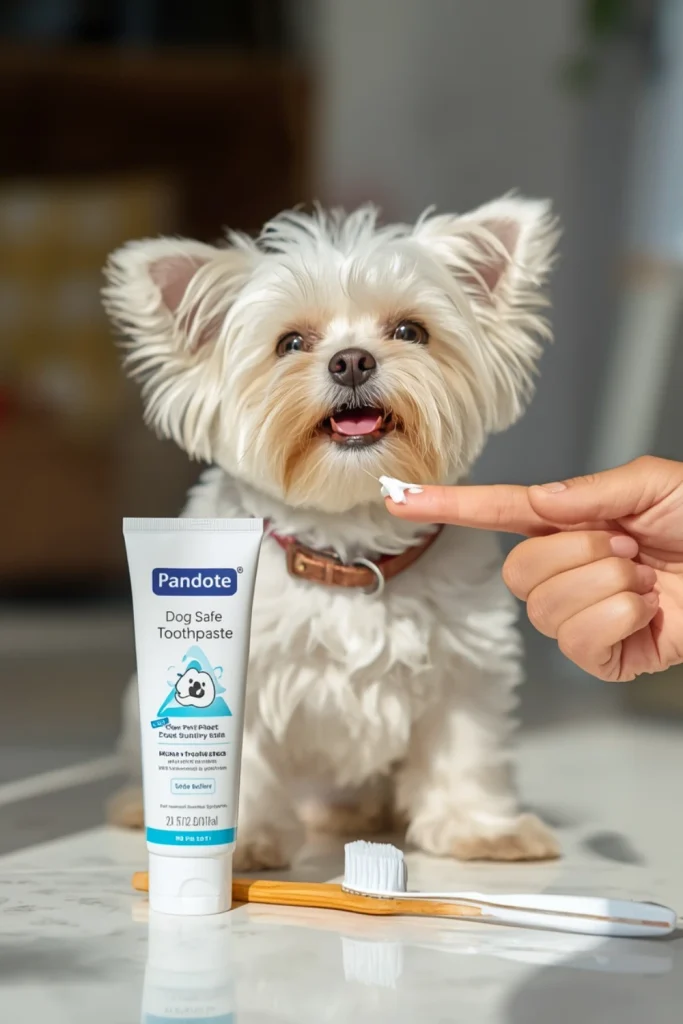
Choosing the correct toothpaste is essential for keeping your dog’s mouth clean and healthy. Human toothpaste is not suitable for dogs because it may contain ingredients that are harmful when swallowed. Some products contain xylitol, an artificial sweetener that is highly toxic to dogs. Dogs generally swallow toothpaste instead of spitting it out, so using a specially formulated canine toothpaste is important.
Dog toothpaste is available in different flavors, including poultry and other dog-friendly options. Try a flavor your pet enjoys to make brushing more appealing. Before brushing, allow your dog to taste a tiny amount from your fingertip. This helps your pet become familiar with the flavor and creates a positive association with dental care. Always follow the product instructions and choose toothpaste intended specifically for dogs.
3. Provide Fresh and Clean Drinking Water
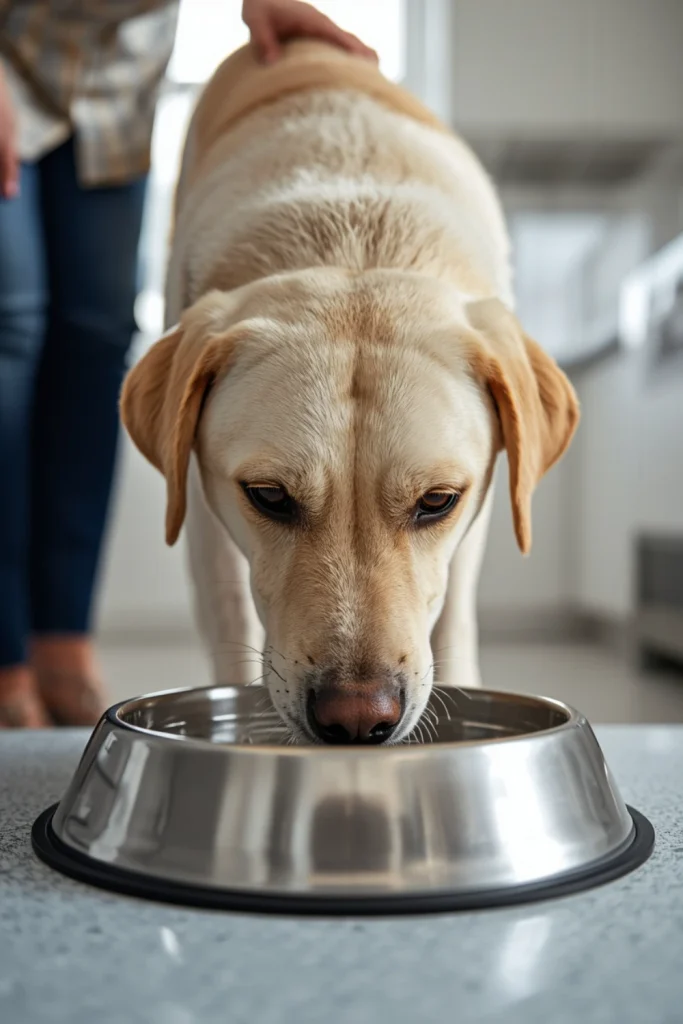
Fresh drinking water is an important part of your dog’s daily health routine. Although water cannot replace toothbrushing, keeping your dog hydrated supports normal mouth function and general well-being. Clean water should always be available, particularly after meals, walks, and playtime. Regularly changing the water also prevents dirt, food particles, and other contaminants from accumulating in your dog’s bowl.
Wash your dog’s water bowl frequently with soap and clean water. Stainless steel and ceramic bowls are popular options because they are generally easy to clean. Avoid allowing old water to sit in the bowl for long periods. Make fresh water available throughout the day, and monitor your dog’s drinking habits. If you notice a sudden change in thirst, appetite, or breath, consult your veterinarian.
4. Choose Appropriate Dental Chews
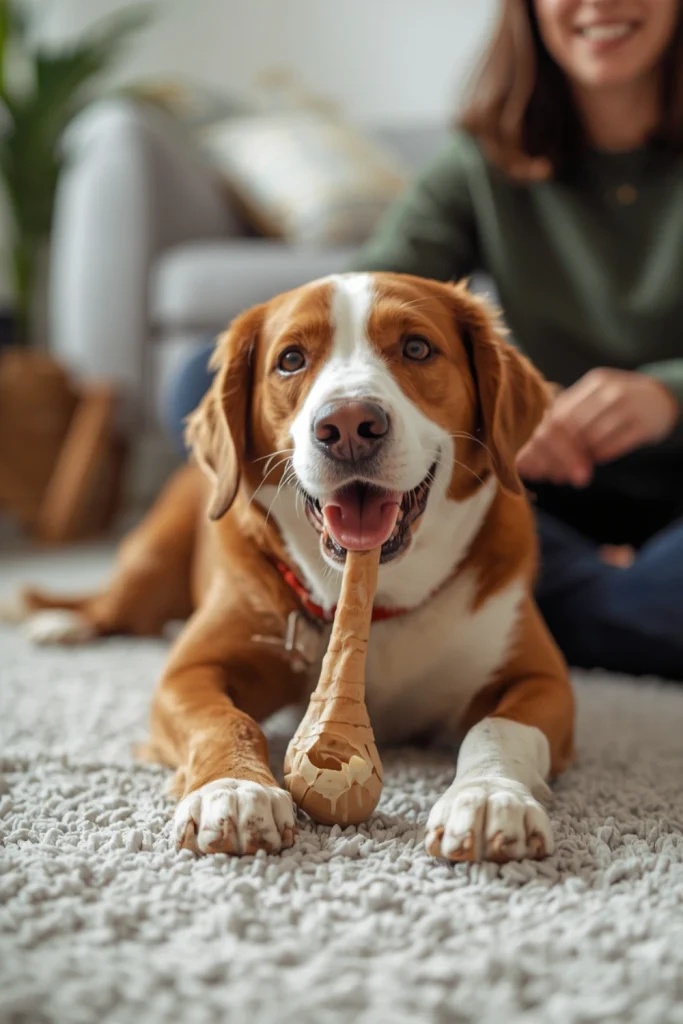
Dental chews can be a useful addition to your dog’s oral hygiene routine. Certain veterinary-approved products are designed to help reduce plaque and tartar through the mechanical action of chewing. They can also provide an enjoyable activity that keeps some dogs occupied. However, dental chews should support regular toothbrushing rather than replace it.
Choose a dental chew that matches your dog’s size, age, and chewing habits. A product that is too small may present a choking risk, while extremely hard chews can damage teeth. Look for products with a recognized veterinary dental health endorsement where available. Always supervise your dog while chewing and follow the manufacturer’s feeding instructions. If your dog has existing dental problems, ask your veterinarian which dental chews are appropriate.
5. Clean Your Dog’s Food and Water Bowls
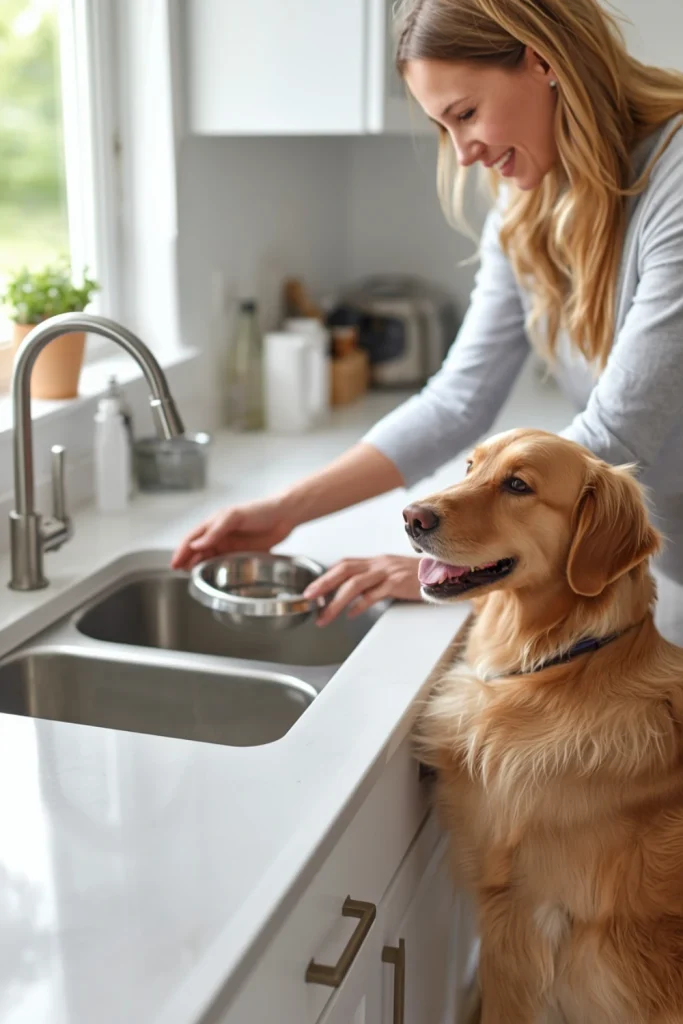
Your dog’s food and water bowls should be included in your regular cleaning routine. Leftover food, saliva, and moisture can collect on bowl surfaces, creating an environment where bacteria may grow. Although cleaning bowls does not directly remove plaque from teeth, good feeding hygiene supports a cleaner environment and helps prevent contamination.
Wash food bowls after meals and refresh water bowls regularly. Use warm water and dish soap, rinse thoroughly, and allow them to dry before refilling. Stainless steel and dishwasher-safe ceramic bowls are practical choices for many households. Inspect bowls regularly for scratches, cracks, or damaged surfaces that may be difficult to clean. Keeping feeding equipment hygienic is a simple habit that supports your dog’s overall health.
6. Schedule Regular Veterinary Dental Checkups
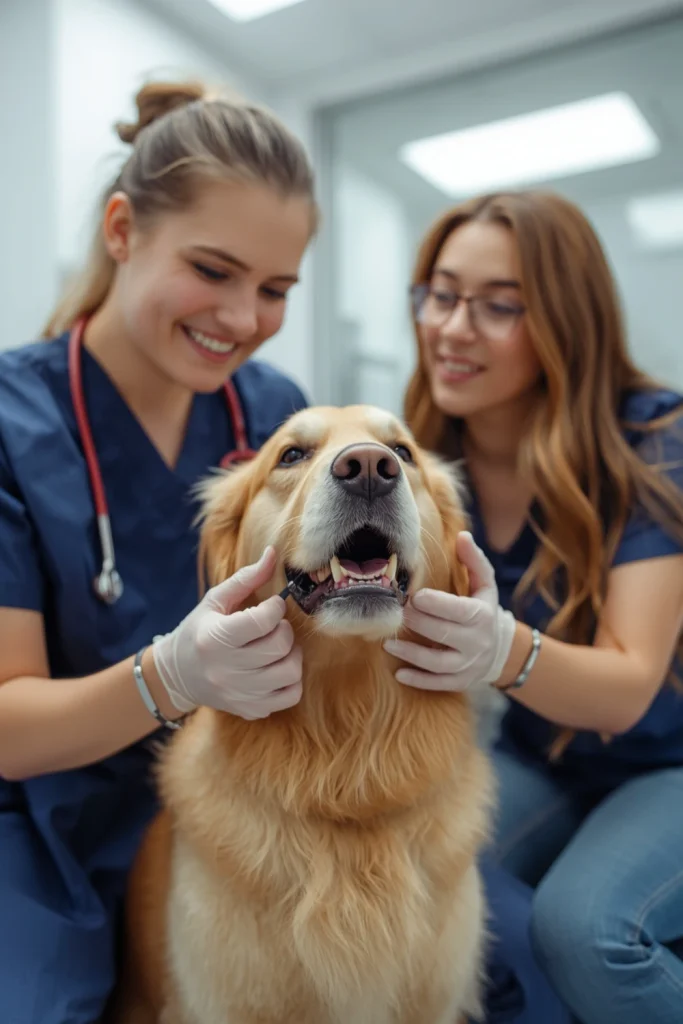
Home dental care is important, but it cannot replace professional veterinary examinations. Your veterinarian can examine your dog’s teeth and gums, identify early signs of dental disease, and recommend appropriate treatment. Some dental problems develop beneath the gumline, where they cannot be easily seen during ordinary home inspections. Regular checkups help identify these concerns before they become more serious.
During a dental examination, your veterinarian may check for tartar, gum inflammation, damaged teeth, loose teeth, and unusual changes inside the mouth. Depending on your dog’s condition, professional dental cleaning under anesthesia may be recommended. The frequency of dental examinations and cleaning depends on your pet’s individual needs. Ask your veterinarian to create a suitable dental care schedule based on your dog’s age, breed, and oral health.
7. Introduce Dental Care at an Early Age
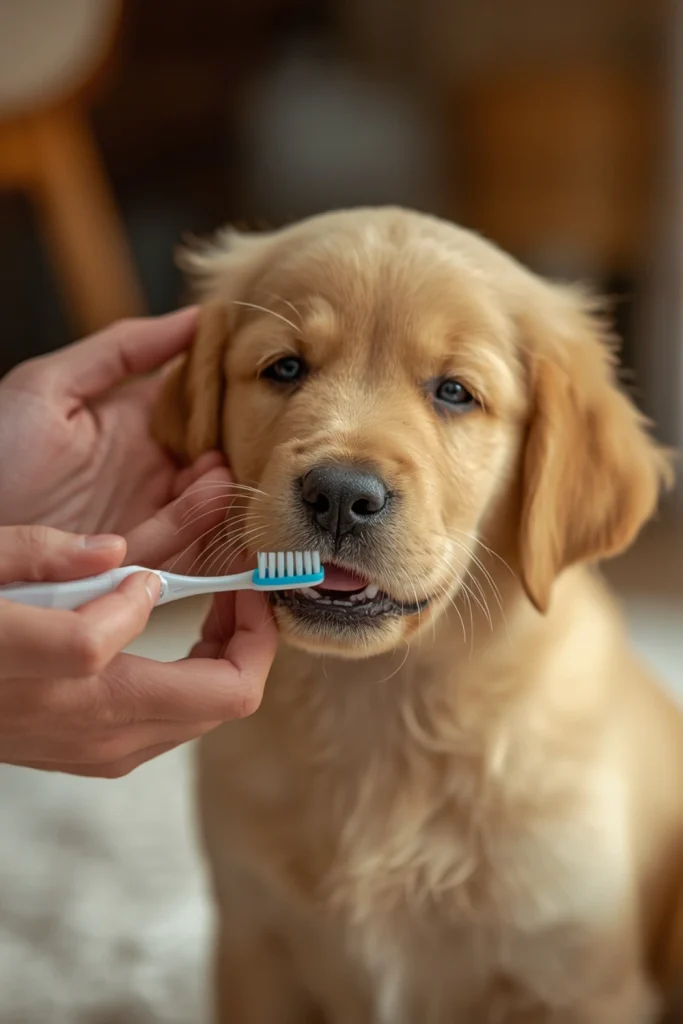
Starting dental care during puppyhood can make maintaining healthy teeth easier as your dog grows. Young puppies can gradually learn to accept gentle mouth handling, toothbrushes, and dog-safe toothpaste. Early introduction helps establish a familiar routine before dental care becomes an unfamiliar experience. Even a few seconds of gentle practice can help build confidence.
Begin by touching your puppy’s cheeks and muzzle gently. Once your puppy accepts this, gradually lift the lips and allow your pet to explore a soft toothbrush. Introduce puppy-appropriate toothpaste and reward calm behavior with praise. Never force the toothbrush into your puppy’s mouth. Keep training sessions short and positive, and increase the duration as your puppy becomes comfortable. If your dog is already an adult, these habits can still be introduced gradually.
8. Watch for Signs of Dental Problems
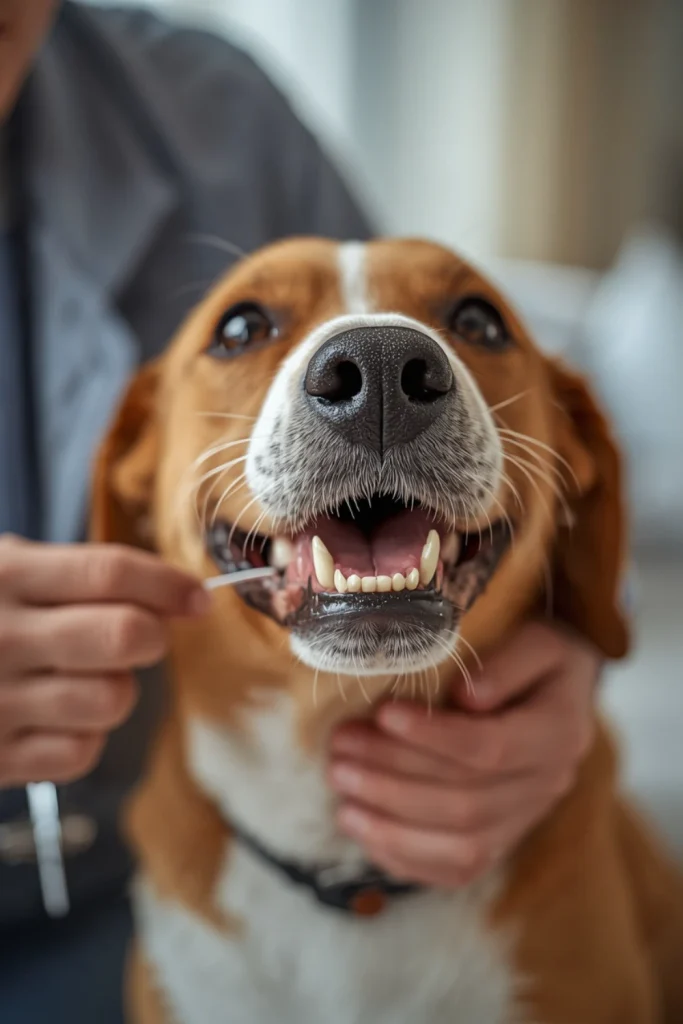
Monitoring your dog’s mouth regularly can help you recognize dental problems before they become more uncomfortable. Bad breath is sometimes caused by food or oral bacteria, but persistent unpleasant breath may indicate gum disease, infection, or another health condition. Other warning signs include red or swollen gums, visible tartar, bleeding, excessive drooling, and difficulty chewing.
Pay attention to changes in your dog’s eating habits and behavior. A dog experiencing mouth pain may avoid hard food, drop food while eating, chew on one side, or become less interested in meals. Some dogs may also paw at their mouths or resist having their faces touched. If you notice these symptoms, arrange a veterinary examination instead of trying to treat the problem with brushing alone. Early attention can help prevent worsening discomfort.
9. Select the Right Dental Products for Your Dog
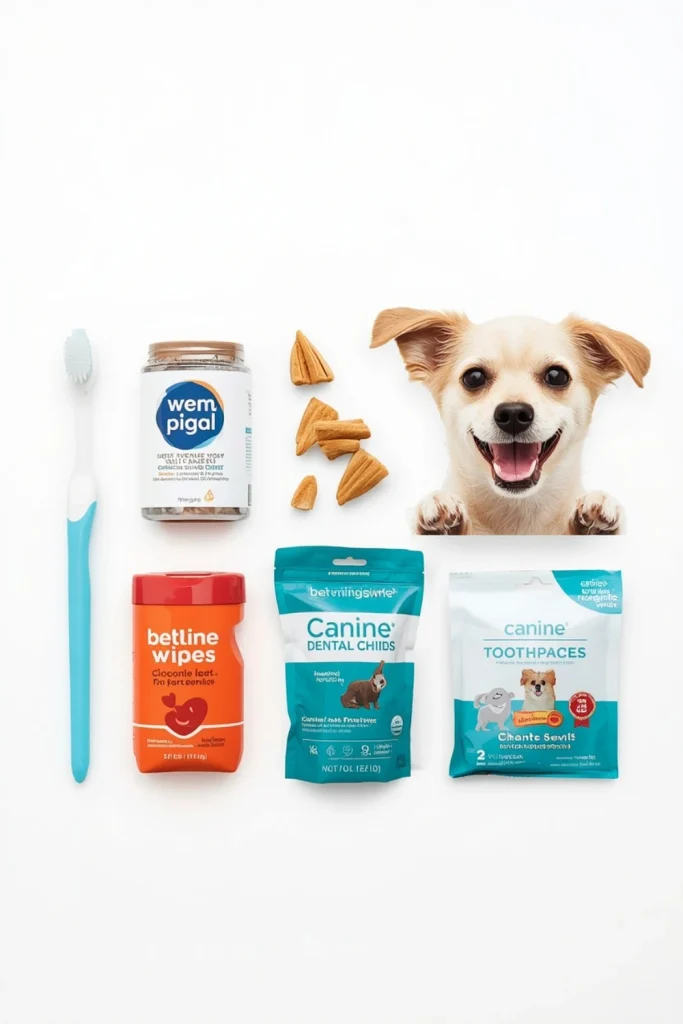
Using suitable dental products can make your dog’s oral care routine more effective and comfortable. Different products are available, including soft toothbrushes, finger brushes, canine toothpaste, dental wipes, and approved dental chews. However, not every product is suitable for every dog. Your choice should depend on your dog’s size, age, chewing habits, and individual dental needs.
Look for products specifically designed for canine dental care. Soft bristles are generally a good choice for brushing, while appropriately sized finger brushes may help some beginners. Dental wipes can provide an additional cleaning option, although they may not reach every tooth surface as effectively as brushing. Check product instructions and ask your veterinarian for recommendations if you are unsure. Avoid unverified home remedies and products that make unrealistic claims about instantly eliminating bad breath.
10. Build a Consistent Dental Hygiene Routine
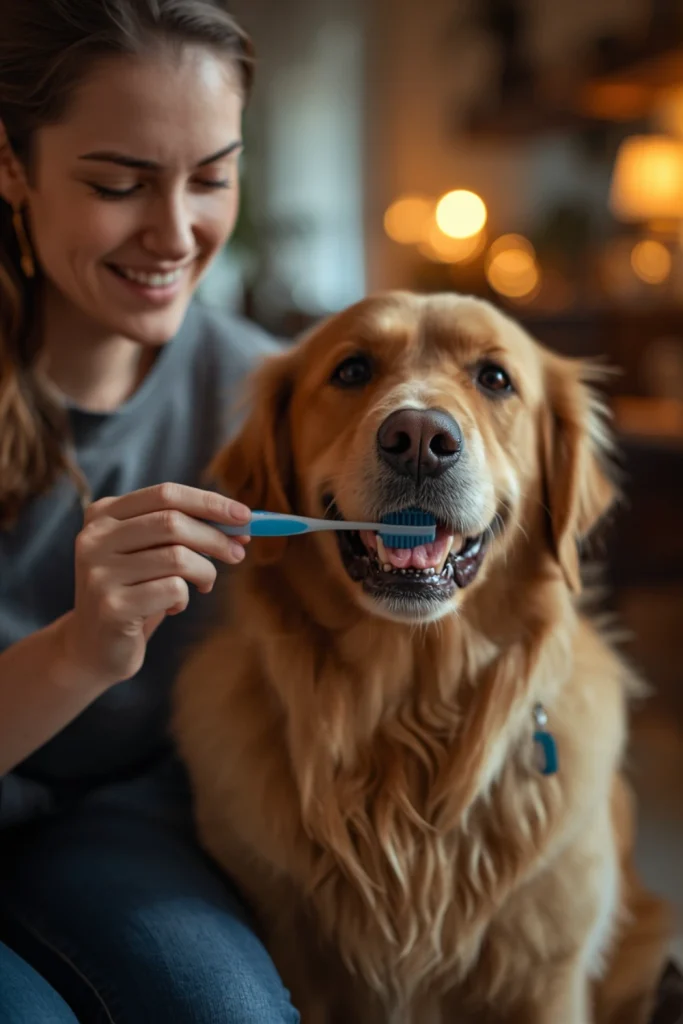
Consistency is one of the most important parts of maintaining your dog’s oral health. Occasional brushing may not be enough to control plaque effectively. Creating a predictable daily schedule helps you remember dental care and allows your dog to become familiar with the process. Choose a convenient time when your pet is relaxed, such as after an evening walk or before bedtime.
Keep your dental supplies in one accessible place so you can easily prepare for each session. Use a soft toothbrush, dog-safe toothpaste, and positive rewards. Begin with short sessions if your dog is still learning, and gradually work toward brushing every day. Combine this routine with fresh drinking water, suitable dental chews, clean feeding bowls, and regular veterinary checkups. These simple habits can support healthier teeth and fresher breath over time.
Final Thoughts
Maintaining your dog’s dental health is about more than simply improving breath. Healthy teeth and gums help your furry friend eat comfortably, enjoy everyday activities, and maintain a better quality of life. By following these 10 dog dental hygiene tips, you can build a simple routine that supports cleaner teeth and fresher breath.
Start with daily brushing, choose dog-safe toothpaste, provide fresh drinking water, and consider appropriate veterinary-approved dental chews. Keep food and water bowls clean, monitor your dog’s mouth, and schedule regular veterinary examinations. Remember that persistent bad breath may be a warning sign of an underlying health problem, so do not ignore unusual changes.
Every dog is different, and developing good dental habits takes patience. Start with small steps, reward positive behavior, and remain consistent. With regular attention and appropriate professional care, you can help your dog enjoy a healthier smile for years to come.