15 Easy Dog Care Tips You Can Follow at Home
A happy, healthy dog starts with the little things you do every day. From providing fresh drinking water to creating a cozy sleeping space, simple habits can help your furry friend feel safe, comfortable, and loved. You do not need expensive equipment or complicated routines to give your dog the care it deserves.
These Easy Dog Care Tips will help you build a practical home care routine, whether you are welcoming your first puppy or caring for a beloved adult dog. Learn how to improve your dog’s nutrition, grooming, exercise, hygiene, training, and overall well-being with simple steps you can follow at home.
1. Provide Fresh and Clean Drinking Water
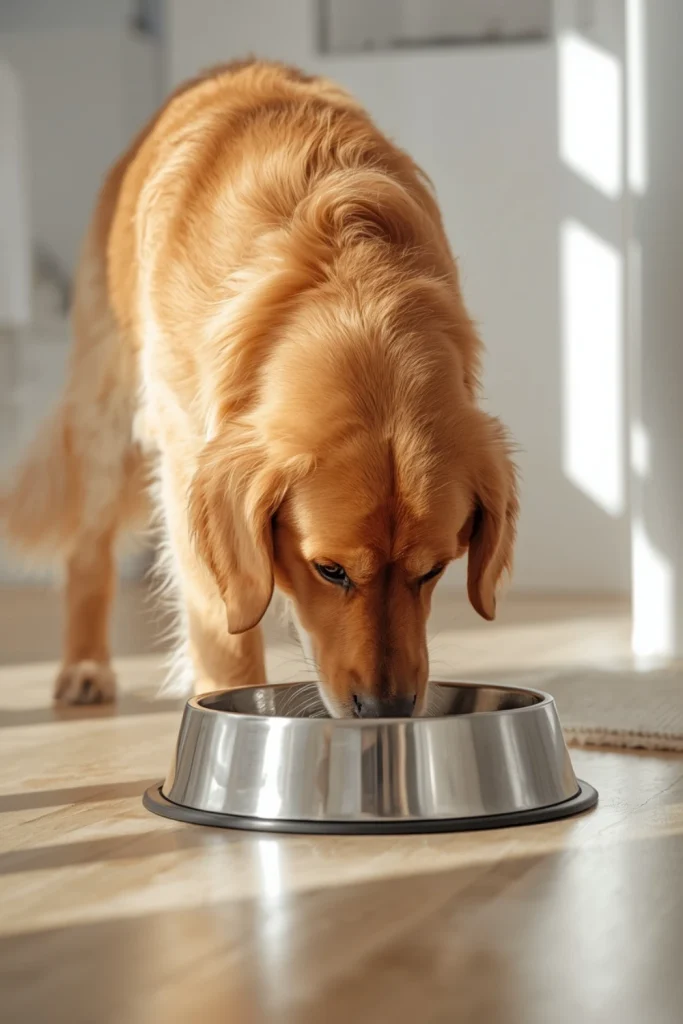
Fresh drinking water is essential for your dog’s health. Water supports digestion, helps regulate body temperature, carries nutrients throughout the body, and supports normal organ function. Keep a clean water bowl in an accessible place so your dog can drink whenever it needs to. Refill the bowl regularly, particularly after walks, outdoor play, and exercise. During hot weather, check the water more frequently and make sure your dog has access to a cool place to rest. Puppies, active dogs, and dogs spending time outdoors may need additional opportunities to drink throughout the day.
Cleaning the bowl is just as important as filling it. Wash your dog’s water bowl daily to remove saliva, food particles, dirt, and slippery buildup. Stainless steel and ceramic bowls are often practical because they are easy to clean. When traveling, carry a portable water bottle and offer regular drinking breaks. Pay attention to changes in your dog’s thirst. Drinking significantly more or less than usual may indicate an underlying problem, so contact your veterinarian if you notice a sudden or persistent change.
2. Feed Your Dog a Balanced and Nutritious Diet
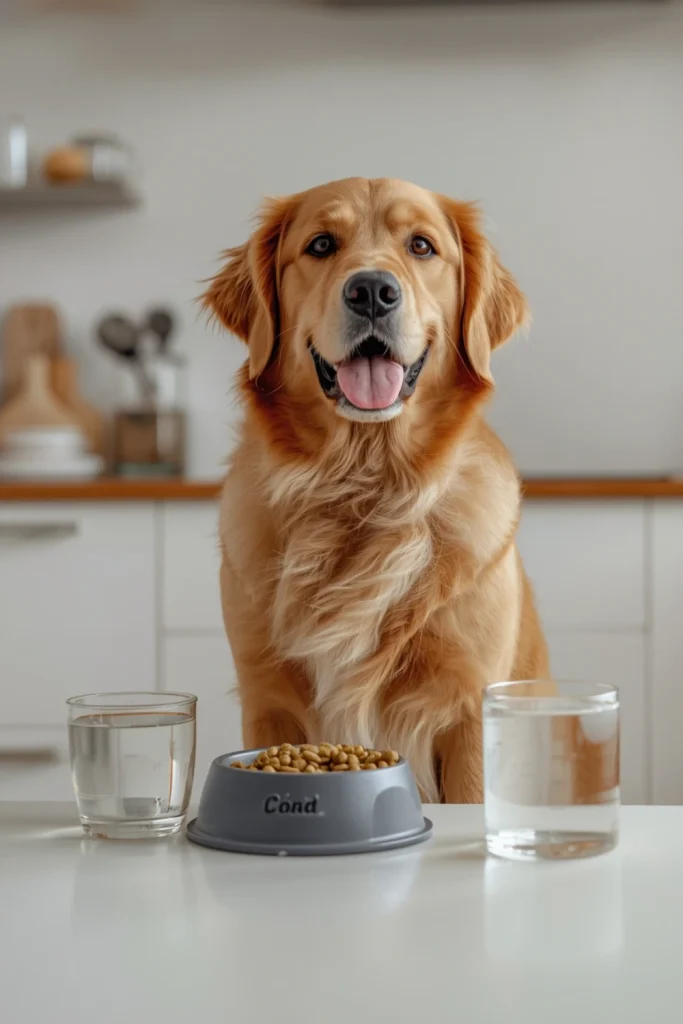
A balanced diet provides the nutrients your dog needs to maintain healthy muscles, strong bones, energy, and a healthy body weight. Choose complete and balanced dog food suitable for your pet’s life stage, such as puppy, adult, or senior food when appropriate. Consider your dog’s size, activity level, and health requirements when selecting a product. Follow the feeding guidelines on the packaging as a starting point, but remember that individual dogs may need different portions. Monitoring body condition and weight can help you identify when adjustments are necessary.
Establish consistent meal times and avoid giving too many treats or table scraps. Certain human foods, including chocolate, grapes, raisins, onions, garlic, and products containing xylitol, can be dangerous for dogs. Fatty or heavily seasoned leftovers may also cause digestive problems. Introduce new foods gradually to reduce the likelihood of stomach upset. If you want to prepare homemade meals, consult a veterinary nutrition professional to ensure the diet provides all essential nutrients in the correct proportions. Proper nutrition is one of the most important Easy Dog Care Tips because it supports your dog’s health throughout life.
3. Create a Regular Exercise Routine
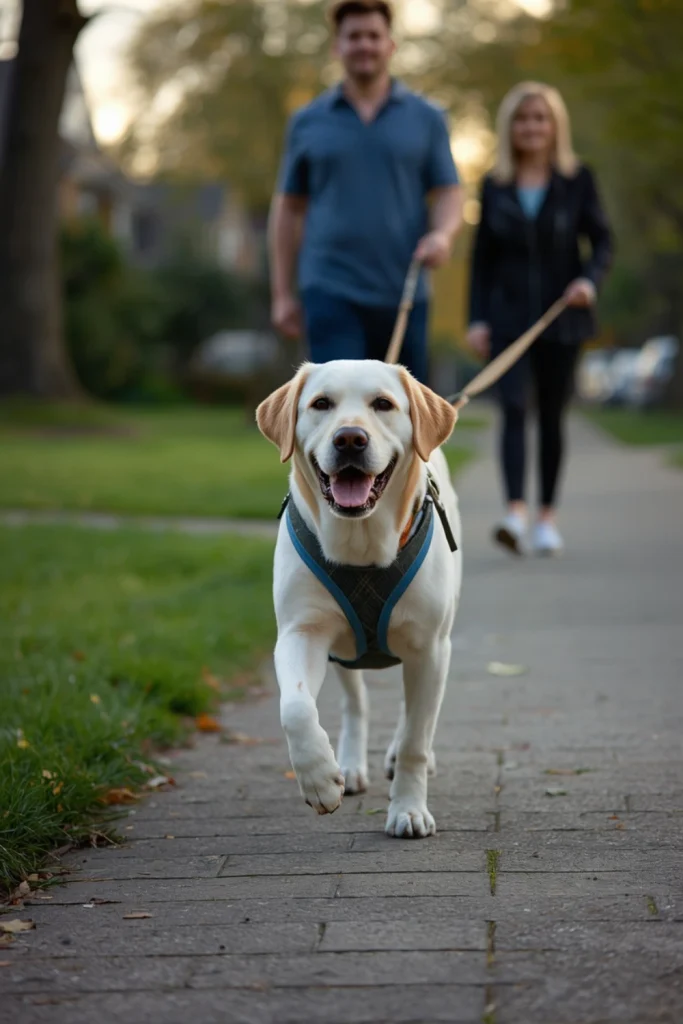
Regular exercise helps dogs maintain a healthy weight, build muscle, and release energy in positive ways. Depending on your dog’s age, breed, health, and fitness, suitable activities may include walking, playing fetch, exploring a secure garden, or enjoying supervised games. Some dogs enjoy longer outdoor adventures, while others benefit from several shorter walks throughout the day. Start with activity your dog can comfortably manage and gradually increase the duration when appropriate. A predictable exercise routine can also provide structure and reduce boredom, especially for energetic dogs that need regular opportunities to explore.
Consider the weather and your dog’s physical condition before exercising. Hot pavement can burn paw pads, while high temperatures increase the risk of overheating. During warm weather, choose cooler times for walks, offer water breaks, and avoid strenuous exercise in direct sunlight. Puppies need age-appropriate activity without excessive repetitive impact, and senior dogs may prefer shorter, gentler walks. Stop if your dog shows unusual weakness, limping, distress, or excessive panting. If symptoms are severe or persist, seek veterinary advice. The best routine is one that supports fitness without pushing your dog beyond its abilities.
4. Brush Your Dog’s Coat Regularly
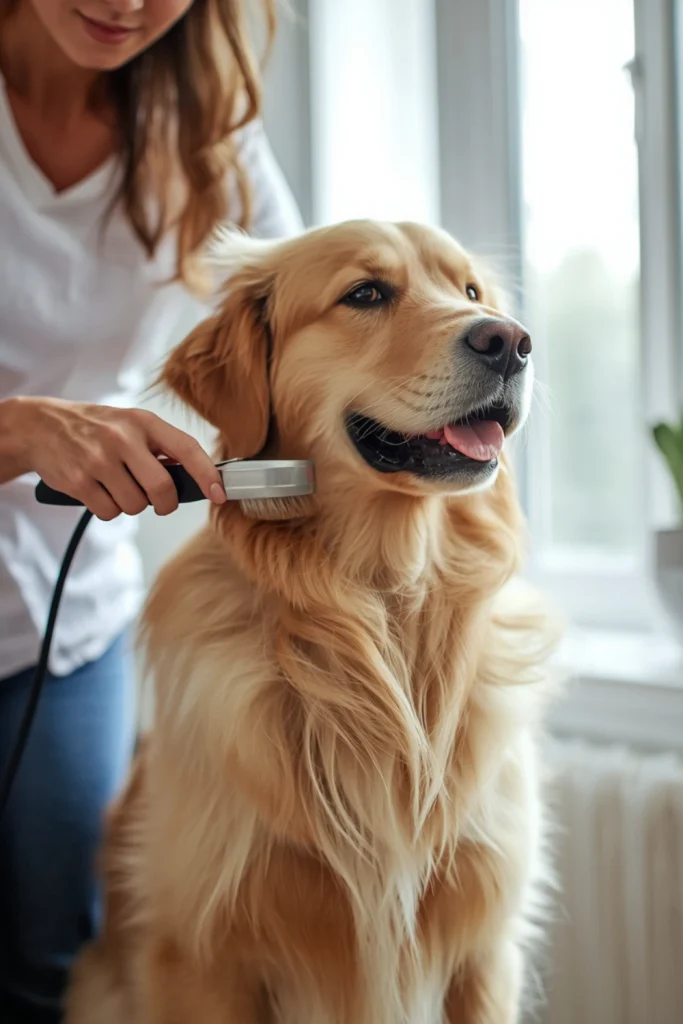
Brushing helps remove loose hair, dirt, and tangles while keeping your dog’s coat comfortable. It also gives you an opportunity to check the skin for unusual lumps, redness, parasites, or sensitive areas. The right brushing schedule depends on coat type. Short-haired dogs may need brushing once or twice a week, while long-haired, curly-coated, or heavily shedding breeds may require more frequent grooming. Choose a brush or comb designed for your dog’s coat and start gently so your pet learns to associate grooming with a calm, positive experience.
Pay special attention to areas where tangles often form, including behind the ears, beneath the legs, around the collar, and near the tail. Reward calm behavior with praise or small treats, particularly if your dog is nervous about grooming. Never pull forcefully at tangled hair because this can hurt the skin. Severe matting may require professional grooming or veterinary assistance. If you notice persistent itching, bald patches, sores, or unusual skin changes, arrange a veterinary examination. Regular brushing keeps your dog’s coat manageable and helps you spot potential problems early.
5. Maintain Your Dog’s Dental Hygiene
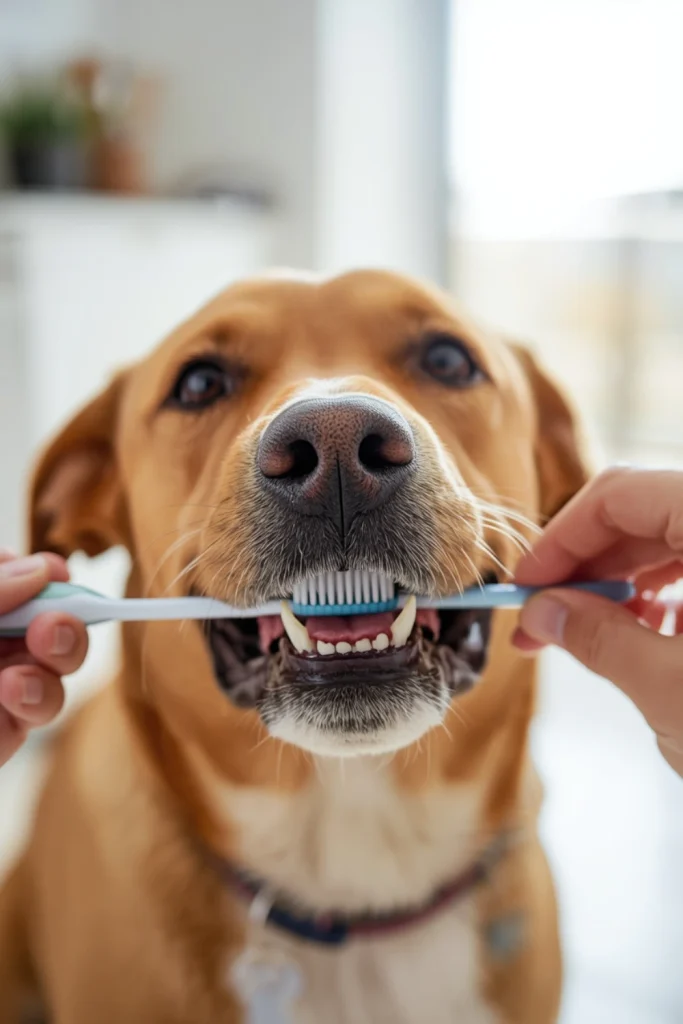
Dental hygiene is an important part of keeping your dog healthy at home. Plaque can accumulate on teeth and harden into tartar, potentially contributing to gum inflammation, discomfort, and dental disease. Watch for warning signs such as persistent bad breath, red gums, drooling, difficulty chewing, or changes in eating habits. Some dogs continue eating despite oral pain, so regular observation is valuable. Checking your dog’s mouth gently can help you recognize visible changes, although a veterinary examination may be necessary to identify problems below the gumline.
Brush your dog’s teeth with a dog-specific toothbrush and toothpaste. Human toothpaste should not be used because some products contain ingredients that are unsafe for dogs, including xylitol. Introduce brushing gradually by letting your dog become comfortable with having its lips and mouth handled. Daily brushing is ideal when tolerated. Veterinary-approved dental chews and dental diets can provide additional support, but they do not replace professional examinations or cleaning when needed. If your dog has swollen gums, damaged teeth, or signs of oral pain, contact your veterinarian rather than forcing brushing.
6. Keep Your Dog’s Sleeping Area Clean and Comfortable
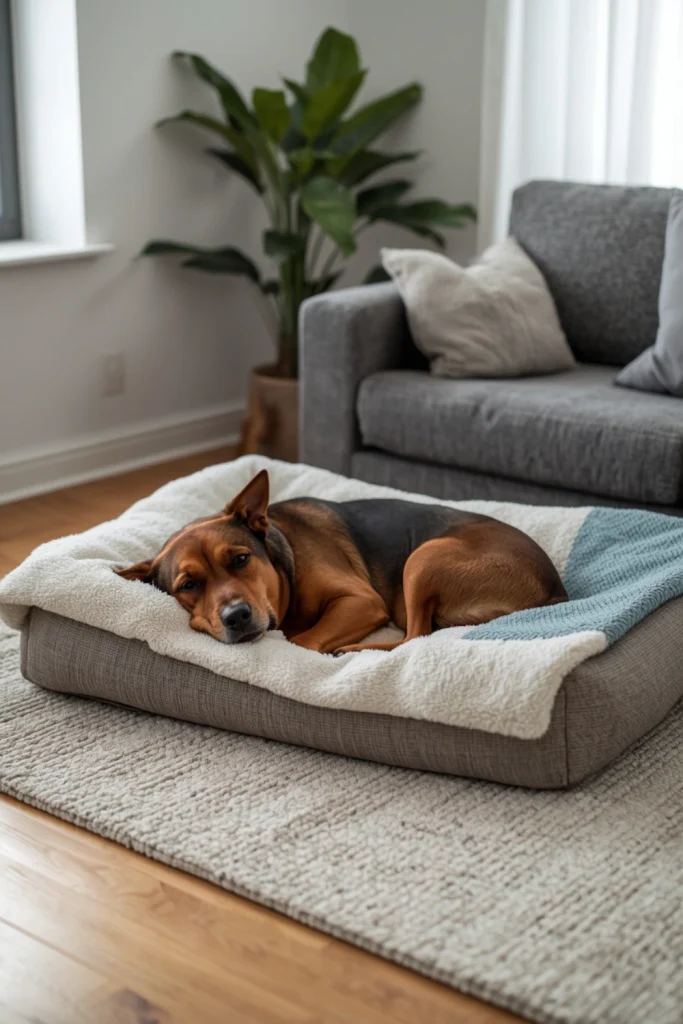
A clean, comfortable sleeping area helps your dog rest after exercise, play, and training. Choose a bed that gives your pet enough space to stretch out, curl up, and change positions comfortably. Older dogs and pets with joint problems may benefit from supportive orthopedic bedding, depending on their needs. Place the bed in a quiet area where your dog can relax without constant disturbance. Avoid locations that are excessively hot, cold, damp, or exposed to strong drafts. Your dog should also be able to move to a cooler or warmer spot when necessary.
Wash bedding regularly according to its care instructions and remove loose hair, dirt, and debris between washes. Inspect the bed for damaged fabric, sharp parts, or objects that could be swallowed. Puppies may benefit from washable bedding while they learn household routines. If your dog spends time outdoors, ensure its resting space stays dry and protected from the weather. Observe sleeping habits, too. Sudden restlessness, difficulty lying down, or reluctance to get up can sometimes indicate pain or discomfort. Contact your veterinarian if these changes persist or appear unusual.
7. Bathe Your Dog When Necessary
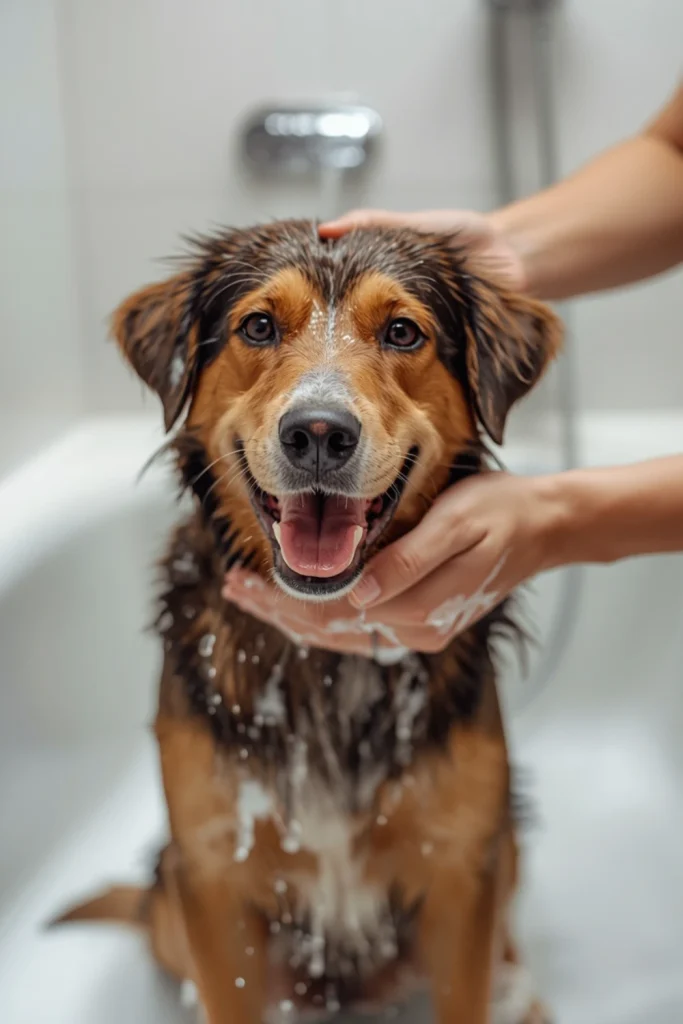
Bathing helps remove dirt, odors, and substances that may irritate your dog’s coat or skin. However, dogs do not all require the same bathing schedule. Some need baths only occasionally, while others may require more frequent washing because of their coat type or a skin condition. Follow your veterinarian’s advice if your dog has allergies or skin problems. Always use shampoo formulated specifically for dogs because human shampoos may be unsuitable for canine skin and can cause dryness or irritation.
Before bathing, brush your dog’s coat to remove loose hair and small tangles. Use lukewarm water, avoid getting shampoo in the eyes, and rinse thoroughly so no residue remains. Dry your dog with a towel and keep it in a warm, draft-free area until its coat is appropriately dry. Long-haired dogs may need additional drying to prevent damp areas from remaining against the skin. Use a nonslip surface and gentle handling to make bath time less stressful. If your dog develops persistent itching, redness, scaling, or an unusual odor, consult a veterinarian rather than relying on frequent baths alone.
8. Trim Your Dog’s Nails Safely
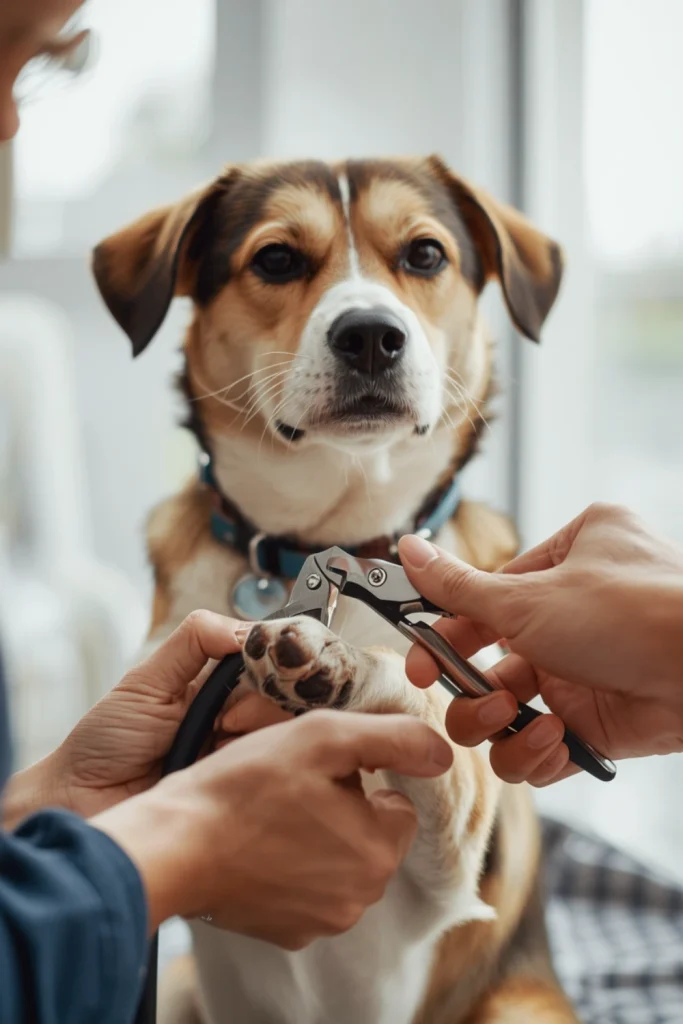
Overgrown nails can make walking uncomfortable and may affect your dog’s posture and movement. Some dogs naturally wear their nails down during walks, but others need regular trimming. Check the nails routinely, including the dewclaws, which may not touch the ground enough to wear down naturally. Use nail clippers or a grinder designed for dogs, choosing a tool appropriate for your pet’s size. Keeping nails at a comfortable length can help prevent them from becoming excessively long, catching on surfaces, or pressing painfully against the paws.
If your dog dislikes nail trimming, introduce the process gradually. Start by touching its paws gently and rewarding calm behavior before attempting to trim. Remove only small amounts at a time, taking care not to cut the quick, the sensitive part of the nail containing blood vessels and nerves. The quick may be difficult to see in dark nails, so ask a veterinarian or groomer for a demonstration if you are unsure. Never force a frightened dog through a stressful grooming session. If you accidentally cause bleeding, use pet-safe styptic powder and seek veterinary advice if bleeding continues.
9. Check Your Dog’s Ears and Eyes
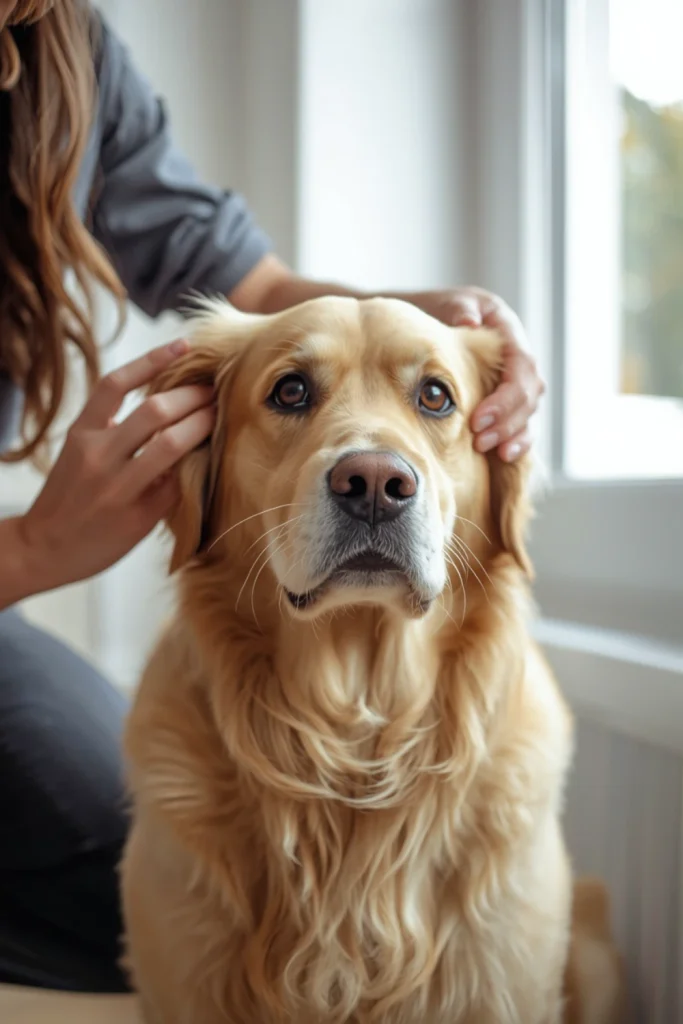
Checking your dog’s ears and eyes regularly helps you recognize signs of irritation or illness. Healthy eyes are generally clear and comfortable, while the ears should not have a strong unpleasant odor or persistent discharge. Look for redness, swelling, excessive tearing, repeated head shaking, or frequent scratching around the ears. Dogs with floppy ears or certain coat types may be more prone to ear problems, but any dog can develop irritation or infection. Regular observation is a simple habit that helps you notice unusual changes and seek veterinary advice when needed.
Clean only the areas that can be reached safely, using products recommended for dogs. Never insert cotton swabs or other objects deep into the ear canal, and avoid putting unapproved liquids into your dog’s ears. If your veterinarian has recommended an ear cleaner, follow the instructions carefully. You can gently wipe minor debris around the corners of the eyes with a clean, damp cloth when appropriate. Squinting, eye pain, cloudiness, significant redness, or sudden changes in vision require prompt veterinary attention. Do not use human eye drops unless your veterinarian specifically recommends them.
10. Protect Your Dog From Fleas and Ticks
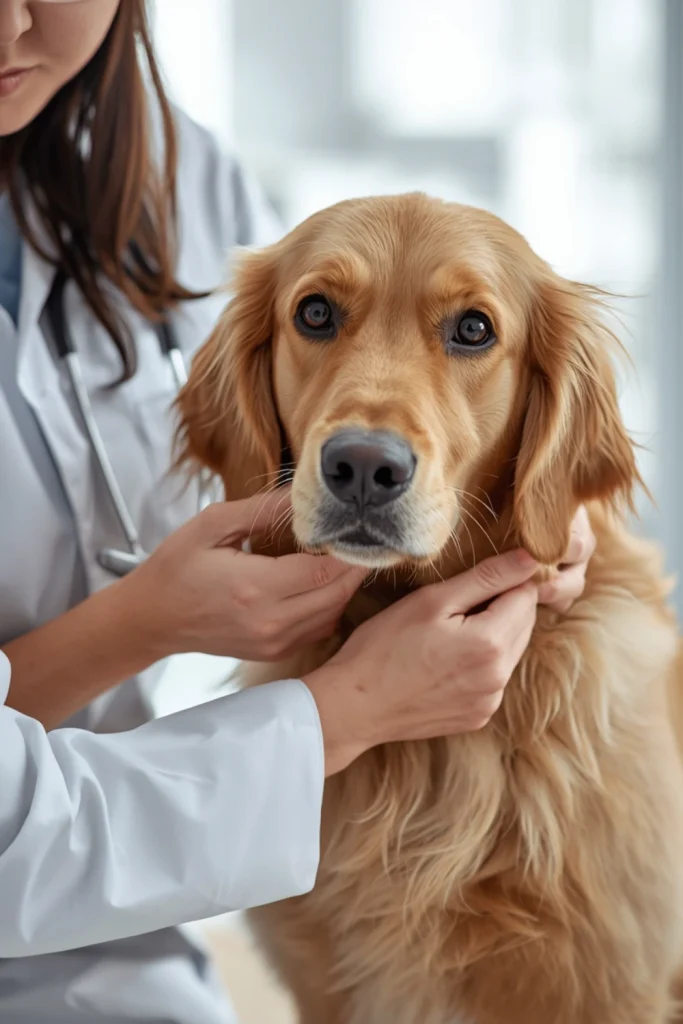
Fleas and ticks can cause discomfort and expose dogs to additional health risks. Fleas often cause itching and skin irritation, while ticks can transmit certain diseases. Make it a habit to check your dog’s coat after walks, particularly after visiting grassy fields, wooded paths, or places where parasites are common. Pay attention to the neck, ears, belly, armpits, and spaces between the toes. Regular checks are especially useful when your dog spends considerable time outdoors or lives in an area where parasites are active throughout the year.
Ask your veterinarian which parasite prevention products are appropriate for your dog’s age, weight, health, and lifestyle. Follow product instructions carefully and never assume a treatment intended for another animal is safe for your dog. Some products can be dangerous to other household pets if used incorrectly. Wash bedding when needed and keep your dog’s sleeping area clean. If you notice persistent itching, skin irritation, visible parasites, or unusual symptoms, seek veterinary advice. Scratching is not always caused by fleas; allergies, infections, and other skin conditions can produce similar signs.
11. Make Your Home Safe for Your Dog
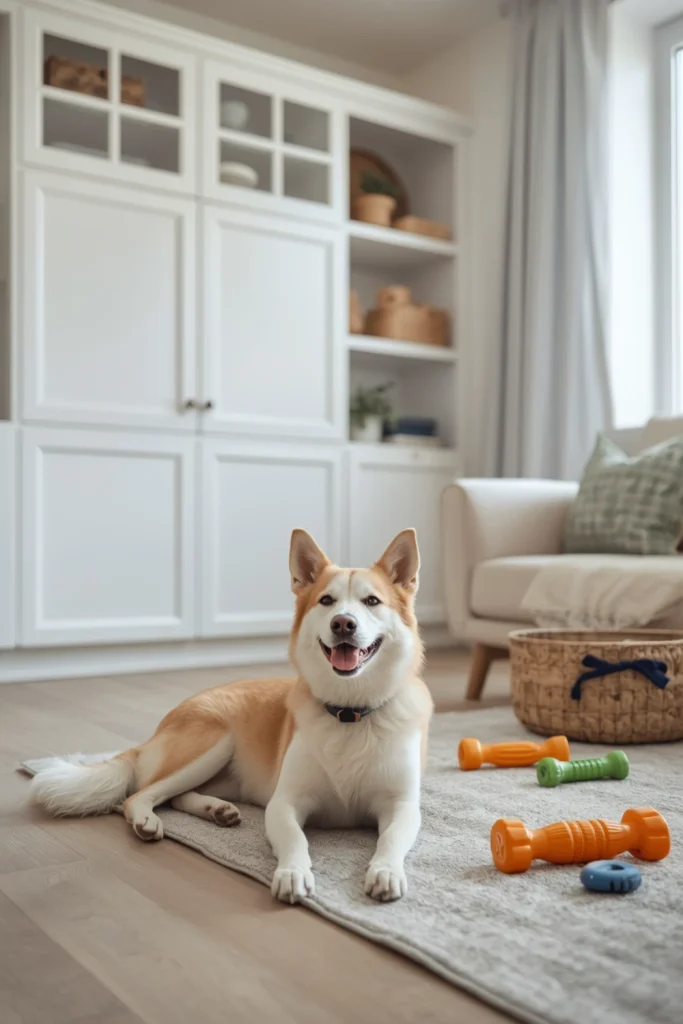
A dog-friendly home allows your pet to explore, play, and rest without unnecessary danger. Store medicines, cleaning chemicals, pesticides, and other potentially poisonous substances in secure cupboards. Keep electrical cords, sharp objects, small swallowable items, and unsafe household products out of reach. Learn which foods and plants may be toxic to dogs, and make sure rubbish bins are securely covered. Puppies need particularly close supervision because they often explore their surroundings by chewing, sniffing, and picking up objects.
Check your garden or outdoor area for broken fences, gaps beneath gates, toxic plants, and other hazards. Provide shade and shelter if your dog spends time outside, and never leave it exposed to dangerous temperatures. A baby gate, playpen, or designated safe room can help you manage your dog’s environment while teaching household rules. Keep toys in good condition and remove any that have broken pieces or could be swallowed. Making your home safer does not require a complete renovation; thoughtful organization and regular checks can prevent many common accidents.
12. Provide Mental Stimulation and Positive Training
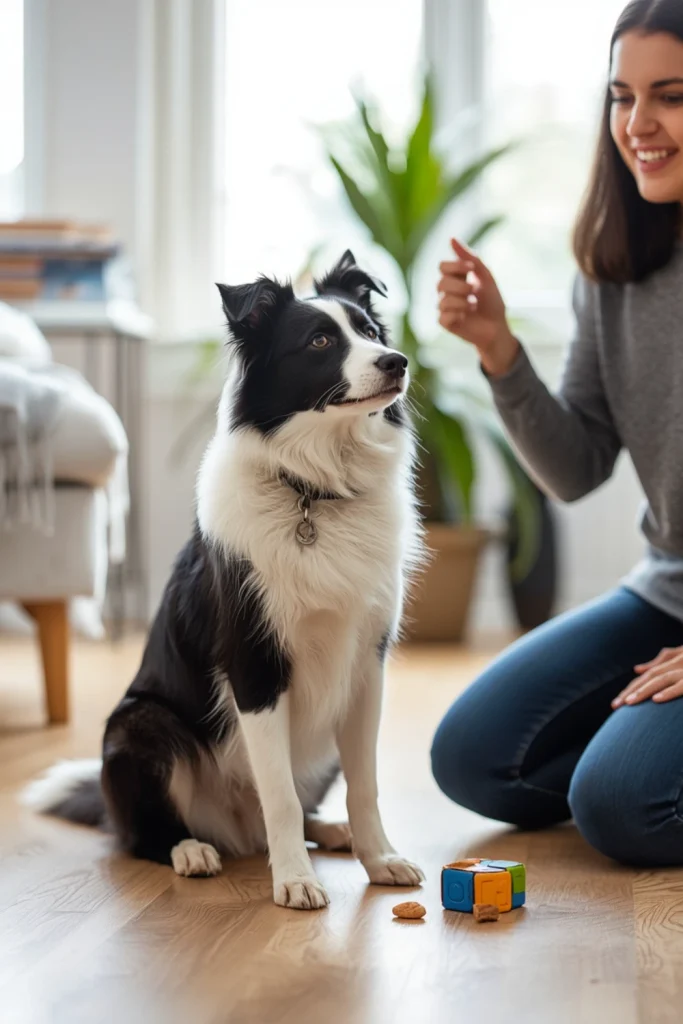
Dogs need mental challenges in addition to physical exercise. When dogs become bored, they may develop unwanted habits such as chewing furniture, barking excessively, digging, or searching through household rubbish. Simple activities can help without requiring expensive equipment. Try hiding a few pieces of your dog’s regular food in safe places, using a suitable food puzzle, practicing basic commands, or introducing supervised scent games. Choose activities that match your dog’s age, abilities, and confidence, and make sure toys are safe for your pet’s size and chewing habits.
Keep training sessions short, consistent, and rewarding. Useful skills include responding to a name, sitting calmly, coming when called, walking on a loose leash, and settling on a mat. Reward desirable behavior with praise, play, or small treats, and make exercises easier when your dog struggles. Avoid harsh punishment, which can create fear and damage trust. Puppies may need several short sessions throughout the day, while adult dogs can benefit from a mixture of training, exploration, and enrichment. Mental stimulation is particularly useful during bad weather or when outdoor activity must be limited.
13. Maintain a Consistent Toilet Training Routine
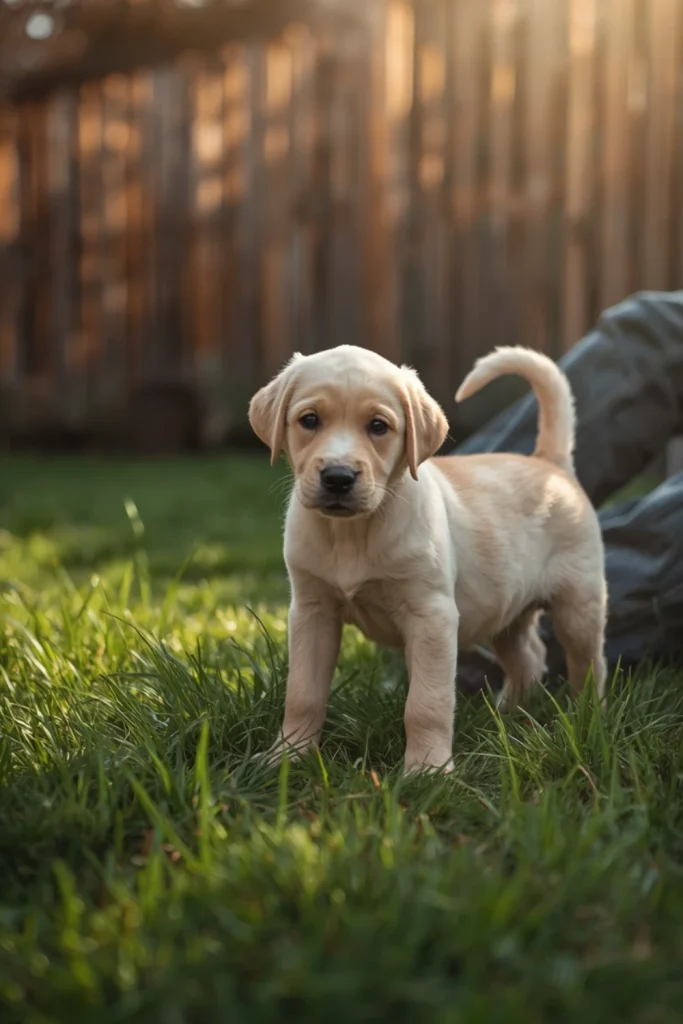
A predictable toilet schedule helps your dog learn where and when to relieve itself. Puppies usually need more frequent toilet breaks because their bladder control is still developing. Take your puppy outside after waking, after meals, after play, and before bedtime. Adult dogs also benefit from regular opportunities to go outside, although their needs vary according to age, health, and routine. Choosing a consistent toilet area can make learning easier, especially when you reward your dog immediately after it finishes in the correct place.
Accidents may happen during training, so respond patiently. Clean indoor messes promptly with a pet-safe enzymatic cleaner that removes lingering odors. Avoid scolding your dog after an accident; instead, supervise closely and watch for signs such as sniffing, circling, or moving toward the door. Provide sufficient toilet breaks and avoid expecting your dog to hold urine for an unreasonable length of time. Sudden accidents in a previously house-trained dog may indicate a medical issue. Straining, blood in the urine, unusually frequent urination, or difficulty passing urine should prompt veterinary advice, with inability to urinate requiring urgent attention.
14. Schedule Regular Veterinary Checkups
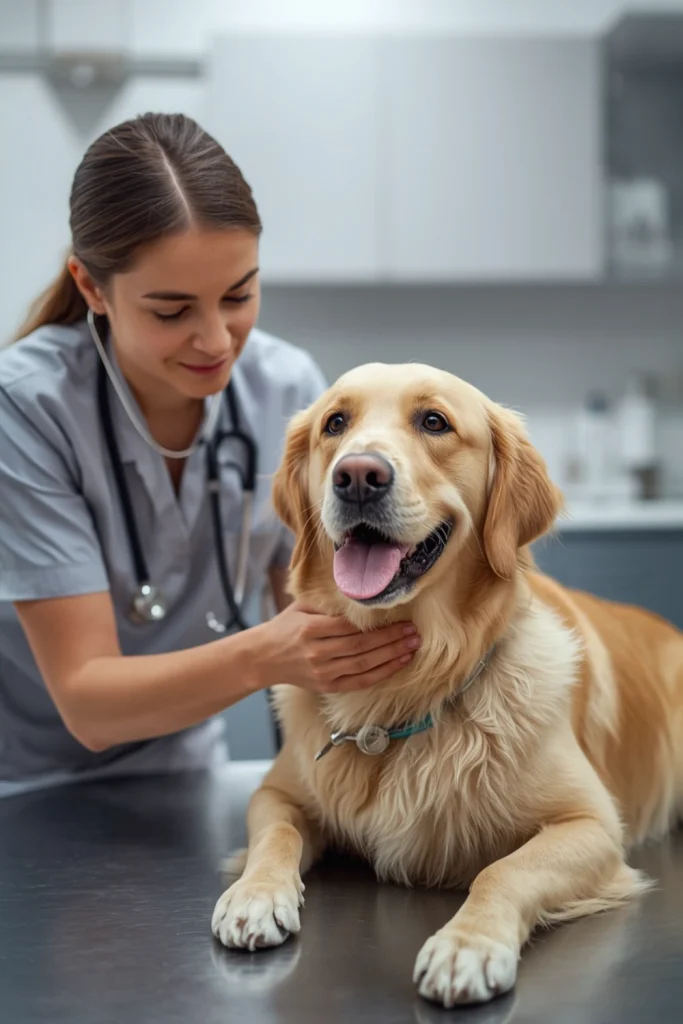
Routine veterinary examinations are essential for maintaining your dog’s health. During a checkup, a veterinarian can assess body weight, teeth, skin, mobility, and general physical condition. They can also recommend appropriate vaccinations, parasite prevention, and health screening based on your dog’s age, lifestyle, and medical history. Puppies often need several early visits, while adult and senior dogs benefit from a schedule tailored to their individual needs. Preventive care helps identify concerns early and gives you an opportunity to ask questions about nutrition, behavior, grooming, and exercise.
Keep records of vaccinations, medications, previous illnesses, and upcoming appointments. At home, observe your dog’s appetite, drinking habits, energy level, bowel movements, and behavior. Contact your veterinarian when you notice persistent changes or symptoms that concern you. Difficulty breathing, collapse, suspected poisoning, severe bleeding, or inability to urinate may require emergency treatment. Do not rely on home remedies or online advice for serious symptoms. Although everyday care can support your dog’s well-being, it cannot replace professional diagnosis, vaccinations, or treatment when these are needed.
15. Give Your Dog Love, Attention, and Social Interaction
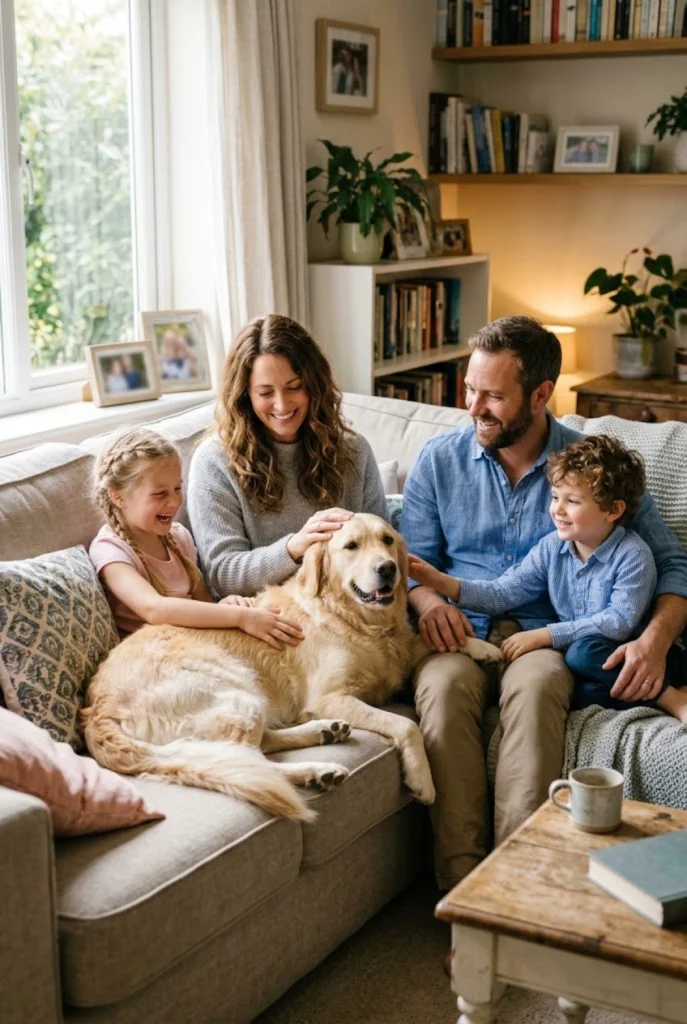
Dogs benefit from positive relationships with people and, when appropriate, other animals. Spending time together strengthens your bond and helps you understand your dog’s personality, preferences, and body language. Everyday activities such as relaxed walks, gentle play, brushing, and short training sessions provide opportunities for positive interaction. Even when your schedule is busy, try to set aside dedicated time for your dog rather than relying only on feeding and bathroom breaks. Consistent attention can help your pet feel secure and connected to its household.
Respect your dog’s boundaries and allow it to rest without being disturbed. Not every dog enjoys hugs, unfamiliar visitors, or meeting other dogs, so introduce new experiences gradually. Supervise interactions with children and teach them never to pull a dog’s ears or tail, disturb it while eating, or approach it when it is sleeping. Watch for signs of stress, such as turning away, hiding, stiffening, or repeatedly licking the lips. If your dog appears frightened around people or other animals, avoid forcing interactions and consider guidance from a qualified, reward-based trainer. Kindness, patience, and appropriate socialization are essential parts of responsible dog care.
Final Thoughts
Following these 15 Easy Dog Care Tips can help you build a healthier and happier life for your dog without making everyday care unnecessarily complicated. Fresh water, balanced nutrition, regular exercise, proper grooming, dental hygiene, and a safe home environment all contribute to your pet’s comfort and well-being.
You do not need to change everything at once. Start by improving one or two daily habits, then gradually introduce the rest. Pay attention to your dog’s age, personality, coat type, activity level, and health requirements when deciding which routines are most appropriate.
Remember that responsible dog ownership involves both everyday attention and professional veterinary care. By staying consistent, recognizing changes in your pet, and treating your dog with patience and kindness, you can strengthen your bond and support a more comfortable life together.
A happy dog is not simply a dog with food and shelter. It is a dog that receives suitable care, opportunities to explore, time to rest, positive interaction, and the attention it needs to thrive.