
15 Summer Dog Care Tips Every Owner Should Know
Summer brings sunshine, outdoor adventures, and more opportunities to spend quality time with your dog. However, warmer weather also creates challenges for pets. High temperatures, dehydration, hot pavement, insects, and excessive sunlight can affect your dog’s health and comfort. Even dogs that enjoy spending time outdoors may struggle when the weather becomes too hot.
The good news is that keeping your dog safe during summer does not require complicated routines. A few simple habits can make a big difference, from providing fresh drinking water to choosing cooler walking times. These 15 practical Summer Dog Care Tips will help you protect your furry friend, prevent common warm-weather problems, and make summer more comfortable and enjoyable for your entire family.
1. Always Provide Fresh and Clean Drinking Water

Fresh drinking water is one of the most important parts of summer dog care. Dogs may pant more frequently during warm weather, increasing their need for water. Make sure your pet has access to a clean water bowl throughout the day. Place it somewhere comfortable and easy to reach, preferably in a cool indoor area away from direct sunlight. If your dog spends time in different rooms, consider keeping additional bowls around the home.
Change the water regularly, especially when the weather is hot. Outdoor bowls can quickly collect dust, insects, leaves, and other debris, so wash them frequently and refill them with fresh water. When taking your dog for a walk or travelling, carry a portable water bottle and collapsible bowl. Never depend on your dog finding a safe drinking source outside, because stagnant or contaminated water may cause illness.
2. Walk Your Dog During Cooler Hours

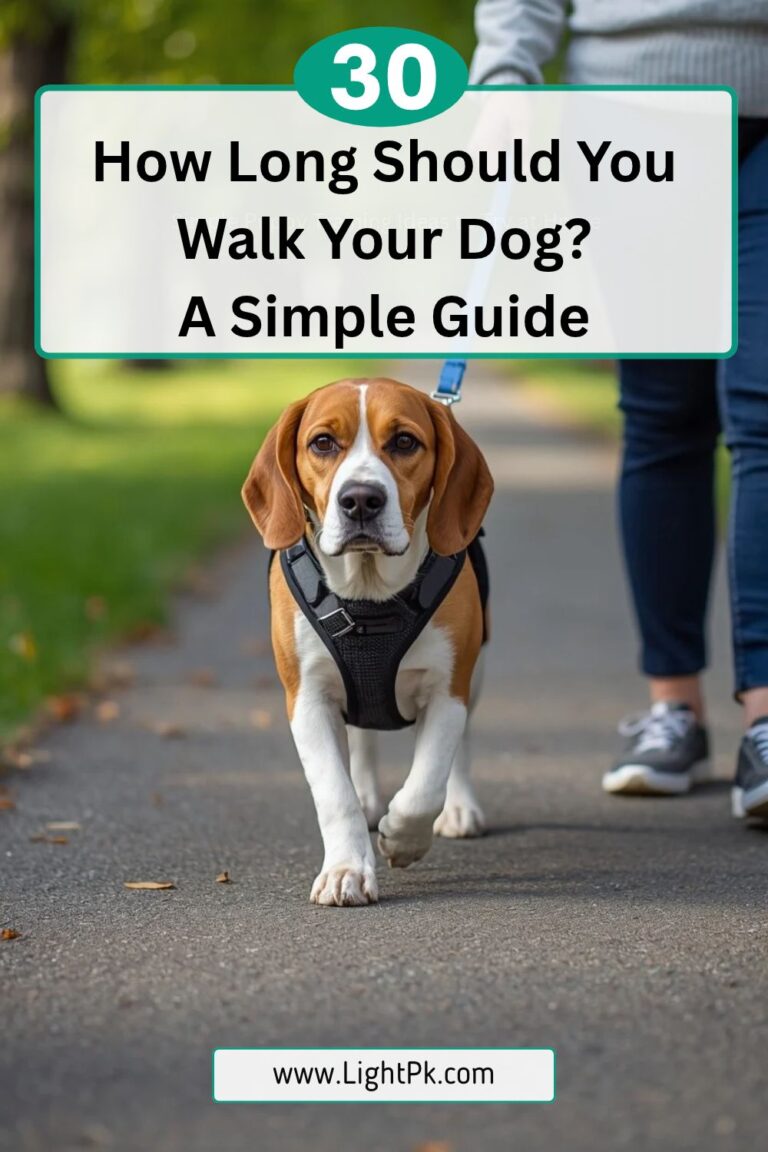
Daily walks provide physical activity, mental stimulation, and opportunities for dogs to explore their surroundings. However, summer heat can make regular walking times uncomfortable or even dangerous. During hot days, avoid taking your dog for long walks around midday or in the afternoon when direct sunlight and high temperatures can increase the risk of overheating.
Instead, plan walks early in the morning or later in the evening when conditions are usually cooler. Check the local weather before leaving and consider humidity as well as air temperature. Keep walks shorter when necessary, choose shaded routes, and allow your dog to take breaks. If the weather is extremely hot, replace outdoor exercise with indoor enrichment activities. A missed walk is better than exposing your pet to unsafe conditions.
3. Protect Your Dog’s Paws From Hot Pavement

Hot pavement is a summer danger that many dog owners overlook. Roads, sidewalks, concrete, and sand can become much hotter than the surrounding air. When dogs walk on these surfaces, their paw pads may become irritated or burned. This can be particularly painful because dogs use their paws for almost every movement and may continue walking even when they are uncomfortable.
Before taking your dog outside, place the back of your hand against the walking surface for several seconds. If it feels too hot for your hand, choose another route or wait until the temperature drops. Walk on grass or shaded paths whenever possible. Watch for limping, repeatedly lifting paws, licking the feet, or refusing to walk. If you suspect a paw burn, move your dog away from the hot surface and contact your veterinarian.
4. Create a Cool and Shaded Resting Area
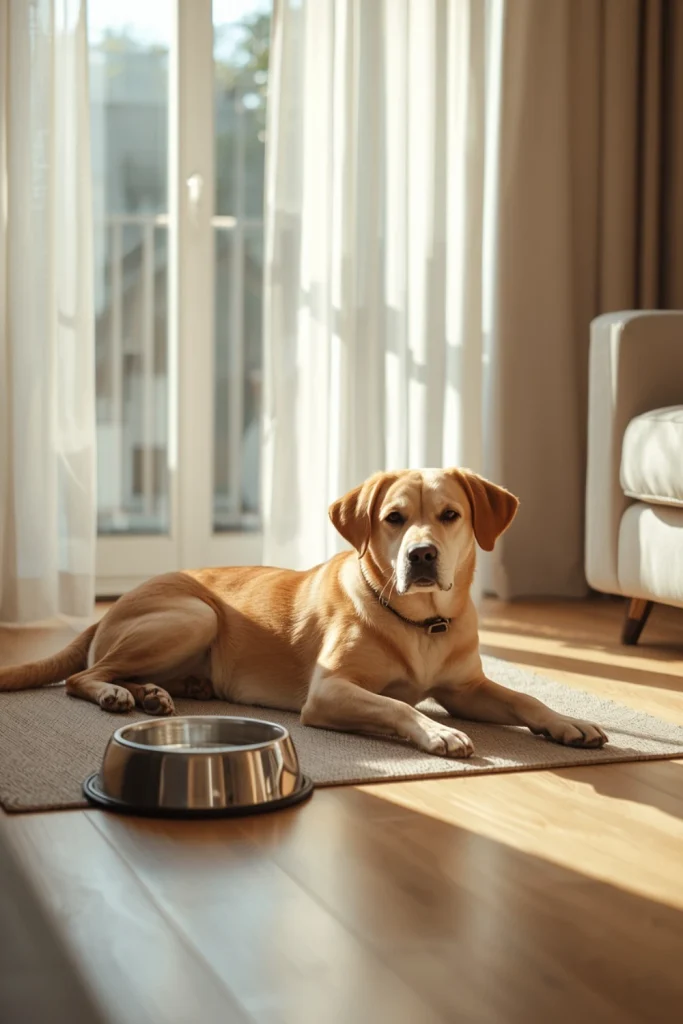
Every dog needs a comfortable place to rest during hot weather. A cool resting area gives your pet somewhere to relax after walking, playing, or spending time outdoors. Inside your home, choose a room with good ventilation and comfortable temperatures. Provide a suitable bed, mat, or clean resting surface where your dog can lie down without being disturbed.
If your dog spends supervised time outside, make sure shade is available throughout the day. Remember that the sun changes position, so an area that is shaded in the morning may become exposed in the afternoon. Outdoor shelters should have sufficient ventilation and should not trap hot air. During extreme heat, bring your dog indoors rather than relying only on a shaded garden or kennel. A comfortable indoor environment is often the safest choice.
5. Never Leave Your Dog Inside a Parked Car
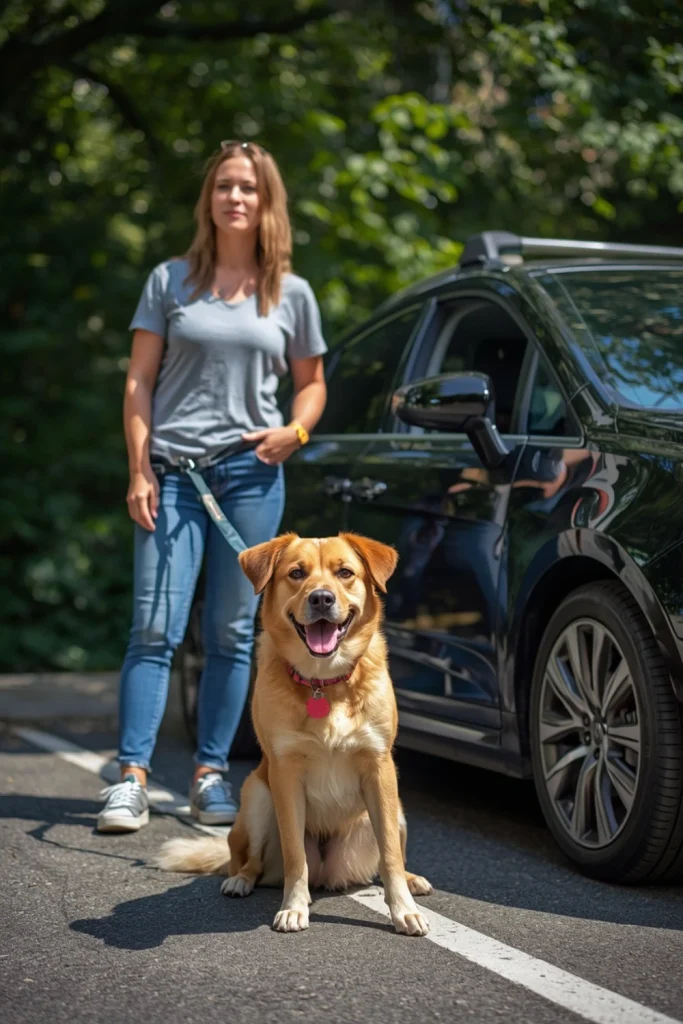
A parked car can become dangerously hot even when the outside weather seems pleasant. Temperatures inside a vehicle can rise rapidly, creating a serious risk of heatstroke. Opening the windows slightly or parking in the shade does not make it safe to leave a dog unattended. Even a short stop can expose your pet to life-threatening conditions.
Make it a strict rule never to leave your dog alone in a parked car during warm weather. If you are travelling with your pet, plan your journey around safe breaks and suitable destinations. Take another responsible adult who can remain with your dog if necessary, or leave your pet at home when you cannot supervise them. Never assume that a quick shopping trip is harmless. This simple precaution can prevent a serious emergency.
6. Groom Your Dog According to Its Coat Type
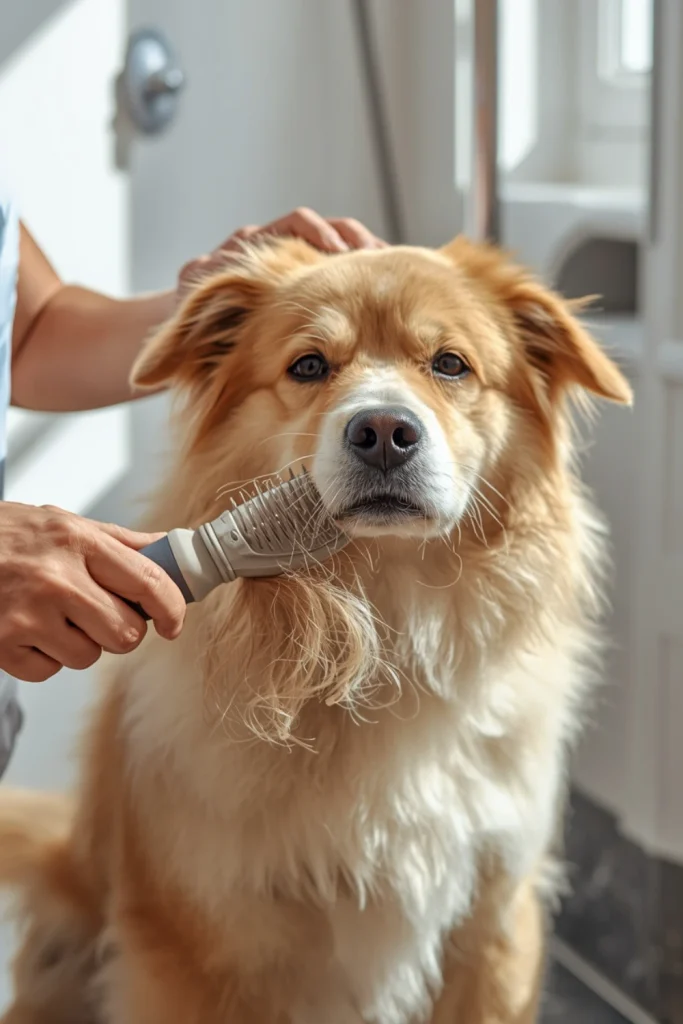
Regular grooming is important throughout the year, but it becomes especially useful during summer. Brushing helps remove loose hair, prevent tangles, and keep the coat clean. Dogs with long or thick fur may need more frequent brushing to prevent mats that trap dirt and moisture close to the skin. Grooming also gives you an opportunity to check for unusual bumps, redness, irritation, or parasites.
However, shaving every dog during summer is not recommended. Some breeds have double coats that provide natural protection from sunlight and help regulate temperature. Shaving these coats too short may interfere with their protective function and expose the skin to sun damage. Ask a veterinarian or experienced professional groomer about the right grooming approach for your dog’s breed. Keep the coat healthy and manageable without removing more fur than necessary.
7. Give Your Dog Regular Breaks During Outdoor Play
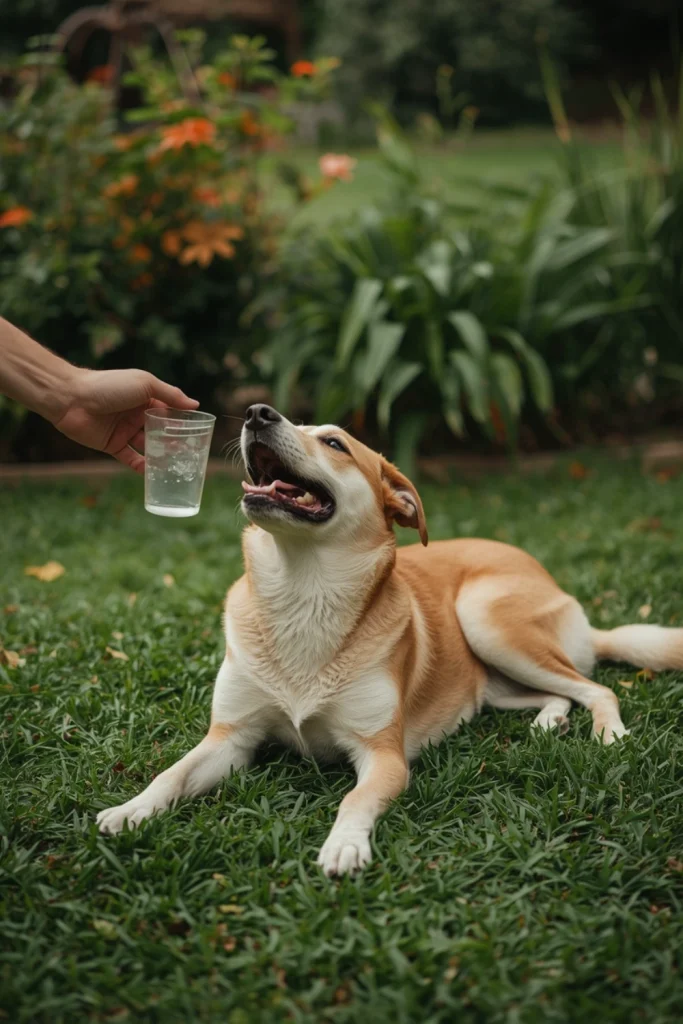
Dogs often become excited when playing outside, especially when chasing balls, running in the garden, or spending time with their owners. They may continue playing even when the weather is too warm for intense activity. Regular breaks help your dog recover and reduce the risk of overheating. Stop games frequently and allow your pet to relax in a shaded or cool area.
Keep fresh water available and watch your dog’s behavior throughout the activity. Heavy panting, excessive drooling, slowing down, weakness, and difficulty continuing may indicate that your dog is struggling. Do not encourage your pet to keep running just because they appear enthusiastic. Shorter, calmer play sessions are usually more suitable during hot weather. Always stop immediately if your dog seems uncomfortable or unusually tired.
8. Learn the Warning Signs of Heatstroke
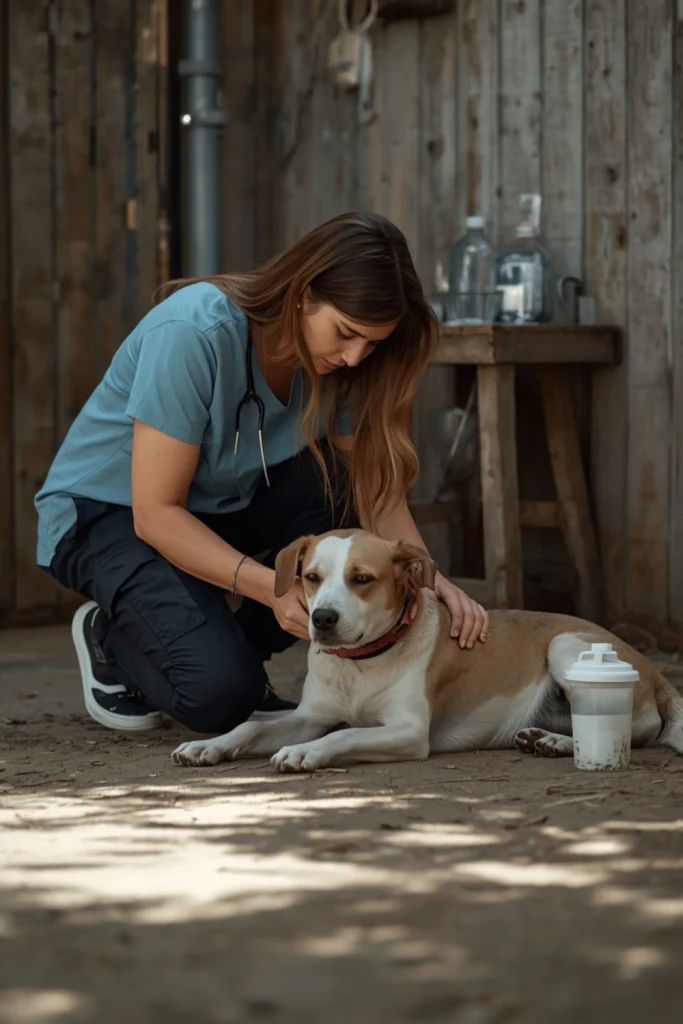
Heatstroke is one of the most serious summer health risks for dogs. It occurs when a dog’s body temperature rises to a dangerous level and the body cannot cool itself effectively. It may develop after strenuous exercise, exposure to extreme temperatures, or being trapped in a hot environment. Without prompt treatment, heatstroke can damage internal organs and become life-threatening.
Watch for heavy panting, excessive drooling, weakness, unusually red or pale gums, vomiting, diarrhea, confusion, difficulty breathing, or collapse. If you suspect heatstroke, move your dog to a cooler area immediately and begin cooling with cool—not ice-cold—water while arranging emergency veterinary care. Do not wait to see whether the symptoms disappear. Even if your dog seems better after cooling, veterinary assessment is essential because internal damage may not be immediately visible.
9. Adjust Your Dog’s Exercise Routine
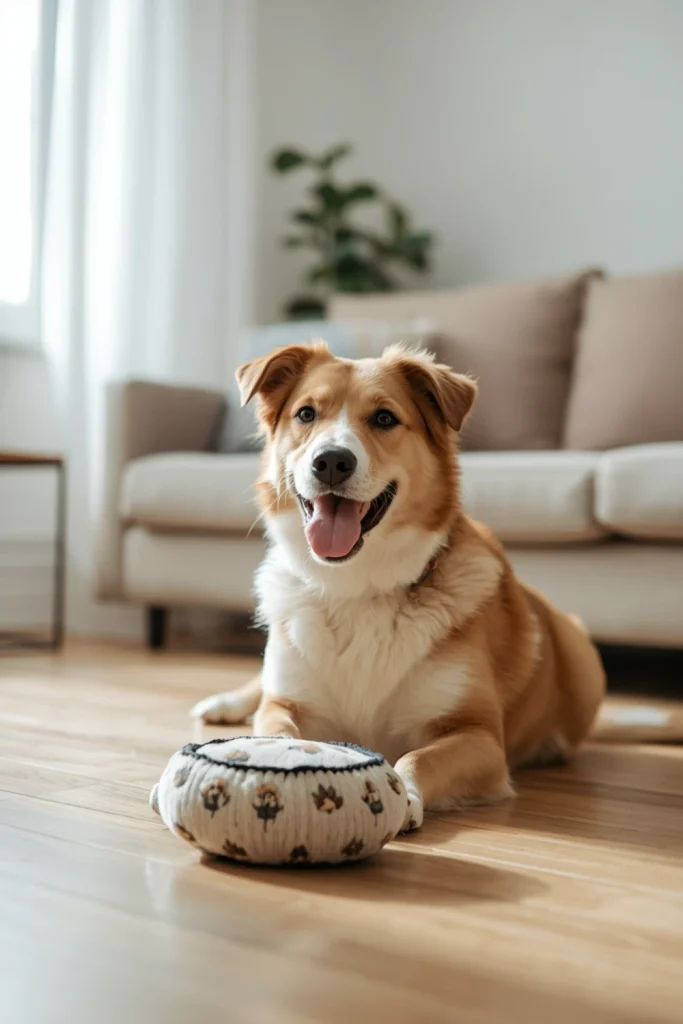
Dogs still need regular movement during summer, but their usual exercise routine may need to change. Long walks, running, and energetic games can become unsafe when temperatures are high. Instead of expecting your dog to complete the same activities every day, reduce the intensity and choose cooler times for outdoor exercise. Pay attention to how your pet responds rather than focusing only on the number of minutes spent exercising.
Indoor activities can help maintain engagement when outdoor conditions are uncomfortable. Try short obedience sessions, treat puzzles, gentle games, or scent-finding activities. These provide mental stimulation without requiring prolonged exposure to heat. Puppies, senior dogs, overweight pets, and dogs with medical conditions may need additional adjustments. If your dog has a health problem or struggles during normal activity, ask your veterinarian to recommend a suitable summer exercise plan.
10. Protect Your Dog From Excessive Sun Exposure

Dogs can experience sun damage, particularly those with thin coats, light-colored fur, hairless areas, or exposed skin. Areas such as the nose, ears, belly, and parts of the body with little hair may be more vulnerable to direct sunlight. Repeated exposure can cause skin irritation and may increase the risk of more serious skin problems over time.
Limit your dog’s time in direct sunlight, especially during the hottest part of the day. Provide shade and choose cooler walking routes. If your veterinarian recommends sunscreen, use a product specifically formulated for dogs and follow the instructions. Do not assume ordinary human sunscreen is safe because some ingredients may be harmful if your dog licks them. Remember that sunscreen does not replace shade, suitable scheduling, or other summer precautions.
11. Protect Your Dog From Fleas, Ticks, and Mosquitoes

Warm weather often brings increased insect activity. Fleas, ticks, and mosquitoes can irritate your dog’s skin and may spread diseases or parasites. Dogs that visit gardens, parks, grassy areas, and nature trails may have more opportunities to encounter these pests. Regularly inspect your pet after outdoor activities, paying particular attention to the ears, neck, belly, paws, and areas between the toes.
Ask your veterinarian about suitable parasite prevention based on your dog’s age, weight, health, and local risks. Use only products specifically approved for dogs and follow the instructions carefully. Never use a treatment intended for another animal unless your veterinarian confirms it is safe. Keep your dog’s bedding clean and maintain your garden to reduce pest hiding places. If you notice persistent itching, skin irritation, or a tick attached to your dog, seek veterinary advice.
12. Maintain a Balanced Summer Diet

A balanced diet supports your dog’s health in every season. During hot weather, some dogs may become less interested in food, while others continue eating normally. Maintain a consistent feeding routine and provide complete dog food suitable for your pet’s age, size, and health. Avoid making sudden dietary changes simply because the temperature has increased.
You can offer small amounts of suitable fresh foods as occasional treats if they fit your dog’s dietary needs. Plain watermelon without seeds or rind and small pieces of cucumber may be suitable for many dogs, but introduce new foods gradually. Treats should never replace balanced meals. Avoid foods that are unsafe for dogs, including chocolate, grapes, raisins, onions, and products containing xylitol. If your dog repeatedly refuses food or develops vomiting, diarrhea, or other unusual symptoms, contact a veterinarian.
13. Keep Your Dog’s Ears, Skin, and Coat Clean

Summer activities can expose dogs to dust, grass, moisture, allergens, and outdoor dirt. These conditions may contribute to skin irritation or ear discomfort. Dogs that swim or have floppy ears may need particular attention because moisture and debris can collect around the ears. Regularly check your dog’s skin and coat for redness, unusual smells, excessive scratching, or other changes.
After outdoor activities, gently clean dirty paws and dry your dog when necessary. If your dog swims, follow your veterinarian’s advice about ear care and dry the outer ear area appropriately. Avoid putting cotton swabs or other objects deep into the ear canal. Do not use household cleaning products or human skincare products on your pet. Persistent itching, swelling, discharge, or unpleasant odors should be checked by a veterinarian instead of treated with random home remedies.
14. Make Summer Travel Safe and Comfortable

Summer is a popular time for family trips, but travelling with a dog requires preparation. Before leaving home, make sure your pet has proper identification, a suitable collar or harness, and any necessary travel documents. Pack fresh drinking water, a portable bowl, familiar food, waste bags, medication, and other essentials. Plan regular breaks so your dog can drink, stretch, and relieve themselves safely.
Use a suitable pet restraint or secure travel crate to protect your dog inside the vehicle. Never allow your dog to travel with their head hanging out of an open window because flying debris and sudden movements can cause injuries. Do not leave your pet alone in the car during stops. Research your destination in advance to make sure dogs are welcome and that suitable shaded areas and water are available.
15. Schedule Regular Veterinary Checkups

Regular veterinary checkups are important throughout the year, but summer is a useful time to review your dog’s health and discuss heat-related risks. A veterinarian can assess your pet’s body condition, mobility, skin, and general health. They can also recommend suitable parasite prevention and explain whether your dog’s existing medical conditions require additional precautions during warm weather.
Before summer begins, discuss your dog’s exercise routine and any symptoms that may affect heat tolerance. Puppies, senior dogs, overweight pets, and dogs with breathing or heart conditions may need extra protection. Keep a record of vaccinations, medications, and any health changes. Do not wait for a serious problem before seeking help. If your dog develops unusual tiredness, persistent appetite changes, breathing difficulties, or signs of pain, arrange a veterinary examination.
Conclusion
Summer can be an enjoyable season for dogs when owners take the right precautions. Providing fresh water, choosing cooler walking times, protecting paws, creating shaded resting areas, and watching for signs of overheating can make a major difference to your pet’s comfort and safety. Regular grooming, parasite prevention, balanced nutrition, and veterinary checkups are also important parts of seasonal care.
Remember that every dog is different. Puppies, senior dogs, flat-faced breeds, overweight pets, and dogs with existing health conditions may need additional protection during hot weather. Pay attention to your dog’s behavior, adjust activities when temperatures rise, and never force outdoor exercise when your pet is uncomfortable.
By following these Summer Dog Care Tips, you can create a safer daily routine and help your dog enjoy the warmer months with greater comfort, health, and happiness.