12 Ways to Help Your Dog Stay Hydrated in Summer
Summer can be a wonderful time to enjoy walks, outdoor games, and relaxing afternoons with your dog. But hot weather also brings an important responsibility: making sure your furry companion gets enough water. Dogs can lose moisture through panting, and spending time in the heat can increase their risk of dehydration and heat-related illness.
The good news is that a few simple habits can make a big difference. If you want to help your dog stay hydrated during summer, this guide will show you how to provide fresh water, encourage healthy drinking, plan safer outdoor activities, and recognize warning signs that need attention. These practical tips are suitable for beginners and can help you make summer more comfortable for your four-legged friend.
1. Always Provide Fresh, Clean Drinking Water
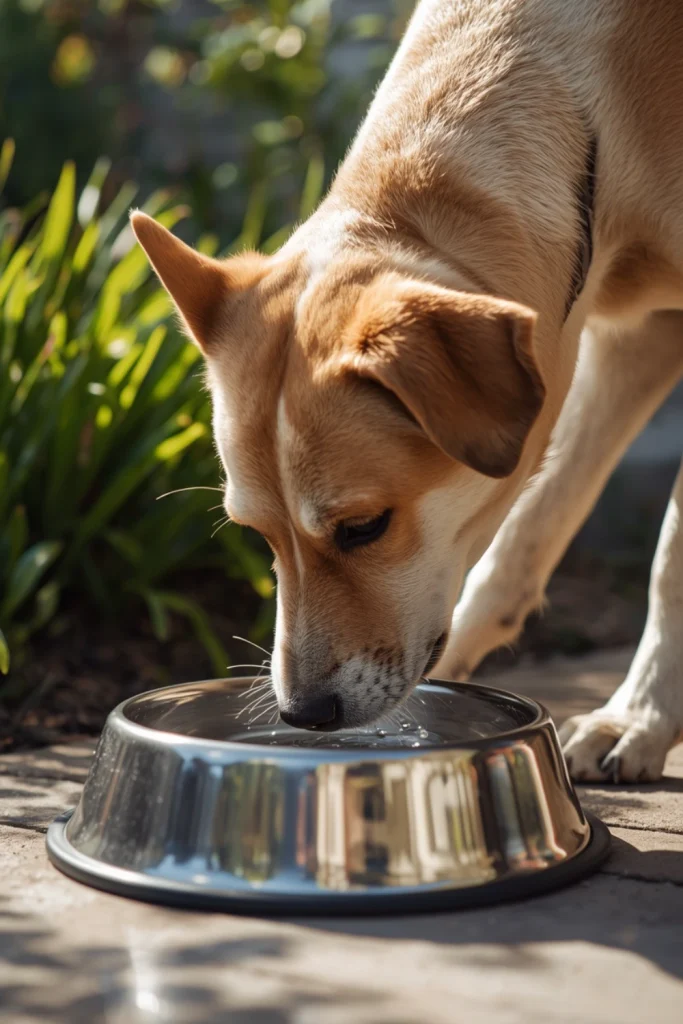
One of the easiest ways to help your dog stay hydrated is to make fresh drinking water available throughout the day. Place a clean bowl in a location your dog can reach comfortably, and check it regularly during hot weather. Dogs may empty their bowls faster after playing, walking, or spending time outdoors. Refill the bowl whenever the water level becomes low, and replace water that has become warm, dirty, or contaminated with leaves and debris.
Wash the bowl regularly with soap and water to remove saliva and residue. Stainless-steel and appropriately made ceramic bowls are often convenient because they are easy to clean. If your dog spends time in several areas of your home, consider providing additional water bowls so it does not need to travel far to drink. Keep outdoor bowls in shaded locations and check them frequently, as sunlight can warm the water and increase evaporation.
2. Place Water Bowls in Shaded Areas
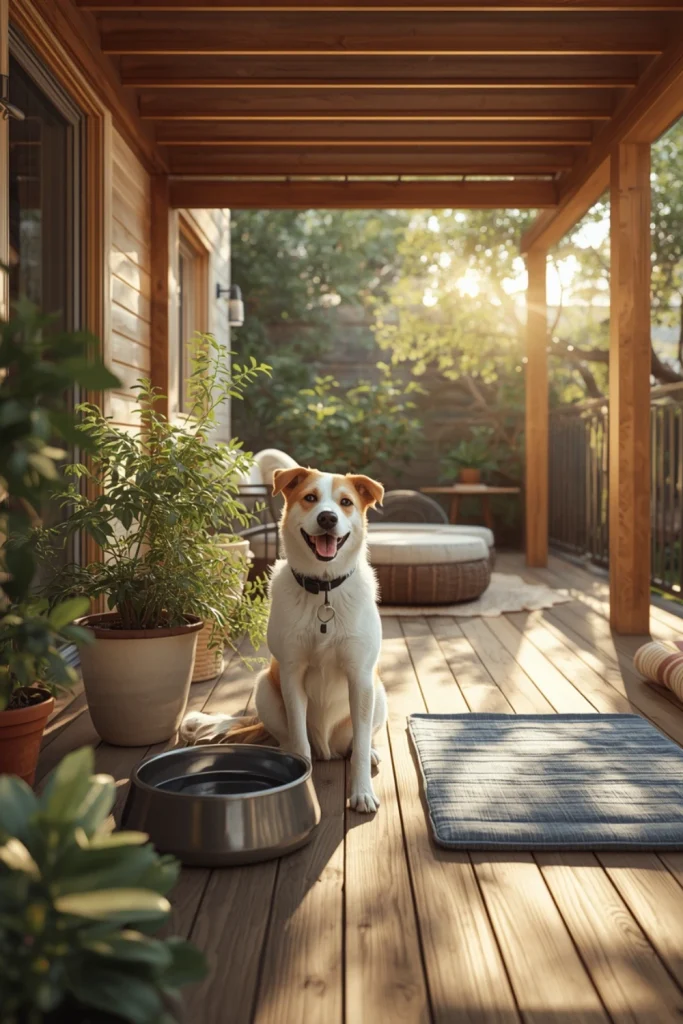
Direct sunlight can warm water quickly during summer, making an outdoor bowl less inviting for some dogs. Place your dog’s water bowl in a shaded area, such as under a covered patio, beneath a secure garden shelter, or inside a cool part of the home. Choose a stable surface where the bowl will not easily tip over. Make sure the location is comfortable and accessible, especially for puppies, senior dogs, or pets with mobility difficulties.
Shade is useful for both water and your dog. A shaded resting area gives your pet somewhere to relax between outdoor activities, but remember that shade alone may not provide enough protection during extreme heat. Bring your dog indoors when conditions become uncomfortable, particularly when temperatures and humidity are high. Check outdoor water bowls throughout the day, and never rely on a single bowl left outside for hours without inspection. Clean, accessible water should remain part of your dog’s daily routine.
3. Carry Water on Walks and Outdoor Adventures
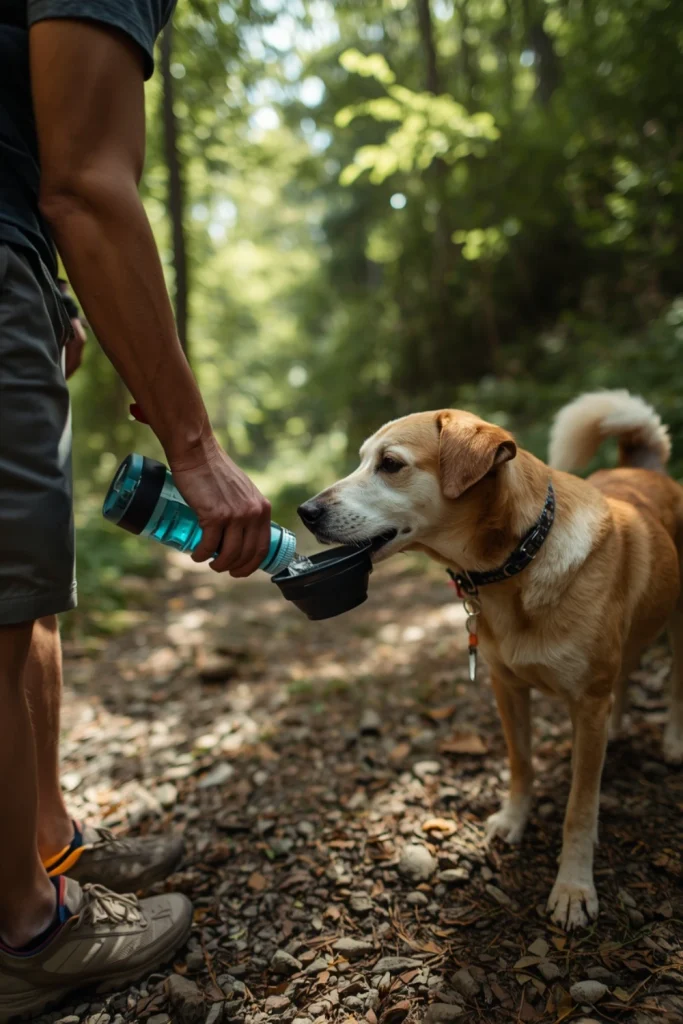
Walks, hikes, and outdoor games can increase your dog’s need for water, especially when the weather is warm. Bring a bottle of fresh water and a portable dog bowl whenever you leave home. Offer regular opportunities to drink during breaks rather than waiting until your dog appears extremely thirsty. For longer outings, plan your route around shaded resting spots and avoid exposed paths during the hottest part of the day.
Choose a portable bowl that is easy to carry, clean, and comfortable for your dog to use. Some collapsible bowls fit conveniently into a walking bag, while travel bottles with attached drinking trays can reduce spills. Never assume that a stream, pond, or puddle is safe for drinking; natural water can contain harmful microorganisms or contaminants. If your dog becomes unusually tired, weak, confused, or starts panting heavily, stop the activity and seek veterinary advice promptly. Do not continue exercising a dog that may be overheating.
4. Encourage Your Dog to Drink After Exercise
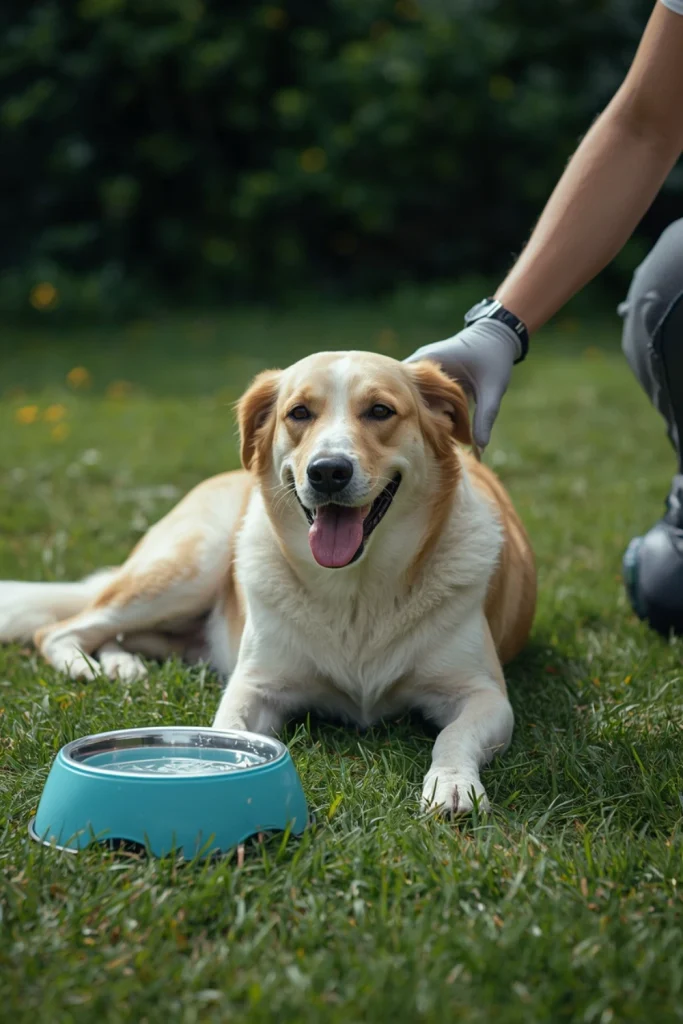
Dogs often drink more after running, playing fetch, or taking a long walk because activity can increase panting and moisture loss. After exercise, move your dog to a cool, shaded area and offer fresh water. Allow your pet to drink at its own pace, and provide further opportunities to drink as it rests. Avoid forcing water into your dog’s mouth or trying to make it consume a large quantity quickly.
Pay attention to your dog’s breathing and behavior after activity. Normal panting should gradually settle as your dog cools down, but heavy or persistent panting, excessive drooling, weakness, vomiting, or confusion can indicate a serious heat-related problem. Do not assume that drinking water will resolve overheating. If you suspect heatstroke, begin moving your dog to a cooler environment, use cool—not ice-cold—water to start cooling its body, and contact an emergency veterinarian immediately. Do not delay veterinary care while waiting for your dog to improve.
5. Offer Water Before and During Outdoor Activities
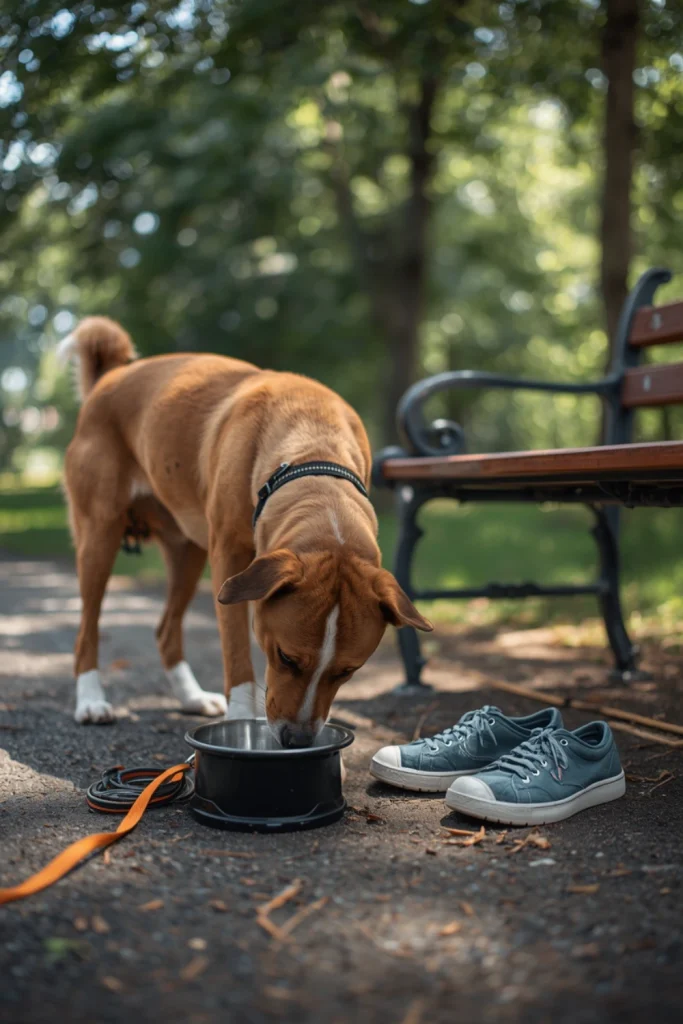
Planning ahead can help your dog remain comfortable during summer outings. Before a walk or outdoor activity, make sure fresh water is available and give your dog an opportunity to drink. For longer activities, schedule regular breaks where your pet can rest in the shade and have access to water. The frequency of breaks should depend on the temperature, humidity, activity intensity, your dog’s age, and its overall health.
Do not use a fixed drinking schedule as a reason to withhold water between breaks. Your dog should generally be able to drink whenever it needs to, especially during warm conditions. If the weather is very hot or humid, consider replacing an outdoor activity with indoor games or a short, gentle walk during a cooler period. Avoid strenuous exercise when temperatures are extreme. Dogs with short muzzles, heart or respiratory problems, excess body weight, or other health concerns may be particularly vulnerable to heat and may need extra precautions.
6. Add Moisture to Your Dog’s Food When Appropriate
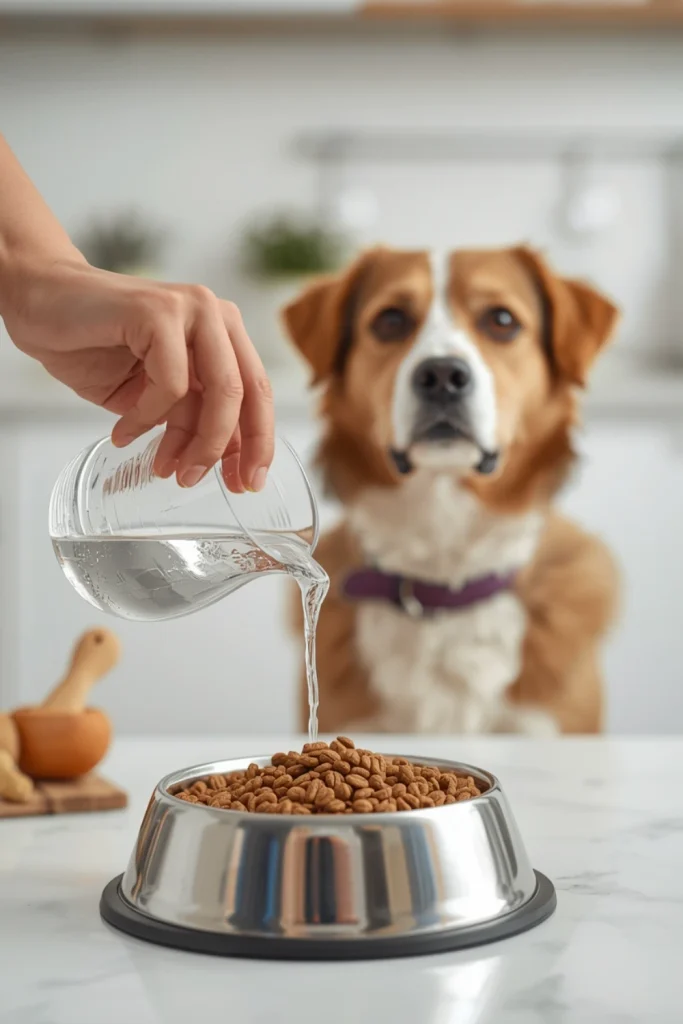
Food can contribute to your dog’s overall water intake. Wet dog food generally contains considerably more moisture than dry kibble, so a dog eating wet food may drink less directly from its bowl. If your dog eats dry food, you may be able to add a little clean water to its usual meal to increase moisture, provided your dog tolerates the change. Introduce any adjustment gradually and keep the food fresh rather than leaving moistened kibble sitting out for long periods in warm weather.
You can also ask your veterinarian whether incorporating an appropriate wet food into your dog’s diet would be useful. Choose complete and balanced food suitable for your dog’s life stage, and account for calories when changing portions. Avoid adding salty broth, onion, garlic, or seasonings to meals. If your dog suddenly stops drinking, do not rely on wet food alone to solve the problem. Refusing water can be a sign of illness, and a veterinarian should assess persistent changes in drinking or appetite.
7. Use a Pet Water Fountain if Your Dog Prefers Moving Water
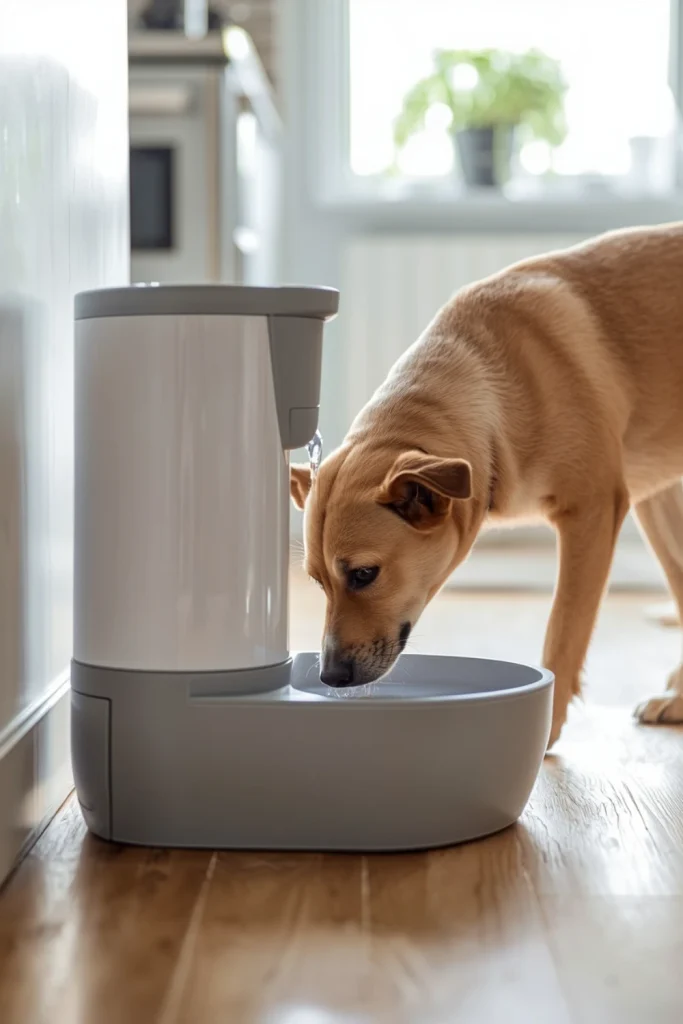
Some dogs seem more interested in drinking from moving water than from a still bowl. A pet water fountain may encourage these dogs to visit their water station more often. Flowing water can also make the drinking area more engaging, although not every dog will prefer a fountain. Choose a model designed for pets, with a stable base, easy-to-clean parts, and a filter that can be replaced according to the manufacturer’s instructions.
A fountain should not replace regular cleaning or monitoring. Hair, saliva, food particles, and mineral buildup can collect in the reservoir and filter, particularly during frequent use. Wash the components according to the product instructions and refresh the water regularly. Keep a conventional bowl of fresh water available as a backup in case the fountain stops working or your dog dislikes it. If your dog continues to drink unusually little despite having convenient water sources, consult your veterinarian instead of assuming a fountain will resolve the issue.
8. Recognize Early Signs of Dehydration
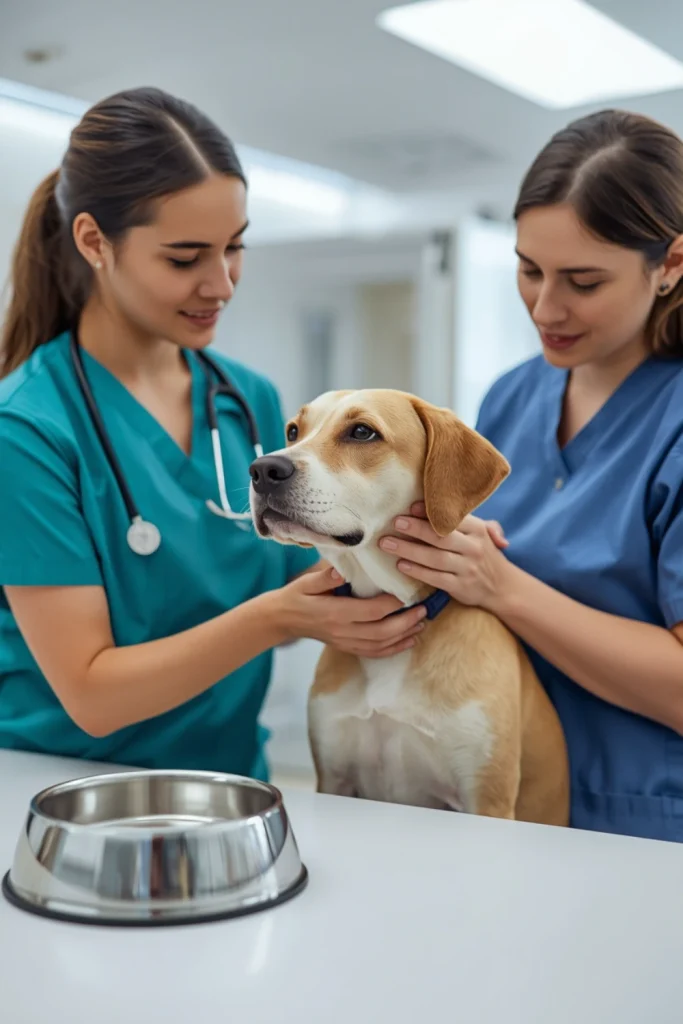
Knowing the possible signs of dehydration can help you respond before a problem becomes more serious. Warning signs may include dry or sticky gums, unusual tiredness, weakness, reduced urination, or eyes that appear sunken. However, these signs are not specific to dehydration, and their absence does not guarantee that your dog is adequately hydrated. A dog that has been exposed to intense heat or has experienced fluid loss through vomiting or diarrhea may need prompt veterinary assessment.
If you suspect dehydration, stop outdoor activity, move your dog to a cool environment, and contact your veterinarian for advice. Offer fresh water if your dog is alert and able to swallow normally, but do not force it to drink. Seek urgent veterinary care if your dog collapses, becomes confused, repeatedly vomits, has severe diarrhea, or seems extremely weak. Heatstroke is a medical emergency, and severe dehydration can require professionally administered fluids. Do not rely on home remedies or wait for symptoms to disappear when your dog appears seriously unwell.
9. Make Water More Appealing for Picky Drinkers
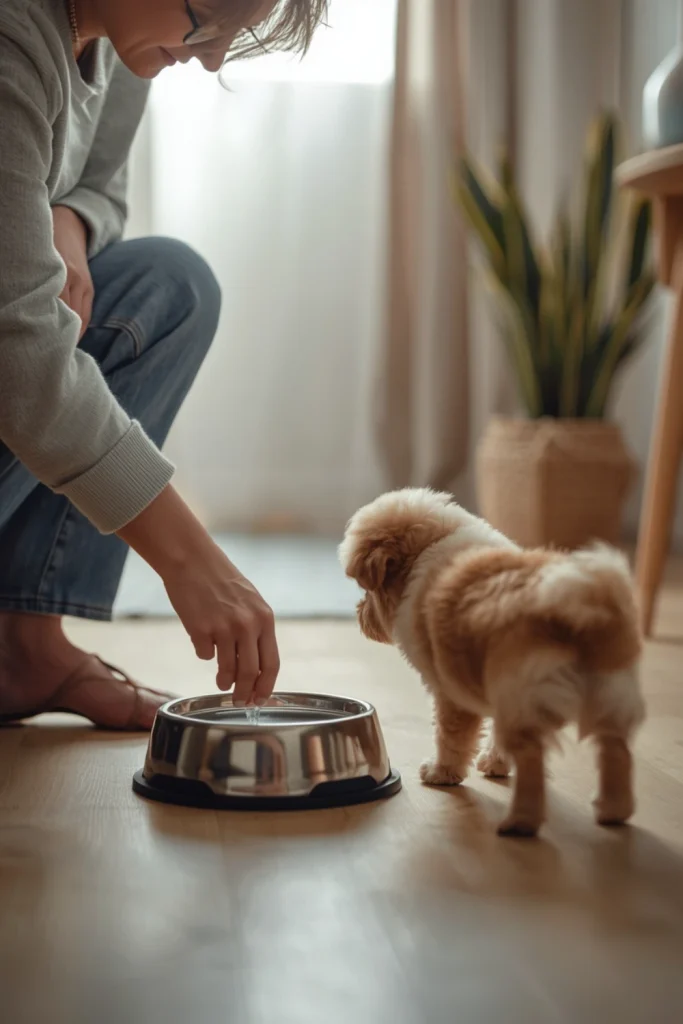
Some dogs seem reluctant to drink from a particular bowl or in a busy part of the house. If your dog appears healthy but drinks less than expected, try placing fresh water in a quieter location where it can drink without interruption. You might also experiment with a different bowl material or shape, ensuring that the bowl is stable and easy to reach. Some dogs prefer separate water and food stations, while others benefit from having water available in several rooms.
If you want to add flavor or extra moisture, ask your veterinarian about safe options suitable for your dog. A small amount of dog-safe, unsalted broth without onion or garlic may be appropriate for some pets, but flavored water should not replace plain fresh water. Avoid sports drinks, sugary beverages, caffeine, and products containing xylitol. If your dog suddenly refuses water or has other symptoms, do not treat it as a preference issue. A change in drinking can indicate pain, nausea, or another health problem that needs professional attention.
10. Keep Your Dog Cool to Reduce Heat Stress
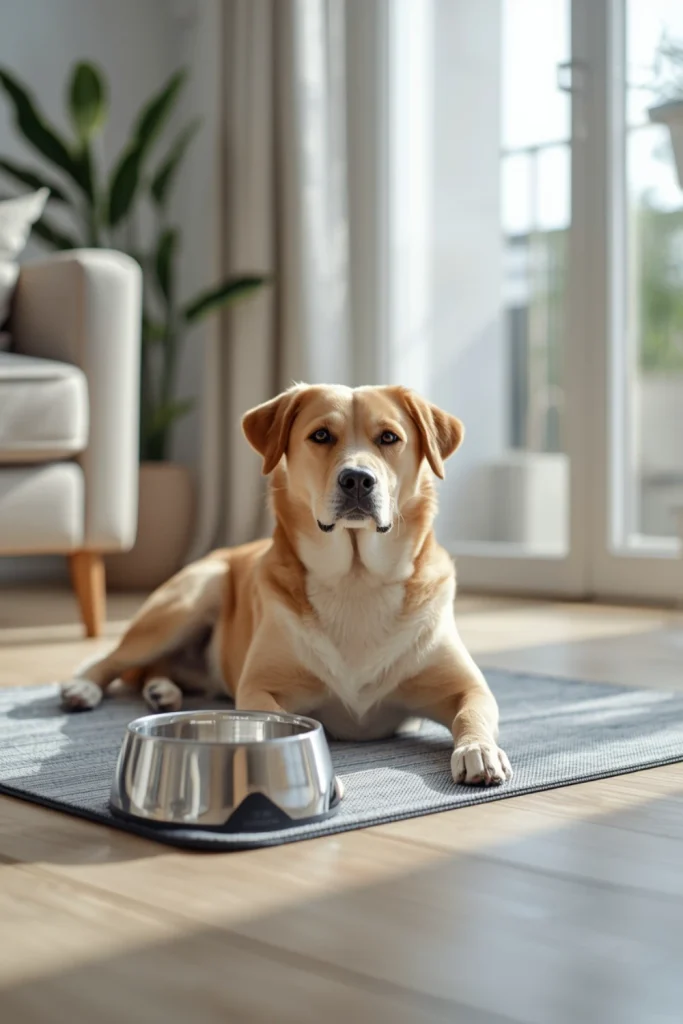
Hydration is important, but helping your dog stay cool is equally essential during summer. Keep your pet indoors during extreme heat whenever possible, provide a well-ventilated resting area, and ensure access to shade when outside. You can use a fan or air conditioning where appropriate, and some dogs enjoy resting on a cooling mat designed for pets. Never leave your dog alone in a parked vehicle, as temperatures can rise to dangerous levels very quickly.
Plan walks for cooler periods, such as early morning or later in the evening, while checking local weather conditions. Remember that pavement can become hot enough to injure your dog’s paws, even when the air temperature seems manageable. Avoid strenuous play during hot or humid conditions, and supervise your dog around pools and other water sources. If your dog shows heavy panting, excessive drooling, unsteadiness, vomiting, or confusion, suspect heat-related illness and seek emergency veterinary care. Do not wait for your dog to become thirsty before taking steps to keep it cool.
11. Monitor Your Dog’s Water Intake During Hot Weather
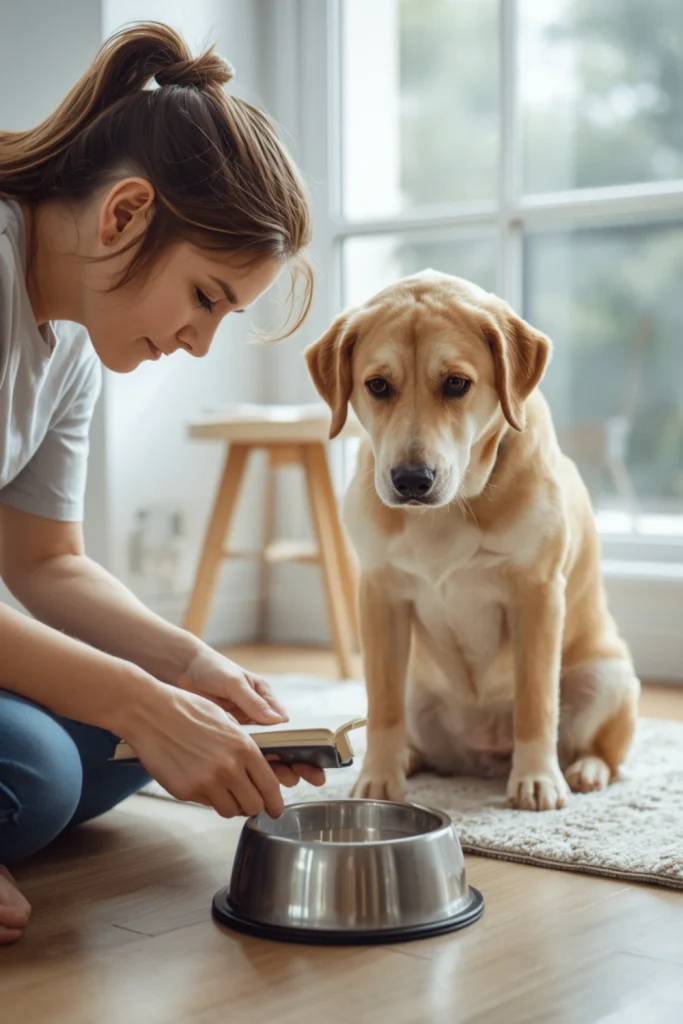
Observing how much your dog normally drinks can help you notice changes during summer. You do not need to measure every sip for a healthy dog, but checking the water bowl regularly can reveal whether your pet is drinking more than usual. If you are concerned, measure how much water you add and how much remains over a day or two. Remember to account for spills, evaporation, and water consumed by other pets, which can make estimates less accurate.
A noticeable increase in drinking may be related to heat or exercise, but persistent excessive thirst can also signal a medical condition. Some illnesses and medications affect water balance, so changes should not automatically be attributed to summer. Likewise, a sudden drop in drinking may deserve attention, especially if your dog seems uncomfortable or unwell. Keep a short record of drinking, urination, diet, and activity if you need to discuss the pattern with your veterinarian. Never restrict water to control frequent urination unless a veterinarian specifically instructs you to do so.
12. Create a Summer Hydration Routine for Your Dog
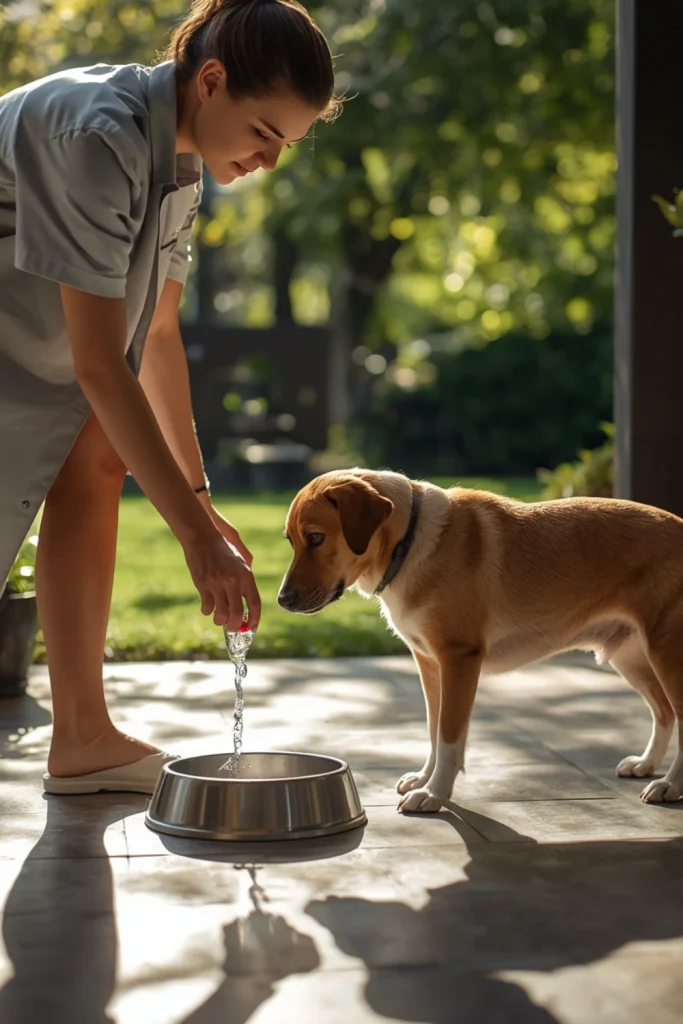
A simple daily routine makes it easier to keep hydration in mind. Start each morning by checking the water bowl and replacing old water with fresh water. Before walks or play sessions, make sure your dog can drink and prepare a portable bowl for outings. After activity, provide a shaded place to rest and make fresh water available. Continue checking the bowl throughout the day, particularly when temperatures rise or your dog spends time outdoors.
Adapt this routine to your dog’s age, health, activity, and preferences. Puppies may need more frequent supervision, while senior dogs may benefit from water bowls placed close to their resting areas. Dogs with medical conditions may need an individualized plan from a veterinarian. Do not force your dog to drink a prescribed amount on a schedule unless your veterinarian has advised a specific approach. Consistent access to clean water, sensible activity planning, and attention to warning signs are the foundations of safe summer hydration.
Conclusion
Summer hydration is an essential part of keeping your dog comfortable and healthy when temperatures rise. You can help your dog stay hydrated by providing fresh water, using shaded water stations, carrying a portable bowl on walks, offering suitable breaks during exercise, and monitoring changes in drinking habits. Small daily habits can make it easier for your dog to get the water it needs.
Remember that hydration is only one part of summer safety. Keep your dog cool, avoid strenuous activity during extreme heat, and never leave it in a parked vehicle. Watch for unusual panting, weakness, vomiting, confusion, or other signs of heat-related illness, and seek veterinary care promptly when needed. Every dog has different needs, so consult your veterinarian if you are unsure how much water your pet requires. With a little planning and consistent care, you can make summer safer and more enjoyable for your furry companion.