
12 Simple Dog Care Habits for a Happier, Healthier Pup
A happy dog starts with simple daily habits. From serving nutritious meals to enjoying outdoor walks, small acts of care can make a big difference in your dog’s health, comfort, and happiness. You do not need an expensive routine or complicated schedule to become a great pet parent. What matters most is consistency, patience, and understanding what your dog needs at every stage of life.
The best Dog Care Habits for a healthier pup are easy to practice and realistic for everyday life. Whether you are caring for a playful puppy, an energetic adult dog, or a senior companion, the right routine can support physical wellness and emotional well-being. In this guide, you will discover 12 simple dog care habits that can help your furry friend thrive, strengthen your bond, and make responsible pet ownership easier.
1. Provide Fresh, Clean Water Throughout the Day
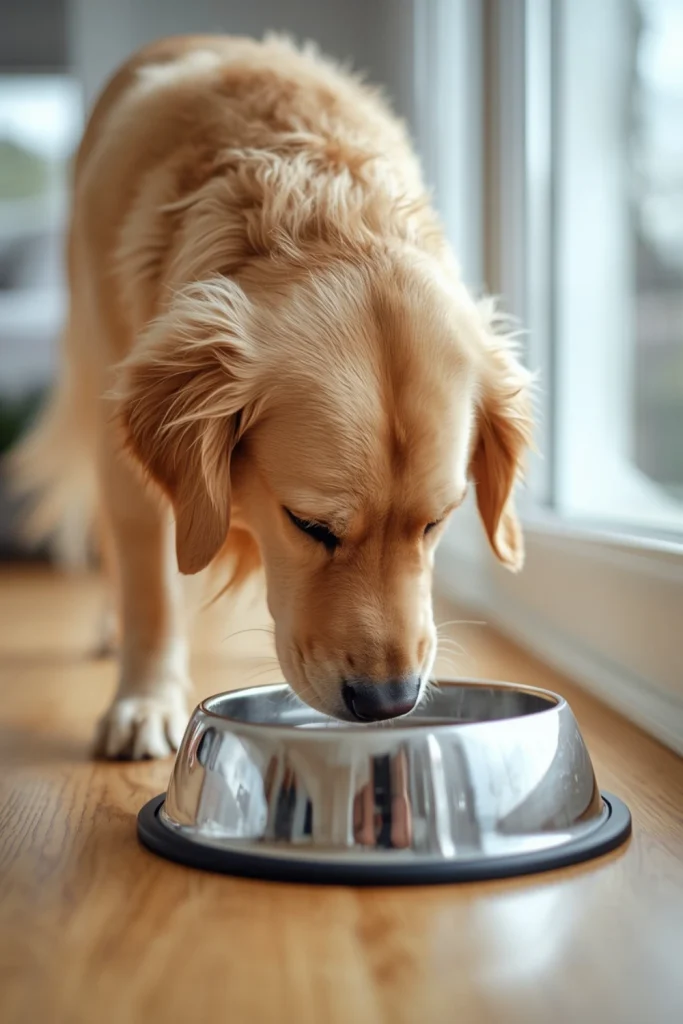
One of the most important Dog Care Habits for maintaining your pet’s health is providing fresh, clean drinking water every day. Water supports digestion, helps regulate body temperature, and allows the body to function properly. Dogs may need more water after exercise, during warm weather, or when eating dry food. Place a water bowl somewhere your dog can reach easily, and consider keeping additional bowls in different areas of your home. Puppies, active dogs, and pets that spend time outdoors may need more frequent water checks. Always ensure your dog can drink whenever thirsty.
Make refreshing your dog’s water part of your morning and evening routine. Empty the bowl, wash it thoroughly, rinse away any soap residue, and refill it with clean water. Check the bowl throughout the day, especially if your dog knocks it over or drinks frequently. Avoid deliberately restricting water unless your veterinarian provides specific medical instructions. Pay attention to noticeable changes in drinking habits. Excessive thirst or an unusual reduction in water intake may indicate an underlying problem, particularly when accompanied by vomiting, weakness, or changes in urination. Consult your veterinarian if you notice persistent or concerning changes.
2. Feed Your Dog a Balanced and Nutritious Diet

A balanced diet is essential for maintaining your dog’s energy, muscle strength, healthy skin, and overall wellness. Choose a complete and balanced dog food appropriate for your pet’s life stage, size, and individual needs. Puppies generally require food formulated for growth, while adult dogs need nutrition suited to maintaining their health. Senior dogs may benefit from dietary adjustments depending on their activity level and medical conditions. Read food labels carefully and consult your veterinarian if you are unsure which option is suitable. A nutritious diet helps support normal body functions and provides the energy your dog needs for everyday activities.
Establish consistent meal times and measure food portions instead of filling the bowl without checking the quantity. Feeding requirements vary, so use the manufacturer’s guidance as a starting point and adjust portions with professional advice when necessary. Treats can support positive training, but excessive treats may contribute to unwanted weight gain. Avoid foods that are toxic to dogs, including chocolate, grapes, raisins, onions, and products containing xylitol. If you change your dog’s food, introduce the new diet gradually unless your veterinarian recommends otherwise. Monitor appetite, stool quality, body condition, and energy to help determine whether your feeding routine is appropriate.
3. Make Daily Exercise Part of Your Routine
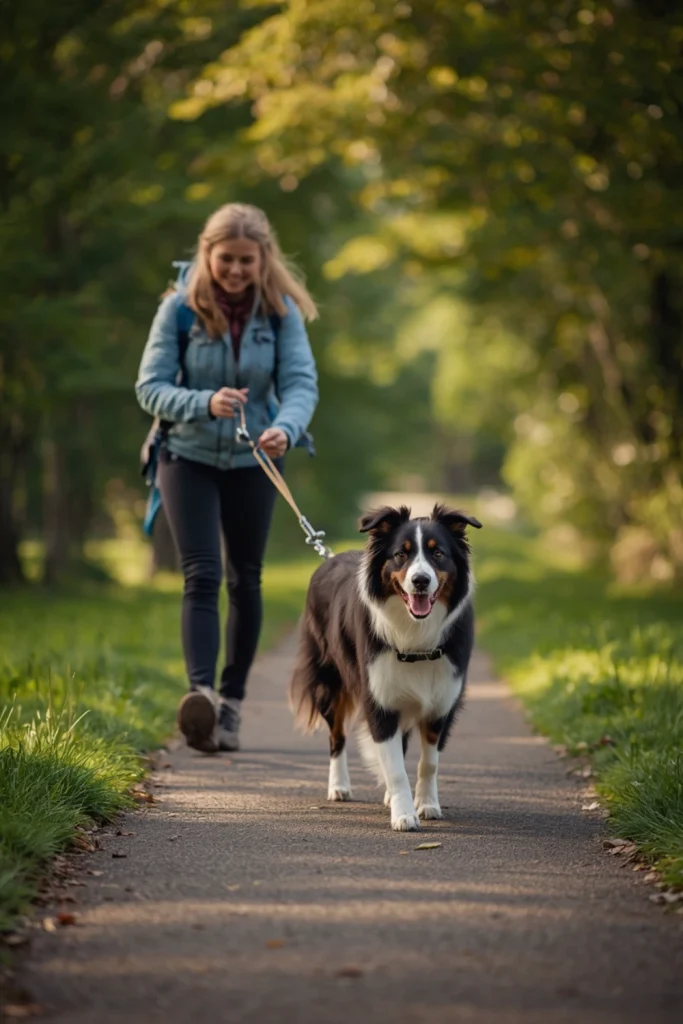
Regular exercise helps dogs maintain a healthy weight, strengthen their muscles, and release excess energy. Depending on your dog’s preferences and abilities, daily activity might include walking, playing fetch, exploring a safe outdoor area, or participating in simple games at home. Some dogs enjoy longer walks and energetic play, while others prefer shorter outings and gentle movement. Your dog’s age, breed, fitness, and medical history should guide the amount and type of exercise you provide. Puppies, senior dogs, and dogs recovering from illness may need different activity levels from healthy adult dogs.
Create a realistic exercise schedule that fits your lifestyle and your dog’s needs. You might take a walk in the morning and enjoy a short play session later in the day. Consistency is more useful than occasional exhausting workouts. During hot weather, exercise during cooler hours and avoid pavement that could burn sensitive paw pads. Watch for excessive panting, weakness, limping, or reluctance to continue. Stop the activity if your dog appears uncomfortable. Dogs with breathing difficulties, joint problems, or other health concerns may require a veterinarian-approved exercise plan. Appropriate daily movement supports both physical health and emotional well-being.
4. Brush Your Dog’s Coat Regularly
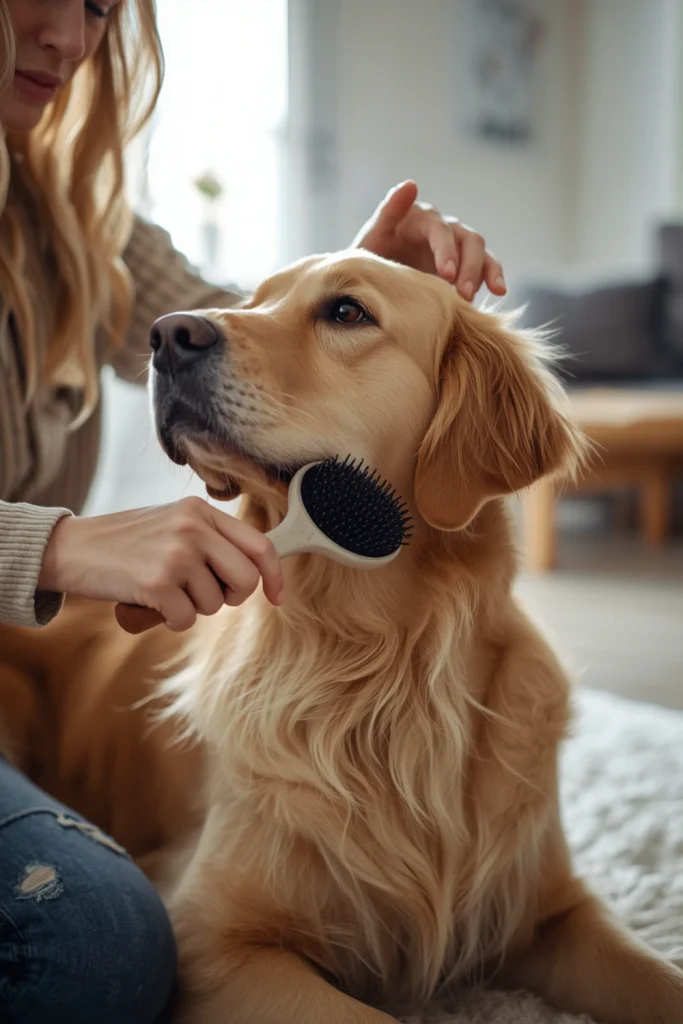
Regular brushing helps maintain a comfortable coat, remove loose hair, and reduce tangles. It can also distribute natural oils throughout the fur and give you an opportunity to inspect your dog’s skin. Brushing needs vary according to coat type. Long-haired and curly-coated dogs often require more frequent grooming, while short-haired dogs may need less intensive care. Choose a brush designed for your dog’s coat and use gentle strokes. Pay particular attention to areas where tangles develop easily, such as behind the ears, beneath the collar, around the legs, and near the tail.
Make grooming a pleasant experience by introducing the brush slowly and rewarding your dog for staying relaxed. Start with short sessions, especially if your pet is nervous or unfamiliar with being handled. Avoid pulling forcefully at knots because this can cause discomfort and make your dog dislike grooming. Tight mats can hide irritated skin and may require help from a professional groomer. Never use scissors close to the skin to remove difficult mats, as accidental cuts can occur. Bathing frequency also depends on coat type, lifestyle, and skin health. Use a dog-specific shampoo and ask your veterinarian about persistent itching, unusual hair loss, or irritated skin.
5. Maintain a Regular Dental Care Routine
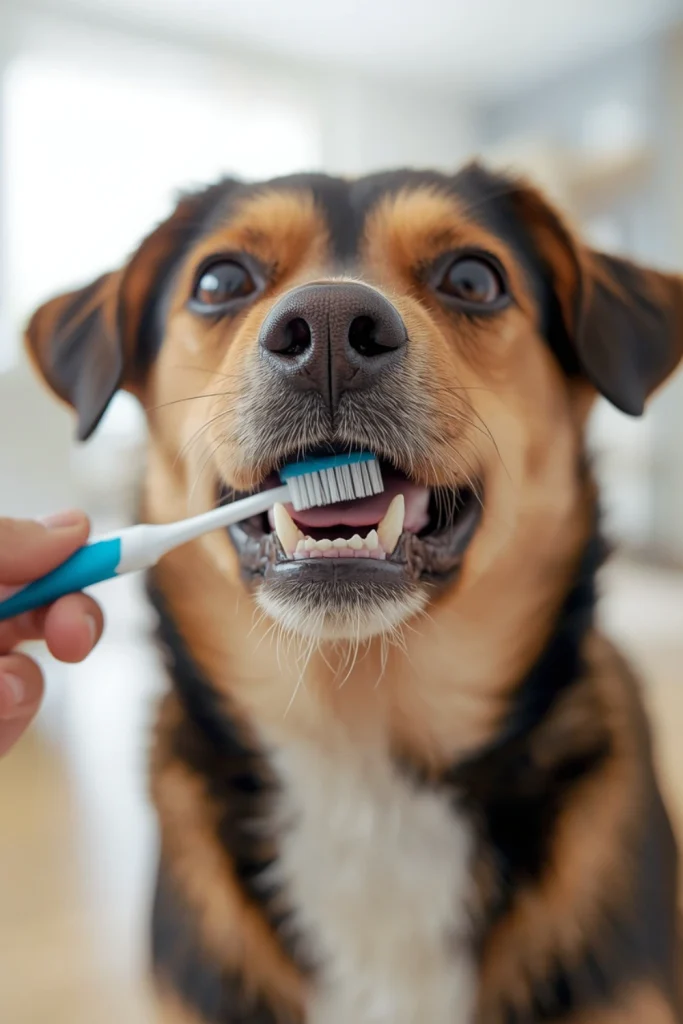
Dental hygiene is an essential part of responsible dog ownership. Plaque can accumulate on your dog’s teeth and contribute to bad breath, gum inflammation, and dental disease. If dental problems progress, they may cause pain and make eating uncomfortable. Brushing your dog’s teeth regularly, ideally every day when possible, can help reduce plaque buildup. Use a toothbrush designed for dogs and toothpaste formulated specifically for canine use. Human toothpaste is not appropriate because dogs may swallow it, and some products contain ingredients that are unsafe for pets.
If your dog is not accustomed to tooth brushing, introduce the process gradually. Begin by allowing your pet to sniff the toothbrush, then gently touch the muzzle and lift the lips when your dog is comfortable. Start with a few teeth and gradually increase the duration. Offer praise and rewards to create a positive experience. Never force your dog’s mouth open if it becomes frightened or distressed. Dental chews and other oral care products may help, but they do not necessarily replace brushing. Schedule veterinary dental assessments and seek advice if you notice bleeding gums, loose teeth, facial swelling, difficulty chewing, or persistent bad breath.
6. Create a Consistent Sleep and Rest Schedule
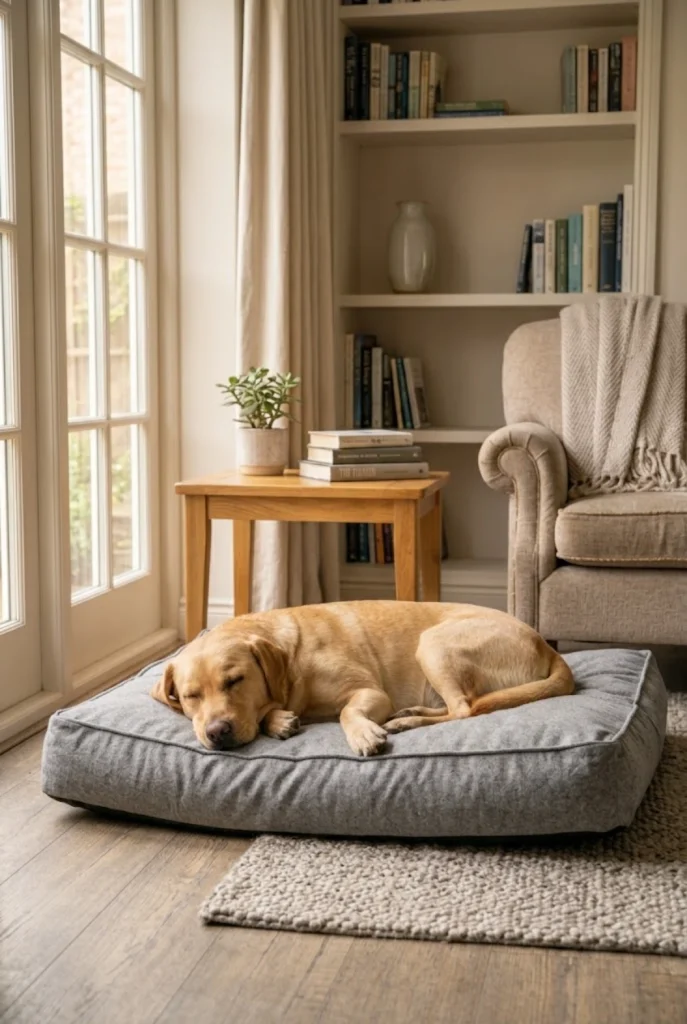
Rest is just as important as physical activity when caring for your dog. Adequate sleep and quiet downtime allow dogs to recover from exercise and settle after stimulating experiences. Puppies often need considerable rest as they grow, while older dogs may need additional opportunities to relax. Provide a comfortable sleeping area away from excessive noise, busy walkways, and temperature extremes. Choose a bed or washable blanket that suits your dog’s size and sleeping style. Your pet should have enough space to stretch out, change positions, and rest without being disturbed.
A predictable evening routine can help your dog settle comfortably at night. Offer a final bathroom break, reduce exciting activities before bedtime, and guide your pet toward its usual resting place. Avoid waking a sleeping dog unnecessarily, and teach children to respect pets while they rest. Some dogs prefer sleeping near their family, while others feel comfortable in a quiet corner. Pay attention to individual preferences as long as the arrangement is safe. If your dog suddenly becomes restless at night, struggles to get comfortable, or changes its sleeping habits significantly, consider possible discomfort or illness. Persistent changes should be discussed with your veterinarian.
7. Use Positive Training to Encourage Good Behavior
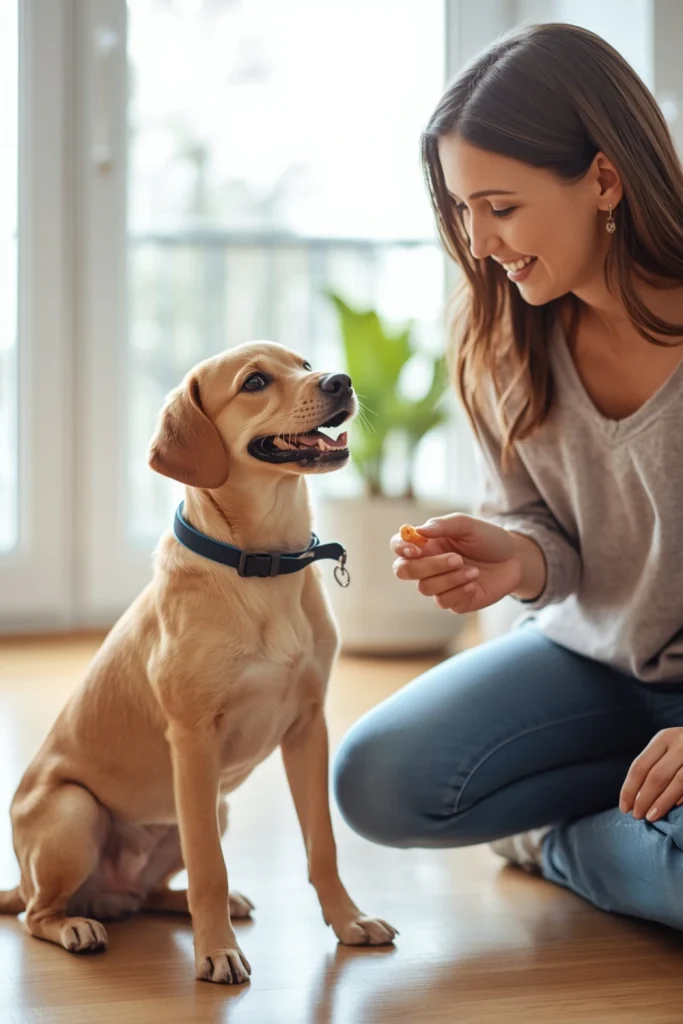
Training helps your dog understand household expectations and respond more confidently to everyday situations. Useful skills include responding to their name, sitting, waiting, coming when called, and walking calmly on a leash. These behaviors can improve communication and help keep your dog safer in public places. Begin training in a quiet environment with limited distractions, then gradually practice in more challenging settings. Use small treats, praise, toys, or other rewards your dog enjoys. Short, regular sessions are often easier for dogs to manage than long sessions that become tiring or frustrating.
Consistency and patience are essential when developing good behavior. Make sure everyone in your household uses similar cues and expectations. For example, if you want your dog to greet visitors calmly, reward keeping all four paws on the floor rather than encouraging jumping. Avoid yelling, intimidation, or physical punishment, which can create fear and undermine trust. Instead, redirect unwanted behavior and reward an appropriate alternative. Remember that learning takes time, and every dog progresses at a different pace. If your dog displays severe fear, aggression, or other difficult behaviors, consult a qualified reward-based trainer or veterinary behavior professional.
8. Check Your Dog’s Paws, Ears, and Skin
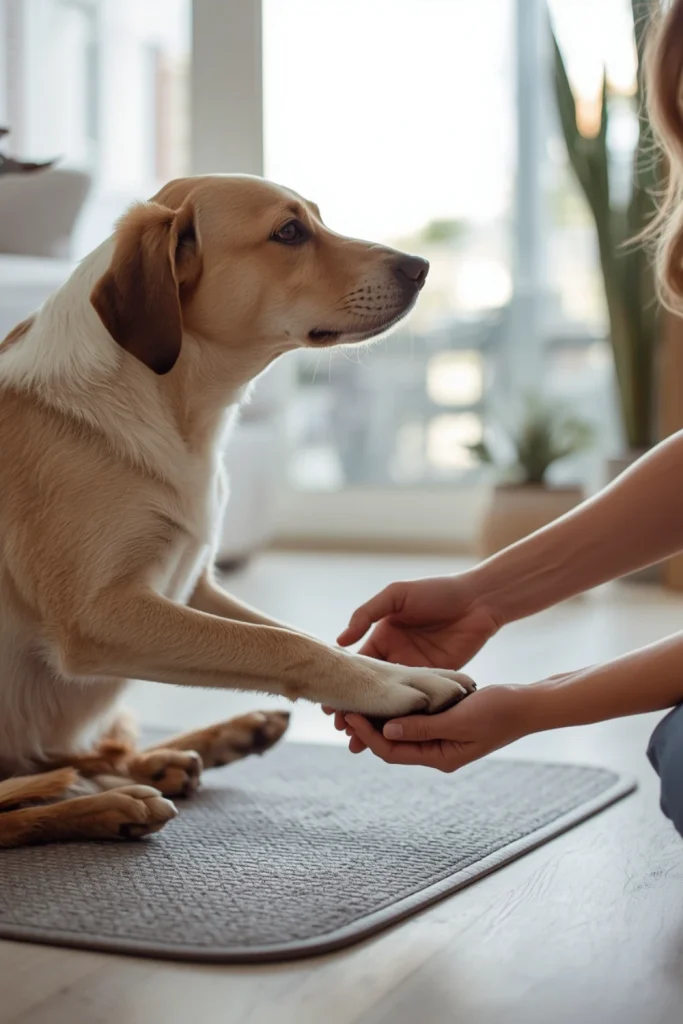
A brief daily wellness check can help you notice small changes in your dog’s body. After walks, inspect the paws for cuts, swelling, stuck debris, or irritation. Look over the coat and skin for unusual bumps, redness, excessive scratching, or visible parasites. You can also examine the outer ears for discharge, redness, or an unpleasant smell. These checks are especially helpful after outdoor adventures, time in tall grass, or walks on unfamiliar surfaces. Regular gentle handling can also help your dog become more comfortable with routine grooming and veterinary examinations.
Keep inspections calm and reward your dog for cooperating. If your pet dislikes having its paws or ears touched, start with brief interactions and gradually build comfort rather than forcing the process. Never insert cotton swabs or other objects deep into the ear canal, and avoid applying human creams or medications without veterinary guidance. Contact your veterinarian if you notice a painful paw, persistent licking, unusual swelling, strong ear odor, or discharge. Sudden or severe symptoms deserve prompt attention. These home checks are not a replacement for veterinary examinations, but they can help you identify changes that may need professional care.
9. Schedule Regular Veterinary Checkups
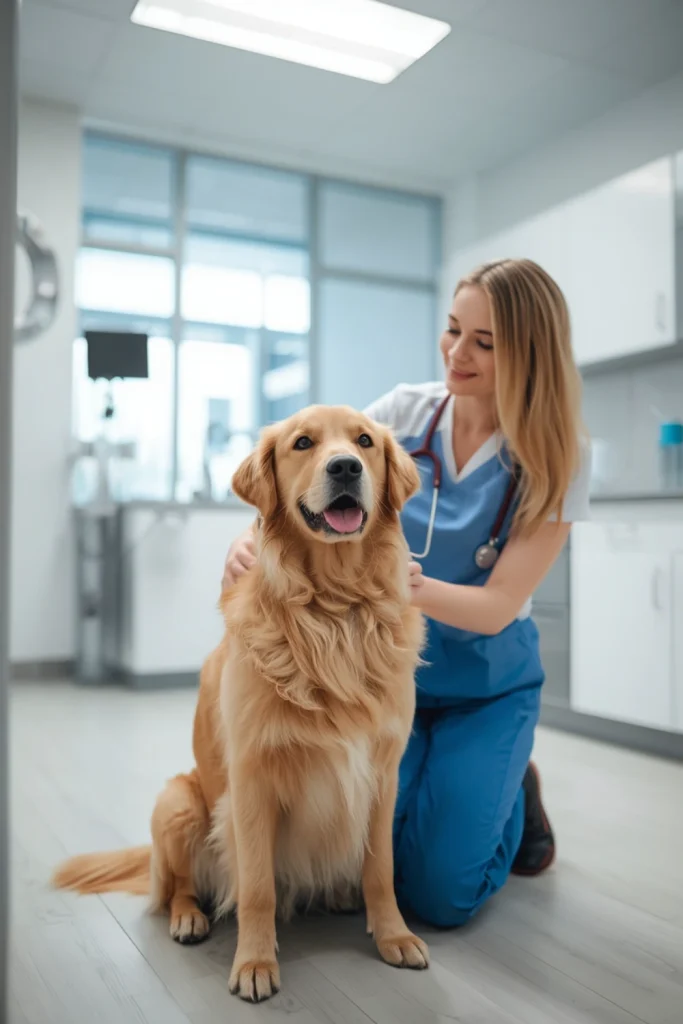
Regular veterinary checkups are among the most valuable habits for maintaining your dog’s long-term health. During wellness visits, your veterinarian can assess body condition, weight, teeth, eyes, ears, skin, movement, and general health. They can also recommend vaccinations, parasite prevention, dental care, and screening tests according to your dog’s age, lifestyle, and local risks. Puppies often require more frequent visits than healthy adult dogs, while senior dogs and pets with ongoing medical conditions may need additional monitoring. Keeping appointments on a calendar makes it easier to stay organized.
Do not wait for a scheduled checkup if your dog appears seriously unwell. Difficulty breathing, collapse, seizures, severe bleeding, suspected poisoning, or repeated unproductive attempts to vomit can require emergency veterinary attention. Other changes, including persistent coughing, unexplained weight loss, reduced appetite, or unusual thirst, should also be discussed with a veterinarian. Keep records of vaccinations, medications, previous illnesses, and test results. These details help your veterinarian understand your pet’s history and recommend suitable care. Routine checkups do not guarantee that every health problem can be prevented, but they help you make informed decisions and address concerns promptly.
10. Protect Your Dog From Parasites and Everyday Hazards
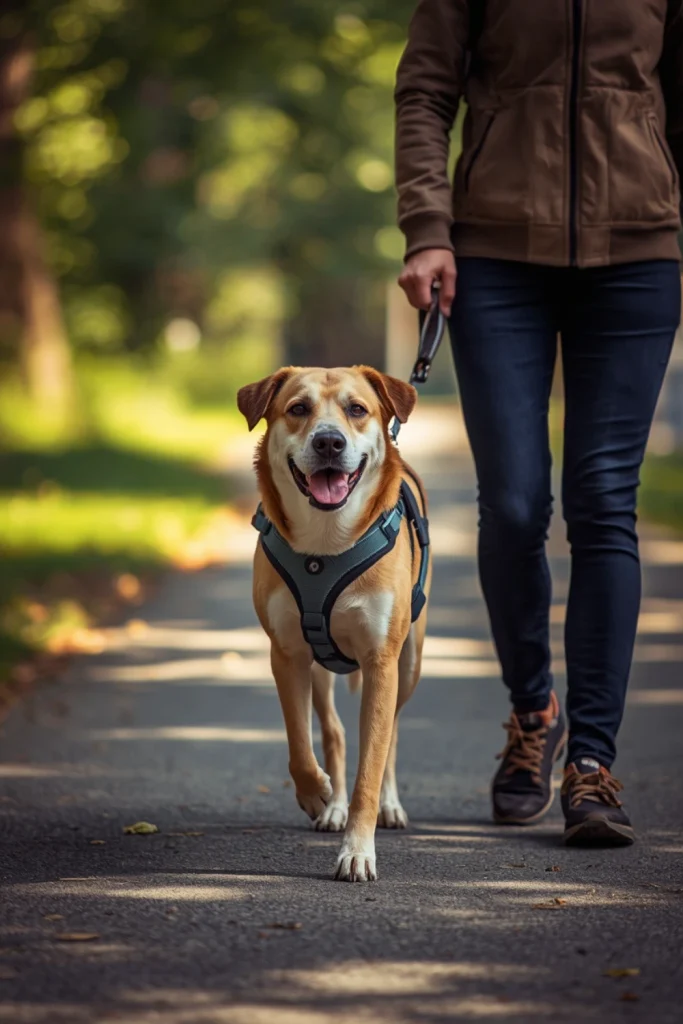
Protecting your dog from parasites and environmental hazards is an important part of everyday care. Depending on your location and your pet’s activities, fleas, ticks, and intestinal parasites may present risks. Ask your veterinarian which prevention products are appropriate for your dog’s age, weight, health, and environment. Follow product instructions carefully, and never assume a treatment intended for one species is safe for another. After walks, check your dog’s coat and paws for ticks, plant material, or other debris, especially after exploring grassy or wooded areas.
Home safety matters just as much as outdoor protection. Keep medications, cleaning products, pesticides, and potentially toxic foods securely stored. Use suitable identification and a well-fitted harness or collar, and keep your dog on a leash wherever required or when an area is unsafe. Secure rubbish bins and supervise your pet near roads, unfamiliar animals, and open water. If you suspect your dog has swallowed a poisonous substance, contact a veterinarian or animal poison service immediately. Do not induce vomiting unless a veterinary professional specifically instructs you to do so. A safer environment reduces avoidable risks and gives your dog more freedom to explore appropriately.
11. Provide Mental Stimulation and Interactive Play

Dogs need mental challenges as well as physical exercise. Sniffing walks, food puzzles, hide-and-seek games, and simple training activities give dogs opportunities to explore, solve problems, and use their natural instincts. Mental stimulation can be especially valuable for dogs that spend a lot of time indoors or become restless when they have little to do. Choose activities that match your dog’s abilities, and introduce new puzzles gradually. Supervise unfamiliar toys, particularly if your dog chews aggressively or tends to swallow small pieces. Remove damaged toys to reduce the risk of choking or injury.
You can create enriching experiences without spending much money. Hide a few pieces of your dog’s regular food in safe, accessible places, teach a new cue, or allow extra time for sniffing during a walk. Rotating suitable toys can help maintain interest, while short sessions prevent frustration and fatigue. Avoid games that encourage unsafe chasing near roads or rough play that could cause injuries. If your dog appears bored or repeatedly engages in destructive behavior, consider whether its daily schedule includes enough appropriate activity, attention, rest, and enrichment. Every dog benefits from opportunities to explore the world in safe and rewarding ways.
12. Spend Quality Time and Observe Behavioral Changes
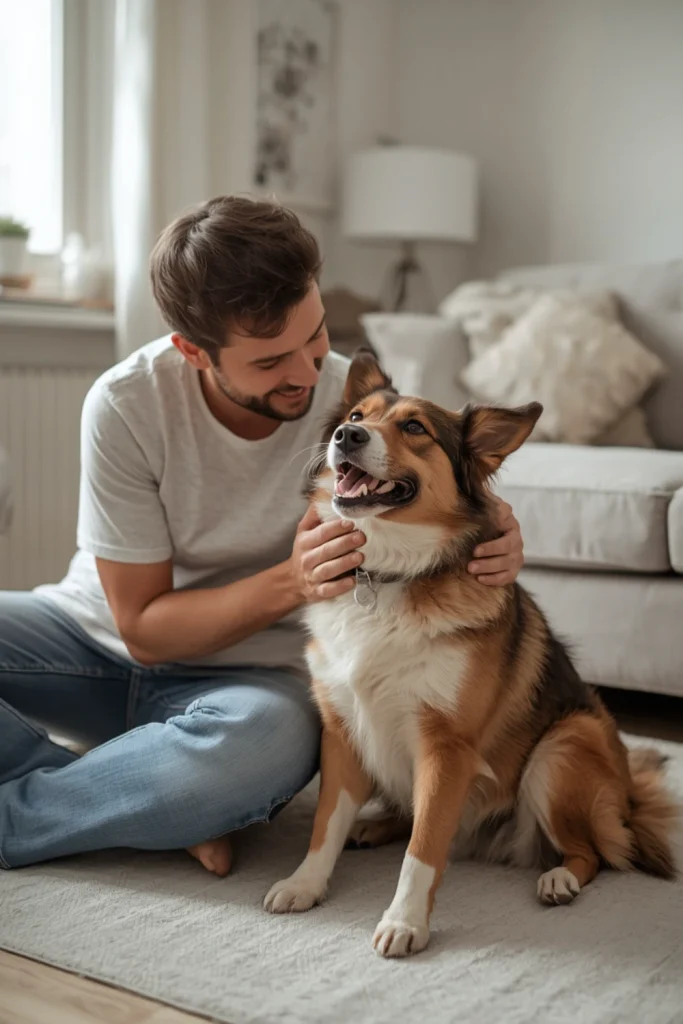
Your dog needs more than food, exercise, and grooming to enjoy a good quality of life. Positive social interaction helps build trust and provides companionship. Set aside time each day to play, practice gentle training, relax together, or offer attention in a way your dog enjoys. Some dogs love cuddling, while others prefer sitting nearby or playing a game. Respect your pet’s signals and allow it to move away when it needs space. Teach children and visitors to interact gently and avoid disturbing dogs while they are sleeping, eating, or resting.
Getting to know your dog’s normal behavior also makes it easier to recognize when something changes. Pay attention to appetite, energy, movement, bathroom habits, playfulness, and reactions to people or other animals. A dog that suddenly hides, becomes unusually irritable, avoids being touched, or loses interest in favorite activities may be uncomfortable, frightened, or unwell. Do not automatically assume these changes are simply bad behavior. Provide a calm environment and seek veterinary advice when a change is sudden, persistent, or accompanied by other symptoms. Daily companionship helps you understand your dog’s needs and respond with patience and care.
Conclusion
Building healthy routines does not have to be complicated. Simple actions such as providing fresh water, choosing balanced food, exercising regularly, brushing teeth, maintaining coat care, and scheduling veterinary checkups can support your dog’s long-term well-being. Mental stimulation, positive training, safe surroundings, adequate rest, and meaningful companionship are equally valuable parts of responsible pet ownership.
The best Dog Care Habits for your pet are the ones that meet its individual needs and fit naturally into your everyday life. You do not need to introduce all 12 habits at once. Begin with two or three, practice them consistently, and gradually improve your routine. With patience, careful observation, and responsible care, you can help your dog enjoy a happier, healthier, and more comfortable life.