Dog Feeding Schedule by Age: A Beginner-Friendly Guide
Feeding your dog properly is one of the most important responsibilities of being a pet owner. The right feeding routine helps your dog receive the nutrients needed for healthy growth, steady energy, and a comfortable daily life. Whether you have a playful puppy, an active adult dog, or a gentle senior companion, understanding the best Dog Feeding Schedule can make everyday care much easier.
But how often should you feed your dog? Should puppies eat four times a day? When should you switch to two meals? And does an older dog need a different feeding routine? If you are a beginner, this guide will explain how feeding needs change with age, how to plan meal times, how to measure portions, and how to build a routine that works for your dog’s individual needs.
Why Is a Dog Feeding Schedule Important?
A consistent Dog Feeding Schedule helps you establish a predictable routine for your pet. When meals arrive at familiar times, you can more easily monitor your dog’s appetite, digestion, and eating habits. Regular meals also make it easier to measure portions, avoid unnecessary snacks, and notice changes that might indicate a health problem. Instead of guessing how much your dog has eaten, you can keep track of daily food intake.
A proper schedule also supports different life stages. Puppies need frequent meals to support growth, while adult dogs benefit from controlled portions that help maintain a healthy weight. Senior dogs may require adjustments based on activity, dental comfort, and medical conditions. Although regular feeding times are helpful, the ideal schedule depends on your dog’s age, breed, size, activity level, food type, and overall health.
Dog Feeding Schedule by Age: Quick Overview
A dog’s feeding needs change as it grows. Newborn puppies depend on their mother’s milk or an appropriate milk replacer, while weaning puppies gradually learn to eat solid food. As puppies mature, the number of daily meals can usually decrease. Adult dogs commonly eat twice daily, whereas senior dogs may benefit from smaller, more frequent meals depending on their health and appetite.
The following table provides a general starting point for planning meals. It is not a strict rule for every dog. Toy-breed puppies, dogs with medical conditions, and animals recovering from illness may need a more specialized routine. Always consider your dog’s individual needs when deciding meal frequency.
| Dog’s age | Typical feeding frequency | General guidance |
|---|---|---|
| Birth to 4 weeks | Frequent milk feeds | Mother’s milk or veterinarian-directed puppy milk replacer |
| 4–8 weeks | Around 4 small meals during weaning | Gradually introduce softened puppy food |
| 8–12 weeks | Around 4 meals daily | Offer small, measured puppy-food portions |
| 3–6 months | Around 3 meals daily | Continue a complete puppy-growth diet |
| 6–12 months | 2–3 meals daily | Adjust according to breed and maturity |
| Adult dogs | Usually 2 meals daily | Divide the daily food allowance into meals |
| Senior dogs | Usually 2 meals, sometimes 3 | Adjust portions and frequency to individual needs |
1. Dog Feeding Schedule for Newborn Puppies: Birth to 4 Weeks

Newborn puppies have special nutritional requirements because they grow rapidly and cannot eat ordinary solid food. During the first weeks of life, mother’s milk provides the nutrients and energy they need. Puppies nurse frequently throughout the day and night, and their feeding needs depend on their age, size, health, and ability to nurse. At this stage, a regular adult-style meal schedule is not appropriate. The mother and puppies should have a clean, quiet, warm environment.
If a puppy cannot nurse adequately or is orphaned, consult a veterinarian about a suitable commercial puppy milk replacer and an appropriate feeding method. Do not substitute ordinary cow’s milk without veterinary advice. Newborn puppies can become dehydrated or develop low blood sugar quickly. Poor weight gain, persistent crying, weakness, difficulty nursing, or unusual sleepiness requires prompt veterinary attention. Monitoring daily weight and the condition of every puppy helps identify problems early.
2. Dog Feeding Schedule During Weaning: 4–8 Weeks

Between four and eight weeks, puppies gradually transition from mother’s milk to solid food. This process is called weaning. Begin by offering complete puppy food softened with warm water or an appropriate puppy milk replacer, following veterinary guidance. The texture should be soft enough for young puppies to lap and chew comfortably. Introduce the food gradually, allowing puppies to explore it without forcing them to eat large portions. They may continue nursing during the transition.
Offer small meals several times daily, with around four meals often serving as a useful starting point as weaning progresses. Keep dishes clean and monitor each puppy individually because stronger littermates may eat more than smaller ones. Gradually reduce dependence on milk as the puppies become comfortable with solid food. By approximately eight weeks, many puppies can eat complete puppy food independently, although development varies. If a puppy struggles to eat, loses weight, or develops persistent digestive problems, seek veterinary guidance.
3. Dog Feeding Schedule for 8–12-Week-Old Puppies

Puppies between eight and twelve weeks are growing quickly and need a balanced diet formulated for healthy development. Four small meals a day are a useful starting point for many puppies. For example, you could offer breakfast at 7:00 a.m., a second meal at 11:00 a.m., another at 3:00 p.m., and dinner at 7:00 p.m. Adjust these times to suit your household and your puppy’s individual needs. Very small breeds may require more frequent meals.
Divide the recommended daily food allowance into four portions instead of serving the full daily quantity at every meal. Use the food packaging as an initial guide and ask your veterinarian to help adjust the amount as your puppy grows. Provide fresh drinking water throughout the day. Puppies often need a bathroom break shortly after eating, so include a short outdoor trip after each meal. A predictable schedule helps you monitor appetite, support house training, and identify changes in digestion.
4. Dog Feeding Schedule for 3–6-Month-Old Puppies

Between three and six months, many puppies can transition from four meals to three meals a day. They are becoming more active, exploring their surroundings, and developing stronger muscles and bones. Three meals help distribute food throughout the day without requiring the same frequency as younger puppies. A sample routine might include breakfast at 7:00 a.m., lunch at 1:00 p.m., and dinner at 7:00 p.m. However, smaller puppies may need more frequent meals.
Continue feeding a complete and balanced puppy diet appropriate for your dog’s expected adult size. Large-breed puppies need carefully balanced nutrition to support controlled growth, so avoid adding calcium or other supplements unless your veterinarian recommends them. Monitor your puppy’s weight, energy, appetite, and body condition regularly. You should generally be able to feel the ribs beneath a light covering of fat. If your puppy gains weight too quickly or appears unusually thin, ask your veterinarian to review its food portions.
5. Dog Feeding Schedule for 6–12-Month-Old Puppies
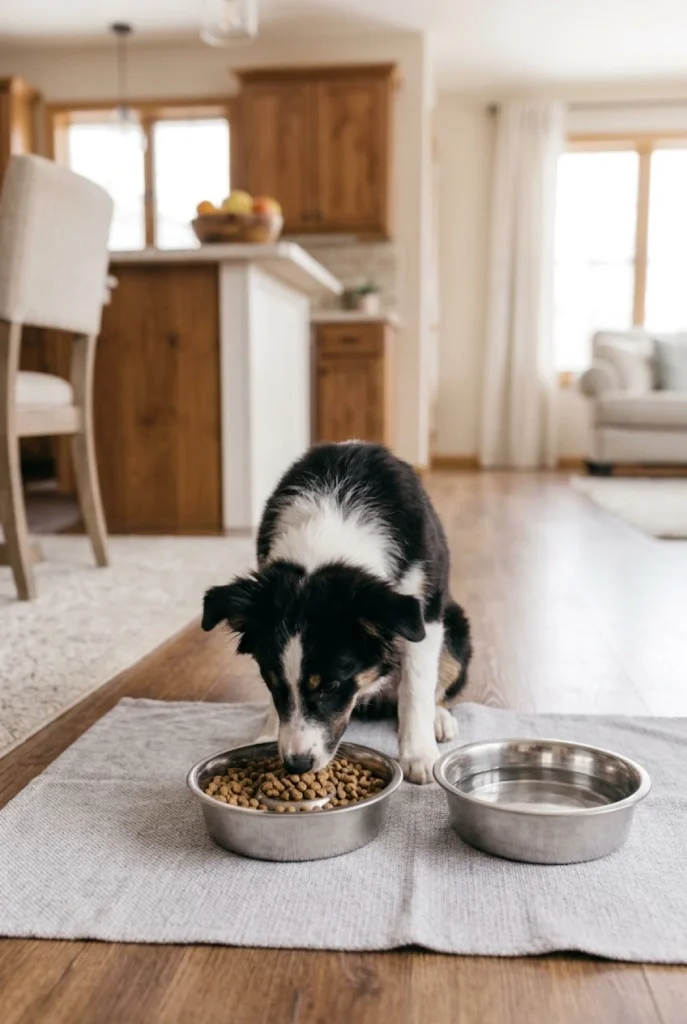
As puppies approach six months, their feeding routine often becomes more flexible. Many can eat two or three meals daily, depending on their breed, size, appetite, and health. A puppy that benefits from three meals might eat at 7:00 a.m., 1:00 p.m., and 7:00 p.m. Others may gradually move to breakfast and dinner. Make changes according to your puppy’s development instead of reducing meals simply because it has reached a particular age.
Choosing the right food remains important during this stage. Small breeds may reach maturity earlier than large and giant breeds, which can continue growing for 18–24 months. Continue using a suitable growth diet until your dog is ready for adult food. Your veterinarian can help determine the correct transition time and daily food allowance. Also consider changes in activity and calorie needs after spaying or neutering. A growing puppy needs enough nutrition to develop properly, but excessive feeding can contribute to unhealthy weight gain.
6. Dog Feeding Schedule for Adult Dogs
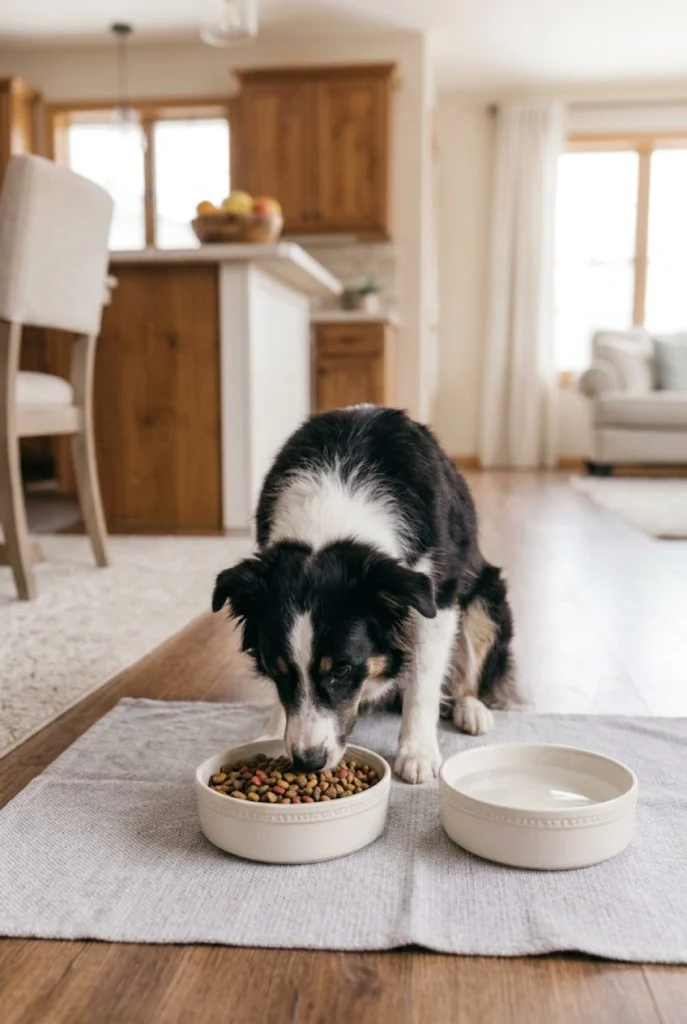
Most healthy adult dogs do well with two meals a day. A morning meal around 7:00 a.m. and an evening meal around 6:00 p.m. can provide a convenient routine for many households. Regular meals make it easier to measure food, monitor appetite, and avoid excessive snacking. Some adult dogs may benefit from three smaller meals, particularly if a veterinarian recommends a different pattern for digestive comfort or another health-related reason.
Choose a complete and balanced adult maintenance food suitable for your dog’s size and activity level. Divide the recommended daily allowance between meals rather than treating each meal as a separate full serving. For example, if your dog’s daily allowance is 300 grams, two equal meals would contain 150 grams each. This is only a mathematical example, not a recommended quantity for every dog. Include treats and training rewards in the daily calorie total, and adjust portions when your dog’s body condition changes.
Image prompt: A healthy adult mixed-breed dog eating a measured portion of adult dog food from a clean ceramic bowl in a modern home kitchen, fresh water bowl beside it, natural window light, realistic fur detail, professional pet photography, horizontal 16:9 composition, no text.
7. Dog Feeding Schedule for Senior Dogs

Senior dogs may experience changes in activity, metabolism, appetite, dental health, and digestion. Many older dogs continue to do well with two meals daily, while others may prefer three smaller portions. For example, a dog that struggles with large meals might eat breakfast at 7:30 a.m., lunch at 1:00 p.m., and dinner at 6:30 p.m. The right approach depends on the dog’s individual needs rather than age alone.
Food choices should reflect your senior dog’s body condition, muscle mass, and medical history. Some older dogs need fewer calories because they are less active, while others lose weight and need nutritional support. Dental problems may also make certain textures easier to eat. Do not automatically reduce protein or switch foods simply because your dog is older. Ask your veterinarian to recommend an appropriate diet and investigate unexpected changes in weight, thirst, appetite, or digestion.
8. How Much Food Should You Give Your Dog at Each Meal?
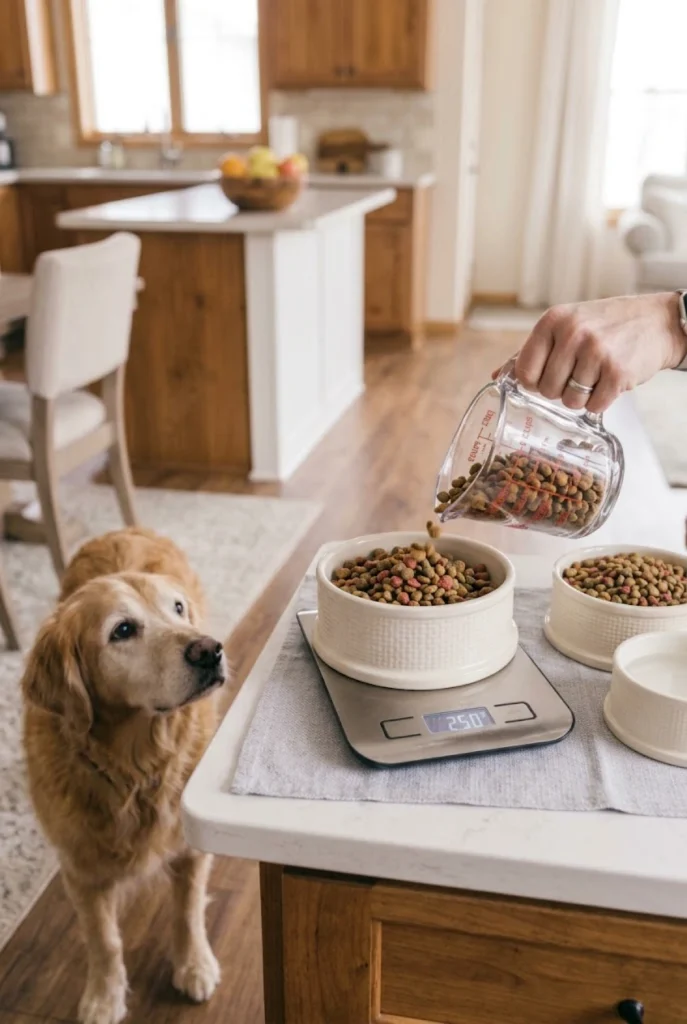
Meal frequency is only one part of a successful Dog Feeding Schedule. The amount of food your dog needs depends on its weight, age, activity level, metabolism, reproductive status, and the calories contained in its food. Start with the manufacturer’s feeding guide, but remember that the suggested quantity is an estimate. Two dogs of the same breed and weight may have different energy requirements because one is much more active than the other.
Measuring food accurately helps prevent overfeeding and underfeeding. Use a kitchen scale or a consistent measuring cup instead of filling the bowl by eye. Divide the daily allowance into the number of meals your dog eats. Check your dog’s body condition regularly and adjust portions with veterinary guidance. If your dog is overweight, underweight, pregnant, highly active, or living with a medical condition, an individualized feeding plan may be more appropriate than a general feeding chart.
9. Choosing the Right Food for Your Dog’s Age
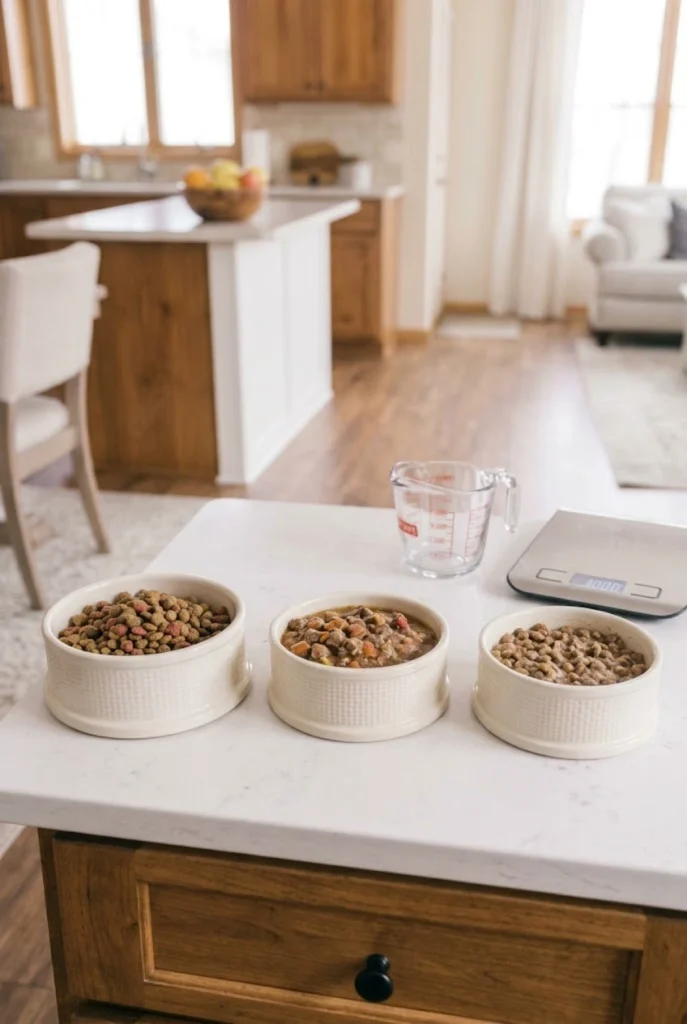
A healthy Dog Feeding Schedule begins with choosing food that meets your dog’s nutritional requirements. Puppies need food formulated for growth, adult dogs generally need maintenance food, and some senior dogs benefit from diets designed around their individual health needs. Look for a product labeled complete and balanced for the appropriate life stage. Large-breed puppies may need a specific growth formula to help support healthy development.
Dry kibble, wet food, and suitable combinations can all be practical options. Wet food may be helpful for dogs that prefer softer textures, while dry food is convenient to measure and store. If you mix different foods, calculate the total calories from both so you do not accidentally overfeed your dog. Homemade diets are not automatically nutritionally complete, even when they contain meat, rice, and vegetables. Consult a veterinary nutrition professional if you want to prepare your dog’s meals at home.
10. Create a Consistent Morning Feeding Routine
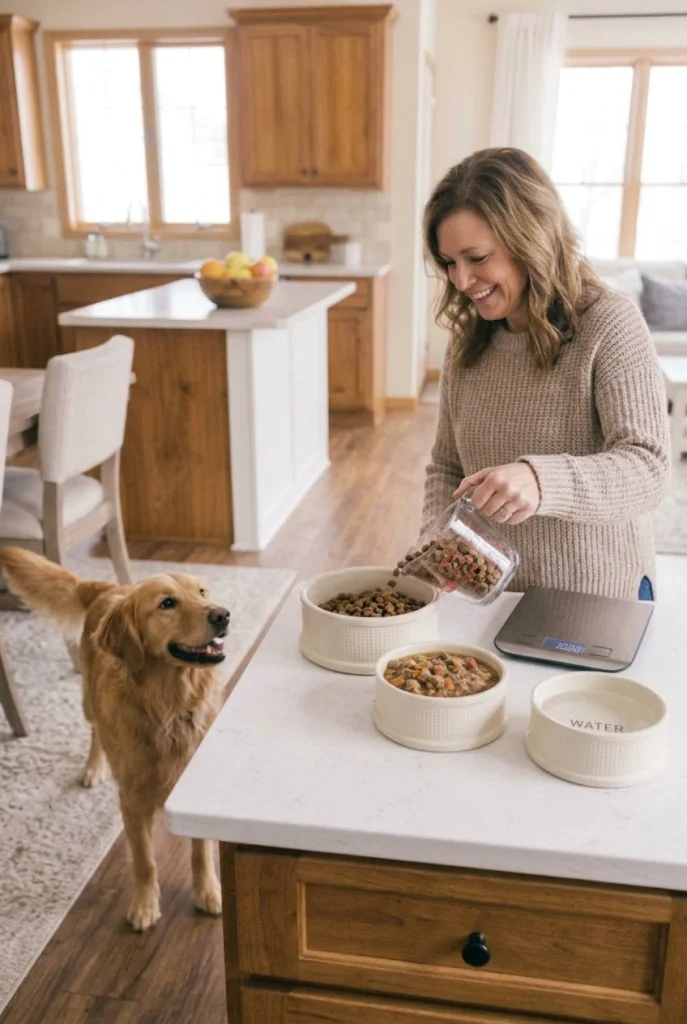
A predictable morning routine can make dog care easier, especially if you work or manage a busy household. Begin with a bathroom break, then prepare your dog’s measured breakfast. Many adult dogs can comfortably follow a morning feeding time between 7:00 and 8:00 a.m., but the schedule should fit your household. Feed your dog in a quiet place where children and other animals will not disturb it.
After breakfast, provide another bathroom opportunity and allow your dog to settle before more vigorous activity. Puppies often need to go outside soon after eating, so build additional breaks into the morning routine. Keep fresh water available, and avoid changing meal times dramatically from one day to the next without a reason. If your dog exercises vigorously or belongs to a large, deep-chested breed, ask your veterinarian how to coordinate feeding and activity safely.
11. Plan the Right Evening Feeding Schedule
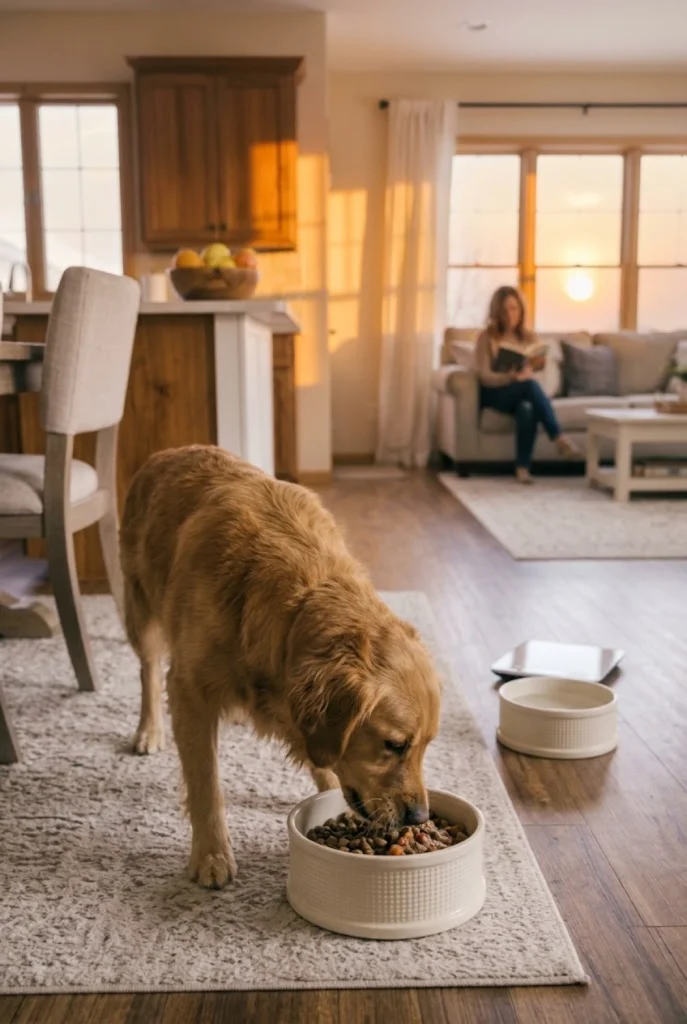
Evening meals are easier to manage when they happen at approximately the same time each day. For an adult dog eating twice daily, dinner between 5:30 and 7:00 p.m. may work well. This gives the household time to serve a measured portion, observe the dog while eating, and provide a bathroom break before bedtime. If you arrive home late, consider a trusted caregiver or another practical arrangement to maintain the routine.
Avoid compensating for a missed meal by giving your dog a very large dinner without considering its daily allowance. A sudden increase in portion size can cause digestive discomfort and contribute to excessive calorie intake. Some dogs with particular medical needs may require smaller evening meals or a veterinarian-approved bedtime snack. Others do not need food late at night. Observe your dog’s appetite and comfort, and ask your veterinarian if you are unsure whether its meal timing should change.
12. Feeding Small-Breed and Toy-Breed Dogs

Small dogs and toy breeds have nutritional needs that deserve special attention. Adult small-breed dogs often do well with two meals daily, although some may benefit from three smaller portions. Very young toy-breed puppies can be more vulnerable to low blood sugar because of their small energy reserves. They may need more frequent meals under a veterinarian’s guidance, particularly during early development.
Choose food formulated for the dog’s life stage and measure portions carefully. Small treats may seem insignificant, but extra calories can add up quickly in a tiny dog. Monitor weight, appetite, and energy, and do not assume that every small dog needs unlimited food. If a young toy-breed puppy becomes weak, trembles, seems unusually sleepy, or refuses food, seek prompt veterinary advice. These signs should not be treated as ordinary hunger or a reason to wait until the next scheduled meal.
13. Feeding Large-Breed and Giant-Breed Dogs
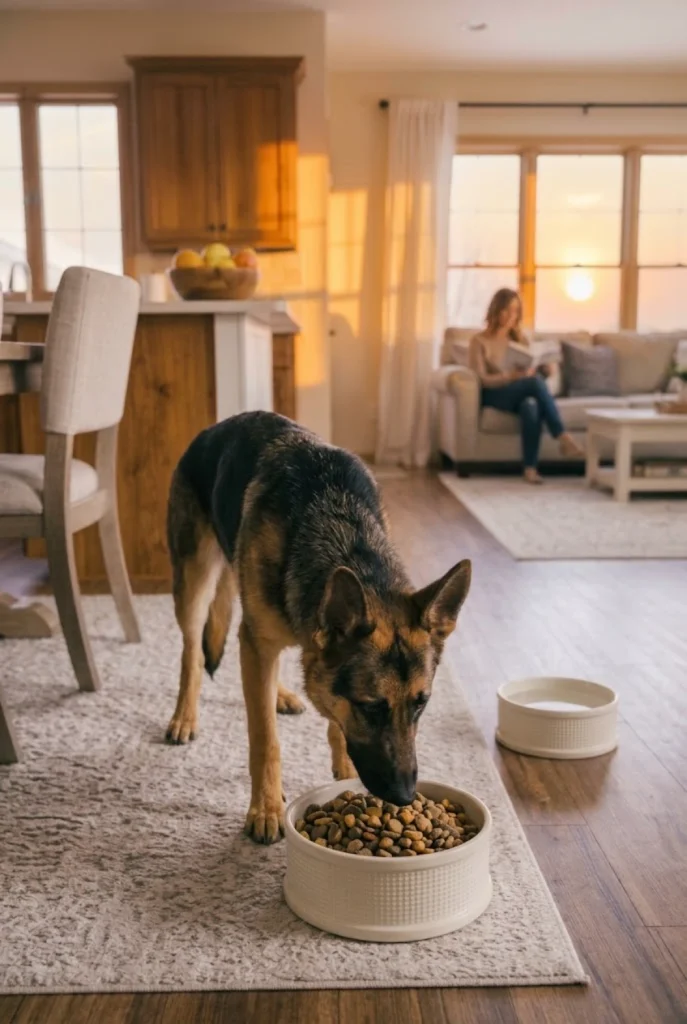
Large and giant breeds require careful feeding during puppyhood because they can grow rapidly. Excessive calorie intake and unsuitable nutrient levels may contribute to unhealthy growth and skeletal problems. Choose a complete puppy food formulated for large-breed growth when appropriate, and avoid adding calcium or mineral supplements unless your veterinarian recommends them. The goal is steady, controlled development rather than making a puppy grow as quickly as possible.
As large dogs mature, adjust portions to maintain a healthy body condition. Some large, deep-chested breeds are at greater risk of gastric dilatation-volvulus, commonly known as bloat. Discuss breed-specific feeding and exercise precautions with your veterinarian. A swollen abdomen, repeated unproductive retching, sudden restlessness, or severe distress may indicate an emergency requiring immediate veterinary attention. No feeding schedule can guarantee prevention, so knowing the warning signs is important for every large-dog owner.
14. How to Adjust Your Dog’s Feeding Schedule as It Grows

Your dog’s feeding routine should change gradually as its nutritional needs develop. A young puppy may need four meals daily, then move to three, and eventually settle into two meals. The right time to make each transition depends on breed, growth, health, and appetite. If your puppy regularly leaves food behind, discuss whether a change in meal frequency or portion size might be appropriate instead of immediately assuming it needs less food.
Keep a record of meal times, food quantities, treats, weight, and digestive symptoms. When changing food, introduce the new formula gradually over several days or according to veterinary instructions. Sudden changes can cause digestive upset in some dogs. If your pet develops repeated vomiting, persistent diarrhea, unexpected weight loss, or a sudden refusal to eat, seek veterinary advice. These symptoms should not automatically be blamed on a feeding schedule that needs adjustment.
15. How Dog Treats Fit Into a Feeding Schedule

Treats can be useful rewards during training and can help build a positive relationship between you and your dog. However, they should be included in the daily food allowance instead of being offered without limits. A common guideline is to keep treats and other extras to no more than 10% of daily calories, with at least 90% coming from a complete and balanced diet. This helps reduce the risk of excess calorie intake and nutritional imbalance.
If you train your dog throughout the day, consider using small treats or reserving part of its daily kibble for rewards. Include dental chews, table scraps, and other edible extras in your calculations. Avoid feeding foods that are dangerous to dogs, including chocolate, grapes, raisins, onions, and products containing xylitol. Dogs with allergies, pancreatitis, or other medical conditions may require special treats, so ask your veterinarian which options are safe.
16. The Importance of Fresh Water in Your Dog’s Daily Routine

Water is an essential part of every Dog Feeding Schedule. Dogs need adequate hydration to support digestion, circulation, temperature regulation, and other normal body functions. Provide clean drinking water throughout the day rather than offering it only at mealtimes. Wash the bowl regularly, refill it when necessary, and make sure your dog can reach it comfortably. In homes with multiple pets, provide enough water stations to reduce competition.
Water requirements vary according to body size, diet, weather, activity, and health. Dogs eating dry food may obtain less moisture from meals than dogs eating wet food. Exercise and hot weather can increase water needs, while certain medical conditions can change drinking and urination patterns. Do not deliberately restrict water to prevent accidents unless your veterinarian gives specific instructions. If your dog suddenly drinks much more or less than usual, arrange a veterinary assessment to investigate the cause.
17. Free Feeding vs. Scheduled Meals: Which Is Better?
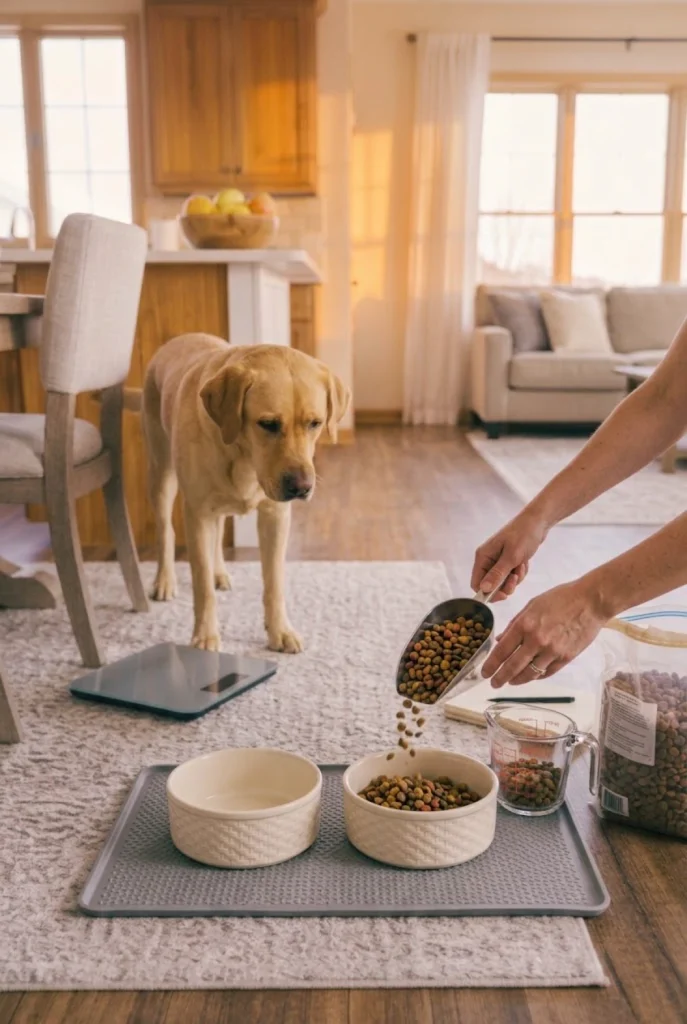
Free feeding means leaving food available so a dog can eat whenever it wants. Although some dogs naturally prefer eating small amounts throughout the day, this method can make portion control difficult. Food-motivated dogs may overeat, and owners may not notice a reduction in appetite when the bowl is always available. Scheduled meals make it easier to measure daily intake, recognize changes in eating habits, and maintain a predictable routine.
For many dogs, offering measured meals at regular times is a practical approach. Follow your veterinarian’s guidance about how long to leave food available and what to do if a meal is refused. Do not suddenly impose long fasting periods on a young puppy, a tiny-breed puppy, or a dog with a medical condition that requires frequent meals. If your dog prefers grazing or has special nutritional needs, ask your veterinarian whether a modified feeding arrangement is appropriate.
18. Dog Feeding Schedule for Busy Owners
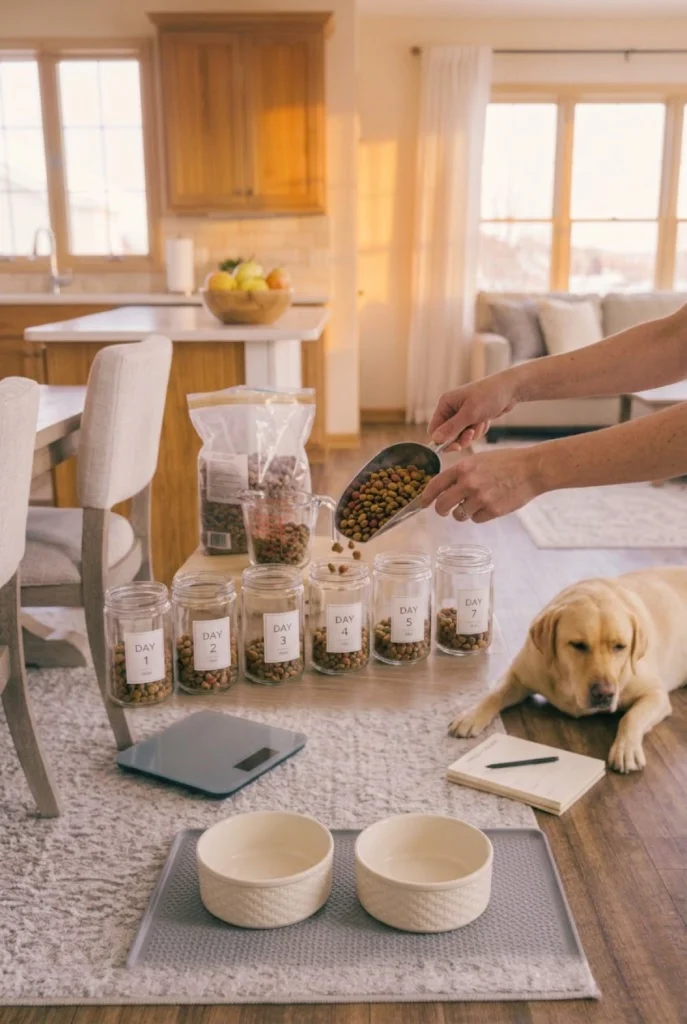
A busy work schedule does not have to prevent you from feeding your dog consistently. Choose practical meal times that fit your day, such as breakfast before work and dinner after returning home. Measure portions in advance, use a written feeding chart, or ask a responsible family member to help. An automatic feeder may be useful for some healthy adult dogs, but it needs regular checking and should not replace appropriate supervision.
Puppies generally need more frequent meals and bathroom breaks than adult dogs, so they may need help during the day. Arrange for a trusted caregiver to feed and check on a young puppy when necessary. Clearly record the food type, portion size, meal times, medications, and special instructions. This reduces the risk of double feeding or missed meals when several people care for the same dog. Store food safely and clean bowls and feeding equipment regularly.
19. Feeding Your Dog Before or After Exercise

Meal timing and physical activity should be planned together to help your dog remain comfortable. Avoid encouraging intense running, jumping, or rough play immediately before or after a large meal, particularly for large, deep-chested breeds that may have an increased risk of bloat. A gentle bathroom walk is different from strenuous exercise, but individual dogs have different needs. Ask your veterinarian about suitable meal and exercise timing for your dog’s breed and health.
For example, you might serve breakfast, allow your dog to settle, and schedule more vigorous activity later. After exercise, give your dog an opportunity to cool down before offering its next meal. Avoid assuming that one waiting period is suitable for every dog because meal size, activity intensity, and individual risk all matter. If your dog has a history of digestive problems or belongs to a higher-risk breed, ask your veterinarian for a personalized recommendation.
20. Common Dog Feeding Schedule Mistakes to Avoid
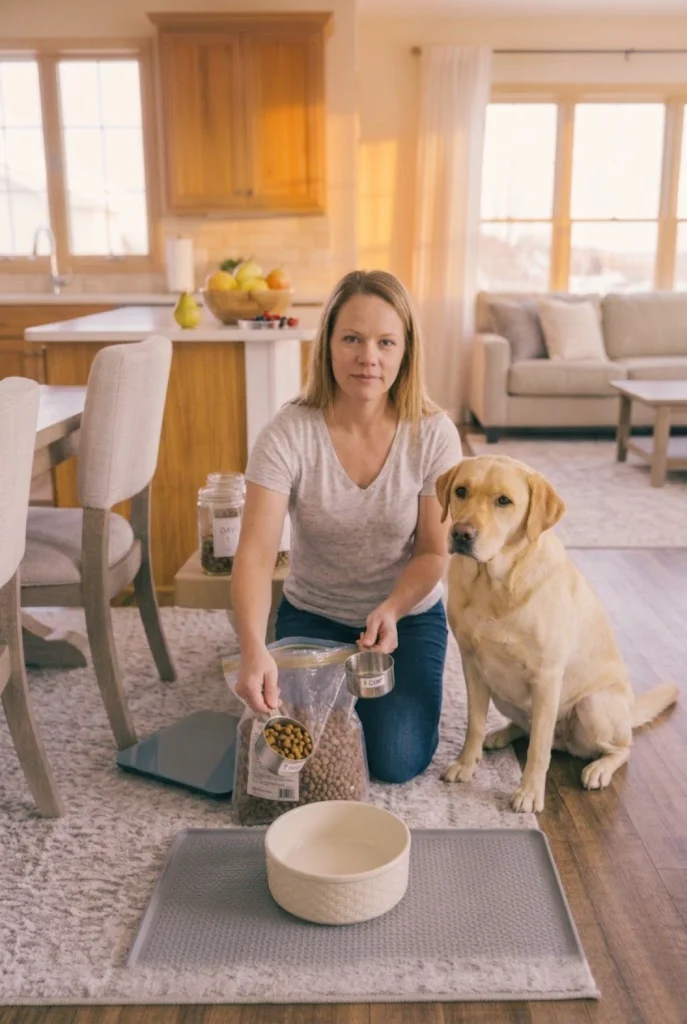
One common mistake is estimating portions instead of measuring them. A bowl that appears small can contain more calories than a dog needs, especially when treats and table scraps are added throughout the day. Other mistakes include feeding an unsuitable diet to a growing puppy, changing food suddenly, giving too many snacks, and allowing several family members to provide extra meals without communicating. These habits can make it difficult to maintain a healthy weight.
Avoid copying another dog’s feeding amount simply because the dogs are similar in size. Their energy requirements may be very different. Do not force a dog to finish every meal if it is comfortably satisfied, but pay attention to repeated food refusal or sudden changes in appetite. Record food portions and monitor body condition regularly. If your dog gains or loses weight unexpectedly, ask your veterinarian to review the feeding plan instead of making repeated, unmeasured changes.
21. Signs That Your Dog’s Feeding Schedule Needs Attention

Your dog’s appetite, weight, energy, and digestion can help you determine whether its feeding routine is working. Gradual weight gain may indicate that food portions or treats need adjustment. Unexplained weight loss may suggest inadequate nutrition or an underlying medical problem. Repeatedly leaving food, vomiting, persistent diarrhea, increased thirst, or unusual changes in eating behavior should also be discussed with a veterinarian. Keep notes about when the changes started and what your dog has been eating.
Some symptoms require urgent veterinary care rather than a routine adjustment. Contact a veterinarian promptly if your dog repeatedly refuses food, particularly if it is a puppy or has a medical condition. Seek emergency care if your dog develops a swollen abdomen, repeated unproductive retching, collapse, or severe weakness. Never assume a sudden appetite change simply means your dog needs a different meal time. Monitoring your dog’s normal habits helps you recognize when something may be wrong.
22. A Sample Daily Dog Feeding Schedule for Beginners

If you are a new dog owner, start with a simple routine and adjust it to your pet’s needs. For a healthy adult dog that eats twice daily, the following example combines meals, exercise, and bathroom breaks. The times are flexible, so you can move them around your work and family responsibilities. The main goals are to provide the correct daily food allowance and maintain a consistent routine.
| Time | Suggested activity |
|---|---|
| 7:00 a.m. | Morning bathroom break and breakfast |
| 7:30 a.m. | Gentle walk or calm activity, as appropriate |
| 12:00 p.m. | Bathroom break, interaction, and water check |
| 5:30 p.m. | Evening walk or activity |
| 6:00 p.m. | Measured dinner |
| 6:15–6:30 p.m. | Bathroom break and calm time |
| Before bed | Final bathroom break and water check |
Puppies need a different plan that includes additional meals and more frequent bathroom breaks. Senior dogs may also require changes in meal size or frequency. Use this example as a starting point, not a rigid rule. Record the food your dog eats, monitor appetite and digestion, and consult your veterinarian if your dog takes medication with food or has a medical condition that requires a specialized schedule.
23. How to Maintain a Healthy Feeding Routine Long-Term
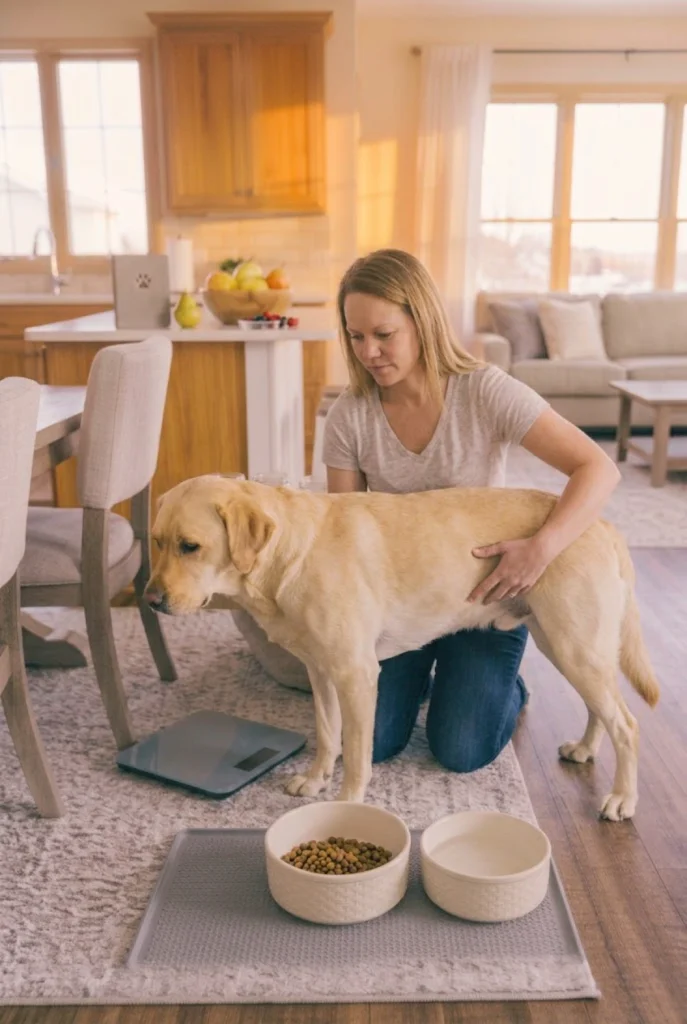
A good feeding schedule should be reviewed as your dog grows and its needs change. Puppies eventually become adults, active dogs may become less energetic, and senior dogs may develop conditions that affect appetite or digestion. Weigh your dog regularly, check body condition, and note whether appetite and energy remain consistent. If weight changes unexpectedly, ask your veterinarian whether the daily calories, food type, or meal frequency need to be adjusted.
Make feeding a calm and predictable part of everyday life. Measure portions consistently, store food correctly, clean bowls, and ensure everyone in the household follows the same plan. Routine veterinary checkups can help you review your dog’s weight and nutritional needs at different life stages. A successful Dog Feeding Schedule combines appropriate food, measured portions, fresh water, suitable exercise, and attention to changes in behavior. These habits help you care for your dog confidently throughout its life.
Final Thoughts
Creating the right Dog Feeding Schedule does not have to be complicated. Start by understanding your dog’s age, choosing a complete and balanced diet, measuring appropriate portions, and serving meals at consistent times. Puppies need frequent meals to support healthy development, most adult dogs do well with two meals daily, and senior dogs may need adjustments based on their health and body condition.
Remember that every dog is different. Monitor your dog’s weight, appetite, energy, and digestion, and seek veterinary advice whenever you notice concerning changes. With a little planning and consistency, you can establish a feeding routine that supports your dog’s well-being and makes everyday care easier for your family.