How Much Water Does Your Dog Need? A Simple Guide
Water is one of the most important parts of your dog’s daily care, yet it is easy to overlook how much your furry friend actually drinks. Whether you have a playful puppy, an active adult dog, or a senior companion, providing enough fresh water helps support digestion, regulate body temperature, and keep the body functioning properly.
But how much water does your dog need every day? The answer depends on several factors, including your dog’s weight, activity level, weather, diet, and overall health. In this beginner-friendly guide, you will learn how to estimate your dog’s daily water needs, recognize signs of dehydration, encourage healthy drinking habits, and understand when a change in water consumption may require veterinary attention.
1. How Much Water Does a Dog Need Every Day?
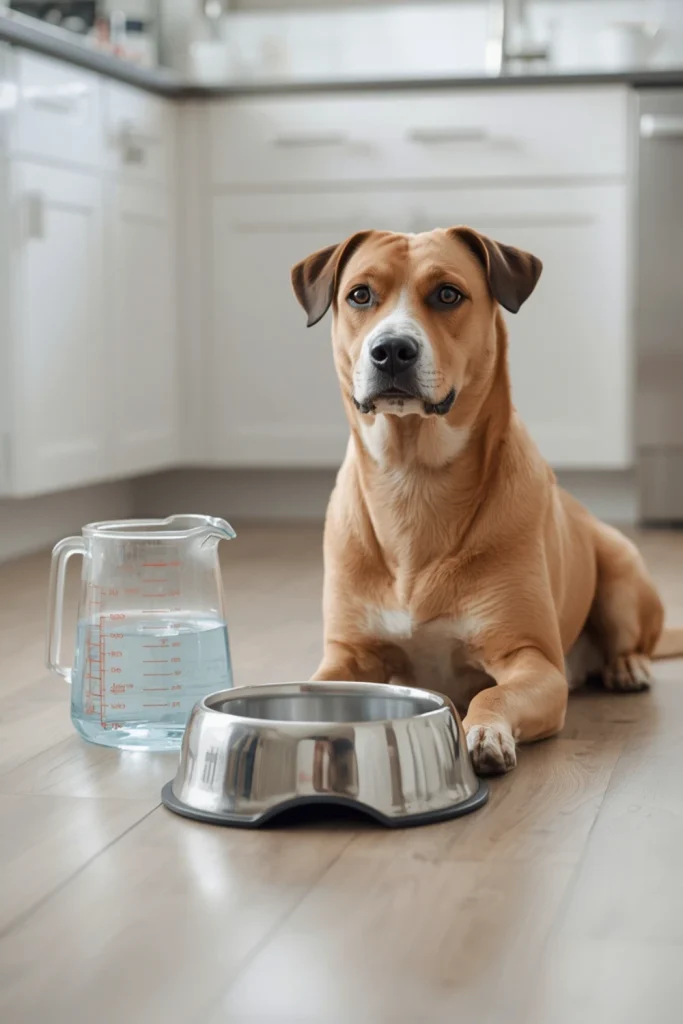
A commonly used starting estimate is that many dogs need approximately 50–60 milliliters of water per kilogram of body weight per day. For example, a healthy 10-kilogram dog might drink around 500–600 milliliters daily under ordinary conditions. This is only a general guide, not a strict limit. Some dogs naturally need less or more, and their requirements can change with temperature, exercise, diet, age, and health. Your dog should always have access to fresh drinking water rather than being restricted to a calculated daily amount.
You can use your dog’s weight to get a rough idea of its usual water needs, but do not worry if the amount varies from day to day. Dogs obtain some moisture from food, particularly wet food, so bowl consumption does not always reflect total water intake. Instead, observe your dog’s normal drinking habits alongside its energy, urination, appetite, and general comfort. If your dog consistently drinks far more or less than expected, discuss the pattern with your veterinarian rather than trying to correct it by restricting water.
2. Calculate Water Needs Based on Your Dog’s Weight
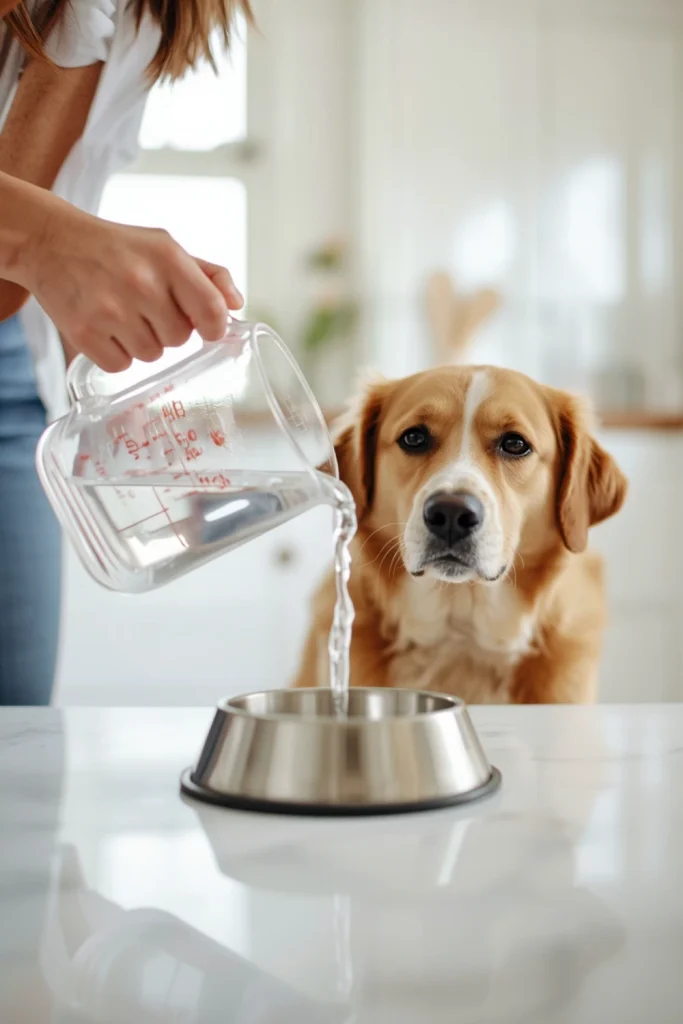
Your dog’s body weight is a useful starting point when estimating daily water requirements. Using the general range of 50–60 milliliters per kilogram, a 5-kilogram dog might need roughly 250–300 milliliters per day, while a 20-kilogram dog might need around 1–1.2 liters. These figures are estimates for understanding typical needs, not exact targets that every dog must meet. The right amount can differ considerably depending on food moisture, exercise, weather, and individual health.
If you want to monitor your dog’s drinking, measure how much water you put into the bowl and how much remains after a set period. Remember to account for spills, evaporation, refilling, and water consumed by other pets. Keep a simple record for several days to establish a baseline. This can be particularly helpful if you are concerned about a change in drinking habits. If the amount seems unusually high or low, share your observations with your veterinarian, who can help determine whether further assessment is needed.
3. Understand How Weather Affects Water Consumption
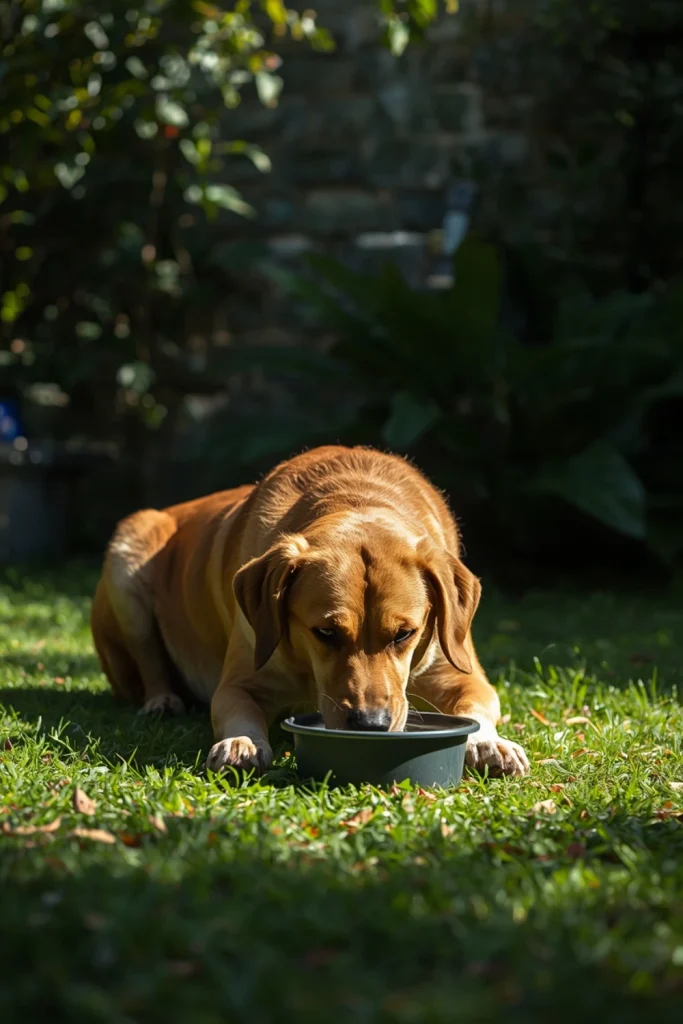
Warm weather can increase a dog’s need for water because dogs rely heavily on panting to cool themselves. Panting releases moisture from the respiratory tract, and this water loss can increase during hot or humid conditions. Dogs exercising outdoors or spending time in sunny areas may therefore drink more than usual. Always provide shade, regular opportunities to rest, and access to fresh water when temperatures rise. Avoid leaving dogs in hot vehicles or enclosed spaces that can quickly become dangerously warm.
Cold weather does not eliminate the need for hydration. Dogs may still lose moisture through breathing and urination, and some may drink less if their water is uncomfortably cold or inconvenient to reach. During winter, check bowls regularly to ensure the water has not frozen outdoors. Indoors, refresh the water frequently and keep it in an accessible location. Whether the weather is hot or cold, pay attention to changes in your dog’s drinking habits and behavior rather than assuming the season alone explains them.
4. Active Dogs Usually Need More Water
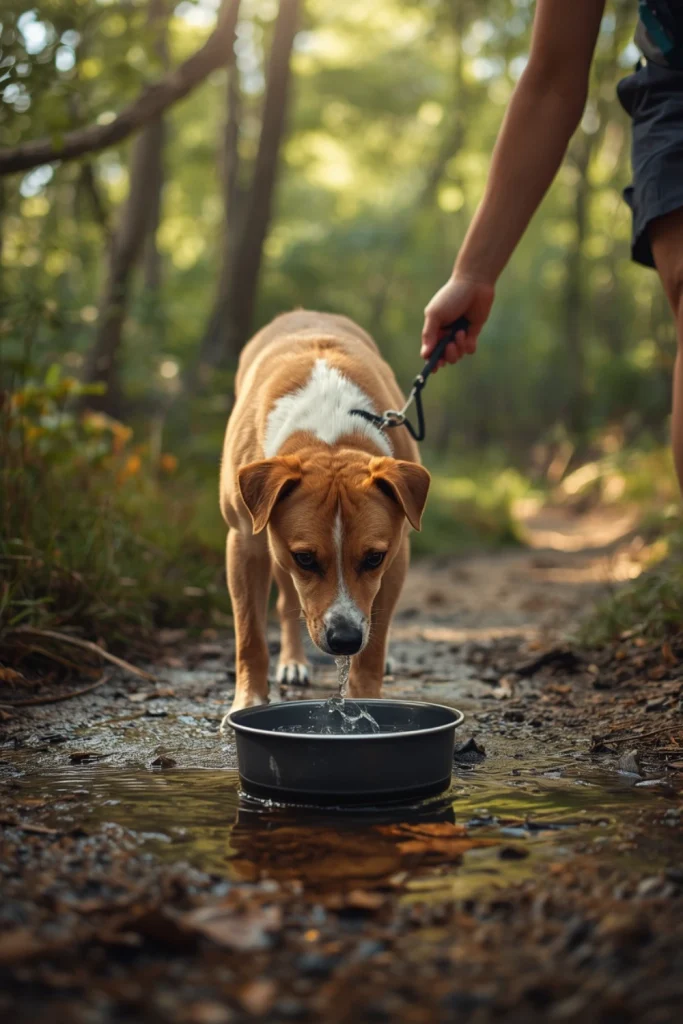
Exercise can increase your dog’s water requirements, particularly during long walks, running, hiking, playing fetch, or other vigorous activities. Dogs lose moisture through panting as their bodies work to regulate temperature. The amount of extra water needed depends on the intensity and duration of the activity, the weather, your dog’s fitness, and individual characteristics. An active dog should have regular opportunities to drink, especially when exercising outdoors or participating in activities that last longer than a short walk.
Plan ahead by carrying fresh water and a suitable drinking bowl when taking your dog on outings. Offer opportunities to drink during breaks and after exercise, allowing your dog to drink comfortably rather than forcing it to consume a large amount at once. Avoid intense activity during the hottest part of the day, and stop if your dog appears unusually tired, weak, disoriented, or distressed. Excessive panting combined with weakness or collapse can indicate a heat-related emergency and requires immediate veterinary attention.
5. Puppies Have Special Hydration Needs
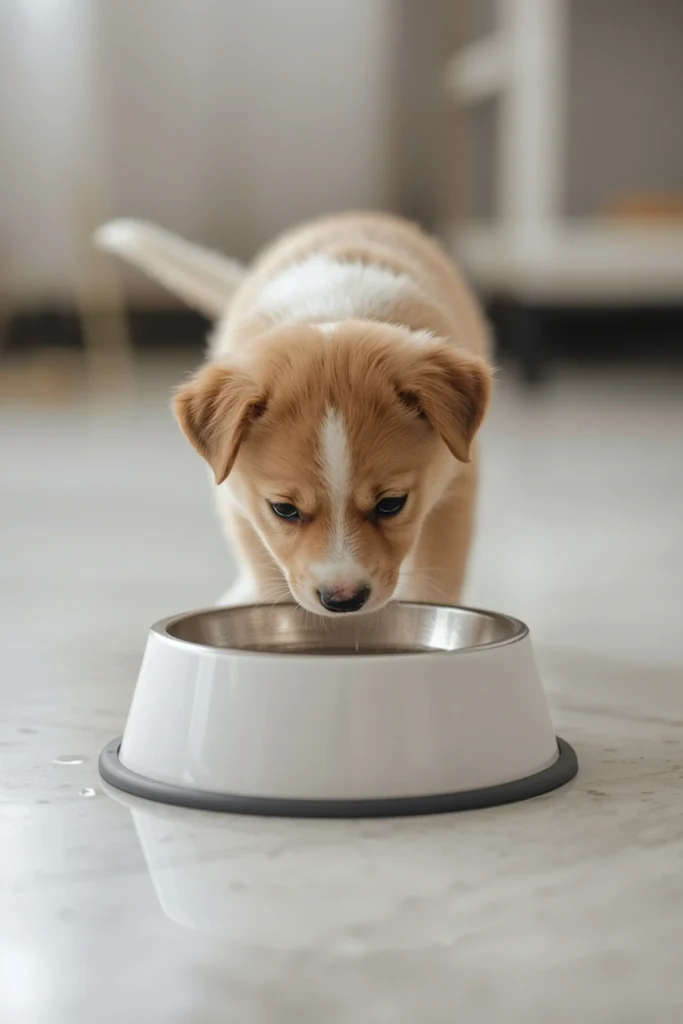
Puppies need regular access to fresh water because they are growing, learning new routines, and often playing throughout the day. Their small bodies can be more vulnerable to fluid loss than those of healthy adult dogs, particularly if vomiting or diarrhea occurs. Make sure your puppy can easily reach a stable water bowl and show it where the bowl is located when it arrives home. During house-training, build a routine around meals, naps, playtime, and toilet breaks while maintaining appropriate access to water.
Do not deliberately restrict a puppy’s water for long periods to prevent indoor accidents. Puppies need sufficient fluids to stay hydrated, and unnecessary restrictions can be harmful. If nighttime accidents are a concern, ask your veterinarian about a suitable routine based on your puppy’s age, health, and feeding schedule rather than withholding water without guidance. Watch for unusual tiredness, dry or sticky gums, repeated vomiting, diarrhea, or refusal to drink. Young puppies can become unwell quickly, so contact a veterinarian promptly if you notice concerning symptoms.
6. Wet Food and Dry Food Affect Water Intake
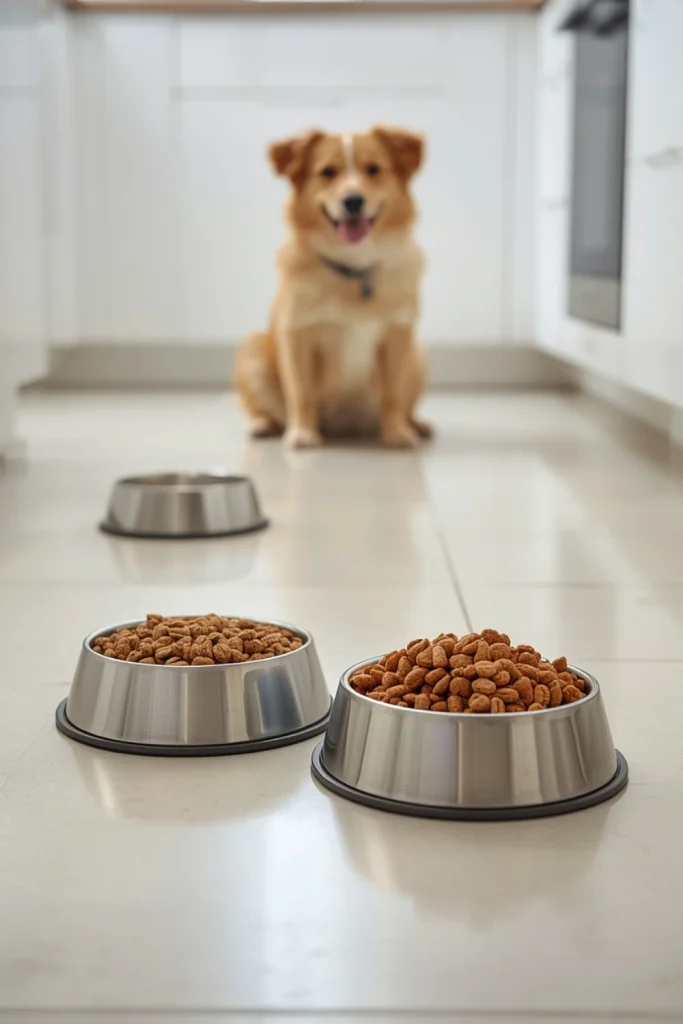
The type of food your dog eats can influence how much water it drinks from its bowl. Dry kibble contains relatively little moisture, so dogs eating mainly dry food often obtain most of their water by drinking. Wet food contains substantially more moisture and can contribute to daily fluid intake. As a result, a dog eating wet food may drink less from its bowl without necessarily being dehydrated. What matters is the dog’s overall hydration, health, and usual drinking pattern rather than a single measurement.
If you change your dog from dry food to wet food, or introduce a combination of both, you may notice a change in its drinking habits. This can be normal, but monitor the dog for other changes too. Do not add large amounts of water to meals or alter the diet as a treatment for a medical problem without veterinary guidance. If your dog appears thirsty all the time, urinates much more than usual, or suddenly drinks far less, do not assume the food alone explains the change. Discuss persistent changes with your veterinarian.
7. Keep Fresh Water Available Throughout the Day
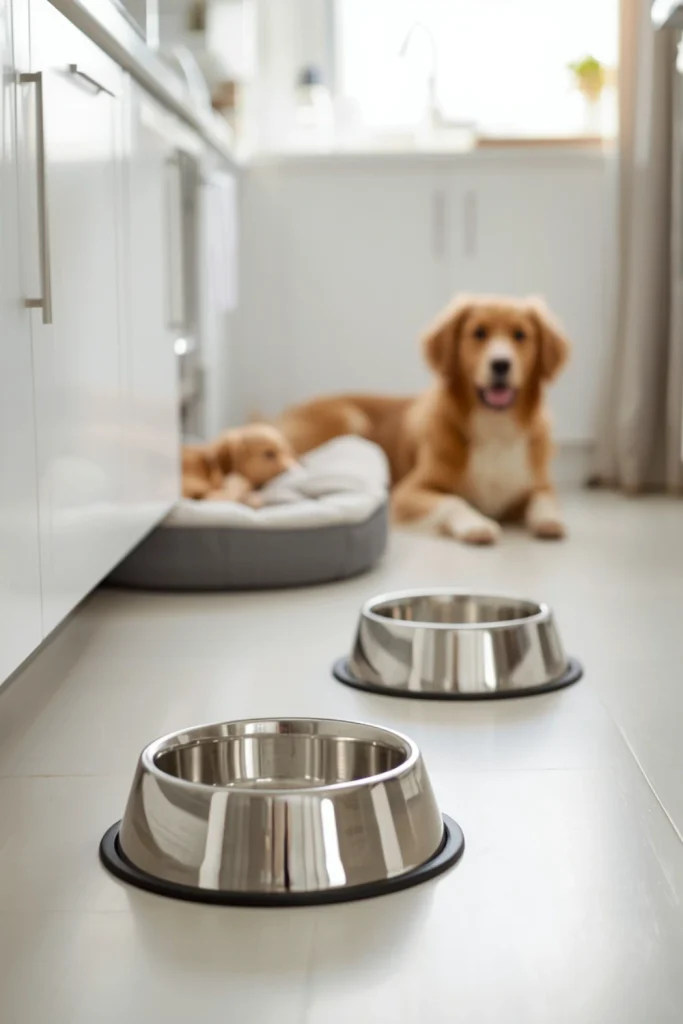
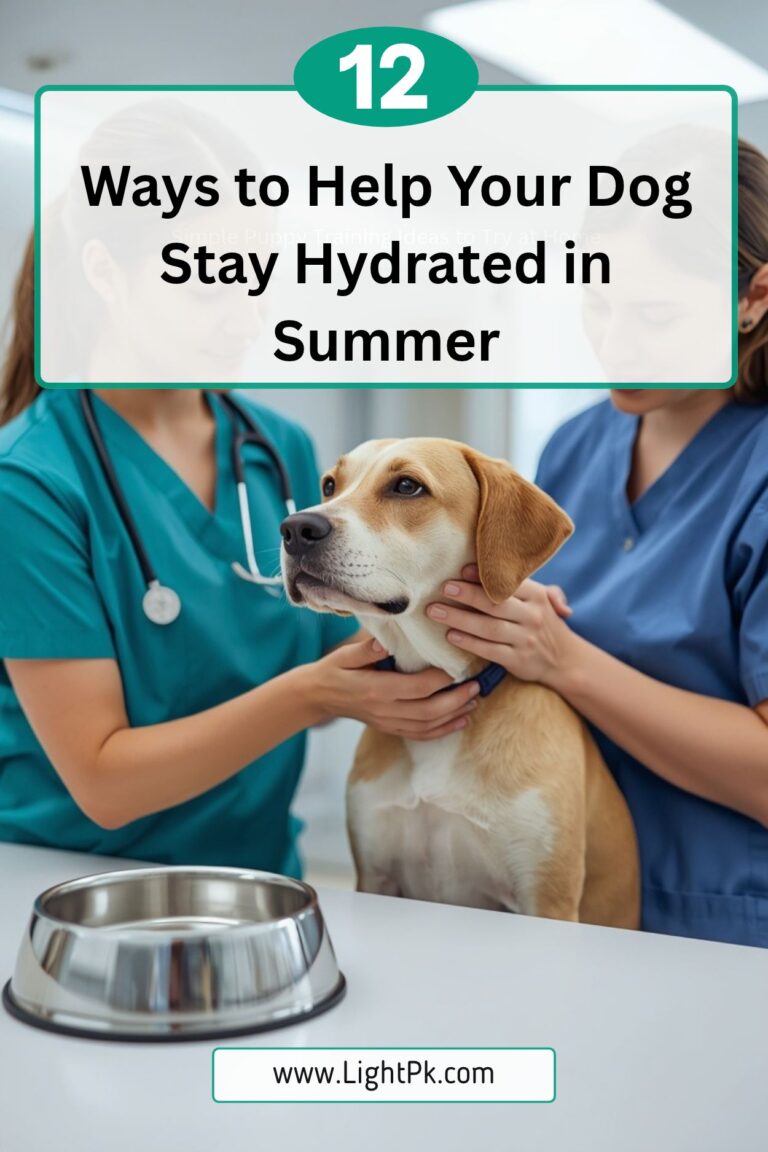
One of the simplest ways to support your dog’s hydration is to provide continuous access to clean drinking water. Place a bowl in a location your dog can reach easily and check it regularly to make sure it has not been emptied, tipped over, or contaminated. If you live in a multi-level home, consider keeping water available in more than one convenient location. Dogs with limited mobility may also benefit from a bowl positioned close to their resting area.
Refresh the water regularly and wash the bowl with soap and water to remove saliva, food residue, and buildup. A bowl that looks clean can still develop a slippery film, so routine washing matters. Choose a bowl that is stable and easy for your dog to use. If your dog spends time outdoors, check the water more frequently because dirt, leaves, insects, and temperature changes can affect its quality. Keeping fresh water accessible is generally more useful than trying to make your dog drink a precise amount at particular times.
8. Recognize the Signs of Dehydration
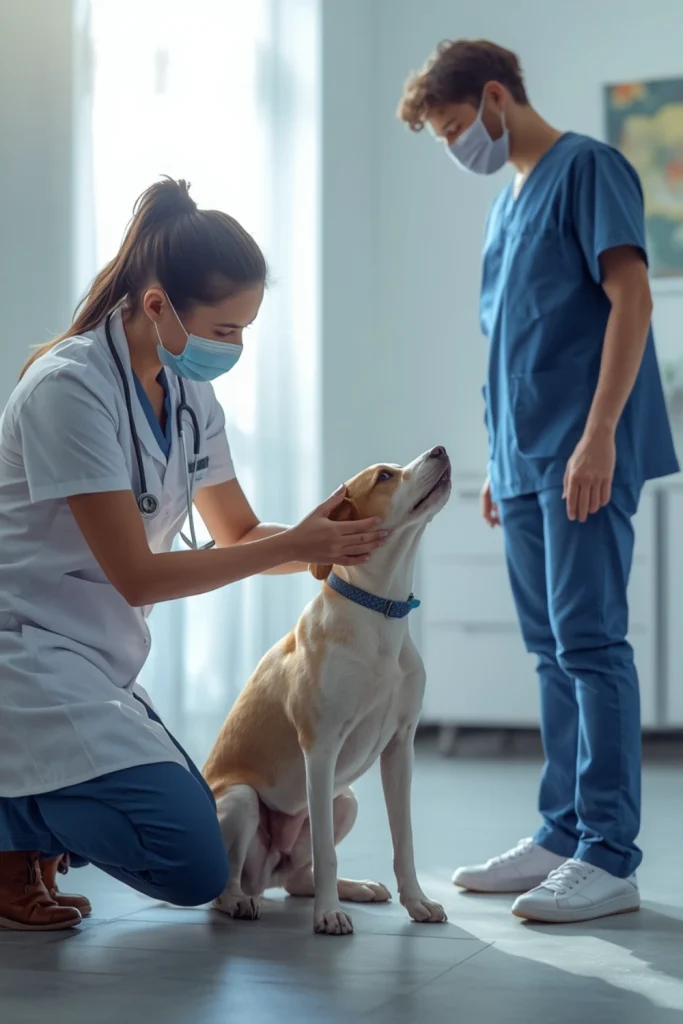
Dehydration occurs when a dog’s body loses more fluid than it takes in. Possible signs include reduced energy, dry or sticky gums, sunken-looking eyes, reduced urination, and weakness. Some dogs may also pant more than usual or seem less interested in food and activity. These signs are not specific to dehydration, however, and may occur with other health problems. Do not rely on one symptom or a home test to determine whether your dog is adequately hydrated.
If you suspect dehydration, move your dog to a comfortable, cool environment and contact your veterinarian for advice. If your dog is alert and able to swallow normally, you can offer fresh water, but do not force water into its mouth. Repeated vomiting, significant diarrhea, collapse, severe weakness, confusion, or inability to drink requires urgent veterinary assessment. Puppies, senior dogs, and dogs with existing medical conditions may need particularly prompt attention. Never attempt to treat severe dehydration at home without professional guidance, as some dogs need carefully administered fluids and treatment for the underlying cause.
9. Know the Difference Between Normal Thirst and Excessive Drinking
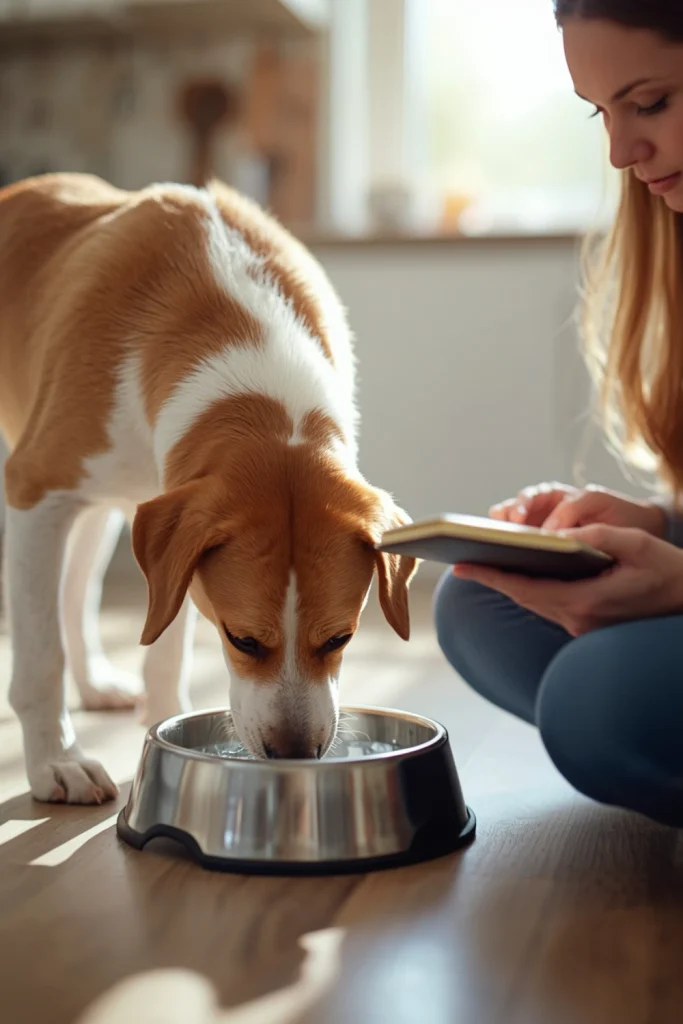
Dogs may drink more after exercise, in warm weather, or after eating dry food. These changes can be normal when they match the circumstances and the dog otherwise appears healthy. However, persistent excessive thirst, especially when combined with increased urination, can be a sign of an underlying medical problem. Conditions such as diabetes mellitus, kidney disease, and certain hormonal disorders can change drinking and urination patterns. Some medications may also increase thirst.
If your dog suddenly begins emptying its water bowl much faster than usual, starts asking to go outside more frequently, or has accidents indoors despite being house-trained, arrange a veterinary appointment. Measuring water intake over a few days may help you describe the change, but do not delay care if your dog seems unwell. Never restrict water to control excessive drinking or urination unless your veterinarian gives specific instructions for a particular medical situation. Restriction can worsen dehydration and may be dangerous when an illness is present.
10. Help Your Dog Drink During Walks and Travel
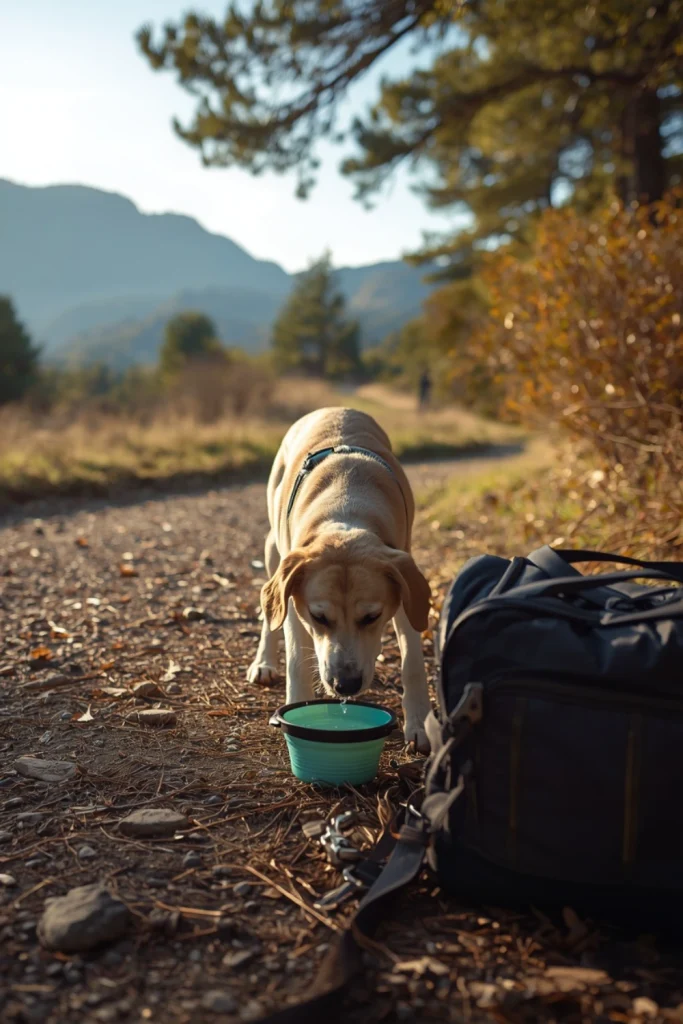
Dogs may drink less when they are away from home because unfamiliar bowls, new surroundings, movement, or excitement can affect their usual habits. When travelling, carry fresh water and a portable bowl your dog recognizes or can comfortably use. Offer water during suitable breaks on long car journeys, walks, and outdoor adventures. Make sure the dog has a comfortable, well-ventilated environment and never leave it unattended in a hot vehicle, even for a short period.
Before a longer trip, give your dog opportunities to drink and take regular breaks according to the journey and its needs. Avoid letting a dog drink from questionable standing water, which may contain harmful microorganisms or contaminants. If your dog refuses water during travel, consider whether stress or motion sickness may be contributing, but monitor closely for other symptoms. Persistent refusal to drink, vomiting, weakness, or signs of overheating warrants veterinary advice. A familiar travel bowl and predictable breaks can make hydration easier when your dog is away from home.
11. Choose the Right Water Bowl for Your Dog
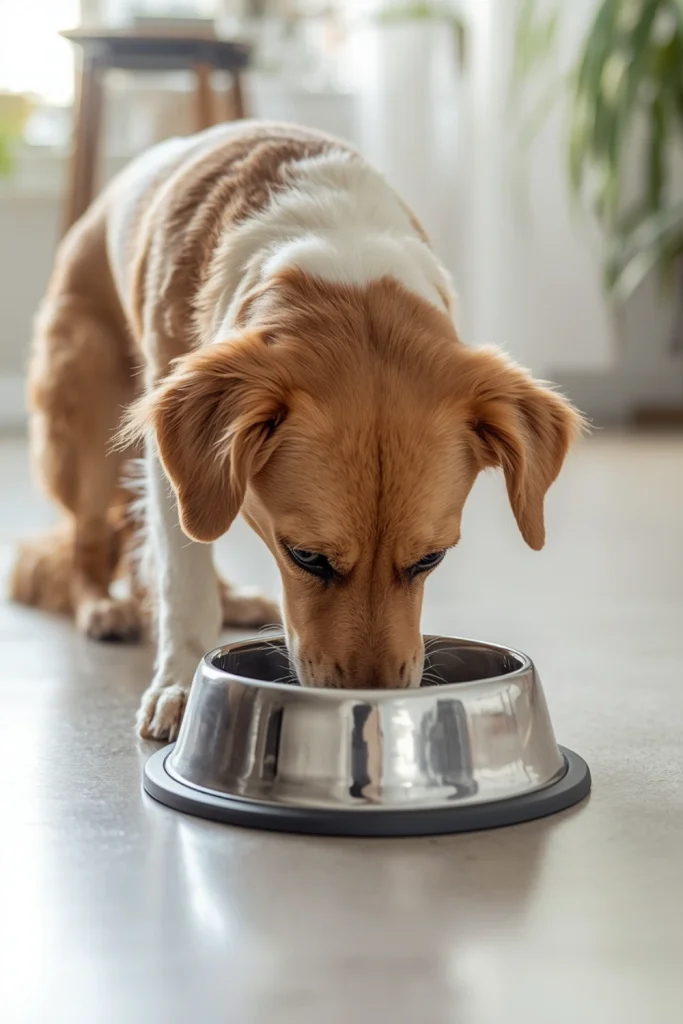
A suitable water bowl makes drinking comfortable and convenient. Choose a bowl that allows your dog to reach the water easily without having to stretch awkwardly or push the container around. Stainless steel and appropriately made ceramic bowls are popular options because they are generally easy to clean. Make sure ceramic bowls are intact and free from cracks or chipped surfaces. A heavy, nonslip bowl can be useful for enthusiastic drinkers, while a shallow design may be more comfortable for some small dogs.
Consider your dog’s size, facial shape, age, and mobility when choosing a bowl. Some dogs with long ears may prefer a narrower design that helps keep their ears out of the water, while dogs with limited mobility may benefit from a bowl placed at a convenient height. Elevated bowls are not automatically better for every dog, so ask your veterinarian before using one for a dog with specific medical needs. Whatever style you choose, wash it frequently and replace it if it becomes damaged or difficult to keep clean.
12. Encourage a Dog That Does Not Drink Much
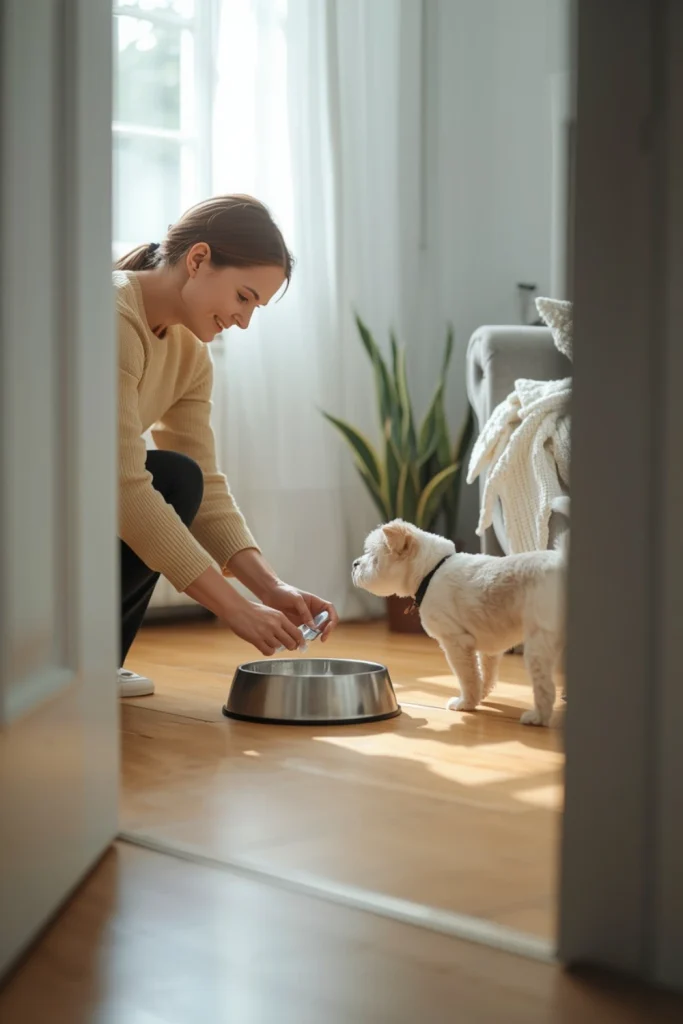
Some dogs appear to drink very little, particularly when they are eating wet food or spending a quiet day indoors. Others may dislike a dirty bowl, prefer a different location, or feel uncomfortable drinking in a busy area. Start by making fresh water easy to access and keeping the bowl clean. You can try placing an additional bowl in a quiet location or using a different bowl style to see whether your dog has a preference. Observe your dog’s overall behavior rather than focusing on the bowl alone.
If your veterinarian confirms that additional moisture would be helpful, adding an appropriate amount of water to your dog’s food may be an option. Some dogs may also accept a veterinarian-approved, dog-safe broth without added salt, onion, or garlic. Avoid sugary drinks, caffeinated beverages, and products containing artificial sweeteners such as xylitol. Never force water into your dog’s mouth, because this can cause choking or aspiration. If your dog suddenly refuses to drink, appears unwell, or shows signs of dehydration, seek veterinary advice instead of relying only on home strategies.
13. Pay Special Attention to Senior Dogs
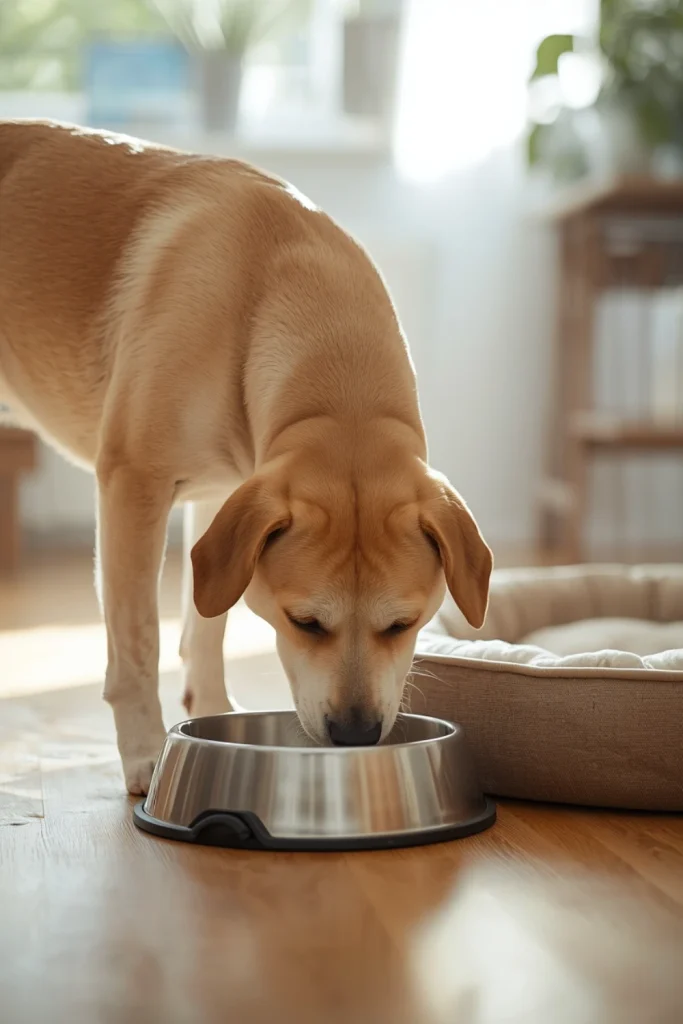
Older dogs may experience changes in mobility, appetite, or drinking habits. A senior dog with stiff joints may find it harder to walk to a distant water bowl, while a dog with dental discomfort or another health problem may change its normal routine. Keep fresh water in an easily accessible place and consider additional bowls if your home has stairs or several rooms. Make sure your dog can approach the bowl without slipping or needing to navigate obstacles.
Do not assume that increased thirst or reduced drinking is simply part of getting older. Senior dogs may develop health conditions that affect their fluid balance, including kidney problems, diabetes, or other illnesses. Changes in thirst and urination deserve attention, particularly when they appear suddenly or persist over time. Keep a record of notable changes and share it with your veterinarian during checkups. With suitable access to water and regular health monitoring, you can help your older dog stay comfortable while identifying problems that may require treatment.
14. Understand Water Needs in Dogs With Health Conditions
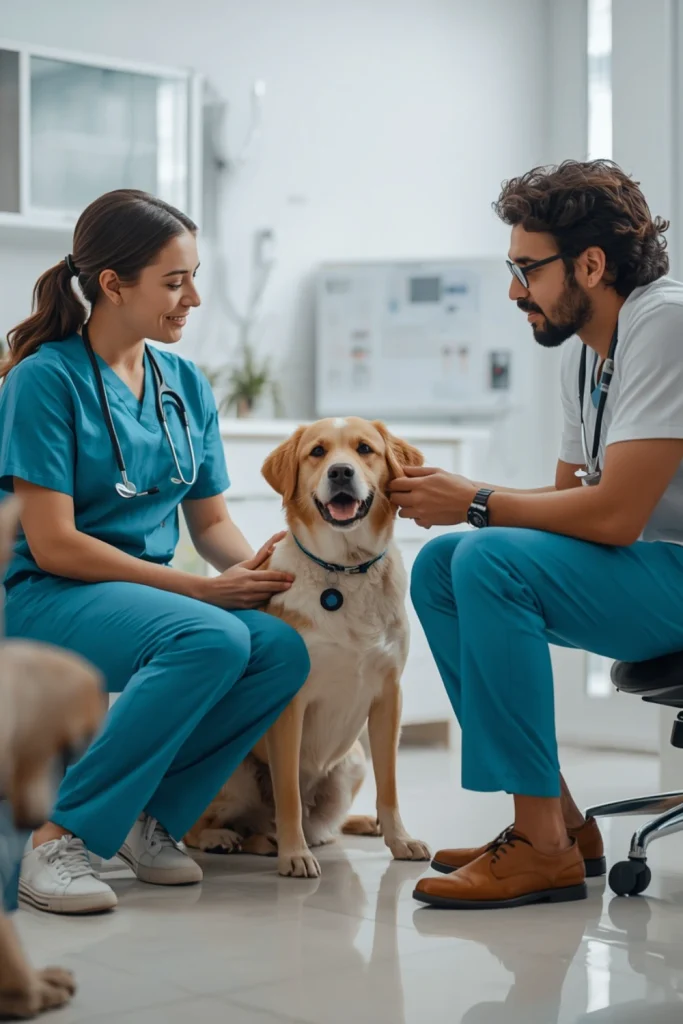
Certain medical conditions can affect how much water a dog needs or how its body manages fluids. Vomiting and diarrhea may cause fluid loss, while kidney disease, diabetes, and some hormonal disorders can change thirst and urination. Dogs taking particular medications may also drink more than usual. Because these situations differ considerably, a general water-per-kilogram estimate may not be suitable for every dog with a health condition.
If your dog has a diagnosed illness, ask your veterinarian whether its usual water intake requires monitoring or adjustment. Some dogs need closer observation, blood or urine tests, or a specific treatment plan to maintain hydration. Do not limit water because your dog urinates frequently, and do not give electrolyte products or human rehydration drinks without veterinary advice. If your dog cannot keep water down, has repeated vomiting or diarrhea, becomes very weak, or seems confused, seek urgent veterinary care. Treating the underlying cause is often just as important as addressing fluid loss.
15. Build a Simple Daily Hydration Routine
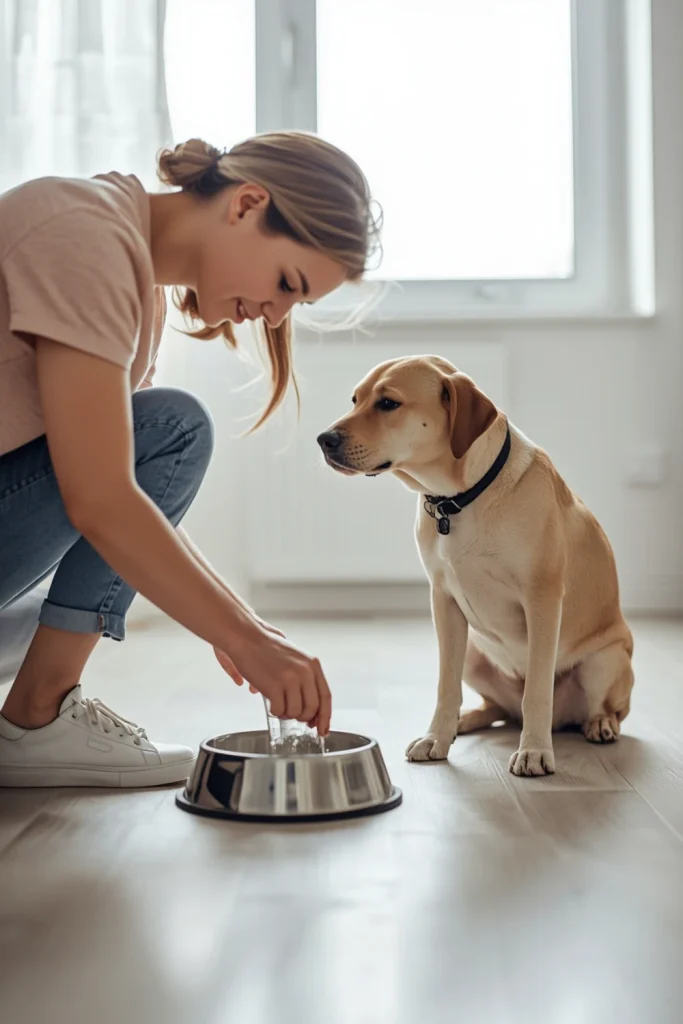
A consistent hydration routine makes it easier to keep track of your dog’s needs. Start the day by checking the water bowl, removing any debris, and refilling it with fresh water. Check it again throughout the day, particularly after walks, play sessions, meals, and time spent outdoors. If your dog shares its bowl with another pet, consider providing separate bowls so you can better understand each animal’s drinking habits.
You do not need to measure every sip for a healthy dog with normal drinking habits. However, a short monitoring period can be useful if you have concerns about how much your dog drinks. Record approximate intake, note changes in diet or activity, and observe urination and general behavior. Keep water available at all times unless your veterinarian has provided specific instructions for a medical procedure or individual condition. A simple, consistent routine is usually more useful than trying to make your dog drink a fixed amount at a specific hour.
A Simple Dog Water Intake Reference Chart
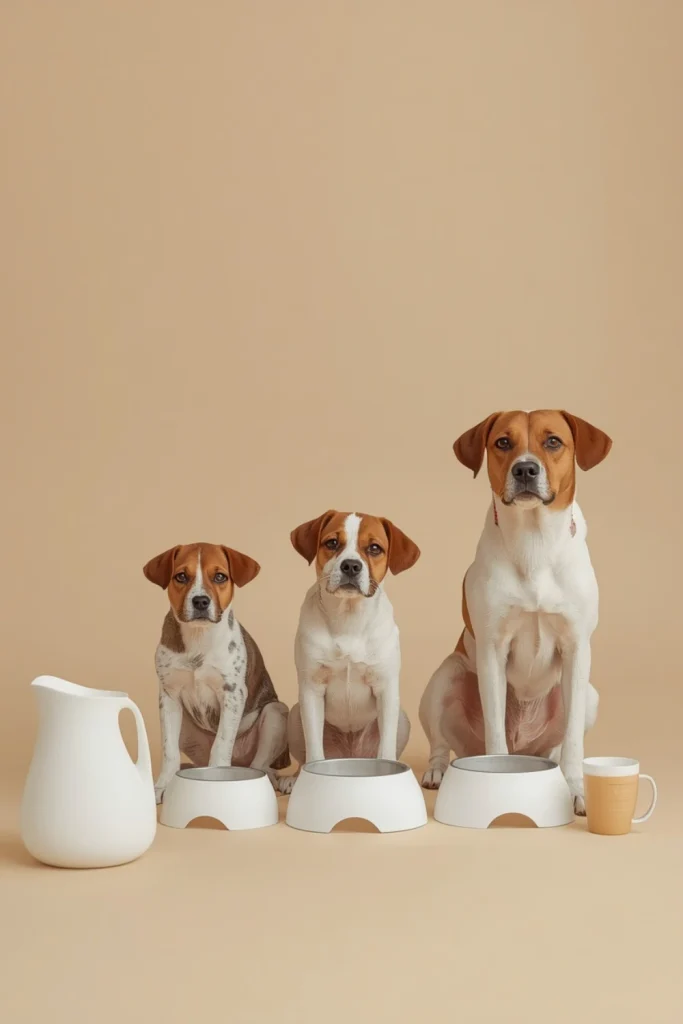
The following chart uses the general estimate of 50–60 milliliters of water per kilogram of body weight per day. It can help you understand approximate quantities, but it should not be treated as a strict prescription.
| Dog’s weight | Approximate daily water intake |
|---|---|
| 2 kg | 100–120 ml |
| 5 kg | 250–300 ml |
| 10 kg | 500–600 ml |
| 15 kg | 750–900 ml |
| 20 kg | 1,000–1,200 ml |
| 25 kg | 1,250–1,500 ml |
| 30 kg | 1,500–1,800 ml |
| 40 kg | 2,000–2,400 ml |
These amounts are general estimates for many dogs, not minimum or maximum limits. Actual needs may be higher or lower depending on food moisture, exercise, climate, and health. A dog eating wet food may drink less from its bowl because it receives more water through meals.
Conclusion
Understanding how much water your dog needs is an important part of responsible pet ownership. A general estimate of 50–60 milliliters per kilogram of body weight per day can help you understand typical requirements, but your dog’s actual needs depend on its diet, activity level, weather, age, and health.
The simplest way to support healthy hydration is to provide fresh water throughout the day, clean the bowl regularly, carry water on walks, and pay attention to changes in drinking and urination. Never restrict water simply because your dog is urinating frequently, and do not force your pet to drink.
If your dog suddenly drinks much more or less than usual, refuses water, or shows signs of dehydration or illness, seek veterinary advice. With consistent daily care and attention to your dog’s individual needs, you can help support its comfort, health, and well-being.