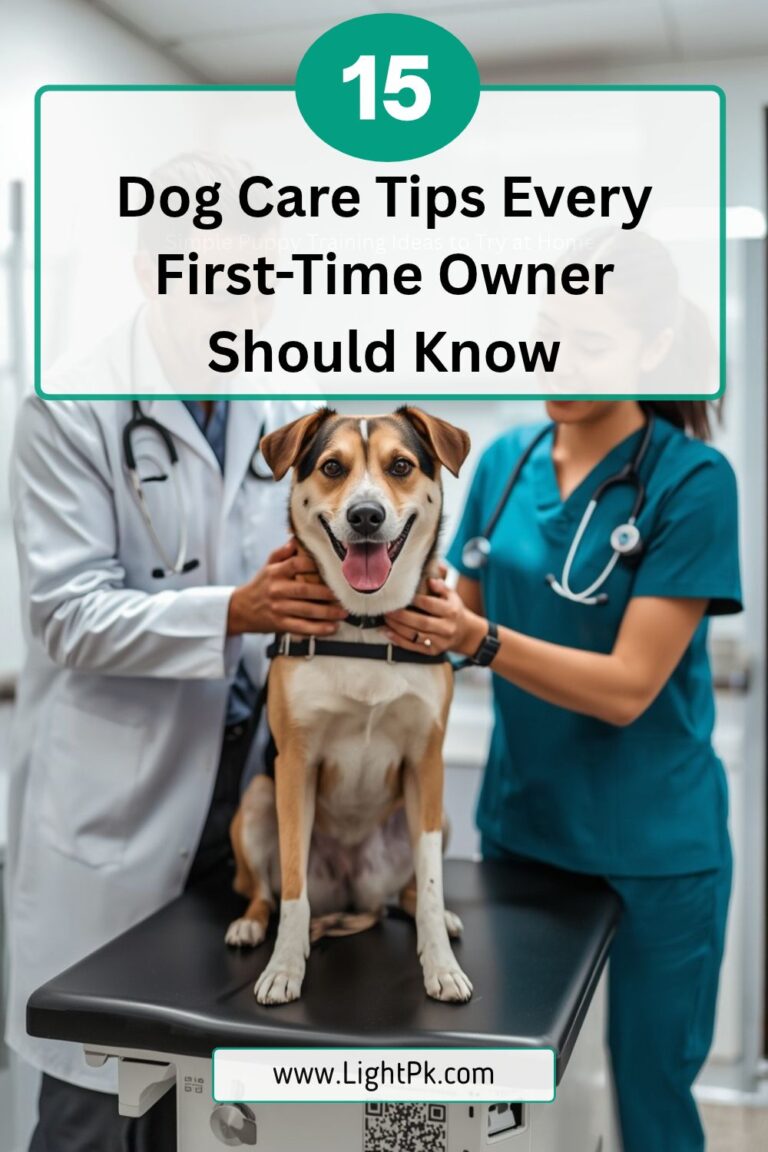

The Ultimate Daily Dog Care Routine for Beginners
A happy, healthy dog starts with a simple daily routine. From the moment your furry friend wakes up in the morning until bedtime, small habits such as providing fresh water, serving balanced meals, taking walks, and spending time together can make a big difference. Whether you have recently adopted a playful puppy or welcomed an adult dog into your home, establishing a predictable schedule helps you understand your pet’s needs and build a stronger bond.
Creating a Daily Dog Care Routine does not have to be complicated or time-consuming. The key is to balance nutrition, exercise, training, grooming, mental stimulation, and rest according to your dog’s age, health, and personality. In this beginner-friendly guide, you will discover practical daily dog care habits, a sample schedule, and helpful tips for keeping your companion comfortable, active, and well cared for throughout the day.
1. Start the Morning With a Toilet Break
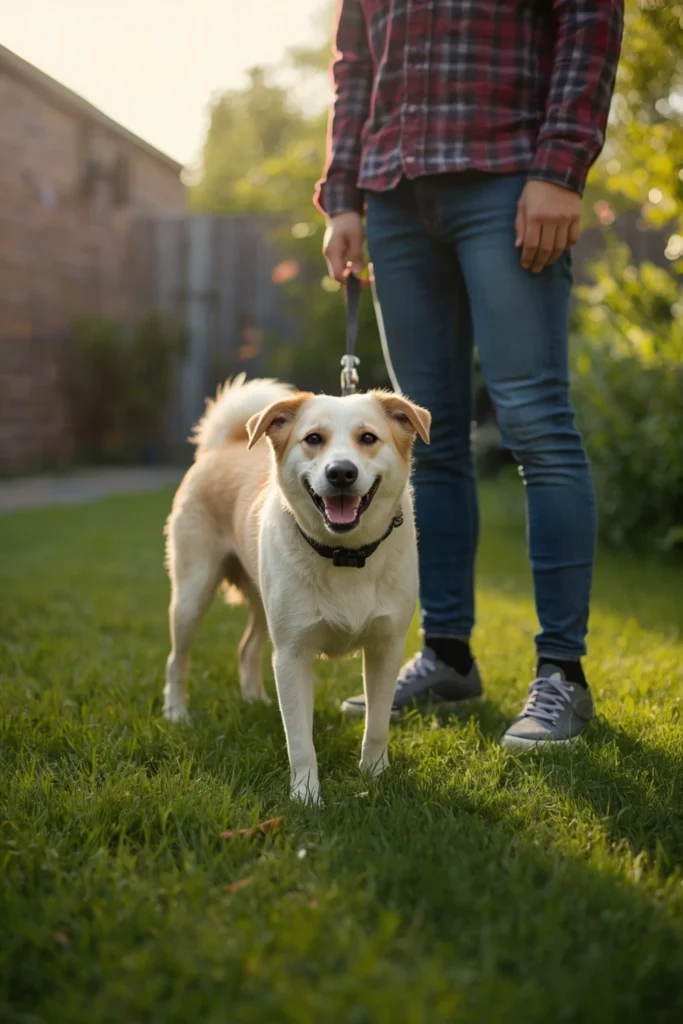
The first activity in a healthy Daily Dog Care Routine should usually be a toilet break. After several hours of sleep, most dogs appreciate the opportunity to go outside and relieve themselves. Take your dog to a suitable, safe area as soon as you wake up, and give them enough time to sniff and choose a spot. Puppies may need to go immediately after waking, while adult dogs may have more predictable bathroom habits. Always supervise your dog outdoors and follow local waste-disposal rules.
If you are toilet training a puppy, consistency is especially important. Take them outside after sleeping, eating, drinking, playing, and other activities that may stimulate the need to eliminate. Praise them calmly when they go in the correct place, and clean indoor accidents thoroughly with an appropriate enzymatic cleaner. Never punish your dog for an accident. Instead, review the schedule and provide more frequent opportunities. A reliable morning routine helps prevent discomfort and makes toilet training easier over time.
2. Provide Fresh Water Every Morning
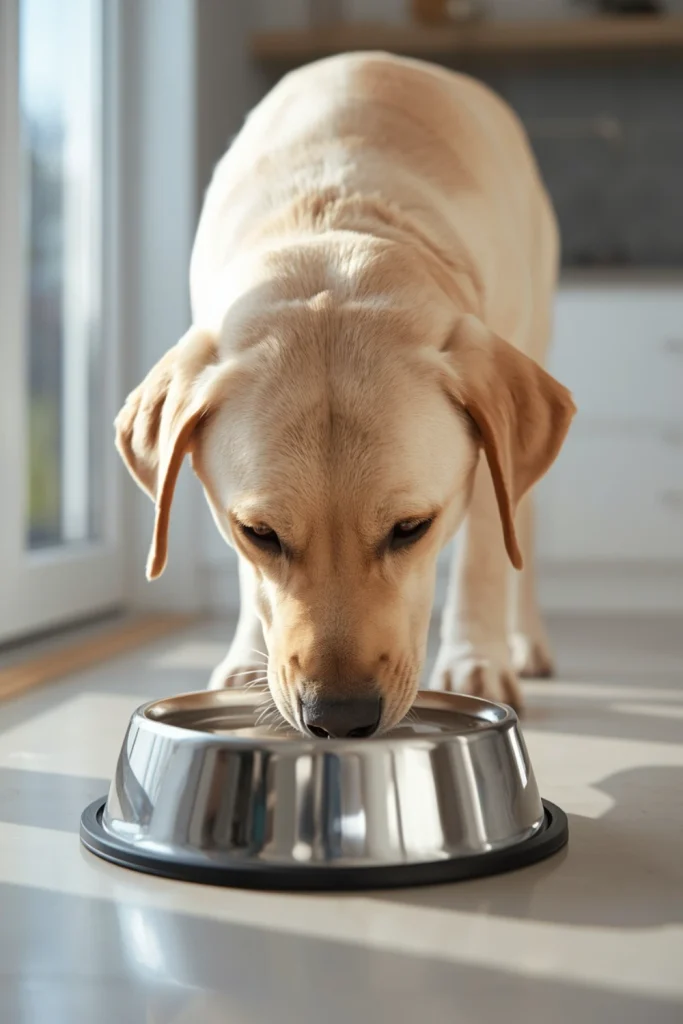
Fresh water should always be available to your dog, including first thing in the morning. After sleeping overnight, your pet may be ready for a drink, so check the water bowl and refill it with clean water. Water supports digestion, normal body functions, and temperature regulation. The amount a dog needs varies with body size, diet, activity, weather, and health. Dogs eating dry food or spending time outdoors in warm conditions may need additional opportunities to drink throughout the day.
Make checking the water bowl part of your morning routine rather than waiting until it becomes empty. Wash the bowl regularly to remove saliva, dirt, and food residue. If you have a large home, consider placing water bowls in more than one accessible location. When taking your dog outside for exercise, carry water and a portable bowl, particularly during warm weather. Monitor changes in drinking habits because unusual thirst or a sudden decrease in water intake may indicate a health concern that requires veterinary advice.
3. Feed a Balanced Breakfast
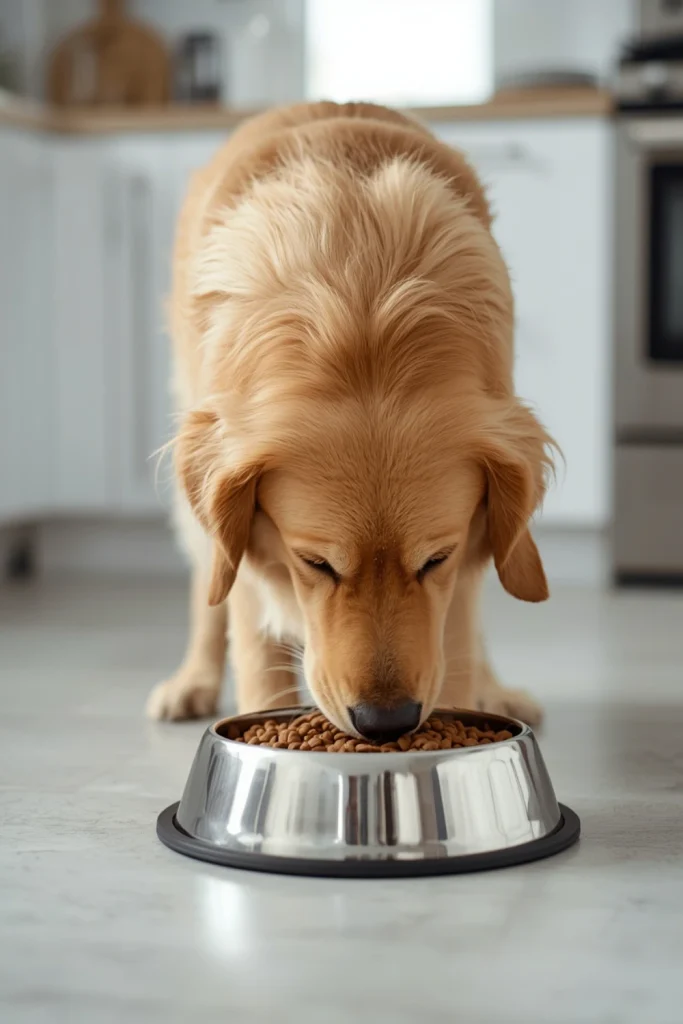
Breakfast can help establish a predictable feeding schedule and provide the nutrients your dog needs for everyday activity. Choose a complete and balanced dog food suitable for your pet’s life stage, size, and health requirements. Puppies generally need diets formulated for growth, while adult dogs usually need food designed for maintenance. Senior dogs may have different nutritional needs depending on their condition. Follow the feeding guide on the product as a starting point and ask your veterinarian if you are unsure which diet is appropriate.
Measure your dog’s portion rather than filling the bowl without checking the quantity. The correct amount depends on the food’s calorie content, your dog’s weight, activity level, and body condition. Many adult dogs do well with two meals per day, while puppies often require more frequent meals. Avoid routinely sharing human food, and never feed known dangerous items such as chocolate, grapes, raisins, onions, or products containing xylitol. Introduce any dietary changes gradually and monitor your dog’s appetite, stool, and weight.
4. Take Your Dog for a Morning Walk
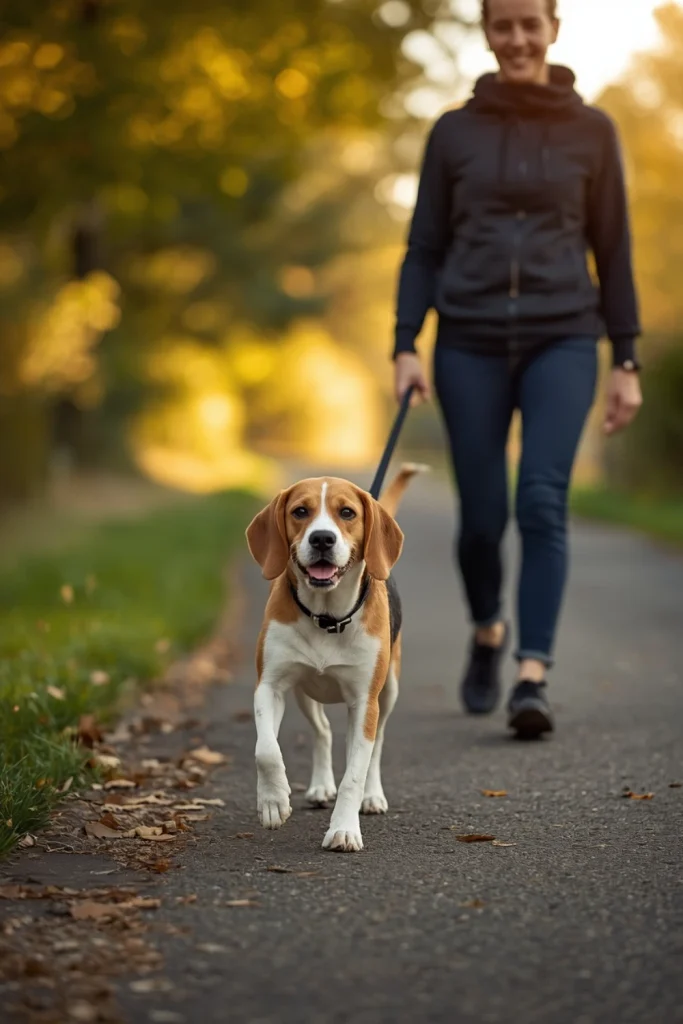
A morning walk can provide exercise, fresh air, and opportunities for your dog to explore the world through smell. Walking also allows dogs to practise leash manners and become familiar with their surroundings. Choose a route that suits your dog’s fitness and temperament, and allow time for sniffing rather than rushing through the entire walk. Puppies, senior dogs, and pets with health conditions may need shorter or gentler outings, while active adult dogs may benefit from longer walks according to their individual needs.
Before leaving home, check that your dog’s collar or harness fits securely and attach a suitable leash. Watch for hot pavement, traffic, unfamiliar dogs, and other potential hazards. During warm weather, choose cooler hours and carry water. Observe your dog for excessive panting, limping, or signs of fatigue, and end the activity if they appear uncomfortable. A morning walk does not need to be intense to be useful. Regular, appropriate exercise can support physical health and create a positive start to the day.
5. Include a Short Morning Training Session
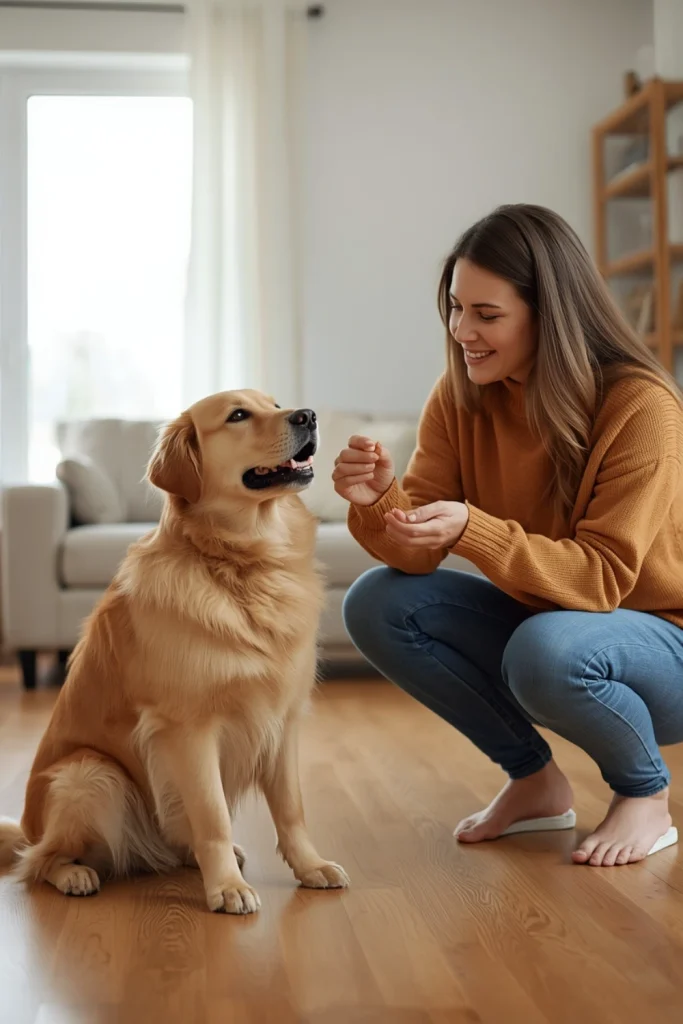
Training is easier to maintain when it becomes a regular part of your Daily Dog Care Routine. After your dog’s morning walk, spend a few minutes practising simple commands such as sit, stay, come, and leave it. Short sessions help your dog learn without becoming bored or overwhelmed. Use small treats, praise, or a favorite toy as rewards for desirable behavior. Practise one or two skills at a time and gradually increase the difficulty as your dog becomes more confident.
Consistency matters more than the length of a training session. Use the same verbal cues throughout the household, and reward your dog when they respond correctly. If your dog struggles, reduce distractions and make the exercise easier instead of repeating commands in frustration. Avoid physical punishment or frightening techniques. Even a few minutes of positive training each day can improve communication, strengthen your relationship, and help your dog develop useful behaviors for everyday life.
6. Check Your Dog’s Coat, Skin, and Paws
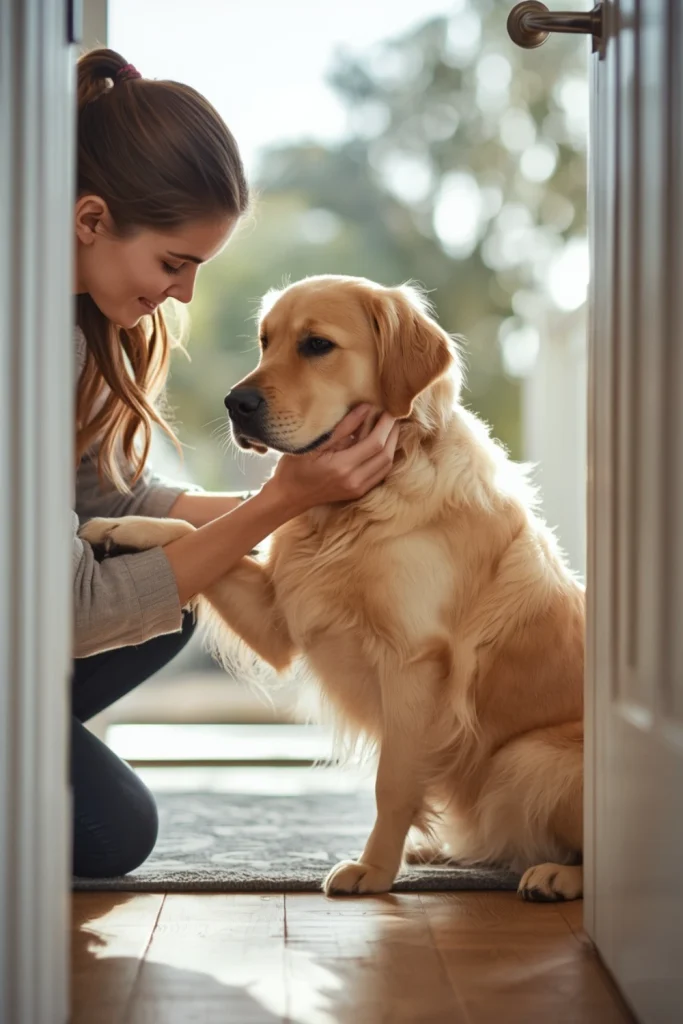
A quick daily health check can help you identify minor concerns before they become more serious. Look over your dog’s coat and visible skin for unusual redness, wounds, swelling, hair loss, or signs of parasites. After walks, check the paws for dirt, small stones, grass seeds, or irritation. Inspecting the paws is especially helpful when your dog walks on rough surfaces or spends time in grassy areas. Handle your pet gently and reward them for remaining relaxed during the examination.
You do not need to perform a complete grooming session every morning. Instead, make a brief inspection part of your routine and pay attention to anything unusual. Long-haired dogs may need daily brushing to prevent tangles, while short-haired dogs may require less frequent brushing. Check for limping, excessive licking, or sensitivity when touching the feet. If you notice a painful injury, persistent skin irritation, or a sudden change in your dog’s movement, contact your veterinarian for advice rather than attempting treatment without guidance.
7. Give Your Dog Time to Rest After Exercise
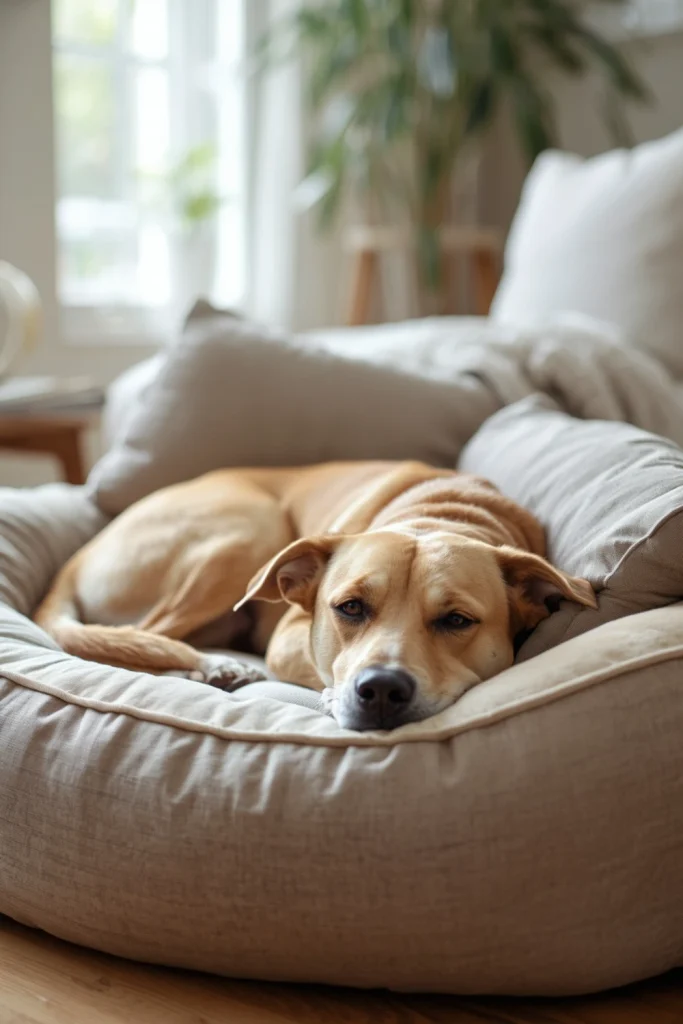
Rest is just as important as exercise in a balanced dog care schedule. After walking, training, or active play, allow your dog to settle in a comfortable, quiet area. Dogs need different amounts of sleep depending on age, activity, and health. Puppies often require substantial sleep throughout the day, while older dogs may also need frequent rest periods. Avoid filling every part of the day with activities because excessive stimulation can leave your dog tired or frustrated.
Create a dedicated resting space where your pet can relax without being disturbed. A comfortable bed in a quiet part of the home can help your dog settle more easily. Teach children to respect the dog’s resting area and avoid waking a sleeping pet unnecessarily. If your dog seems unusually tired, struggles to get comfortable, or shows a major change in sleeping habits, monitor the situation and seek veterinary advice when appropriate. Regular rest supports recovery, learning, and overall well-being.
8. Provide Midday Mental Stimulation
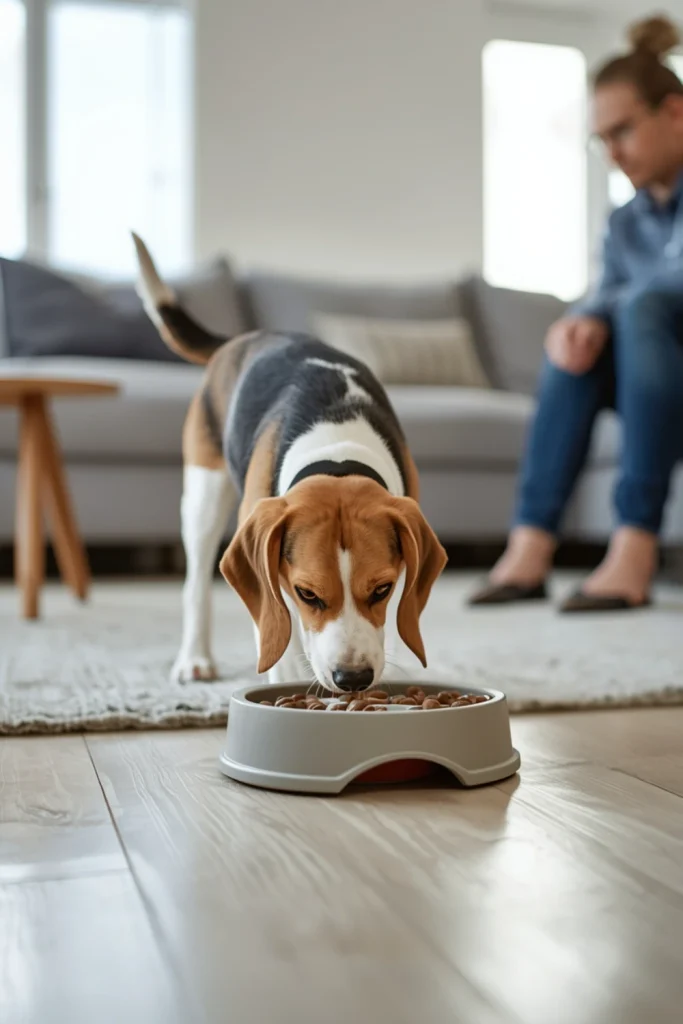
Mental stimulation keeps your dog engaged even when you cannot spend the entire day playing together. Around midday, offer an appropriate enrichment activity such as a puzzle feeder, scent game, interactive toy, or short training exercise. These activities encourage your dog to use their natural abilities and solve simple problems. Choose games that suit your dog’s age and experience, and supervise activities involving objects that could break apart or be swallowed.
You can provide enrichment without buying expensive toys. Hide a few pieces of your dog’s regular food in safe, accessible places and encourage them to find the treats using their nose. You could also practise familiar commands or introduce a new trick in a quiet room. If you work outside the home, arrange suitable supervision and toilet breaks according to your dog’s needs. Mental activities should complement exercise, companionship, and rest rather than serve as a complete replacement for them.
9. Schedule Regular Toilet Breaks Throughout the Day
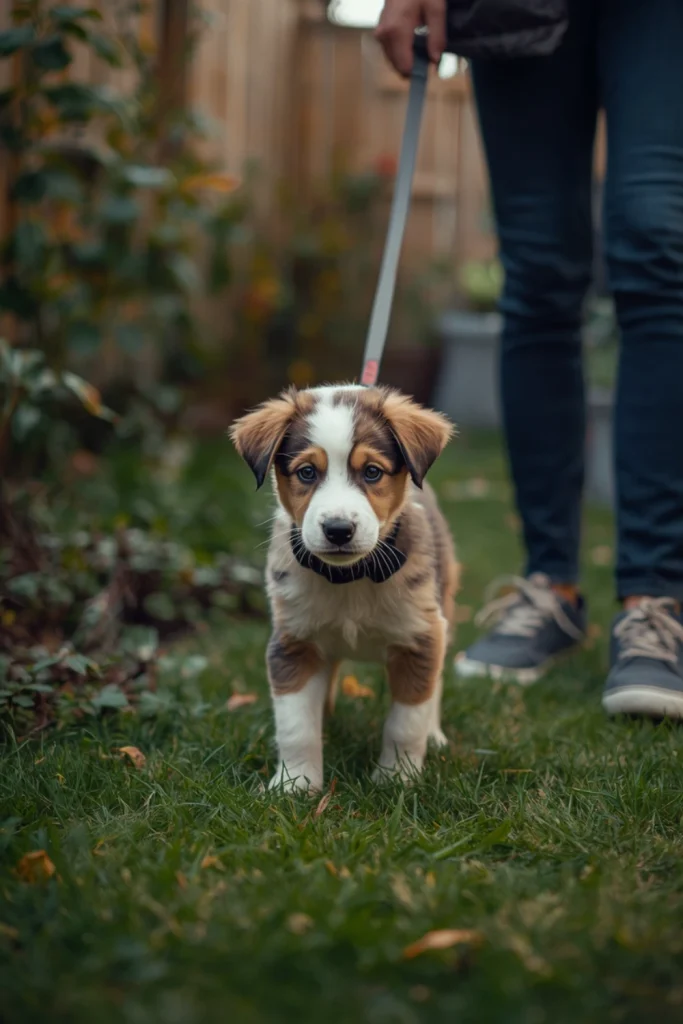
A successful daily routine includes several opportunities for your dog to relieve themselves. Do not assume that one morning outing will be enough until evening. Puppies need frequent toilet breaks because their bladder control is still developing. Adult dogs also require regular opportunities, with the frequency depending on age, health, diet, activity, and individual habits. Offer bathroom breaks after meals, naps, play sessions, and longer periods of rest.
If you are away from home for extended periods, arrange a trusted person, dog walker, or suitable pet care service to provide necessary breaks and companionship. Avoid expecting a puppy to hold their bladder for long periods. Keep track of your dog’s usual bathroom pattern, and watch for sudden changes such as straining, blood in the urine, unusually frequent urination, or difficulty passing stool. These symptoms may need veterinary assessment. A predictable bathroom schedule supports comfort and makes house training more manageable.
10. Offer Lunch or an Afternoon Meal When Needed
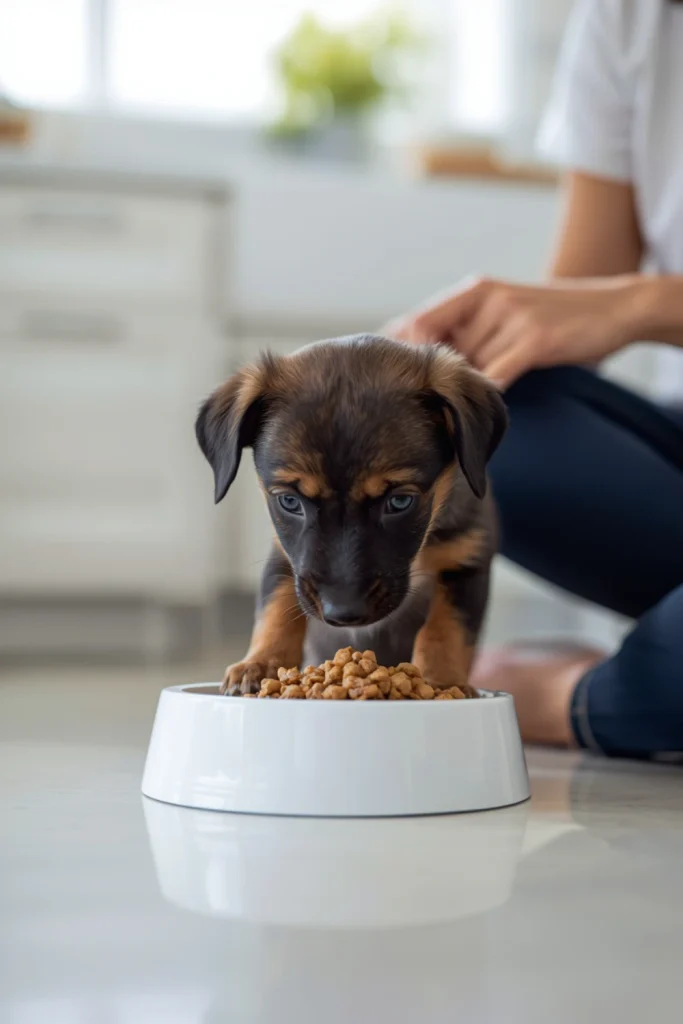
Not every dog needs lunch, but feeding frequency should match the animal’s age, nutritional requirements, and veterinarian’s advice. Many healthy adult dogs eat two meals daily, while young puppies often need three or more meals distributed throughout the day. If your puppy’s feeding plan includes an afternoon meal, offer the recommended portion at a consistent time. A predictable schedule helps you monitor appetite and makes it easier to coordinate feeding with toilet breaks and training.
Measure the total daily food allowance and divide it among the meals your dog needs. Remember to account for treats used during training so you do not unintentionally provide excessive calories. Avoid leaving perishable wet food out for extended periods, and wash food bowls regularly. If your dog has a medical condition requiring a special diet or timed feeding, follow your veterinarian’s instructions carefully. Appetite changes, persistent vomiting, or repeated diarrhea should prompt veterinary advice, especially in young puppies.
11. Make Time for Afternoon Exercise and Play
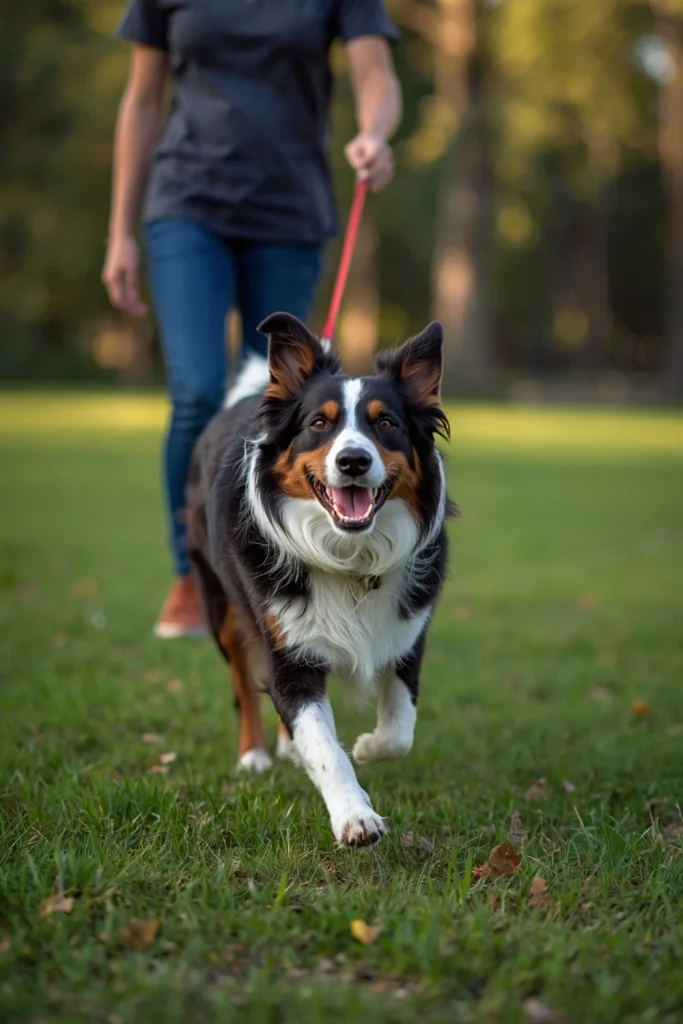
An afternoon activity session gives your dog another opportunity to move, explore, and interact with you. Depending on your pet’s needs, this could include a short walk, supervised fetch, gentle tug, or free movement in a secure area. Choose activities that match your dog’s fitness and energy level. Some dogs benefit from several shorter sessions throughout the day rather than one long workout. Puppies and senior dogs may need gentler activities and additional rest.
Pay attention to the weather before planning outdoor exercise. During hot conditions, choose cooler hours, provide water, and avoid dangerously hot pavement. Stop if your dog appears exhausted, begins limping, or has difficulty breathing. Never force your pet to continue exercising when they show signs of discomfort. Play should be enjoyable, safe, and appropriate for your dog’s physical abilities. Regular activity can support a healthy weight, improve fitness, and help you build a stronger relationship with your companion.
12. Practise Good Grooming Habits
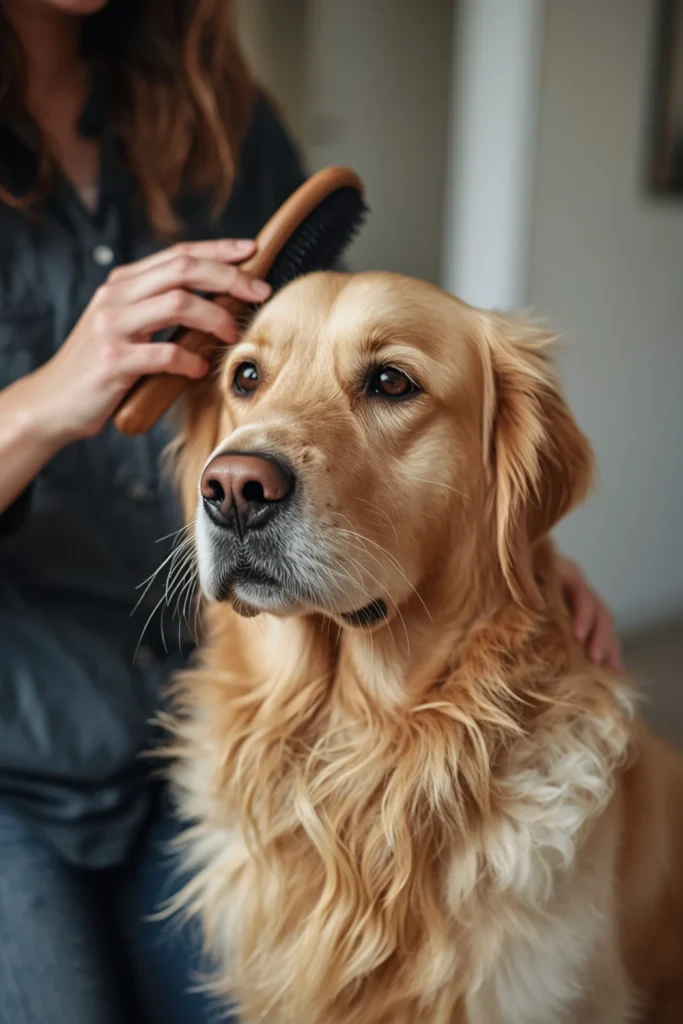
Grooming does not need to take a long time every day, but a little regular attention can help keep your dog comfortable. Brush your pet according to their coat type, check for tangles, and wipe away dirt when necessary. Dogs with long or curly coats may need more frequent brushing than short-haired dogs. Make grooming comfortable by choosing a suitable brush, using gentle movements, and rewarding your dog for cooperating. If your pet becomes anxious, pause and try again with shorter sessions.
Include nail care, ear checks, and dental hygiene in your broader grooming schedule. Nails should be trimmed when needed, and ears should be checked for unusual odor, redness, or discharge. Brush teeth regularly with dog-safe toothpaste rather than human toothpaste. Bathing frequency depends on your dog’s coat, lifestyle, and skin condition, so avoid unnecessary baths that could irritate the skin. Professional grooming or veterinary advice may be helpful if your dog has difficult mats, sensitive skin, or discomfort during handling.
13. Make Dinner Time Consistent
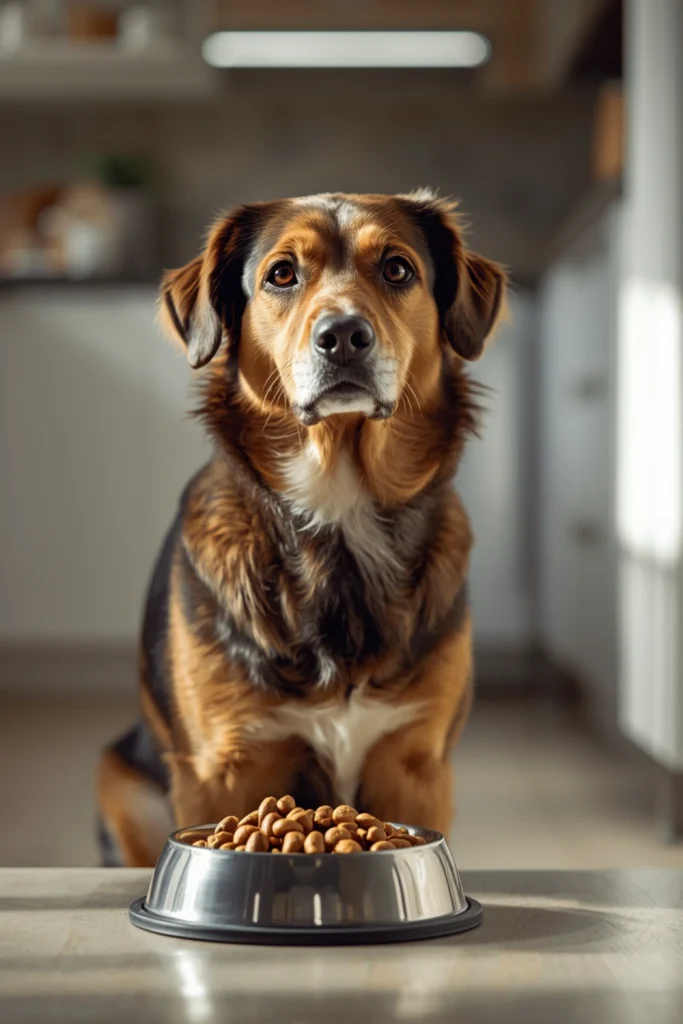
Dinner provides an opportunity to maintain a consistent feeding schedule and monitor your dog’s appetite. For many adult dogs, two meals per day work well, with breakfast and dinner spaced appropriately. However, the best schedule depends on your dog’s needs, activity, health, and any instructions from your veterinarian. Serve a measured portion of complete and balanced food, and provide access to fresh drinking water. Keep mealtimes calm so your dog can eat without unnecessary stress.
Observe how your dog behaves during and after meals. Eating significantly less than usual, refusing food, vomiting, or developing persistent diarrhea may indicate a problem. Avoid frequent changes in food simply to make meals more exciting, and introduce any new diet gradually unless your veterinarian recommends otherwise. Keep dangerous foods away from the feeding area, and avoid giving large quantities of treats or table scraps. A consistent dinner routine helps you monitor nutrition and makes evening care easier to organize.
14. Spend Quality Time Together
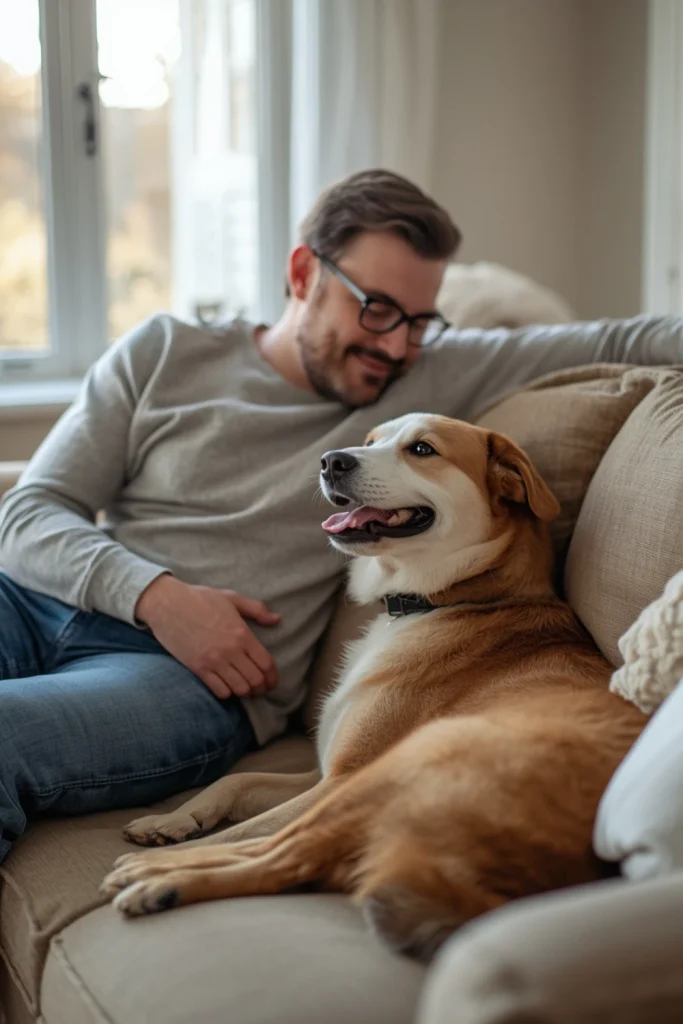
Dogs need companionship as well as food, exercise, and shelter. Set aside time each day to interact with your pet in ways they enjoy. Some dogs prefer gentle play or training, while others appreciate calm company, sniffing games, or relaxing beside their owners. Learning your dog’s personality helps you choose activities that build trust without overwhelming them. Short periods of focused attention can be more rewarding than being physically nearby while constantly distracted.
Respect your dog’s need for personal space, too. Not every dog enjoys hugs or prolonged handling, and some need extra time to feel comfortable with new people. Watch body language and allow your pet to move away when they choose. If your dog spends much of the day alone, consider whether their needs for social interaction, toilet breaks, and activity are being met. A strong relationship develops through dependable care, positive experiences, and respectful communication over time.
15. Prepare a Calm Evening Routine

An evening routine helps your dog transition from daytime activity to rest. Reduce overly energetic games close to bedtime if they make your pet difficult to settle, and offer a quieter activity such as gentle interaction, a familiar training exercise, or relaxing time together. Keep the sleeping area comfortable and free from hazards. A predictable evening pattern can be particularly helpful for puppies and dogs that are still adjusting to a new home.
Give your dog a final toilet opportunity before bed, with enough time to relieve themselves comfortably. Puppies may still need overnight bathroom breaks, depending on their age and development. Keep fresh water available unless your veterinarian has given specific instructions for a medical reason. Avoid abruptly changing the sleeping arrangement if your dog is already settling comfortably. If nighttime restlessness or waking becomes persistent, consider possible causes such as discomfort, anxiety, or a need for additional toilet opportunities.
16. Keep Your Dog’s Sleeping Area Clean and Comfortable
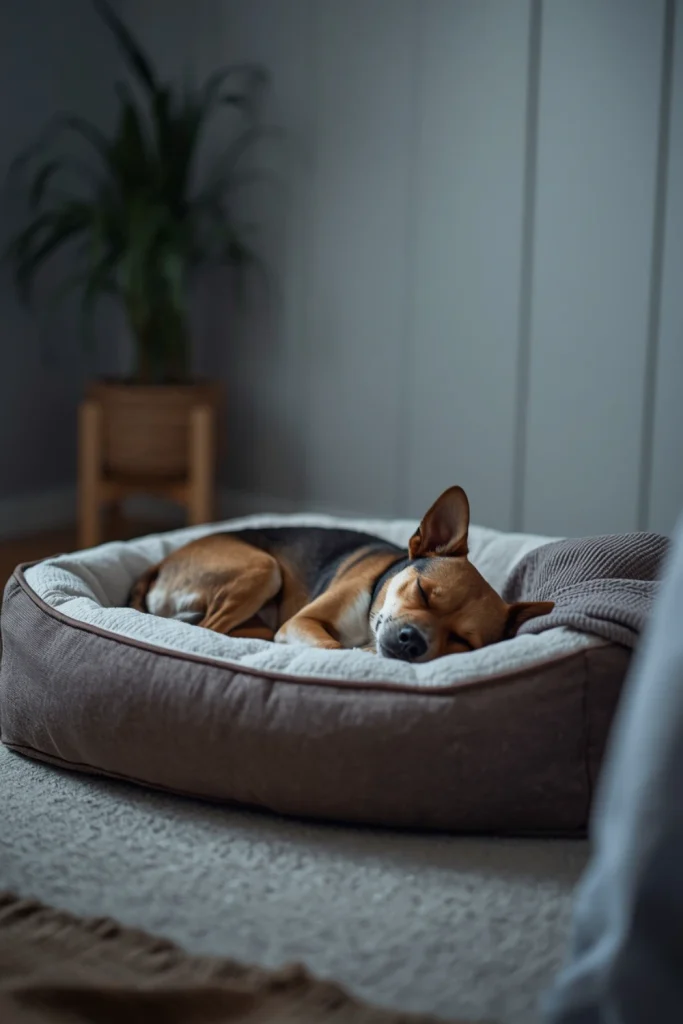
A clean sleeping space contributes to comfort and helps maintain good hygiene. Choose a bed that allows your dog to stretch out and change positions easily. Place it somewhere quiet, with a comfortable temperature and enough space for your pet to rest without being disturbed. Some dogs prefer sleeping near their families, while others enjoy a quieter corner. Observe what helps your dog settle and adjust the sleeping arrangement accordingly.
Check bedding regularly for dirt, loose threads, odors, and signs of parasites. Wash removable covers according to their care instructions, and allow them to dry thoroughly before putting them back. Replace bedding when it becomes damaged or loses its comfort. Puppies and older dogs may benefit from additional support or easier access to their resting areas. If your dog suddenly has difficulty lying down, repeatedly changes positions, or appears uncomfortable during rest, consult your veterinarian to rule out pain or illness.
17. Monitor Your Dog’s Health and Behavior Daily
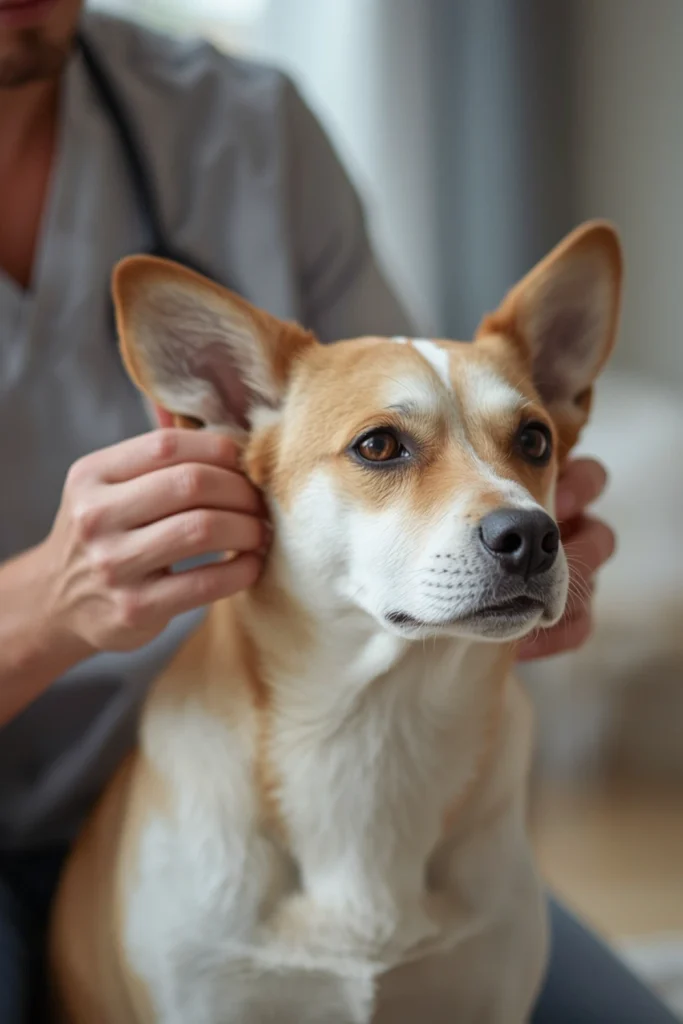
A quick daily observation can help you recognize changes in your dog’s well-being. Notice whether your pet is eating normally, drinking as usual, moving comfortably, and showing their typical interest in walks and play. Check for unusual scratching, coughing, limping, vomiting, diarrhea, or changes in bathroom habits. You do not need to perform a detailed medical examination every day. Simply knowing what is normal for your dog makes it easier to recognize when something seems different.
Contact your veterinarian if symptoms persist, worsen, or cause concern. Some situations require urgent attention, including difficulty breathing, collapse, major bleeding, suspected poisoning, or severe abdominal swelling. Avoid giving human medication or attempting unverified home treatments. Keep veterinary contact details accessible and maintain an organized record of vaccinations, medications, and previous health concerns. Daily observation does not replace professional care, but it can help you notice warning signs earlier and provide your veterinarian with useful information.
18. Adjust the Routine for Puppies and Senior Dogs
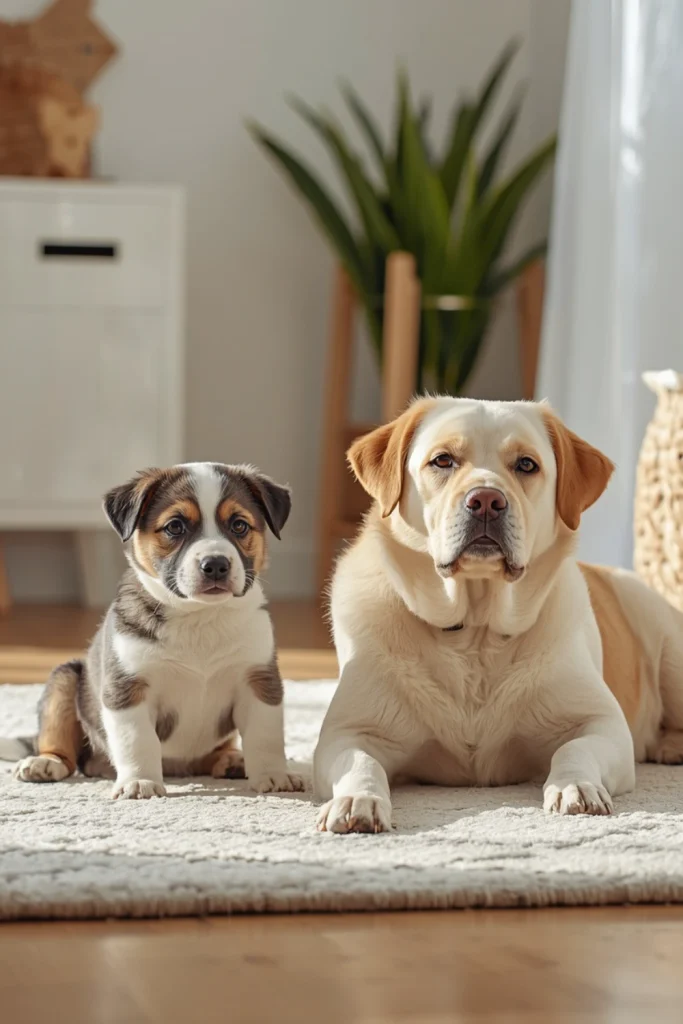
Not every dog can follow the same schedule. Puppies need frequent toilet breaks, age-appropriate meals, short training sessions, socialization, and plenty of sleep. Their exercise should be appropriate for their stage of development, and they should not be expected to manage a full adult dog’s routine. A flexible schedule helps you respond to changing needs while building predictable habits. Consult your veterinarian about feeding frequency, vaccinations, and suitable activities as your puppy grows.
Senior dogs may need shorter walks, more frequent toilet opportunities, supportive bedding, and additional veterinary monitoring. Some older pets develop changes in mobility, vision, hearing, or sleep patterns that require adjustments around the home. Avoid assuming that reduced activity is simply a normal part of aging without considering possible medical causes. Adapt your Daily Dog Care Routine to your dog’s current abilities, and review it whenever their health, environment, or behavior changes significantly.
19. Plan for Days When You Are Busy
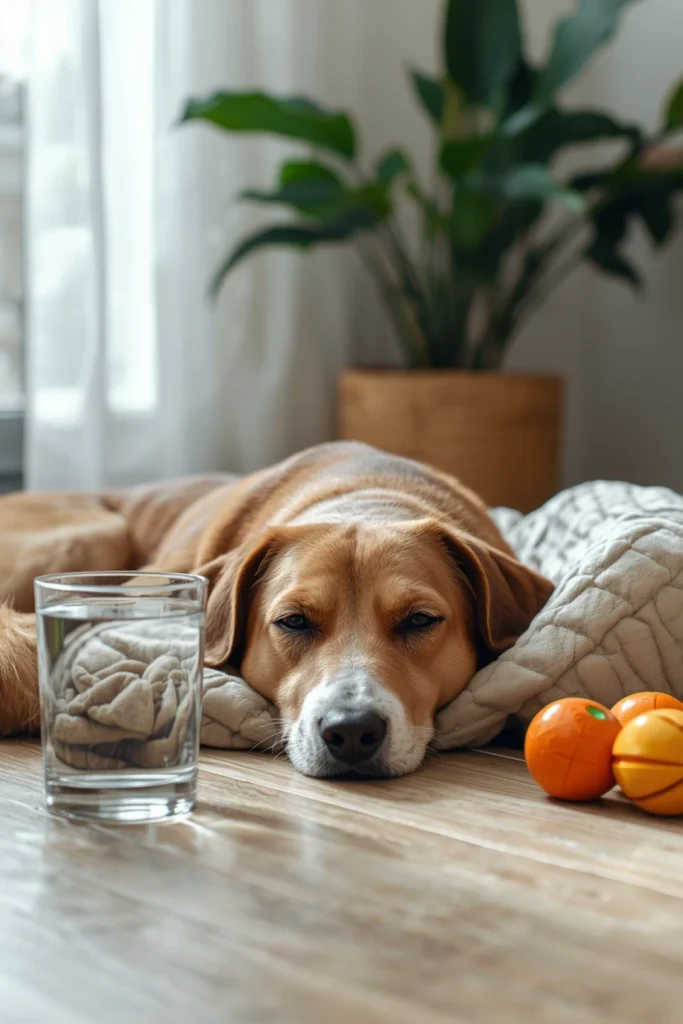
Even well-organized owners have busy days, but your dog’s essential needs still require attention. Before leaving home, provide an appropriate toilet break, fresh water, and suitable activity. Make sure your pet has a safe resting area and cannot access dangerous household items. If you expect to be away for longer than your dog can comfortably manage, arrange help from a trusted person, dog walker, or appropriate pet care service. Puppies and dogs with medical needs often require more frequent supervision.
Prepare supplies in advance to make busy days easier. Keep a leash near the door, measure food portions ahead of time, and maintain a list of important veterinary contacts. Interactive toys may provide useful enrichment, but they cannot replace necessary toilet breaks, human supervision, or social interaction. If your work schedule regularly prevents you from meeting your dog’s needs, consider a more sustainable care arrangement. Planning ahead helps you maintain consistency without relying on rushed decisions or leaving important tasks until the last minute.
20. Stay Consistent but Flexible
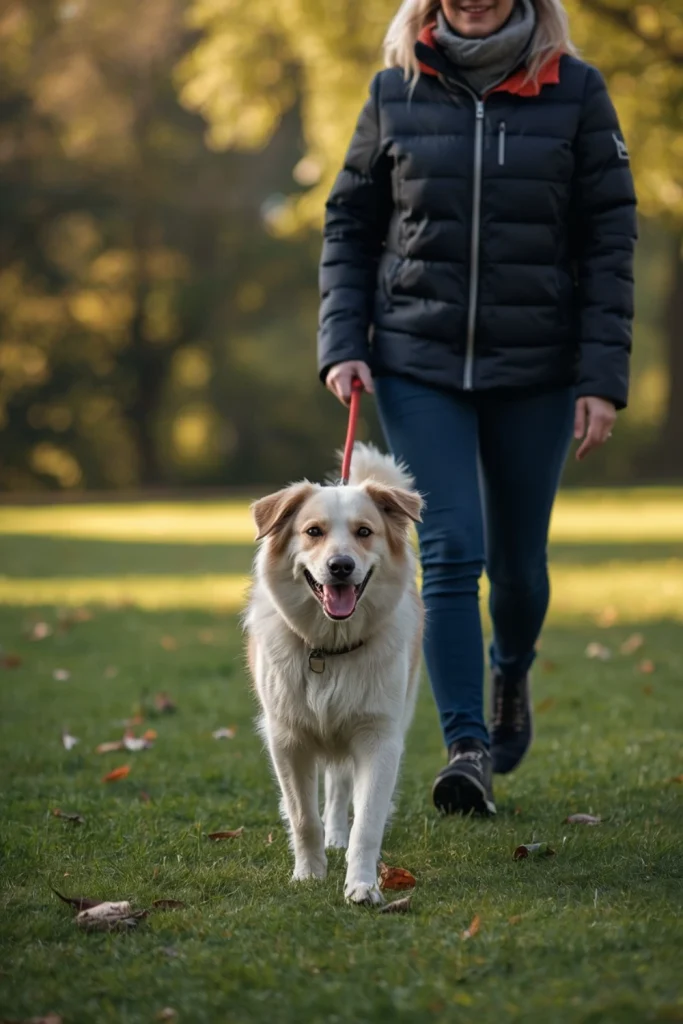
Consistency is the foundation of a successful dog care schedule. Regular meals, walks, training, toilet breaks, and rest help your dog understand what to expect and make it easier for you to monitor their habits. However, a good routine should not be so rigid that it ignores your dog’s changing needs. Weather, travel, health, age, and unexpected events may require adjustments. Focus on meeting essential needs rather than following exact times every day.
Review your routine periodically and notice what is working well. If your dog seems restless, consider whether they need more appropriate activity, mental stimulation, or companionship. If they struggle to settle, look at the timing of exercise, toilet breaks, and rest. Ask your veterinarian for advice when changes in health or behavior affect the schedule. A flexible but dependable approach allows you to provide consistent care while responding to the individual needs of your companion.
Conclusion
Creating the ultimate Daily Dog Care Routine is about understanding your dog’s needs and building simple habits that you can maintain every day. From morning toilet breaks and balanced meals to exercise, training, grooming, and evening relaxation, each activity contributes to your companion’s overall well-being. A predictable schedule can also help you notice changes in behavior, monitor appetite, and identify when your dog may need additional support.
Remember that every dog is different. Puppies, adult dogs, and senior pets require different levels of supervision, activity, nutrition, and rest. Start with the essentials, make gradual adjustments, and consult your veterinarian when you need guidance about health or exercise. You do not need a perfect schedule to be a responsible pet parent. What matters most is providing dependable care, plenty of positive interaction, and a safe environment where your dog can thrive.