
12 Tips for Building a Consistent Dog Walking Routine
Does your dog get excited every time you pick up the leash? Daily walks are more than just an opportunity for your furry friend to go outside. They provide exercise, mental stimulation, social experiences, and valuable bonding time. However, walking your dog without a regular schedule can make it difficult to establish healthy habits and meet your pet’s daily needs.
Building a consistent dog walking routine does not have to be complicated. With the right schedule, a comfortable leash, suitable walking routes, and a little patience, you can make daily walks an enjoyable part of your lifestyle. Whether you have a young puppy, an energetic adult dog, or a senior companion, these 12 practical tips will help you create a walking routine that works for both you and your dog.
1. Set a Fixed Time for Daily Dog Walks
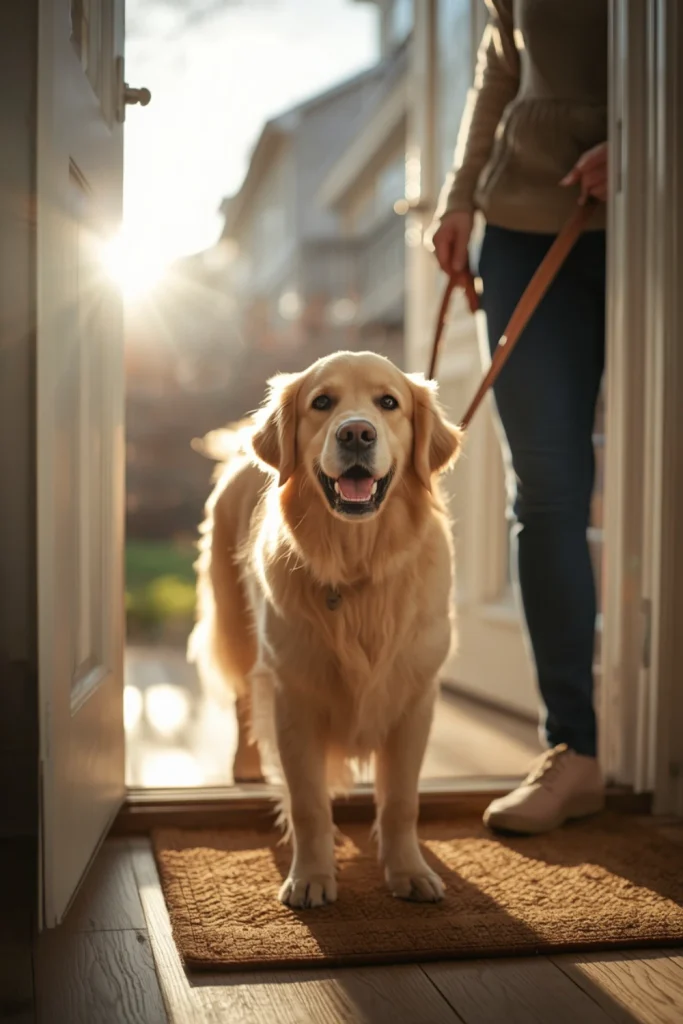
One of the easiest ways to start building a consistent dog walking routine is to choose specific times for daily walks. Dogs often respond well to predictable schedules because they gradually learn when outdoor activities usually happen. You might schedule a morning walk before breakfast or work and another walk in the evening when the weather is comfortable. Having regular walking times makes it easier to develop a habit for both you and your pet.
Try to choose times that realistically fit your daily responsibilities. You do not need to follow an extremely strict schedule, but maintaining a similar routine every day can make a difference. If your work hours change, adjust your dog’s walking schedule gradually. Remember that puppies and senior dogs may need additional outdoor potty breaks beyond their regular exercise walks.
2. Start With Short and Manageable Walks
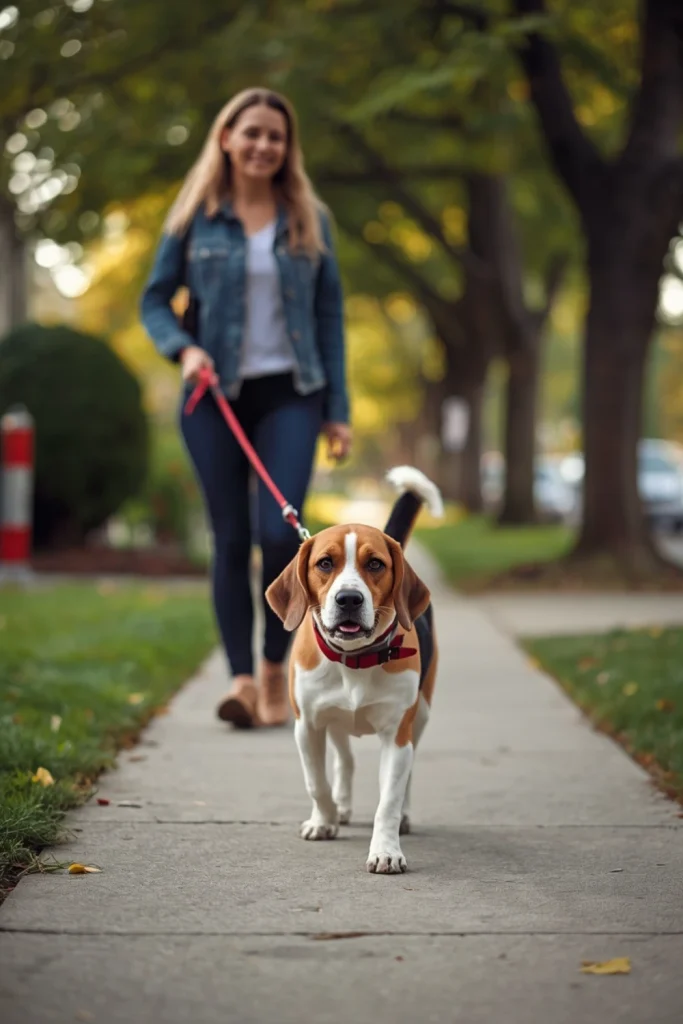
If your dog is not accustomed to daily walks, begin with short and manageable sessions. Taking your pet on a very long walk immediately may cause unnecessary tiredness, particularly if it is young, older, overweight, or not physically active. Start with a comfortable walking duration and gradually increase it as your dog becomes more familiar with the activity. This approach helps build confidence without overwhelming your pet.
Pay attention to your dog’s behavior during and after each walk. If it seems comfortable, interested, and energetic, you can gradually adjust the duration according to its needs. However, if your dog starts lagging behind, limping, panting excessively, or struggling to continue, stop and allow it to rest. A successful walking routine is not about covering the longest distance. It is about providing safe, appropriate activity consistently.
3. Choose the Right Walking Equipment
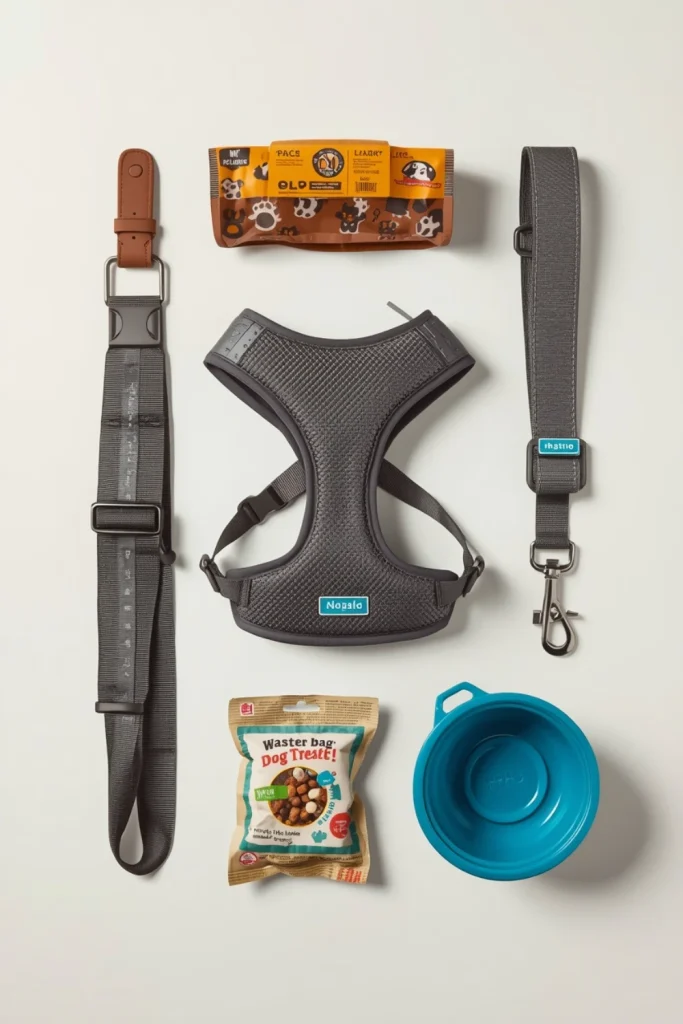
Having suitable walking equipment makes outdoor activities safer and more comfortable. A well-fitted collar or harness, a strong leash, identification tags, and waste bags are basic essentials for most dog walks. The right equipment depends on your dog’s size, behavior, and walking experience. For example, a comfortable front-clip or back-clip harness may be useful for certain dogs, while others may walk comfortably with a properly fitted collar.
Before leaving home, check that the harness or collar fits securely without rubbing or restricting movement. Choose a standard leash that gives you appropriate control while allowing your dog some freedom to explore. Avoid equipment that causes pain or makes breathing difficult. You should also carry fresh water during longer outings or hot weather. Comfortable equipment helps create positive walking experiences and makes it easier to maintain a regular schedule.
4. Create a Simple Morning Walking Routine
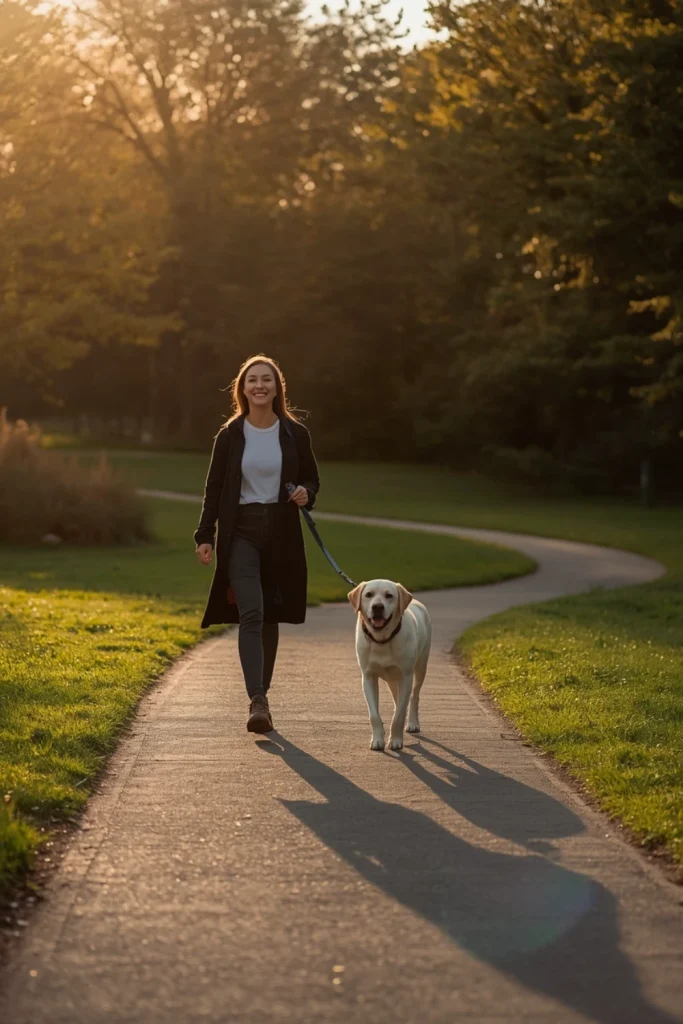
Morning walks are a practical way to begin your dog’s day with physical activity and mental stimulation. A peaceful morning environment may offer cooler temperatures, fewer distractions, and quieter walking paths. You can start with a potty break, followed by a relaxed walk that allows your dog to explore its surroundings. This routine can become an enjoyable daily habit that benefits both you and your pet.
Try to keep your morning walking routine realistic. If you have a busy schedule, even a short outdoor session may provide useful movement and an opportunity to explore. Allow your dog to sniff, observe its surroundings, and move at a comfortable pace. Avoid rushing through every walk because dogs experience the environment differently from humans. A calm and predictable morning routine can help your pet begin the day with positive experiences.
5. Add an Evening Walk to Your Daily Schedule
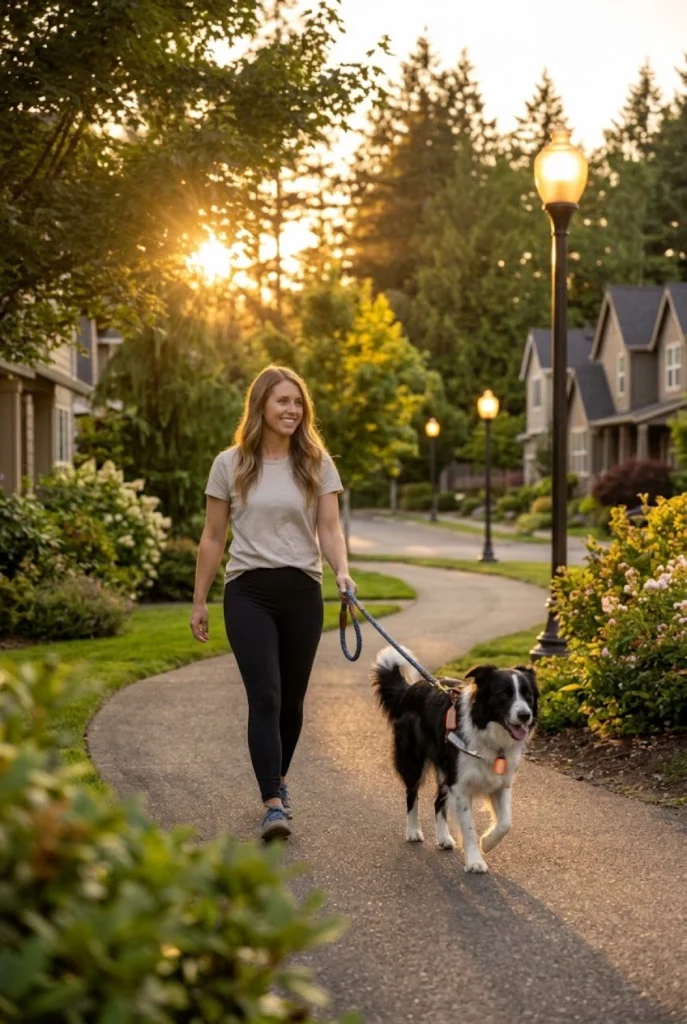
An evening walk can be an excellent way to provide additional activity after a busy day. Many owners find it easier to spend quality time with their dogs in the evening when work, school, and other responsibilities are finished. A relaxed walk allows dogs to explore their surroundings, use their energy, and enjoy time outside with their families.
Choose a safe and well-lit route, especially if you walk after sunset. Use reflective equipment or a visibility light so drivers and cyclists can see you and your dog. During warmer months, check the pavement temperature before walking because hot surfaces can injure paw pads. Keep the evening session comfortable rather than overly energetic, particularly close to bedtime. Consistency is more important than making every walk long or physically demanding.
6. Choose Safe and Interesting Walking Routes
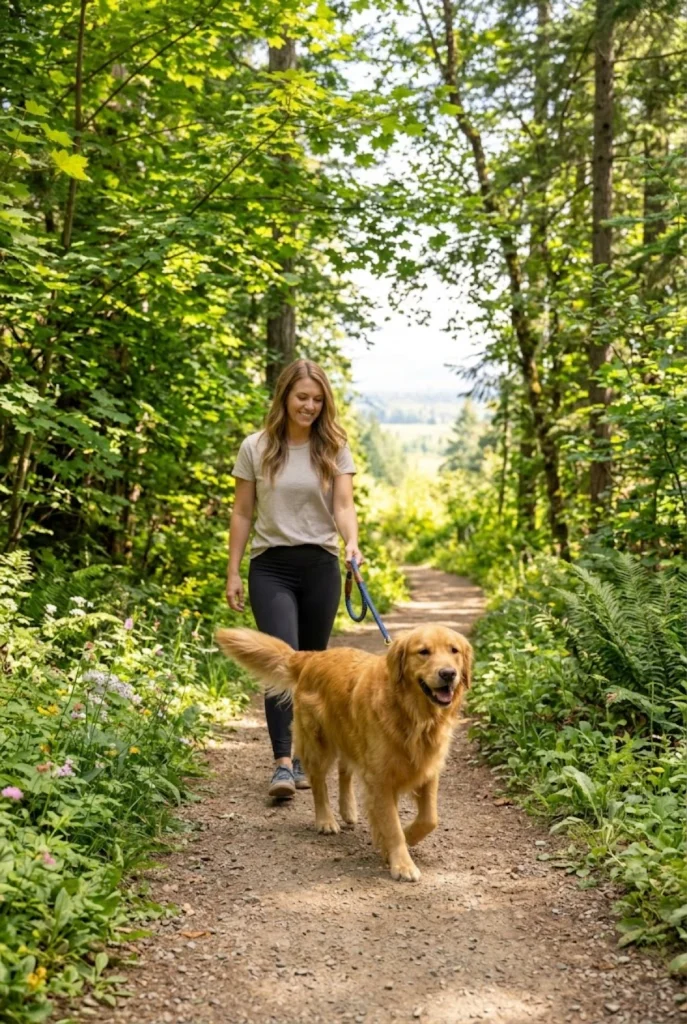
Choosing suitable walking routes can make daily outings more enjoyable. Dogs benefit from exploring different environments, so consider using quiet neighborhood sidewalks, safe parks, designated walking trails, and other dog-friendly areas. Different routes introduce new smells, surfaces, and sounds that provide mental stimulation. However, always prioritize safety when selecting a location.
Before using a new route, check for traffic, broken glass, loose animals, construction areas, and other potential hazards. Make sure dogs are allowed in the area and follow local leash regulations. You can rotate between two or three familiar routes to provide variety without making every walk unpredictable. If your dog feels nervous in busy environments, start with quieter locations and gradually introduce new surroundings at a comfortable pace.
7. Make Time for Sniffing and Exploration
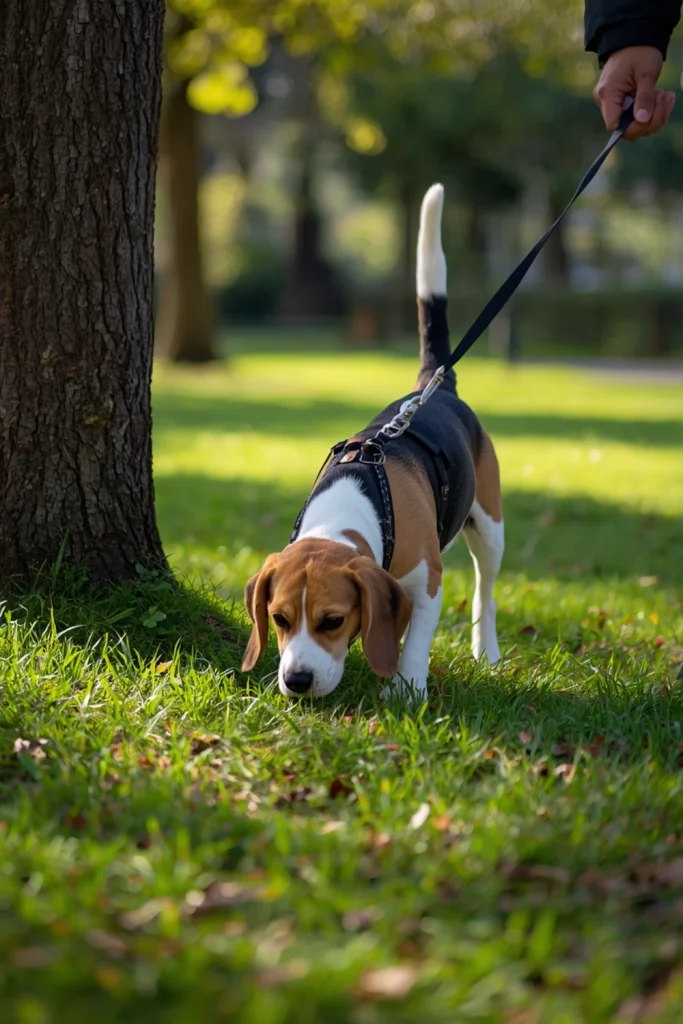
Dog walks should not always be about walking quickly or reaching a particular destination. Sniffing is a natural behavior that allows dogs to gather information about their surroundings. Different smells can tell them about other animals, people, food, and changes in the environment. Allowing appropriate sniffing opportunities makes walks mentally stimulating and gives your dog a chance to explore naturally.
You can include short sniffing breaks throughout your walking session. Choose safe areas where your dog can investigate grass, trees, and other permitted surfaces without disturbing people or wildlife. Keep the leash at a comfortable length and redirect your dog away from rubbish, dangerous objects, or unknown substances. A slower walk with plenty of exploration can be just as valuable as a longer walk focused on distance.
8. Use Positive Reinforcement During Walks

Positive reinforcement can help make dog walking more enjoyable and improve desirable leash behavior. Whenever your dog walks calmly beside you, responds to its name, checks in with you, or follows a simple command, reward it with praise or a small treat. These positive experiences encourage your dog to repeat behaviors that make walking easier and safer.
Keep training sessions short and use rewards your dog enjoys. If your pet pulls toward distractions or becomes overly excited, avoid shouting or using painful corrections. Instead, create some distance from the distraction, encourage attention, and reward calm behavior. Consistency from everyone who walks your dog is important. When family members use similar commands and reward systems, your dog can learn expectations more easily.
9. Adjust Walking Duration According to Your Dog’s Age
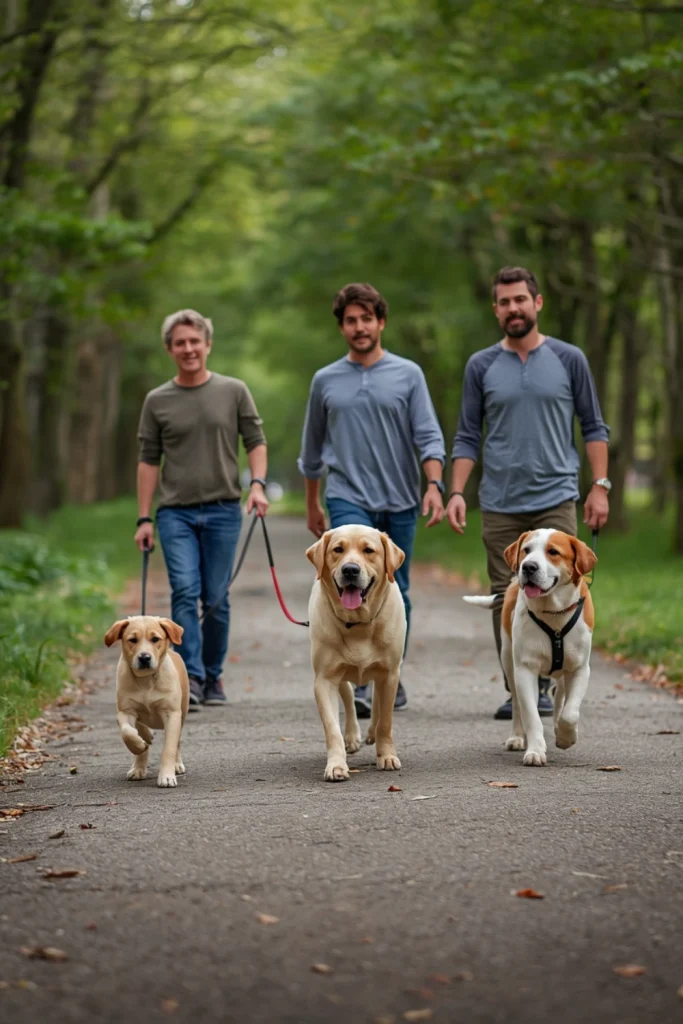
Every dog has different exercise requirements, and age is an important factor when planning daily walks. Puppies need gentle, age-appropriate activities because their bodies are still developing. Adult dogs may enjoy longer walks depending on their breed, fitness, and health, while senior dogs often benefit from shorter, comfortable outings with plenty of opportunities to rest.
Avoid following a single walking duration for every dog. Observe your pet’s energy, movement, breathing, and recovery after exercise. Puppies may need several short outdoor sessions instead of one demanding walk. Senior dogs with mobility problems may require slower routes and supportive care. If your dog has a medical condition, ask your veterinarian to recommend an appropriate exercise plan. Adjusting the routine according to age helps keep walking safe and enjoyable throughout your dog’s life.
10. Keep Your Dog Hydrated During Walks
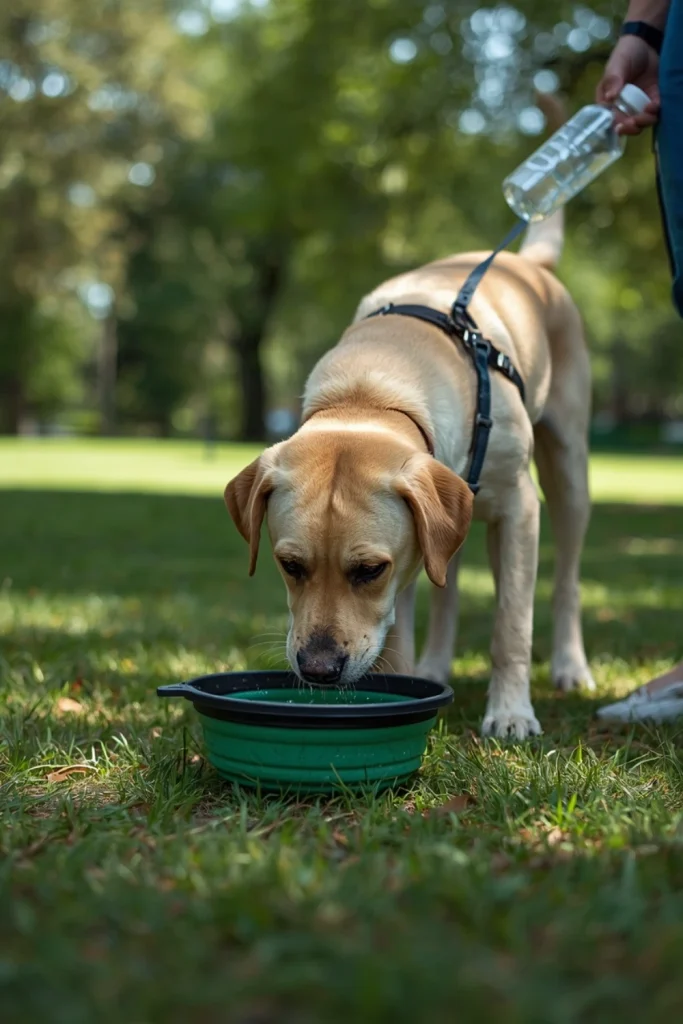
Hydration is an important part of a safe dog walking routine, especially during warm weather or longer outdoor activities. Dogs can lose water through panting and may become uncomfortable when they do not have access to fresh drinking water. Carrying a portable water bottle or collapsible bowl makes it easier to offer your pet a drink whenever necessary.
Offer water during breaks and after returning home, particularly if your dog has been active. Avoid forcing your pet to drink large amounts quickly. Watch for signs of overheating, such as excessive panting, drooling, weakness, or difficulty continuing the walk. Move to a cooler area immediately if your dog appears overheated and seek urgent veterinary advice if heatstroke is suspected. Proper hydration helps make outdoor activities more comfortable and supports your dog’s overall health.
11. Prepare for Different Weather Conditions

Weather can affect your dog’s comfort and safety during daily walks. During hot summer days, choose early morning or late evening hours when temperatures are lower. Avoid walking on extremely hot pavement because it can burn your dog’s paw pads. In colder weather, some dogs may need a comfortable dog jacket, especially small breeds, short-haired dogs, and pets that are sensitive to low temperatures.
Rainy weather may also require small adjustments to your walking routine. Use a suitable dog raincoat if necessary, choose safer walking surfaces, and dry your dog’s paws and coat after returning home. During thunderstorms or extreme weather, consider indoor activities instead of outdoor walks. Always adjust the duration and intensity of exercise according to weather conditions. A flexible routine helps you maintain consistency without putting your dog’s health at risk.
12. Track Your Progress and Stay Consistent

Tracking your dog’s walking progress can help you maintain a regular routine. You can use a simple notebook, calendar, or pet activity app to record walking times, durations, routes, and your dog’s behavior. Keeping track of daily activities makes it easier to identify patterns and understand how much exercise your dog receives throughout the week. It can also help you notice improvements in leash manners and walking confidence.
Do not worry if you occasionally miss a scheduled walk because of unexpected responsibilities or bad weather. The goal is to build a sustainable habit rather than follow a perfect schedule every single day. Adjust your plans when necessary and return to your usual routine as soon as possible. Celebrate small improvements, such as calmer leash behavior or more relaxed walks. With patience and consistency, daily walking can become an enjoyable habit for both you and your dog.
Conclusion
Building a consistent dog walking routine is one of the best ways to support your dog’s physical health, mental stimulation, and overall happiness. By setting regular walking times, choosing comfortable equipment, selecting safe routes, and adjusting activities according to your dog’s age and energy level, you can make daily walks a positive experience.
Remember that consistency does not mean every walk must be long or follow an identical schedule. Some days may require shorter outings, while others may offer opportunities for longer adventures. Pay attention to your dog’s body language, provide enough water, and allow plenty of time for sniffing and exploration.
Start with small, manageable steps and gradually develop a routine that works for your lifestyle. With patience, positive reinforcement, and regular practice, building a consistent dog walking routine can become one of the most enjoyable parts of caring for your furry friend.