
How Much Sleep Does Your Dog Need? A Simple Age Guide
Have you ever wondered why your dog spends so much time sleeping? Whether your furry friend is a playful puppy, an energetic adult dog, or a gentle senior companion, sleep plays an important role in keeping them healthy and happy. Just like humans, dogs need enough rest to recharge their bodies, support their brains, and maintain their overall well-being.
But how much sleep does your dog actually need? The answer depends on several factors, including age, breed, activity level, lifestyle, and health. Puppies generally need much more sleep than adult dogs, while senior dogs may also require additional rest. In this simple age guide, you will learn how much sleep dogs need at different life stages, how to recognize healthy sleeping habits, and how to create a comfortable sleeping routine for your four-legged friend.
How Much Sleep Does a Dog Need? Quick Age Guide
A dog’s sleep requirements change as they grow. Here is a simple overview to help you understand your dog’s daily sleeping needs.
| Dog’s age | Average daily sleep |
|---|---|
| Newborn puppies (0–2 weeks) | Around 20–22 hours |
| Young puppies (2–8 weeks) | Around 18–20 hours |
| Puppies (2–6 months) | Around 16–20 hours |
| Older puppies (6–12 months) | Around 14–18 hours |
| Adult dogs (1–7 years) | Around 12–16 hours |
| Senior dogs (7+ years) | Around 14–18 hours or more |
These are general estimates, not strict rules. Individual dogs may need more or less sleep depending on their breed, health, activity, and lifestyle. Large breeds may reach their senior years earlier than small breeds.
1. How Much Sleep Do Newborn Puppies Need?
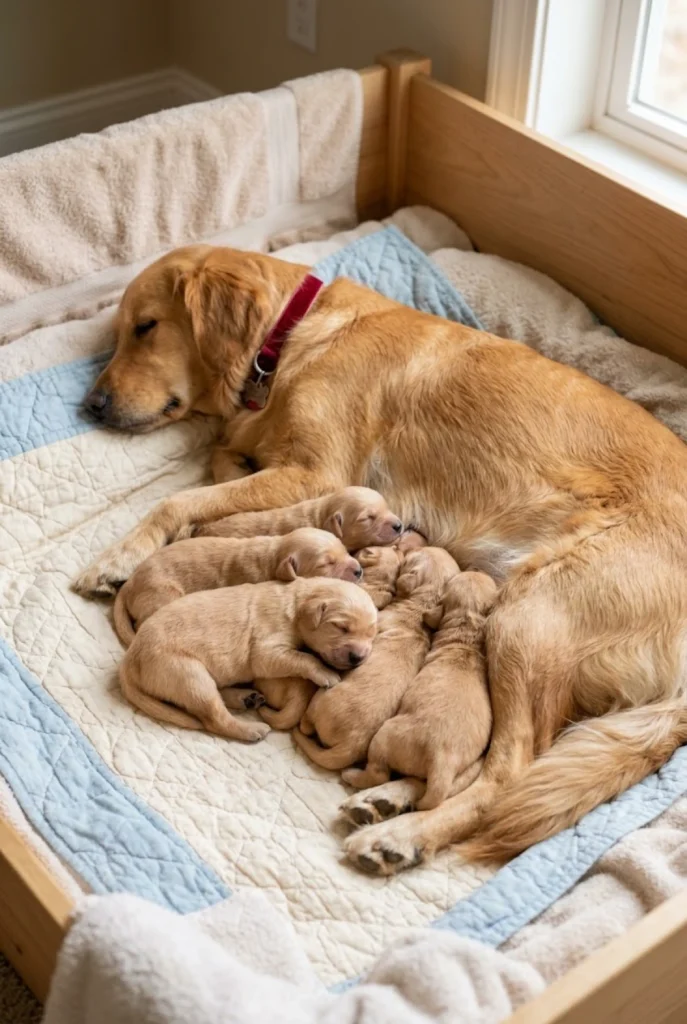
Newborn puppies need more sleep than dogs at any other life stage. During their first two weeks, they may sleep around 20 to 22 hours a day. Their bodies are still developing, and most of their time is spent sleeping, nursing, and staying close to their mother. They cannot regulate their body temperature effectively, so warmth and comfort are especially important. Their mother usually provides much of the care they need during this early period.
As newborn puppies grow, they gradually become more active and start responding to sounds, movement, and their surroundings. However, sleep remains their biggest daily activity. Owners should avoid unnecessary handling or waking them just to play. Provide a warm, clean, and safe sleeping area, and make sure the mother and puppies have a peaceful environment. If a newborn puppy struggles to nurse, appears weak, or cries continuously, contact a veterinarian.
2. How Much Sleep Do Puppies Need Between 2 and 8 Weeks?
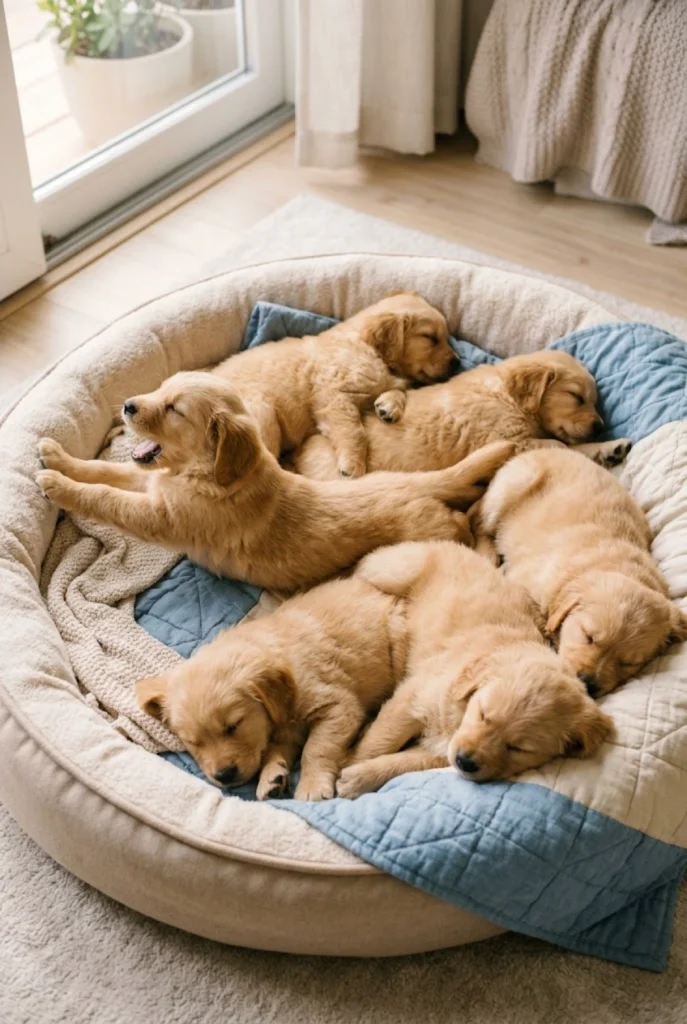
Between two and eight weeks of age, puppies begin developing their senses and exploring the world around them. They may sleep approximately 18 to 20 hours per day, although their sleeping patterns can vary. During their waking periods, they begin walking, interacting with littermates, playing, and responding to their environment. These activities require energy, so frequent naps are essential for healthy growth and development.
At this stage, puppies need a comfortable environment where they can sleep without constant disturbances. They should have access to their mother and littermates when appropriate, along with a clean and warm sleeping space. Their active periods may be short, followed by longer naps. Owners should not expect young puppies to remain awake for extended periods. If a puppy seems unusually weak or does not respond normally when awake, veterinary advice is important.
3. How Much Sleep Do Puppies Need Between 2 and 6 Months?
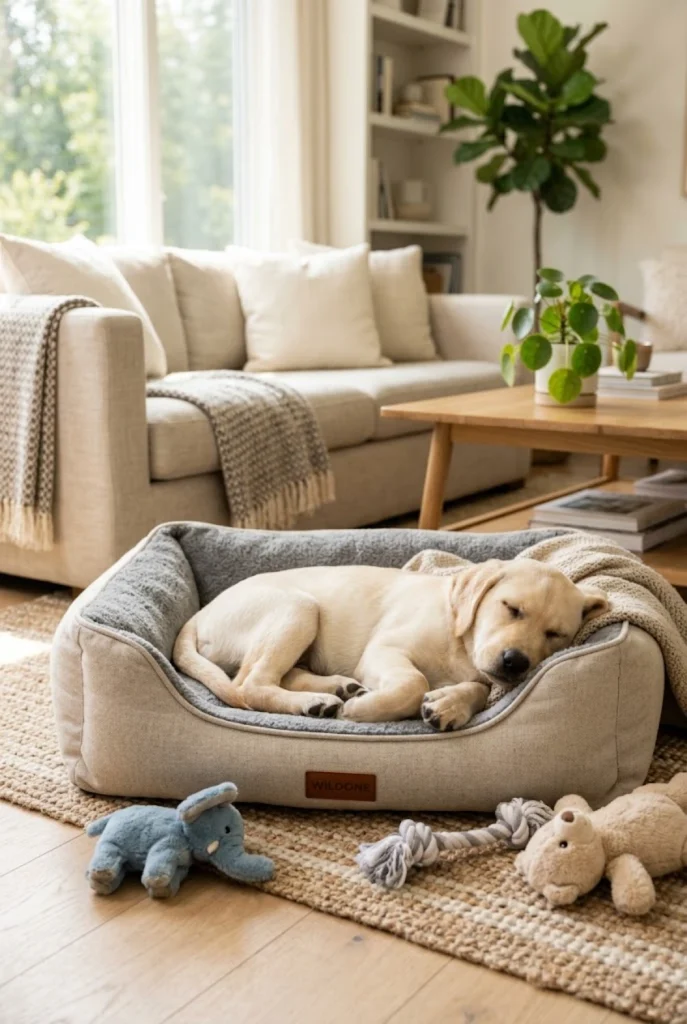
Puppies between two and six months generally need around 16 to 20 hours of sleep each day. This is an important stage because their bodies, muscles, bones, and brains are developing quickly. They are also learning basic skills such as walking on a leash, responding to their names, understanding household routines, and beginning potty training. These experiences can be exciting and tiring, making regular naps an important part of their daily routine.
Many puppy owners mistakenly believe that keeping their puppies awake will make them easier to train or more tired at bedtime. However, puppies need enough rest between activities. An overtired puppy may become restless, bite more during play, bark excessively, or struggle to concentrate. Try offering short training sessions, gentle playtime, meals, potty breaks, and regular naps. Allow your puppy to sleep when tired instead of forcing continuous activity.
4. How Much Sleep Do Puppies Need Between 6 and 12 Months?
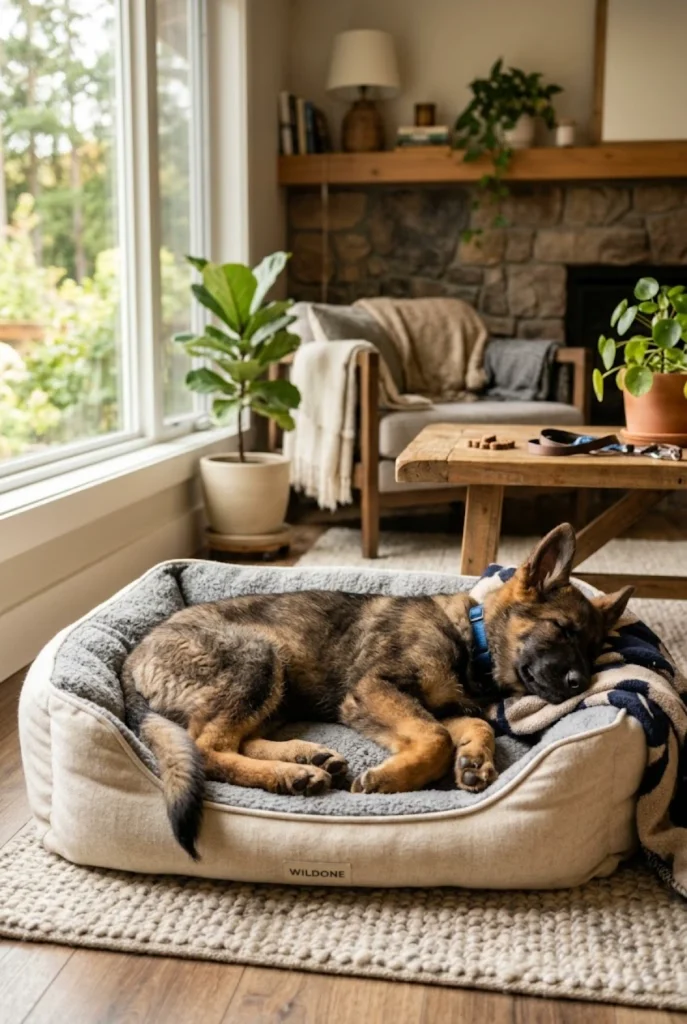
As puppies approach their first birthday, their sleep patterns gradually become more like those of adult dogs. Many puppies in this age group need approximately 14 to 18 hours of total rest daily. However, their requirements depend on breed, maturity, exercise, and individual energy levels. Some young dogs remain very playful, while others become calmer as they develop. Their ability to stay awake for longer periods also improves.
This is an excellent time to establish a consistent daily routine. Include walks, obedience training, interactive games, meals, and planned rest periods. Teenaged dogs may become distracted or excited easily, especially when experiencing new situations. Regular sleep helps them recover after physical and mental activities. Make sure your dog has a comfortable sleeping space and avoid filling every hour with training or entertainment. A healthy balance between exercise and rest supports good behavior.
5. How Much Sleep Do Adult Dogs Need?
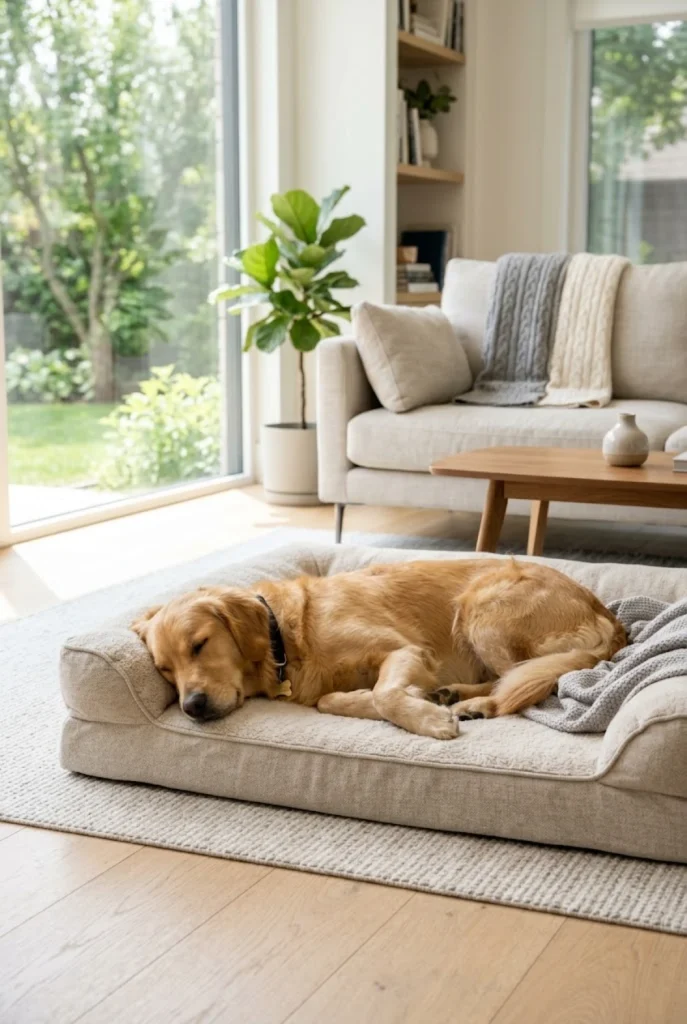
Most healthy adult dogs need approximately 12 to 16 hours of sleep and rest throughout a 24-hour period. Their requirements depend on breed, body size, health, and daily activities. Some adult dogs are naturally relaxed and enjoy frequent naps, while others remain active and prefer spending more time playing or exploring. Adult dogs generally sleep longer at night and take several naps during the day.
A regular sleeping routine can help adult dogs feel comfortable and secure. Try providing daily exercise, mental stimulation, nutritious meals, and a quiet place to rest. Avoid suddenly changing your dog’s sleeping schedule without a good reason. If your dog regularly wakes up feeling refreshed, enjoys normal activities, and maintains a healthy appetite, its sleeping routine may be perfectly normal. Remember that every dog is different, so observe your pet’s individual habits instead of comparing it with another dog.
6. How Much Sleep Do Senior Dogs Need?
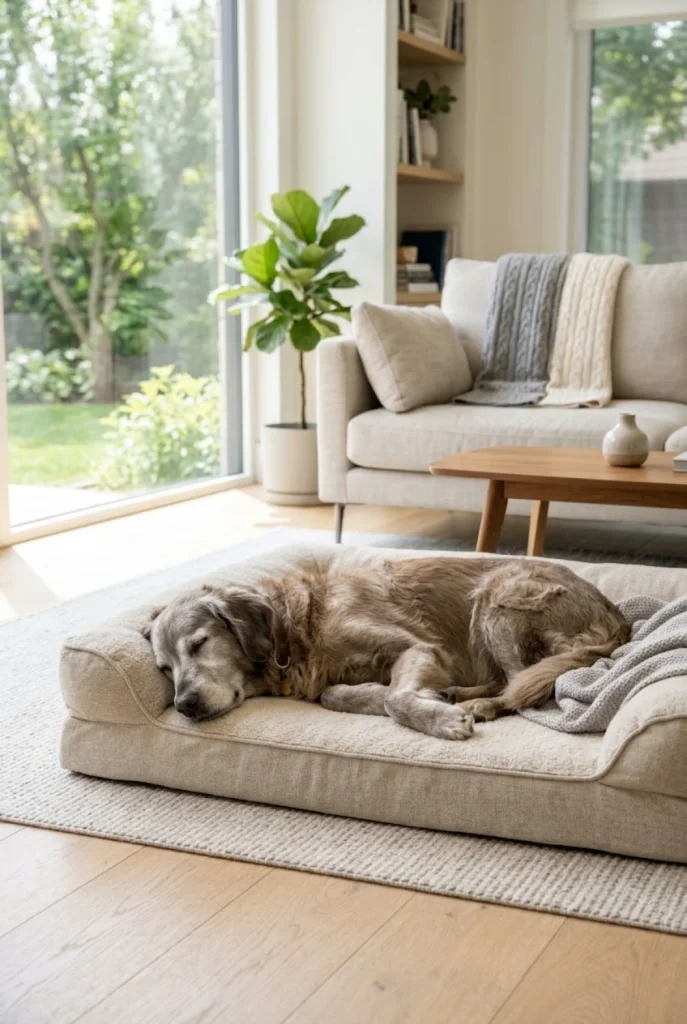
Senior dogs often need around 14 to 18 hours of sleep or rest each day, and some may need even more. As dogs get older, their energy levels can decrease, and their bodies may take longer to recover after exercise. Older dogs may also experience joint discomfort, reduced mobility, changes in vision, or other age-related conditions that affect their sleeping patterns. These changes can make comfortable rest especially important.
If you have an older dog, provide a supportive bed that is easy to enter and leave. Keep its sleeping area away from cold floors, loud noises, and busy household spaces. Gentle walks and light activities can help maintain mobility without causing unnecessary tiredness. Pay attention to changes in nighttime sleep, appetite, and behavior. Although additional rest can be normal in senior dogs, sudden excessive sleepiness or difficulty waking should be discussed with a veterinarian.
7. Why Do Dogs Sleep So Much?
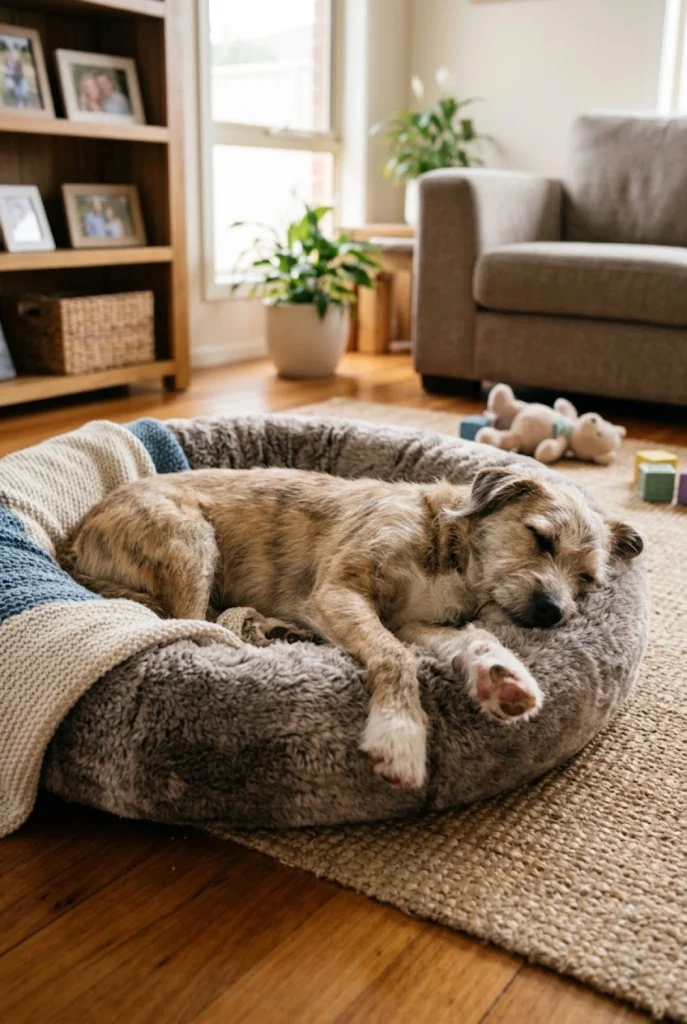
Dogs sleep for several reasons, including physical recovery, brain development, energy restoration, and general health. Unlike humans, who usually sleep during one main period at night, dogs often spread their sleep across multiple naps. They may sleep after eating, playing, walking, training, or simply spending time with their families. This natural pattern allows them to recover from activities throughout the day.
Another important reason dogs sleep so much is that rest helps them process experiences and information. Puppies especially experience many new things while growing, learning, and exploring. Adult dogs also benefit from sufficient sleep after mental stimulation and physical exercise. If your dog enjoys regular naps but remains happy, alert, and active when awake, there is usually no reason to worry. However, always watch for sudden changes that may indicate a health problem.
8. Why Is Sleep Important for Your Dog’s Health?
Sleep supports several important functions in a dog’s body. During rest, the body recovers from daily activities, and the brain processes information from the environment. Growing puppies particularly benefit from adequate sleep because their bodies are developing rapidly. Healthy sleep also helps dogs maintain their normal energy levels, mood, and ability to learn.
Insufficient or interrupted sleep may affect your dog’s behavior and overall well-being. A tired dog may become irritable, distracted, restless, or less interested in playing and training. Dogs need a balance of activity and recovery to remain healthy. Providing a comfortable sleeping environment, maintaining regular routines, and avoiding unnecessary disturbances can make a positive difference. Remember that good sleep is not simply about the number of hours; the quality of rest matters too.
Image Generation Prompt: A peaceful dog sleeping comfortably on a soft orthopedic bed with a healthy, happy appearance, cozy modern home, soft morning sunlight, natural relaxed pose, professional veterinary lifestyle photography, realistic details, horizontal 16:9, no text.
9. Factors That Affect How Much Sleep Your Dog Needs
Age is one of the most important factors affecting a dog’s sleep requirements, but it is not the only one. Breed, size, daily exercise, health, diet, and home environment can all influence sleeping patterns. For example, some large breeds naturally enjoy longer periods of rest, while energetic working breeds may spend more time exercising and exploring. Small companion dogs may also enjoy frequent naps throughout the day.
Your dog’s lifestyle can make a difference as well. A dog that spends several hours walking, playing, or learning new commands may need additional recovery time. Dogs living in noisy homes may have difficulty getting uninterrupted sleep. Weather and temperature can also influence comfort and sleeping habits. Rather than following a strict number, monitor your dog’s normal routine and make adjustments according to its individual needs.
10. Do Different Dog Breeds Need Different Amounts of Sleep?

Yes, different breeds can have different sleeping habits. Some dogs are naturally relaxed and enjoy spending much of their day resting, while others have high energy levels and need more physical and mental activities. Greyhounds, for example, are often known for enjoying long periods of relaxation despite their athletic abilities. Working breeds such as Border Collies and Australian Shepherds may need more structured activities to remain mentally satisfied.
However, breed alone does not determine how much sleep a dog needs. Individual personality, age, health, and lifestyle are equally important. Two dogs of the same breed may have different sleeping routines. Owners should focus on providing suitable exercise and enough opportunities to rest. Avoid assuming that an energetic breed needs less sleep or that a relaxed breed should sleep throughout the entire day without appropriate activity.
11. How Much Sleep Should Dogs Get at Night?

Many adult dogs sleep for approximately eight to twelve hours overnight, although their exact nighttime sleeping patterns vary. Some dogs settle down when their owners go to bed, while others may wake briefly during the night before falling asleep again. Puppies usually have more interrupted nighttime sleep because they have smaller bladders and are still learning household routines.
To encourage healthy nighttime sleep, create a predictable bedtime schedule. Offer your dog a final potty break, keep the sleeping area comfortable, and reduce exciting activities before bedtime. Try to maintain a consistent lights-out time so your dog becomes familiar with the routine. If your dog regularly wakes up crying, pacing, panting, or appearing uncomfortable, investigate the possible cause. Persistent nighttime restlessness deserves veterinary attention, particularly in older dogs.
12. How Many Naps Should Dogs Take During the Day?

Dogs do not usually sleep in one long uninterrupted period. Instead, they take multiple naps throughout the day, depending on their age, activity, and environment. Puppies may need frequent naps after very short periods of play, while adult dogs often rest after walks, meals, and training sessions. Senior dogs may also take longer daytime naps because their bodies need additional recovery time.
There is no fixed number of naps that every dog should take. Some dogs enjoy several short naps, while others prefer a few longer sleeping periods. The important thing is to allow your dog to rest when it appears tired. Avoid repeatedly waking a sleeping dog for unnecessary attention or play. If your dog has a normal sleeping pattern and remains alert when awake, its daytime naps are likely a healthy part of its routine.
13. Signs Your Dog Is Getting Enough Sleep
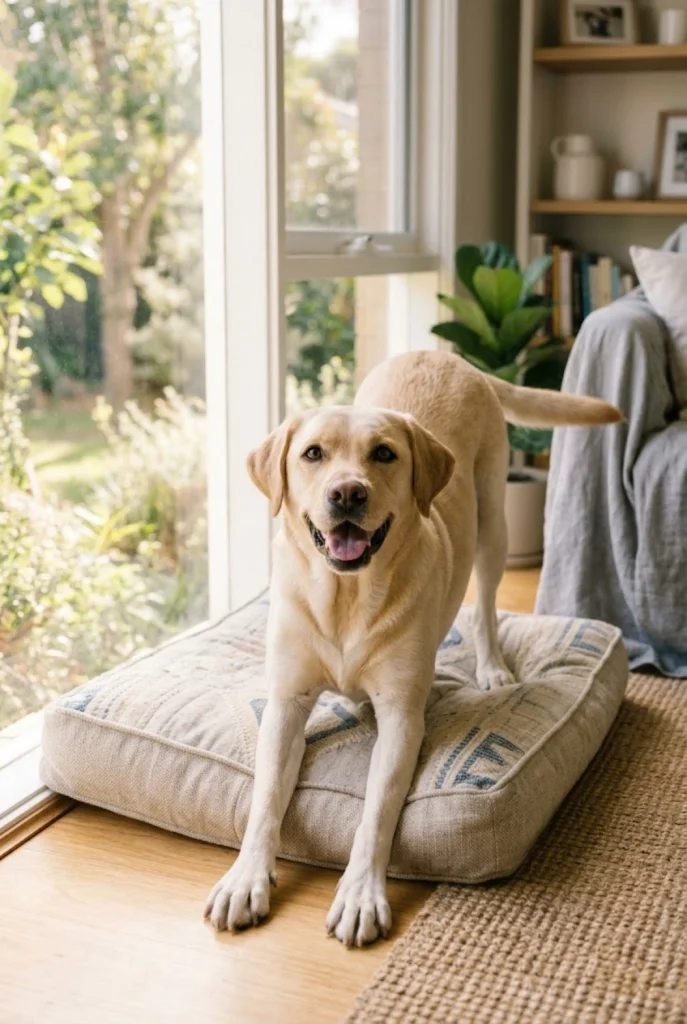
A dog that gets sufficient sleep generally appears comfortable, alert, and interested in normal daily activities when awake. It may enjoy playing, eating, walking, exploring, and spending time with family members. Puppies that receive enough rest often have better opportunities to learn and develop healthy behavior. Adult dogs may also show more consistent energy and concentration when their sleeping routine is appropriate.
Other positive signs include a relaxed sleeping posture, predictable nap times, and waking naturally without appearing unusually tired. Your dog should generally respond to familiar sounds, food, toys, and people. Remember that healthy energy levels differ from dog to dog. A calm breed may naturally be less active than a working breed. Focus on changes in your own dog’s behavior rather than expecting every dog to act the same way.
14. Signs Your Dog May Not Be Getting Enough Sleep

A dog that does not receive enough quality sleep may show changes in its behavior. It might become unusually restless, bark more frequently, lose interest in training, or struggle to settle down. Puppies may become extra excitable, start biting during play, or have difficulty following simple commands. These behaviors can sometimes be associated with overtiredness, although other causes are also possible.
You may also notice frequent waking, pacing, excessive whining, or an inability to relax in the sleeping area. Loud household activities, uncomfortable bedding, temperature changes, and irregular routines can interfere with rest. Try making your dog’s sleeping space quieter and establishing predictable nap times. If sleep problems continue despite environmental changes, or your dog shows signs of pain or illness, arrange a veterinary examination.
15. How to Create a Healthy Sleeping Routine for Your Dog

A healthy sleeping routine begins with consistency. Try to maintain regular times for meals, walks, play, training, and bedtime. Dogs often feel more secure when they understand what happens throughout the day. A predictable routine can also help puppies learn when it is time to play and when it is time to rest.
Avoid giving your dog highly exciting activities immediately before bedtime. Instead, introduce a calm evening routine with a gentle walk, final potty break, and quiet time. Make sure your dog has access to fresh water and a comfortable sleeping area. Puppies may require additional nighttime potty breaks, while senior dogs may need easier access to their sleeping and toilet areas. Adjust the routine as your dog grows older.
16. Choose the Right Sleeping Place for Your Dog

The right sleeping place can make a major difference in your dog’s comfort. Choose an area that is quiet, clean, and away from heavy household traffic. Your dog should have enough room to stretch out, turn around, and change sleeping positions comfortably. A supportive bed can be especially helpful for larger dogs and older pets that need extra cushioning.
Consider your dog’s individual preferences when selecting a sleeping place. Some dogs enjoy sleeping near their owners, while others prefer a quiet corner where they can relax without interruptions. Make sure the area has suitable ventilation and is not too hot or cold. Wash bedding regularly to remove dirt, hair, and odors. A comfortable sleeping location encourages relaxation and helps your dog maintain a more consistent routine.
17. Should You Let Your Dog Sleep in Your Bed?

Whether your dog should sleep in your bed depends on your personal preferences, household rules, and your dog’s behavior. Some owners enjoy sharing their beds with their pets because it provides companionship and comfort. Other owners prefer giving their dogs separate sleeping spaces. Both arrangements can work if the dog receives adequate rest and everyone sleeps comfortably.
If you allow your dog to sleep in your bed, maintain good hygiene and make sure it can get on and off safely. This is particularly important for small dogs, puppies, and senior pets that may be injured by jumping from high furniture. If your dog disturbs your sleep, displays guarding behavior, or struggles to settle, a separate comfortable bed may be a better option. Consistency is more important than choosing one sleeping arrangement for every dog.
18. How Exercise and Mental Stimulation Affect Dog Sleep
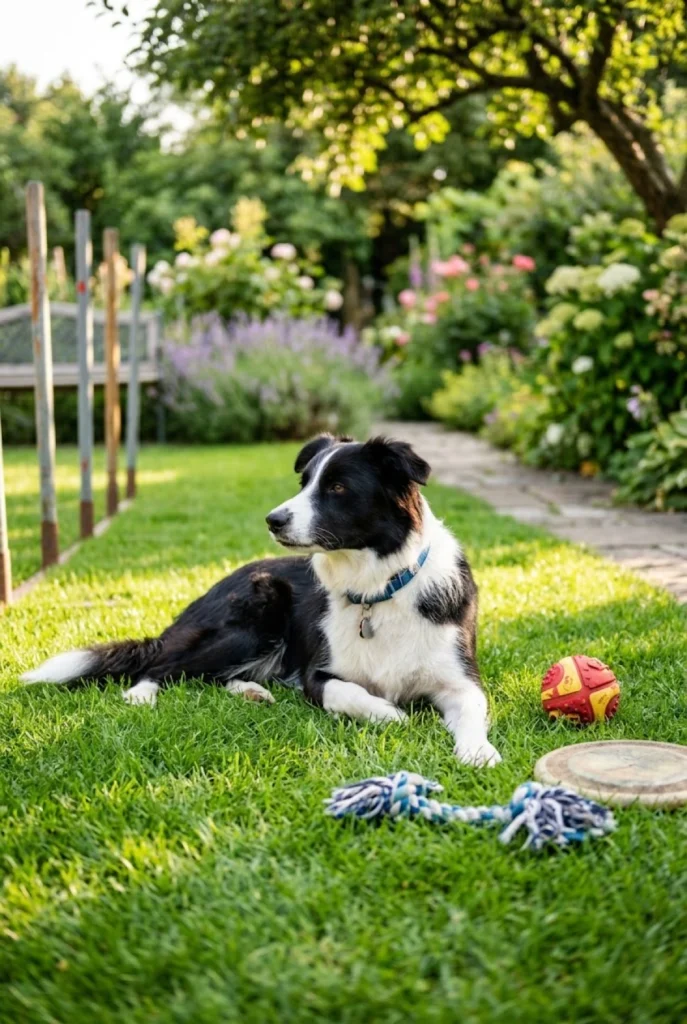
Daily exercise helps dogs use their energy in healthy ways and may support better sleep. Walking, playing fetch, exploring safe outdoor spaces, and participating in age-appropriate activities can help dogs feel satisfied. However, exercise requirements vary significantly. Puppies need gentle, age-appropriate activities, while adult working breeds may enjoy more structured physical challenges.
Mental stimulation is equally valuable. Puzzle toys, scent games, obedience training, and interactive play give dogs opportunities to use their brains. After these activities, many dogs naturally settle down for a nap. Avoid excessive exercise, particularly in hot weather or for dogs with health limitations. The goal is not to exhaust your dog but to provide a balanced day that includes activity, mental engagement, and sufficient recovery time.
19. Why Does Your Dog Sleep More After Exercise?

It is normal for many dogs to sleep more after a physically or mentally demanding day. Walking, running, swimming, playing, and training all use energy. Once these activities are finished, your dog may choose to rest so its body can recover. Puppies may also fall asleep quickly after short play sessions because growing bodies need plenty of recovery time.
The amount of additional rest depends on the activity and your dog’s fitness level. A long walk may leave one dog ready for a nap, while another may need more time to settle down. Provide fresh water, a comfortable resting place, and enough time to relax. However, excessive tiredness, weakness, limping, or unusual difficulty recovering after exercise should not be ignored. Consult a veterinarian if these signs appear.
20. How Temperature and Environment Affect Dog Sleep
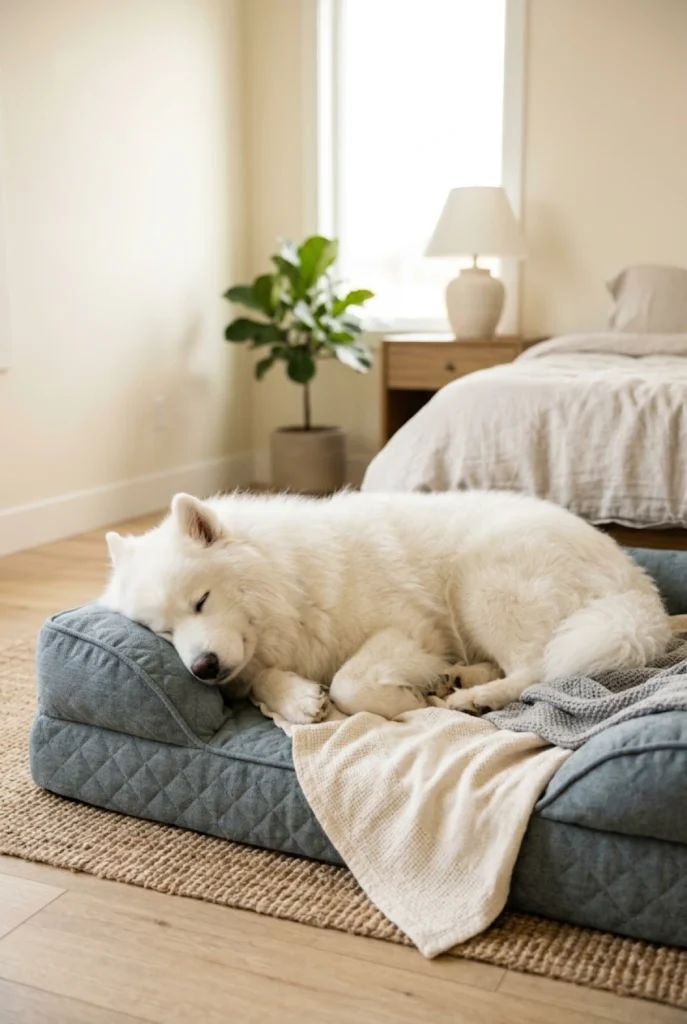
Your dog’s sleeping environment can influence how easily it relaxes and how comfortably it rests. Very hot rooms, cold floors, loud noises, bright lights, and frequent disturbances may interrupt sleep. Some dogs prefer sleeping in quiet corners, while others feel more comfortable near their families. Providing a suitable sleeping area helps support a peaceful routine.
Temperature is particularly important during extreme weather. In hot conditions, provide shade, ventilation, and access to fresh water. During colder weather, offer appropriate bedding and keep your dog away from chilly drafts. Never leave a dog in an overheated enclosed space. Pay attention to signs of discomfort, such as repeated movement, panting, shivering, or difficulty settling down. Adjust the environment according to your dog’s needs.
21. Why Does Your Dog Change Sleeping Positions?

Dogs change sleeping positions for different reasons, including comfort, temperature regulation, and personal preference. Some dogs curl into a ball because this position helps them feel secure. Others stretch out on their sides when they feel relaxed. Sleeping on their backs with their legs in the air may also be a sign that a dog feels comfortable in its environment.
It is normal for dogs to move around during sleep and choose different positions throughout the day. However, a dog that constantly changes position and cannot settle may be experiencing discomfort. Older dogs with joint problems may also struggle to find a comfortable position. Observe your dog’s usual habits and look for sudden changes. If your pet appears painful or restless, speak with your veterinarian.
22. Do Dogs Dream When They Sleep?

Yes, dogs experience sleep stages that include rapid eye movement (REM) sleep, a stage associated with dreaming. During this period, you may notice your dog moving its paws, twitching its nose, shifting its eyes beneath closed eyelids, or making small noises. These movements are generally normal and may occur while your dog is dreaming.
It can be tempting to wake a dog when it moves or makes sounds during sleep, but there is usually no need to disturb it. Instead, allow your pet to rest in a safe and comfortable location. If you need to wake your dog, use your voice gently rather than touching it suddenly. If movements appear violent, prolonged, or unusual, or your dog seems confused afterward, ask a veterinarian for advice.
23. When Should You Worry About Your Dog Sleeping Too Much?

Although dogs naturally sleep for many hours, a sudden change in sleeping habits may indicate a problem. If your normally active dog suddenly sleeps most of the day, refuses walks, avoids playing, or shows little interest in food, it deserves attention. Sleeping more than usual can sometimes be associated with pain, illness, stress, or other health conditions.
Look at the complete picture rather than counting sleep hours alone. Is your dog difficult to wake? Does it seem weak when standing? Has its appetite changed? Is it coughing, vomiting, limping, or breathing unusually? These additional symptoms can help your veterinarian understand what is happening. Seek prompt veterinary care if your dog has significant weakness, breathing difficulty, collapse, or other serious symptoms. Do not assume that unusual lethargy is simply normal aging.
24. How to Help a Puppy Sleep Through the Night
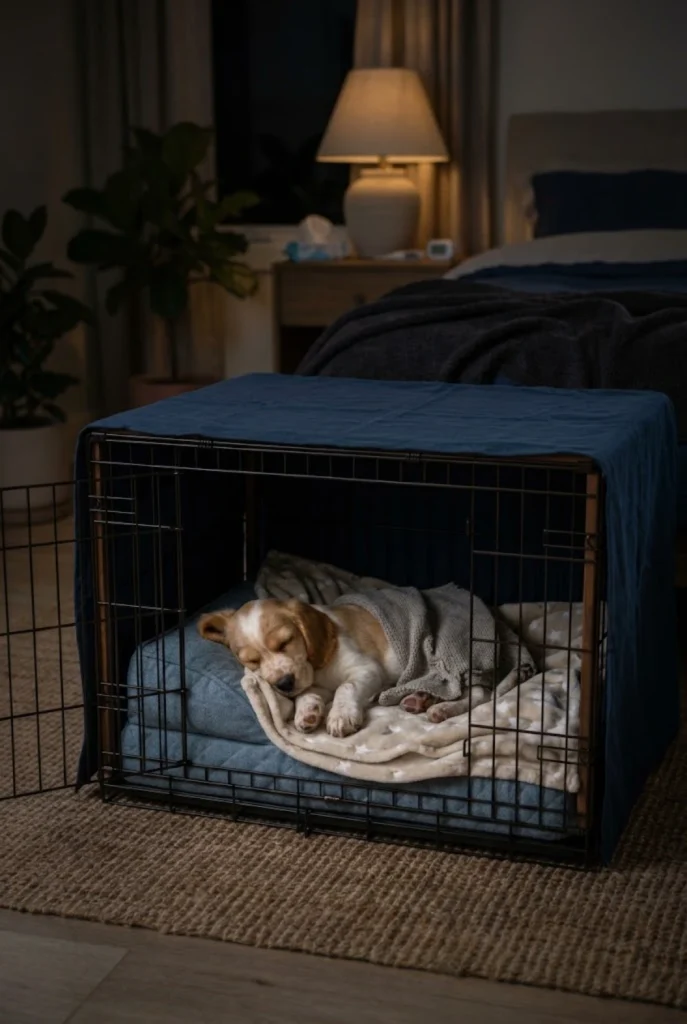
Helping a puppy sleep through the night takes patience, consistency, and an understanding of its age. Young puppies cannot always hold their bladder for an entire night, so they may need scheduled potty breaks. Create a calm bedtime routine and provide a safe sleeping area where your puppy feels comfortable. A suitable crate or puppy bed can help establish a predictable sleeping location.
Before bedtime, offer gentle play, an appropriate final meal according to your feeding schedule, and a potty break. Avoid exciting games immediately before sleep. If your puppy wakes during the night, respond calmly and take it to the toilet if needed. Keep the interaction quiet and return it to its sleeping area afterward. Never punish a puppy for waking or having an accident. Gradually, its sleeping routine should become more predictable.
25. Common Dog Sleeping Mistakes Owners Should Avoid
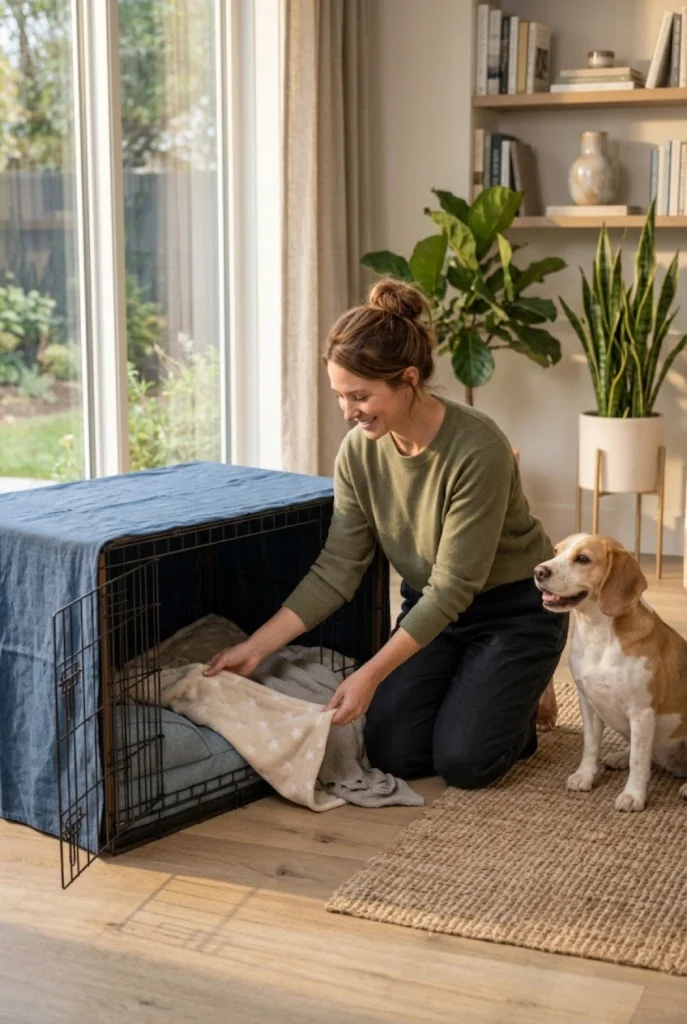
One common mistake is repeatedly waking a dog while it is sleeping. Dogs need uninterrupted rest, and unnecessary disturbances may make them uncomfortable or restless. Another mistake is expecting every dog to follow the same sleep schedule. A young puppy, active adult dog, and senior pet have different requirements. Owners should understand these differences instead of forcing a single routine.
Other mistakes include providing an uncomfortable bed, allowing excessive noise near the sleeping area, and failing to notice sudden changes in behavior. Some owners also try to tire their dogs out with excessive exercise, which may create physical stress rather than healthy rest. A better approach is to offer age-appropriate activities, regular routines, comfortable bedding, and veterinary care whenever unusual sleeping changes occur.
26. How to Track Your Dog’s Daily Sleeping Habits

Tracking your dog’s sleeping habits can help you understand its normal routine. Start by observing when your dog goes to sleep, how often it naps, and when it usually wakes up. You do not need complicated equipment. A simple notebook or daily checklist can help you record changes in its behavior and activity levels.
You can also note your dog’s exercise, meals, appetite, and mood. These details may help you identify whether a change in sleep is related to a particularly active day or something more concerning. If your dog suddenly starts sleeping much more or less than usual, share your observations with your veterinarian. Consistent tracking is especially useful for puppies and senior dogs because their needs may change as they grow older.
27. Frequently Asked Questions About Dog Sleep

How much sleep does a dog need every day?
Most healthy adult dogs need approximately 12 to 16 hours of sleep and rest per day. Puppies may need 16 to 20 hours, while senior dogs may also need additional rest. The exact amount depends on age, breed, health, and daily activities.
Is it normal for a dog to sleep 16 hours a day?
Yes, 16 hours can be normal for many dogs, especially puppies, senior pets, and dogs with active lifestyles. If your dog wakes up alert, eats normally, and enjoys its usual activities, this amount of sleep may be appropriate.
Should I wake my dog up from a nap?
Generally, allow your dog to sleep without unnecessary interruptions. However, you may gently wake it when necessary for important activities, such as scheduled medication or a potty break. Avoid startling a sleeping dog.
Do puppies sleep more than adult dogs?
Yes. Puppies usually require significantly more sleep because they are growing and developing. Depending on their age, they may sleep approximately 16 to 20 hours daily.
Why does my dog sleep more during the day?
Dogs naturally take several naps throughout the day. They may sleep more after exercise, play, training, or an exciting experience. However, sudden increases in sleep accompanied by unusual behavior should be checked by a veterinarian.
Do dogs need a sleeping schedule?
A consistent sleeping schedule can help dogs feel secure and comfortable. Regular meal times, walks, potty breaks, and bedtime routines make it easier for dogs to understand their daily activities.
Can a dog sleep too much?
Yes. Although dogs naturally sleep a lot, unusual excessive sleepiness, difficulty waking, weakness, or loss of interest in normal activities may indicate a health problem. Contact your veterinarian if you notice these changes.
Do senior dogs sleep more than younger dogs?
Many senior dogs need more rest because of age-related changes and slower recovery. However, sudden changes in sleeping habits should not automatically be considered normal aging.
28. How Sleep Changes as Your Dog Grows Older

Your dog’s sleeping needs will change throughout its life. During puppyhood, sleep supports rapid physical and mental development. As your dog reaches adulthood, its sleep pattern usually becomes more predictable, with longer nighttime sleep and several daytime naps. When it enters its senior years, it may begin resting more frequently and spending less time participating in energetic activities.
These changes are a natural part of development, but every dog ages differently. Small breeds may remain active for many years, while some large breeds reach their senior stage earlier. Continue providing age-appropriate exercise and comfortable bedding as your dog grows older. If its sleeping pattern changes suddenly, consult your veterinarian to make sure there is no underlying health concern.
29. The Connection Between Dog Sleep and Good Behavior
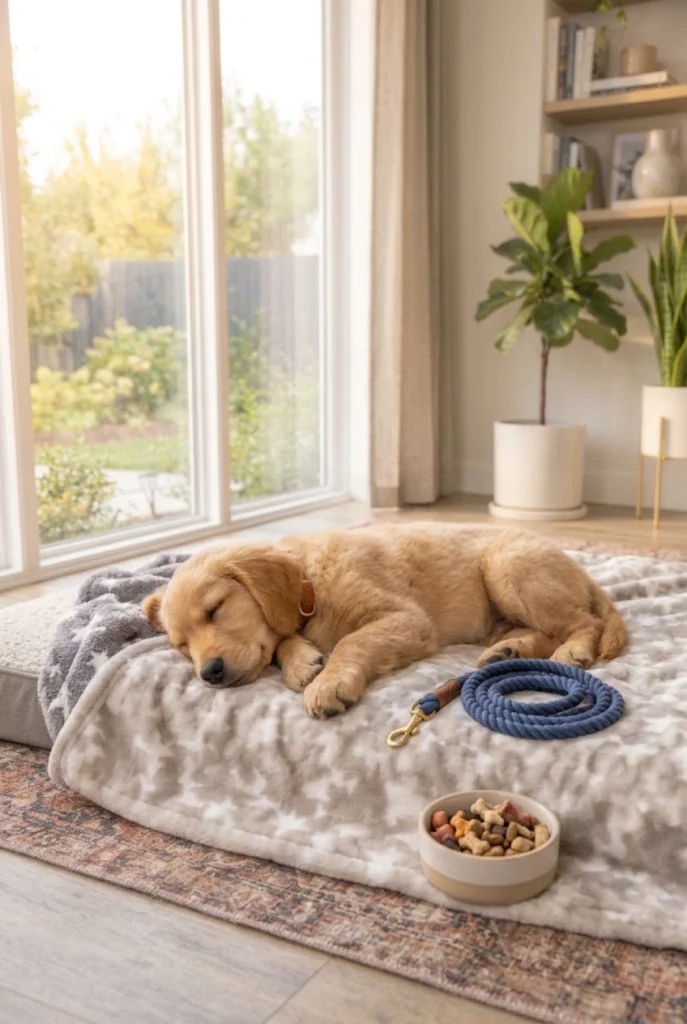
Sleep can influence how your dog behaves throughout the day. Dogs that receive adequate rest generally have better opportunities to maintain their attention, respond to training, and manage everyday activities. Puppies especially need sufficient sleep because they are constantly learning new commands, exploring their surroundings, and experiencing unfamiliar situations. Rest gives them time to recover between these activities.
A tired dog may sometimes become distracted, impatient, or unusually excitable. This can make basic obedience training more challenging. If your puppy struggles to concentrate, consider whether it needs a nap rather than another training session. Keep lessons short and positive, and allow enough time for relaxation afterward. Good behavior is supported by a healthy combination of consistent training, mental stimulation, physical activity, and quality sleep.
30. How to Make Your Dog’s Sleeping Area More Comfortable
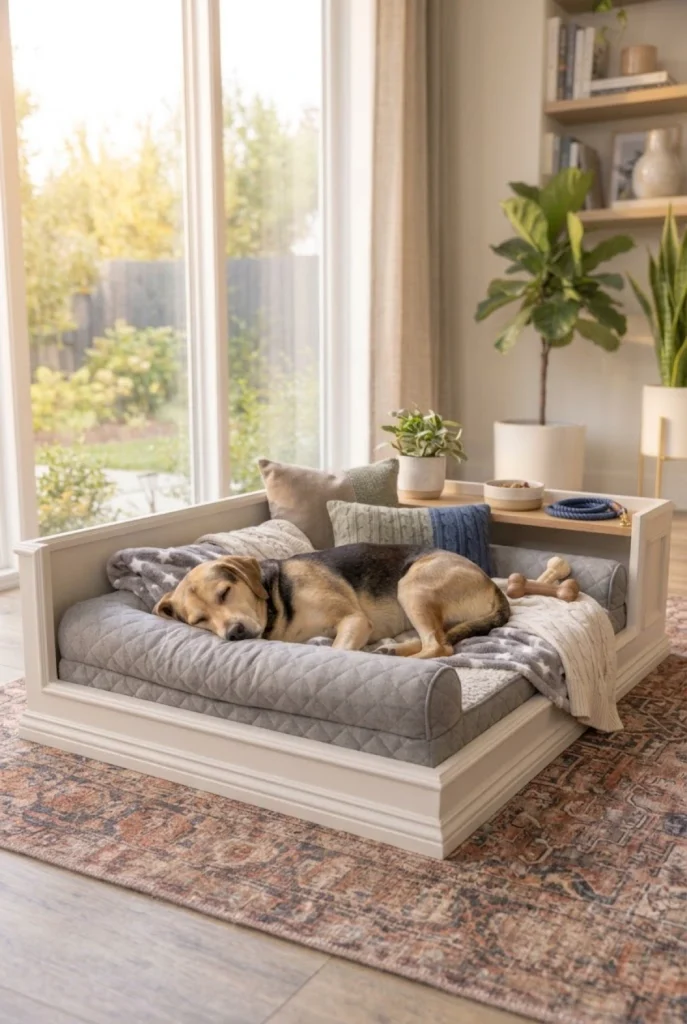
A comfortable sleeping area helps your dog relax and enjoy better-quality rest. Choose a bed that matches your dog’s body size and preferred sleeping position. Dogs that stretch out need enough space, while dogs that curl up may enjoy a bed with raised sides. Older dogs may benefit from supportive orthopedic bedding that reduces pressure on sensitive joints.
Keep the sleeping area clean and inspect the bedding regularly for damage, dirt, or unpleasant odors. Choose materials that are easy to wash and suitable for your local weather. In warmer months, ensure good ventilation, while colder months may require additional comfortable bedding. Place the bed somewhere your dog feels safe, and avoid frequently moving it without a reason. A familiar resting place can make bedtime easier.
31. Does Your Dog Need More Sleep During Certain Days?

Yes, your dog may occasionally need additional rest depending on its daily activities and circumstances. A particularly long walk, an exciting visit to the park, a training class, or a new social experience can make your pet tired. Puppies may also sleep more after exploring unfamiliar environments because they are processing many new experiences.
Temporary changes in sleep are not always a problem if your dog otherwise behaves normally. Give it an opportunity to rest, provide fresh water, and avoid forcing extra activity. However, unusual tiredness that continues for several days or occurs with symptoms such as reduced appetite, vomiting, or difficulty moving should be evaluated by a veterinarian. Pay attention to patterns rather than judging your dog’s health from one sleepy afternoon.
32. Final Tips for Maintaining a Healthy Dog Sleeping Routine
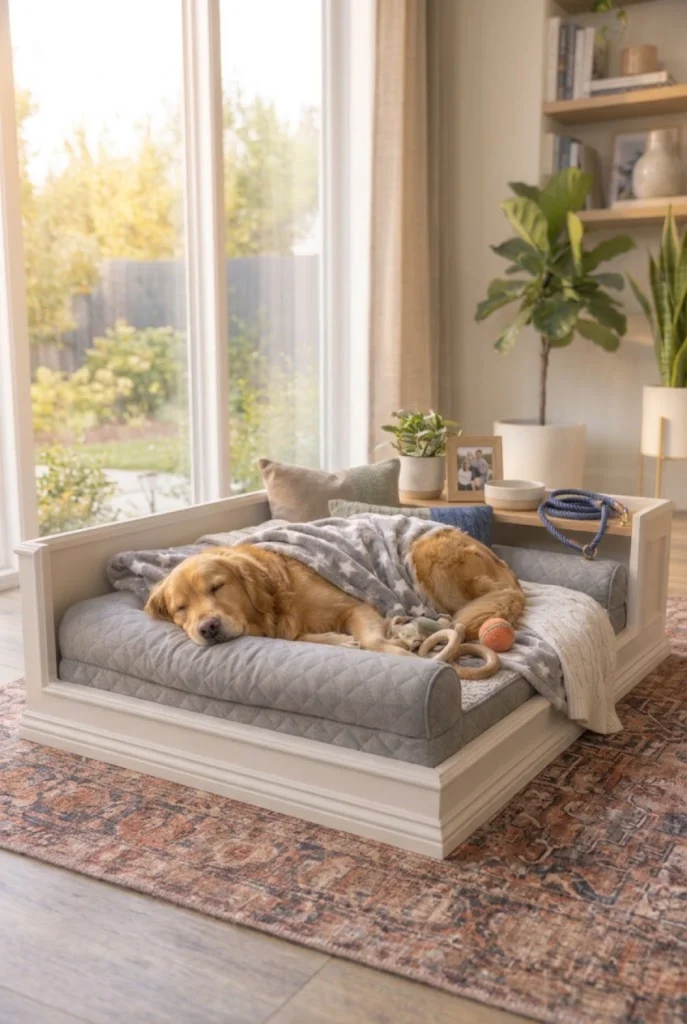
Maintaining a healthy sleeping routine does not have to be complicated. Understand your dog’s age-related needs, provide a comfortable resting area, and establish consistent daily activities. Make time for appropriate exercise, interactive games, regular meals, and peaceful naps. Avoid disturbing your dog unnecessarily when it is sleeping, and give puppies and senior dogs extra consideration when planning their activities.
Most importantly, learn what is normal for your individual pet. Some dogs naturally sleep more than others, and their needs may change over time. Watch for sudden differences in energy, appetite, behavior, and nighttime habits. If something seems unusual, speak with a veterinarian instead of assuming your dog is simply tired. A healthy balance of sleep, activity, nutrition, and affection can help your dog enjoy a happier and more comfortable life.
Conclusion
Understanding how much sleep your dog needs is an important part of responsible pet ownership. Puppies generally require the most sleep because they are growing and developing, while adult dogs need a healthy balance of nighttime rest and daytime naps. Senior dogs may need additional rest as their bodies age.
Remember that there is no single sleeping schedule that works for every dog. Age, breed, exercise, health, and lifestyle all influence sleeping habits. By providing a comfortable sleeping area, maintaining a consistent routine, and paying attention to changes in behavior, you can help your furry friend get the rest it needs.
A well-rested dog is better prepared to enjoy walks, playtime, training, and everyday family activities. Make sleep an important part of your dog’s daily care routine.