10 Ways to Help Your Dog Stay Calm Around Other Dogs
Does your dog bark, pull on the leash, or become overly excited whenever another dog appears? Walking your dog should be an enjoyable experience, but unexpected encounters can quickly become stressful when your furry companion struggles to remain calm. Whether your dog reacts out of fear, frustration, or excitement, the right training approach can help you build better habits and enjoy more peaceful walks together.
The good news is that you do not need to force your dog to meet every dog they see. With patience, consistency, and positive reinforcement, you can help your dog stay calm around other dogs and develop more comfortable social experiences. These ten practical training methods will help you understand your dog’s behavior, improve focus, reduce leash reactivity, and build confidence around canine companions.
1. Start Training at a Comfortable Distance
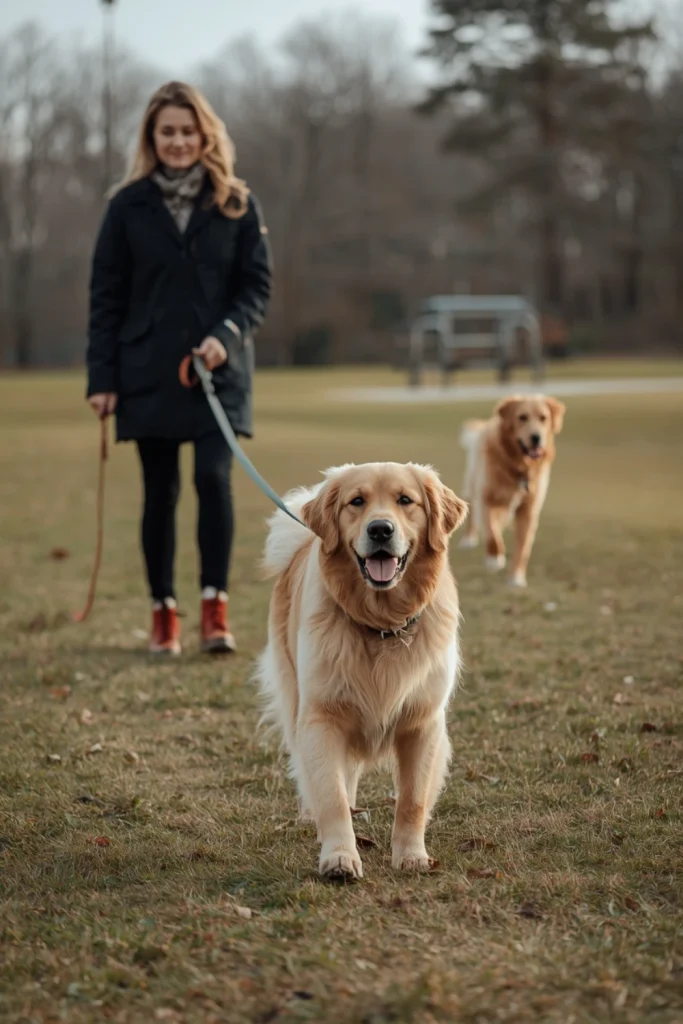
One of the most effective ways to help your dog stay calm around other dogs is to begin training at a comfortable distance. When another dog appears too close, your dog may become overwhelmed and react before they can respond to your cues. Find a quiet outdoor area where you can observe other dogs from far enough away that your dog can still take treats, look at you, and move comfortably. Reward calm observation and avoid approaching other dogs too quickly.
As your dog becomes more comfortable, gradually practice at different locations and distances. Watch your dog’s body language carefully. Stiff posture, intense staring, repeated barking, and pulling toward or away from another dog can indicate that the situation is too difficult. If these signs appear, calmly increase the distance. Progress should happen at your dog’s pace rather than according to a fixed schedule. Repeated positive experiences at a comfortable distance can help your dog develop confidence and reduce reactive behavior over time.
2. Use Positive Reinforcement for Calm Behavior
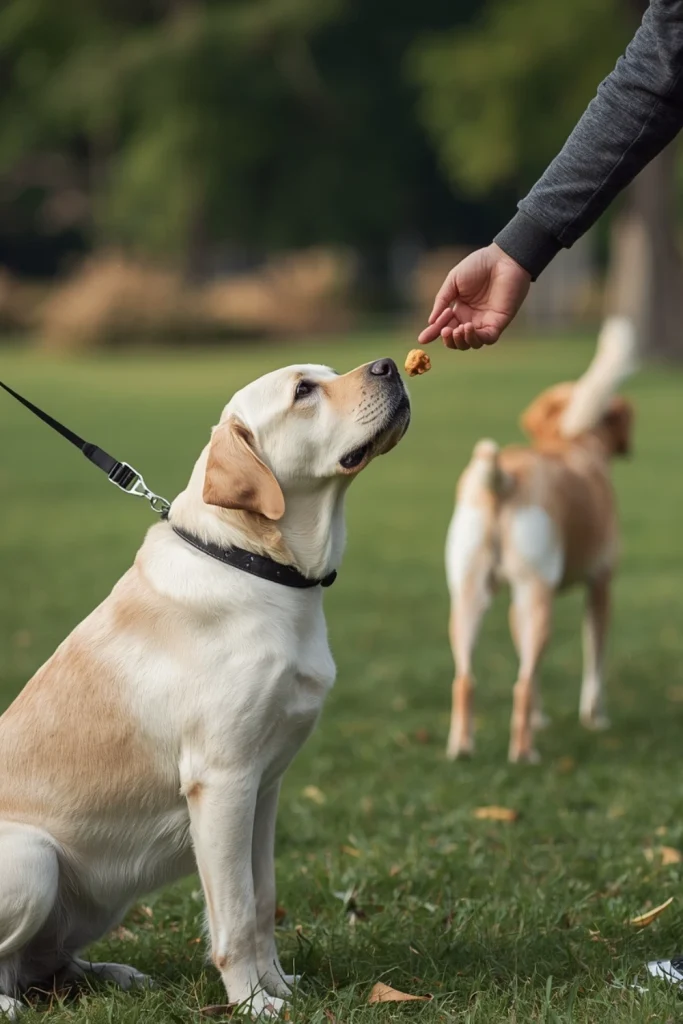
Positive reinforcement is a powerful training method that encourages your dog to repeat behaviors that earn rewards. When another dog appears, watch your dog’s reaction and reward them as soon as they notice the other dog calmly. Use small, high-value treats, gentle praise, or another reward your dog enjoys. Begin in an environment with few distractions so your dog can learn that seeing another dog without barking or lunging leads to something positive.
Once your dog understands the exercise, practice during quiet walks where other dogs are visible from a safe distance. Reward relaxed body language, checking in with you, and choosing to remain calm. If your dog starts reacting, avoid shouting or jerking the leash. Instead, move away until your dog can focus again. Keep sessions short and repeat them regularly. Over time, positive reinforcement can help your dog develop a more relaxed response to other dogs and make everyday walks easier to manage.
3. Teach Your Dog to Focus on You
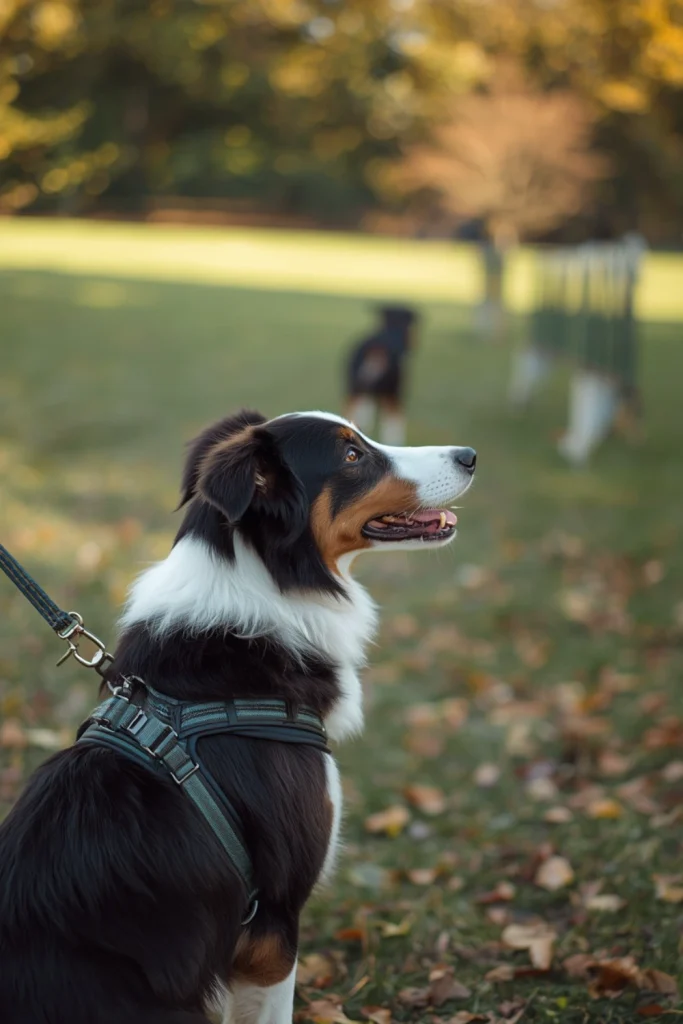
Teaching your dog to focus on you can make a significant difference during encounters with other dogs. Start indoors by saying your dog’s name in a friendly voice and rewarding them when they look at you. Once they respond consistently, introduce a cue such as “look at me.” Practice in different rooms and quiet outdoor areas before adding more challenging distractions. The goal is to make checking in with you a familiar and rewarding behavior.
When another dog appears during a walk, use the cue while your dog is still able to pay attention. Reward them for turning toward you instead of staring at the other dog. If your dog cannot respond, you may be too close to the trigger. Move away and try again from a more comfortable distance. Avoid repeatedly calling your dog when they are already overwhelmed. Building focus gradually helps your dog learn that you can guide them through exciting or uncertain situations.
4. Practice Calm Parallel Walking
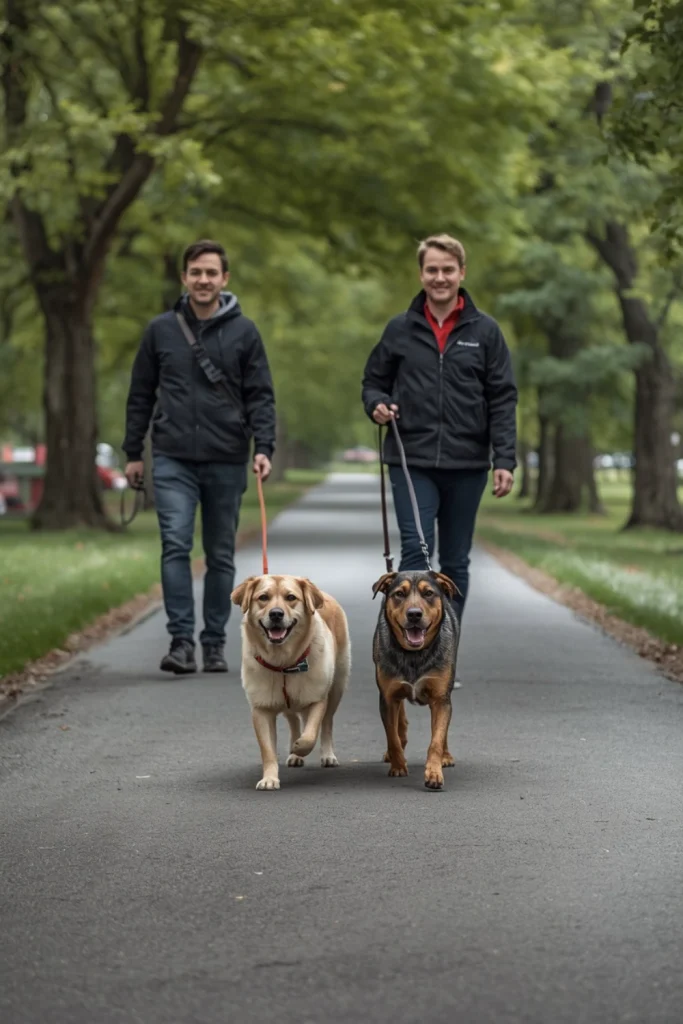
Parallel walking is a useful training exercise for dogs that struggle during direct face-to-face encounters. Instead of allowing two dogs to approach each other immediately, have them walk in the same direction with their handlers at a comfortable distance apart. Begin in a spacious location where both dogs can move freely without feeling crowded. Reward your dog for walking calmly, sniffing the environment, and checking in with you. Avoid pulling the dogs closer together before they are ready.
As both dogs become more comfortable, the handlers can gradually reduce the distance if their body language remains relaxed. Keep the walks short and allow each dog enough room to move away. There is no need to make the dogs greet each other at the end of the exercise. The purpose is to teach your dog that being near another dog does not require excitement or confrontation. If either dog begins barking, stiffening, or lunging, increase the distance and make the exercise easier.
5. Reward Your Dog for Looking Away From Other Dogs
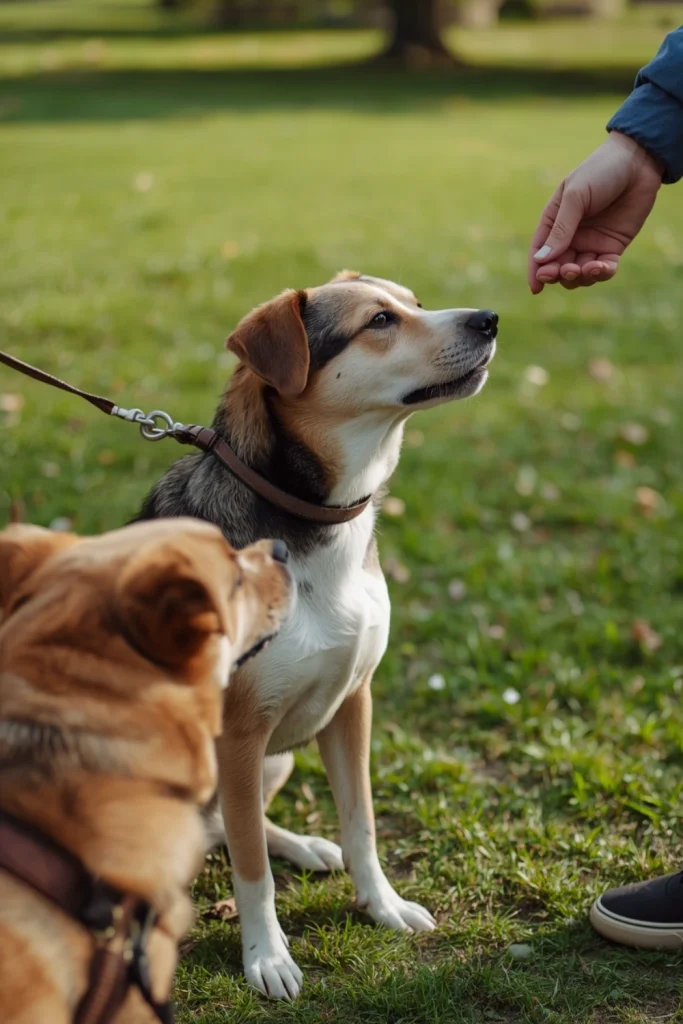
Some dogs become highly focused on other dogs and struggle to look away. They may stare intensely, stiffen their bodies, pull on the leash, or begin barking. Teaching your dog that looking away is rewarding can help interrupt this pattern before it escalates. Start at a comfortable distance where your dog can notice another dog without becoming overwhelmed. When your dog briefly looks at the other dog and then turns away naturally, mark the behavior with a word such as “yes” and offer a treat.
Practice this exercise during several short sessions. If your dog continues staring and cannot disengage, calmly create more distance instead of waiting for a reaction. You can also reward your dog for sniffing the ground, looking at you, or turning their body away from the other dog. These small choices help your dog learn that they do not need to remain focused on every canine they encounter. With consistent practice, disengaging can become a useful habit during walks.
6. Choose Quiet Walking Routes and Manage Triggers
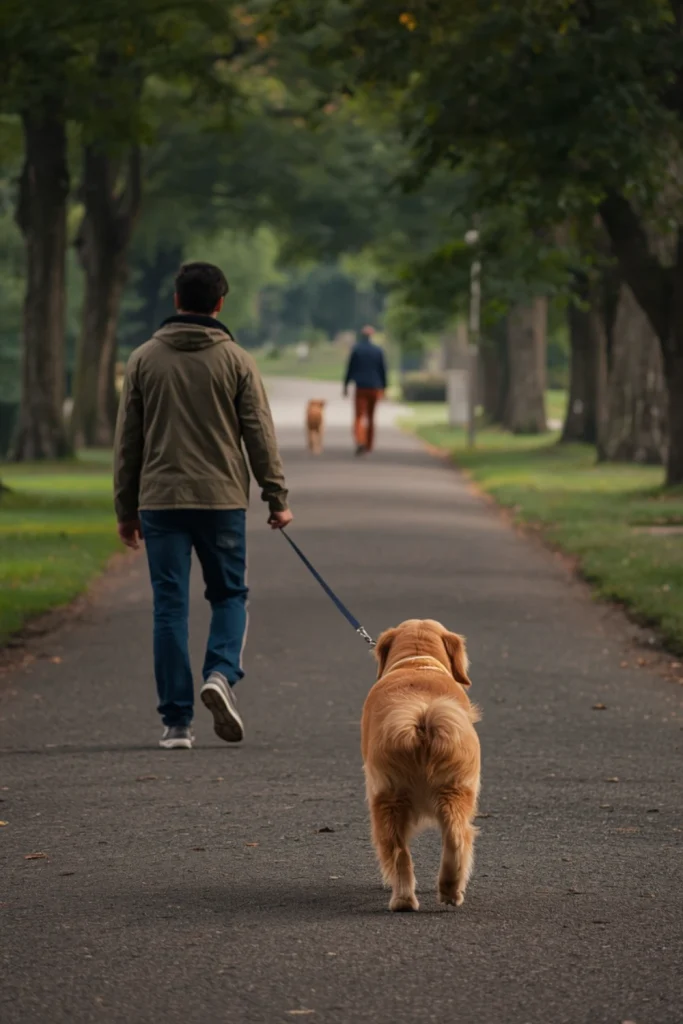
Your dog’s environment can strongly influence their ability to stay calm. Crowded sidewalks, narrow paths, busy dog parks, and areas with many loose dogs can create unnecessary pressure for a dog that struggles around canine companions. Choose quieter routes where you have enough space to move away from approaching dogs. Walk during less busy times when possible, and avoid locations where your dog repeatedly becomes overwhelmed. Managing the environment is a practical part of training, not a sign of failure.
As your dog improves, introduce slightly more challenging walking environments in a gradual way. Keep an eye on the surroundings so you can change direction before an encounter becomes too difficult. Cross the street, step behind a parked car where safe, or move onto a wider path when another dog approaches. These strategies help protect your dog’s comfort while giving you more opportunities to reward calm behavior. A carefully chosen walking route can make training more productive and help prevent repeated reactive episodes.
7. Teach a Reliable U-Turn Cue
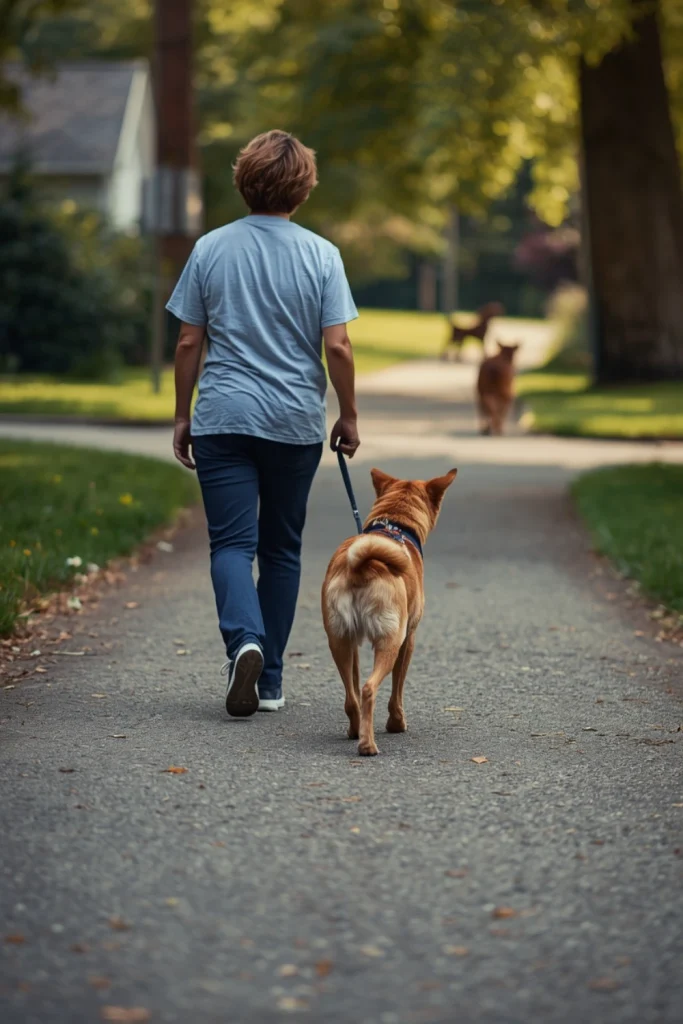
A U-turn cue gives you a simple way to move away when an approaching dog is too close. Begin in a quiet place with no dogs nearby. Walk forward with your dog, say a cue such as “this way,” and turn around in a cheerful manner. Reward your dog for following you. Repeat the exercise until your dog responds comfortably and quickly. Practicing before you encounter a trigger helps your dog learn the movement without the pressure of a difficult situation.
Once your dog understands the cue, use it during walks whenever an approaching dog makes the situation uncomfortable. Say the cue calmly, turn away, and reward your dog for following. Do not wait until your dog is already barking or lunging if you can safely change direction earlier. A U-turn is not about avoiding training forever; it helps you maintain a manageable distance so your dog can continue learning. Having a practiced exit strategy can reduce stress for both you and your dog.
8. Build Confidence With Simple Training Games
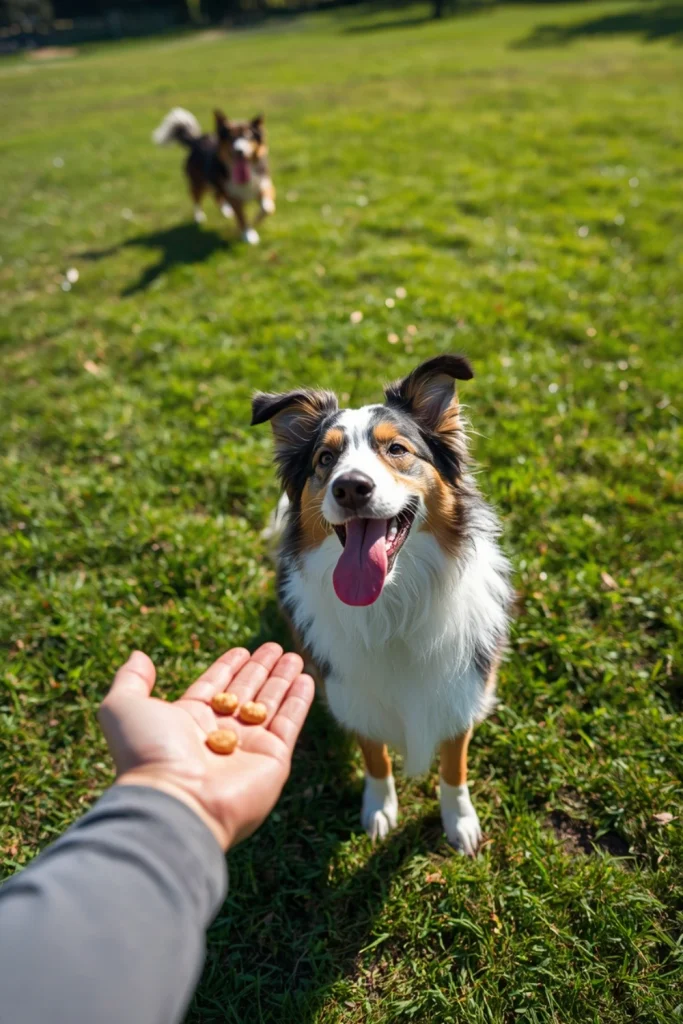
Simple training games can help dogs develop confidence and improve their ability to respond to their owners around distractions. Practice games such as hand targeting, “find it,” sit, and name recognition at home first. For hand targeting, present your open palm and reward your dog for gently touching it with their nose. For “find it,” toss a treat onto the ground and encourage your dog to search for it. These activities provide an enjoyable way to redirect attention and reinforce positive communication.
When your dog is comfortable with these games, practice outdoors at a distance from other dogs. If your dog notices another dog and remains relaxed, invite them to touch your hand or search for a treat. Make sure your dog is comfortable enough to participate. If they refuse food or cannot respond to familiar cues, increase the distance. Training games should help your dog feel successful rather than distract them from severe distress. Regular, easy practice can strengthen useful habits that transfer to everyday walks.
9. Avoid Forced Greetings and Overwhelming Dog Parks
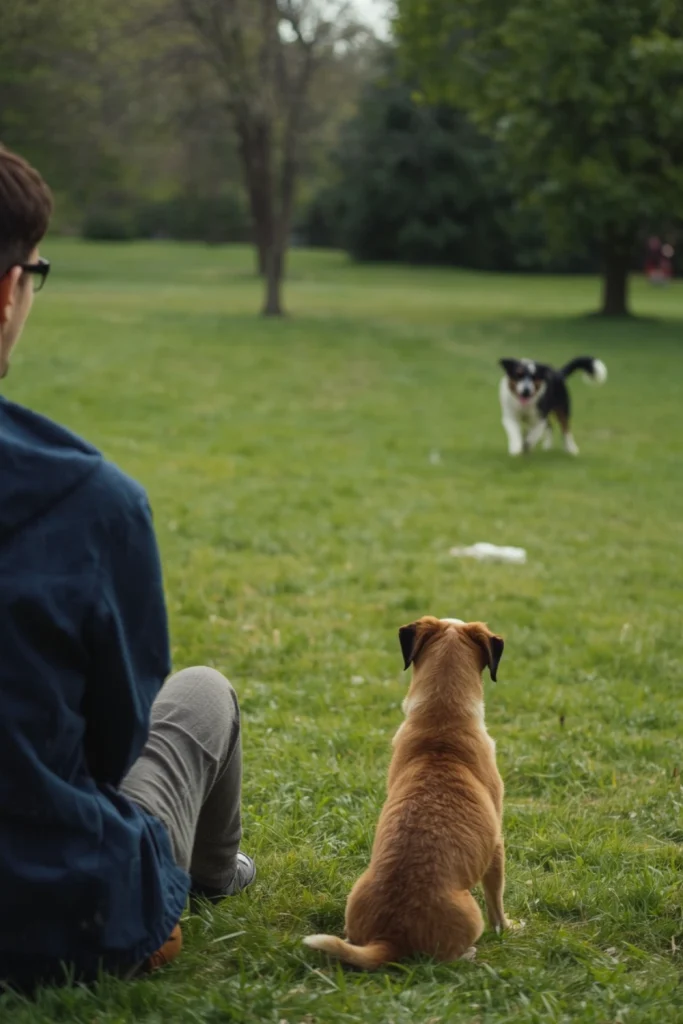
Many owners believe their dogs need to greet every dog they meet to become more social. However, forced greetings can make an anxious or reactive dog feel trapped and may increase barking, lunging, or defensive behavior. Your dog does not need to play with every canine to have a healthy, fulfilling life. Instead, allow them to observe other dogs from a comfortable distance and reward calm behavior. Choose interactions carefully, based on your dog’s individual temperament and comfort level.
If you want to introduce your dog to another dog, choose a calm, compatible companion and a spacious neutral location. Start with parallel walking and allow both dogs to approach only if their body language remains relaxed and both handlers feel comfortable. Avoid crowded dog parks while you are working on reactivity, because unpredictable approaches can make training difficult. Watch for stiff posture, repeated attempts to move away, growling, or intense staring. Give both dogs space and end the interaction if either becomes uncomfortable.
10. Create a Consistent Daily Training Routine
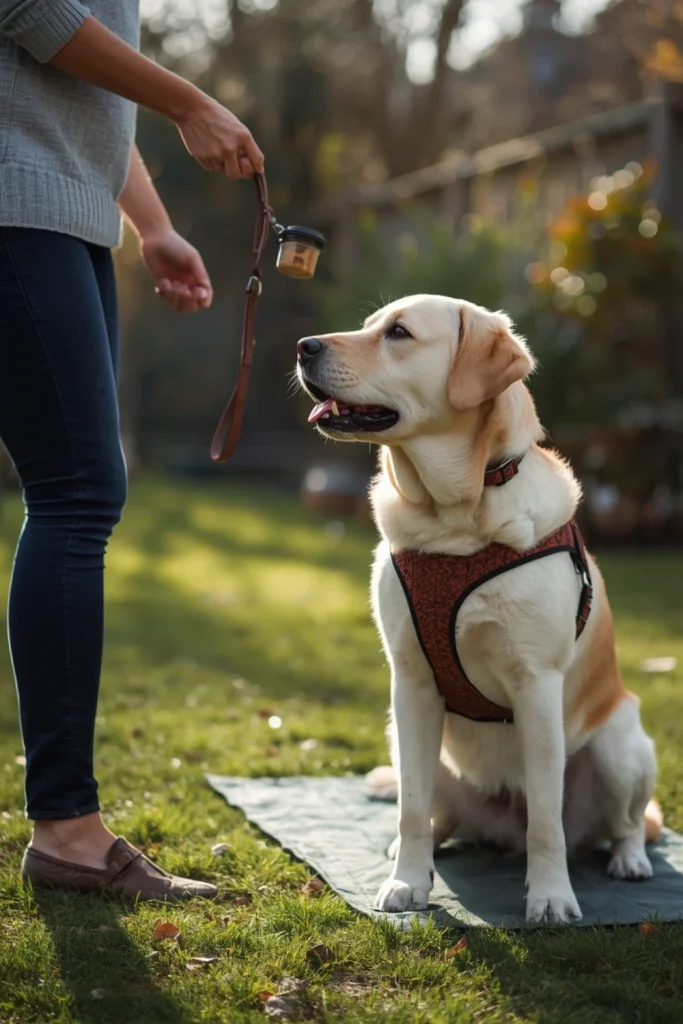
Consistency helps your dog learn that calm behavior around other dogs is rewarding and predictable. Instead of relying on occasional long training sessions, practice a few simple exercises every day. Work on name recognition, attention cues, calm observation, and U-turns in environments where your dog can succeed. Keep sessions short and end before your dog becomes overwhelmed. Carry suitable treats during walks so you can reward calm choices as they happen.
Track your dog’s progress by observing how close another dog can be before your dog becomes uncomfortable, how quickly they recover after an unexpected encounter, and whether they can respond to familiar cues. Progress is rarely perfectly linear, so expect some difficult days. If your dog’s reactions become more intense or include snapping and attempts to bite, seek help from a qualified reward-based trainer or veterinary behavior professional. If the behavior develops suddenly, consult a veterinarian to rule out pain or other medical causes. A consistent routine should prioritize emotional comfort and safety.
Conclusion
Learning to help your dog stay calm around other dogs takes patience, consistency, and an understanding of your dog’s individual needs. By using positive reinforcement, maintaining comfortable distances, teaching attention cues, and practicing controlled walking exercises, you can help your dog develop safer and more relaxed responses.
Remember that success does not require your dog to become friends with every canine they meet. The goal is to help your dog feel comfortable enough to walk past other dogs without unnecessary stress. Celebrate small improvements, respect your dog’s boundaries, and seek professional help when needed. With a thoughtful approach, everyday walks can gradually become more peaceful and enjoyable for both of you.