12 Training Ideas for Dogs That Bark at Strangers
Does your dog bark at every stranger who walks past your house, approaches your front door, or passes you during a walk? Although barking is a natural way for dogs to communicate, excessive barking can make everyday activities stressful. The good news is that you can help your dog develop calmer habits with patience, consistency, and the right training techniques.
These 12 training ideas will help you understand why your dog reacts to strangers and teach them more appropriate ways to respond. From positive reinforcement and attention-building exercises to controlled greetings and confidence games, each method focuses on helping your dog feel safer around unfamiliar people. With regular practice, you can build better communication with your dog and make walks, visitors, and daily routines more enjoyable.
1. Use Positive Reinforcement to Reward Calm Behavior
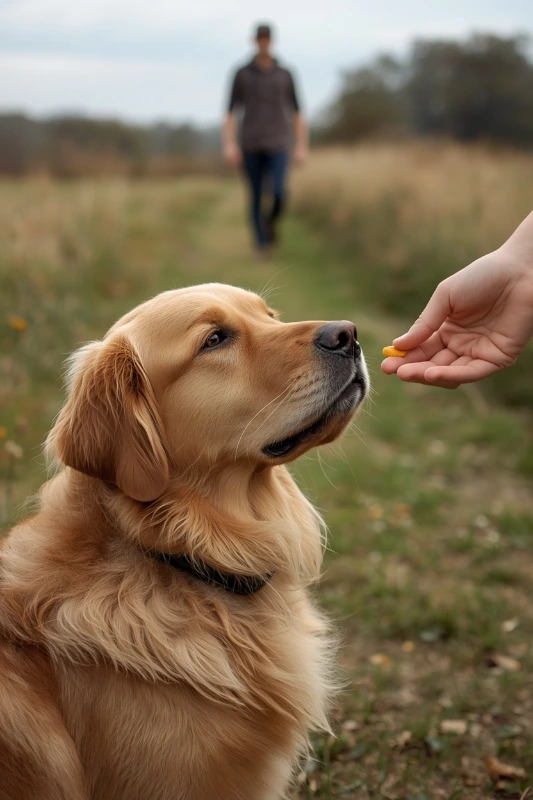
Positive reinforcement is one of the most effective training ideas for dogs that bark at strangers. This method involves rewarding your dog whenever they display a behavior you want to encourage. Start in a quiet environment where your dog feels comfortable. When your dog notices an unfamiliar person without barking, immediately offer a small treat and gentle praise. If your dog begins barking, calmly increase the distance from the stranger rather than shouting or forcing your dog to stay nearby.
As your dog becomes more comfortable, practice the same exercise outdoors where people are visible from a safe distance. Reward your dog for remaining relaxed, looking at you, or calmly observing someone passing by. Keep training sessions short and repeat them regularly. Over time, your dog can learn that seeing strangers predicts positive experiences rather than danger. Remember that progress takes patience, so celebrate small improvements instead of expecting your dog to stop barking immediately.
2. Teach Your Dog to Look at You on Cue
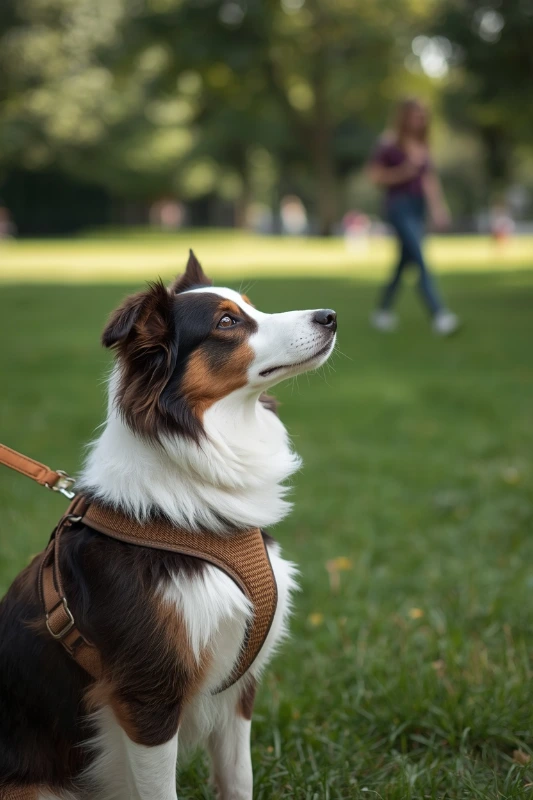
Teaching your dog to look at you when called is a valuable skill for managing barking around strangers. Begin indoors by saying your dog’s name in a friendly voice. Whenever your dog looks toward you, reward them with a treat and praise. Repeat the exercise until your dog responds consistently. Once they understand the game, introduce a cue such as “look at me.” Practice several times a day, keeping each session brief and enjoyable.
When your dog becomes reliable indoors, practice in the backyard or a quiet park. If your dog notices a stranger, use the attention cue before barking begins whenever possible. Reward your dog for turning away from the person and focusing on you. If your dog cannot respond, move farther away until they can relax and listen. This exercise teaches your dog an alternative behavior and helps build communication, making it easier to redirect attention during walks and everyday encounters.
3. Practice Calm Stranger Watching From a Distance
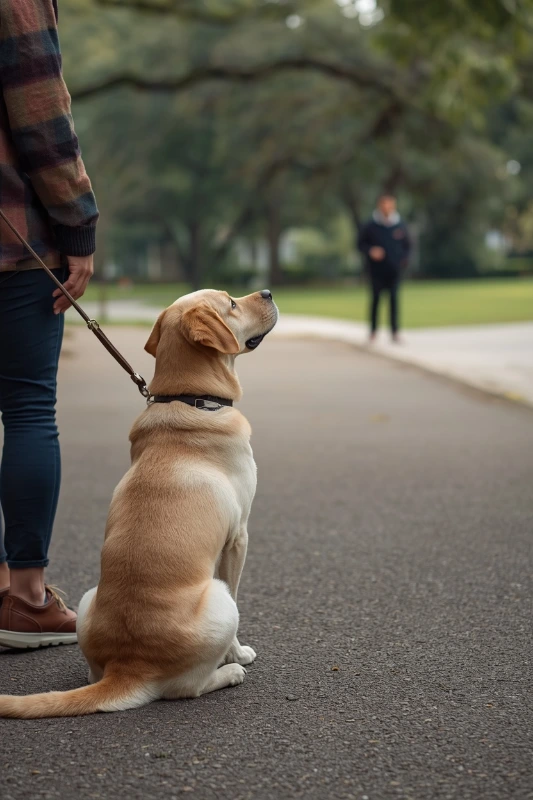
Some dogs bark because unfamiliar people approach too closely before they feel comfortable. One useful training idea is to let your dog observe strangers from a distance where they can remain relaxed. Choose a quiet location with enough space to move away when necessary. Allow your dog to notice pedestrians, and reward them whenever they watch calmly without barking. Avoid encouraging strangers to approach your dog during these early sessions.
The correct distance depends on your dog’s individual comfort level. Some dogs can calmly observe people across a street, while others need considerably more space. Watch for signs of discomfort, including stiff posture, intense staring, repeated barking, or attempts to move away. If your dog becomes uncomfortable, increase the distance and make the exercise easier. Gradually work closer only when your dog remains relaxed. The goal is to teach your dog that unfamiliar people can safely exist nearby without requiring a defensive reaction.
4. Teach the “Quiet” Cue Without Punishment
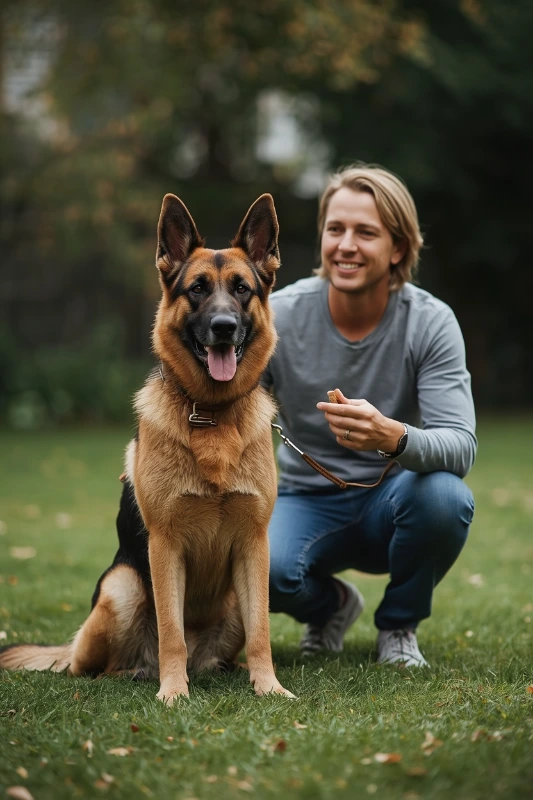
Teaching a “quiet” cue can help your dog learn to settle after becoming excited by a stranger. Begin in a familiar environment with minimal distractions. If your dog barks briefly and then pauses naturally, calmly say “quiet” and reward the silence. Practice during mild situations rather than waiting until your dog becomes highly excited. This helps your dog associate the cue with a calm moment instead of experiencing it as a frightening command.
Once your dog begins understanding the cue, practice when a person is visible at a comfortable distance. Say “quiet” in a relaxed voice and reward even a short pause in barking. Gradually encourage longer periods of calm behavior. Avoid repeatedly shouting the cue because your dog may interpret your raised voice as more excitement. If the barking continues, increase the distance from the trigger. Remember that a quiet cue should support emotional comfort, not suppress fear or prevent your dog from communicating genuine distress.
5. Train Your Dog to Go to a Mat or Bed

Teaching your dog to go to a designated mat or bed provides a clear alternative behavior when someone approaches your home. Start by placing a comfortable mat in a quiet location. Reward your dog for looking at the mat, stepping onto it, and eventually lying down. Introduce a cue such as “place” or “bed” when your dog begins moving to the mat consistently. Keep the exercise positive and gradually increase the time your dog spends resting there.
When your dog understands the behavior, practice with a family member gently knocking on the door or walking toward the entrance. Ask your dog to go to the mat and reward them for remaining settled. Begin with easy rehearsals rather than immediately introducing unfamiliar visitors. Make sure your dog can leave the area if they become uncomfortable. The mat should be a comfortable resting place, not a punishment. With regular practice, this training can help your dog develop a predictable routine when visitors arrive.
6. Practice Controlled Training With a Familiar Helper
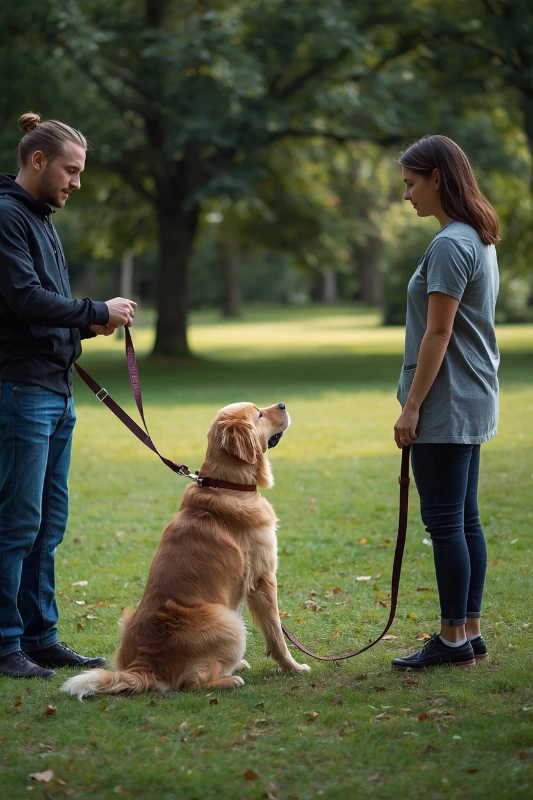
A familiar helper can make stranger training easier because you can control the environment and the difficulty of each exercise. Choose someone your dog does not know well, and explain the training plan before starting. Ask the helper to stand at a comfortable distance while you reward your dog for remaining calm. Initially, the helper should avoid staring directly at your dog, reaching toward them, or walking straight toward them, as these actions may feel threatening to an anxious animal.
As your dog becomes more comfortable, ask the helper to make small movements, such as walking slowly across the dog’s field of view. Reward your dog for calmly observing the movement or checking in with you. Allow your dog to move away whenever needed, and do not insist on a greeting. If barking or lunging occurs, increase the distance and make the exercise easier. Carefully managed practice can help your dog develop more positive associations with unfamiliar people without creating unnecessary stress or risking an unsafe interaction.
7. Reduce Window and Fence Barking
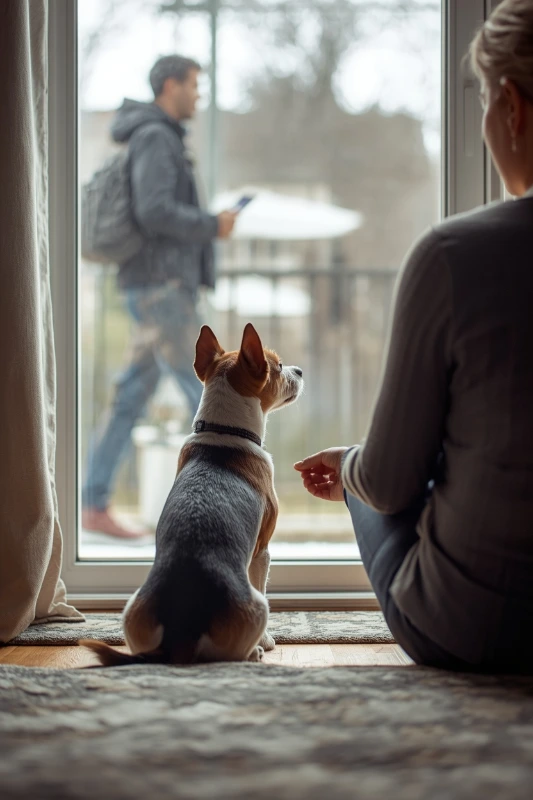
Window and fence barking often develops because dogs repeatedly see people passing their territory. When a dog barks and a pedestrian continues walking away, the dog may learn that barking makes the perceived threat disappear. To reduce this pattern, use curtains, privacy film, or furniture placement to limit your dog’s view of busy areas. Outside, supervise your dog and consider suitable visual barriers where practical. These management strategies help reduce repeated exposure while you work on teaching calmer behavior.
Next, practice calling your dog away from the window or fence and rewarding them for following you. You can also teach a mat cue in a quieter room where passing strangers are less visible. Begin with easy distractions and gradually introduce more challenging situations as your dog improves. Avoid leaving your dog outside unattended for long periods if fence barking is a frequent problem. Managing the environment does not replace training, but it prevents your dog from repeatedly rehearsing the barking behavior throughout the day.
8. Use Desensitization and Counterconditioning
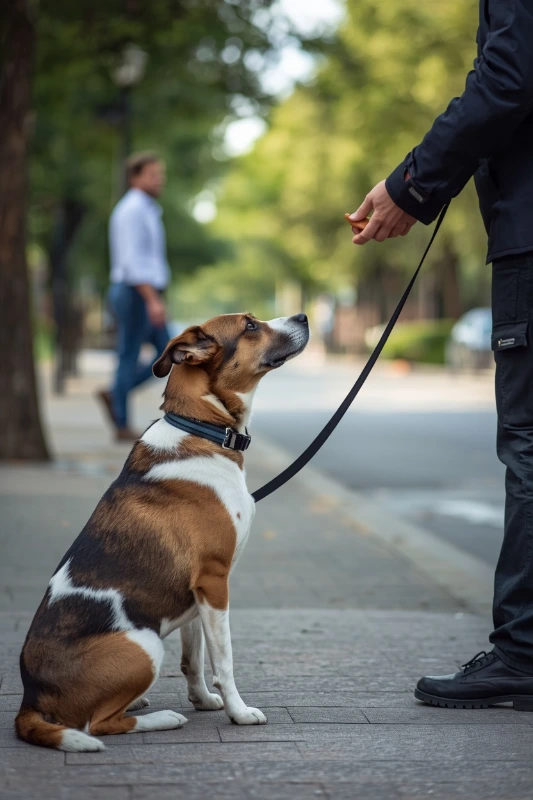
Desensitization and counterconditioning are useful approaches for dogs that bark because they feel uncomfortable around strangers. Desensitization means exposing your dog to a trigger at a low enough intensity that they can cope without becoming overwhelmed. Counterconditioning involves pairing that trigger with something your dog enjoys, such as a favorite treat. For example, your dog might see a stranger from far away, receive a treat, and then watch the person move out of sight. Over time, unfamiliar people can begin to predict a positive experience.
The key is to work at a distance where your dog remains relaxed. If your dog barks continuously, lunges, or cannot respond to familiar cues, the situation may be too difficult. Increase the distance, reduce the duration, or choose a quieter location. Repeat manageable sessions before gradually increasing the challenge. Progress may take weeks or months, especially for dogs with a history of fear. Avoid overwhelming your dog with crowded places or forced greetings, as these experiences can increase anxiety rather than improve confidence.
9. Teach Your Dog to Walk Calmly Past Strangers
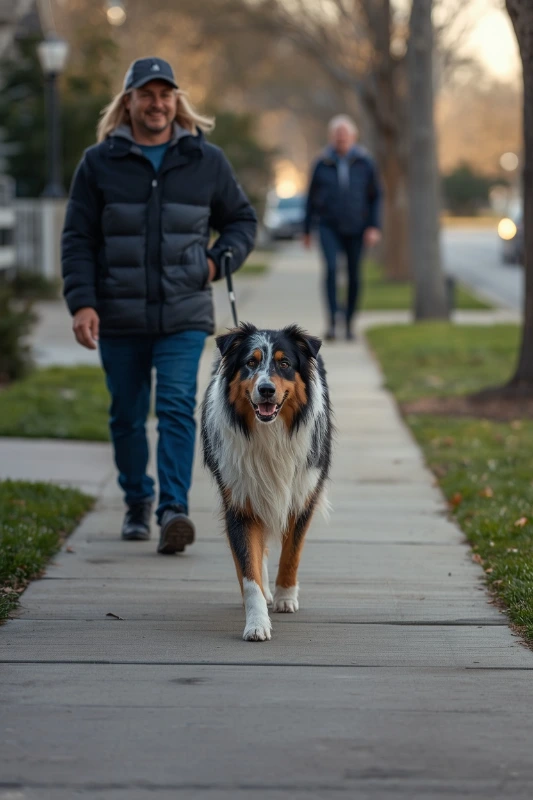
Walking calmly past unfamiliar people is an important skill for dogs that bark during neighborhood walks. Begin in a quiet area where you can maintain plenty of space from other pedestrians. Keep your dog on a secure, comfortable leash and reward them for walking beside you, checking in with you, and noticing people without reacting. If your dog starts staring intensely at someone, gently change direction before the barking begins. Your goal is to help your dog pass people safely rather than interact with everyone they encounter.
As your dog improves, gradually practice in slightly busier locations. Avoid tightening the leash unnecessarily, since tension can increase frustration or worry in some dogs. If someone wants to greet your dog, politely explain that you are training and prefer to keep moving. Reward calm behavior throughout your walks, and give your dog enough distance to remain comfortable. Consistent practice helps dogs learn that strangers are simply part of their surroundings. Always prioritize safety and avoid forcing close encounters when your dog appears uncomfortable.
10. Practice Calm Doorbell and Visitor Training
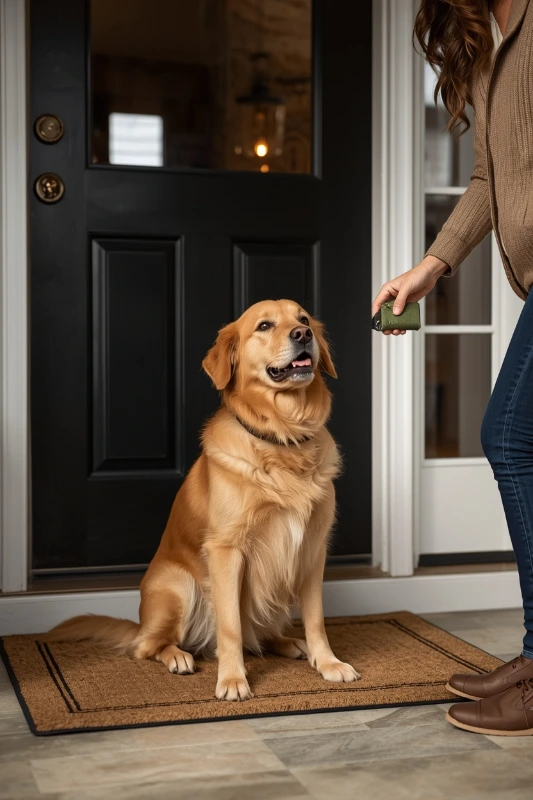
Doorbells, knocks, and opening doors can trigger barking because dogs associate these sounds with the arrival of unfamiliar people. You can teach a calmer response by practicing these sounds when no real visitor is present. Ask a family member to make a gentle knock or play a quiet doorbell recording while you reward your dog for remaining relaxed. Start with a low volume or a soft knock, then gradually increase the intensity as your dog becomes comfortable. This process helps your dog learn that these sounds do not always require an excited reaction.
Once your dog handles practice sounds calmly, introduce a simple routine: the doorbell rings, your dog goes to their mat, and you reward them for settling. For actual visitors, use a leash, baby gate, or separate room when necessary to prevent rushing through the door. Ask guests to wait until your dog is calm before entering the dog’s space. Never assume that improvement during practice means your dog is ready for unrestricted greetings. Controlled arrivals make it easier to maintain safety while helping your dog develop better habits.
11. Build Confidence With Simple Obedience Games
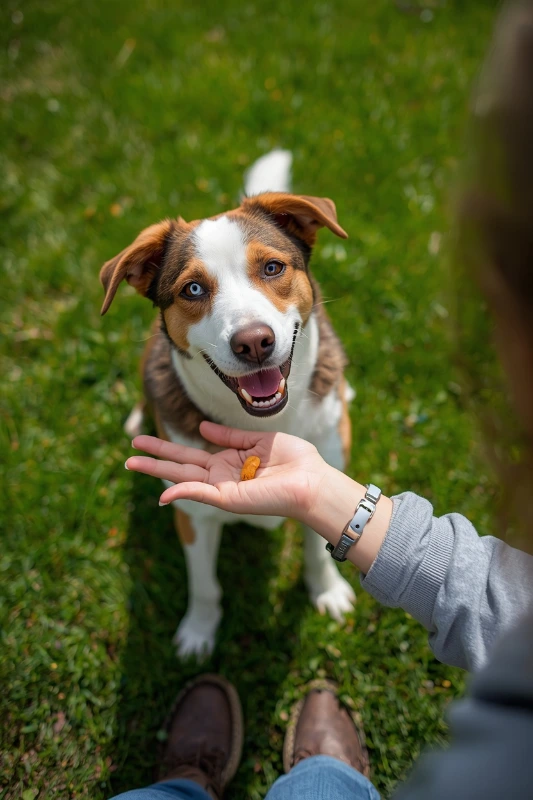
Basic obedience games can improve communication and give dogs useful skills to perform when strangers appear. Practice simple cues such as “sit,” “touch,” “come,” and “find it” in a quiet room or backyard. For a hand-target game, present your open palm near your dog and reward them when they gently touch it with their nose. For a find-it game, toss a treat onto the ground and encourage your dog to search for it. These activities provide an enjoyable alternative to fixating on unfamiliar people.
When your dog understands the games, practice outdoors where people are visible but not too close. If your dog notices a stranger, invite them to touch your hand or search for a treat, provided they remain comfortable and can respond. Keep sessions brief and enjoyable. Do not use obedience commands to force a frightened dog to stay near a trigger. These games should help your dog feel engaged and confident, not prevent them from moving away when they need space. Consistent practice can make everyday encounters easier to manage.
12. Create a Consistent Daily Training Routine
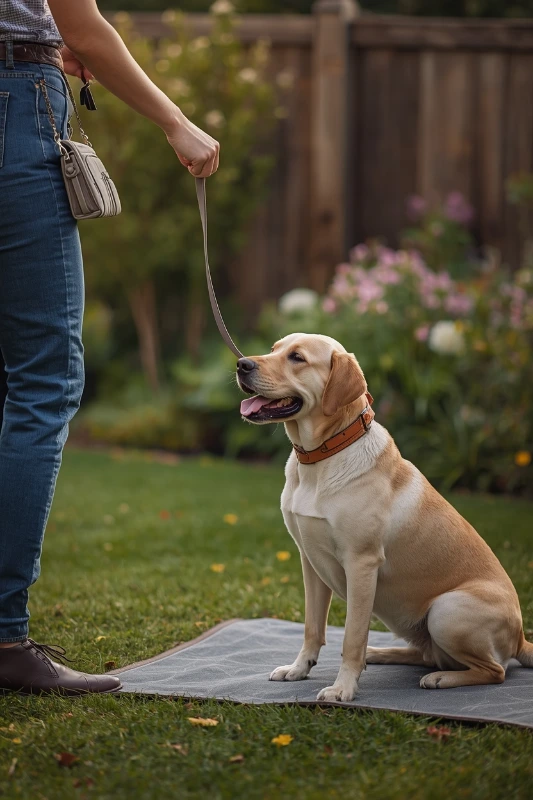
Consistency is one of the most important training ideas for dogs that bark at strangers. Rather than waiting for a difficult encounter, schedule short daily sessions to practice attention cues, calm observation, mat training, and rewarding quiet behavior. Five minutes of focused practice can be more useful than a long session that leaves your dog overwhelmed. Choose a few skills that suit your dog’s needs, and repeat them in familiar environments before introducing new distractions. Keep treats ready during walks so you can reward calm choices at the right moment.
Track your dog’s progress by noting how close a stranger can be before your dog becomes uncomfortable, how quickly your dog recovers after a surprise, and whether they can respond to familiar cues. Expect occasional setbacks, especially in unfamiliar environments or stressful situations. If your dog develops sudden barking or a significant change in behavior, consult a veterinarian to rule out pain or other medical issues. For persistent barking, lunging, snapping, or severe fear, seek help from a qualified reward-based trainer or veterinary behavior professional. A realistic routine should prioritize confidence and safety rather than eliminating every bark.
Conclusion
Helping your dog feel comfortable around unfamiliar people takes patience, understanding, and consistent practice. These 12 training ideas provide a practical starting point, from rewarding quiet behavior and teaching attention cues to practicing controlled greetings and reducing window barking.
The most important step is to understand what your dog is communicating. Give them enough space to feel safe, reward small improvements, and introduce new challenges gradually. Avoid punishment and never force interactions with strangers. With a thoughtful training routine and the right support when needed, you can help your dog develop calmer responses and enjoy a more peaceful daily life.