10 Training Ideas to Keep a Distracted Dog Engaged
Does your dog lose interest in training after a few seconds? Does every passing person, interesting smell, or sudden sound seem more exciting than listening to you? You are not alone. Many dogs struggle to concentrate, especially when they are young, energetic, curious, or still learning how to manage distractions.
The good news is that training does not have to feel like a battle for attention. With the right activities, short practice sessions, and rewards your dog genuinely enjoys, you can make learning more interesting and rewarding. These training ideas to keep a distracted dog engaged will help you improve focus, encourage better listening skills, and turn everyday moments into opportunities for positive learning.
1. Start With Short, Rewarding Training Sessions
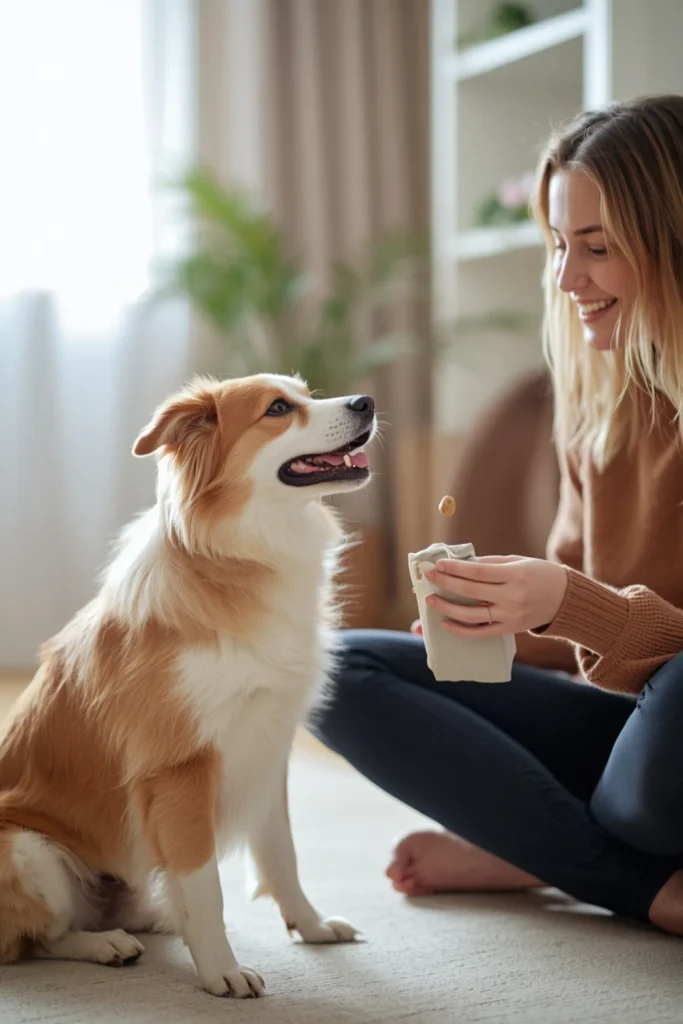
One of the most useful training ideas to keep a distracted dog engaged is to make each session short enough for your dog to succeed. Instead of expecting your companion to focus for twenty minutes, begin with just two to five minutes of practice, depending on their age, energy, and experience. Work on one simple skill, such as responding to their name, sitting, or touching your hand with their nose. Reward successful responses immediately so your dog understands which behavior earns a reward.
Finish while your dog is still interested rather than waiting until they become restless. You can repeat short sessions at different times of the day, allowing breaks for play, sniffing, and rest. If your dog starts wandering away or repeatedly looks elsewhere, make the task easier or end the session calmly. Consistent, enjoyable practice helps your dog learn that training is a positive activity instead of a long test of patience.
2. Use High-Value Rewards to Maintain Interest
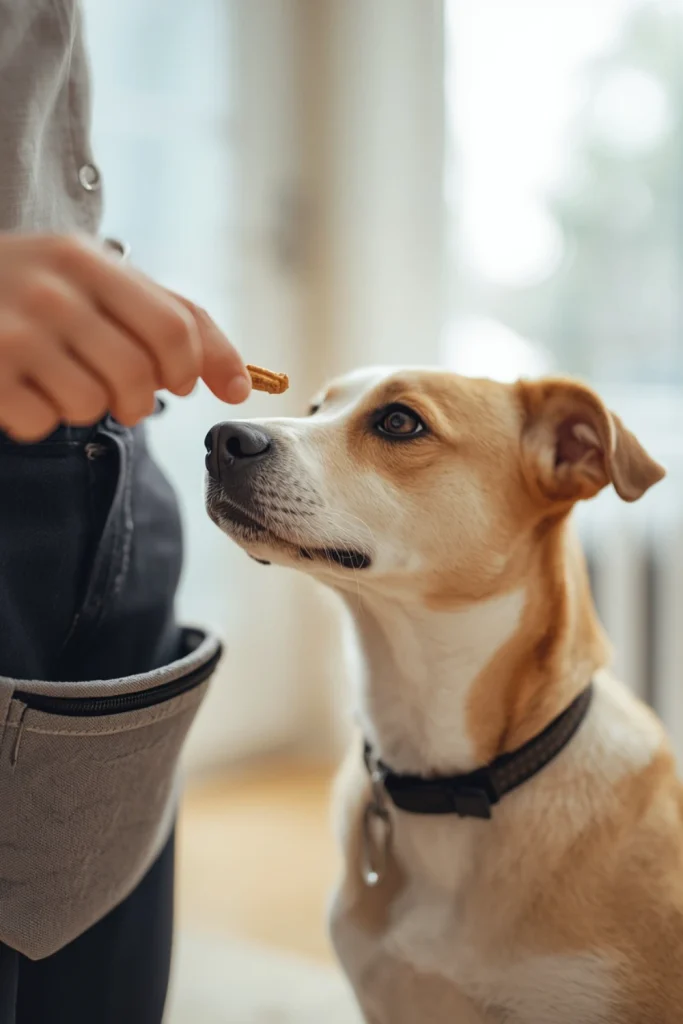
The right reward can make a big difference when your dog finds it difficult to concentrate. Some dogs respond well to their regular kibble, while others become more interested when offered a small piece of a favorite dog-safe treat. Toys, praise, a short game, or permission to sniff an interesting spot can also work as rewards. Experiment with different options in easy training situations and notice which ones help your dog stay engaged.
Save especially appealing rewards for challenging exercises or environments with mild distractions. Keep food pieces small so your dog can eat them quickly and return to learning. Make sure treats suit your dog’s dietary needs, and account for them in their daily food intake. If your dog ignores a treat outside, do not assume they are being disobedient. The environment may simply be too exciting. Increase the distance from distractions or move to a quieter place before trying again.
3. Play the Name Recognition and Eye Contact Game
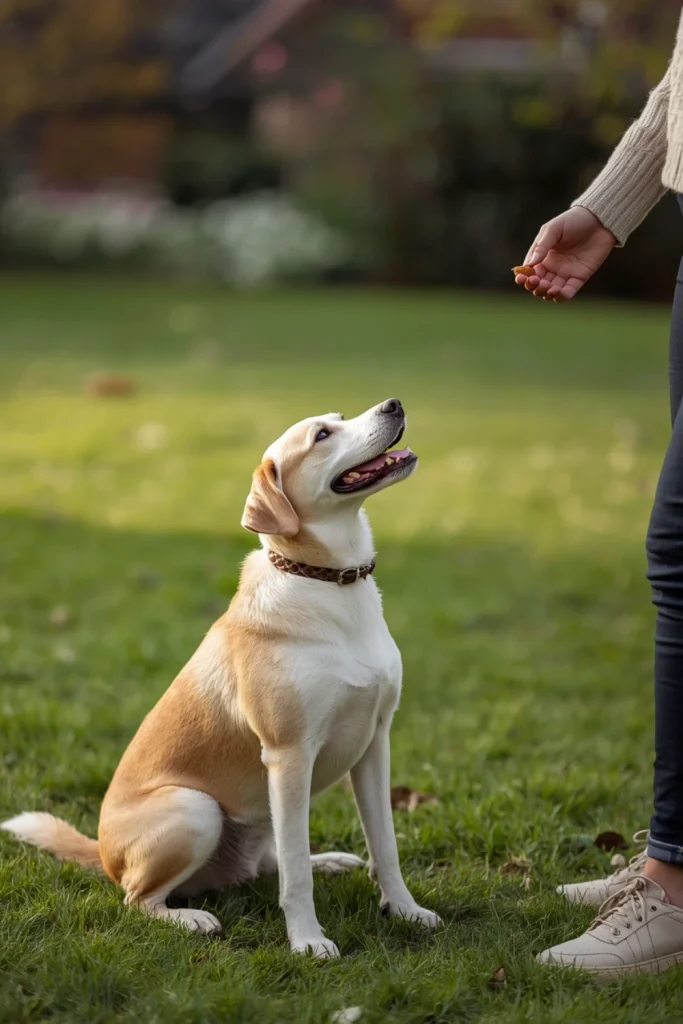
Before expecting your dog to follow complicated commands, teach them that paying attention to you is worthwhile. Start in a quiet room and say your dog’s name once in a cheerful voice. When they turn their head toward you, immediately mark the response with a word such as “yes” and offer a reward. Repeat a few times, pausing between repetitions. This simple exercise helps your dog learn that responding to their name is an easy way to earn something enjoyable.
Once your dog responds reliably indoors, practice in a garden or another familiar location with mild distractions. Gradually increase the difficulty as your dog succeeds. You can also reward voluntary eye contact when your dog naturally looks toward you during a walk. Do not repeatedly call their name when they are too distracted to respond, and avoid using their name mainly to scold them. The aim is to make checking in with you a rewarding habit that your dog chooses even when other things are happening nearby.
4. Turn Training Into a Fun Find-the-Treat Game
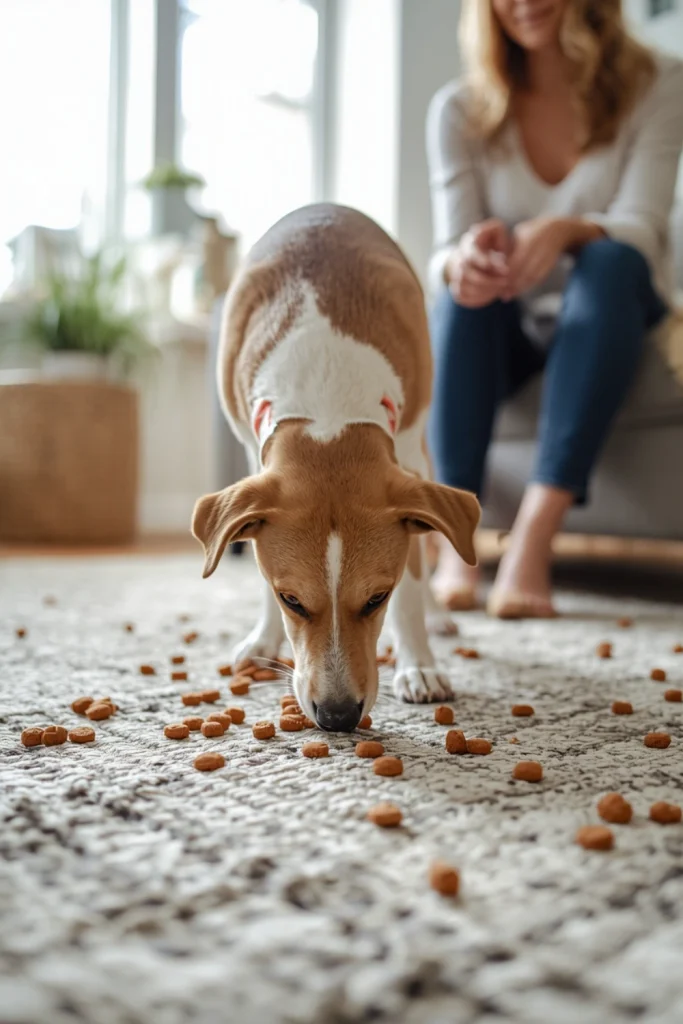
Dogs naturally enjoy using their noses, so scent games can be a great way to engage a distracted companion. Begin by placing a few small treats on the floor in a familiar room and using a cue such as “find it.” Allow your dog to sniff and discover each treat without rushing. Once they understand the game, hide treats in easy-to-find locations around the room or use a snuffle mat designed for dogs. Keep the first rounds simple so your dog experiences success quickly.
Scent games provide mental stimulation and give energetic dogs a constructive activity between obedience exercises. You can use them as a short break when your dog loses interest in repetitive commands, or as a warm-up before a training session. Increase the difficulty gradually by hiding treats behind safe objects or in different rooms. Always supervise your dog around enrichment materials, and avoid hiding food near dangerous objects or places where your dog could become stuck. The goal is to encourage curiosity while keeping the activity safe and enjoyable.
5. Practice Training During Everyday Walks
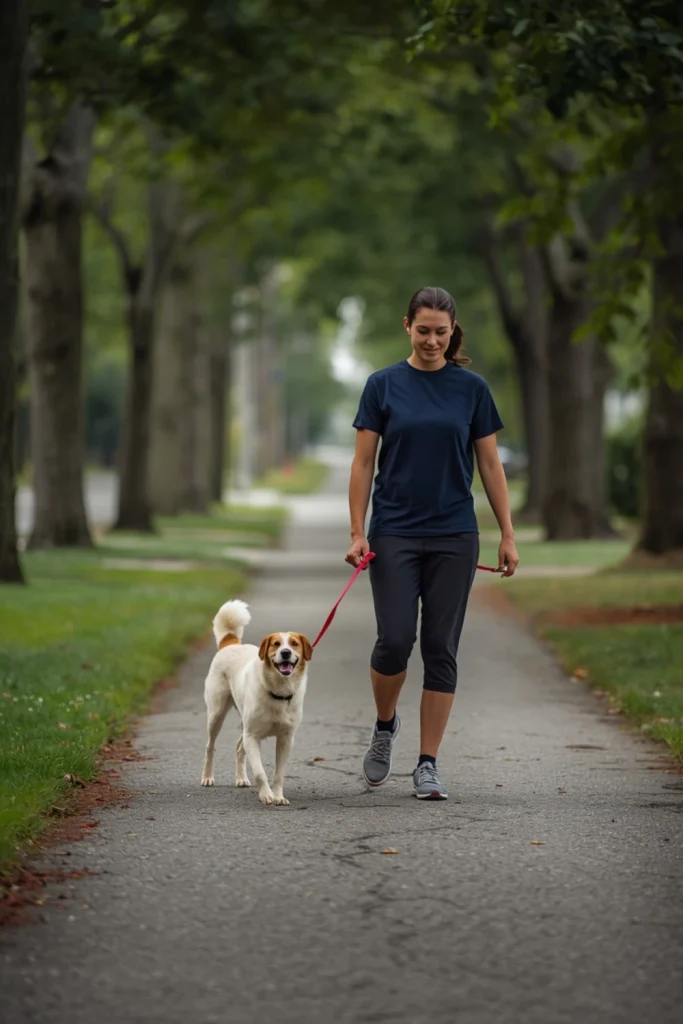
Walks provide natural opportunities to teach your dog to pay attention without expecting them to ignore everything around them. Begin on a quiet route and reward your companion for checking in with you, walking beside you for a few steps, or responding to their name. You can occasionally pause and practice a familiar cue such as “sit” before continuing. Keep these exercises brief so your dog still has time to sniff, explore, and enjoy the walk.
As your dog improves, practice in slightly more interesting environments while maintaining enough distance from distractions for them to respond successfully. If your dog becomes fixated on another dog, a cyclist, or a moving object, do not keep repeating commands. Move farther away or use a visual barrier when safe. Reward your dog when they turn their attention back to you. Remember that walks are not only for obedience; sniffing and exploring are valuable activities that can make your dog more satisfied and ready to learn later.
6. Use Tug and Fetch as Training Rewards
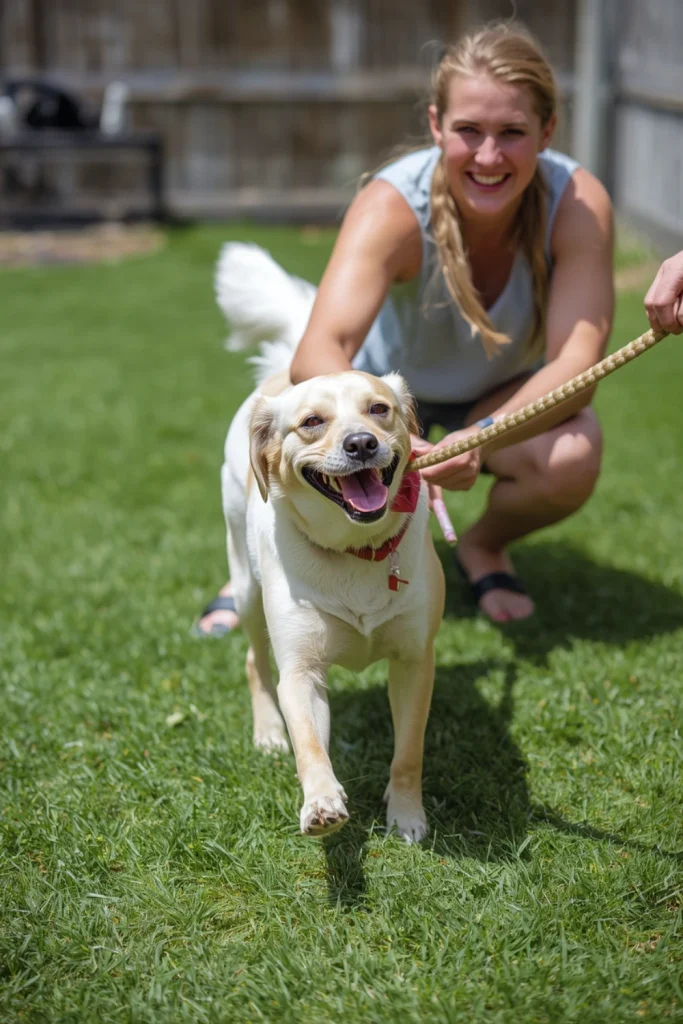
Some dogs become more interested in toys than food, making play a useful training reward. If your dog enjoys tug, fetch, or chasing a toy, use a brief game after they successfully respond to a cue. For example, ask for a sit, mark the response, and then begin a short tug session. This teaches your dog that listening to you can lead to an activity they already love. Keep the game appropriate for your dog’s age, health, and physical abilities.
You can also use play to practice impulse control. Ask your dog to wait briefly before you throw a ball or begin tugging, then release them with a clear cue such as “go.” Start with a very short wait and increase it only when your dog remains comfortable. Avoid making the exercise frustrating by withholding the toy for too long. If your dog becomes overexcited, pause the game and allow them to settle before continuing. The purpose is to make training lively while encouraging cooperation and self-control.
7. Teach a Hand-Targeting Game
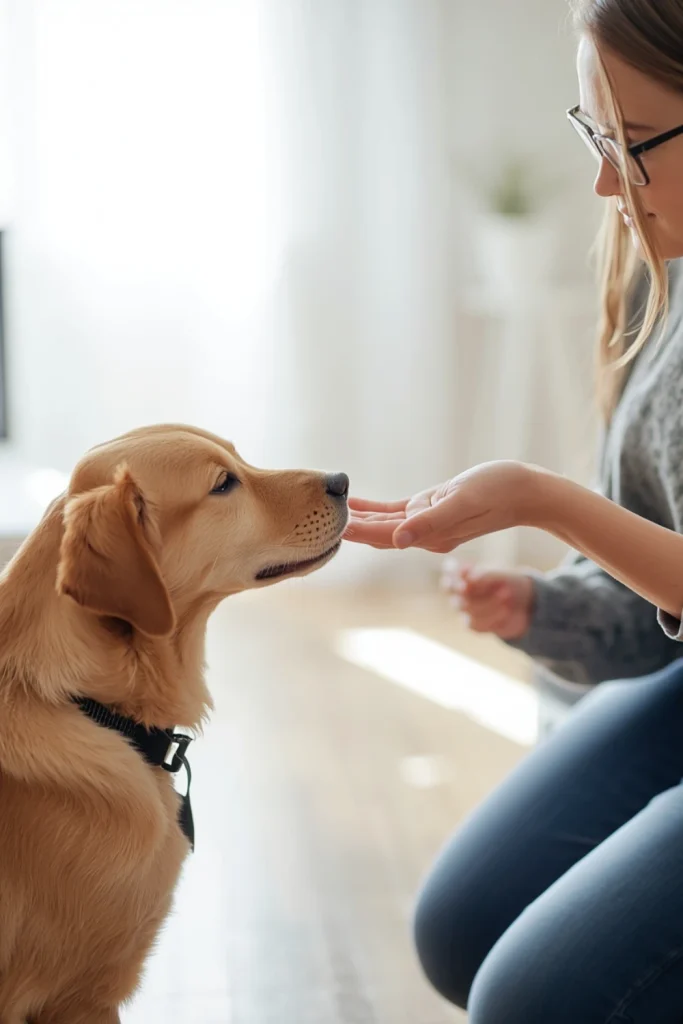
Hand targeting is a simple exercise in which your dog learns to touch your open palm with their nose. Hold your hand a short distance from your dog and wait for them to investigate it. The moment their nose touches your palm, mark the behavior and offer a reward. If your dog does not approach, move your hand slightly closer or try again when they are more relaxed. Avoid pushing your hand into their face, as this may make some dogs uncomfortable.
Once your dog understands the game, use it to encourage them to move a few steps toward you, change direction during a walk, or return their attention to you in a quiet setting. Hand targeting can be especially useful because it gives your dog a clear, easy action to perform instead of repeatedly hearing verbal commands. Practice indoors first, then gradually introduce mild distractions. Keep sessions short and rewarding, and let your dog opt out if they seem tired or overwhelmed.
8. Gradually Add Distractions to Familiar Commands
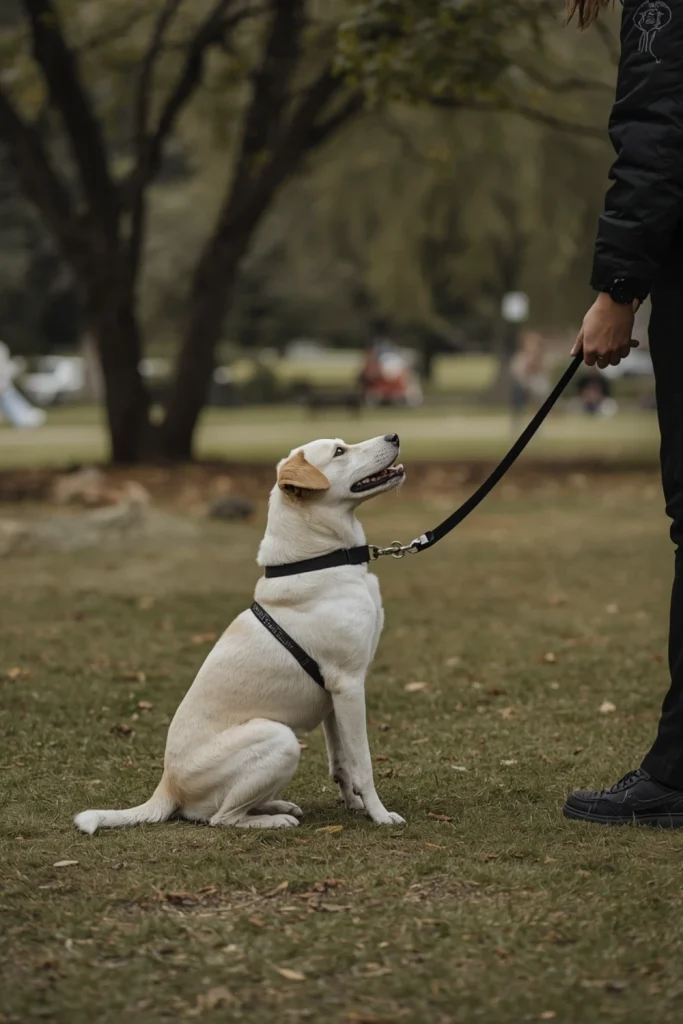
Dogs often learn a command in one environment but struggle to respond in another. Your dog might sit reliably in the kitchen yet ignore the same cue in a garden filled with interesting smells. This is normal because dogs need practice applying their skills in different places. Begin with a familiar command in a quiet room, then repeat it in another low-distraction area before trying somewhere more stimulating.
Increase only one challenge at a time. You might change the location, add a mild background sound, or practice at a slightly greater distance from an interesting object. Reward successful responses generously and reduce the difficulty if your dog struggles. Avoid testing new skills in crowded parks or near traffic before your dog is ready. A gradual approach helps your companion learn that the cue still matters in different settings. Over time, this practice can improve reliability without overwhelming your dog or turning training into a frustrating experience.
9. Teach a Settle Cue for Calm Focus
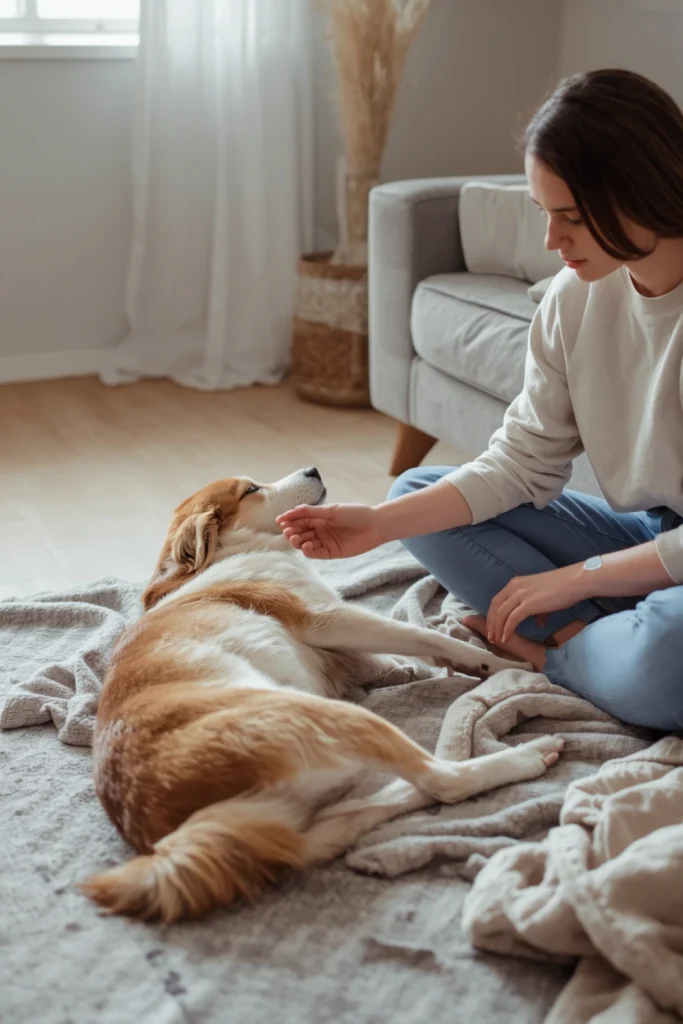
Engagement is not only about movement and excitement. A dog that can relax calmly around everyday activity is also learning an important skill. Start by placing a comfortable mat in a quiet area. When your dog steps onto it or lies down naturally, offer a small reward. Continue rewarding relaxed behavior at a gentle pace, allowing your dog to discover that resting on the mat is worthwhile. You can gradually introduce a cue such as “settle” once the behavior begins to develop.
Practice when your dog is reasonably calm rather than waiting until they are already highly excited. As the exercise becomes familiar, use the mat while you read, work at a desk, or watch television. Later, you may practice in a quiet outdoor area, provided your dog is comfortable there. Do not expect your dog to remain still for long periods at first. Reward short moments of calm and build duration gradually. This skill can help dogs learn to switch between active games and quiet time, making daily life more manageable.
10. Rotate Training Activities to Keep Learning Fresh
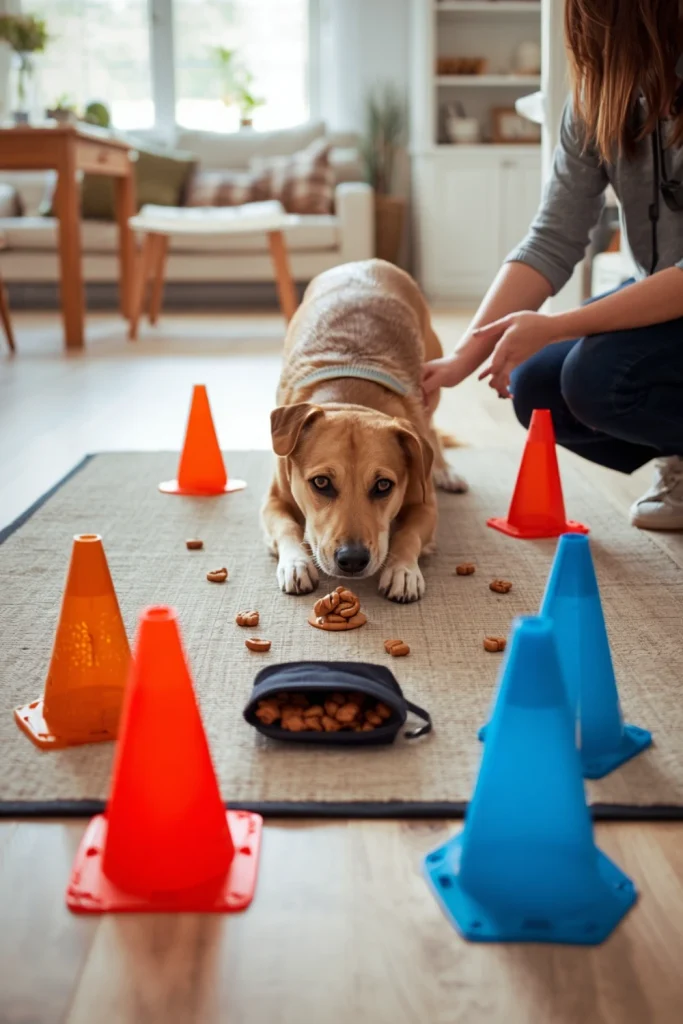
Repeating the same exercise too often can make training less interesting for some dogs. To keep your companion engaged, alternate between different activities across the week. One session might focus on name recognition, another on hand targeting, and another on a scent game or settle practice. You do not need to introduce a new skill every day. Revisiting familiar exercises helps strengthen learning, while changing the activity keeps the routine enjoyable.
Create a small list of games your dog likes and rotate them according to their energy and mood. For example, use scent games on a rainy day, practice loose-leash walking outdoors when conditions are comfortable, and work on calm settling when your dog needs a quieter activity. Keep track of which rewards and exercises produce the best engagement. If your dog loses interest, shorten the session or switch to an easier task. Variety should make learning more enjoyable, not create constant confusion by changing cues before your dog understands them.
Conclusion
Keeping a distracted dog engaged does not require constant commands or lengthy training sessions. The key is to make learning rewarding, choose activities that suit your dog’s interests, and introduce challenges gradually. From name recognition and scent games to toy rewards and calm settling, these training ideas to keep a distracted dog engaged can help improve attention while strengthening your relationship.
Remember that every dog learns at a different pace. Some dogs respond best to food, while others prefer toys, play, or opportunities to explore. Pay attention to your companion’s body language, celebrate small successes, and adjust the difficulty whenever necessary. With patience, consistency, and enjoyable practice, you can help your dog become more attentive and make training a positive part of everyday life.