
12 Helpful Tips to Potty Train Your Puppy More Consistently
Bringing a new puppy home is an exciting experience, but potty training can sometimes feel challenging. Accidents on the floor, unexpected messes, and inconsistent bathroom habits are common during the early weeks. The good news is that puppies can learn where and when to go potty with patience, positive reinforcement, and a well-planned routine.
The secret to success is consistency. By following practical Tips to Potty Train Your Puppy, you can help your furry friend develop healthy bathroom habits and make training easier for your entire family. Whether you have just welcomed your first puppy or are working through a few training challenges, these 12 helpful tips can guide you toward a cleaner and happier home.
1. Create a Consistent Daily Potty Schedule
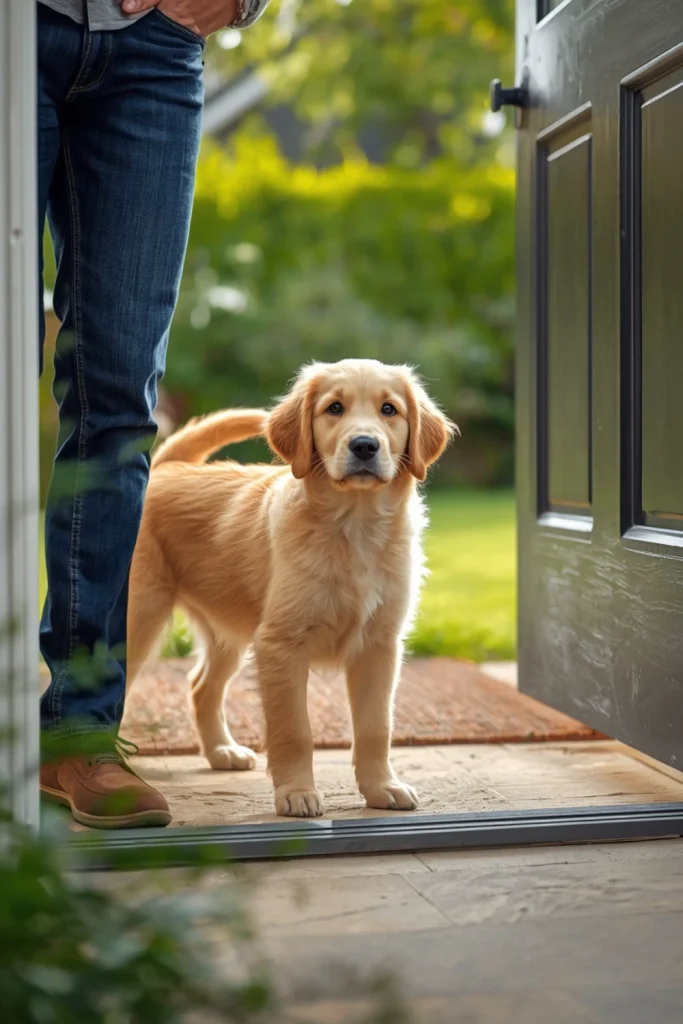
One of the most important tips to potty train your puppy is to establish a regular bathroom schedule. Puppies have small bladders and cannot hold their urine for long periods, especially when they are very young. Take your puppy outside first thing in the morning, after meals, after drinking water, after naps, and before bedtime. You should also provide regular potty breaks throughout the day. Following the same schedule helps your puppy understand when bathroom time is expected and reduces the chances of unexpected accidents inside your home.
Try to keep your puppy’s daily routine as predictable as possible. For example, take your puppy outside at approximately the same times every morning, afternoon, and evening. Young puppies may need bathroom breaks every 30 to 60 minutes while awake, depending on their age and individual needs. As your puppy grows and develops better bladder control, you can gradually increase the time between breaks. Remember that every puppy learns at a different pace, so adjust the schedule according to your puppy’s behavior.
2. Take Your Puppy Outside After Every Meal
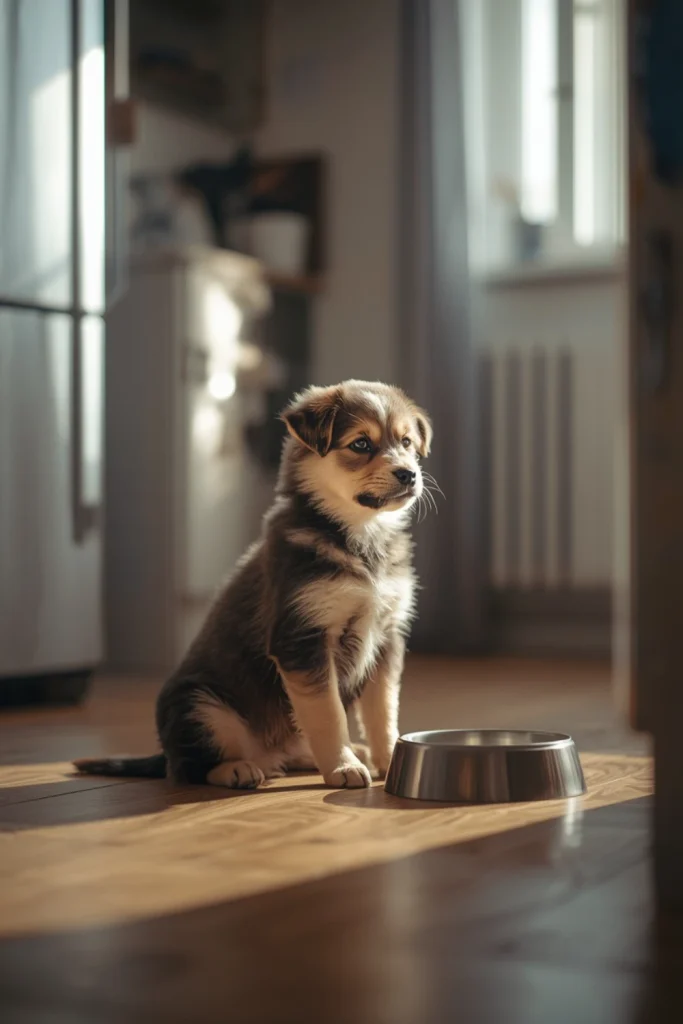
Mealtimes are closely connected to your puppy’s bathroom habits. Many puppies need to poop shortly after eating because food stimulates their digestive system. Taking your puppy outside after breakfast, lunch, and dinner can help prevent indoor accidents. Instead of waiting until your puppy starts sniffing around or walking in circles, make outdoor potty time a regular part of every meal. This simple habit helps your puppy understand that eating is usually followed by a bathroom break.
Feed your puppy at consistent times each day rather than leaving food available all day, unless your veterinarian recommends a different feeding approach. A predictable feeding routine makes bathroom habits easier to understand and manage. After your puppy finishes eating, give it a little time and then take it to the designated potty area. Stay nearby and allow your puppy enough time to finish. With repetition, your puppy will begin connecting mealtimes with outdoor bathroom visits.
3. Choose One Designated Potty Area
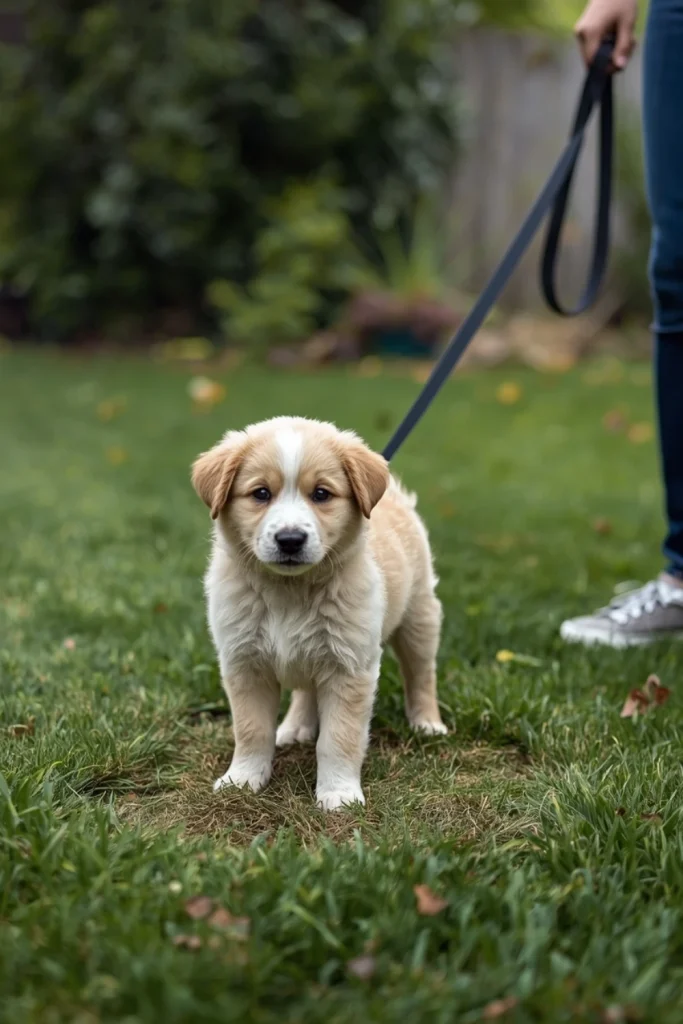
Choosing a specific potty location can make house training easier for your puppy. When you repeatedly take your puppy to the same outdoor spot, it becomes familiar with the smells and surroundings. These familiar scents can encourage your puppy to use that area again. Select a quiet, accessible location in your backyard or another appropriate outdoor space. Avoid constantly changing the potty location during the early stages of training because a consistent environment makes it easier for your puppy to understand what you expect.
When you arrive at the designated spot, give your puppy a few minutes to explore and find a comfortable place. Keep your puppy on a leash if necessary, especially when training in an unfamiliar or open area. Once your puppy finishes, reward it immediately with praise or a small treat. Over time, your puppy may begin recognizing the location and understanding that it is the correct place to go potty. Keep the area reasonably clean so it remains comfortable and hygienic.
4. Use a Simple Potty Training Command
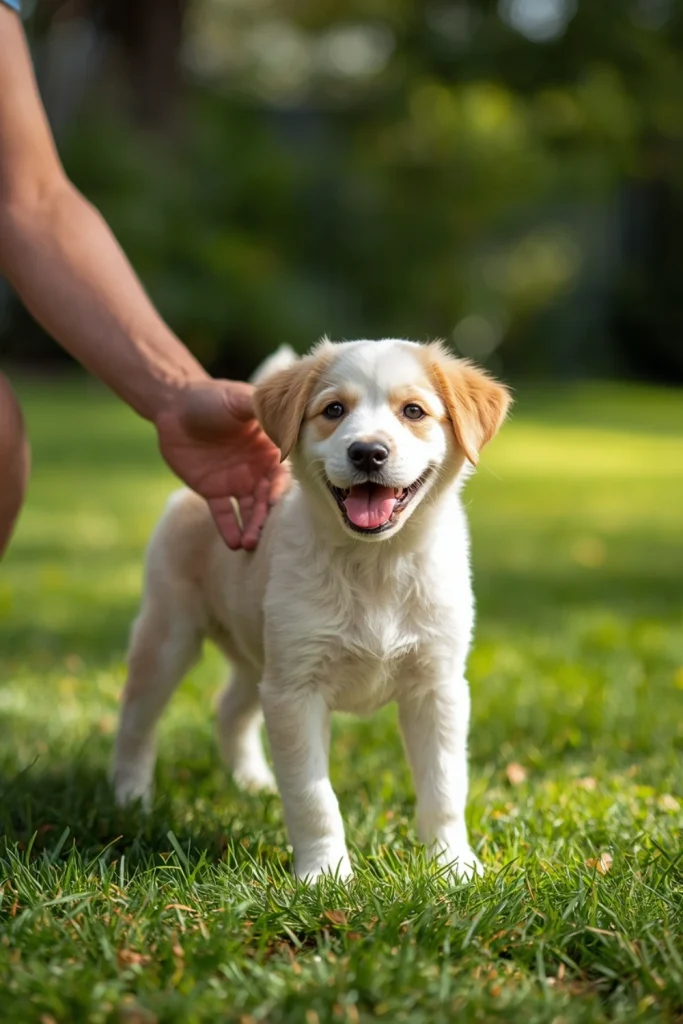
Teaching your puppy a simple potty command can make bathroom training more organized. Choose a short phrase such as “Go potty” or “Bathroom time.” Use the same words every time you take your puppy to its designated bathroom area. Speak in a calm and friendly voice rather than shouting or repeating the command loudly. Your puppy may not understand the words immediately, but consistent repetition helps it connect the command with the activity.
Say the command when your puppy begins sniffing or getting ready to go. When it finishes, reward it with praise and a small treat. Avoid using the command repeatedly while your puppy is distracted because this can make the process confusing. Eventually, your puppy may learn to associate the phrase with going to the bathroom. A familiar command can also be helpful when traveling, visiting friends, or taking your puppy to an unfamiliar outdoor location.
5. Reward Your Puppy Immediately After Success
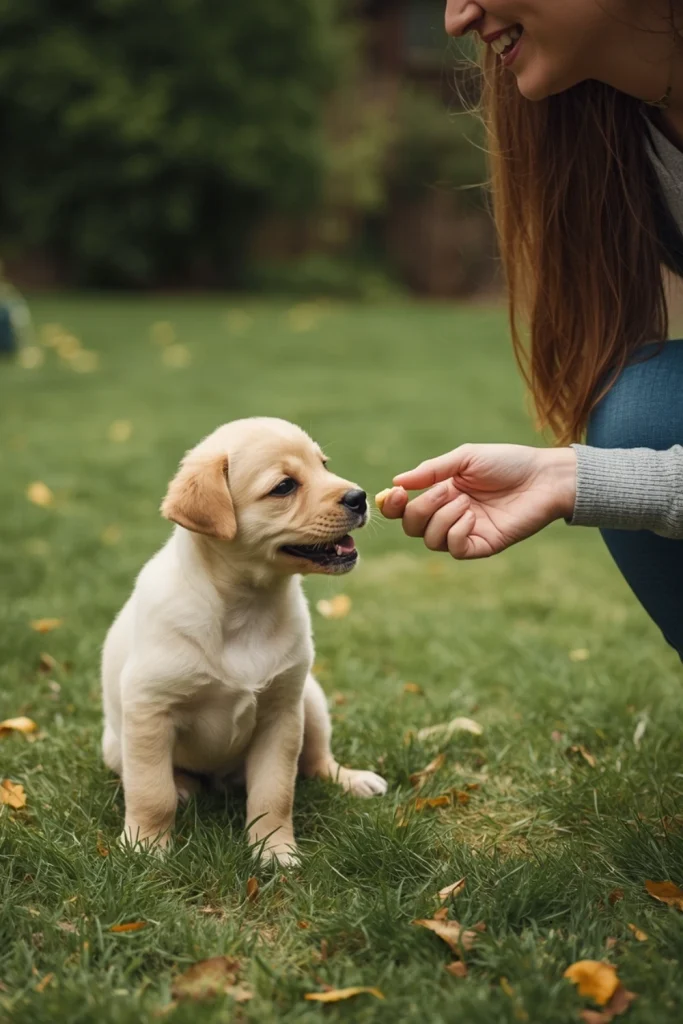
Positive reinforcement is one of the most effective ways to encourage good potty habits. Whenever your puppy successfully uses the correct bathroom area, reward it immediately with gentle praise, affection, or a small puppy-friendly treat. Immediate rewards help your puppy understand which behavior earned the positive response. If you wait several minutes before rewarding, your puppy may not connect the reward with the bathroom activity.
Keep a few small treats available whenever you take your puppy outside. Make the reward enjoyable but do not give excessively large portions that could interfere with your puppy’s regular diet. You can also use an enthusiastic voice and gentle petting to make the experience positive. Avoid rewarding your puppy for simply returning indoors; give the reward directly after it finishes going potty in the correct place. Consistent encouragement helps build confidence and makes your puppy more willing to repeat the desired behavior.
6. Watch for Signs That Your Puppy Needs to Go
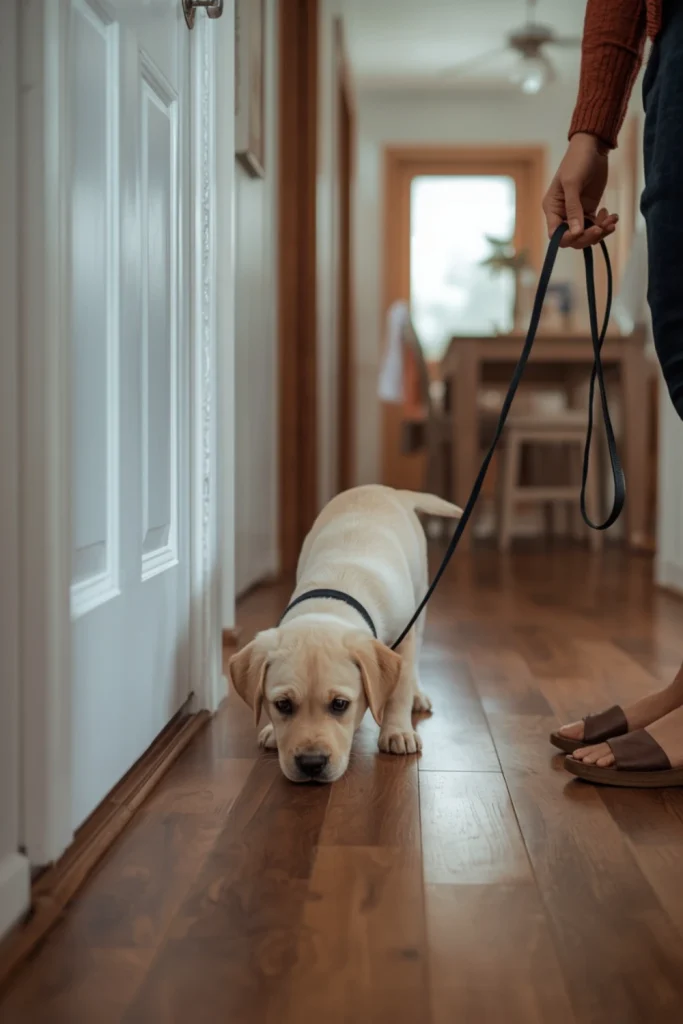
Learning your puppy’s bathroom signals can help you prevent many indoor accidents. Puppies often display recognizable behaviors when they need to go potty. These may include sniffing the floor, walking in circles, suddenly stopping play, whining, scratching at a door, or moving away from their usual activity. Some puppies become restless or repeatedly visit the same corner of a room. Paying attention to these small changes can help you respond before an accident happens.
During the early training period, supervise your puppy carefully whenever it is awake and active. If you notice any bathroom signals, calmly take it to the designated potty area. Do not wait until your puppy starts squatting because you may miss the opportunity. Every puppy has a slightly different way of communicating, so spend time observing its individual behavior. Recognizing these signals becomes easier as you develop a stronger bond and become familiar with your puppy’s daily habits.
7. Supervise Your Puppy Indoors
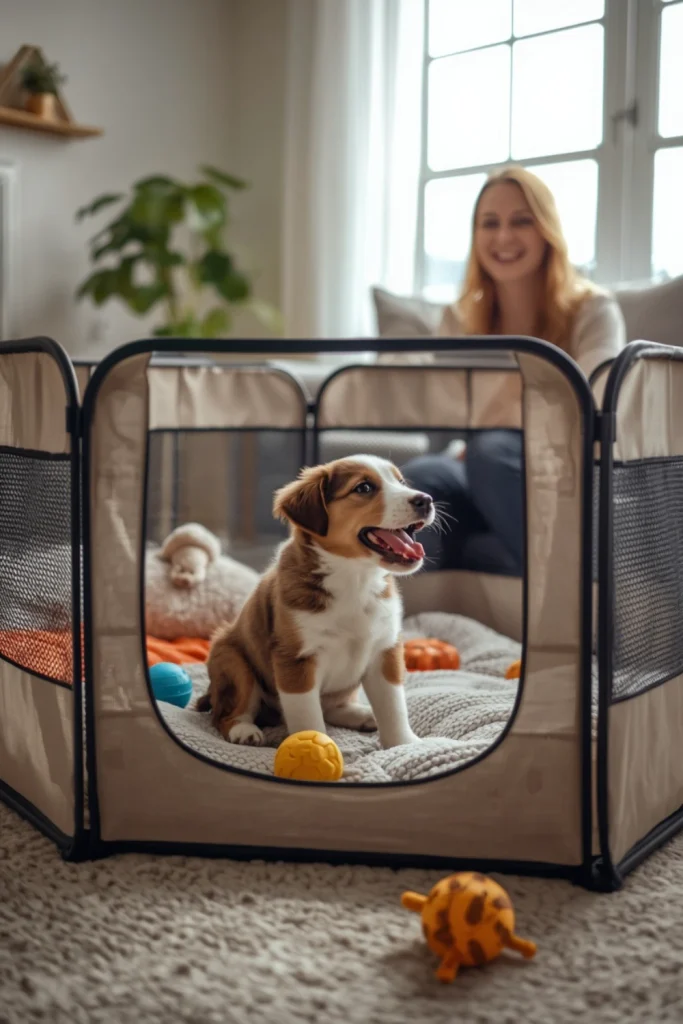
Supervision plays an important role in successful potty training. Allowing a young puppy to explore the entire house without supervision can lead to accidents in hidden corners, bedrooms, and other areas. During the early weeks, keep your puppy in the same room whenever possible. Watch its movements and look for signs that it may need to use the bathroom. Staying attentive helps you respond quickly and guide your puppy toward the correct location.
You can use baby gates, a puppy playpen, or a small puppy-safe room to create a controlled environment. These arrangements make supervision easier while allowing your puppy to move around safely. If you need to leave the room briefly, place your puppy in a comfortable and appropriate confined area. Avoid giving your puppy too much freedom too early. As it becomes more reliable with bathroom habits, gradually allow access to additional areas of your home.
8. Use a Crate Properly for Potty Training
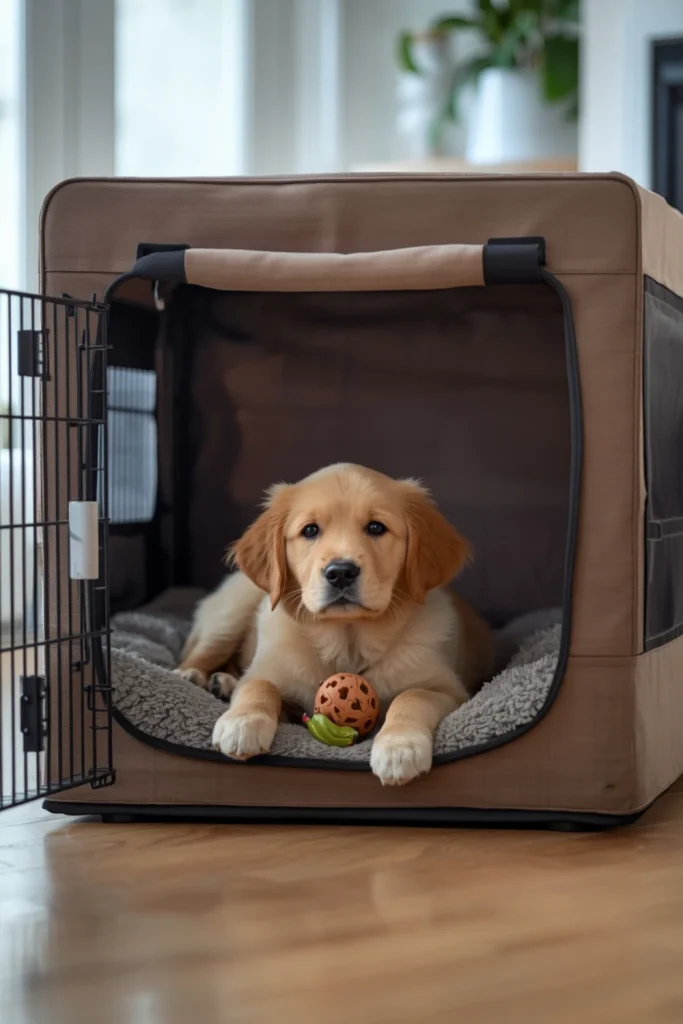
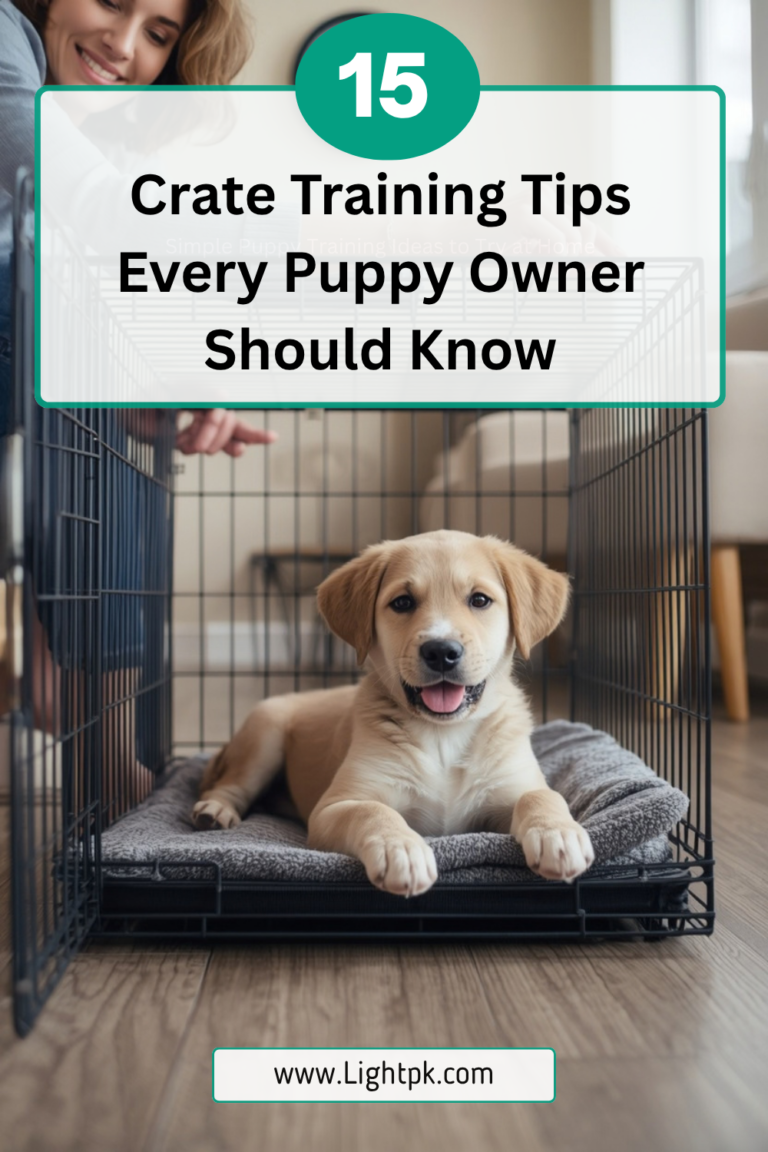
A crate can be a useful part of a puppy potty training routine when introduced correctly. Many puppies naturally prefer not to soil the area where they sleep, which can encourage them to wait until they are taken outside. Choose a comfortable crate that allows your puppy to stand, turn around, and lie down naturally. It should not be so large that your puppy can comfortably use one corner as a bathroom and another as a sleeping space.
Introduce the crate gradually with comfortable bedding, safe toys, and positive experiences. Never use it as punishment or leave your puppy inside for longer than it can reasonably manage. Very young puppies need frequent bathroom breaks, including during the night. Take your puppy outside immediately after it comes out of the crate. With a suitable schedule and positive introduction, crate training can support supervision and help your puppy develop more predictable bathroom habits.
9. Clean Indoor Accidents Thoroughly
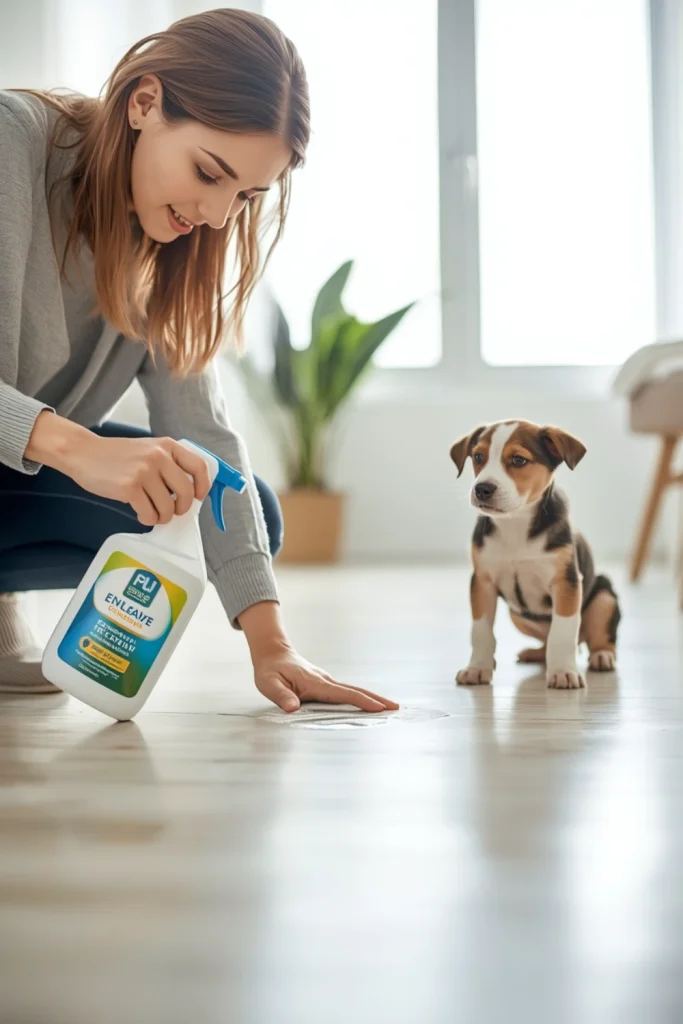
Accidents are a normal part of the puppy training process, but cleaning them properly is important. If urine or other waste leaves a lingering smell, your puppy may return to the same location because it recognizes the scent. Regular household cleaners may remove visible marks without completely eliminating the odor. An enzyme-based pet stain cleaner designed for the affected surface can help break down odor-causing residues and make the area less attractive for repeat accidents.
When an accident happens, clean the area as soon as possible and follow the product instructions. Keep your puppy away from the cleaning products until the surface is safe and dry. Avoid using harsh chemicals or mixing cleaning products. Also, do not punish your puppy for an accident that has already happened. Instead, review the schedule and supervision routine to understand why it occurred. Thorough cleaning combined with consistent training can help reduce repeated indoor accidents.
10. Avoid Punishment and Stay Patient
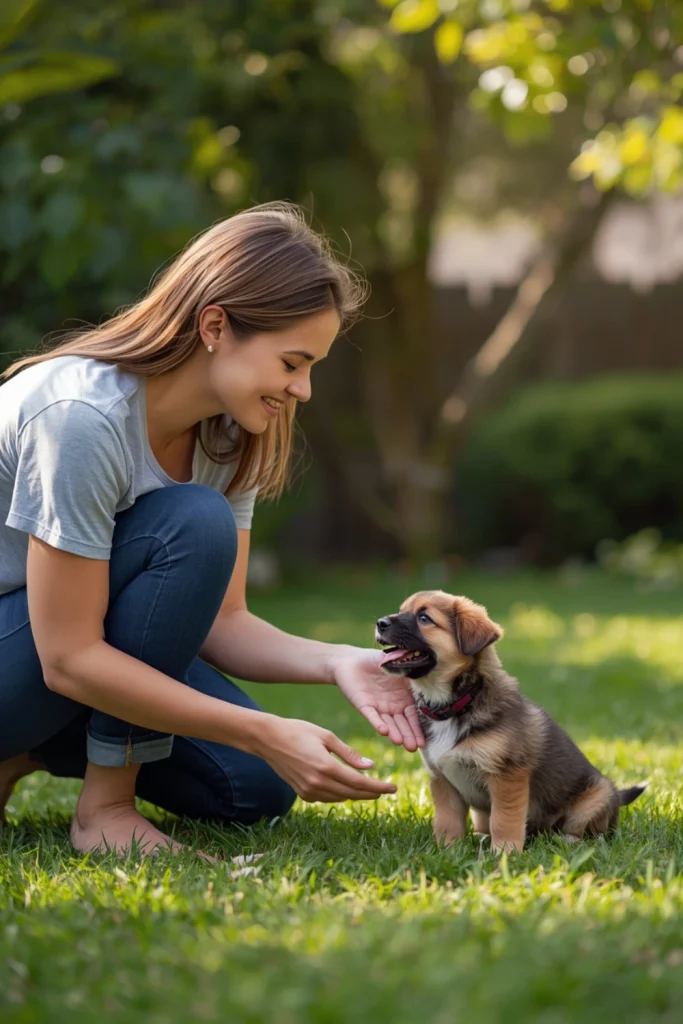
Potty training requires time, and accidents should be treated as opportunities to improve the routine rather than reasons to punish your puppy. Shouting, hitting, rubbing your puppy’s nose in an accident, or frightening it can create stress and make bathroom training more difficult. Some puppies may become afraid to go potty in front of their owners, which can lead them to hide when they need to use the bathroom. A calm and supportive environment helps your puppy feel safe while learning.
If you catch your puppy preparing to have an accident, gently interrupt it without frightening it and take it outside immediately. If it finishes in the correct location, reward it. If you discover an accident after it has happened, simply clean the area and continue with your normal schedule. Remember that puppies are still developing their bladder control and learning household expectations. Patience, repetition, and positive reinforcement are more helpful than punishment.
11. Manage Water and Nighttime Potty Breaks Sensibly
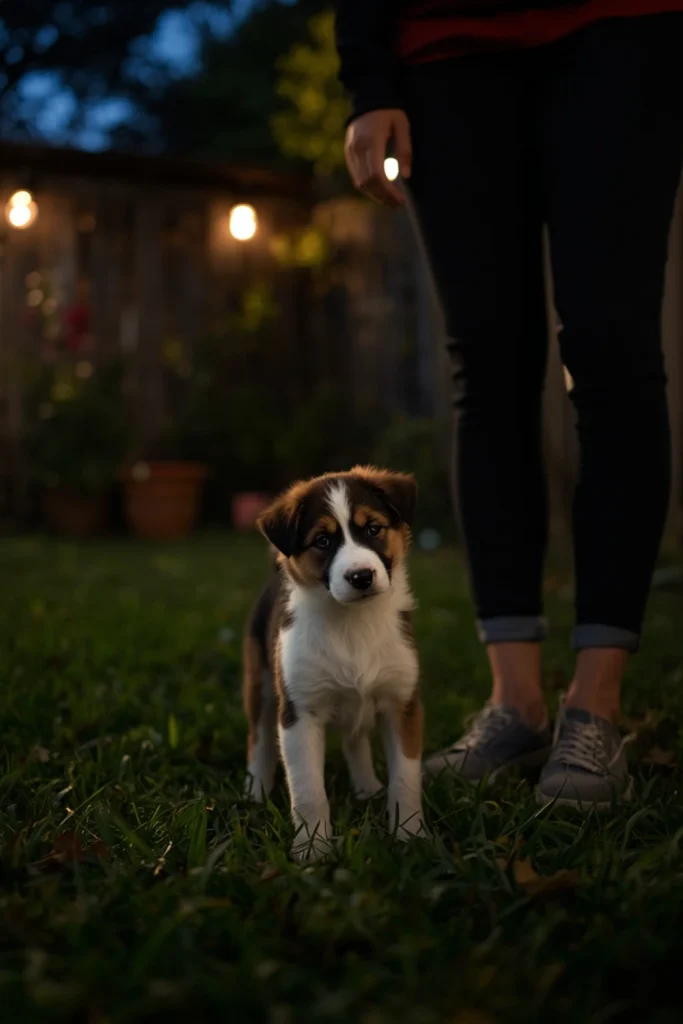
Nighttime potty training can be challenging because young puppies may not be able to hold their bladder throughout the night. Before bedtime, take your puppy outside and give it enough time to finish. Keep the evening routine calm and predictable, and make sure your puppy has opportunities to drink normally during the day. Water should not be restricted to the point that your puppy becomes thirsty or dehydrated. Ask your veterinarian if you are unsure about your puppy’s drinking needs or an appropriate nighttime routine.
Some young puppies may need one or more bathroom breaks during the night. Keep these trips quiet and focused so your puppy understands that nighttime is for sleeping rather than playing. Take your puppy to the usual potty area, wait patiently, and praise it gently after success. As your puppy grows, it may gradually sleep for longer periods without needing a bathroom break. However, age, health, water intake, and individual development all affect nighttime bladder control.
12. Track Progress and Adjust the Routine
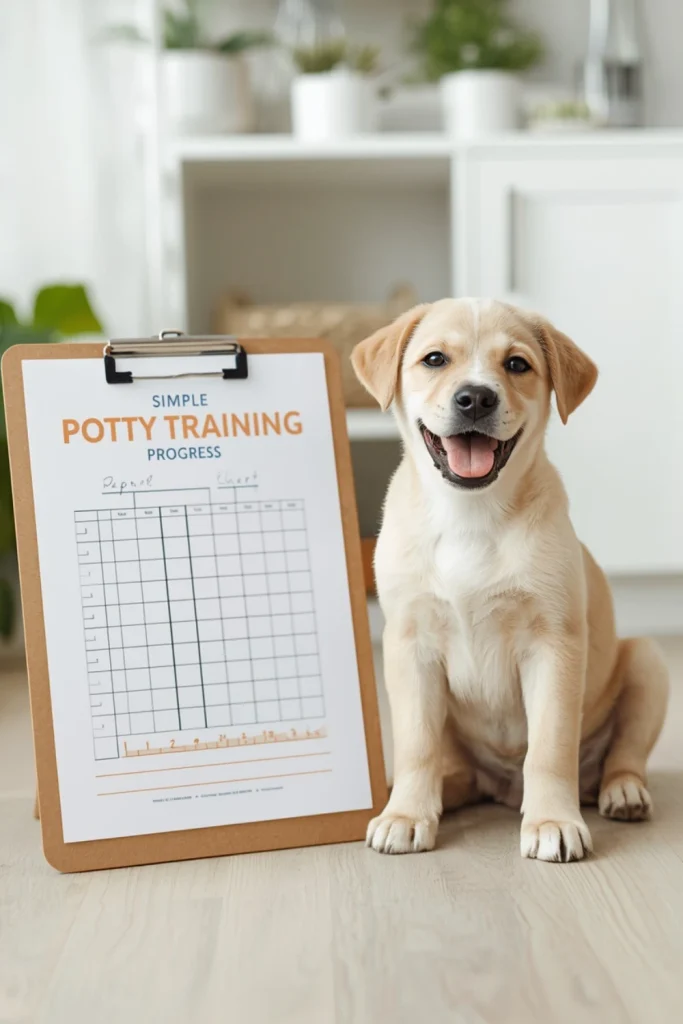
Keeping a simple potty training record can help you understand your puppy’s bathroom patterns. Write down feeding times, water breaks, successful outdoor visits, accidents, naps, and nighttime bathroom trips. After several days, you may notice patterns that make it easier to predict when your puppy needs to go. For example, your puppy may regularly need a bathroom break shortly after breakfast or immediately after waking from an afternoon nap. Tracking these details helps you make informed changes to the daily schedule.
Do not expect your puppy to become fully trained overnight. Some puppies learn quickly, while others need several weeks or longer to develop reliable habits. Celebrate small improvements, such as fewer indoor accidents or your puppy beginning to wait near the door. If accidents suddenly increase after your puppy has been doing well, consider changes in routine, stress, or possible health problems. Contact your veterinarian if your puppy has frequent urination, discomfort, blood in the urine, or other concerning symptoms.
Final Thoughts
Potty training your puppy consistently is one of the most important steps toward creating a happy and comfortable home. Although accidents are part of the learning process, a predictable routine, regular bathroom breaks, careful supervision, and positive reinforcement can make the experience easier for both you and your puppy.
Remember that patience is just as important as consistency. Celebrate small improvements, recognize your puppy’s bathroom signals, and make adjustments whenever necessary. By following these 12 helpful tips to potty train your puppy, you can build healthy bathroom habits and develop a stronger relationship with your furry companion. With time, encouragement, and daily practice, your puppy can become more confident and reliable with its potty routine.