15 Puppy Chewing Solutions to Try at Home
Is your puppy chewing shoes, furniture, cushions, or almost everything within reach? Puppy chewing can quickly become a frustrating challenge, especially when your adorable new companion starts damaging household items. However, chewing is a natural behavior that helps puppies explore their surroundings, relieve teething discomfort, and learn about the world around them.
The good news is that you do not need complicated training equipment to manage this behavior. With the right puppy chewing solutions, you can encourage healthy chewing habits using simple techniques at home. From choosing suitable chew toys to improving your puppy’s daily routine, these practical strategies can help protect your belongings, support your puppy’s development, and create a happier environment for your entire family.
1. Provide Puppy-Safe Chew Toys
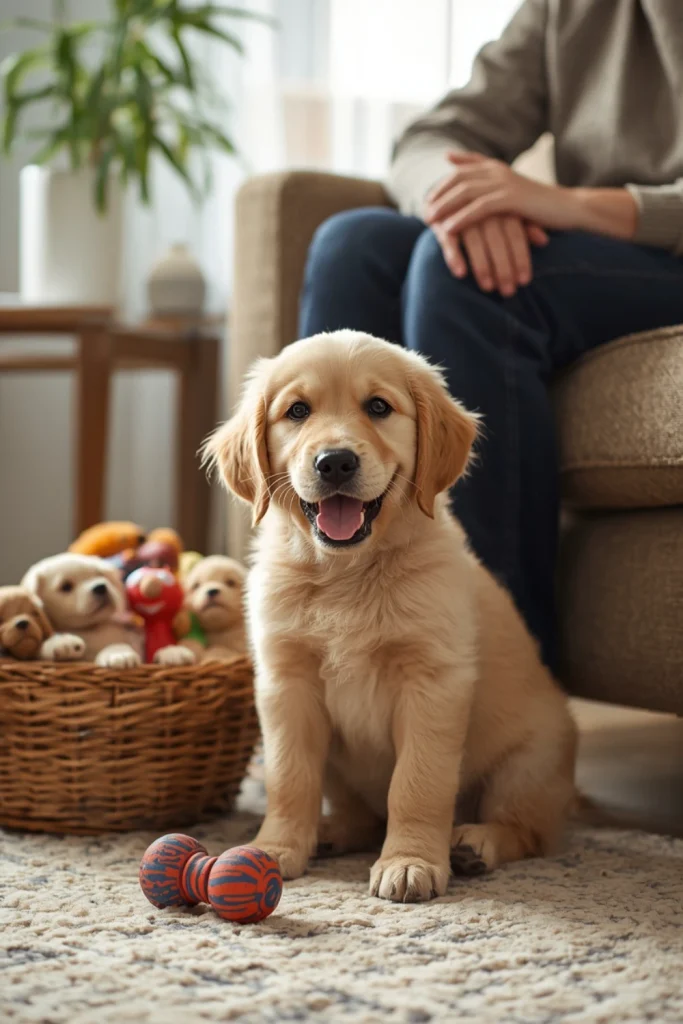
One of the simplest puppy chewing solutions is to provide several appropriate chew toys. Puppies need an acceptable outlet for their natural urge to chew, particularly during teething. Choose toys designed for your puppy’s age, size, and chewing strength. Puppy-safe rubber toys and suitable teething toys can provide satisfying textures without encouraging your puppy to damage household belongings. Keep a few options in the areas where your puppy spends the most time so an appropriate alternative is always available.
When your puppy starts chewing a shoe, chair leg, or cushion, calmly redirect them toward a suitable toy. Praise them when they begin chewing the toy instead. Rotate toys occasionally to maintain interest, and inspect them regularly for cracks, loose pieces, or damage. Remove any item that could become a choking hazard. Avoid extremely hard objects that may damage developing teeth, and supervise your puppy when introducing unfamiliar toys. Consistent redirection helps your puppy understand that chewing is acceptable when directed toward appropriate objects.
2. Offer Appropriate Teething Toys

Teething can make puppies especially interested in chewing household objects. As their baby teeth develop and adult teeth begin to emerge, they may seek textures that provide a comfortable chewing sensation. Offering appropriate teething toys gives your puppy a safer alternative to wooden furniture, table corners, and upholstery. Choose products specifically designed for puppies, following the manufacturer’s recommendations for age, size, and use. The right toy should be durable enough for its intended purpose without being so hard that it risks damaging developing teeth.
Introduce teething toys during calm periods rather than waiting until your puppy is already chewing something inappropriate. Keep them accessible in a safe play area, and praise your puppy for choosing them independently. Avoid giving cooked bones, hard antlers, or other objects that can fracture teeth or break into dangerous pieces. Some owners consider chilled teething products, but always follow product guidance and avoid frozen objects that are excessively hard. If your puppy appears to have severe oral discomfort, difficulty eating, or unusual swelling, consult your veterinarian.
3. Puppy-Proof Your Home
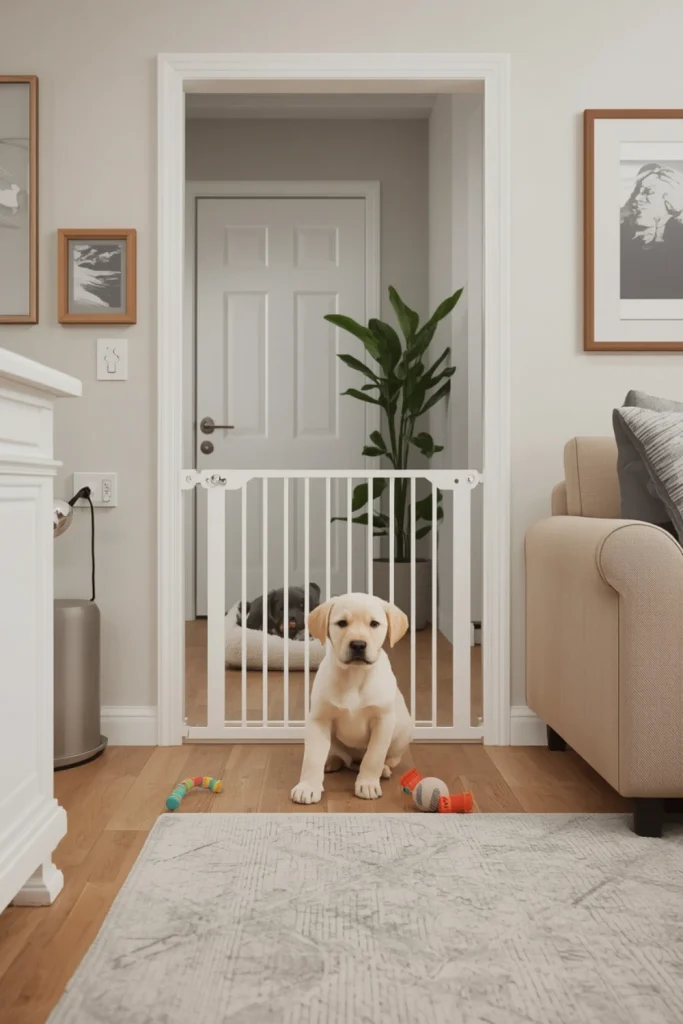
Puppy-proofing your home prevents unwanted chewing before it becomes a regular habit. Begin by looking at your rooms from your puppy’s level. Shoes, remote controls, cushions, children’s toys, loose fabric, and exposed furniture legs can all become tempting targets. Store small objects in closed cabinets, keep laundry in a secure hamper, and move valuable belongings out of reach. Cover or block access to vulnerable furniture where practical. Removing tempting objects makes it easier for your puppy to succeed while learning household rules.
Pay particular attention to electrical cords, cleaning products, medications, batteries, and small objects that could cause serious injury if chewed or swallowed. Use appropriate cord protectors, secure barriers, and a puppy-safe room when necessary. A puppy pen or baby gate can limit access while allowing your puppy to play with suitable toys. Remember that puppy-proofing does not replace supervision or training. It simply reduces risk and prevents repeated opportunities to chew inappropriate objects. As your puppy grows and becomes more adventurous, review the environment and make adjustments when needed.
4. Redirect Chewing Immediately
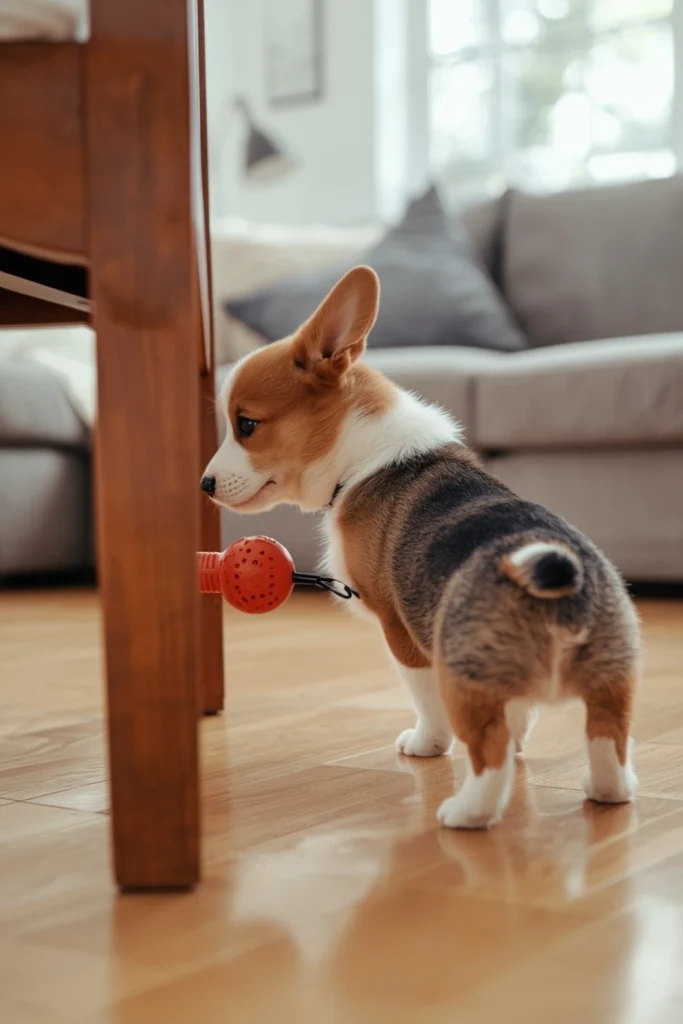
Redirection is an essential part of teaching your puppy appropriate chewing habits. Whenever you notice your puppy chewing a slipper, table leg, or sofa cushion, calmly interrupt the behavior and offer an acceptable toy. Avoid shouting, chasing, or pulling the object away aggressively, because these reactions can turn chewing into an exciting game. A quick, neutral interruption followed by a suitable alternative helps your puppy understand what they should do instead.
Reward your puppy as soon as they begin chewing the appropriate item. You can use gentle praise, a small training treat, or a short play session if it does not increase excitement too much. If your puppy repeatedly returns to the same object, temporarily block access and provide a more appealing activity. Keep appropriate toys nearby so you can respond quickly. With consistent practice, your puppy learns that household objects are not intended for chewing and that suitable toys offer a rewarding alternative.
5. Establish a Consistent Daily Routine
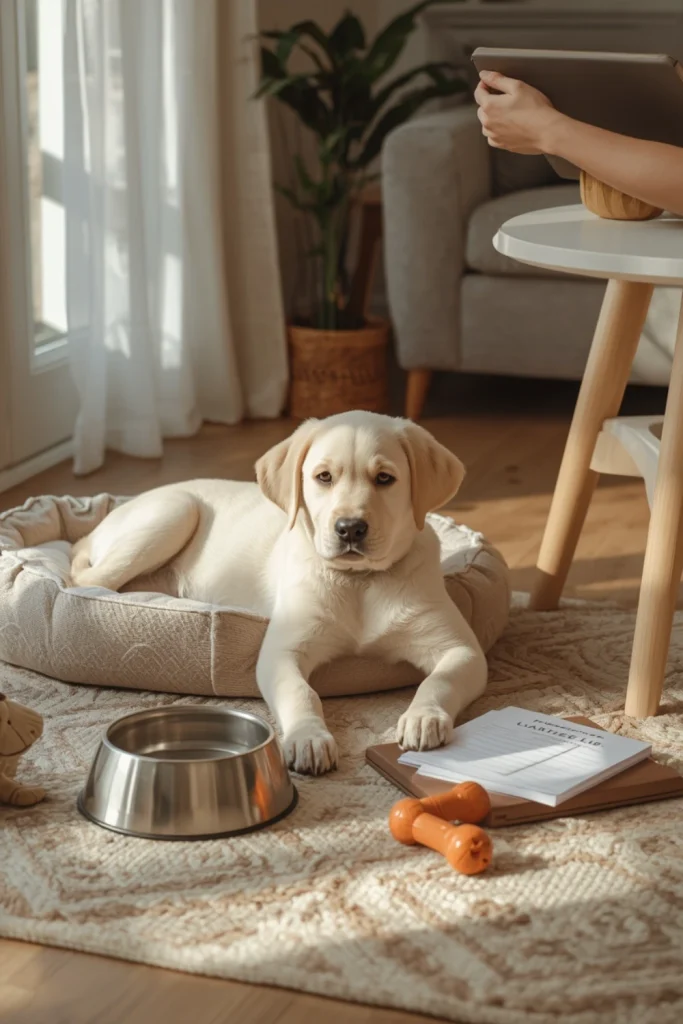
A predictable routine can reduce chewing caused by boredom, restlessness, or a lack of appropriate activities. Plan regular opportunities for meals, toilet breaks, gentle exercise, play, training, and rest. Puppies often become destructive when they have too much unstructured time or when their needs are not being met. A familiar daily pattern helps your puppy learn what to expect and gives them suitable outlets for their energy throughout the day.
Observe when chewing usually occurs and adjust your routine accordingly. If your puppy starts biting furniture after a long quiet period, introduce a short training session or supervised enrichment activity before the behavior begins. If chewing increases late in the evening, your puppy may be tired and need rest rather than more exercise. Keep the routine flexible enough to accommodate your puppy’s age and temperament. Consistency helps puppies develop better habits, but remember that young dogs also need frequent toilet breaks, social interaction, and plenty of sleep.
6. Use Food Puzzles for Mental Stimulation
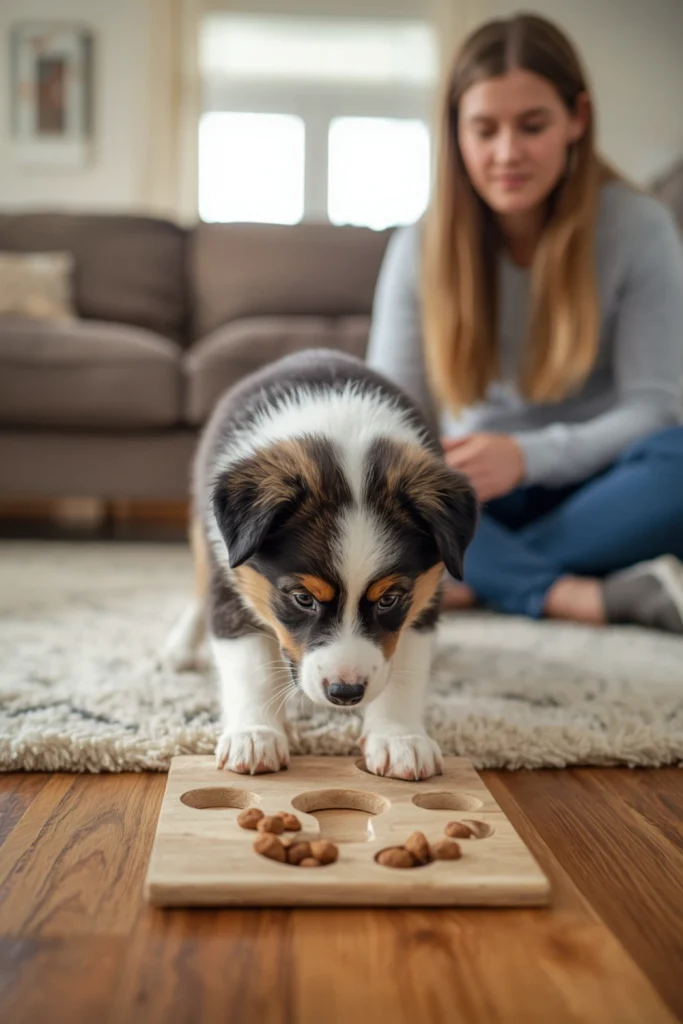
Mental stimulation can help reduce chewing caused by boredom. Food puzzles designed for puppies encourage problem-solving and give young dogs an appropriate activity. Start with an easy puzzle that allows your puppy to find small portions of their regular food without becoming frustrated. You can also use a puppy-safe treat-dispensing toy, following its instructions and supervising your puppy during use. These activities offer a different way to explore and engage with the environment.
Introduce puzzles when your puppy is calm enough to concentrate. If the activity causes frustration or increases excitement, simplify it or try again later. Account for treats and puzzle food in your puppy’s daily nutritional intake to avoid overfeeding. Inspect enrichment toys regularly for damage, and avoid small components that could be swallowed. Food puzzles should complement, not replace, physical activity, social interaction, and rest. Used appropriately, they can provide a useful alternative to chewing shoes, furniture, and other household objects.
7. Reward Good Chewing Choices
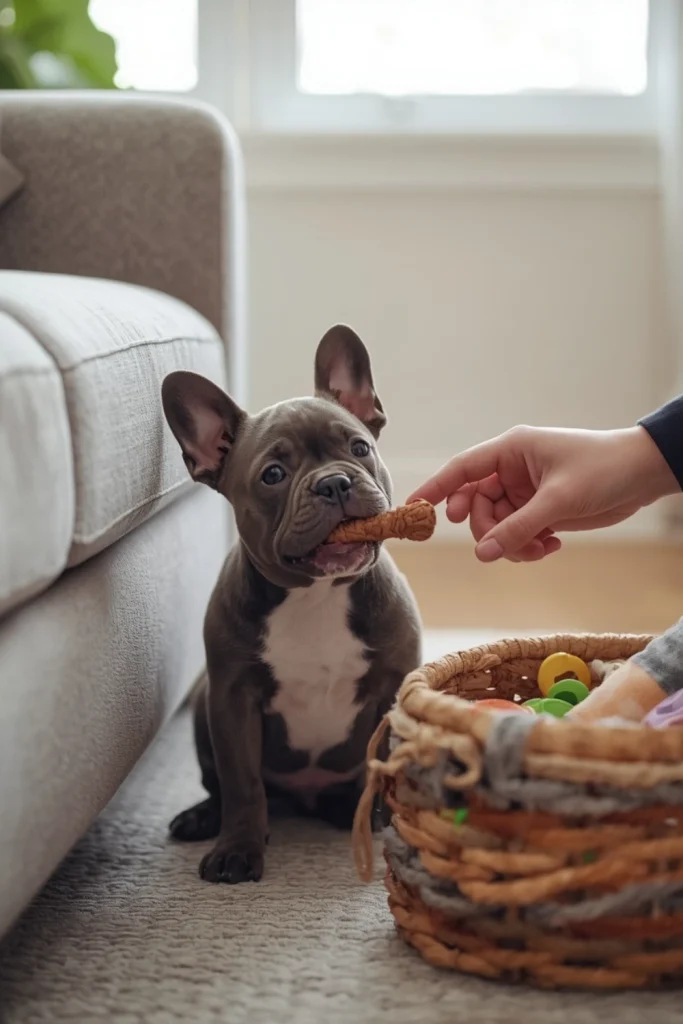
Positive reinforcement helps your puppy understand which behaviors you want them to repeat. Whenever your puppy chooses a chew toy instead of furniture, reward that decision with gentle praise, a small treat, or appropriate play. You do not need to wait until your puppy makes a mistake. If you notice them independently chewing a suitable toy, acknowledge the good choice. These small rewards make acceptable chewing more valuable and encourage your puppy to repeat the behavior.
Be consistent so your puppy receives the same message from everyone in the household. Keep suitable toys available in different rooms, and reward appropriate chewing whenever you observe it. If your puppy returns to a forbidden object, calmly redirect them instead of becoming frustrated. Avoid punishing your puppy after discovering damage that occurred earlier, because they may not understand the connection. Focus on rewarding the behavior you want to see. With repetition, your puppy can learn to choose appropriate chew toys more independently.
8. Teach the “Leave It” Command
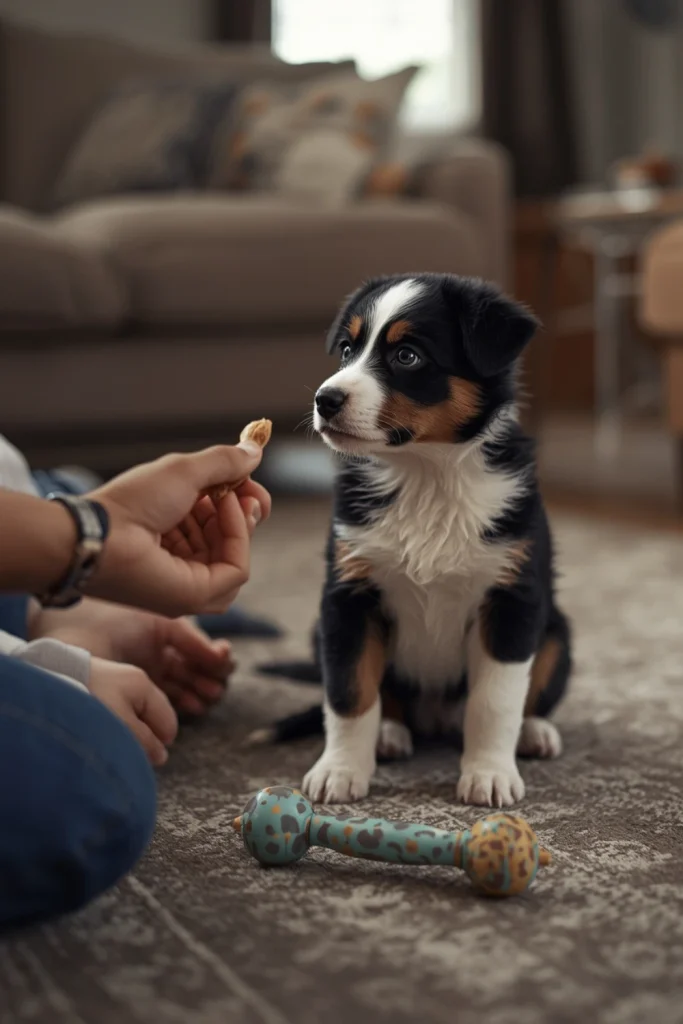
Teaching your puppy the “leave it” command can help prevent them from chewing inappropriate objects. Start in a quiet environment with a treat enclosed in your hand. Allow your puppy to investigate, then wait for them to move away or stop trying to reach it. Mark that moment with a word such as “yes” and reward them with a different treat from your other hand. Repeat this exercise in short sessions until your puppy begins to understand that leaving an item alone can lead to a reward.
Gradually practice with safe objects at a comfortable distance before using the cue around household distractions. If your puppy approaches a shoe or furniture leg, say “leave it” calmly when they can respond, then redirect them toward an appropriate toy. Avoid repeatedly shouting the cue or forcing your puppy’s mouth open. For dangerous objects, prioritize safe management instead of relying on training alone. Consistent, reward-based practice builds self-control and helps your puppy make better choices as they explore their surroundings.
9. Provide Age-Appropriate Exercise
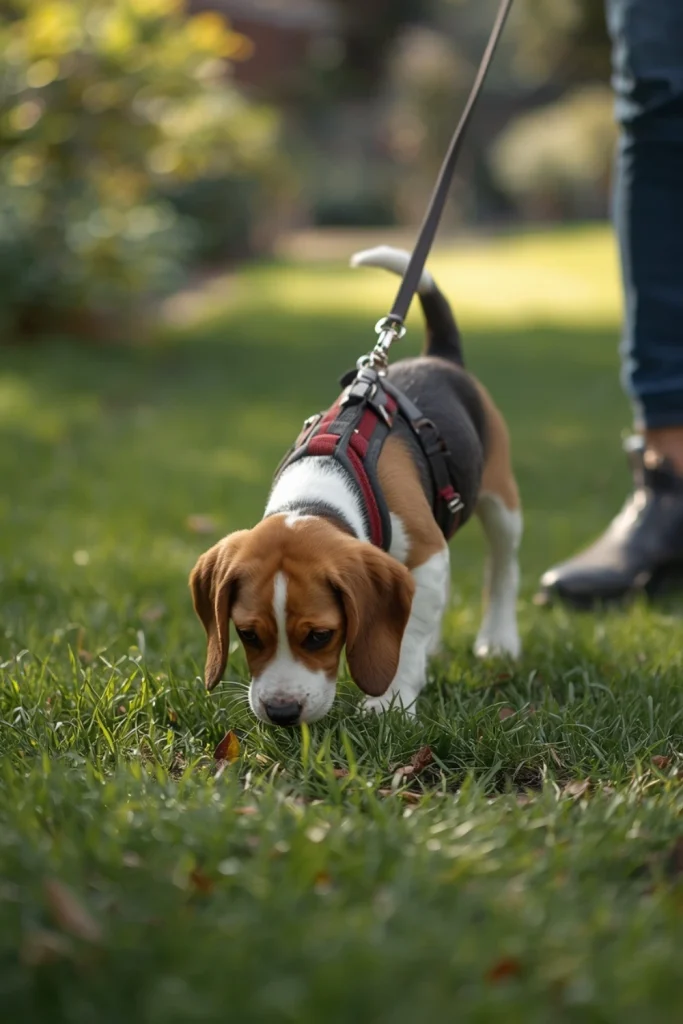
Physical activity provides an important outlet for a puppy’s natural energy. Depending on age, breed, health, and veterinary guidance, appropriate activities may include short walks when safe, gentle play, supervised exploration, and simple games in a secure area. Allowing your puppy to sniff and explore can make activities more enriching than focusing only on physical movement. A puppy with a balanced routine may be less likely to seek entertainment by chewing furniture or other household belongings.
Avoid assuming that more exercise will always solve chewing problems. Excessive activity can cause fatigue or overstimulation, and an overtired puppy may become even more mouthy. Instead, offer short, age-appropriate activities throughout the day and provide rest breaks between them. Follow your veterinarian’s advice about exercise and safe outdoor exposure, particularly before vaccinations are complete. Combine physical activity with mental enrichment and training so your puppy’s needs are met in several ways. A balanced approach supports healthy development and makes chewing easier to manage.
10. Make Rest and Sleep a Priority
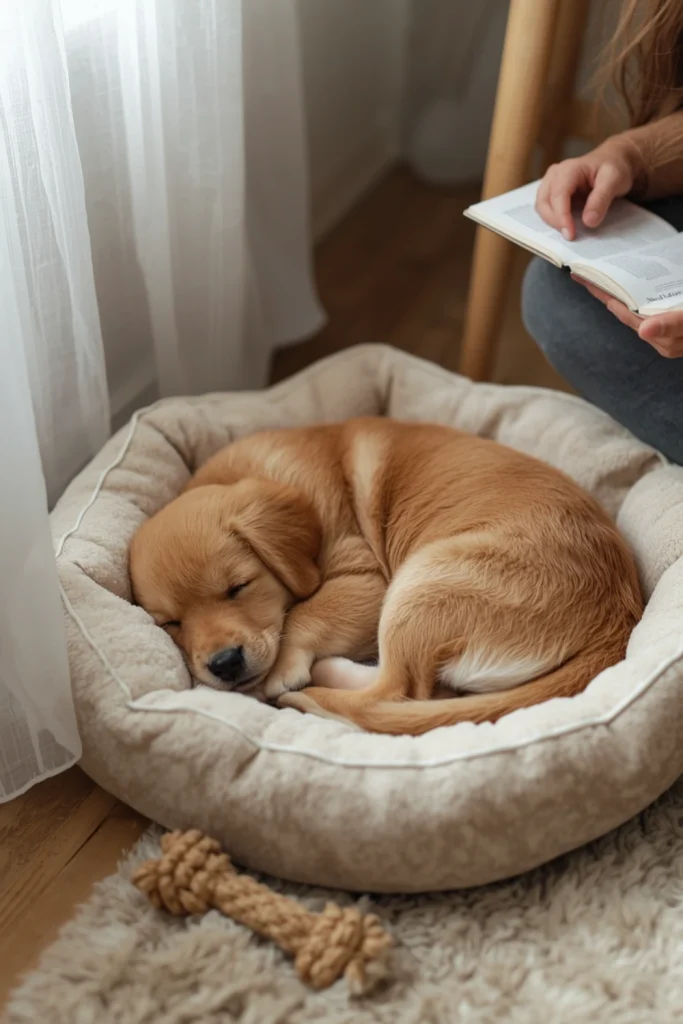
An overtired puppy may chew more intensely, ignore familiar cues, and struggle to settle. Owners sometimes respond to these behaviors by increasing playtime, but the puppy may actually need sleep. Young puppies require substantial rest throughout the day, although individual needs vary according to age, health, and activity. Learning to recognize signs of tiredness can help prevent unwanted chewing before it escalates.
Create a quiet, comfortable resting area away from constant household activity. A dog bed, puppy pen, or properly introduced crate may be appropriate, provided your puppy feels safe and comfortable. After play or training, offer a calm transition toward rest instead of immediately starting another exciting game. Never use confinement as punishment or force a frightened puppy into a crate. Allowing sufficient sleep supports learning, healthy development, and emotional regulation. A well-rested puppy may find it easier to respond to redirection and choose appropriate toys.
11. Use Safe Furniture Protection
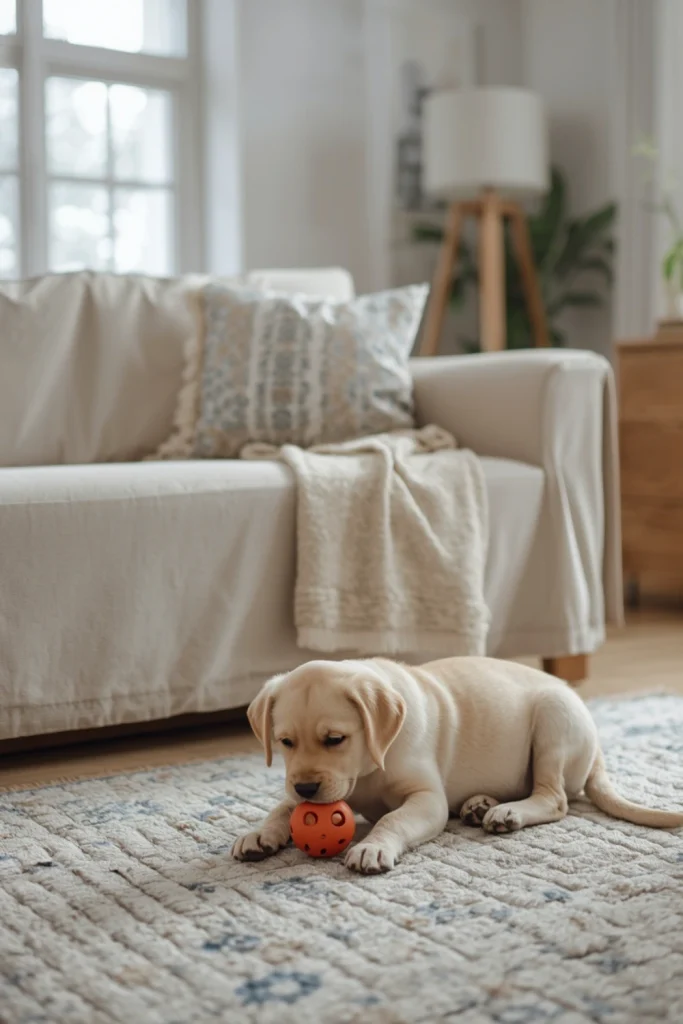
Temporary furniture protection can reduce damage while your puppy learns household rules. Consider secure furniture covers, barriers around vulnerable wooden legs, or rearranging a room to make tempting objects less accessible. Choose products that cannot easily be pulled loose or swallowed, and inspect them regularly. Protection can be particularly helpful if your puppy repeatedly targets one sofa corner or table leg.
Furniture protection should support training rather than replace it. Continue providing chew toys and redirect your puppy whenever they begin chewing an inappropriate item. Some owners consider taste-deterrent sprays, but only use products specifically labeled as appropriate for the furniture material and safe around dogs when used as directed. Test the product on a hidden area and follow all safety instructions. Avoid applying household chemicals, essential oils, or homemade mixtures that could harm your puppy. Combining sensible protection with positive training helps keep your belongings safer while encouraging appropriate chewing habits.
12. Keep Shoes, Clothing, and Small Objects Out of Reach
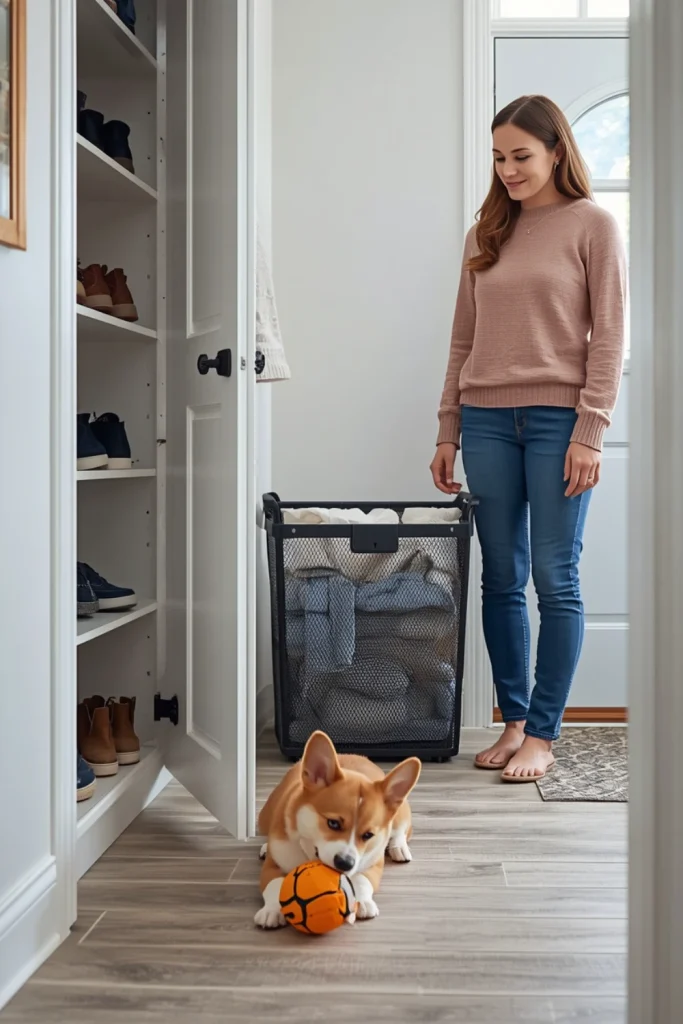
Shoes, socks, clothing, and small household objects can be especially attractive to puppies because they carry familiar scents and are easy to pick up. Unfortunately, chewing or swallowing these items can damage belongings and create health risks. Store shoes in closed cupboards, place laundry in a secure hamper, and keep children’s toys and other small objects off the floor. Reducing access to tempting items makes it easier for your puppy to practice good habits.
If you catch your puppy carrying a sock or slipper, avoid chasing them, since this may encourage them to run away with the object. Instead, calmly offer a suitable toy or use a reward-based exchange if the item is safe to approach. Never put your hand into a puppy’s mouth carelessly, especially if they are guarding an object. If your puppy swallows clothing, socks, or other non-food material, contact a veterinarian promptly for advice. Prevention is especially important because some swallowed items can cause serious intestinal blockages.
13. Prevent Boredom With Interactive Play
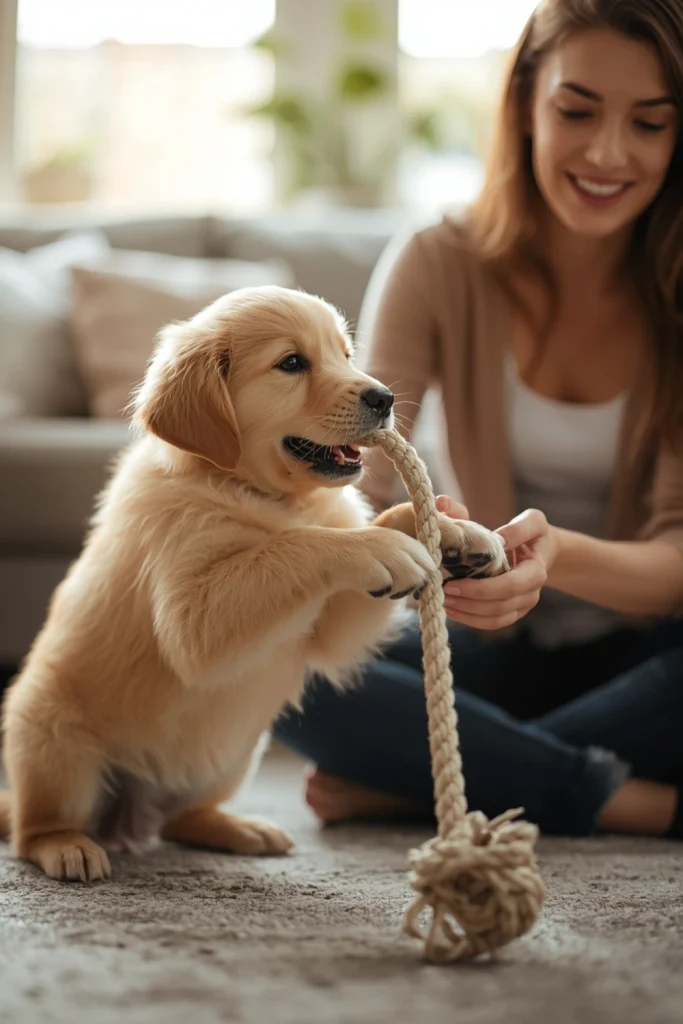
Interactive play allows your puppy to engage with you while learning appropriate ways to use their mouth and energy. Simple games involving suitable toys can provide an alternative to chewing table legs, cushions, and other household objects. Try gentle toy-fetch games, supervised tug with a suitable toy, or short training games that reward attention and calm behavior. Choose activities that suit your puppy’s age and avoid rough play that encourages biting hands or clothing.
Keep play sessions short enough that your puppy can remain responsive. Pause if excitement becomes excessive, and reward moments when your puppy releases the toy or settles briefly. If your puppy repeatedly grabs furniture during quiet periods, schedule a short play session before the behavior begins. However, interactive play should not fill every moment of the day. Puppies also need independent enrichment and sufficient sleep. A balanced combination of play, training, and rest can reduce boredom while teaching your puppy how to engage appropriately with people.
14. Introduce Alone Time Gradually
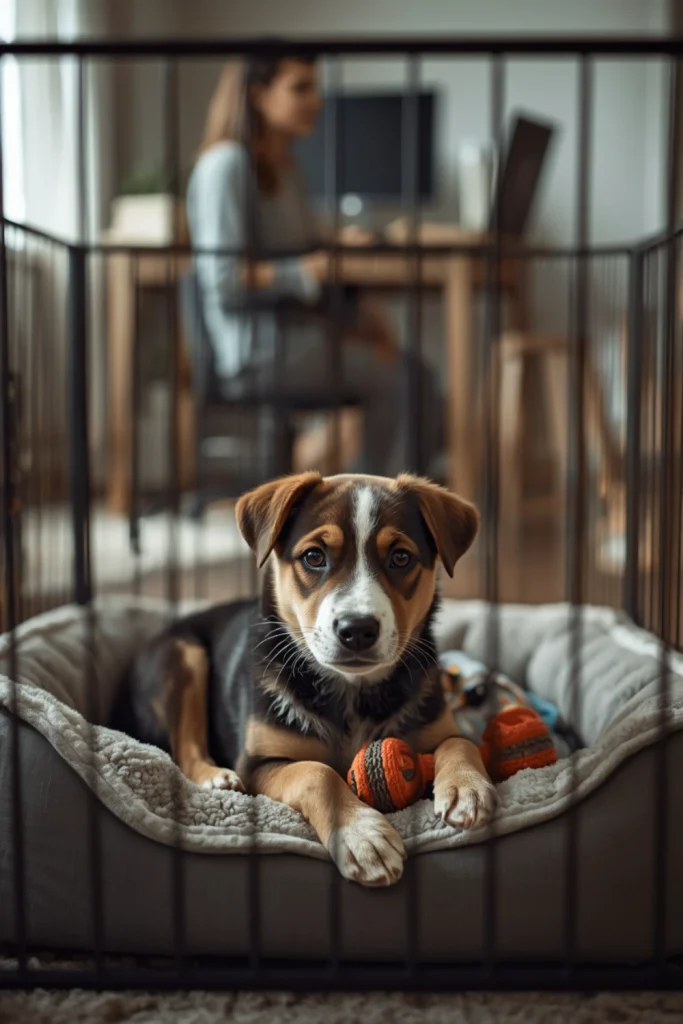
Some puppies chew household objects when they are left alone. This may happen because they are bored, curious, or uncomfortable with separation. If chewing occurs mainly when you leave, observe whether your puppy shows other signs of distress, such as persistent barking, pacing, drooling, or frantic attempts to escape. These signs may indicate separation-related distress rather than ordinary chewing, and the appropriate response depends on the underlying cause.
Begin by helping your puppy feel comfortable in a safe area while you remain nearby. Offer suitable toys, then practice very brief separations and gradually increase the duration only while your puppy remains relaxed. Never leave your puppy unsupervised with toys that can be destroyed or swallowed. If your puppy becomes distressed, make the exercise easier and seek professional guidance if needed. A veterinarian or qualified behavior professional can help you develop a suitable plan for persistent separation difficulties. Punishing destructive behavior after returning home will not teach your puppy how to feel comfortable alone.
15. Stay Consistent and Track Progress
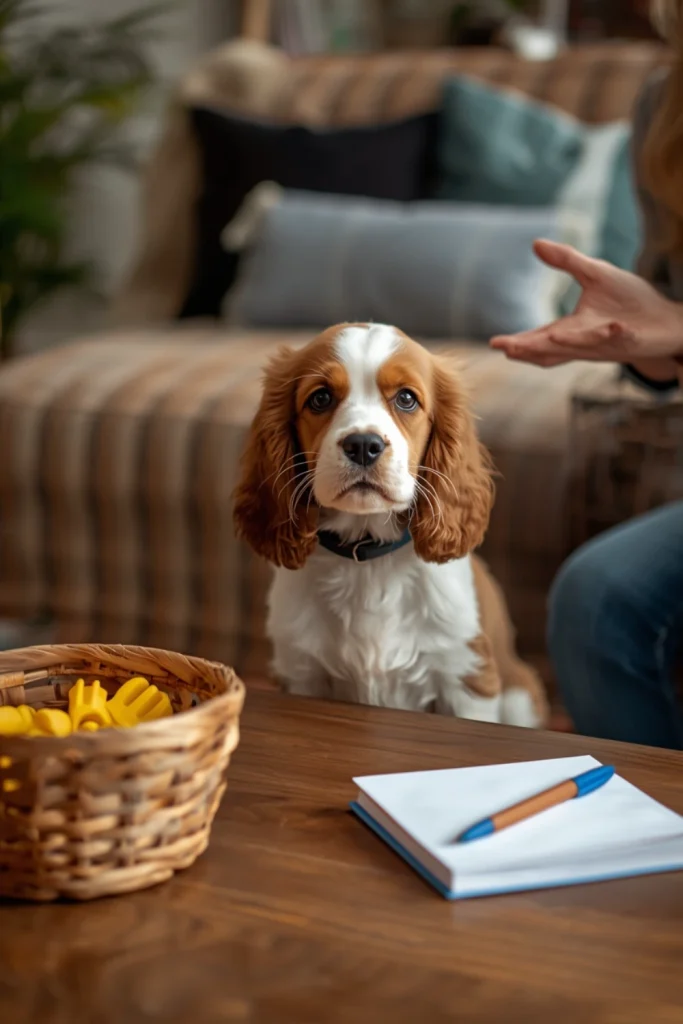
Puppy chewing habits rarely change overnight. Your puppy may use a chew toy correctly several times and then return to furniture when tired, excited, or distracted. This does not mean training has failed. It means your puppy still needs practice and careful management. Respond consistently by redirecting unwanted chewing, rewarding appropriate choices, and limiting access to tempting objects when supervision is not possible.
Pay attention to when chewing happens and which solutions work best. You might discover that your puppy chews most after playtime, during long periods without interaction, or when visitors arrive. Use these patterns to adjust the daily routine and environment. Gradually increase freedom as your puppy demonstrates reliable behavior, but continue supervising until they are ready for more independence. If chewing is persistent, unusually intense, associated with distress, or involves swallowing non-food objects, consult your veterinarian. Consistency and patience help turn good choices into lasting habits.
Final Thoughts
Finding the right puppy chewing solutions takes patience, consistency, and an understanding of your puppy’s needs. Appropriate chew toys, teething support, puppy-proofing, mental stimulation, regular exercise, and positive reinforcement can all help you manage unwanted chewing at home.
Remember that chewing is a normal behavior for growing puppies. Your goal is not to eliminate the need to chew, but to guide it toward safe and appropriate objects. Make good choices easy, reward progress, and adjust your approach as your puppy develops. With consistent training and a supportive environment, you can protect your belongings while helping your puppy build healthy habits that last into adulthood.