
A Simple 10-Minute Daily Dog Training Routine
Training your dog does not have to take hours every day. A simple Daily Dog Training Routine of just 10 focused minutes can help your dog learn useful commands, improve focus, build better habits, and strengthen the bond between you and your furry companion. The key is consistency rather than long training sessions.
Whether you have a playful puppy, an adult dog, or a rescue dog, short daily training sessions can easily become part of your normal routine. With the right approach, those 10 minutes can become one of the most valuable parts of your dog’s day.
1. Start With Your Dog’s Name
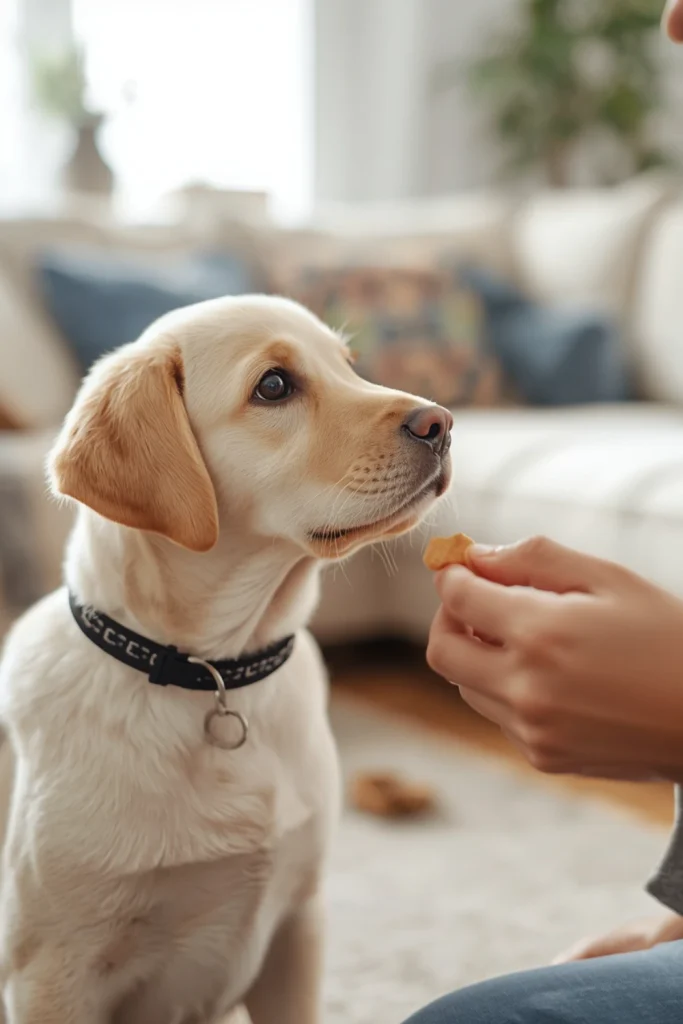
Begin your 10-minute routine by spending the first minute practicing your dog’s name. Stand near your dog and say its name clearly in a friendly voice. When your dog looks toward you, immediately reward the behavior with a small treat, praise, or a favorite toy. Repeat this several times, taking short breaks between repetitions. The goal is to help your dog understand that hearing its name means something important and positive is about to happen.
Name recognition is one of the foundations of effective dog training. A dog that reliably looks at its owner when called by name is easier to redirect during walks, playtime, and everyday situations. Avoid repeatedly saying the name when your dog is ignoring you. Instead, make the exercise easy and rewarding so your dog develops a strong positive association with the word.
2. Practice the Sit Command
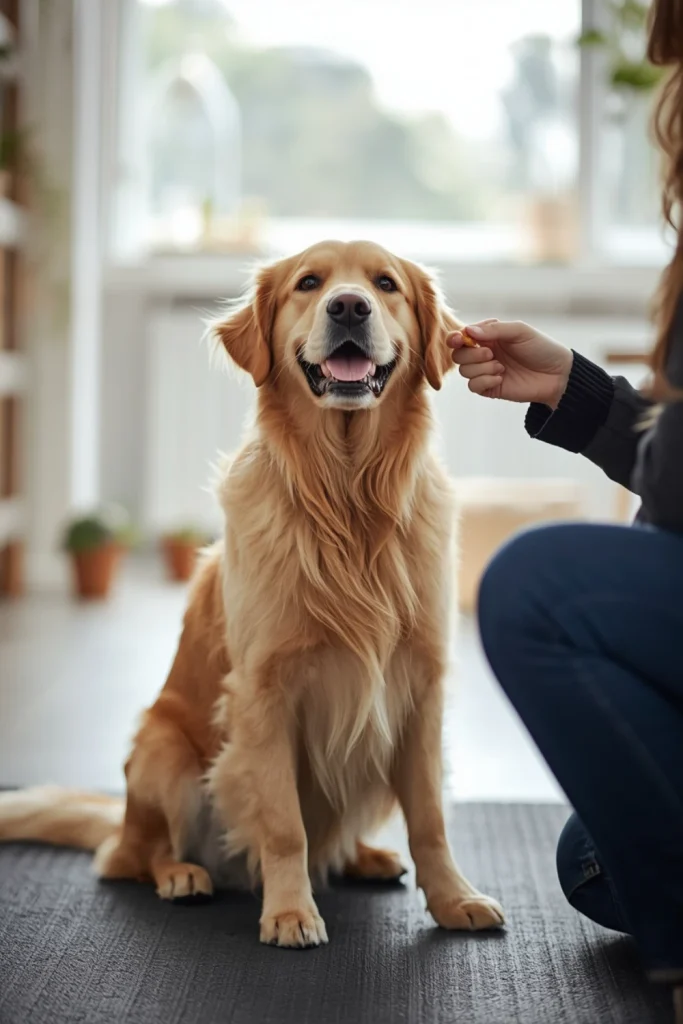
The second part of your Daily Dog Training Routine can focus on the sit command. Hold a small treat close to your dog’s nose and slowly move your hand upward and slightly backward. As your dog’s head follows the treat, its body will often naturally move into a sitting position. As soon as your dog sits, say “sit,” give the reward, and offer calm praise. Repeat this exercise several times without rushing.
Sit is one of the most useful basic dog commands because it can be practiced almost anywhere. You can ask for a sit before putting on a leash, opening a door, serving food, or greeting someone. The objective is not simply to make your dog sit on command but to build a habit of listening and responding to you during everyday activities.
3. Add a Short Stay Practice
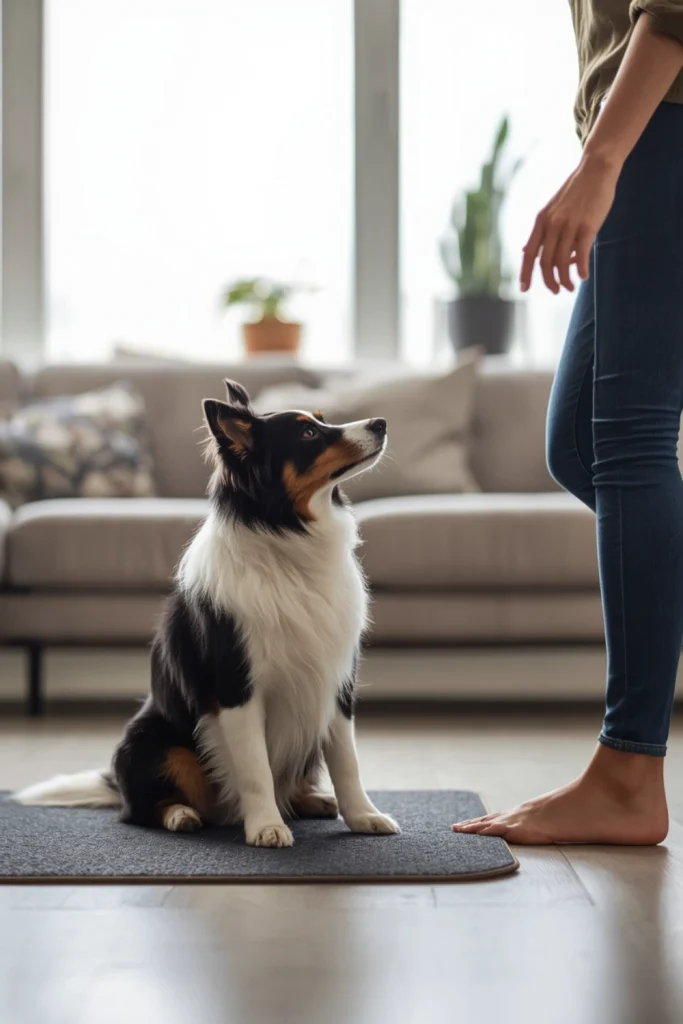
Once your dog understands sit, use the next minute to introduce or reinforce “stay.” Ask your dog to sit, show an open hand, and take one small step backward. If your dog remains in position, immediately return and reward it. Start with very short distances and brief periods. Gradually increase the time or distance only when your dog is consistently successful.
Stay training develops patience and impulse control. It can also help your dog remain safely in one place while you open a door, prepare food, answer the phone, or move around the house. Avoid making the exercise unnecessarily difficult. If your dog gets up repeatedly, reduce the distance or duration and reward successful attempts before building the challenge again.
4. Practice Recall With “Come”
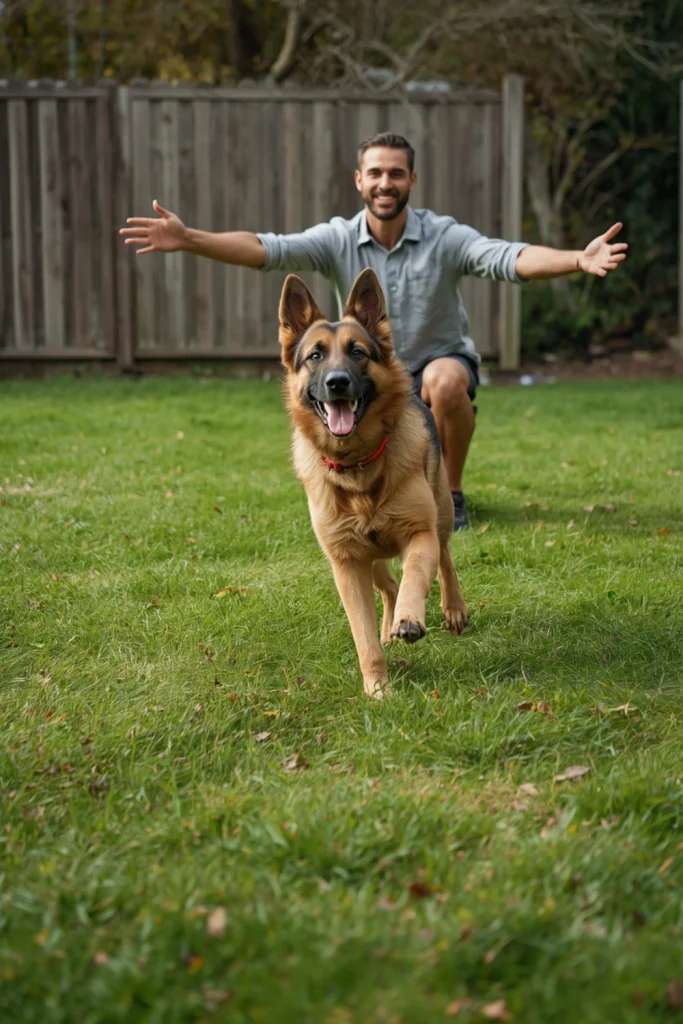
Recall is an important skill to include in your regular training routine. Call your dog using a cheerful voice and the cue “come.” When your dog moves toward you, reward it generously. Start inside the home or in another controlled environment where distractions are minimal. Keep the distance short at first, then gradually increase it as your dog becomes more reliable.
A strong recall can be extremely useful during walks, playtime, and other situations where you need your dog to return to you. Always try to make coming back feel rewarding. Avoid using the recall cue primarily for unpleasant experiences, such as immediately ending every fun activity. Your dog should learn that responding to you leads to something positive.
5. Teach “Leave It”
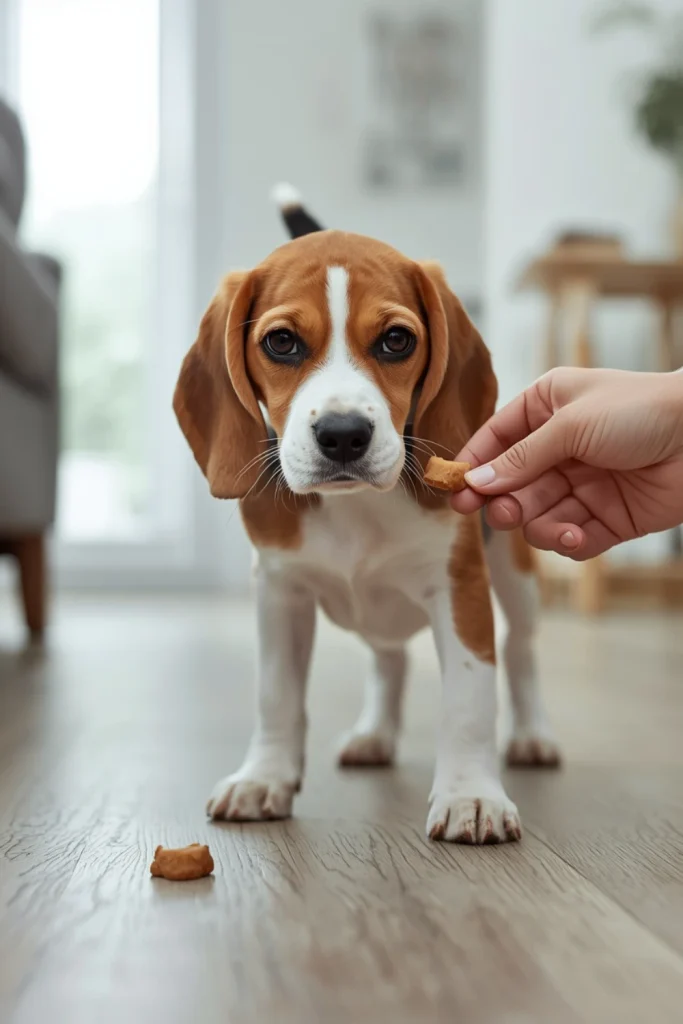
Use one minute of your daily session to practice “leave it.” Place a treat in your closed hand and allow your dog to investigate. When your dog stops trying to reach it or looks away, reward with another treat from your other hand. As your dog improves, gradually practice with different objects and situations. Keep the exercise controlled and rewarding.
Leave it is a practical command that can help your dog make safer choices. Dogs naturally explore their surroundings with their mouths, especially puppies. Teaching them to ignore certain objects can be useful around food, household items, dropped objects, and outdoor distractions. Keep potentially dangerous items completely out of your dog’s reach rather than relying only on training.
6. Work on Loose-Leash Walking
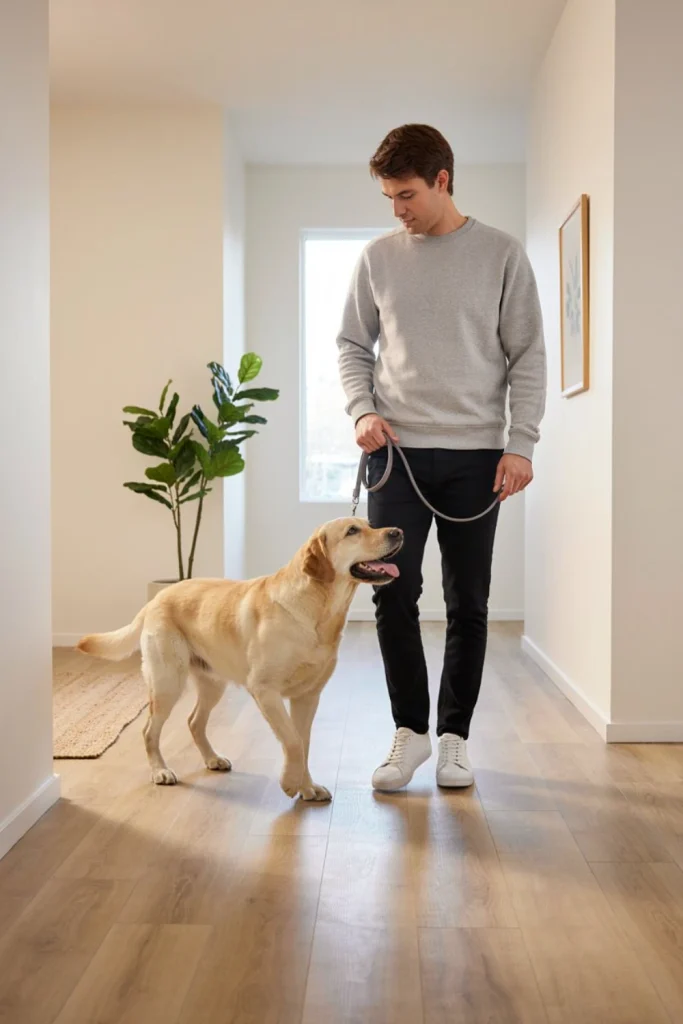
Your dog does not need to wait until a long walk to learn leash manners. Spend one minute indoors practicing walking beside you with a loose leash. Take a few steps and reward your dog when it stays near you without pulling. Change direction gently and encourage your dog to follow. Keep the exercise simple and positive.
Loose-leash walking can make outdoor walks more enjoyable for both you and your dog. A dog that learns to pay attention to its owner while walking is easier to guide around people, other animals, and environmental distractions. Begin in a quiet location and gradually introduce more challenging environments as your dog becomes comfortable with the skill.
7. Teach Your Dog to Wait
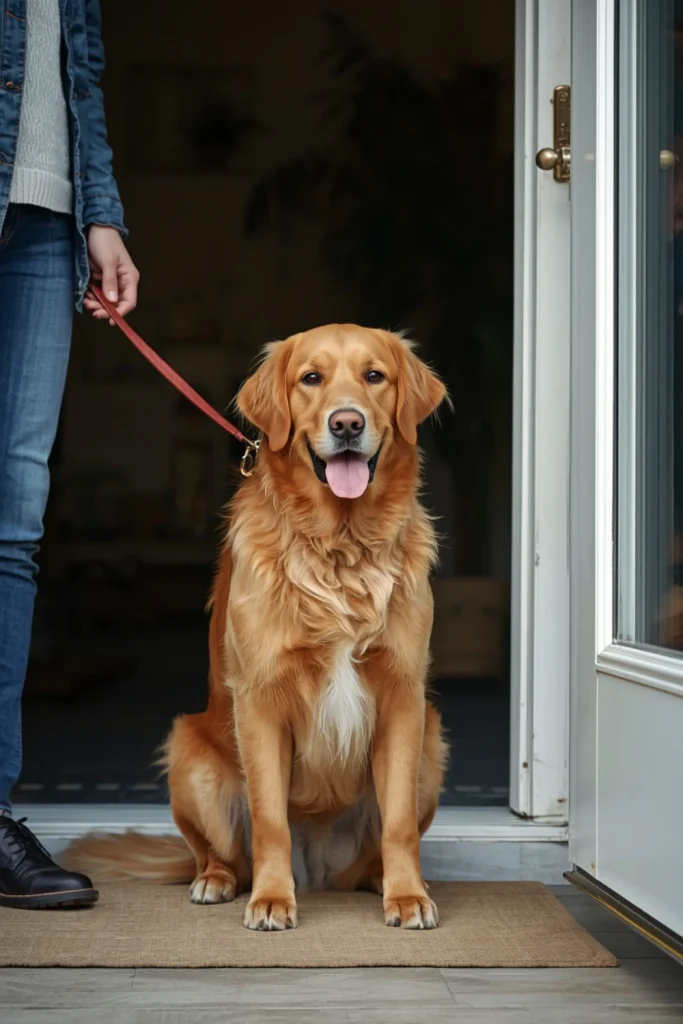
“Wait” is different from “stay” because it can be used as a temporary pause before another activity. Ask your dog to wait before opening a door, placing down a food bowl, or beginning play. Start with just a few seconds. Reward your dog for remaining calm, then give a release cue such as “okay” when the waiting period is finished.
This simple exercise can teach your dog that exciting things do not always need to happen immediately. Waiting practice can support impulse control and improve everyday manners. Keep the training easy enough that your dog can succeed frequently. As your dog’s understanding improves, slowly increase the duration or introduce mild distractions.
8. Practice “Down”
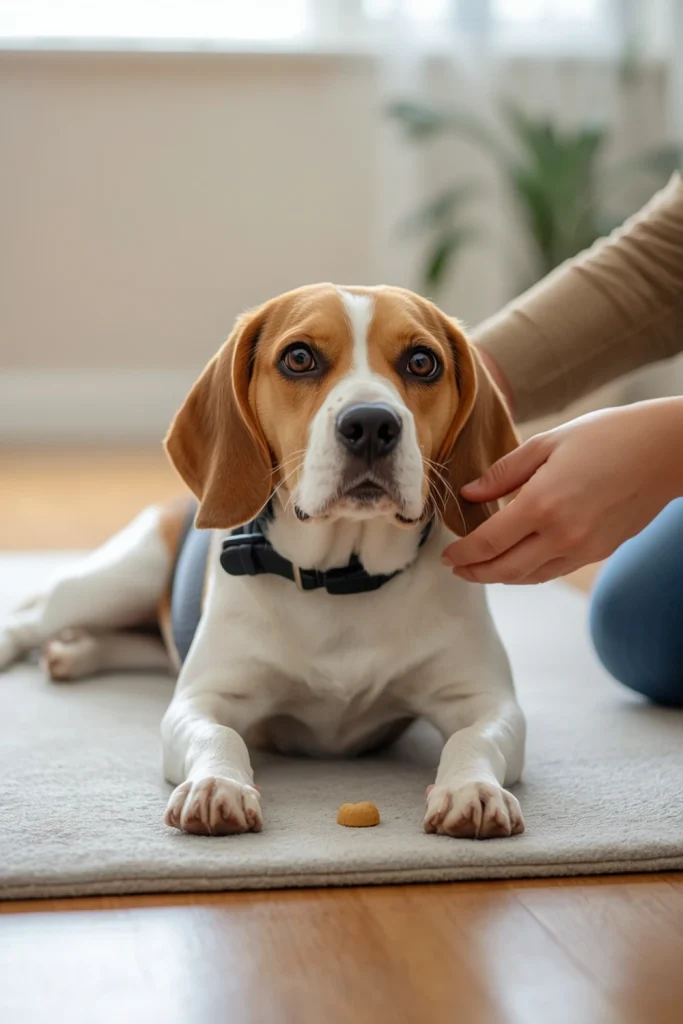
The down command encourages your dog to move from standing or sitting into a lying position. Use a treat to guide your dog’s nose toward the floor and slightly forward. When the dog’s body reaches the down position, give the reward and calmly praise. Repeat the movement several times, gradually adding the verbal cue.
Down can become a useful part of everyday calm behavior. You may use it when relaxing at home, visiting a dog-friendly location, or helping your dog settle during quiet periods. Avoid physically forcing your dog into position. Guiding and rewarding the behavior usually creates a more positive learning experience.
9. Include a Fun Trick
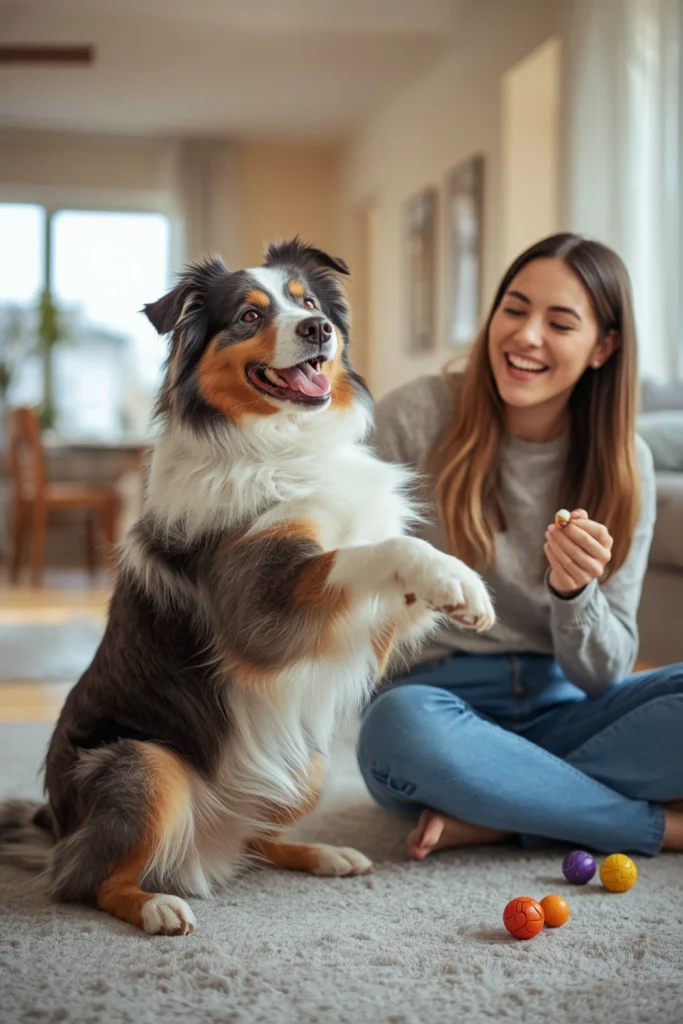
Training does not have to be serious all the time. Spend a minute teaching a fun trick such as paw, spin, touch, wave, or nose targeting. Choose one simple behavior and reward small steps toward the finished trick. Fun training can help keep your dog motivated and make your daily routine feel like play.
Trick training also provides mental stimulation. Dogs need opportunities to think, explore, and solve simple problems, not just physical exercise. A short trick session can give your dog something interesting to concentrate on. If a particular trick seems difficult, break it into smaller pieces and reward each successful step.
10. Finish With Calm Behavior
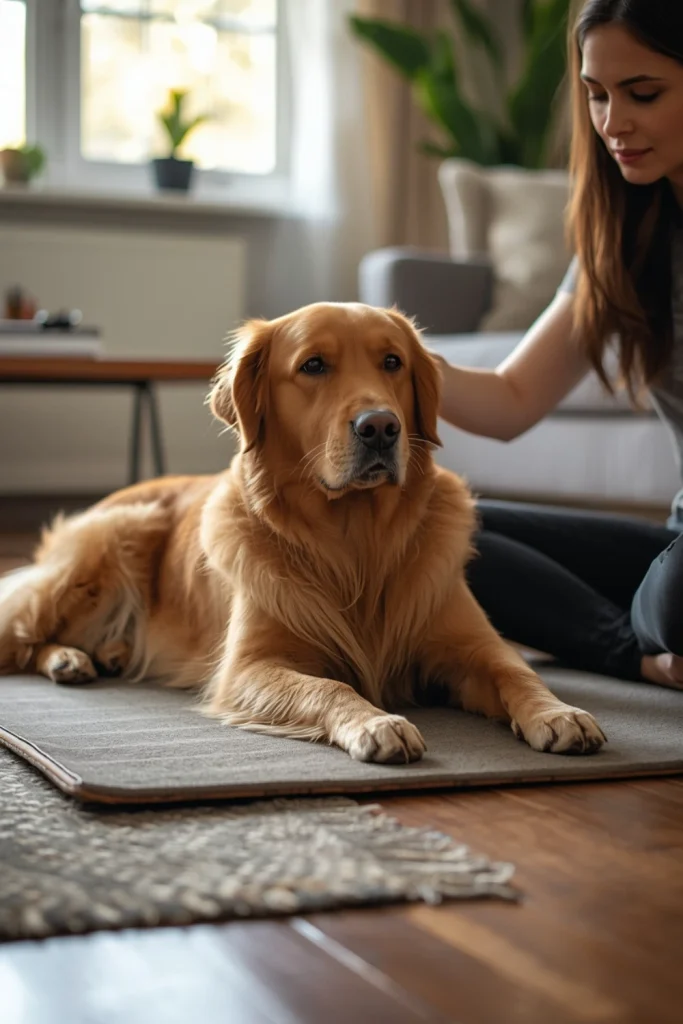
The final minute of your Daily Dog Training Routine should help your dog transition from active learning to relaxation. Ask for a simple behavior such as sit, down, or place, then reward your dog for remaining calm. Keep your voice quiet and your movements slow. This gives your dog a clear signal that the training session is ending.
Ending calmly can become a valuable part of your dog’s daily routine. Rather than finishing with intense excitement every time, teach your dog that training can naturally move from concentration to relaxation. Over time, your dog may become better at settling after activities. A calm ending also gives you an opportunity to observe your dog’s mood and energy level.
Final Thoughts
A Daily Dog Training Routine does not need to be complicated. Ten focused minutes can give you enough time to practice essential commands, improve communication, encourage calm behavior, and introduce fun mental challenges. The real benefit comes from repeating these small sessions consistently over time.
Start with simple skills, reward good behavior, keep distractions manageable, and adjust the routine according to your dog’s age and ability. Whether you are training a puppy, adult dog, or senior companion, short positive sessions can become an enjoyable part of everyday life.
The goal is not to create a perfect dog overnight. The goal is to build clear communication and useful habits one small session at a time. With patience and consistency, your 10-minute routine can become a valuable foundation for a happier and better-connected relationship with your dog.