
8 Fun Games to Teach Your Dog to Drop It
Does your dog grab a toy and refuse to give it back? Teaching “drop it” does not have to become a frustrating battle. With the right games, you can turn this useful command into an enjoyable activity that helps your dog learn while strengthening your bond.
The best training often happens when your dog does not realize they are working. These Fun Games to Teach Your Dog to drop an object can make practice more exciting, encourage cooperation, and help your dog understand that releasing something does not mean the fun is over.
Why Teaching “Drop It” Is Important
The “drop it” command teaches your dog to willingly release an object from their mouth. This can be useful during play, especially when your dog grabs a toy you need to retrieve. More importantly, the behavior can become helpful when your dog picks up something they should not have, such as a household item, piece of rubbish, or another potentially unsafe object.
A good drop-it response can also prevent unnecessary tugging or chasing. If you constantly chase your dog when they have an object, they may learn that running away creates an exciting game. Instead, reward-based training can teach your dog that giving something up results in another positive outcome. The goal is cooperation rather than forcing the object out of your dog’s mouth.
1. The Toy Swap Game
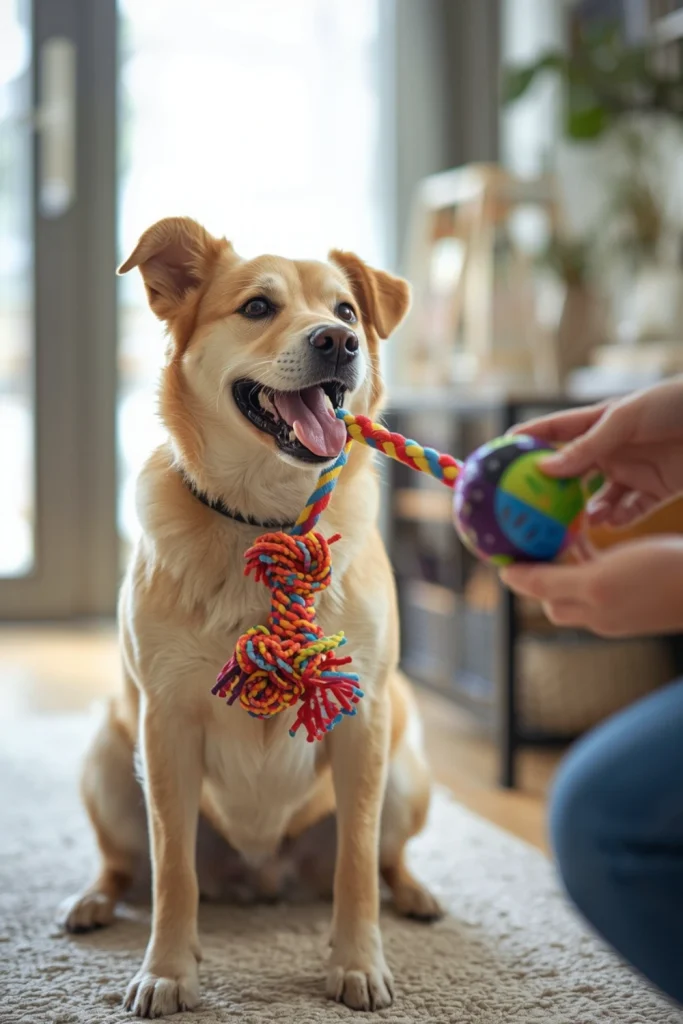
The toy swap game is one of the easiest ways to introduce the idea of releasing an object. Start by giving your dog a toy they enjoy but do not consider extremely valuable. Once your dog has the toy, show them a second toy that is equally interesting or slightly more exciting. When your dog opens their mouth to take the second toy, the first toy will naturally fall.
As soon as the first toy drops, calmly praise your dog and offer the second toy. You can then pick up the original toy and return it after a short moment. This teaches an important lesson: releasing one toy does not mean losing everything. Instead, dropping the toy allows another fun interaction to happen.
2. The Two-Toy Tug Game
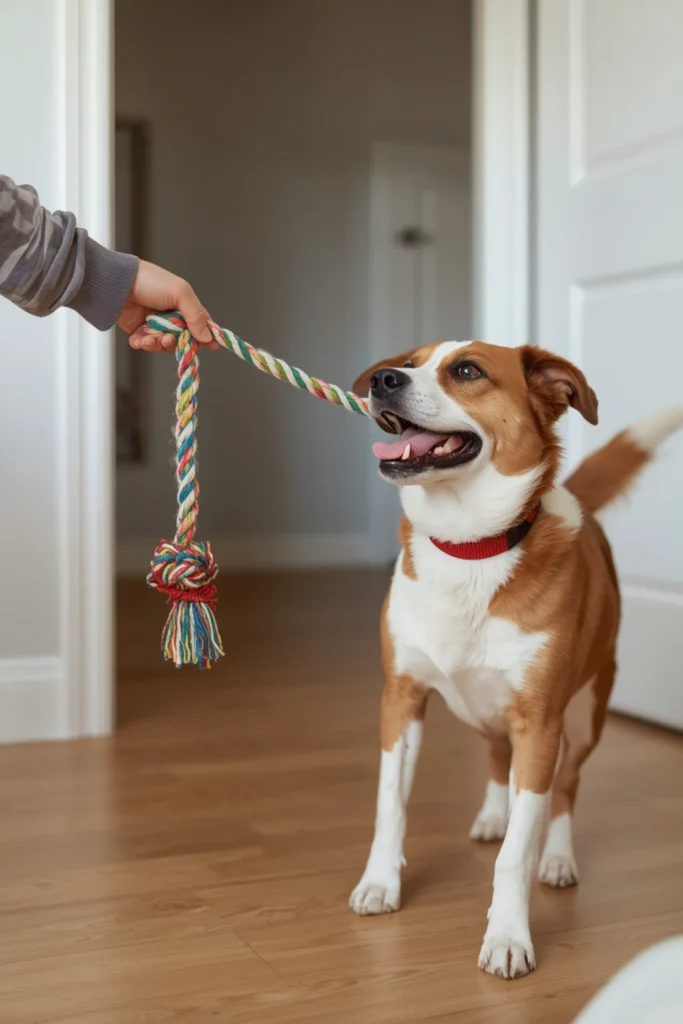
Tug is naturally exciting for many dogs, which makes it useful for practicing “drop it.” Use two similar tug toys and begin a gentle game with the first one. After several seconds, stop moving the toy and become completely still. Then introduce the second toy and move it slowly to attract your dog’s attention.
When your dog releases the first toy to investigate the second one, immediately restart the game with the new toy. This creates a simple pattern: play, release, and play again. Once your dog understands the pattern, you can begin saying “drop it” just before they release the first toy. Keep the game controlled and avoid rough movements that could cause your dog to become overly excited.
3. The Treat Trade Game
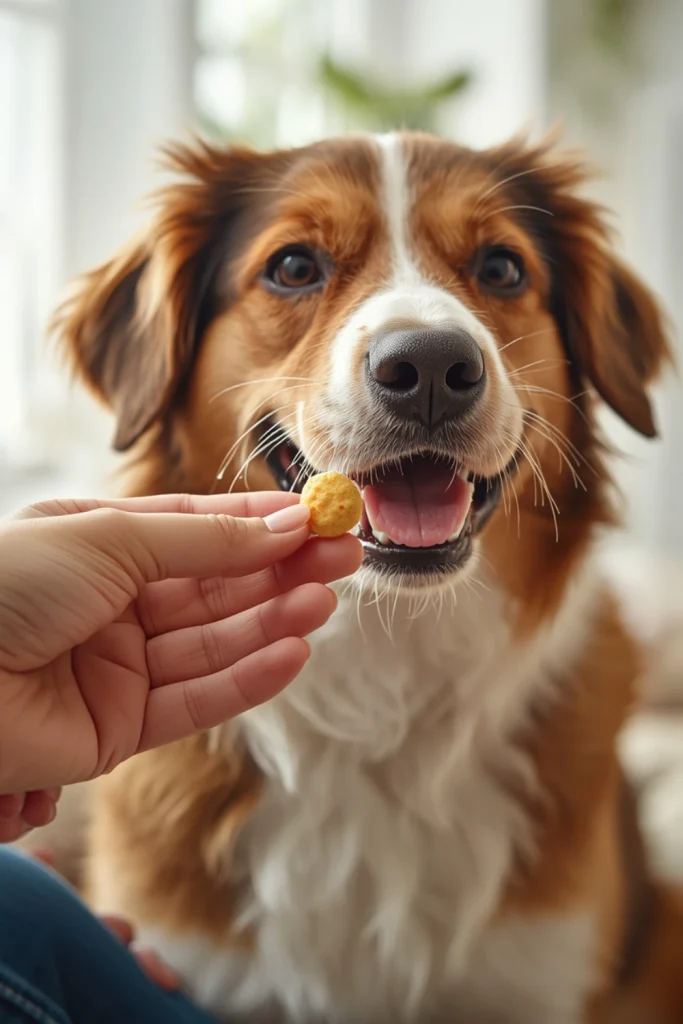
Food can be a powerful motivator when used appropriately. Give your dog a safe toy and allow them to hold it for a few seconds. Then bring a small, high-value treat near their nose without trying to pull the toy away. As your dog opens their mouth to take the treat, the toy will drop naturally.
Immediately give the treat and calmly praise your dog. After several repetitions, begin saying “drop it” as your dog starts to release the toy. Eventually, your dog can learn that hearing the cue means they should release what is in their mouth. Keep the reward timing clear so your dog understands exactly what behavior earned the treat.
4. The Fetch and Release Game
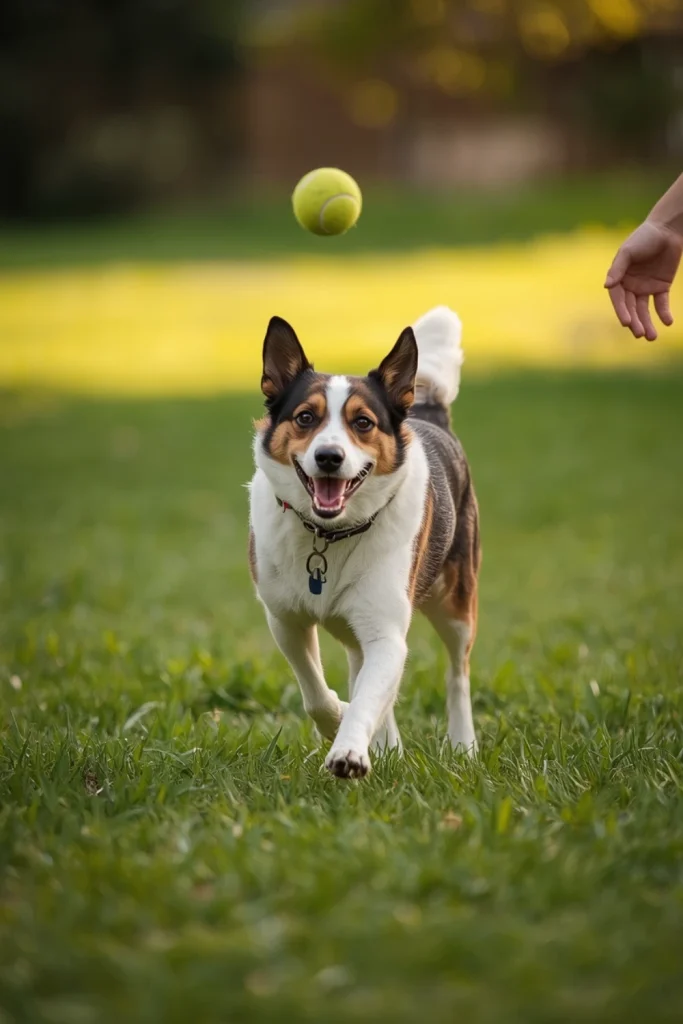
Fetch can become a natural drop-it training opportunity because your dog already has a reason to bring an object back. Start with a favorite but manageable ball or toy. Throw it a short distance and encourage your dog to retrieve it. When your dog returns, avoid immediately reaching for the toy.
Instead, show another toy or use a treat to encourage the release. The moment your dog drops the ball, reward them and immediately throw it again. Repeating this sequence can help your dog understand that releasing the object makes another round of fetch possible. Over time, introduce the “drop it” cue immediately before the expected release.
5. The Surprise Toy Game
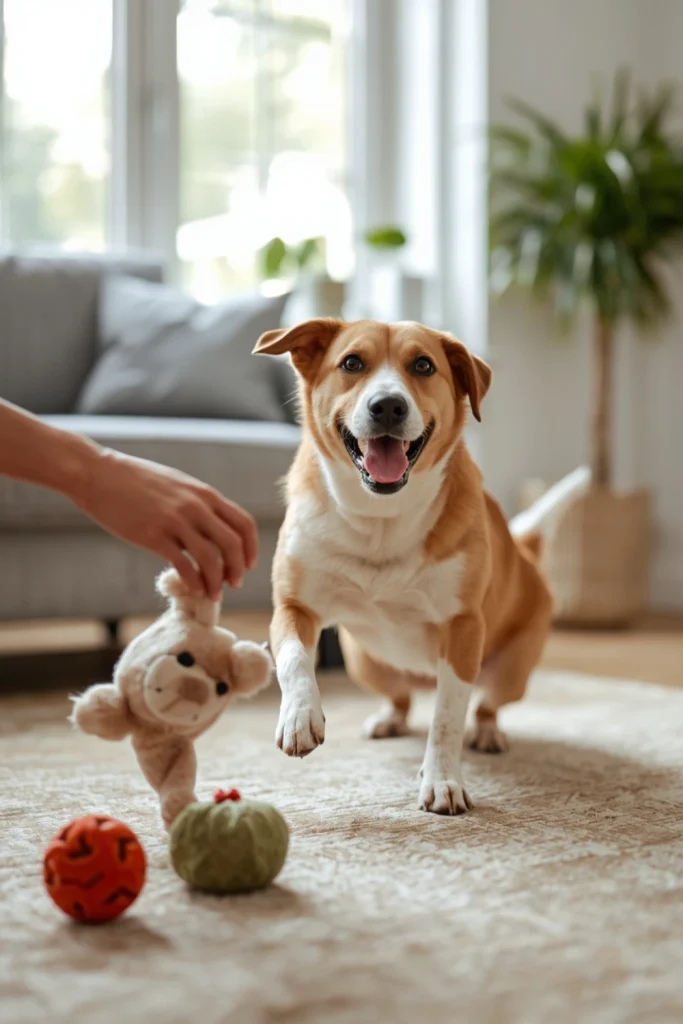
Some dogs become more interested when something unexpected happens. For this game, prepare several safe toys and place them within easy reach during a supervised play session. Start playing with one toy and let your dog become interested in it. After a short period, suddenly make the second toy move in an inviting way.
When your dog drops the first toy to investigate the new one, praise the release and continue playing. You can gradually introduce the “drop it” cue as the dog begins to understand the game. Keep the new toy interesting without making the interaction chaotic. The purpose is to create a positive reason for your dog to release an object rather than forcing them to surrender it.
6. The Treasure Hunt Release Game
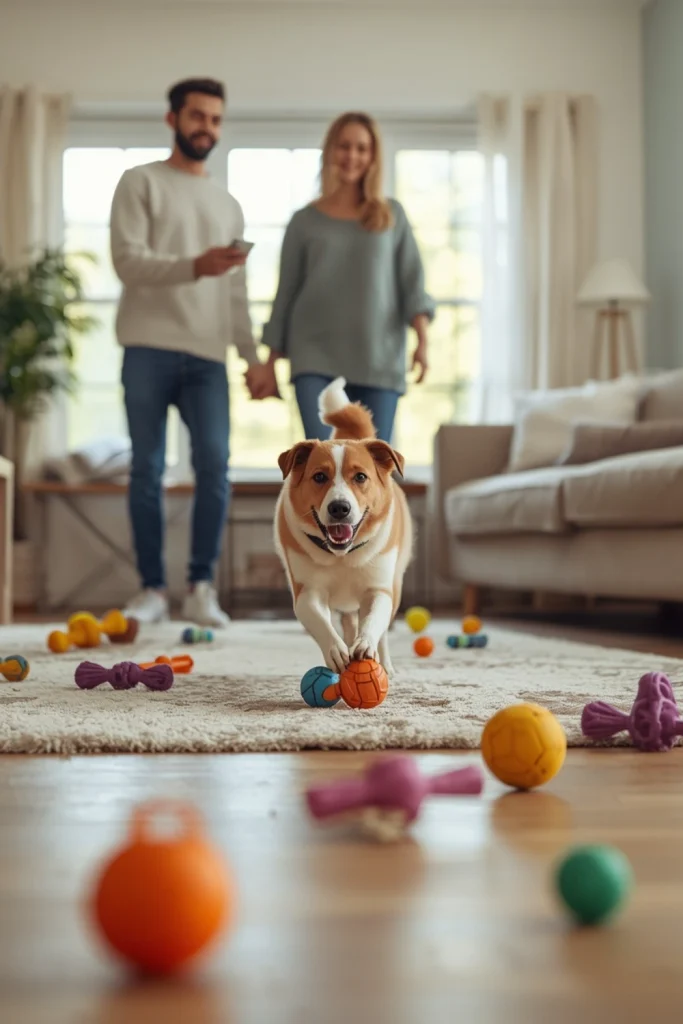
Turn training into a simple treasure hunt by placing a few safe toys around a room. Encourage your dog to pick up one toy and bring it toward you. When they arrive, offer a different reward such as another toy, a treat, or a short play session. When the dog releases the original toy, reward them immediately.
This game combines movement, exploration, and training. It can be especially useful for dogs who enjoy carrying objects around the house. Keep the environment controlled and remove unsafe items before starting. As your dog improves, you can introduce the “drop it” cue before presenting the reward. Eventually, the cue can become part of the normal game rather than something that interrupts play.
7. The Trade and Return Game
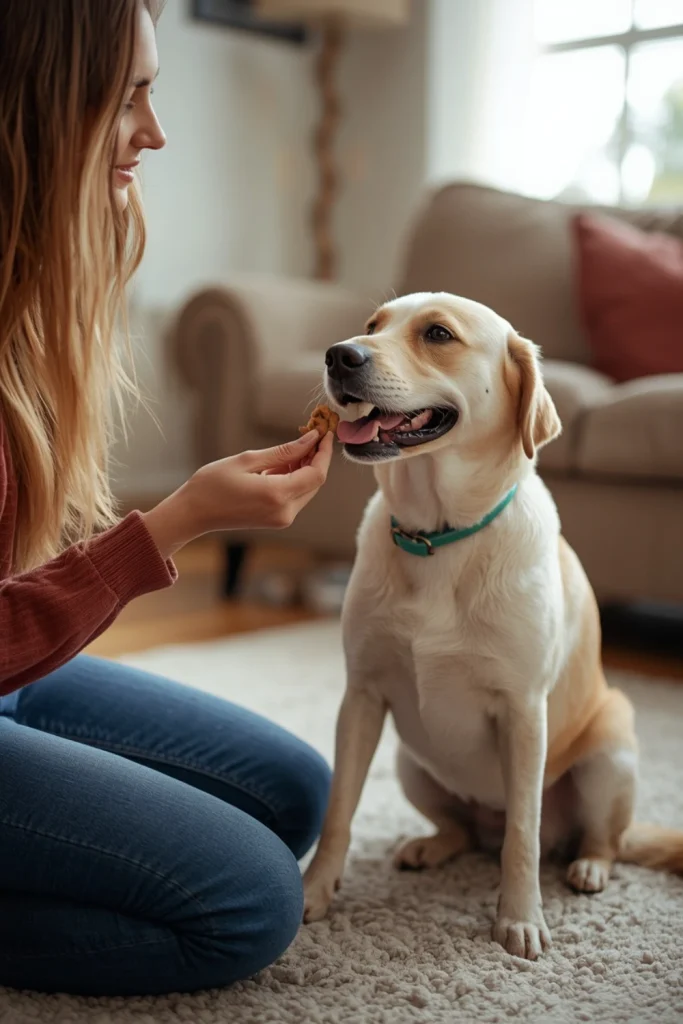
Some dogs resist dropping objects because they believe the owner will immediately take the item away forever. The trade and return game helps change that expectation. Give your dog a toy and then offer a treat or another toy in exchange. When the dog drops the first object, reward them and, after a short pause, return the original toy.
This teaches your dog that releasing something does not always mean losing it. That can make the dog more comfortable cooperating with you. Over time, your dog may become less possessive because they learn that your approach often predicts another positive experience. Keep the exchange calm and never forcefully pull the object from your dog’s mouth.
8. The Drop It Challenge Game
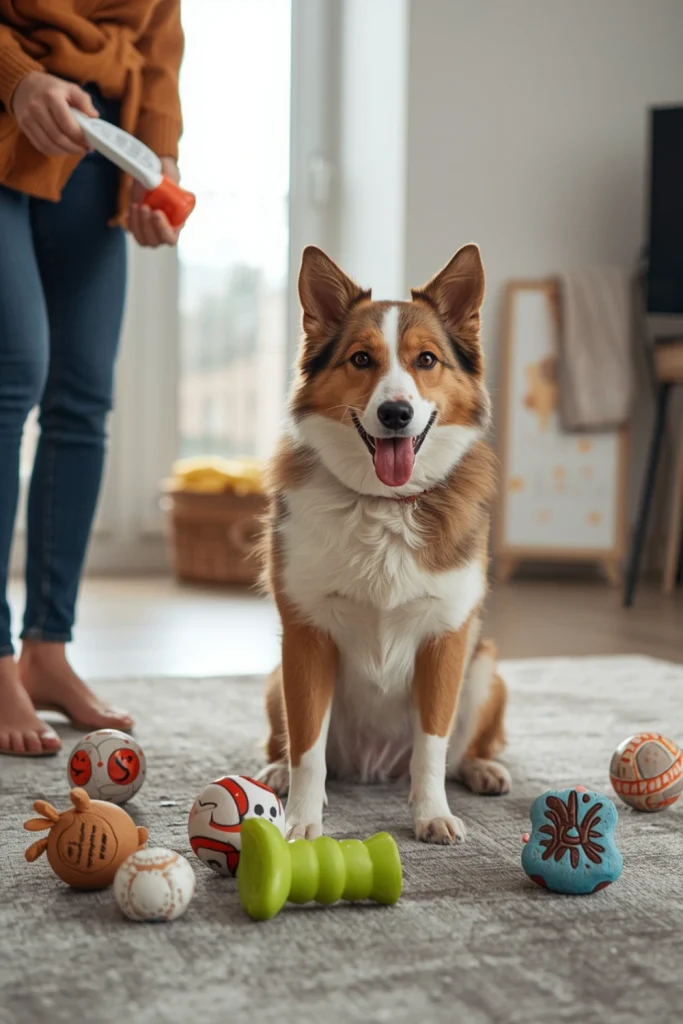
Once your dog understands the basic command, create a simple challenge by using different safe toys and objects. Start with something your dog considers moderately interesting. Let them pick it up, then say “drop it” and offer a reward. When they succeed, celebrate calmly and move to another object.
Do not make the challenge too difficult. If your dog ignores the cue, return to an easier object or use a better reward. The goal is to strengthen the behavior, not to see how many times your dog can fail. Gradually practicing with different objects can help your dog understand that “drop it” applies to many situations rather than only one particular toy.
Final Thoughts
Teaching your dog to “drop it” does not have to involve frustration, chasing, or force. By using simple games such as toy swaps, tug games, treat trades, fetch, treasure hunts, and return games, you can help your dog understand that releasing an object is rewarding.
The most important part of these Fun Games to Teach Your Dog is consistency. Start with easy objects, reward successful releases, use the same verbal cue, and gradually practice in different locations. Give your dog time to learn and avoid increasing the difficulty too quickly.
With regular practice, “drop it” can become a useful everyday skill that makes play more enjoyable and can provide an additional layer of safety. Keep sessions positive, use rewards your dog values, and remember that cooperation is more effective than force.