
12 Dog Training Ideas You Will Love in 2026
Training your dog does not have to feel difficult or complicated. With the right approach, short daily sessions, positive reinforcement, and consistent communication can turn everyday moments into valuable learning opportunities. Whether you have a playful puppy, an adult rescue dog, or a senior companion, the right training activities can strengthen your bond while teaching useful skills.
Looking for practical Dog Training Ideas for 2026? This guide brings together 12 useful, beginner-friendly training activities that can make your dog’s daily routine more enjoyable. From name recognition and basic commands to recall, leash manners, impulse control, enrichment, and real-world training, these ideas are designed to fit naturally into modern dog ownership.
1. Teach Your Dog to Respond to Its Name
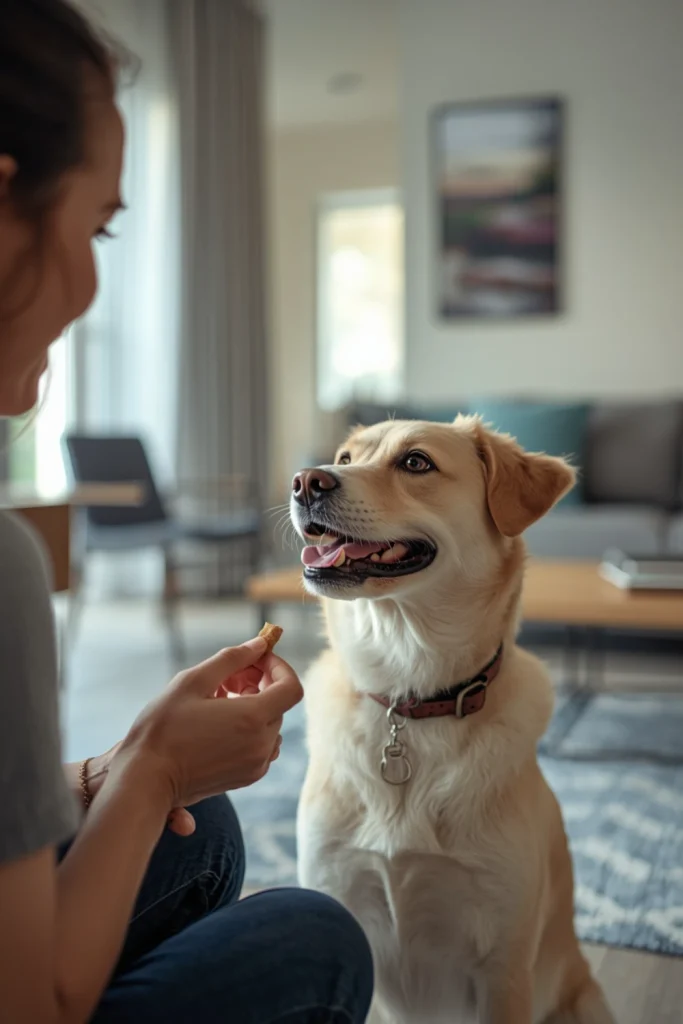
One of the simplest and most useful Dog Training Ideas is teaching your dog to respond reliably to its name. A dog that pays attention when you say its name is easier to communicate with during training and everyday situations. Start in a quiet room with minimal distractions. Say your dog’s name in a friendly voice, and when it looks toward you, immediately reward the response with praise, a small treat, or another reward your dog enjoys. Repeat this several times during short sessions.
As your dog becomes more reliable, gradually practice in different rooms and eventually in environments with mild distractions. Avoid repeatedly saying the name when your dog is ignoring you, because you want the name to remain meaningful. The goal is not necessarily for the dog to run toward you every time it hears its name, but to pause, look at you, and become ready to receive further information.
2. Practice the Sit Command
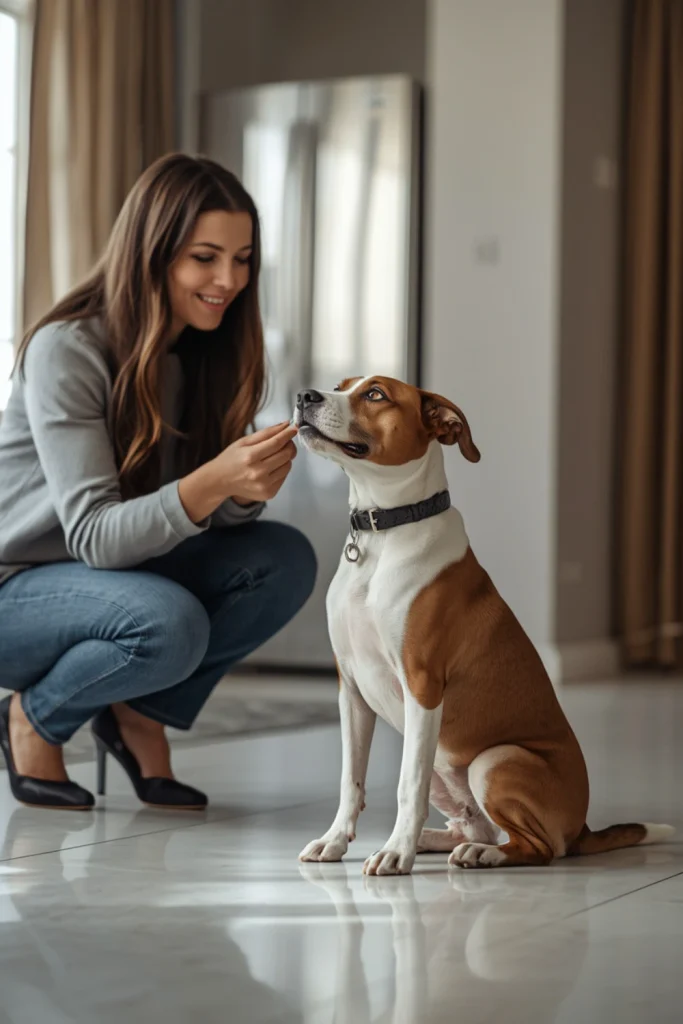
“Sit” is one of the most useful beginner commands and a great starting point for structured training. It can help your dog learn to pause before receiving food, going outside, greeting someone, or beginning a game. To teach it, hold a small reward near your dog’s nose and slowly move it upward and slightly backward. As your dog’s head follows the reward, its bottom may naturally move toward the floor. When it sits, immediately reward the behavior and introduce the verbal cue.
Keep sessions short and positive rather than practicing until your dog becomes bored. Once your dog understands the movement, gradually reduce your dependence on treats by rewarding with praise, play, or occasional food rewards. Practice in different locations so your dog learns that “sit” means the same thing whether you are in the living room, garden, or another safe environment.
3. Make Recall Training a Daily Game
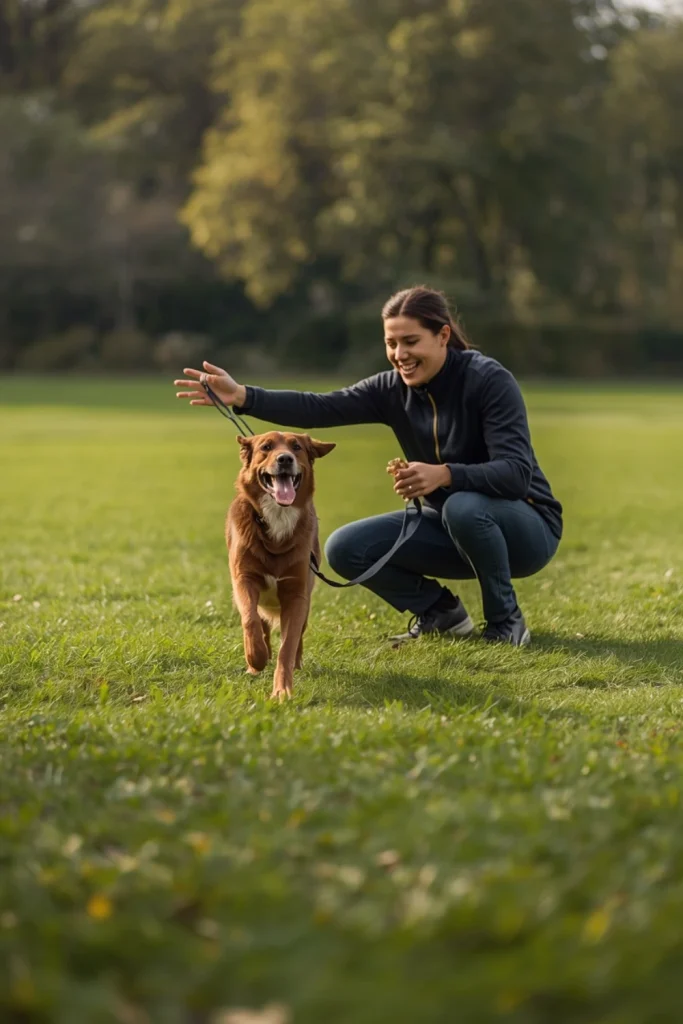
Reliable recall is one of the most valuable skills you can teach your dog. It means encouraging your dog to come toward you when called, which can be extremely useful during walks, outdoor activities, and unexpected situations. Begin in a secure, low-distraction environment. Use an enthusiastic voice and reward your dog generously whenever it comes toward you. Start with very short distances and gradually increase the challenge.
Make coming to you a positive experience. Avoid calling your dog only when something enjoyable is about to end, such as going home from the park. Instead, frequently call your dog for rewards, play, praise, and attention. As training improves, practice with controlled distractions and appropriate safety equipment. Recall training takes repetition, so avoid expecting a perfect response in highly distracting environments before your dog is ready.
4. Teach Calm Leash Walking
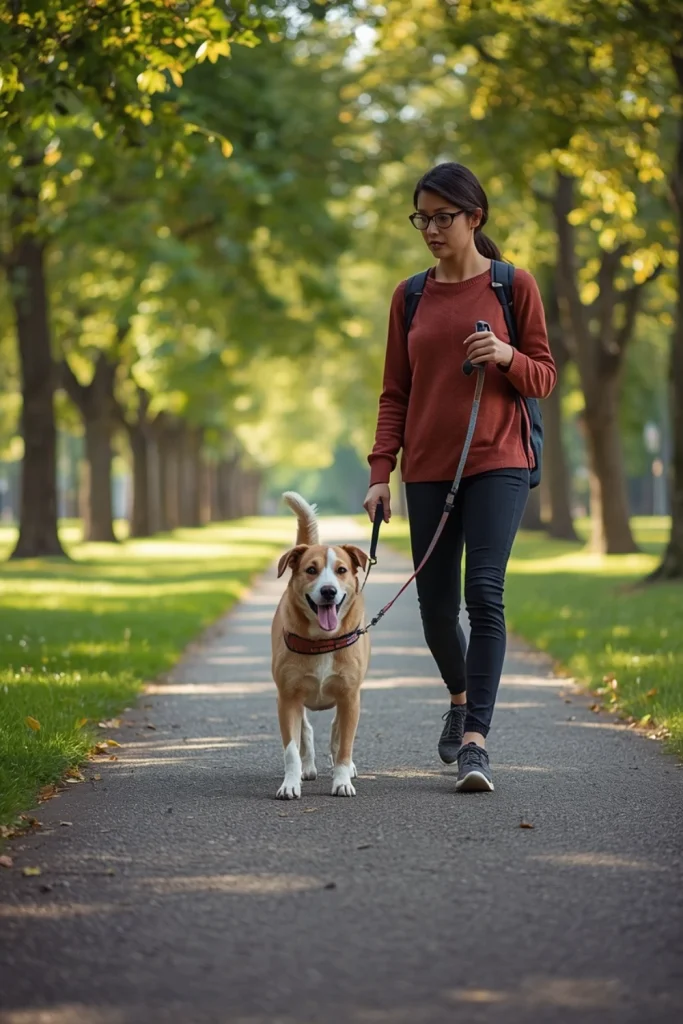
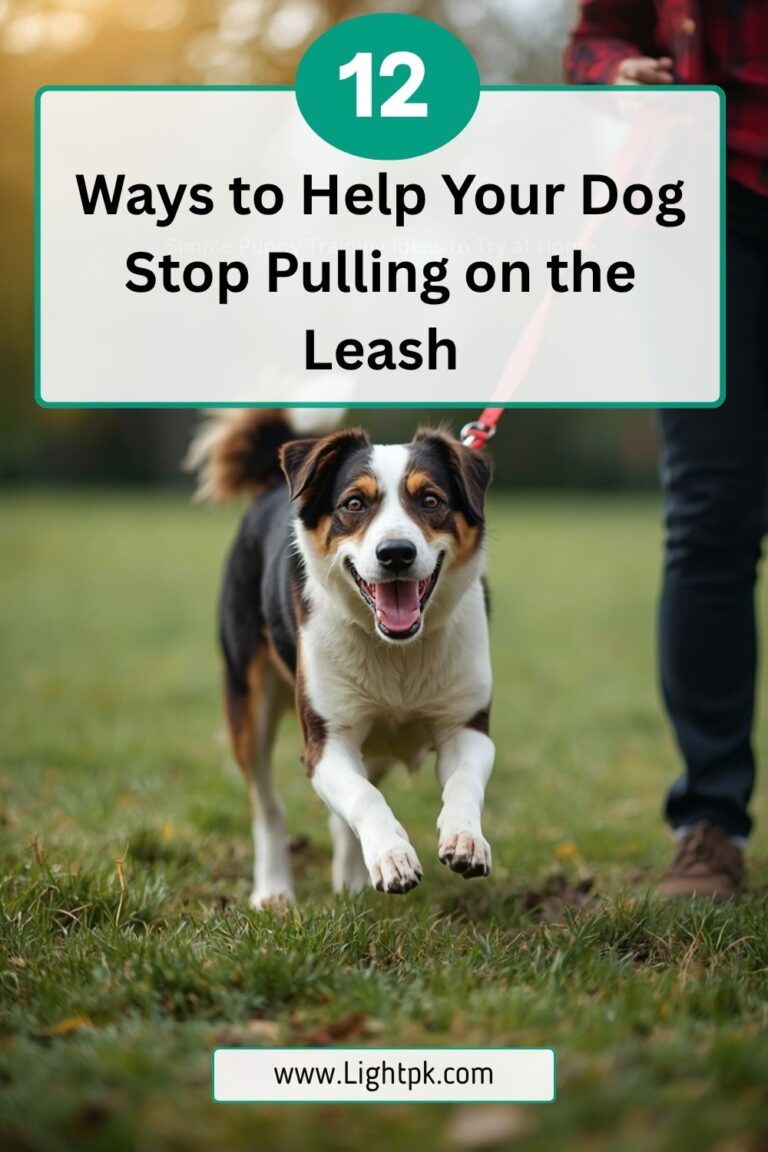
Pulling on the leash can make walks uncomfortable for both dogs and owners. Teaching calm leash walking is therefore one of the most practical Dog Training Ideas for everyday life. Begin somewhere quiet where your dog can focus. Reward your dog when it walks near you with a loose leash. If the dog moves too far ahead, calmly stop or change direction rather than turning the walk into a battle.
Over time, practice in increasingly interesting environments. Remember that walks are not only about covering distance. Dogs benefit from safely exploring scents and their surroundings, so allow appropriate sniffing opportunities. The objective is not necessarily to make your dog walk rigidly beside you every second. Instead, teach your dog how to move safely and politely while remaining responsive to your guidance.
5. Teach “Leave It” for Better Safety
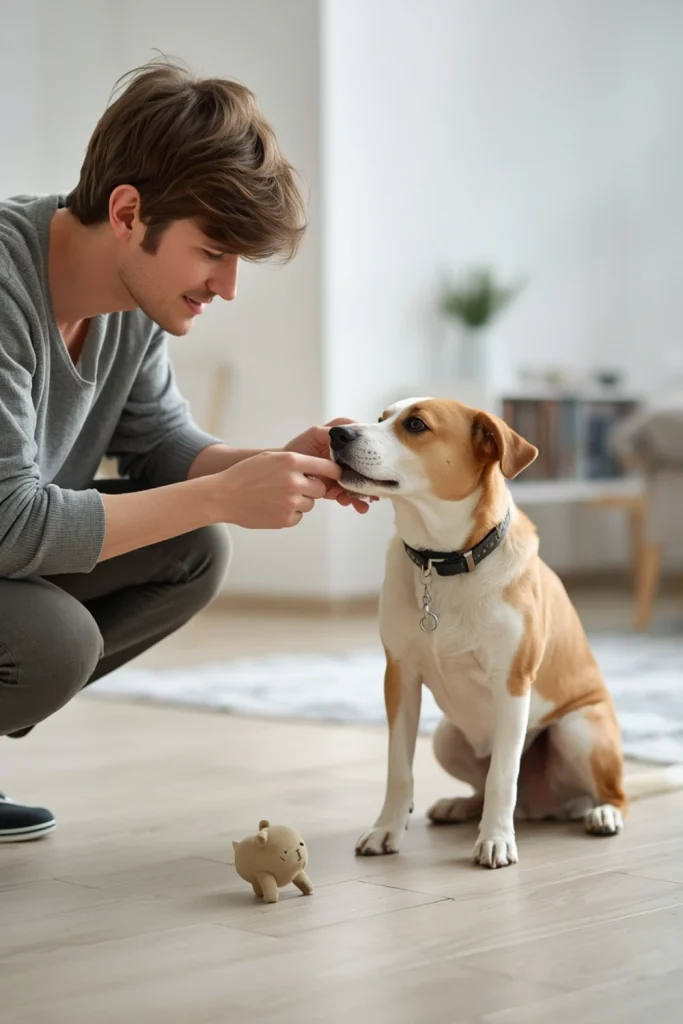
“Leave it” is a particularly useful skill because dogs naturally investigate interesting objects with their mouths. Training this command can help you redirect your dog away from something it should not touch. Start with a low-value object that your dog cannot easily access. Present it and wait for your dog to move its attention away. Reward the moment your dog chooses to focus on you instead.
As your dog improves, gradually practice with different safe objects and controlled distractions. Never use dangerous items as training props. The goal is to teach your dog that ignoring something can lead to a better reward. This skill can be helpful around dropped food, household objects, toys belonging to children, and other distractions, although training should never replace responsible supervision.
6. Build Impulse Control Through “Wait”
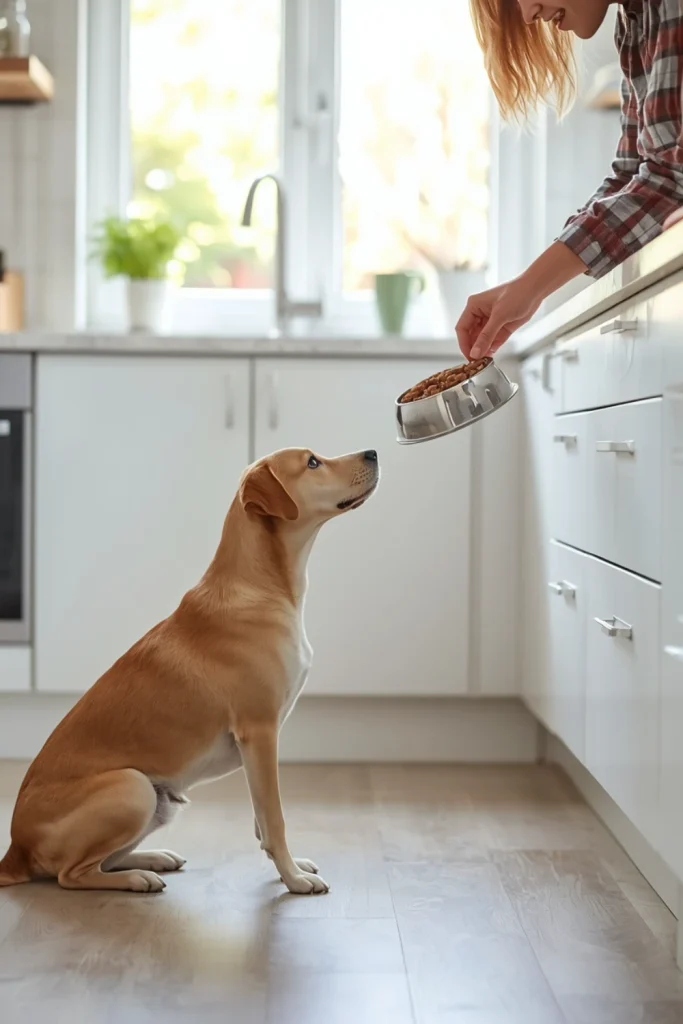
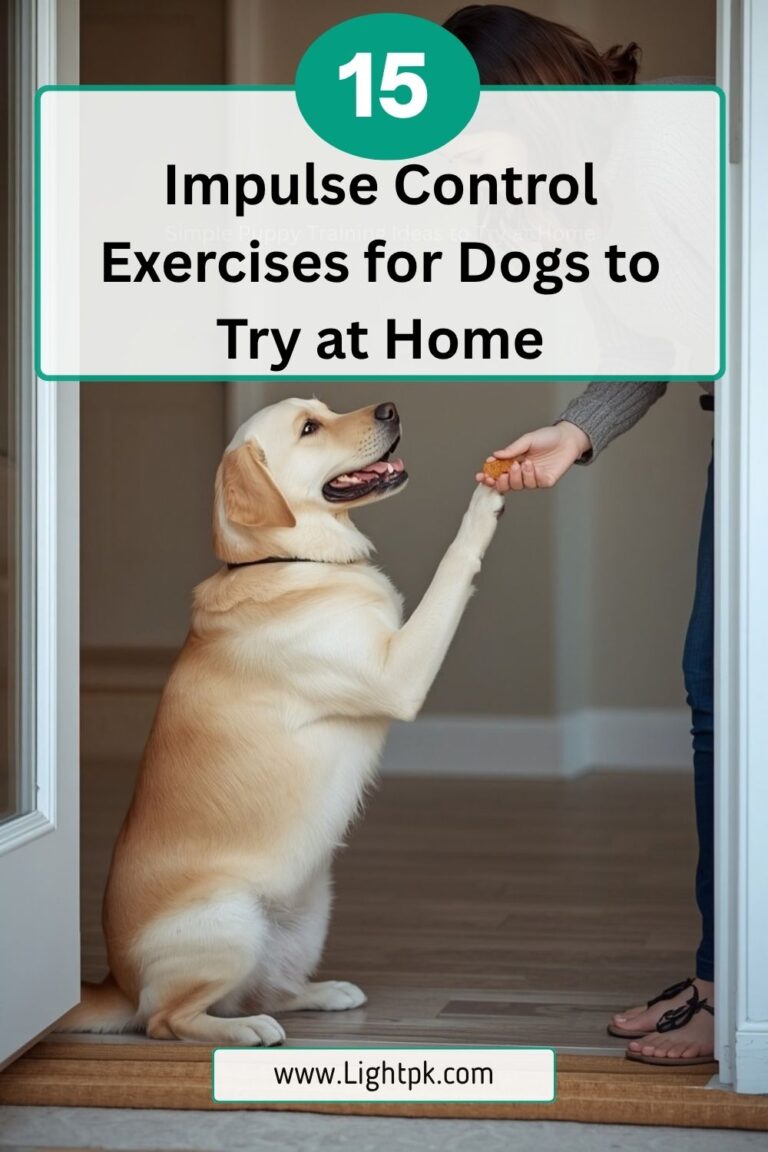
Teaching a dog to wait can improve patience and everyday manners. You can introduce the skill during simple routines such as placing a food bowl on the floor, opening a door, or preparing to cross a safe area. Ask your dog to pause briefly, reward calm behavior, and then give a release cue. Start with only a second or two before gradually increasing the duration.
The key to successful impulse-control training is progression. If you make the exercise too difficult too quickly, your dog may repeatedly fail. Instead, increase time, distance, or distractions one at a time. Keep the exercise positive and never expect a dog to wait in an unsafe situation. A well-practiced wait can become a useful foundation for more advanced training.
7. Create a “Place” Training Routine
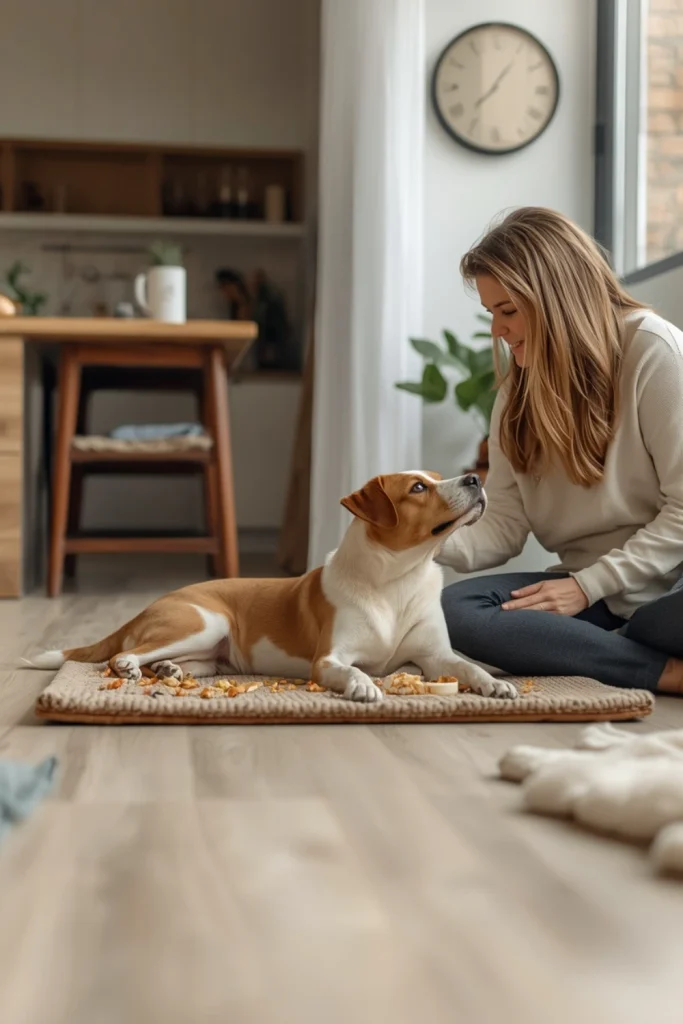
“Place” training teaches a dog to go to a specific bed, mat, or designated area and remain there for a period of time. This can be particularly useful when visitors arrive, during meal preparation, or when you need your dog to settle safely. Begin by rewarding your dog for approaching and stepping onto the mat. Gradually add a verbal cue and reward the dog for staying there calmly.
Once your dog understands the concept, practice while you move around the room. Eventually, you can introduce mild distractions such as a doorbell or someone entering the room. Keep expectations realistic and provide breaks. The purpose of place training is not to keep a dog isolated for long periods but to give it a clear, comfortable behavior to perform when calmness is needed.
8. Turn Training Into a Puzzle Game
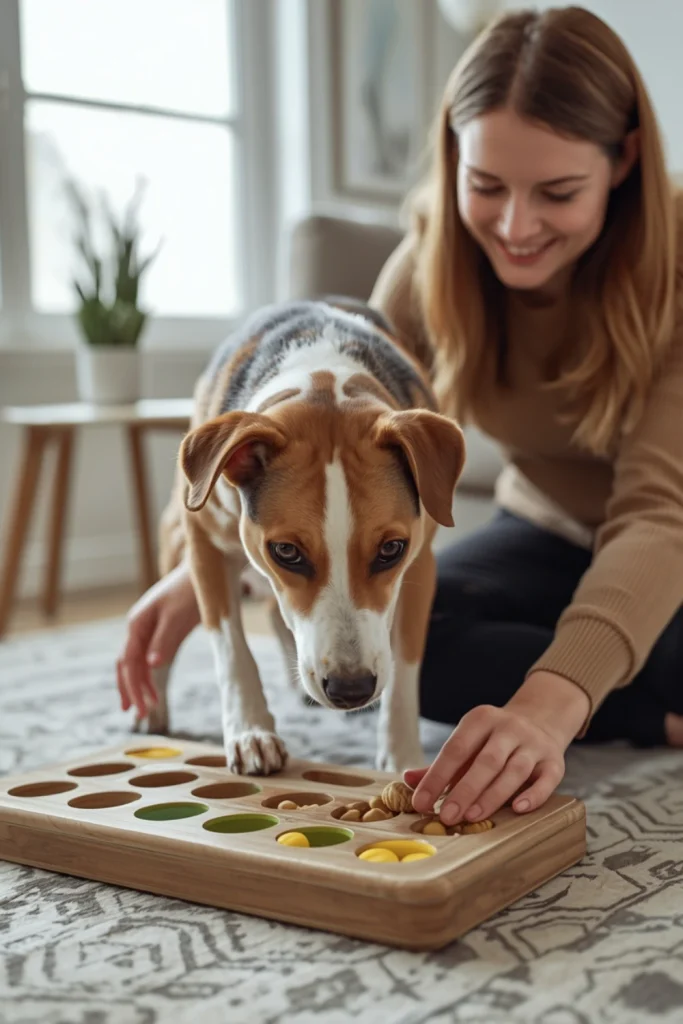
Dogs need mental stimulation as well as physical exercise. Puzzle-based training can encourage your dog to think, explore, and solve simple problems. You can use appropriate puzzle toys, food-dispensing toys, scent games, or basic household setups that are safe for your dog. Begin with easy challenges so your dog can understand how the game works.
As your dog’s skills develop, gradually increase the difficulty. Watch your dog carefully and avoid puzzles that can be broken into pieces or swallowed. Mental enrichment should be enjoyable rather than frustrating. Even five or ten minutes of thoughtful activity can provide valuable stimulation, particularly for dogs that enjoy learning. Puzzle training can also become a useful alternative on days when weather or other circumstances limit outdoor exercise.
9. Teach Your Dog to Settle and Relax
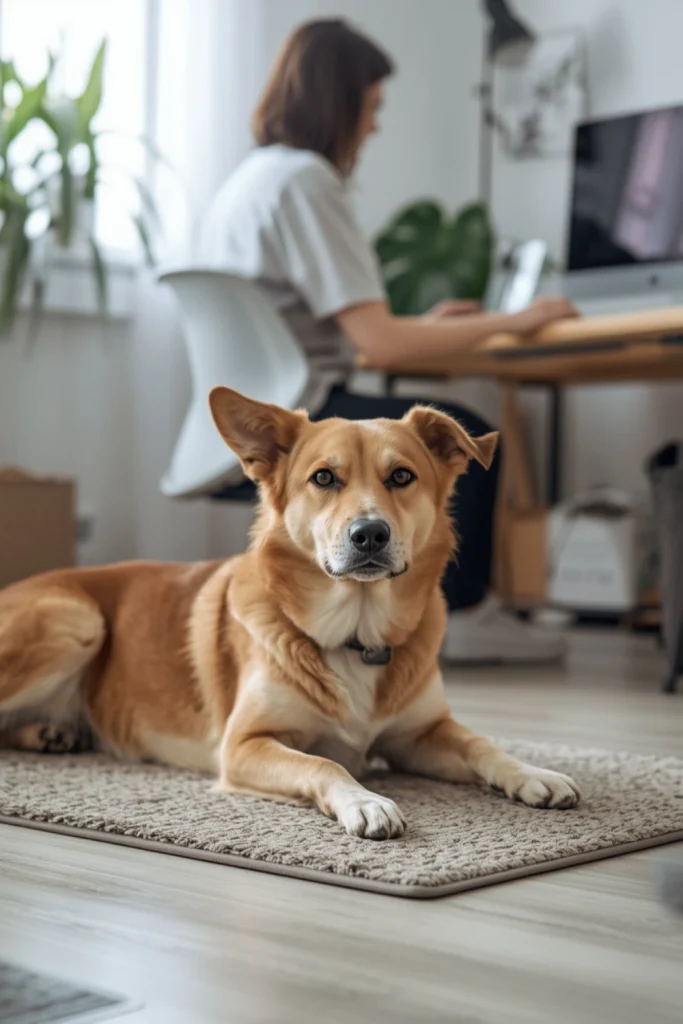
Training is not only about making dogs active and responsive. Learning how to relax is equally valuable. Some dogs become overstimulated easily and may struggle to settle after play or exciting events. Start by rewarding naturally calm behavior when your dog lies quietly on a bed or mat. Keep your voice relaxed and avoid creating excitement around the reward.
Over time, practice settling in different parts of the home. You can reward calm behavior while you read, work, watch television, or perform normal household activities. The objective is to teach your dog that quiet moments are also rewarding. A dog that can comfortably settle is often easier to manage during everyday situations, although dogs should still receive adequate exercise and mental stimulation.
10. Use Trick Training to Build Confidence
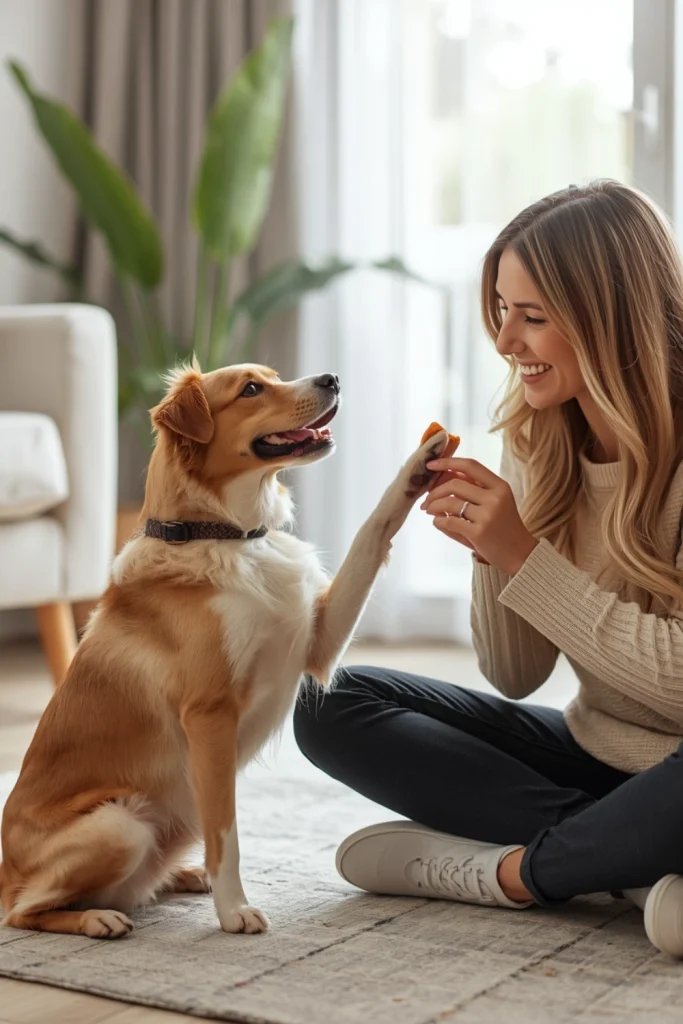
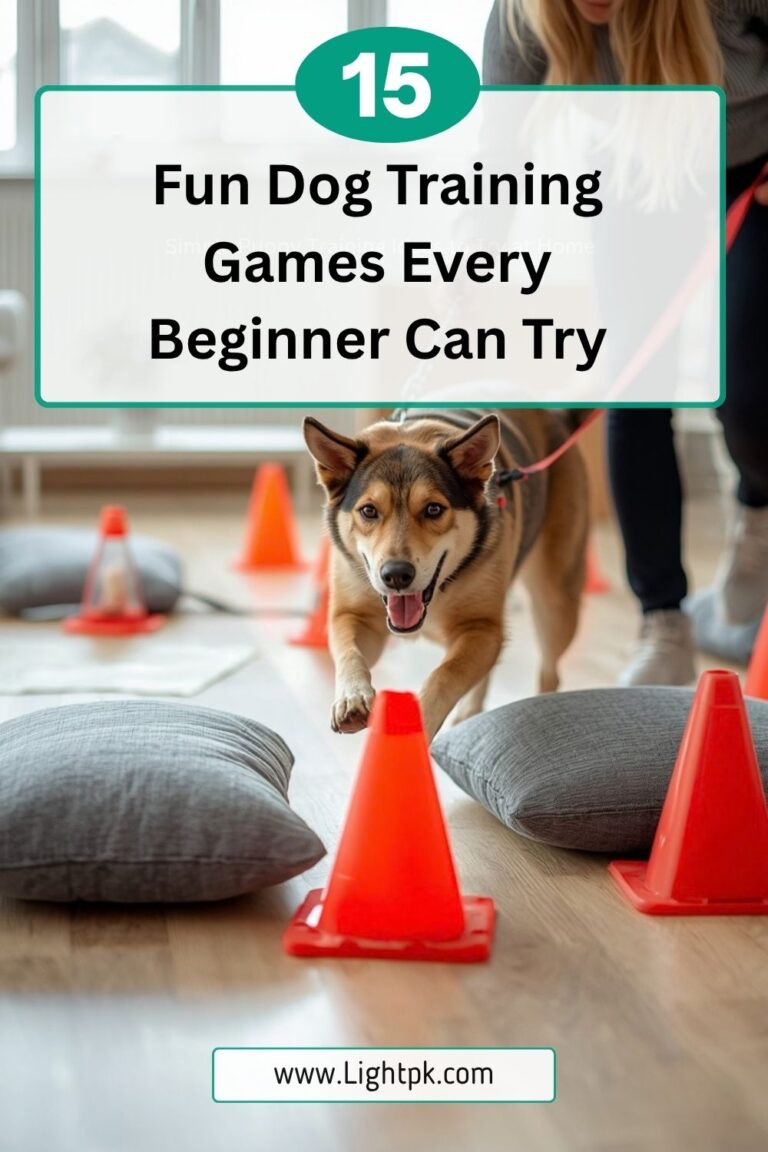
Trick training can make learning fun while strengthening communication between you and your dog. Once your dog understands basic commands, you can introduce simple behaviors such as touch, spin, paw, target, or finding a toy. Choose tricks that are physically appropriate for your dog’s age, health, and body structure. Reward small steps toward the finished behavior.
Tricks are more than entertainment. They can improve a dog’s ability to focus, follow cues, and try new behaviors. They also provide mental stimulation and give owners an enjoyable way to spend quality time with their pets. Keep sessions short and finish with an easy behavior your dog already knows. Ending on a successful note can help maintain enthusiasm for future training.
11. Practice Real-Life Distraction Training
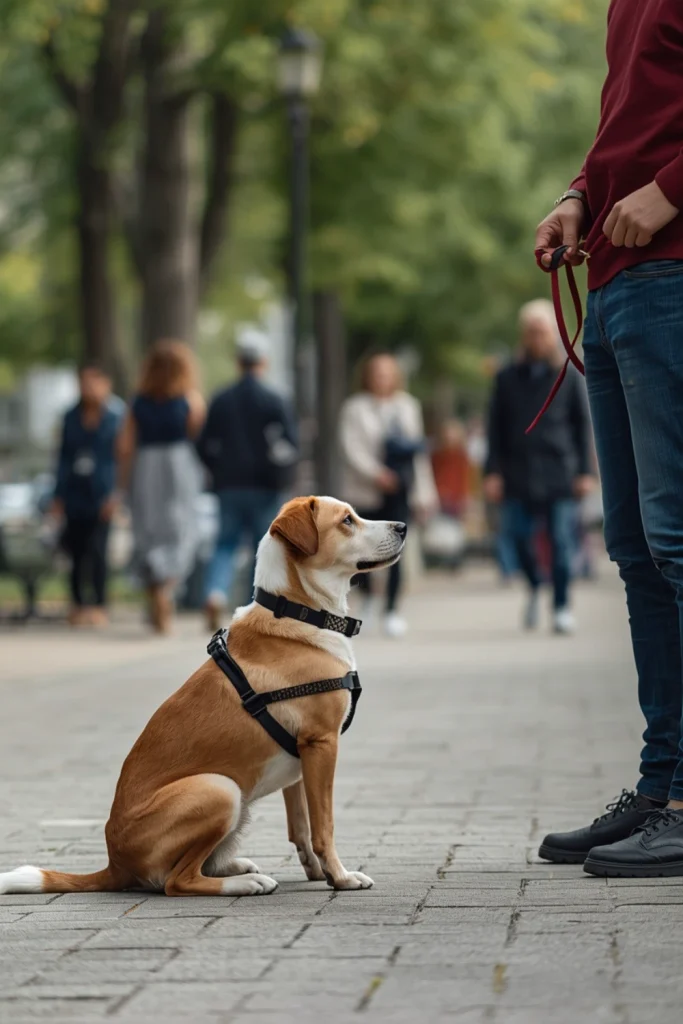
A dog may perform a command perfectly inside a quiet home but struggle when surrounded by interesting sounds, people, animals, smells, and movement. This is why real-life distraction training is an important addition to your Dog Training Ideas routine. Start with mild distractions and reward your dog for staying focused. Gradually increase the difficulty as your dog becomes more reliable.
Do not immediately take a beginner dog into the busiest environment you can find. Training works better when distractions are introduced in manageable steps. A quiet garden might come before a calm public park, and a moderately busy area might come later. This approach allows your dog to develop skills without becoming overwhelmed and helps transfer training from controlled exercises into everyday life.
12. Create a Weekly Training Challenge
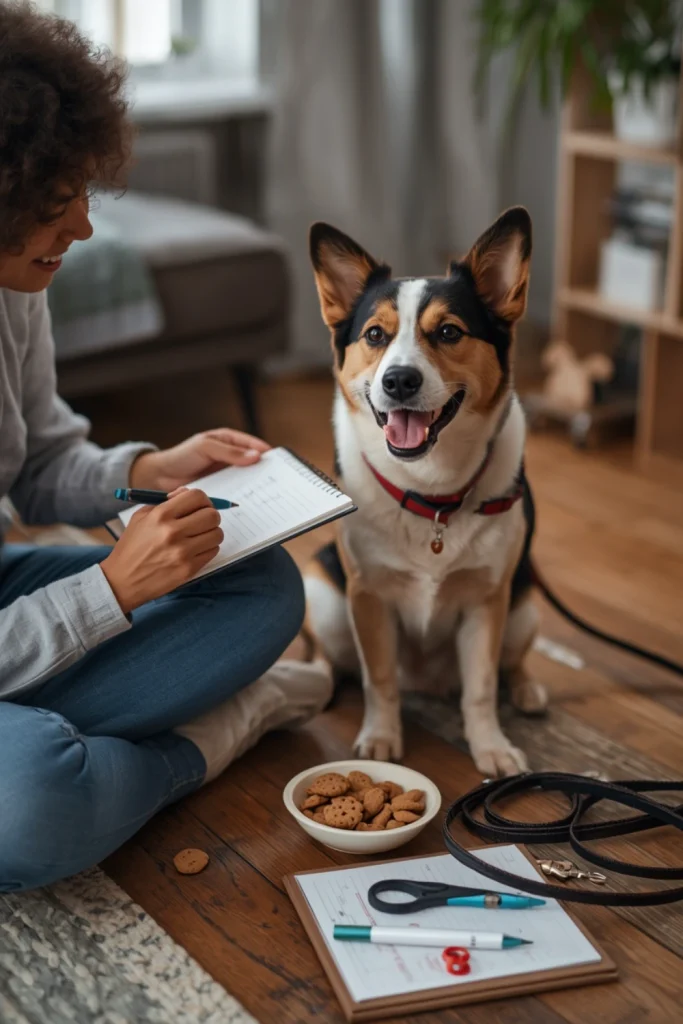
A weekly training challenge can keep both you and your dog interested in learning. Choose one skill each week and divide it into small achievable steps. For example, one week could focus on name recognition, another on loose-leash walking, and another on settling calmly. Keeping a simple record of progress can help you identify which skills need more practice.
Avoid trying to teach too many difficult behaviors at the same time. A successful training plan is usually built through repetition and gradual progression. Make training part of everyday life instead of treating it as a separate activity that only happens for a few minutes. A short session before dinner, during a walk, or while preparing your dog’s meal can create valuable learning opportunities.
Final Thoughts on Dog Training Ideas
The best Dog Training Ideas are not necessarily the most complicated ones. Simple skills practiced consistently can have a major impact on everyday life. Name recognition, sit, recall, loose-leash walking, leave it, wait, place, settling, tricks, distraction training, puzzle activities, and weekly challenges can provide a strong foundation for a well-communicating dog.
Remember that training is an ongoing relationship rather than a one-time project. Your dog will continue learning throughout its life, and your training approach can evolve as its age, environment, health, and abilities change. Keep sessions positive, use realistic goals, reward desirable behaviors, and give your dog enough time to understand what you are asking.
Most importantly, training should strengthen communication and trust. When you make learning enjoyable and consistent, your dog is more likely to participate willingly and understand what you expect. Whether you are starting with a young puppy or teaching an older dog a new skill, small daily efforts can create meaningful progress over time.