
15 Impulse Control Exercises for Dogs to Try at Home
Does your dog rush toward the food bowl, jump on visitors, grab toys, or race through open doors? These behaviors are often connected to a lack of impulse control, and the good news is that patience and consistent training can help your dog learn to pause and make better choices.
The best Impulse Control Exercises for Dogs do not need expensive equipment or a large training area. Your living room, kitchen, hallway, and backyard can all become useful training spaces. With short sessions, positive reinforcement, and gradual progress, you can help your dog become calmer and more patient at home.
1. Practice Waiting for the Food Bowl
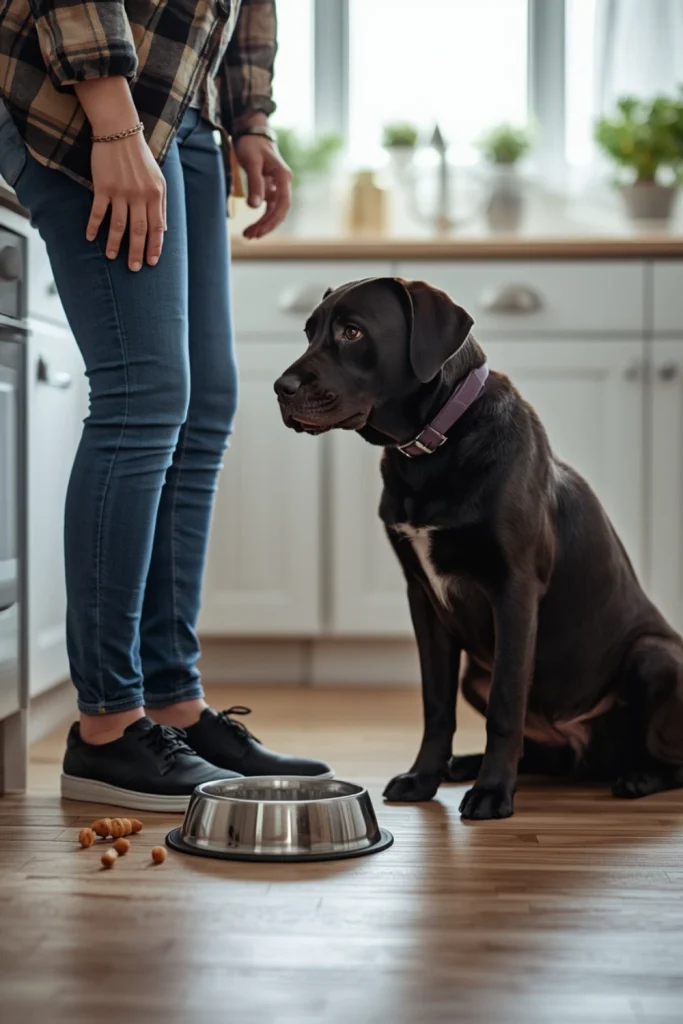
Mealtime is one of the easiest opportunities to practice impulse control because food is naturally motivating for most dogs. Hold your dog’s food bowl and wait for a calm behavior. You can ask for a sit if your dog already knows that cue, or simply wait for your dog to keep all four paws on the floor. Begin lowering the bowl slowly. If your dog jumps up or moves forward, calmly raise the bowl again.
Continue until you can place the bowl on the floor while your dog remains calm. Then use a consistent release cue such as “Okay” or “Free” before allowing your dog to eat. This teaches an important lesson: rushing does not make the reward arrive faster, while calm behavior helps make the reward available.
2. Teach the “Leave It” Game
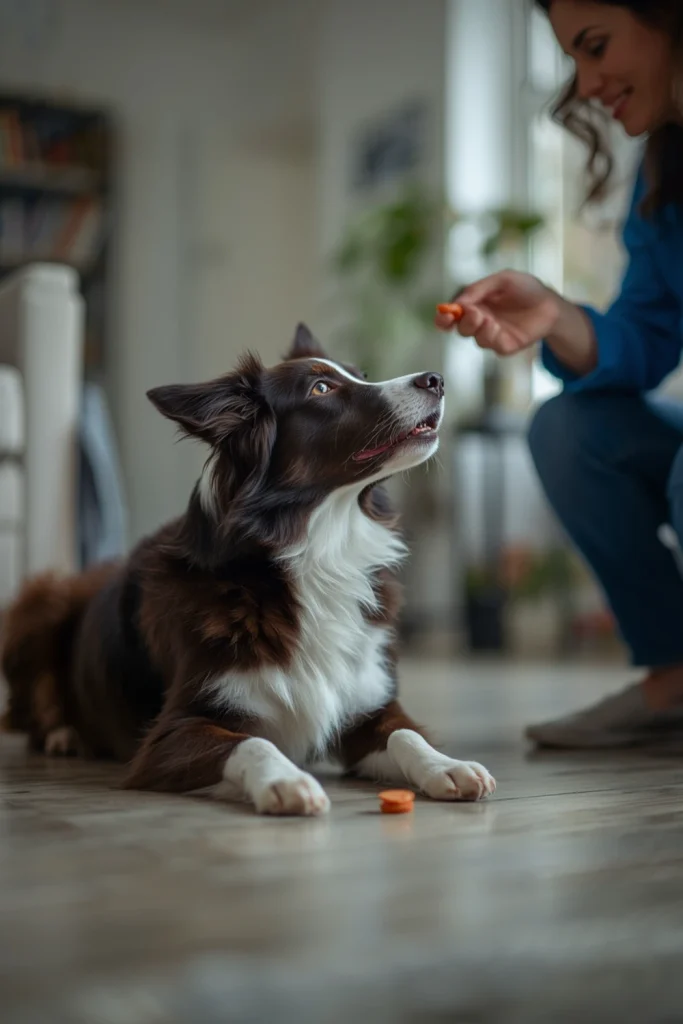
The “leave it” exercise is one of the most useful impulse-control activities because it teaches your dog that they do not need to grab everything they notice. Start by placing a treat inside your closed hand. Allow your dog to sniff or investigate without giving them the treat from that hand. The moment they back away or stop trying to get it, mark the behavior and reward them with another treat from your other hand.
As your dog improves, gradually make the exercise harder. You can open your hand, place the treat on the floor while covering it, and eventually uncover it. Always reward your dog for choosing to disengage. The objective is not simply to make your dog ignore food but to teach them that controlling their impulse can produce an even better reward.
3. Practice Waiting at the Door
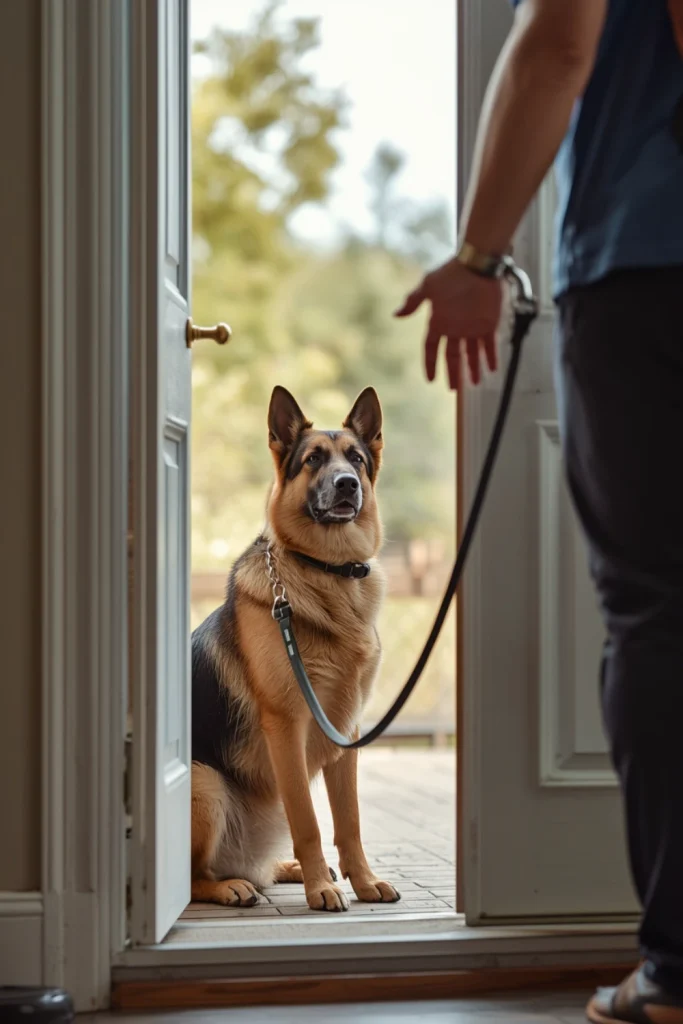
Dogs often become excited when they see an open door because they associate it with walks, outdoor smells, people, or freedom. Start with an interior door where the situation is safe and easy to control. Ask your dog to wait or simply stand calmly, then open the door a tiny amount. If your dog moves toward it, close it again without scolding.
Repeat until your dog begins to understand that calm behavior keeps the door open. Gradually increase how far you open it. Once your dog can wait with the door completely open, use your release cue and invite them through. When practicing exterior doors, use appropriate safety measures such as a leash or secure barrier.
4. Teach Your Dog to Wait for a Toy
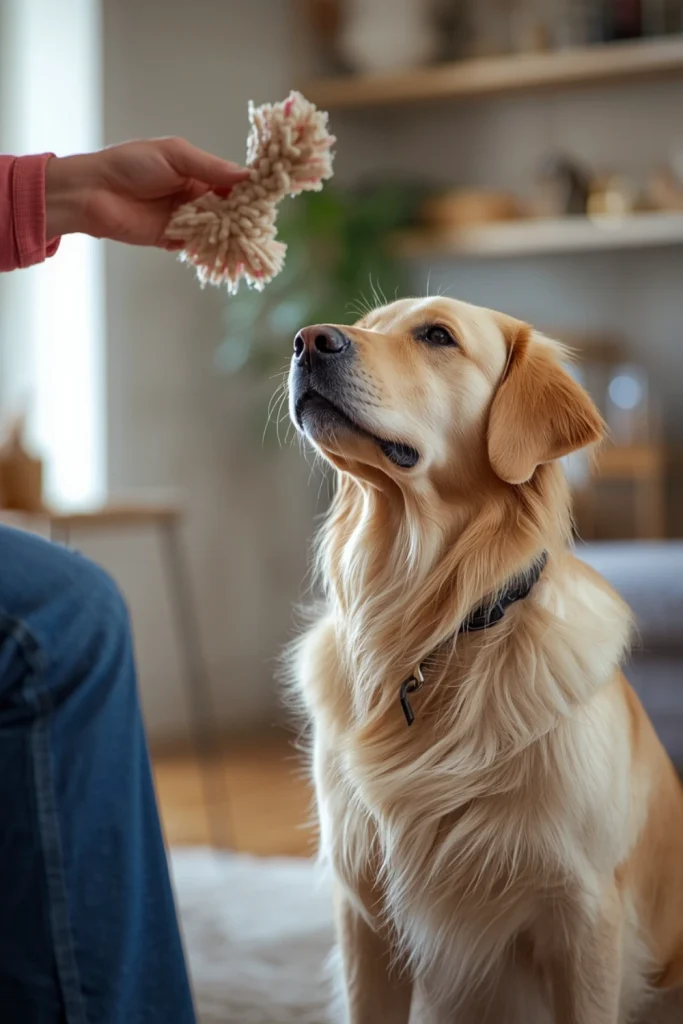
Toys can create strong excitement, making them excellent tools for impulse-control training. Hold your dog’s favorite toy without immediately throwing it. Wait for your dog to show calm behavior, such as standing quietly, sitting, or looking at you. When your dog controls the urge to jump or grab, reward the calm behavior by beginning the game.
You can gradually increase the amount of time your dog needs to wait before receiving the toy. This teaches your dog that calm behavior makes fun happen. If your dog becomes too excited to think, reduce the difficulty. The goal is not to eliminate excitement but to teach your dog that excitement can exist alongside self-control.
5. Use “Sit and Wait” Before Meals
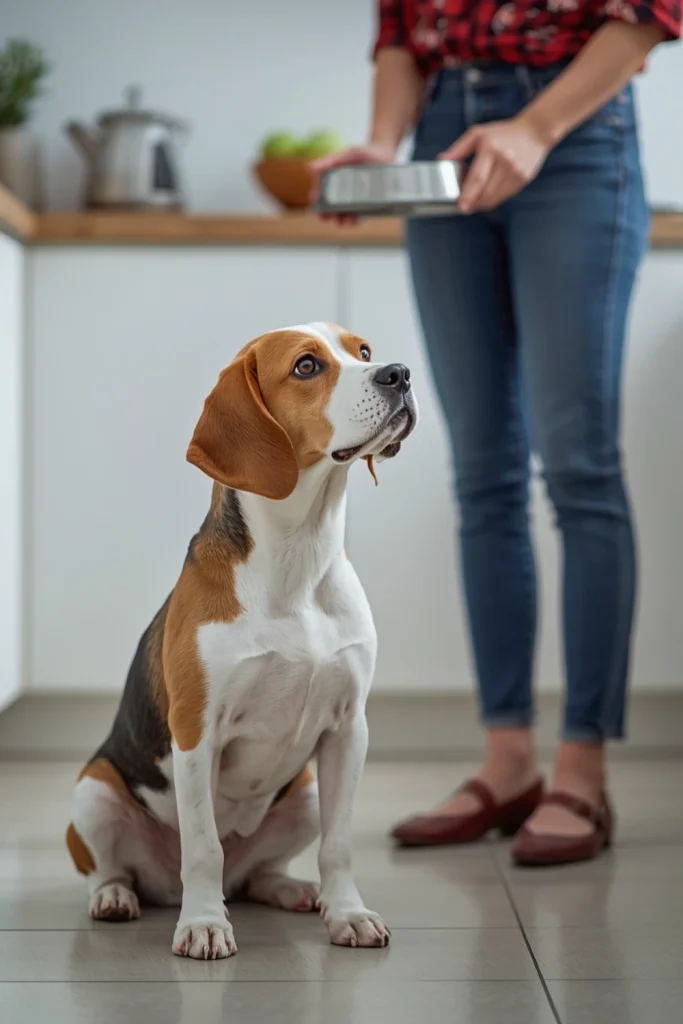
A simple sit-and-wait routine can teach your dog to pause before receiving something valuable. Ask your dog to sit, then hold the food or another reward nearby. Start with only one or two seconds of calm behavior. Reward your dog while they remain in position, then gradually increase the duration.
The important part is to avoid making the exercise unnecessarily difficult. If your dog repeatedly gets up, shorten the waiting period. As your dog becomes more successful, practice before different rewards such as meals, treats, toys, or going outside. This turns self-control into a practical everyday skill instead of something your dog only practices during formal training.
6. Practice Calm Behavior Before Going Outside
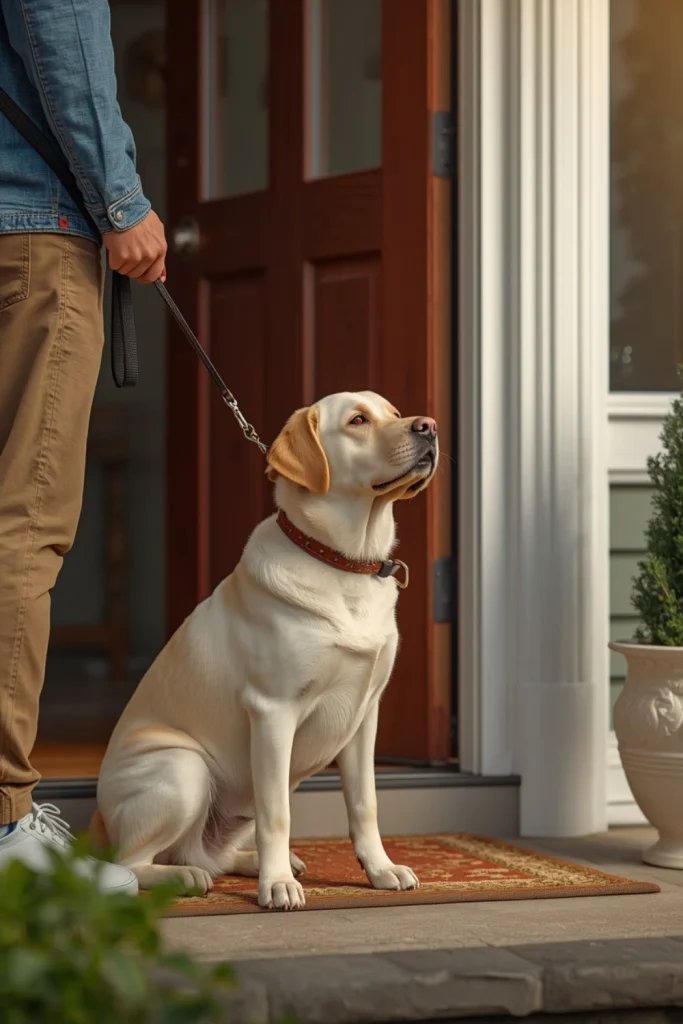
Going outside can be extremely exciting, especially for puppies and energetic dogs. Instead of immediately opening the door when your dog becomes excited, wait for a brief moment of calm. You might look for four paws on the floor, a sit, or simply a pause in jumping and pulling.
When your dog becomes calm, reward that behavior by continuing toward the door or beginning the walk. Over time, your dog can learn that calm behavior helps make exciting things happen. This is a useful example of using everyday activities as rewards, rather than relying only on treats. Positive reinforcement can involve food, toys, play, or access to something the dog wants.
7. Teach Your Dog to Ignore Food on the Floor
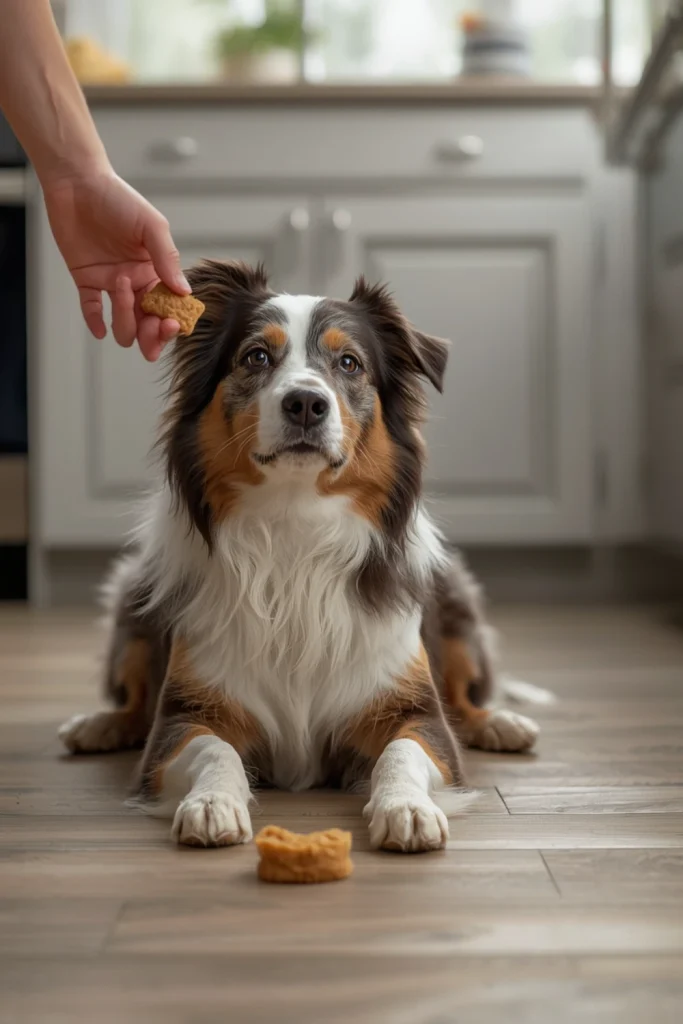
Food dropped on the floor can be difficult for dogs to resist. Start with something your dog is unlikely to steal. Place it on the floor while keeping your hand or foot ready to cover it if necessary. Reward your dog for looking away from the food or checking in with you.
As your dog becomes better at ignoring the food, gradually make the exercise more difficult. You can use more tempting items while maintaining control of the situation. Never deliberately create a dangerous situation by placing toxic or harmful foods within your dog’s reach. This exercise should always be supervised and controlled.
8. Play Tug With Built-In Calm Breaks
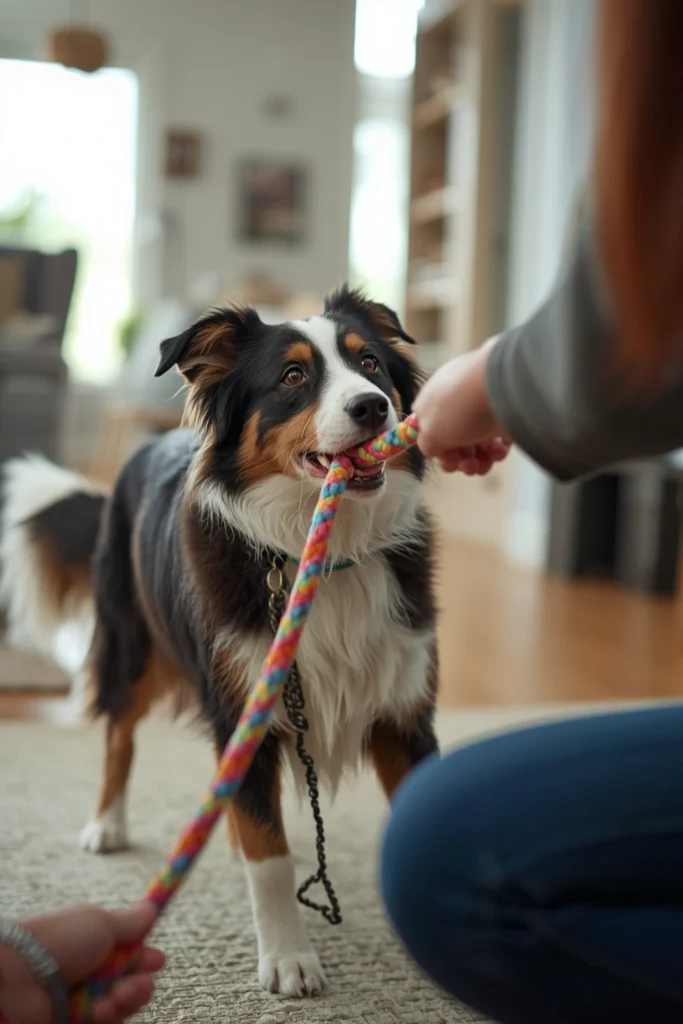
Tug can be more than a fun game. It can also become a useful way to teach your dog to switch between excitement and calm behavior. Start with gentle tug and allow your dog to enjoy the game. Then stop moving the toy and wait. When your dog settles, sits, or releases the toy appropriately, reward the calm behavior by restarting the game.
As your dog improves, you can gradually increase the intensity of the play before asking for a calm break. This teaches your dog that exciting activities do not have to continue at maximum intensity. The ability to become excited and then settle again is an important part of emotional self-control.
9. Reward Your Dog for Choosing Calmness
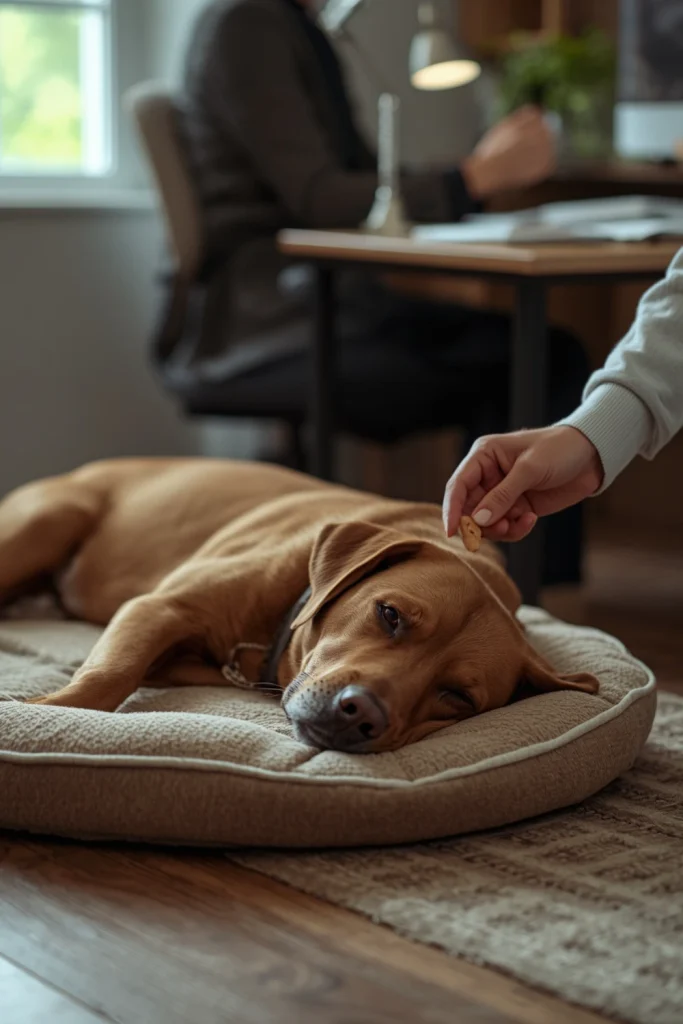
Not every impulse-control exercise needs to be a formal command. Sometimes the best training happens when your dog naturally chooses calm behavior. If your dog lies quietly while you work, waits patiently while you prepare food, or watches something without reacting, quietly reward that behavior.
You can place a treat beside your dog or offer calm praise without creating excitement. The goal is to teach your dog that relaxing is worthwhile. Dogs often repeat behaviors that consistently produce desirable outcomes, so noticing and rewarding calm choices throughout the day can help build better self-control.
10. Practice Waiting Before Getting Attention
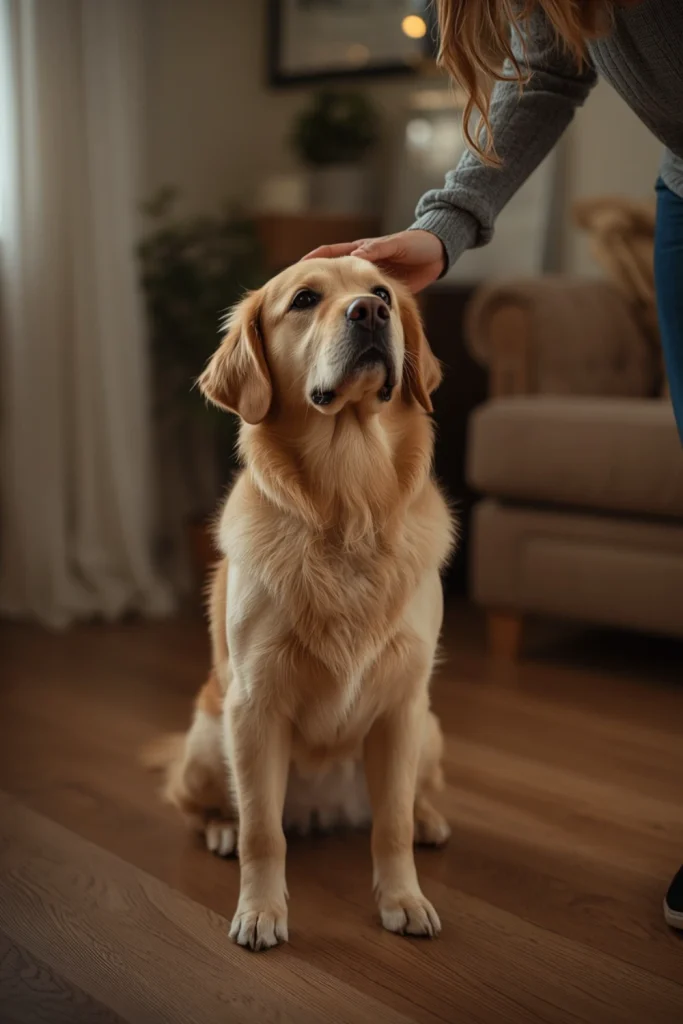
Some dogs jump, paw, bark, or push against their owners when they want attention. Instead of immediately responding to demanding behavior, wait for a brief moment of calm. When your dog has four paws on the floor or settles quietly, give them the attention they wanted.
This does not mean ignoring your dog all day. It means teaching them a more appropriate way to request interaction. You can reward calm behavior with petting, praise, a short game, or another form of attention. Over time, your dog can learn that polite behavior is more effective than jumping or demanding.
11. Practice the “Wait” Cue Before Throwing a Ball
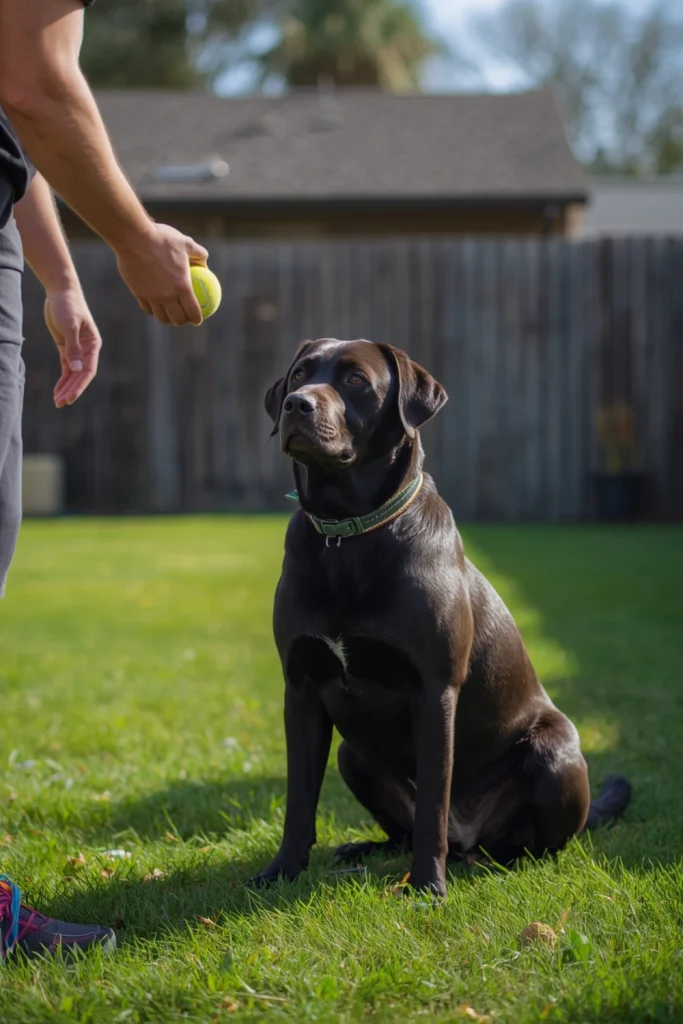
Fetch can become an excellent impulse-control exercise because many dogs become highly excited when they see a ball. Hold the ball without throwing it immediately. Ask your dog to wait or simply pause, then reward calm attention before throwing the ball.
Gradually increase the amount of time your dog needs to wait. You can also practice holding the ball in different positions, taking a few steps, or gently moving it before giving the release cue. This teaches your dog that seeing a favorite toy does not automatically mean they should chase it. The reward comes when they respond appropriately.
12. Teach a Calm “Place” Exercise
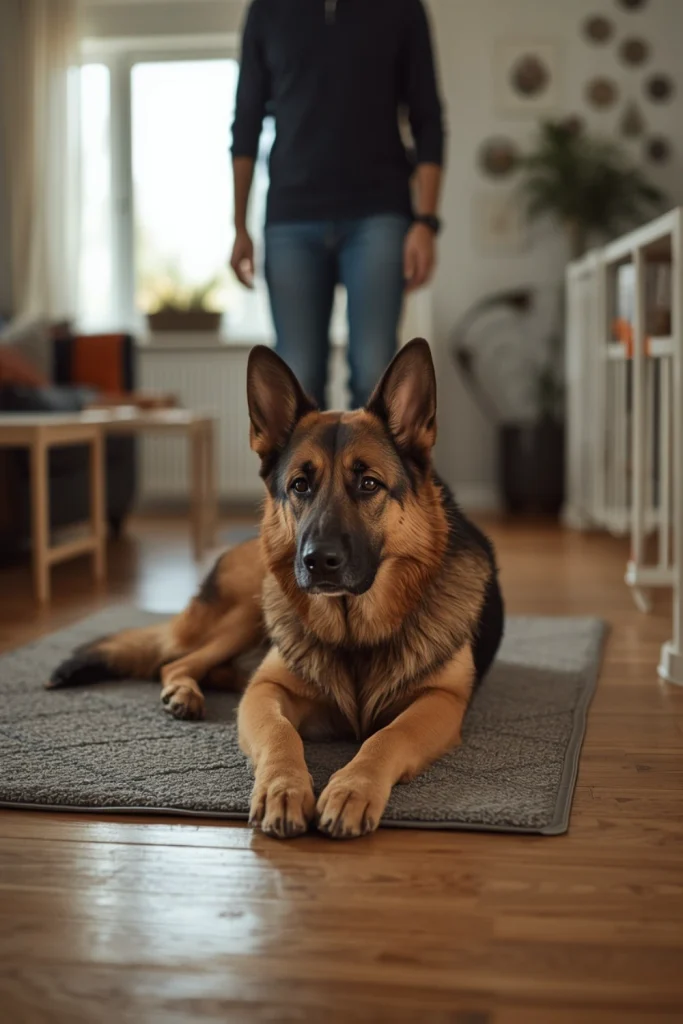
A place exercise gives your dog a specific location where they can practice settling. Use a mat or dog bed and reward your dog for going there. Start with a few seconds of calm behavior before releasing them. Gradually increase the duration while keeping the environment easy enough for your dog to succeed.
As your dog becomes more reliable, introduce mild distractions such as walking around the room, sitting down, opening a cabinet, or moving a toy. Work on duration, distance, and distractions gradually rather than increasing everything at once. This approach is consistent with reward-based home training methods for teaching dogs to remain calmly on a designated place.
13. Practice Calmness During Household Movement
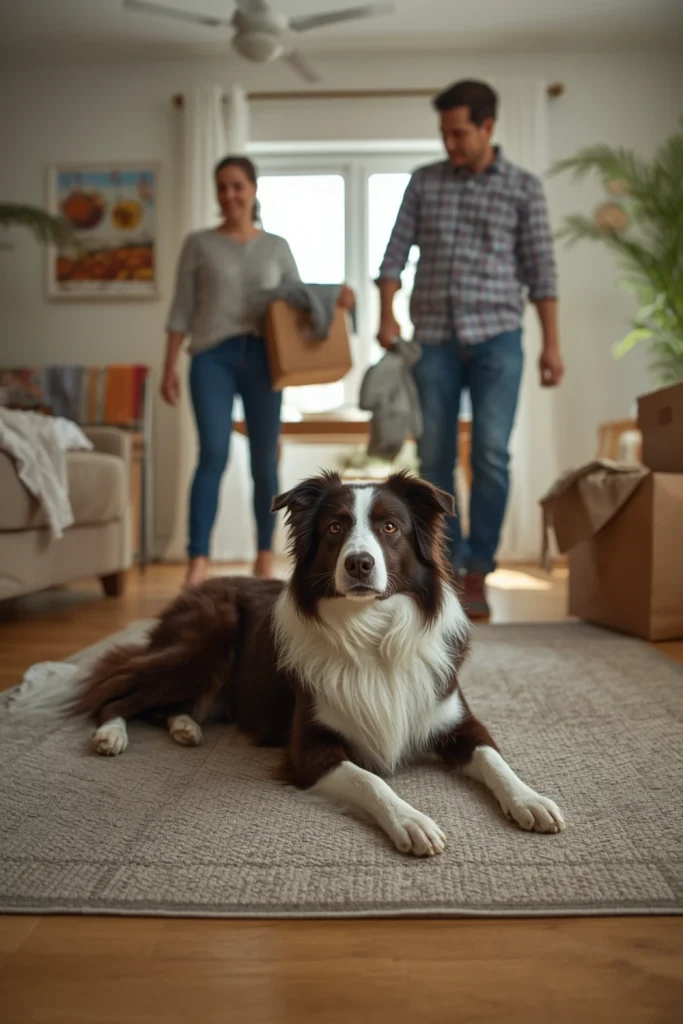
Dogs often react when people walk quickly around the house, carry objects, open cabinets, or move between rooms. You can use these everyday activities as controlled impulse-control practice. Start with simple movements that do not cause a strong reaction. Reward your dog for remaining calm and looking toward you.
Gradually increase the movement or distraction as your dog becomes successful. If your dog gets up, barks, jumps, or becomes overly excited, make the next repetition easier. Dogs can be very context-dependent learners, so practicing the same skill around different household activities can help them understand that calm behavior applies beyond one specific training setup.
14. Use a “Four Paws on the Floor” Exercise
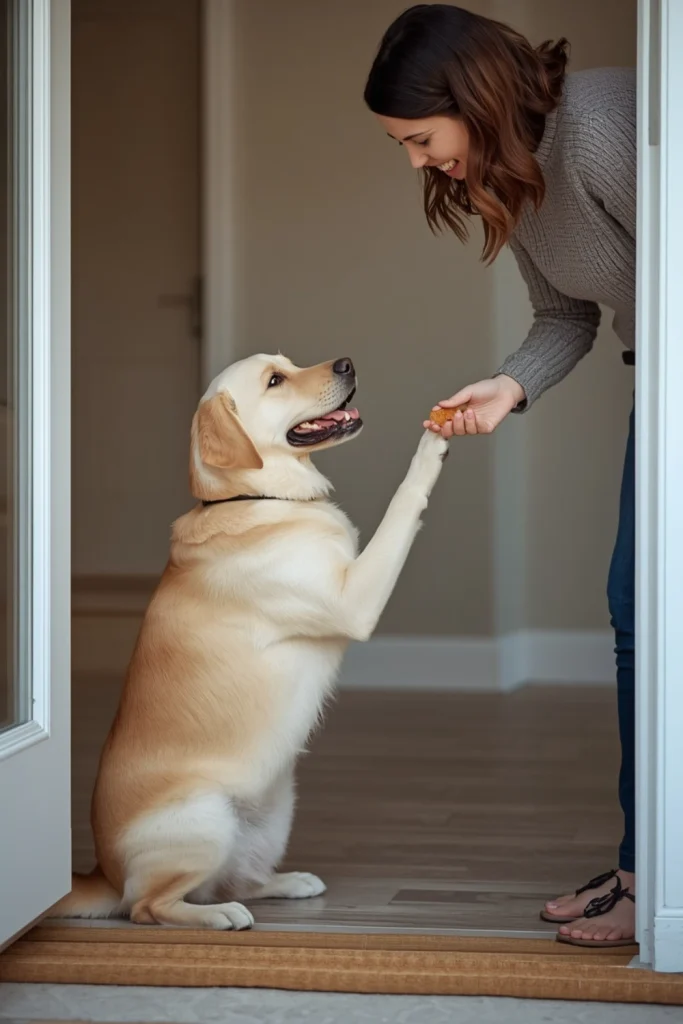
Jumping is often a self-rewarding behavior because dogs may receive attention when they jump. Instead of pushing your dog down or repeatedly saying “no,” look for moments when all four paws are on the floor. Immediately reward that calm position with attention, praise, or a treat.
Practice when you come home, before petting your dog, and when someone familiar enters the room. Keep greetings calm and predictable. If your dog becomes too excited, pause the interaction and wait for another moment of calm. This exercise teaches your dog that keeping their feet on the floor is an effective way to earn the interaction they want.
15. Create a Daily Impulse Control Training Routine
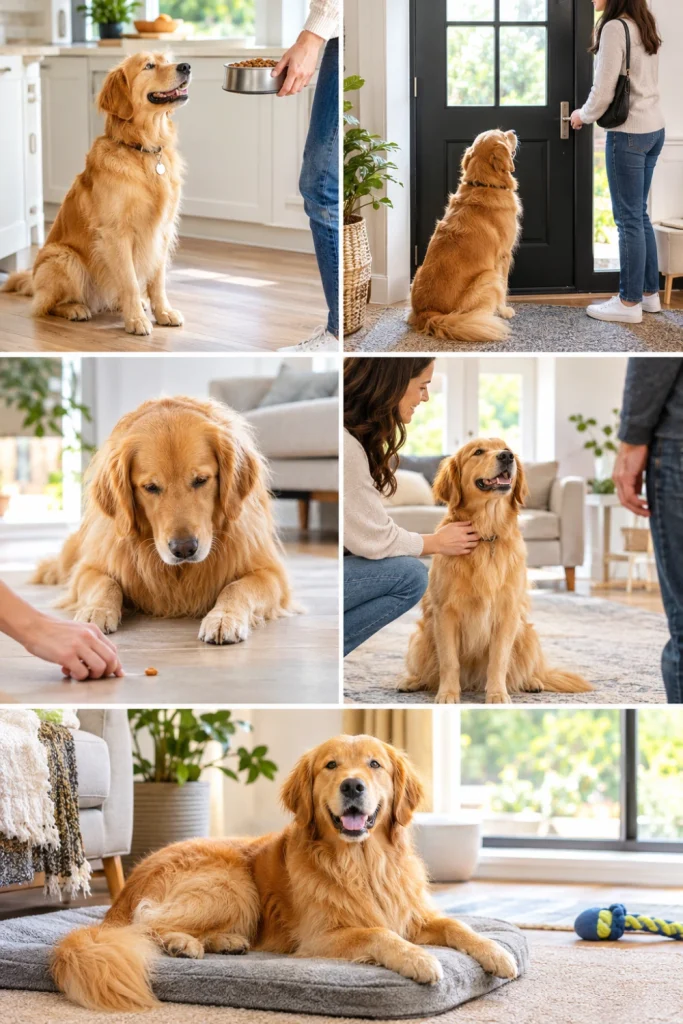
The final exercise is to combine several simple skills into a short daily routine. For example, practice waiting for the food bowl in the morning, four paws on the floor during greetings, waiting at a doorway before a walk, leave-it during a training session, and calm settling in the evening.
Keep each session short and successful. You do not need to exhaust your dog with long training sessions. Instead, use everyday opportunities to reinforce patience. Short, interesting training sessions and gradual increases in difficulty can help maintain motivation and improve reliability.
Final Thoughts
Impulse control is one of the most valuable skills you can teach your dog because it affects so many parts of everyday life. A dog that can pause before eating, wait at a doorway, ignore something tempting, settle on a mat, and calmly greet people is easier to manage and often more pleasant to live with.
The best Impulse Control Exercises for Dogs are simple, practical, and consistent. You do not need special equipment or hours of training. Use your dog’s meals, toys, walks, greetings, doors, and quiet moments as opportunities to reward patience and self-control.
Remember that impulse control develops gradually. If your dog struggles, make the exercise easier rather than becoming frustrated. Build duration, distance, and distractions separately, reward the behavior you want, and give your dog plenty of opportunities to succeed. With consistent positive reinforcement, your dog can learn that patience is rewarding and that calm choices help them get the things they want.