
12 Puppy Biting Tips Every New Owner Needs
Bringing a new puppy home is an exciting experience filled with cuddles, playful moments, and adorable discoveries. However, those tiny teeth can quickly become a challenge when your puppy starts biting your fingers, chewing your clothes, or nipping at your ankles. If you are a first-time dog owner, you might wonder whether this behavior is normal and how you can stop it without frightening your puppy.
The good news is that puppy biting tips can help you teach your young dog to use their mouth more gently and develop healthy habits from an early age. Puppy biting is often a normal part of play, exploration, and teething, but consistent training is important. With patience, appropriate toys, positive reinforcement, and clear boundaries, you can help your puppy learn what is acceptable and build a trusting relationship that lasts a lifetime.
1. Teach Your Puppy That Human Skin Is Not a Toy
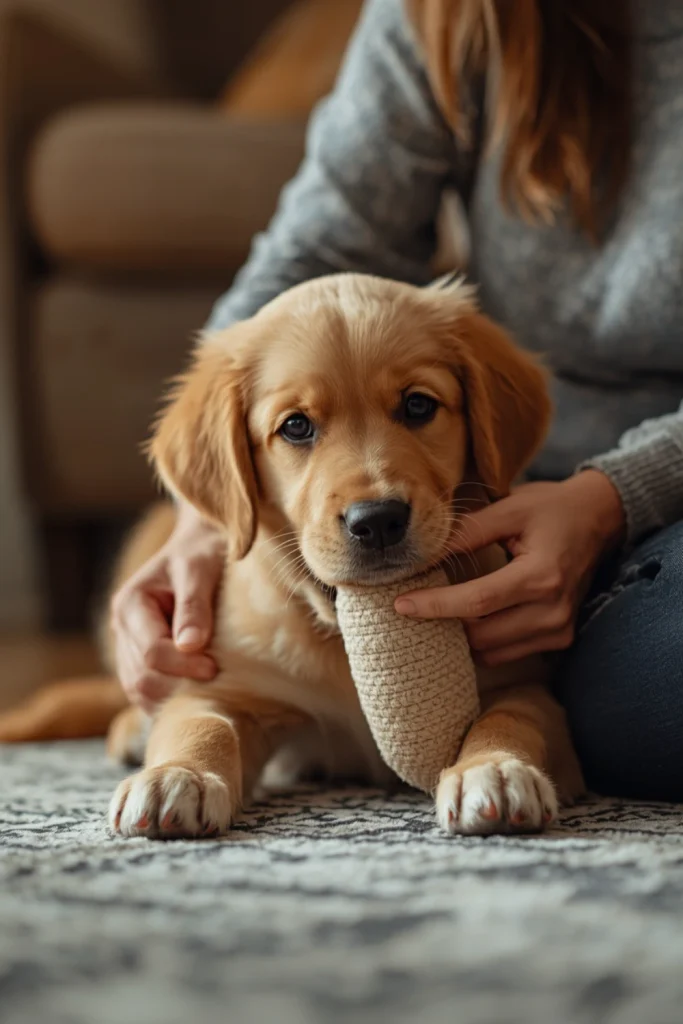
One of the most important puppy biting tips is to establish clear boundaries from the beginning. When your puppy bites your fingers during play, calmly stop moving your hand and redirect your puppy toward an appropriate chew toy. Reward your puppy when they bite the toy instead of your skin. This teaches them what they are allowed to chew without making playtime frightening or confusing.
Consistency is essential because puppies learn through repetition. Avoid allowing your puppy to bite your hands sometimes and correcting the same behavior at other times. Ask family members to follow the same rules. If your puppy continues biting, briefly pause the interaction and resume when they are calmer. Over time, your puppy can learn that gentle play keeps attention going, while biting human skin makes the game stop.
2. Provide Safe and Appropriate Chew Toys

Puppies naturally want to chew, especially during teething when their gums may feel uncomfortable. Providing suitable chew toys gives your puppy a safe outlet for this instinct and helps protect your fingers, shoes, furniture, and other belongings. Choose puppy-safe toys that match your dog’s size and chewing strength. Toys should not be so small that they can be swallowed or so hard that they could damage developing teeth.
Keep several appropriate toys available and rotate them to maintain your puppy’s interest. When your puppy begins chewing your clothing or hands, calmly offer a suitable toy instead. Praise your puppy when they choose it independently. Supervise chewing sessions and inspect toys regularly for loose pieces, cracks, or damage. Remove damaged toys immediately. The right toys make training easier because they show your puppy exactly what they can chew.
3. Use Positive Reinforcement to Encourage Gentle Behavior
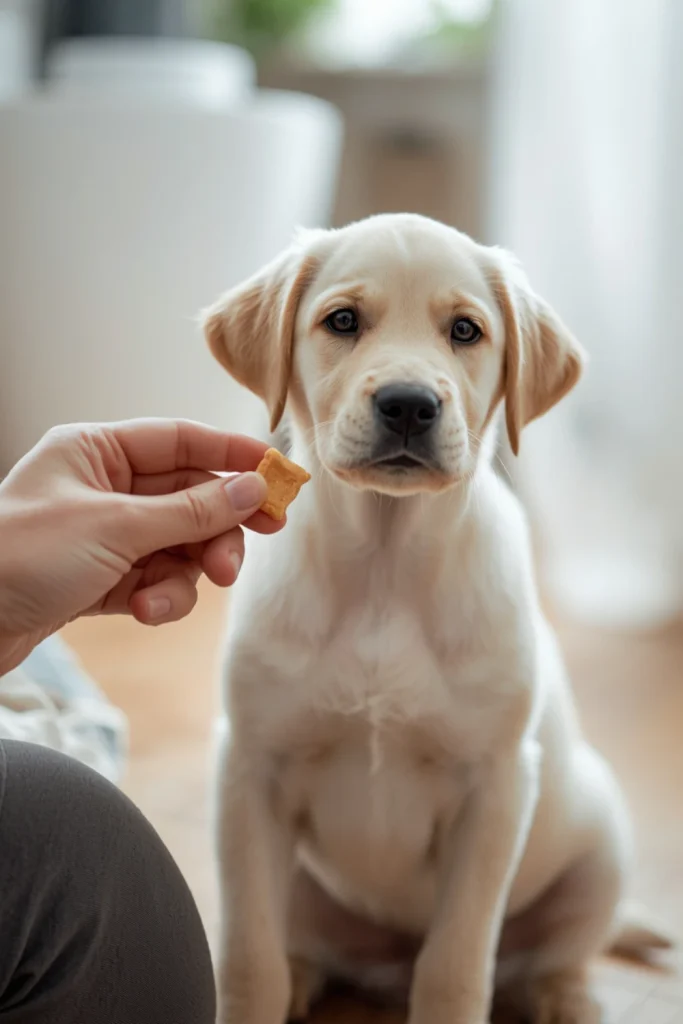
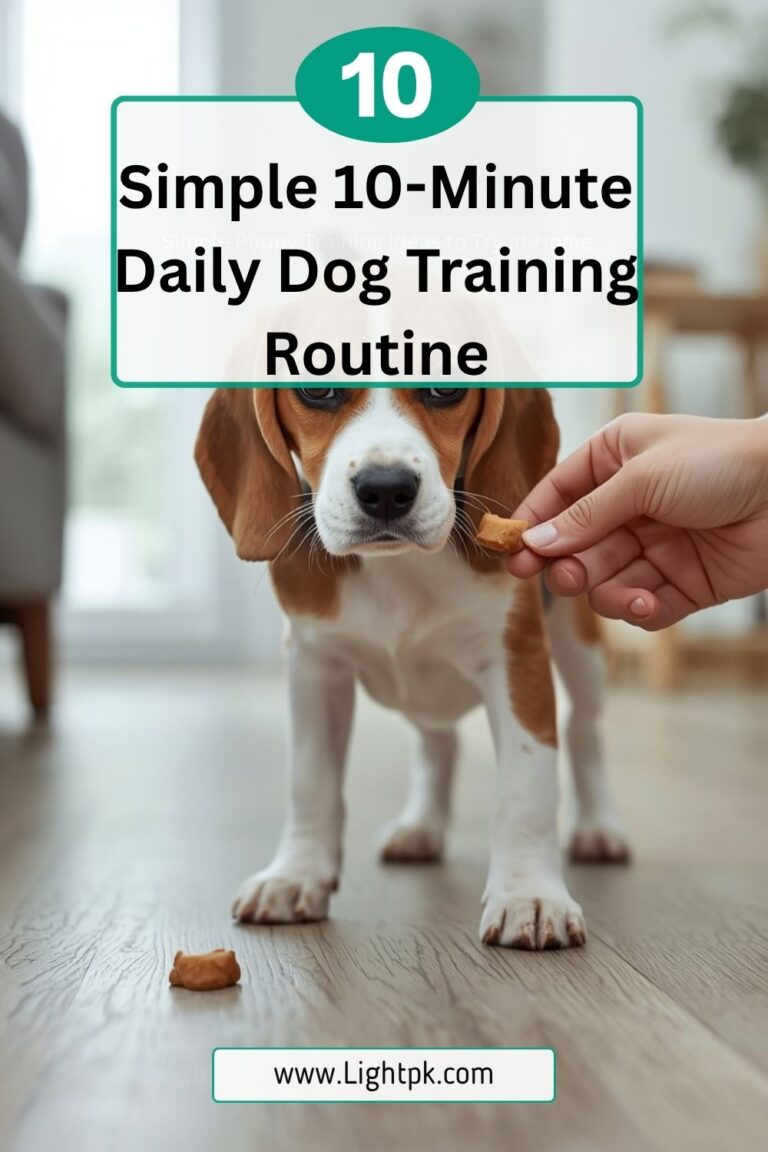
Positive reinforcement means rewarding a behavior you want your puppy to repeat. Instead of focusing only on unwanted biting, look for opportunities to reward gentle interactions. For example, when your puppy approaches without biting, licks your hand gently, or plays calmly with a toy, offer praise or a small treat. These rewards help your puppy understand which behaviors lead to pleasant outcomes.
Practice during calm moments rather than waiting until your puppy becomes overly excited. Keep treats nearby during supervised play and reward short periods of gentle behavior. Avoid shouting, hitting, or holding your puppy’s mouth shut, as these methods can create fear and may worsen behavior. If biting starts, calmly redirect your puppy or pause the game. Consistent rewards and predictable boundaries help your puppy develop better habits while maintaining trust in you.
4. Redirect Biting Toward a Toy
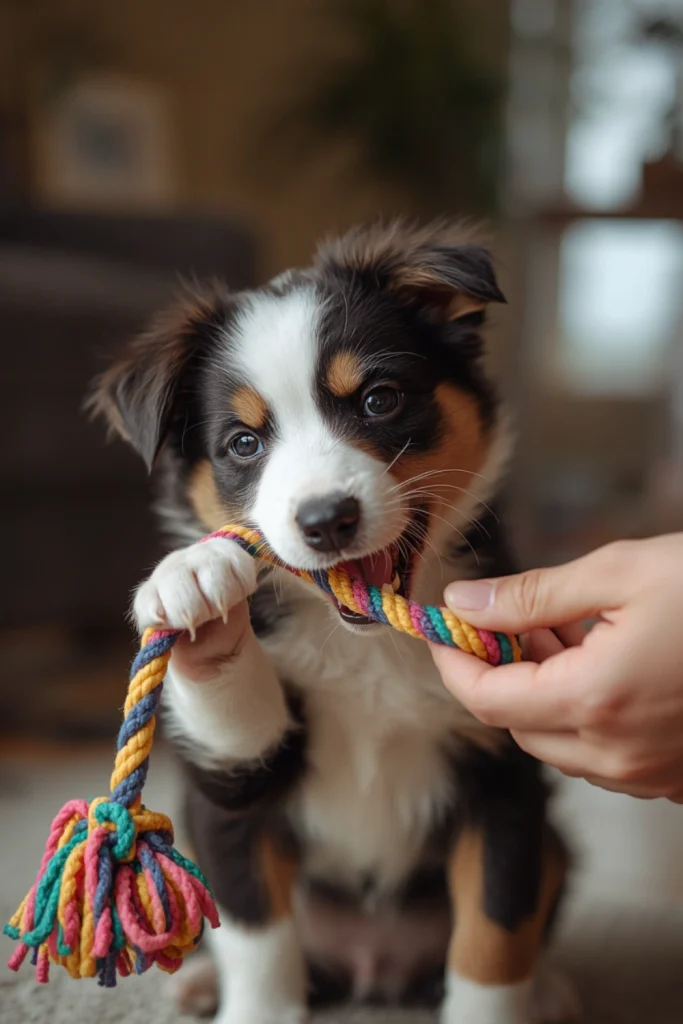
Redirection is a practical way to teach your puppy what to bite instead of your hands, feet, or clothes. Keep a suitable toy within reach during playtime. When your puppy begins nipping, calmly present the toy and encourage them to grab it. Move the toy gently to make it interesting without exciting your puppy so much that they begin jumping or biting more aggressively.
Once your puppy starts chewing the toy, praise them and continue playing appropriately. If they repeatedly abandon the toy to bite your fingers, pause the interaction and give them a moment to settle. Try another toy if the first one does not interest them. Avoid waving toys near your face or encouraging rough hand play. With repeated practice, your puppy can learn that toys are appropriate for biting and that human skin is not part of the game.
5. Recognize Puppy Teething and Offer Relief

Teething is a common reason puppies chew and bite more frequently. As baby teeth are replaced by adult teeth, your puppy may seek different textures to chew. Many puppies begin losing their baby teeth at around three to four months, with adult teeth generally appearing by about six to seven months. The exact timing varies, so appropriate chewing options remain important throughout this period.
Offer puppy-safe teething toys that are designed to be gentle on developing teeth. Some products can be chilled according to the manufacturer’s instructions to provide additional comfort. Avoid extremely hard objects, cooked bones, or anything that could splinter or damage teeth. Monitor your puppy for signs of unusual discomfort, bleeding beyond minor teething changes, difficulty eating, or persistent mouth pain. Contact your veterinarian if you are concerned. Supporting your puppy through teething can make biting easier to manage.
6. Stop Play Briefly When Biting Becomes Too Rough
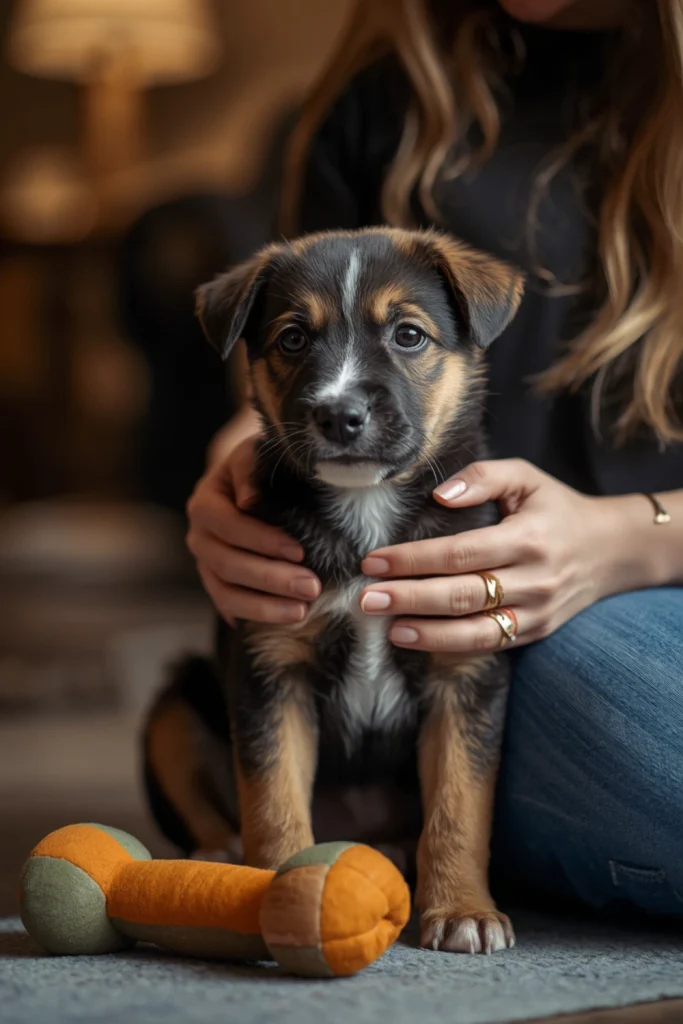
Puppies often become excited during games and may begin biting harder than intended. A useful teaching method is to make rough biting end the fun. If your puppy bites your skin too hard, calmly stop moving, remove your hands, and pause the interaction. You can briefly step behind a barrier or move away if needed. Wait until your puppy is calmer before offering another chance to play.
Keep the pause short and predictable, rather than using it as punishment. If your puppy repeatedly becomes too excited, shorten the play session and choose a calmer activity. Some puppies become more stimulated by loud yelps, so a quiet pause may work better than making a dramatic noise. The purpose is to teach that gentle play continues, while painful biting causes a break. Always supervise interactions and make sure your puppy has a safe way to settle.
7. Make Sure Your Puppy Gets Enough Sleep

An overtired puppy may become more excitable, restless, and mouthy. After a busy period of playing, exploring, or training, your puppy may start biting hands and clothes because they have difficulty settling. Many young puppies need around 18 to 20 hours of sleep in a 24-hour period, although individual needs vary with age and activity.
Create a comfortable resting area where your puppy can relax without constant interruptions. Watch for signs of tiredness, such as frantic movement, repeated nipping, difficulty focusing, or sudden bursts of wild energy. When these signs appear, end the game and encourage a quiet break. Avoid forcing interactions when your puppy is tired. Adequate sleep supports learning, emotional regulation, and healthy development, making it an important part of any puppy biting training routine.
8. Teach Simple Commands Like Sit and Leave It
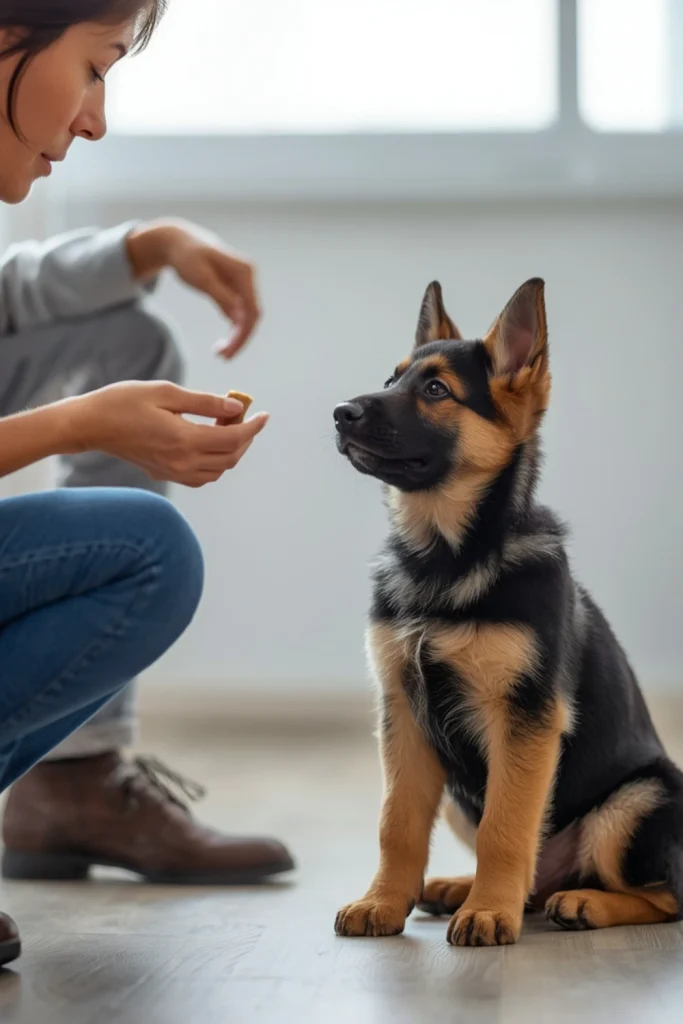
Basic training commands can help you manage situations that trigger biting. Teaching “sit” gives your puppy a simple activity to perform before play, meals, or greetings. Start in a quiet area, reward your puppy for sitting, and gradually practice around mild distractions. Short sessions are more effective than long lessons for most young puppies.
You can also introduce “leave it” to encourage your puppy to move away from an object or stop trying to grab something. Begin with easy exercises and reward your puppy for turning away from the item and focusing on you. Do not use commands to frighten or intimidate your puppy. If biting begins during a game, redirect your puppy to a toy or ask for a familiar behavior only when they are calm enough to respond. These skills build communication and make daily interactions easier.
9. Avoid Using Your Hands and Feet to Encourage Rough Play
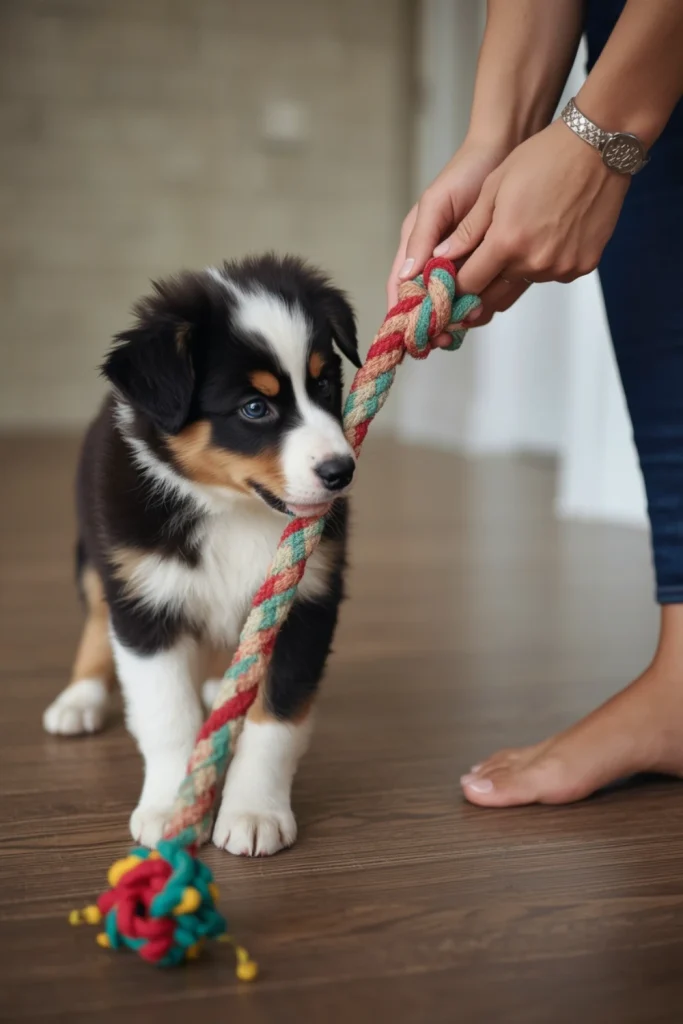
Wiggling fingers, tapping a puppy’s face, or moving feet quickly across the floor can encourage chasing and biting. These actions may seem harmless when a puppy is small, but they can teach habits that become difficult to manage as the dog grows. Instead, use toys designed for interactive play and keep your hands away from your puppy’s mouth whenever possible.
Choose games such as gentle fetch, supervised tug, or toy-based chasing in a safe space. If your puppy begins attacking your ankles while you walk, stop moving briefly and redirect them to a toy or another trained activity. Avoid kicking your feet away or running, as these movements may make the game more exciting. Teach every family member, especially children, to interact calmly and safely. Consistent play rules help your puppy learn that people are companions, not toys to chase and bite.
10. Keep Training Sessions Short and Consistent
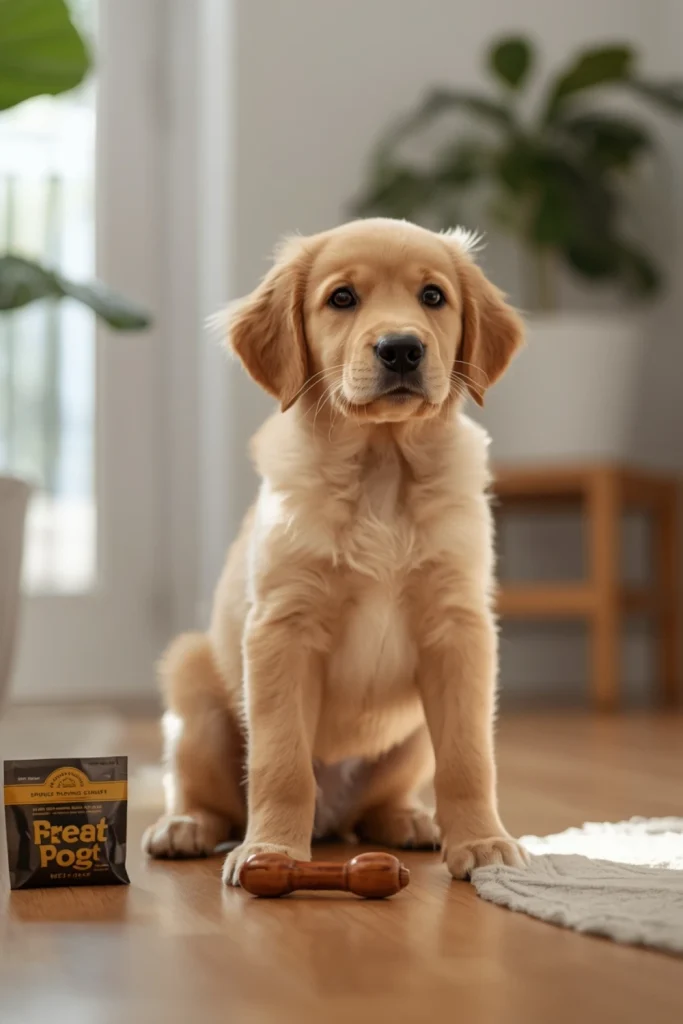
Puppies have short attention spans and can become overwhelmed when training lasts too long. Rather than trying to eliminate biting in one session, practice a few minutes at a time throughout the day. Reward gentle behavior, redirect unwanted biting, and provide suitable toys during ordinary activities. Frequent repetition helps your puppy learn what is expected in different situations.
Consistency is just as important as session length. If you allow biting during one game but react strongly during another, your puppy may struggle to understand the rules. Make sure everyone in the household responds in a similar way. Track small improvements, such as softer mouthing, quicker redirection, or longer periods of gentle play. Progress may be uneven, especially during teething, so remain patient and keep reinforcing appropriate behavior.
11. Socialize Your Puppy Through Safe, Positive Experiences
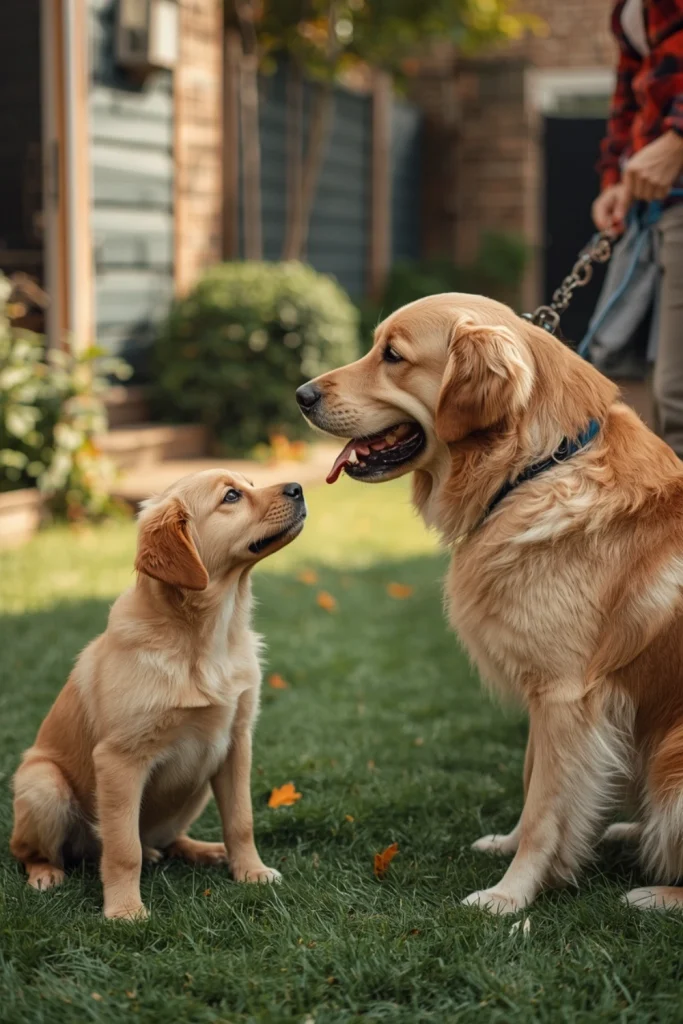
Safe socialization helps your puppy learn how to interact with different people, environments, sounds, and other dogs. Puppies who have appropriate opportunities to explore the world may become more comfortable in unfamiliar situations. However, socialization should be gradual and positive, not an excuse to expose your puppy to overwhelming interactions or allow uncontrolled biting during play.
Arrange calm introductions with friendly, healthy, appropriately vaccinated dogs when suitable, and follow your veterinarian’s advice about vaccination and local disease risks. Supervise every interaction and interrupt play if one puppy becomes overwhelmed or repeatedly bites too hard. Reward your puppy for calm behavior and provide breaks when needed. If your puppy seems frightened, create distance and let them observe from a comfortable spot. Positive experiences can support confidence and better social skills as your puppy matures.
12. Know When to Seek Professional Help
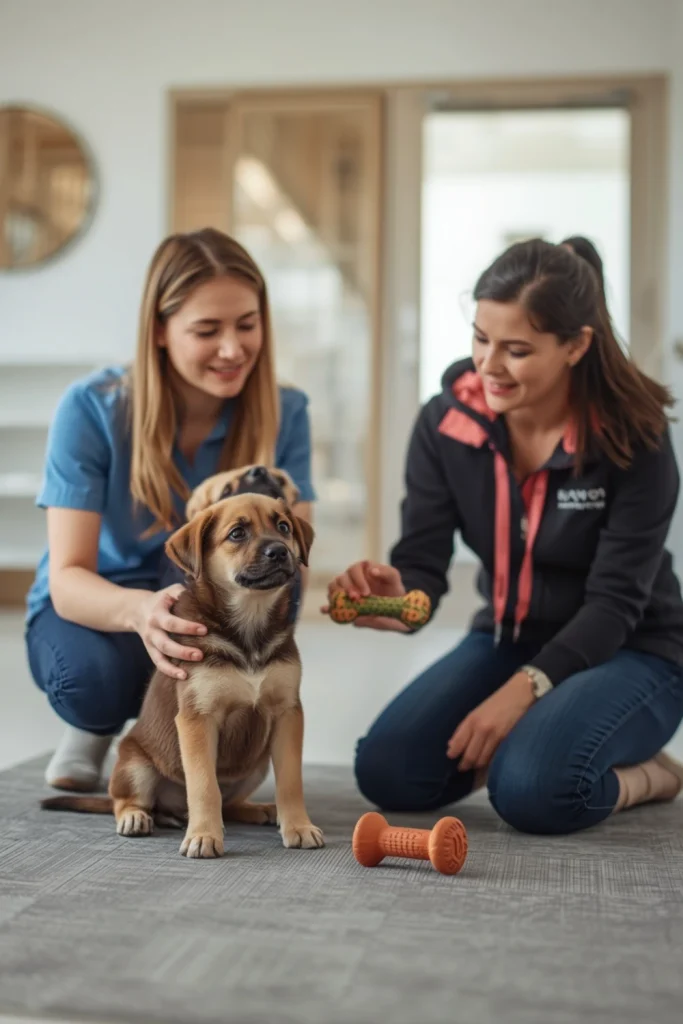
Most puppy mouthing improves with maturity, appropriate play, and consistent training. However, biting that repeatedly breaks skin, escalates in intensity, or occurs alongside stiff body posture, guarding, growling, or apparent fear deserves closer attention. It is important to consider the context rather than assuming every bite is simply playful behavior.
Consult your veterinarian if the biting begins suddenly, appears linked to pain, or is accompanied by changes in eating or behavior. A qualified reward-based dog trainer or veterinary behavior professional can help you identify triggers and develop a safe training plan. Avoid punishing growling, as it is a warning signal that can provide valuable information about your puppy’s discomfort. Seek professional guidance early if you feel unable to manage the behavior safely, particularly around children or vulnerable family members.
Final Thoughts
Raising a puppy requires patience, consistency, and a willingness to learn alongside your new companion. Although biting can be frustrating, it is often a normal part of puppy development and an opportunity to teach important life skills.
Start with these 12 puppy biting tips by providing suitable chew toys, rewarding gentle behavior, redirecting unwanted biting, and ensuring your puppy gets enough rest. Avoid harsh punishment and make sure everyone in your household follows the same training rules. If biting becomes unusually intense or difficult to manage, seek professional guidance. With time and positive reinforcement, you can help your puppy develop safer play habits and build a strong, trusting bond.