

12 Tips for Crate Training a Puppy at Night
Bringing a new puppy home is an exciting experience, but getting your little companion to sleep peacefully through the night can be challenging. Some puppies cry, bark, or become restless when placed in a crate, especially during their first few nights away from their mother and littermates. The good news is that with patience, consistency, and the right approach, you can help your puppy feel safe and comfortable in its sleeping space.
Learning the best tips for crate training a puppy can make nighttime easier for both you and your furry friend. A crate can become a cozy bedroom where your puppy relaxes, sleeps, and feels secure. In this guide, you will discover 12 practical tips for crate training a puppy at night, including how to choose the right crate, establish a bedtime routine, manage nighttime whining, and encourage better sleeping habits.
1. Choose the Right Crate for Your Puppy
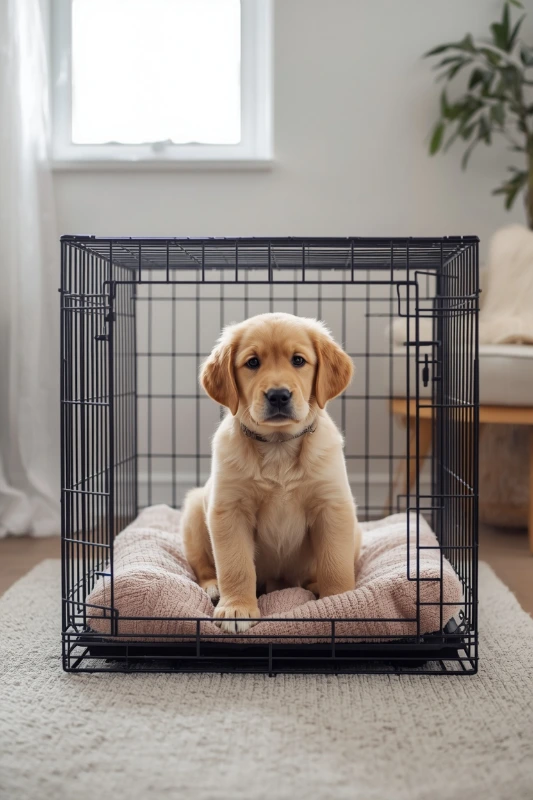
Choosing the right crate is the first step toward successful nighttime puppy training. Your puppy needs enough space to stand up, turn around, stretch out, and lie down comfortably. However, an excessively large crate may encourage some puppies to use one corner as a bathroom while sleeping in another. Consider a crate designed for your puppy’s expected adult size with an adjustable divider. Wire crates offer good ventilation, while appropriately sized plastic travel crates may provide a more enclosed, den-like environment. Always prioritize safe construction, proper airflow, and comfortable access.
Before bedtime, inspect the crate for sharp edges, loose parts, or anything your puppy could chew and swallow. Choose a quiet location where your puppy can rest without being isolated from the household. Add a washable, puppy-safe sleeping surface if your puppy does not chew or shred bedding. If your puppy tends to destroy fabric or eat bedding, keep the sleeping area free of those materials until it is safe to introduce them. The goal is to create a secure and comfortable space that encourages your puppy to settle naturally.
2. Introduce the Crate During the Day
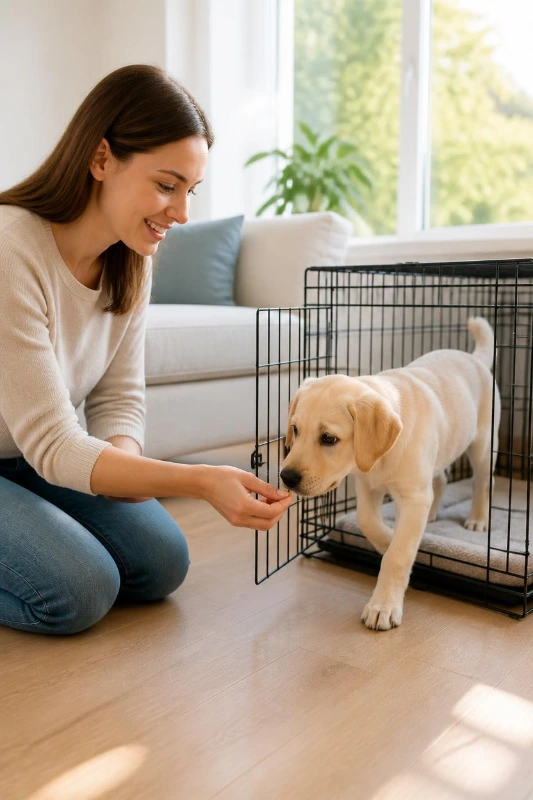
One of the most effective tips for crate training a puppy is to introduce the crate gradually before expecting your puppy to sleep in it all night. Allow your puppy to explore the crate with the door open. Place a few treats near the entrance and let your puppy approach at its own pace. Avoid pushing, carrying, or forcing your puppy inside if it seems frightened. Puppies learn more confidently when they can investigate unfamiliar objects without pressure. Keep your tone calm and encouraging, making every interaction with the crate a positive experience.
Repeat these short introductions several times throughout the day. You can toss a treat inside, praise your puppy for entering, and allow it to leave whenever appropriate. Feed meals near the crate or inside it if your puppy feels comfortable. Gradually increase the time your puppy spends inside while you remain nearby. Once your puppy relaxes, briefly close the door and reopen it before distress develops. These small steps help build trust and make the nighttime transition less intimidating.
3. Make the Crate a Comfortable Sleeping Space
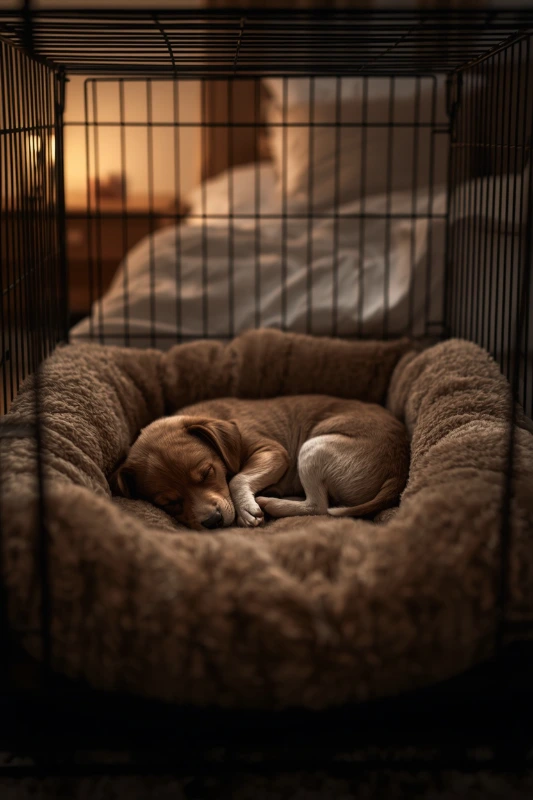
Your puppy should associate its crate with rest and security rather than punishment. Place the crate in a calm area away from loud televisions, busy walkways, and sudden disturbances. Choose a location with comfortable room temperature and sufficient ventilation. A simple sleeping arrangement is often best because too many blankets, toys, or accessories can become distractions or chewing hazards. If you use bedding, make sure your puppy cannot easily tear it apart or swallow pieces.
You can make the crate more inviting by rewarding your puppy whenever it enters voluntarily or settles quietly inside. A familiar scent from home may also be comforting, provided any item you use is safe for unsupervised access. Avoid covering the crate completely, especially if doing so reduces airflow or causes your puppy to overheat. Some puppies prefer a partially covered crate, while others feel more comfortable with an open view of the room. Observe your puppy’s behavior and adjust the environment to support relaxed sleep.
4. Establish a Consistent Bedtime Routine
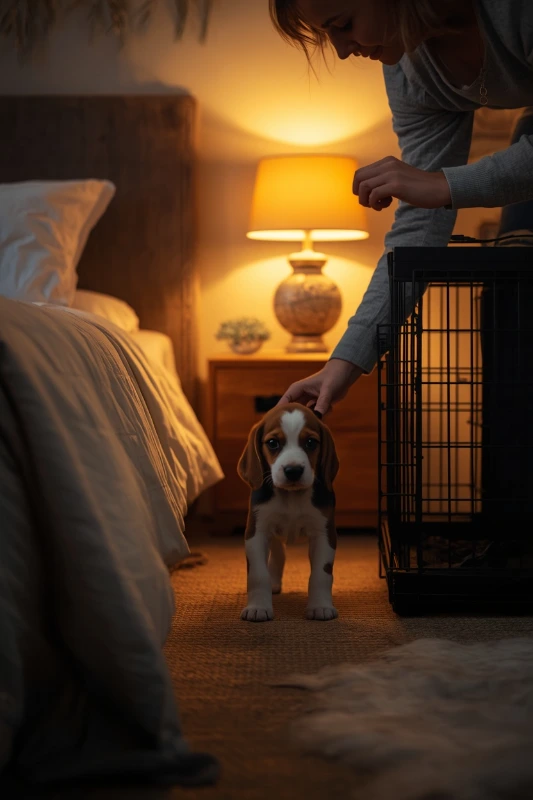
A predictable bedtime routine helps your puppy understand when it is time to relax. Begin by reducing exciting activities shortly before bedtime. Offer a calm play session earlier in the evening, followed by a final bathroom trip, a little quiet interaction, and a gentle transition into the crate. Try to keep bedtime and wake-up time reasonably consistent each day. A regular routine can reduce uncertainty and make it easier for your puppy to settle because familiar events signal that the day is ending.
Keep the final minutes before bedtime peaceful. Avoid energetic games, loud noises, or intense training sessions immediately before putting your puppy to sleep. When your puppy enters the crate, use a consistent phrase such as “bedtime” or “sleep time” and reward calm behavior. The words themselves are not magic; their value comes from repeated association with a predictable routine. Over time, your puppy can learn that entering the crate means a comfortable rest period rather than an unpleasant separation.
5. Take Your Puppy Outside Before Bedtime

A final bathroom break is an important part of crate training a puppy at night. Young puppies have limited bladder control and may need to urinate frequently, especially after drinking, eating, playing, or waking from a nap. Take your puppy to its usual toilet area immediately before bedtime. Give it enough time to sniff and relieve itself without turning the outing into an exciting play session. When your puppy goes to the bathroom, offer gentle praise so it learns that this behavior is desirable.
Remember that an evening bathroom trip does not guarantee your puppy will remain dry until morning. Age, size, health, routine, and individual development all affect how long a puppy can comfortably wait. Very young puppies commonly need at least one overnight bathroom break and sometimes several. Rather than expecting your puppy to hold it for too long, create a realistic schedule that prevents accidents and discomfort. Consistent bathroom opportunities can support house-training progress while making nighttime crate use more successful.
6. Start With Short Crate Sessions

Expecting a puppy to remain in a closed crate for an entire night before it has learned to feel comfortable there can create unnecessary stress. Instead, start with short, positive sessions while your puppy is awake. Allow it to enter, offer a reward, and close the door briefly if it remains relaxed. Open the door before the puppy becomes overwhelmed. Gradually increase the duration as your puppy demonstrates comfort, always adjusting the pace to its behavior rather than following a rigid timetable.
Once your puppy can rest quietly in the crate during the day, begin practicing short periods when you are nearby but not directly interacting. You might sit across the room or briefly step out of sight and return calmly. Avoid making every exit or return a dramatic event. The purpose is to teach your puppy that time in the crate is safe and that temporary separation is manageable. These daytime exercises help prepare your puppy for nighttime sleeping without introducing too many unfamiliar challenges at once.
7. Keep the Crate Near Your Bed at First
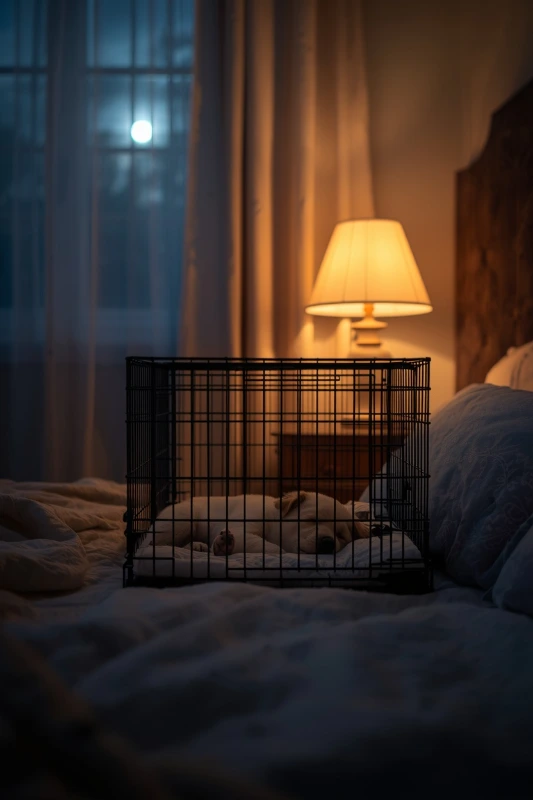
Many puppies feel unsettled when they suddenly move from sleeping close to their mother and littermates to sleeping alone in a different home. Placing the crate beside your bed during the first nights can help your puppy feel less isolated. You will be able to hear signs that your puppy needs a bathroom break and provide brief reassurance without turning every waking moment into playtime. Your nearby presence may also help you identify whether your puppy is restless, frightened, uncomfortable, or simply needs to relieve itself.
If your long-term goal is for your puppy to sleep in another room, move the crate gradually after it becomes comfortable with nighttime rest. You can start by moving it a short distance at a time, allowing your puppy to adjust before making another change. Avoid suddenly relocating a distressed puppy far away and expecting it to settle immediately. Every puppy develops confidence at a different pace, so let your puppy’s comfort and progress guide the transition.
8. Respond to Nighttime Whining Calmly
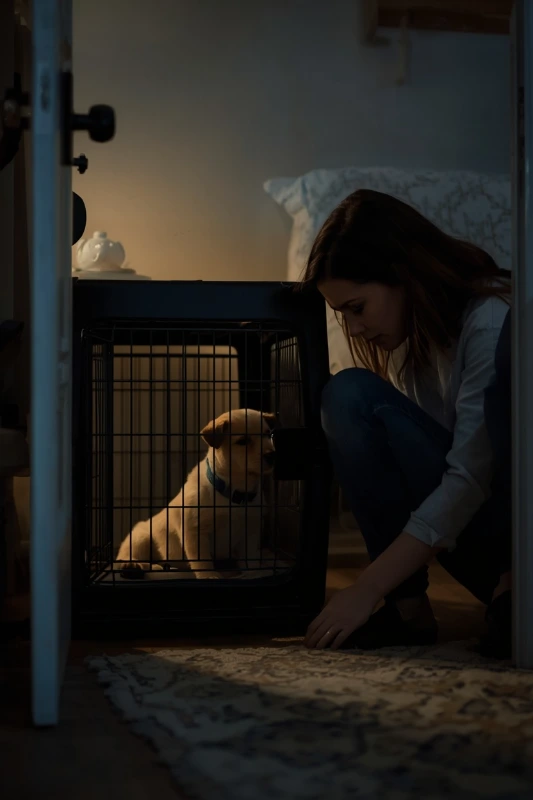
Nighttime whining is common during the early stages of crate training, but it is important to understand what your puppy may be communicating. Whining can indicate a need to urinate, fear, loneliness, discomfort, excessive heat, or another problem. Check whether your puppy needs a bathroom break and make sure the sleeping area is safe and comfortable. Do not automatically assume every sound is attention-seeking behavior. A puppy that is frightened or physically uncomfortable needs an appropriate response, not simply a longer period of isolation.
When your puppy appears comfortable and has recently relieved itself, keep interactions calm and low-key. Offer quiet reassurance without turning the experience into an exciting play session. If the puppy shows escalating distress, such as frantic attempts to escape, heavy panting unrelated to temperature, or persistent panic, reassess the training approach rather than forcing it to continue. Gradual practice and positive associations are more effective than punishment. Never hit, shout at, or frighten a puppy for vocalizing inside its crate.
9. Plan Overnight Potty Breaks
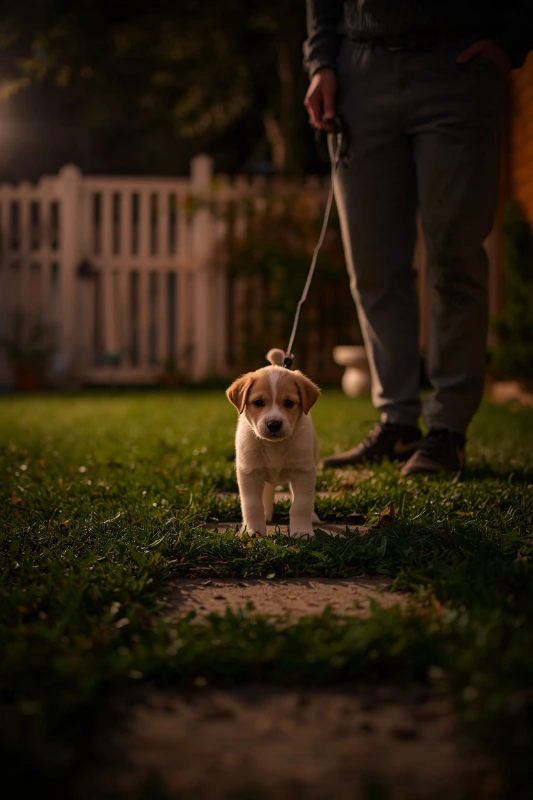
One of the most practical tips for crate training a puppy is to plan bathroom breaks according to its age and individual needs. A very young puppy may not be physically capable of staying dry throughout the night. Instead of waiting until your puppy becomes extremely restless, establish a reasonable initial schedule based on its normal bathroom habits. If accidents occur or your puppy consistently wakes at a certain time, adjust the schedule. Your veterinarian can help if you are unsure what is appropriate for your puppy’s age or health.
When taking your puppy outside during the night, keep the experience quiet and purposeful. Use a leash if needed, go directly to the usual bathroom area, and offer calm praise after your puppy relieves itself. Avoid bright lights, exciting games, or extended playtime that may make it harder to return to sleep. Afterward, calmly guide your puppy back into the crate. As your puppy matures and remains consistently dry for longer periods, you can gradually adjust overnight breaks to match its developing abilities.
10. Avoid Using the Crate as Punishment
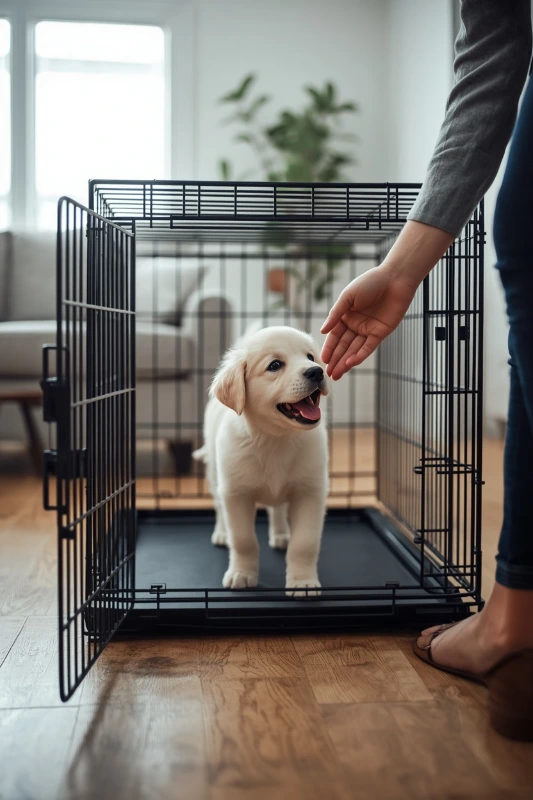
A crate should be a safe resting place, not a place where a puppy is sent because it has misbehaved. Using the crate as punishment can make your puppy associate it with fear, isolation, and negative experiences. This may increase resistance when bedtime arrives and make training more difficult. Instead, use rewards, encouragement, and calm guidance to build a positive relationship with the crate. If your puppy chews furniture, has an accident, or becomes overly excited, address the behavior appropriately without making the crate part of the punishment.
Reward the actions you want to encourage, including entering the crate voluntarily, settling down, and remaining relaxed for short periods. Small treats, gentle praise, and consistent routines can help your puppy understand that calm behavior has positive results. If your puppy becomes upset inside the crate, consider whether the session is too long or the training is progressing too quickly. Adjust the duration and environment to meet its needs. Building trust takes time, but it creates a stronger foundation for comfortable nighttime sleeping.
11. Manage Evening Food, Water, and Exercise
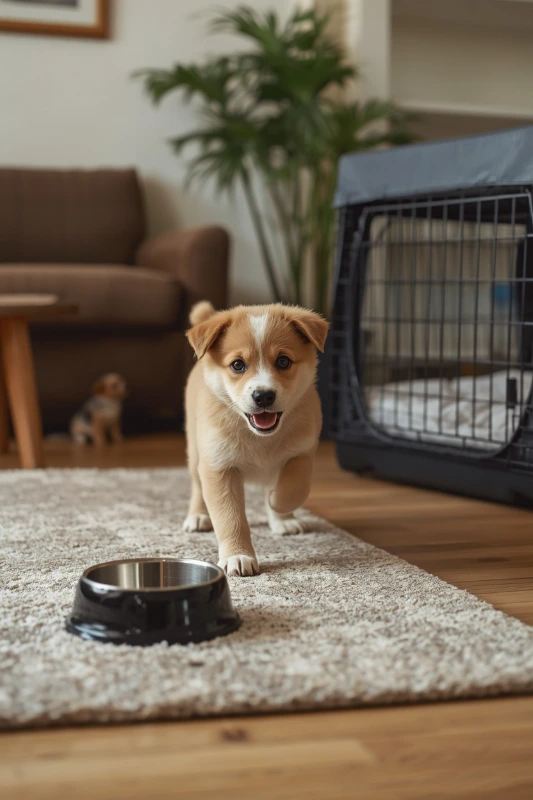
Your puppy’s evening activities can influence how easily it settles at night. Provide age-appropriate play, short training sessions, and opportunities to explore during the day so your puppy has a healthy balance of activity and rest. A puppy that has had too little stimulation may remain restless, while excessive excitement immediately before bedtime can make it difficult to relax. Finish active play early enough to allow a calm transition into the bedtime routine. Young puppies also need plenty of sleep, so avoid keeping them awake simply to make them tired.
Feed your puppy according to a regular, age-appropriate schedule and allow time for bathroom trips after meals. Always provide access to fresh water during the day. Avoid restricting water in a way that risks dehydration, particularly during hot weather, after exercise, or when a puppy is unwell. If nighttime accidents are frequent, discuss the feeding, drinking, and bathroom schedule with your veterinarian rather than imposing strict water restrictions. A balanced routine supports your puppy’s health and can make nighttime crate training easier.
12. Be Patient and Celebrate Small Improvements
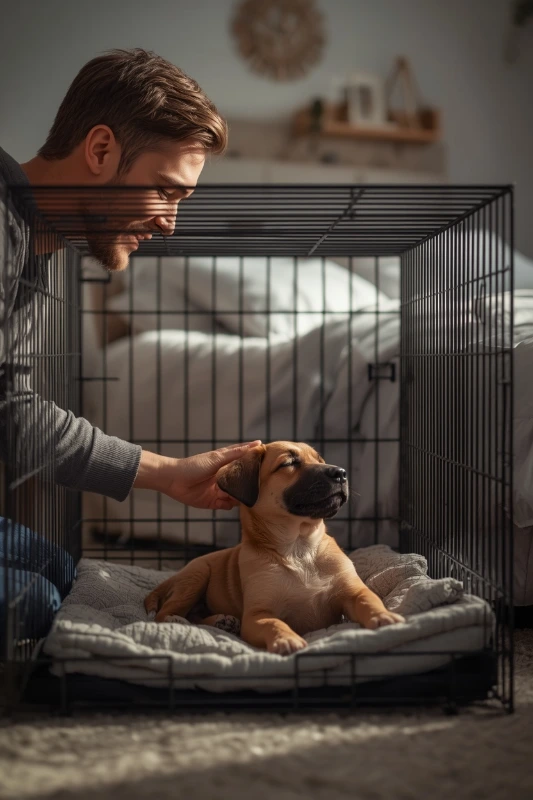
Successful crate training rarely happens overnight. Some puppies become comfortable within a few days, while others need several weeks of gradual practice. Your puppy may make progress one night and struggle the next, especially during changes in routine, growth, or unfamiliar situations. Instead of expecting immediate perfection, focus on small improvements. Notice whether your puppy enters the crate more willingly, settles more quickly, or returns to sleep more easily after a bathroom break. These are meaningful signs that your training is moving in the right direction.
Keep a simple record of bedtime, overnight bathroom breaks, accidents, and periods of rest if you are having difficulty identifying patterns. This can help you adjust the routine according to your puppy’s actual needs. If your puppy shows persistent fear, repeated panic, unusual restlessness, or sudden changes in bathroom habits, seek advice from a veterinarian or a qualified, reward-based dog trainer. Patience does not mean ignoring distress; it means making gradual adjustments while protecting your puppy’s physical and emotional well-being.
Final Thoughts
Learning these 12 tips for crate training a puppy can help you establish a peaceful nighttime routine while building your puppy’s confidence. Start with a suitable crate, introduce it gradually, create a comfortable sleeping environment, and make bedtime predictable. Remember that nighttime whining may signal a genuine need, particularly during the first few weeks at home.
Most importantly, approach training with patience, kindness, and consistency. Avoid punishment, provide appropriate bathroom breaks, and celebrate small improvements. With time and positive reinforcement, your puppy can learn to view its crate as a comfortable place to rest, helping the entire household enjoy calmer nights.