
10-Minute Dog Training: 7 Easy Exercises to Try
You do not need an hour, expensive equipment, or a professional training setup to help your dog learn. Just 10 focused minutes a day can turn ordinary moments at home into valuable training opportunities. These 7 Easy Exercises to Try are simple enough for beginners and practical enough to fit into almost any daily routine.
Short training sessions can help your dog improve focus, communication, obedience, confidence, and everyday manners. Whether you have a playful puppy, an adult dog, or a senior companion, the key is consistency. A few minutes of positive practice every day can create better habits and strengthen the relationship between you and your dog.
1. Teach Your Dog to Respond to Its Name
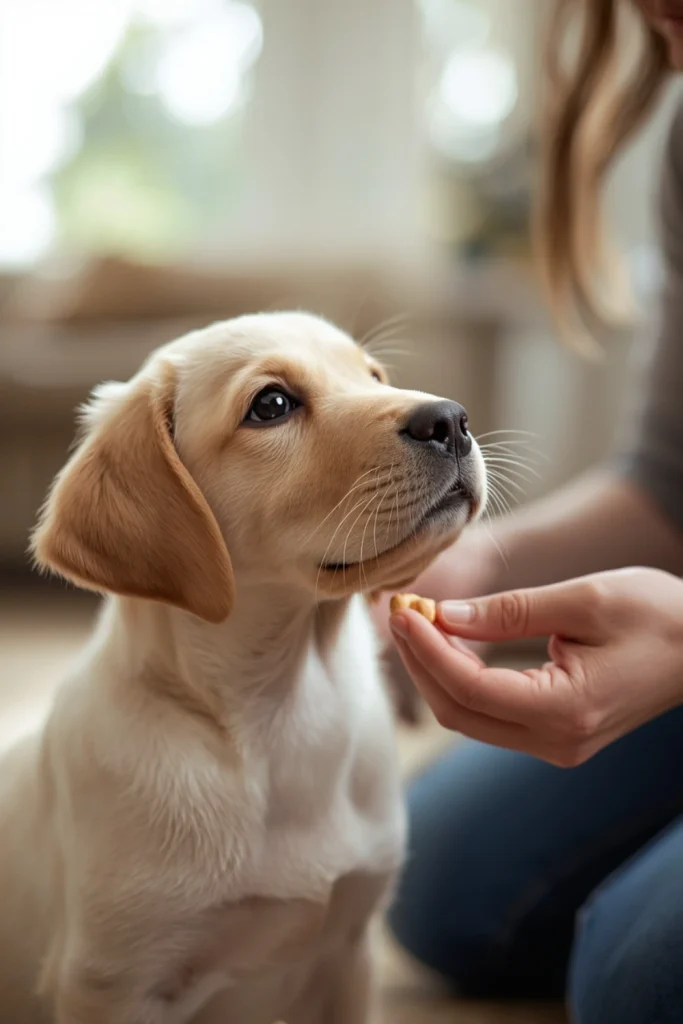
The first of the 7 Easy Exercises to Try is name recognition. Your dog’s name should have a positive meaning and should encourage your dog to look toward you. Start in a quiet room with minimal distractions. Say your dog’s name once in a cheerful, clear voice. When your dog turns toward you or makes eye contact, immediately reward the behavior with a small treat, praise, or a favorite toy. Repeat this exercise several times while keeping the session relaxed.
Name recognition is a foundation for many other training exercises. Once your dog understands that its name means it should pay attention to you, it becomes easier to introduce commands such as come, sit, wait, and leave it. Avoid repeatedly saying your dog’s name when it is ignoring you. Instead, practice in easy environments and make responding to the name consistently rewarding. With regular short sessions, your dog can learn to check in with you naturally.
2. Practice the Sit Command
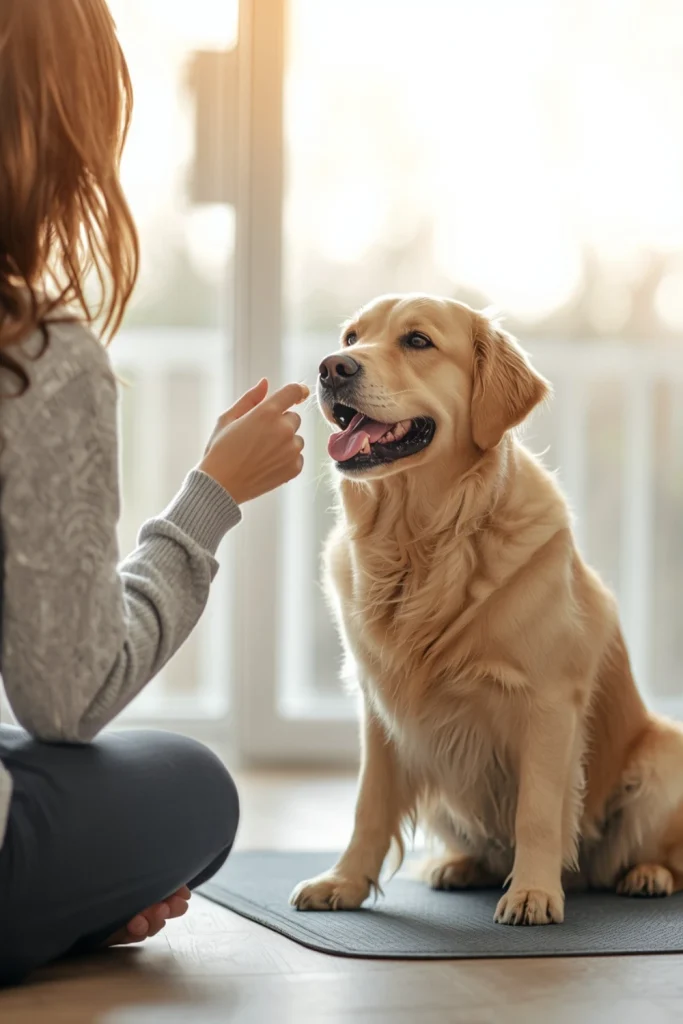
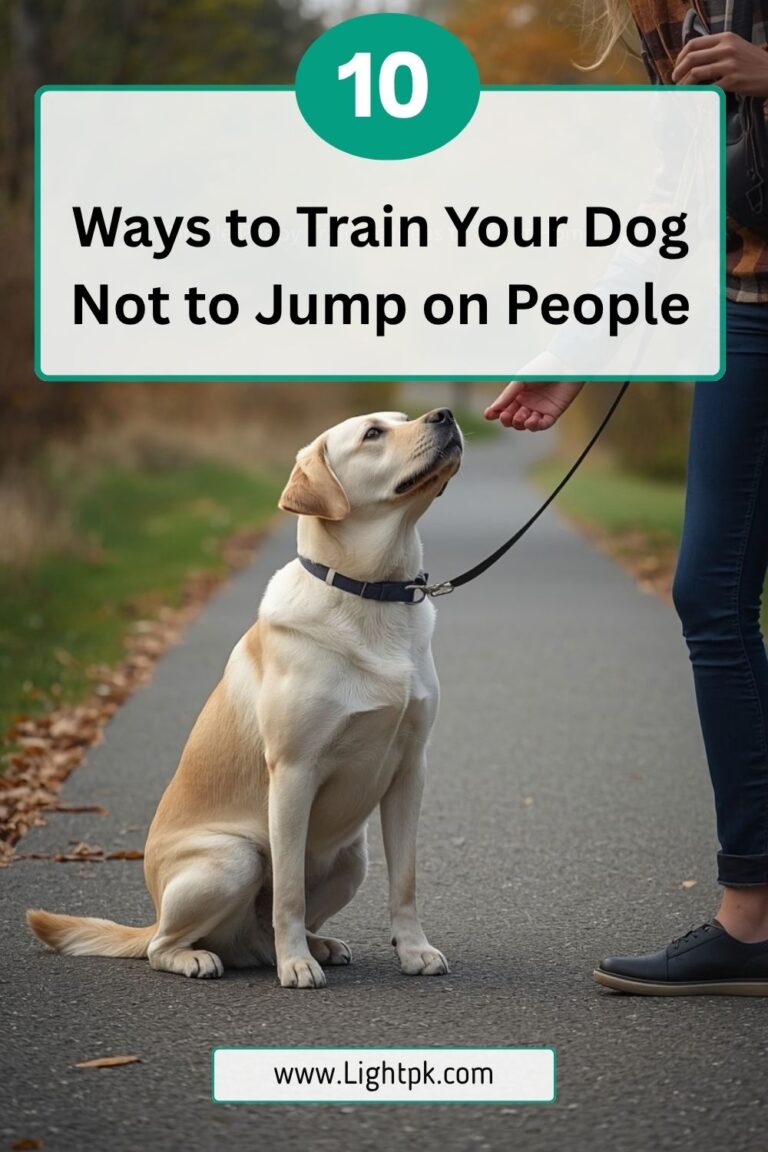
Sit is one of the easiest and most useful commands to include in a short training routine. Hold a small treat near your dog’s nose and slowly move your hand upward and slightly backward. As your dog follows the treat with its eyes and nose, its body will often naturally move into a sitting position. As soon as your dog’s bottom touches the floor, say “sit,” reward the behavior, and offer calm praise. Repeat several times without rushing.
Once your dog understands the basic movement, start practicing sit in different everyday situations. Ask your dog to sit before putting on a leash, receiving food, going through a doorway, or greeting someone. This helps turn the command into a practical habit rather than a trick performed only during training. Keep your expectations realistic and reward correct responses. Over time, your dog can learn that sitting calmly is a useful way to communicate and receive attention.
3. Build a Reliable Come Command
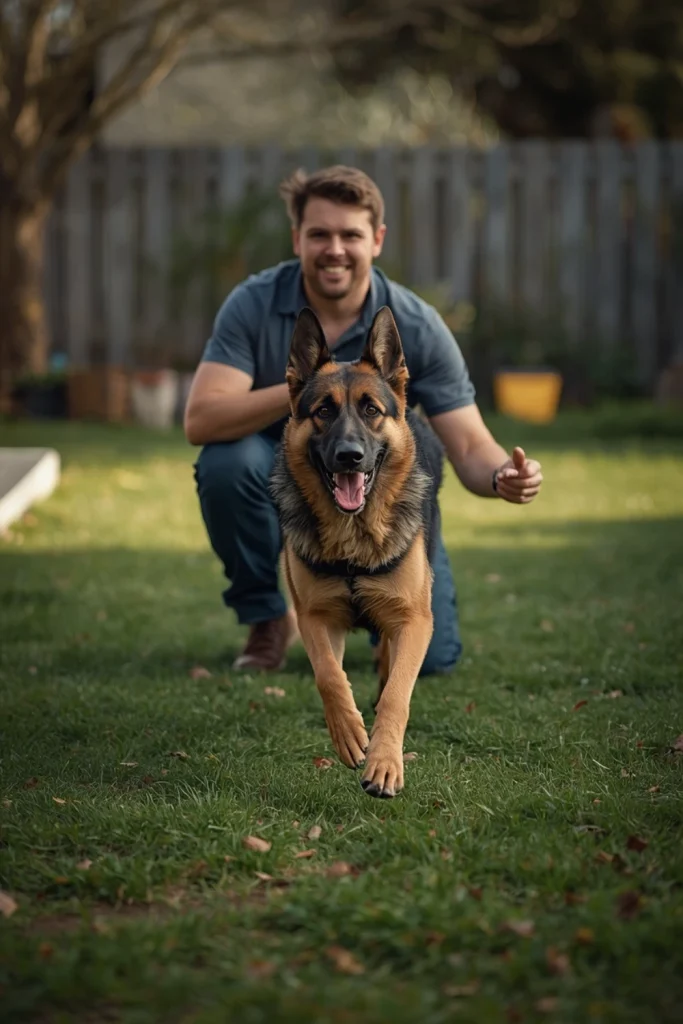
Teaching your dog to come when called is one of the most practical exercises you can practice during a short session. Begin indoors where there are very few distractions. Move a short distance away from your dog, say its name, and then use your chosen recall cue, such as “come.” Use an enthusiastic voice and encourage your dog toward you. When your dog reaches you, reward it immediately with something it genuinely enjoys.
Recall training should always feel positive. If coming to you consistently means the end of fun, a bath, or another unpleasant experience, your dog may become less enthusiastic about responding. Practice recall during easy moments and occasionally reward your dog without ending whatever enjoyable activity it was doing. As your dog’s response improves, gradually increase distance and introduce mild distractions. Outdoor recall should only be practiced in safe, controlled environments until your dog is reliable.
4. Teach Your Dog to Wait
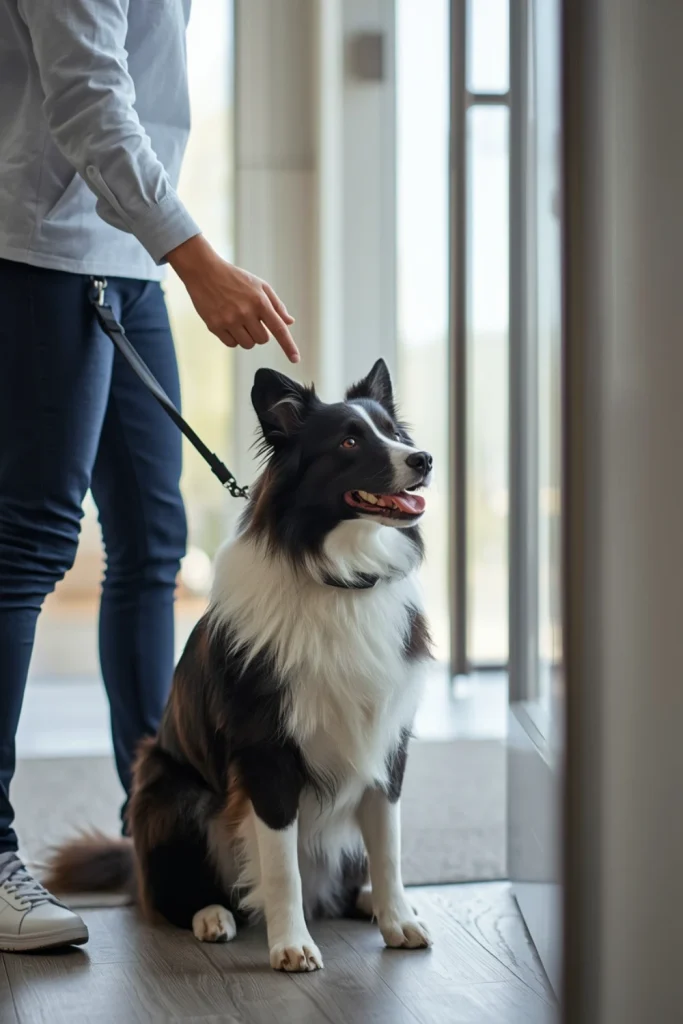
Wait is a simple exercise that can help your dog develop patience and impulse control. Ask your dog to sit or stand calmly, then show a clear hand signal and wait for a very short period. If your dog remains in position, reward it. Begin with only a few seconds and gradually increase the duration as your dog becomes successful. You can practice near food bowls, doors, toys, or other everyday situations where excitement naturally occurs.
The purpose of wait training is not to make your dog remain still for a long time immediately. Instead, you are teaching your dog that exciting things do not always happen instantly. This skill can become useful when opening doors, crossing safe areas, preparing meals, getting into a vehicle, or beginning play. Keep the exercise easy enough for your dog to succeed regularly, and use a release word to clearly communicate when the waiting period is finished.
5. Practice Leave It
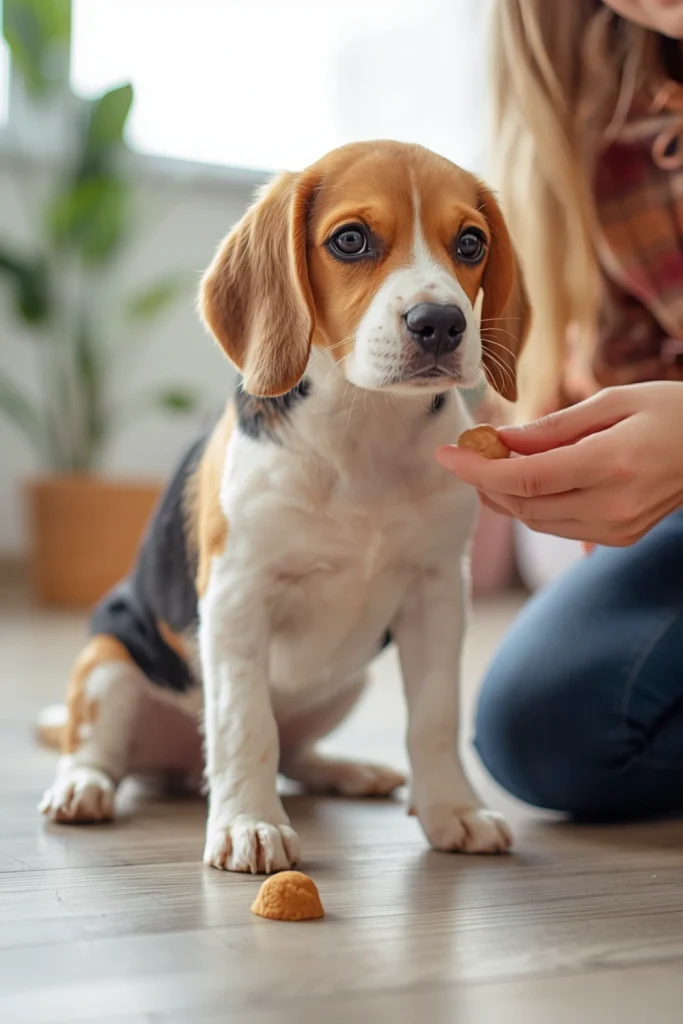
Leave it is an extremely useful skill because dogs naturally investigate interesting objects with their mouths and noses. Begin with a treat hidden inside your closed hand. Let your dog investigate without giving the treat. When your dog stops trying to reach it or looks away, reward the behavior using a separate treat from your other hand. Repeat this process until your dog begins to understand that ignoring the first item leads to a reward.
As your dog improves, you can gradually practice with different safe objects and environments. Leave it can be useful when your dog notices food on the floor, an interesting household object, or something during a walk. However, training should not replace good supervision and environmental management. Keep dangerous foods, medicines, chemicals, and small objects away from your dog. The goal of this exercise is to build a reliable habit of looking to you when something interesting appears.
6. Practice Loose-Leash Walking
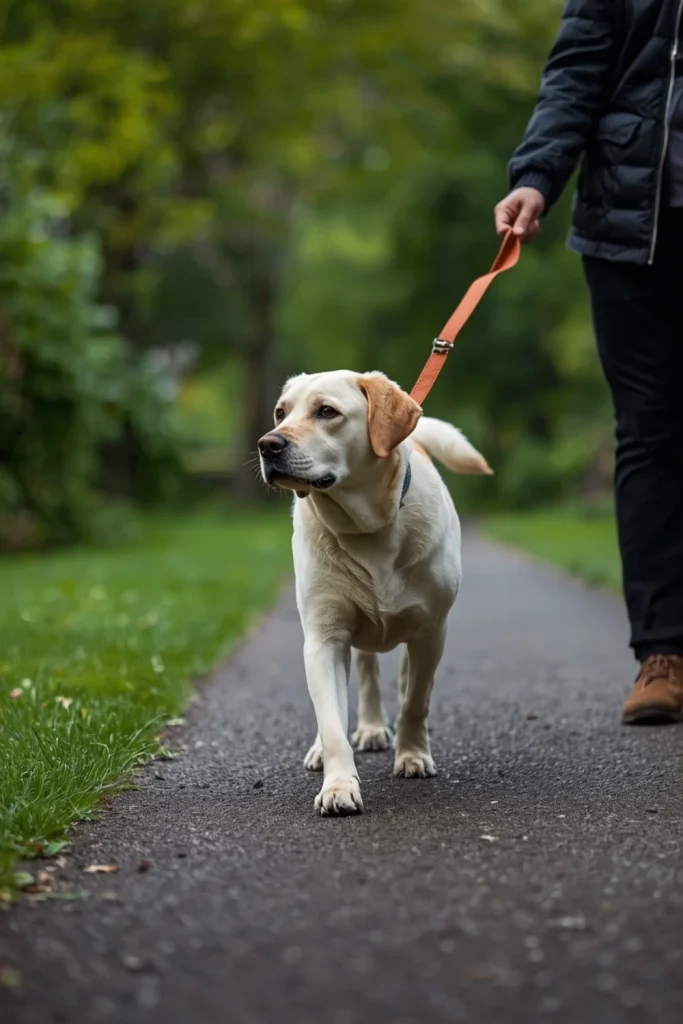
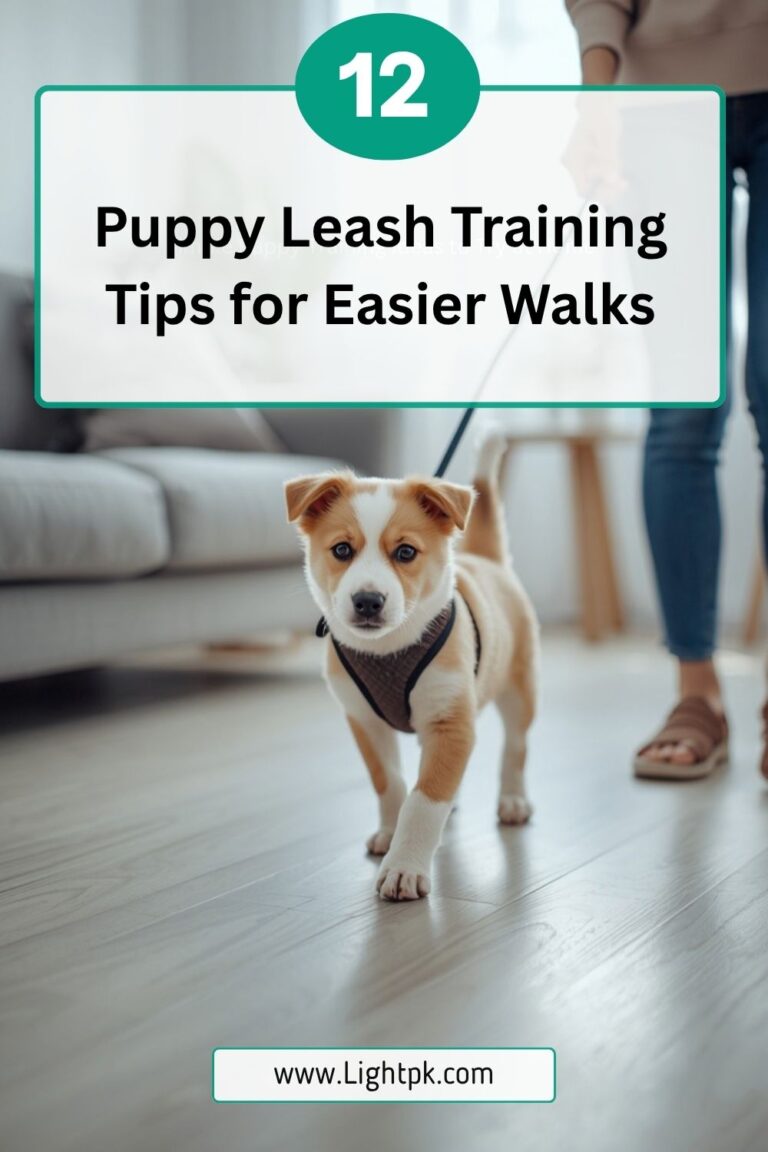
Loose-leash walking is an excellent exercise to include in a 10-minute training session. You do not need to begin outdoors in a busy area. Start inside your home or in a quiet secure space. Put the leash on your dog and take a few steps. When your dog stays close to you without pulling, reward it. If the dog moves ahead and creates tension, stop or calmly change direction instead of allowing pulling to become the way forward.
Once your dog understands the basic idea, gradually practice in more interesting environments. Outdoor walks provide many distractions, including smells, people, animals, vehicles, and sounds. Increase difficulty slowly so your dog has a reasonable chance of succeeding. Loose-leash walking is not about forcing your dog to stay perfectly beside you every second. It is about teaching your dog to walk comfortably while paying attention to your direction.
7. Teach a Fun Trick
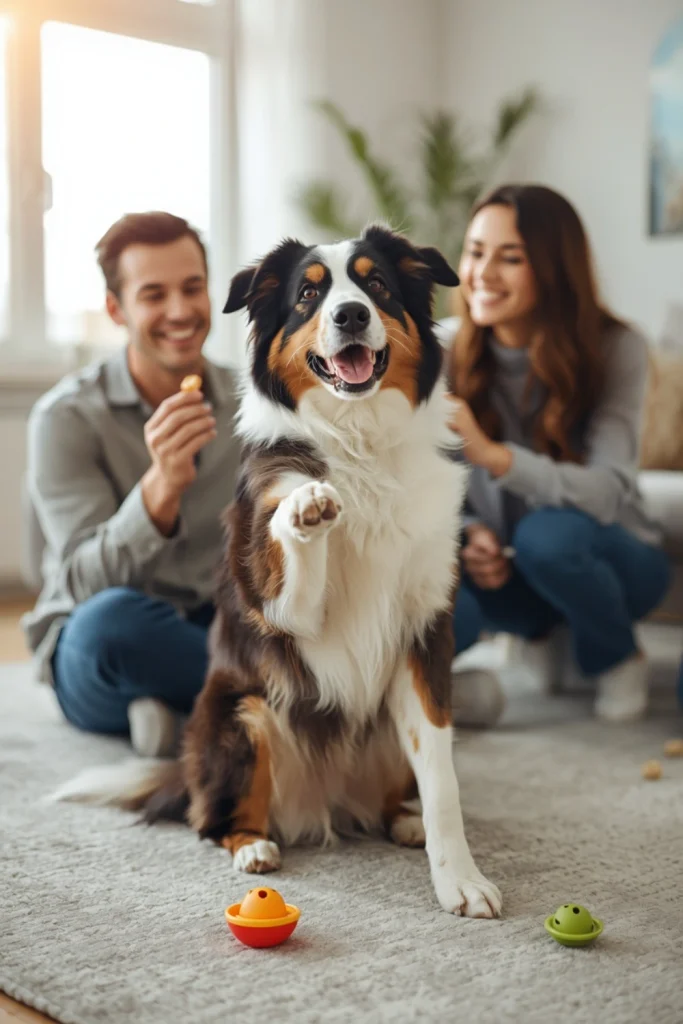
The final exercise can be something enjoyable such as paw, spin, touch, wave, bow, or finding a hidden toy. Fun tricks give your dog a chance to think and learn while keeping the training session engaging. Choose one trick that matches your dog’s current ability. Break the behavior into small steps and reward each successful stage instead of expecting your dog to perform the complete trick immediately.
Trick training can also provide mental stimulation and strengthen communication between you and your dog. It gives your dog opportunities to experiment, pay attention, and discover which behaviors earn rewards. Keep the mood relaxed and playful. If your dog seems confused, make the exercise easier. A short successful trick session is often more useful than repeatedly practicing a behavior that has become frustrating.
Final Thoughts
A 10-Minute Dog Training routine can be a simple and practical way to improve your dog’s everyday behavior without turning training into a time-consuming task. These 7 Easy Exercises to Try cover important foundation skills including name recognition, sit, come, wait, leave it, loose-leash walking, and fun trick training.
The most important ingredient is consistency. Your dog does not need perfect performance during every session. Instead, focus on creating small successful moments and gradually increasing the difficulty as your dog becomes more confident.
Make training part of your normal routine. Practice before meals, during walks, while playing, or during quiet time at home. Keep sessions positive, use appropriate rewards, and give your dog enough time to understand what you are asking.
With patience and regular practice, 10 minutes a day can become a powerful habit that improves communication, mental stimulation, obedience, and your bond with your dog.