
10 Potty Training Tips for Puppies in Apartments
Potty training a puppy is challenging enough, but doing it in an apartment can add another layer of difficulty. Limited outdoor access, elevators, hallways, neighbors, and unpredictable weather can make bathroom trips feel complicated. However, with the right routine and a little patience, apartment puppy potty training can become much easier.
The key is to create a predictable system that works with your living space. These Potty Training Tips for Puppies will help you establish a practical routine, recognize bathroom signals, reduce indoor accidents, and teach your puppy where it is appropriate to go. Whether you live in a high-rise apartment or a small studio, consistency can make a major difference.
1. Create a Consistent Potty Schedule
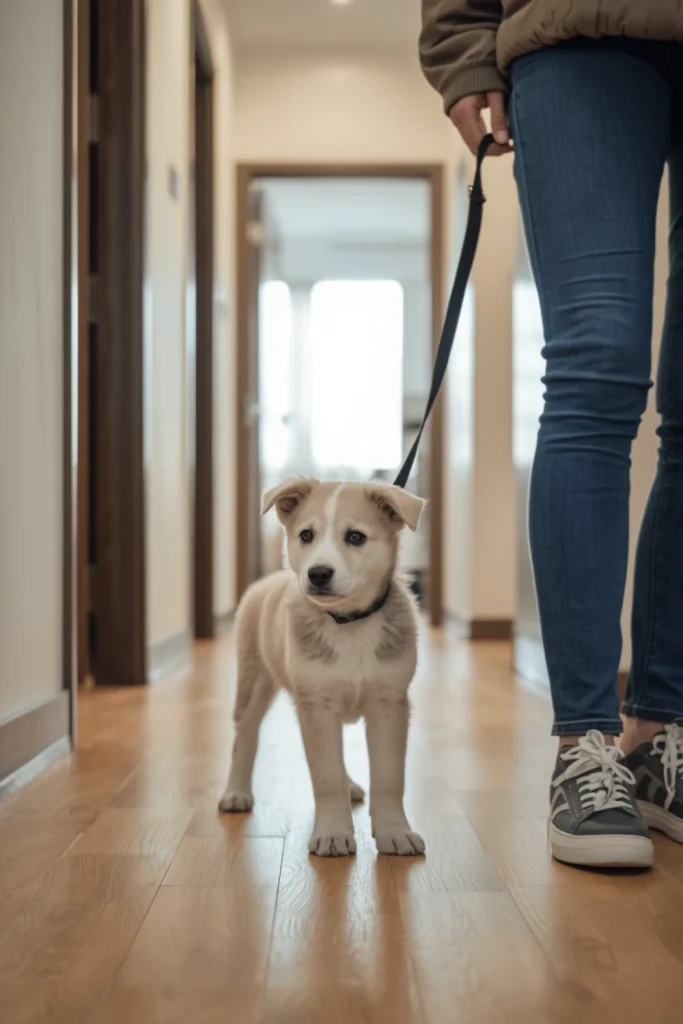
A consistent schedule is one of the most important parts of successful puppy potty training in an apartment. Puppies have small bladders and often need to eliminate shortly after waking, eating, drinking, playing, and taking a nap. Instead of waiting for your puppy to have an accident, plan regular bathroom trips throughout the day. Take your puppy out first thing in the morning, after meals, after naps, during active play, and before bedtime. Very young puppies may need to go outside every 30 to 60 minutes while awake.
Apartment living makes scheduling even more important because getting outside may take several minutes. You may need to walk through a hallway, wait for an elevator, and travel to a designated outdoor area. Build enough time into your routine so your puppy does not have to wait too long. As your puppy grows and develops better bladder control, gradually increase the time between bathroom breaks. The goal is to make potty trips predictable without forcing your puppy to hold it longer than it comfortably can.
2. Choose a Convenient Outdoor Potty Spot
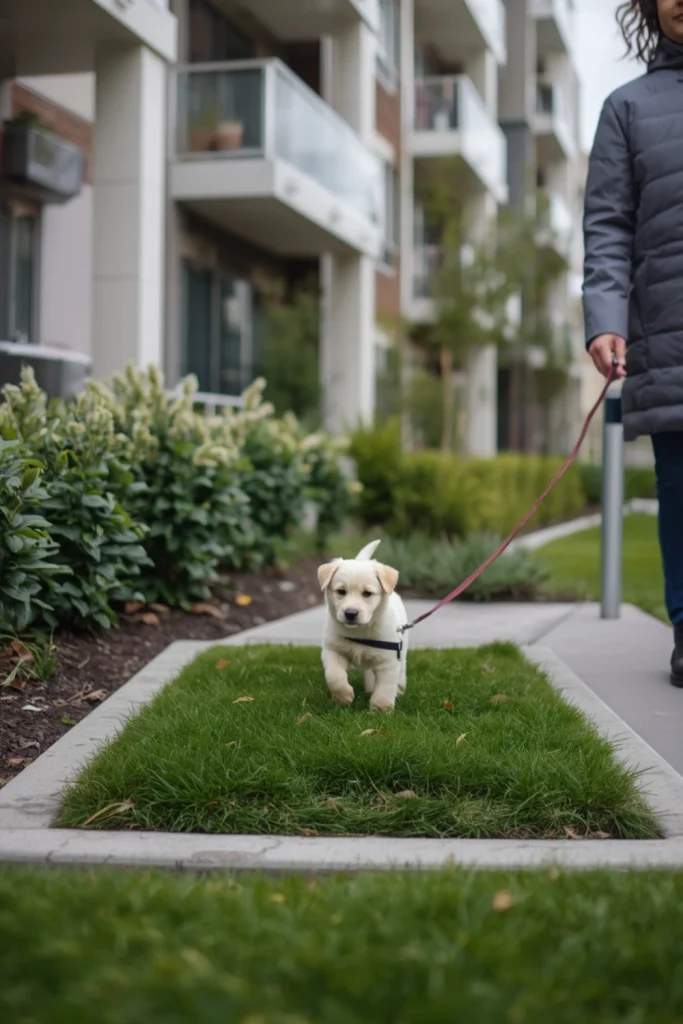
Living in an apartment often means you cannot simply open a back door and let your puppy into a backyard. Choosing a convenient outdoor potty location can therefore make training much easier. Look for an appropriate, safe area that is reasonably close to your building. Taking your puppy to the same spot repeatedly can help create a familiar routine. Familiar smells and surroundings may also make it easier for your puppy to understand why you are outside.
Try to choose a location that is accessible at different times of the day and safe for both you and your puppy. Avoid areas that are heavily trafficked by vehicles or unsuitable for dogs. Once you find a good location, use it consistently during the early stages of training. When your puppy finishes successfully, immediately offer praise or a small reward. Over time, your puppy may begin associating that location with bathroom time.
3. Learn Your Puppy’s Bathroom Signals
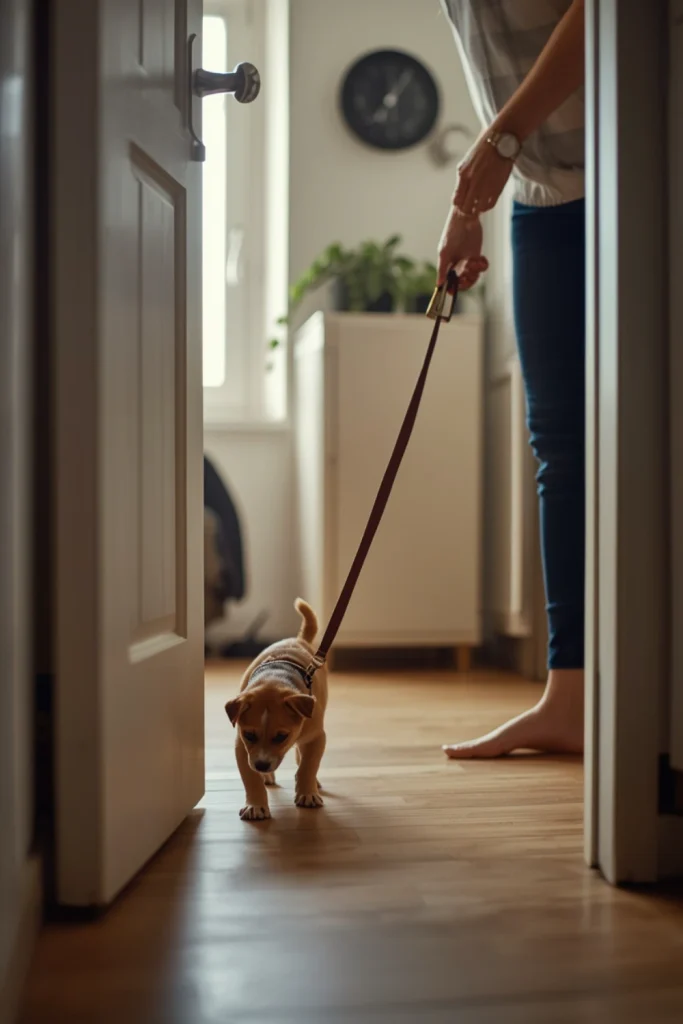
Recognizing your puppy’s signals can prevent many apartment accidents. Puppies often show subtle signs when they need to use the bathroom. Your puppy might sniff the floor, walk in circles, become restless, suddenly stop playing, whine, scratch at the door, or move toward a previous accident location. Some puppies may simply become unusually quiet or distracted. Learning these individual signals allows you to react before an accident happens.
During the first few weeks, pay close attention whenever your puppy is awake and active. If you notice signs that your puppy needs to go, calmly pick up a small puppy if appropriate or quickly attach the leash and head toward the exit. In an apartment building, recognizing the signs early is especially useful because reaching the outdoor area takes longer than it would in a house with a backyard. With practice, you will become better at predicting your puppy’s needs.
4. Plan for Elevator and Hallway Delays
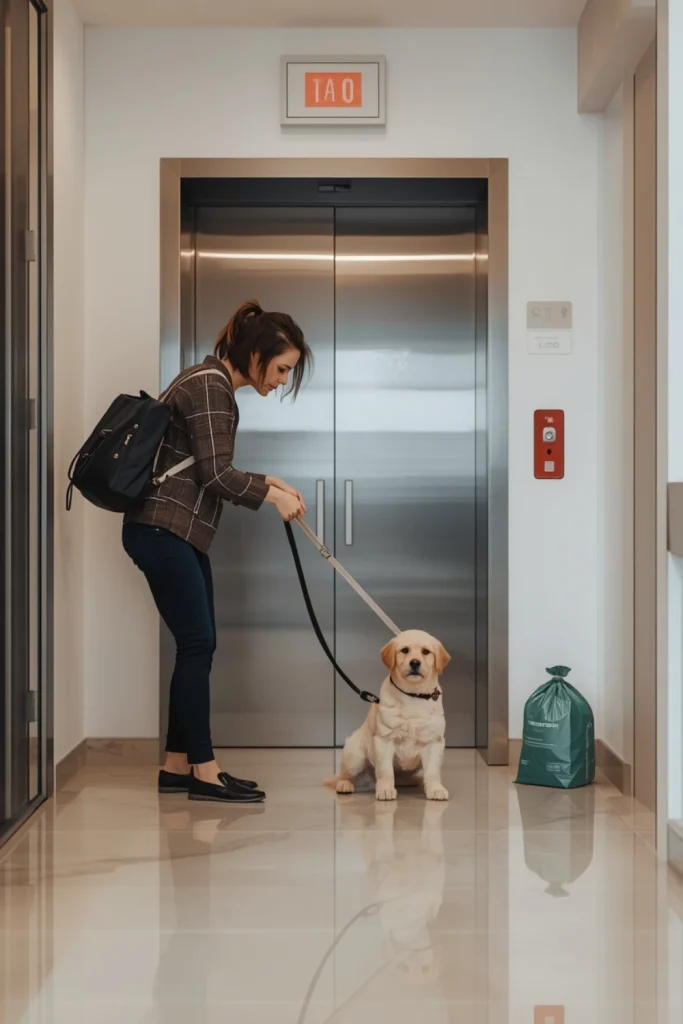
One unique challenge of apartment potty training is the time it takes to get from your apartment to the ground floor. A puppy that suddenly needs to go may not be able to wait through a long hallway walk and elevator ride. Prepare everything you need before opening the apartment door. Keep the leash, collar or harness, waste bags, and treats in one convenient location near the entrance. This can save valuable time when your puppy urgently needs a bathroom break.
If you live on a high floor, learn the fastest safe route to your designated potty area. During the early stages, avoid unnecessary delays such as stopping to chat with neighbors or allowing your puppy to become distracted in the hallway. If your puppy is small enough to carry safely, carrying it toward the elevator and outdoor area may sometimes reduce the risk of an accident. As your puppy matures, it will gradually develop better bladder control.
5. Consider an Indoor Potty Area
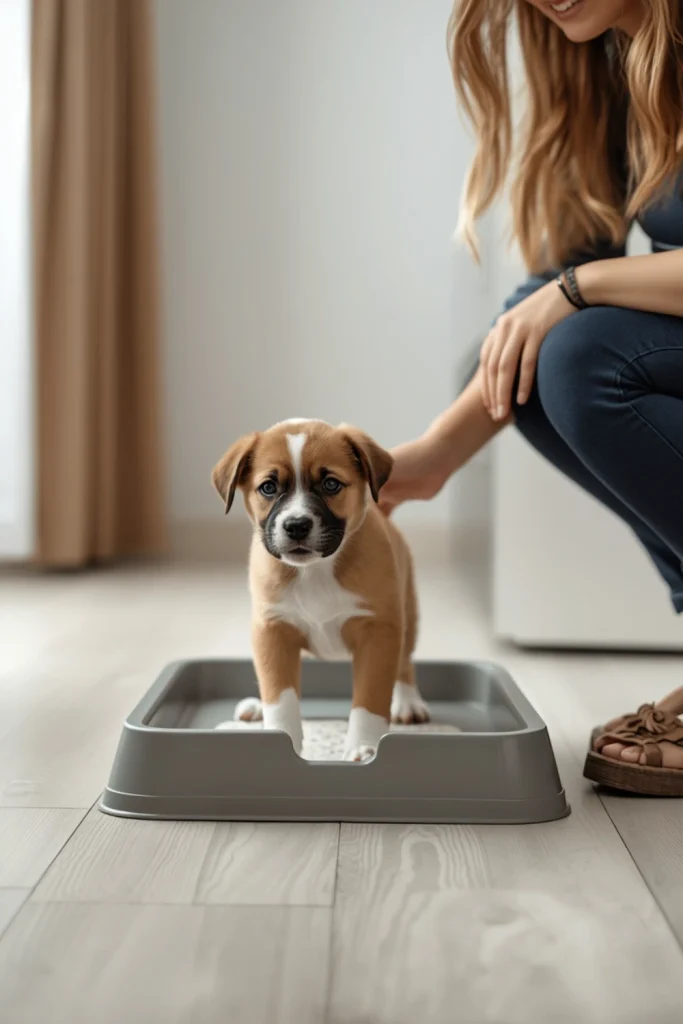
An indoor potty area can be useful for apartment owners, particularly when outdoor access is difficult or weather conditions are extreme. Depending on your situation, you may use puppy pads, a washable indoor potty tray, or another veterinarian-approved solution. Place the potty area in a quiet, easy-to-clean location away from your puppy’s food and sleeping area. Keep the location consistent so your puppy knows where the indoor bathroom is supposed to be.
However, decide whether your long-term goal is indoor or outdoor potty training. Constantly changing between different bathroom locations can sometimes confuse a puppy. If you plan to transition from pads to outdoor potty training later, gradually move the potty area closer to the exit and eventually outside. Clean accidents promptly and reward your puppy whenever it uses the correct location. An indoor option can be particularly practical for emergencies, but it should fit your overall training strategy.
6. Take Your Puppy Out After Meals and Naps
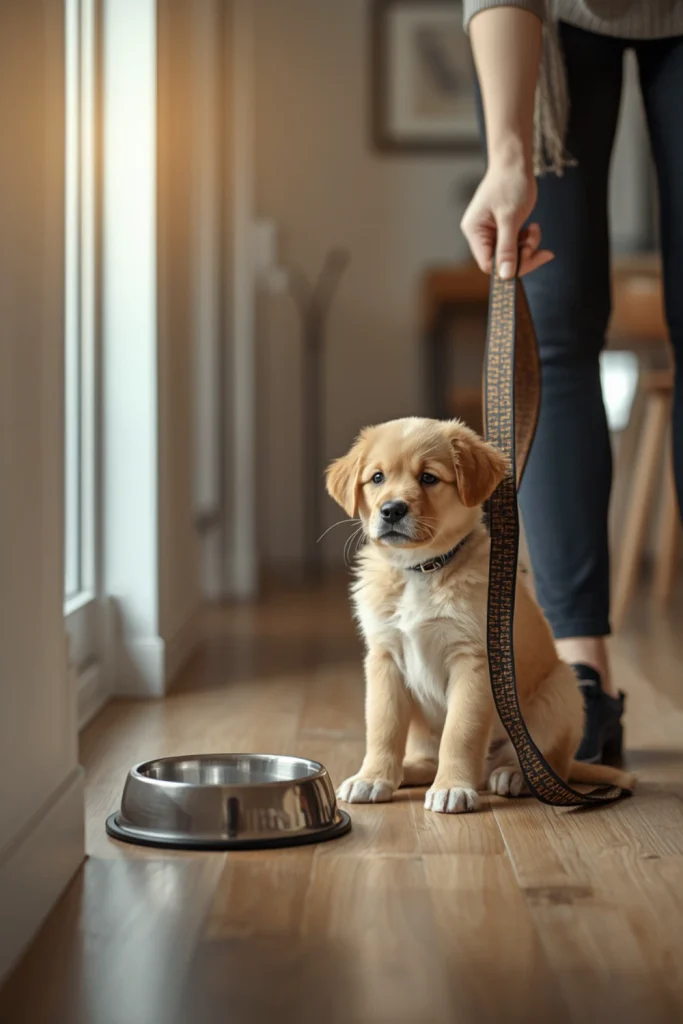
Meals and naps are two important moments to remember during apartment potty training. Many puppies need to use the bathroom shortly after eating because digestion can stimulate bowel movements. Similarly, puppies often need to urinate soon after waking from a nap. Create a habit of taking your puppy outside after these activities rather than waiting for obvious signs of urgency.
Try to keep feeding times relatively consistent so you can better predict bathroom needs. After your puppy finishes eating, allow a little time for digestion and then take it to the designated potty area. When your puppy wakes from sleeping, take it outside promptly. These predictable transitions can dramatically reduce the number of accidents. In an apartment, it is particularly useful to anticipate these moments because you need additional time to reach the outdoor area.
7. Use Positive Reinforcement
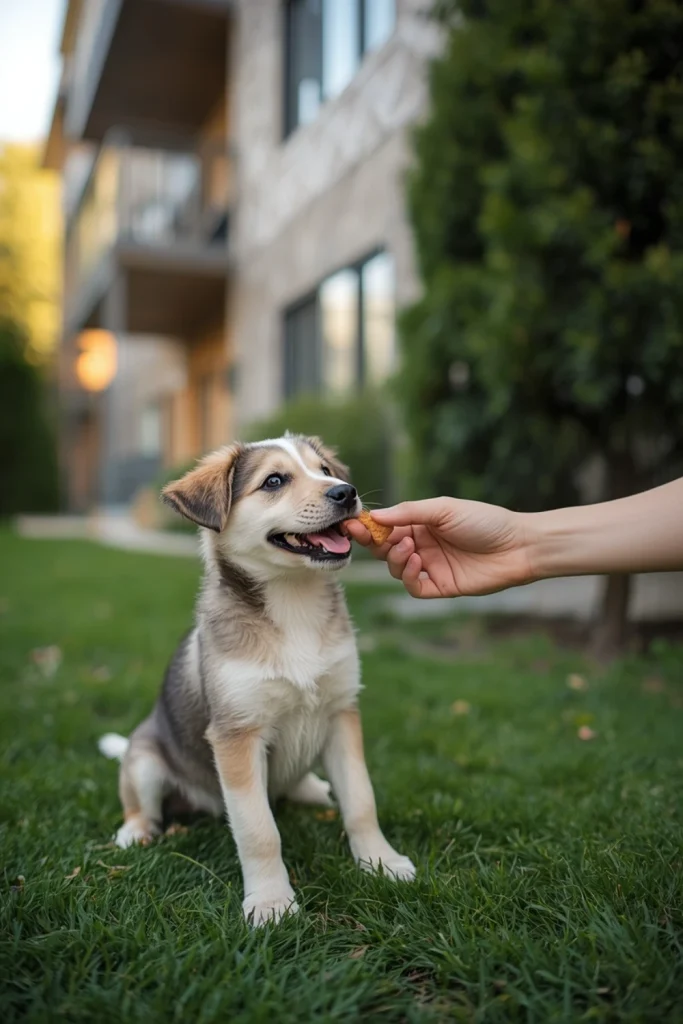
Positive reinforcement is one of the most useful tools for teaching a puppy where to go potty. Whenever your puppy successfully uses the correct outdoor location or designated indoor area, reward the behavior immediately. You can use enthusiastic verbal praise, gentle affection, or a small puppy-friendly treat. Immediate reinforcement helps your puppy understand exactly which behavior earned the reward.
Avoid waiting until you return to the apartment before giving the reward. Your puppy may not understand that the treat was connected to the bathroom behavior if too much time has passed. Keep a few small treats available during potty trips so you can respond quickly. Positive reinforcement makes training a more enjoyable experience and encourages your puppy to repeat successful behavior. With consistent rewards, your puppy can gradually become more confident about its potty routine.
8. Supervise Your Puppy Inside the Apartment
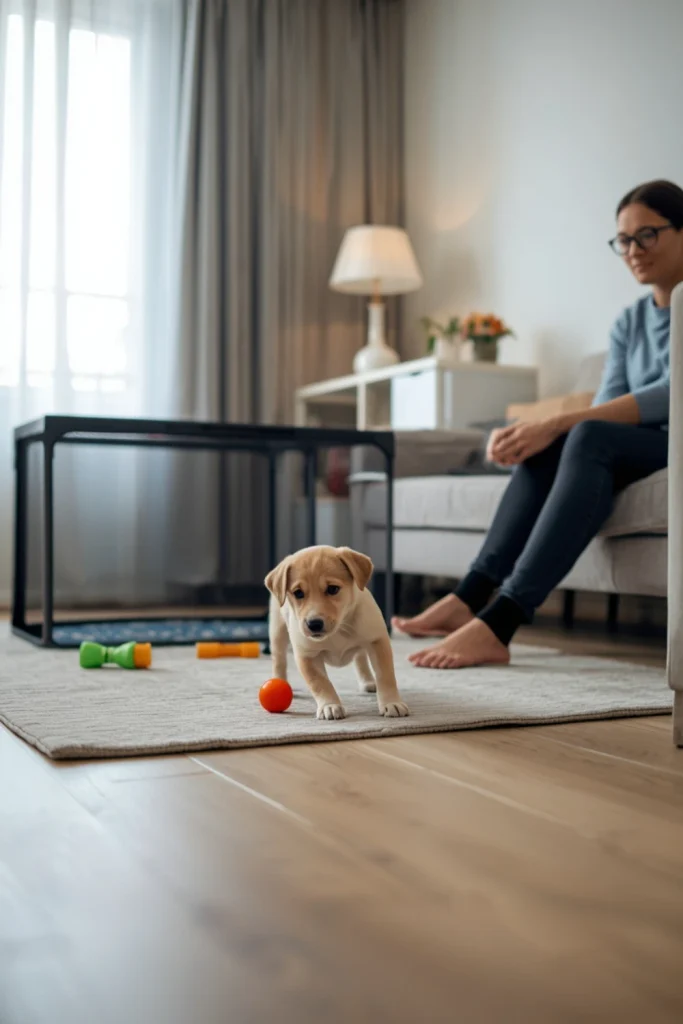
Supervision is essential when a puppy is still learning bathroom habits. Giving a young puppy complete freedom throughout an apartment can result in accidents in bedrooms, closets, behind furniture, or other hidden areas. Instead, keep your puppy close to you whenever possible. Use a puppy-safe room, playpen, baby gates, or a controlled area to make supervision easier.
Watch your puppy carefully after meals, naps, drinking, and energetic play. If your puppy begins sniffing, circling, or looking restless, prepare for a potty trip immediately. As your puppy becomes more reliable, gradually give it access to additional areas of the apartment. This approach allows your puppy to earn freedom through successful behavior. Supervision also helps you identify patterns and understand how frequently your puppy needs bathroom breaks.
9. Clean Accidents Thoroughly
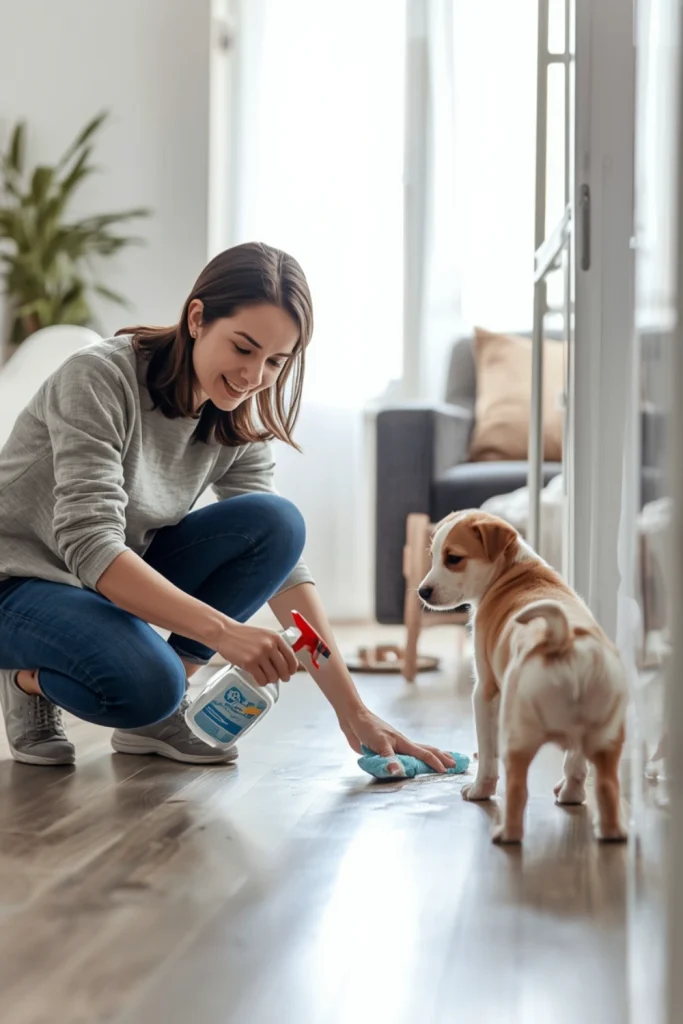
Accidents can happen even when you are following a good training plan. When they occur, clean the affected area thoroughly rather than simply wiping away the visible mess. Puppies may return to a location if they can still smell traces of urine or waste. An enzyme-based pet stain cleaner designed for the specific surface can help break down odor-causing residues. Always follow the cleaner’s instructions and keep your puppy away from cleaning products until the area is safe.
Do not punish your puppy after discovering an accident. Your puppy is unlikely to understand why it is being punished after the event. Instead, consider what caused the accident. Perhaps the puppy had been asleep, drank more water than usual, played intensely, or simply needed a more frequent bathroom break. Use the experience to improve your schedule and supervision. Proper cleaning combined with better timing can significantly reduce repeat accidents.
10. Be Patient and Consistent
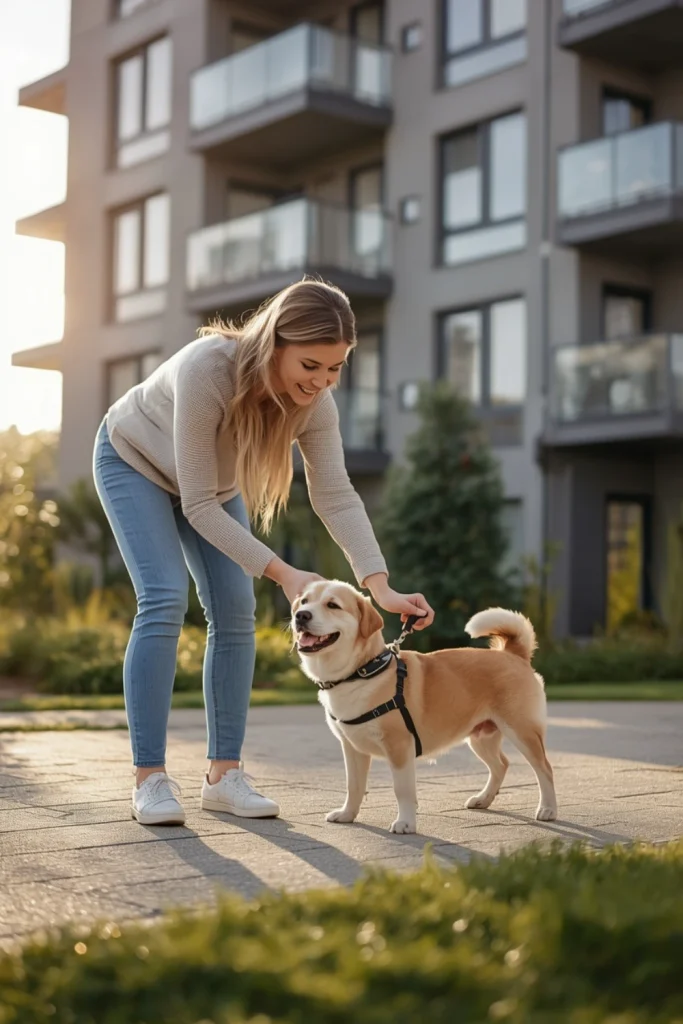
Patience is one of the most important potty training tips for puppies, especially in an apartment environment. Your puppy is learning both bladder control and household rules at the same time. Some puppies learn quickly, while others need several weeks or longer to become dependable. Avoid comparing your puppy’s progress with another dog’s progress. Focus on gradual improvement, such as fewer accidents, more successful outdoor trips, and clearer bathroom signals.
Consistency from everyone in the household is equally important. If one person takes the puppy out regularly while another ignores the schedule, the puppy may receive mixed signals. Use the same potty location, similar commands, and positive reinforcement methods whenever possible. If an accident happens, stay calm and return to the routine. With repeated practice, your puppy can learn that bathroom time happens in a specific place and at predictable points during the day.
Final Thoughts
Potty training a puppy in an apartment may require more planning than training a puppy in a house with a private yard, but it is completely manageable with a consistent approach. The most important habits are frequent potty breaks, a predictable schedule, close supervision, positive reinforcement, and a convenient bathroom location.
Remember that your puppy is still learning. Accidents are part of the process, particularly during the early weeks. Instead of becoming frustrated, use each accident to identify what can be improved in the routine. With patience and repetition, your puppy can learn where it should go and become increasingly reliable inside your apartment.
These Potty Training Tips for Puppies can give new apartment dog owners a practical starting point. Keep your routine simple, watch your puppy’s signals, reward good behavior, and gradually increase freedom as your puppy becomes more dependable.