
15 Fun Dog Training Tricks to Try With Your Pup
Training your dog does not have to feel like a serious lesson every time. Turn training into a game, add a few rewards, and your pup can learn new skills while having fun with you. Fun Dog Training Tricks are a great way to keep your dog mentally active while strengthening your everyday bond.
From giving a paw to spinning, finding toys, and weaving through your legs, there are plenty of entertaining tricks you can teach at home. Whether your pup is a beginner or already knows basic commands, these 15 tricks can add variety to your training routine and make learning something you both look forward to.
1. Teach Your Dog to Give Paw
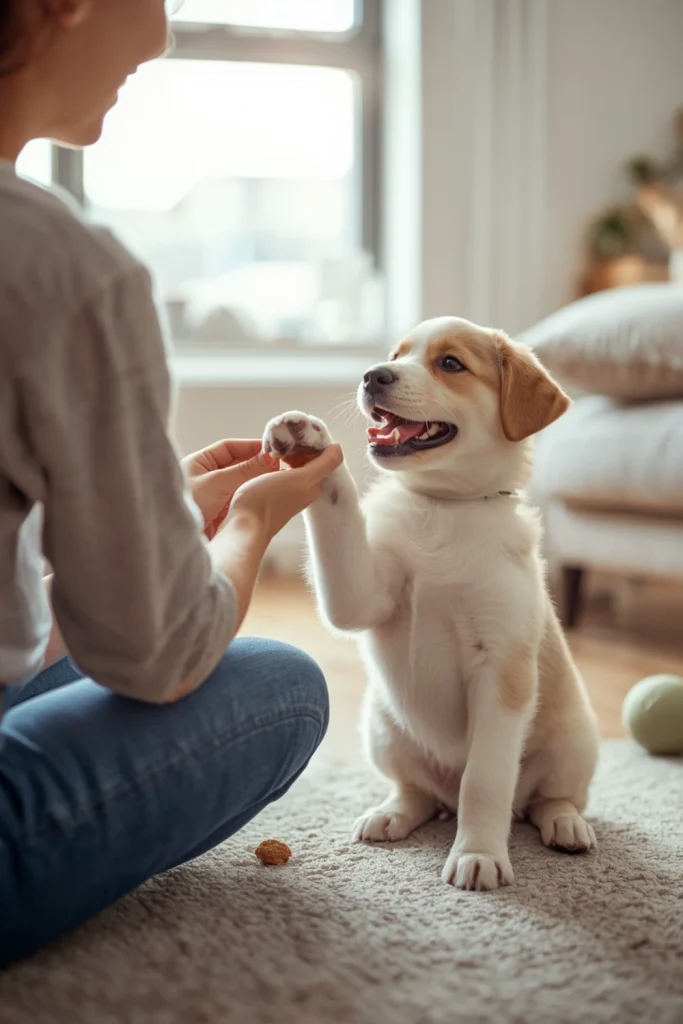
Teaching your dog to give paw is one of the classic Fun Dog Training Tricks and is usually easy to turn into a simple game. Start by asking your dog to sit. Hold a treat in your closed hand and allow your dog to investigate it. Many dogs will naturally paw at your hand when they cannot reach the reward. The moment your dog’s paw touches your hand, mark the behavior with praise and provide the treat.
Once your dog begins offering the paw more consistently, introduce a verbal cue such as “paw” or “shake.” Gradually open your hand and present it as the target. Practice with both paws if your dog is comfortable. Keep the exercise gentle and avoid physically pulling your dog’s paw into your hand.
2. Teach the “Spin” Trick
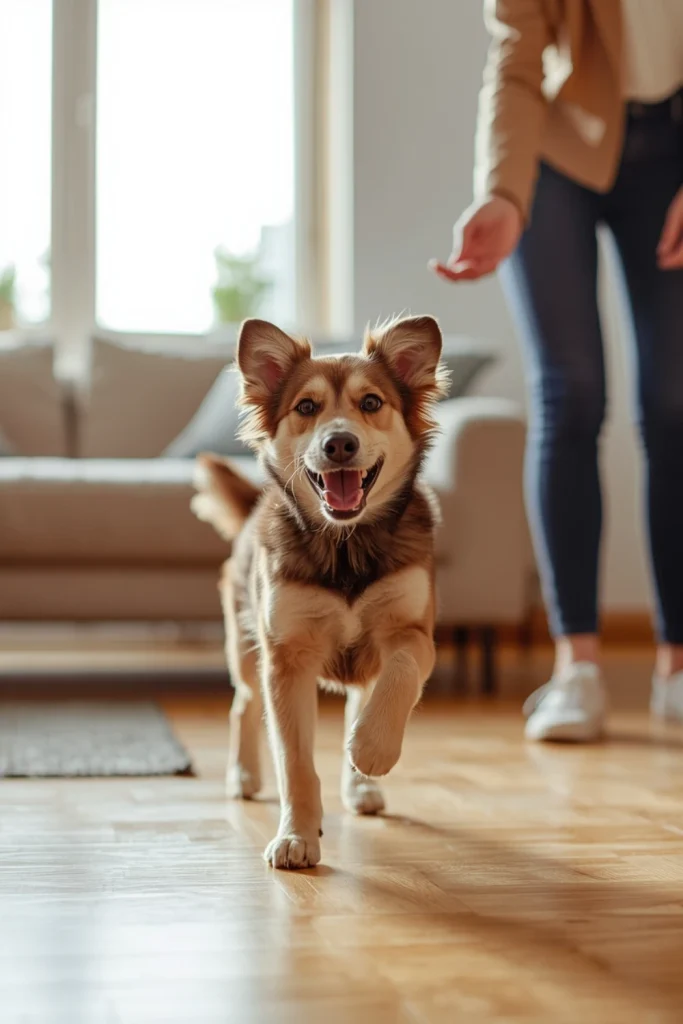
A spin is an entertaining trick that can be taught using a simple lure. Start with your dog standing comfortably. Hold a treat close to its nose and slowly guide your hand in a small circle. As your dog follows the treat, it will naturally turn its body. When it completes the circle, reward immediately.
Once your dog understands the movement, add a cue such as “spin.” Gradually make the hand movement smaller until your dog responds primarily to the verbal cue. Practice clockwise and counterclockwise separately so your dog does not become confused. Keep repetitions moderate, especially with puppies or dogs that may have physical limitations.
3. Teach Your Dog to Wave
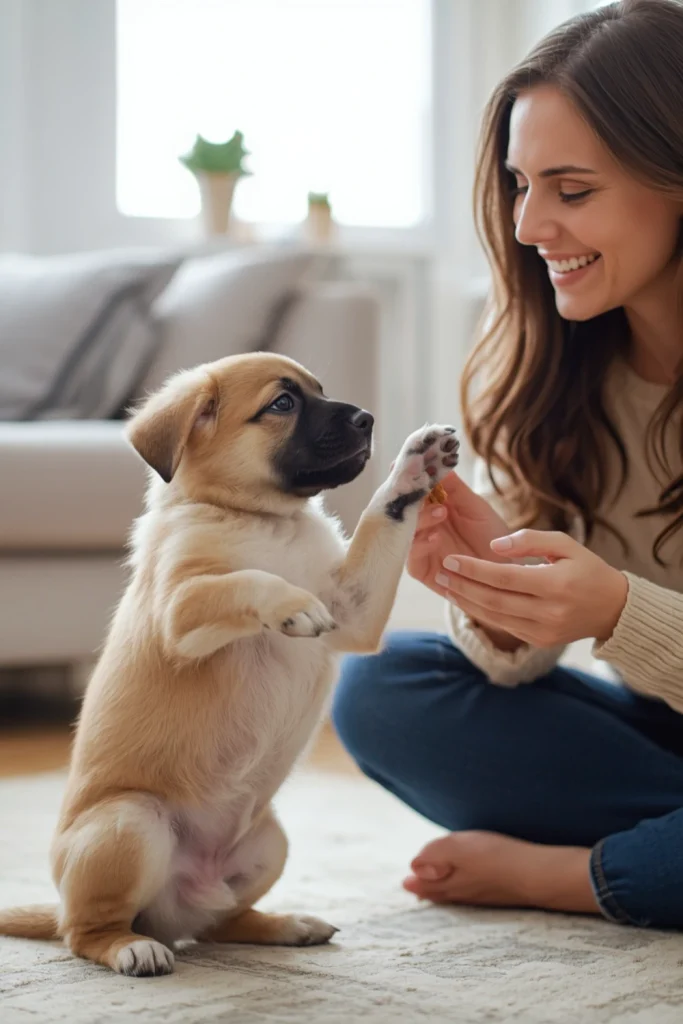
Once your dog understands paw, you can build on that behavior to create a waving trick. Ask your dog for a paw and reward it. Then gradually change your hand position so your dog lifts its paw toward your open palm without making contact.
As your dog becomes comfortable with the movement, add a cue such as “wave.” Reward each successful attempt and slowly increase the distance between your hand and your dog’s paw. Keep the movement natural and never force the dog’s leg into a position. This is a fun trick for practicing attention and body awareness.
4. Teach “Touch” With a Hand Target
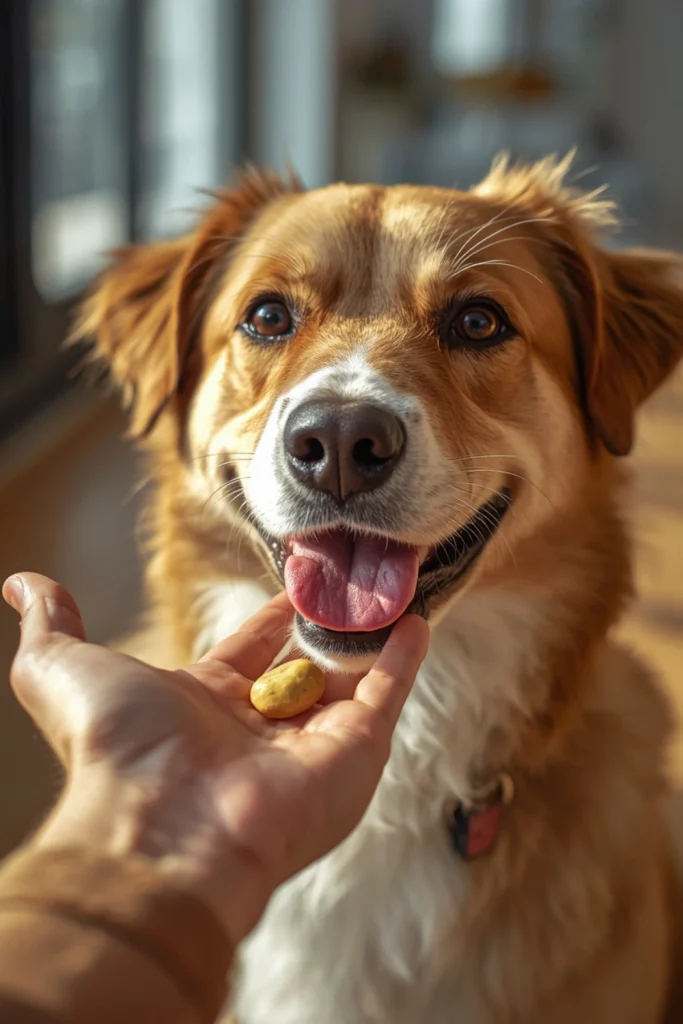
The touch trick teaches your dog to place its nose against your hand. It is useful as a fun behavior and can also become a foundation for other training exercises. Hold your open palm a few inches from your dog’s nose. When your dog naturally investigates and touches your hand, immediately reward.
Repeat the exercise until your dog begins intentionally moving toward your hand. Then introduce a cue such as “touch.” You can eventually move your hand to different positions, encouraging your dog to follow the target. This trick can help build focus and confidence while providing a simple way to guide your dog during other training activities.
5. Teach Your Dog to Circle Around Your Legs
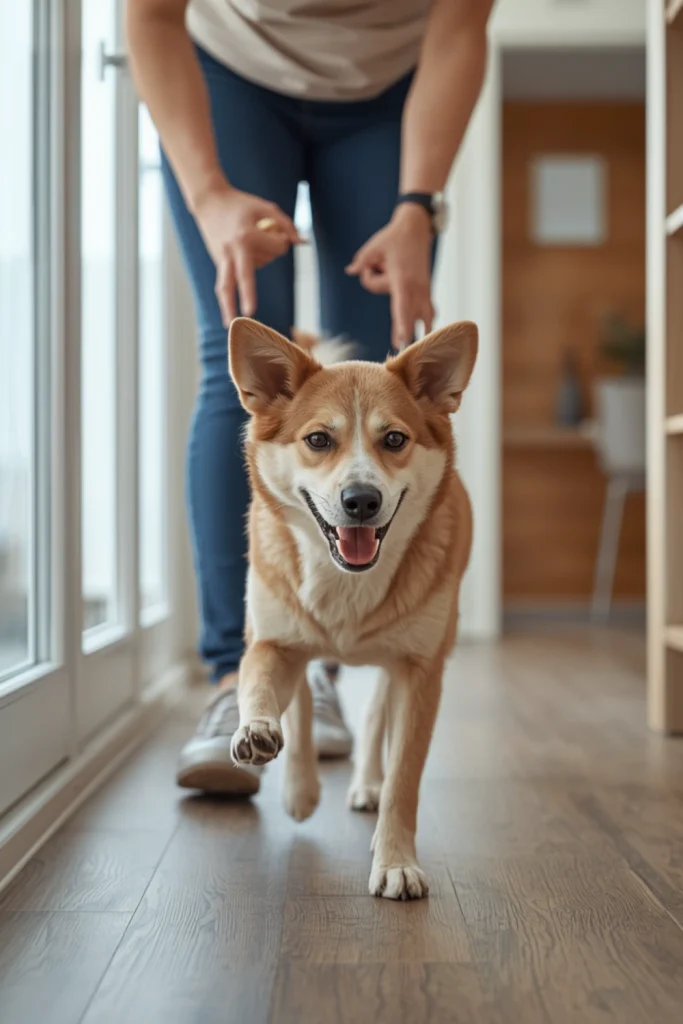
Leg weaving is a playful trick that can make training more interesting. Stand with your legs comfortably apart and use a treat to guide your dog around one leg. Reward when your dog completes the movement. Then guide it around the other leg.
As your dog learns the pattern, you can connect the movements into a simple figure-eight. Introduce a cue such as “weave” once your dog understands the action. Practice on a non-slip surface and move slowly. This trick requires coordination and close attention, so give your dog plenty of time to learn each step.
6. Teach Your Dog to Find a Hidden Toy
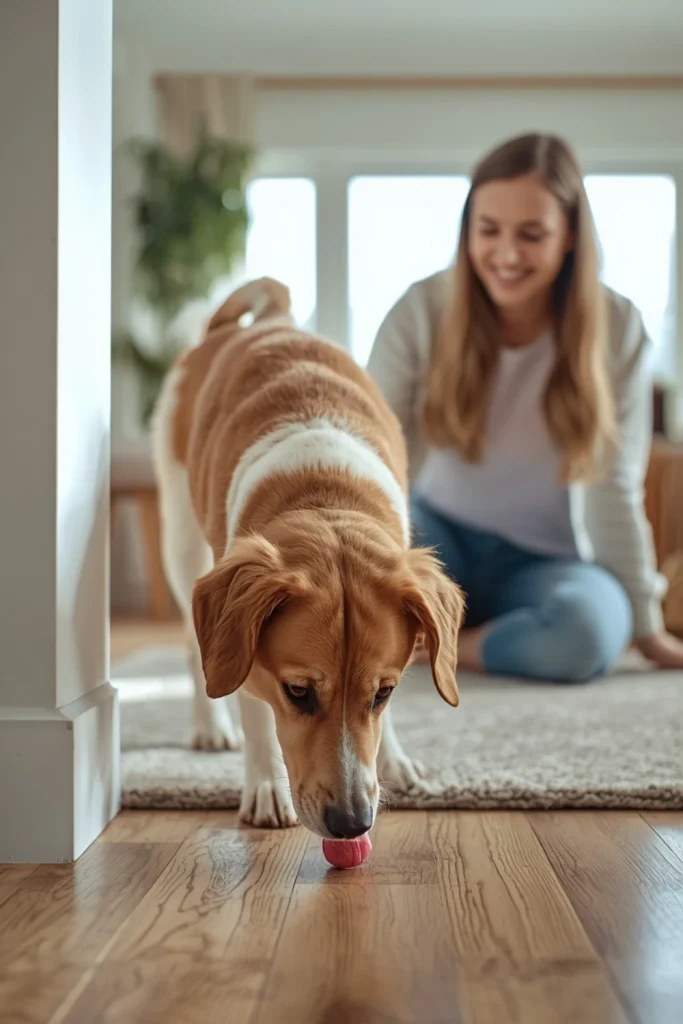
Dogs naturally enjoy using their noses, making scent-based games a great form of mental stimulation. Start by showing your dog a favorite toy and allowing it to sniff it. Place the toy somewhere easy to find while your dog watches, then encourage your dog to search.
When your dog discovers the toy, celebrate and reward the behavior. Gradually make the hiding places more challenging. Eventually, hide the toy while your dog is in another room and give a cue such as “find it.” Always begin with easy searches so your dog learns that using its nose leads to success.
7. Teach “Take a Bow”
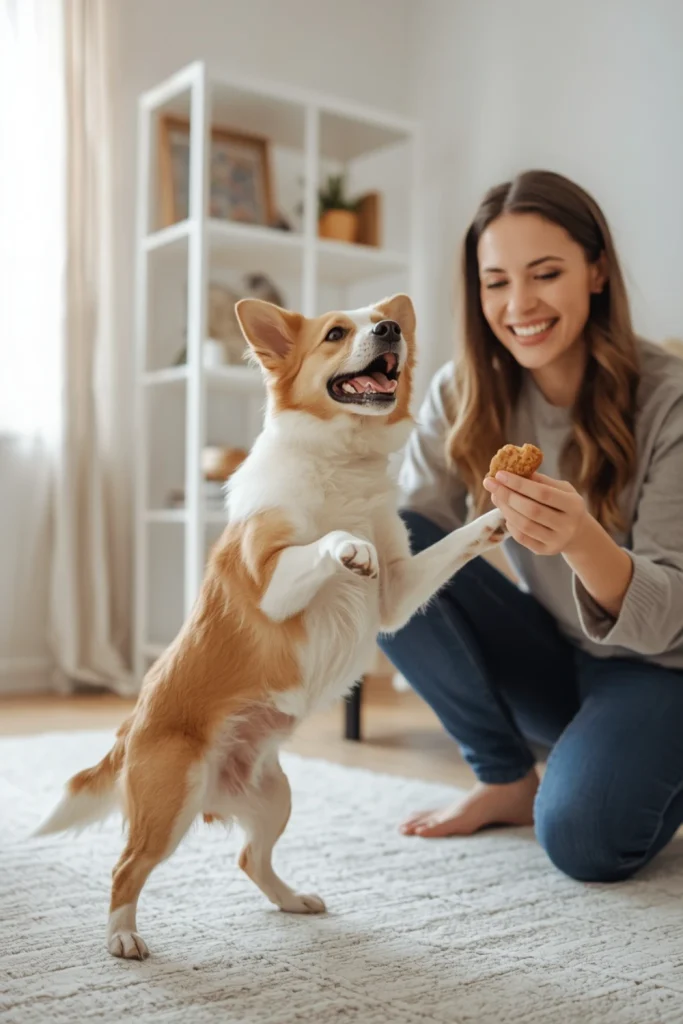
The bow is an adorable trick where your dog lowers its front body while keeping its back end raised. Start with your dog standing. Hold a treat near its nose and slowly guide it downward toward the floor while keeping the reward positioned so the dog’s hind legs remain standing.
As soon as your dog reaches the bow position, reward it. Some dogs may naturally offer this movement during play, which makes it easier to capture. Add the cue “bow” once your dog understands the position. Avoid holding the dog in the position or forcing the movement.
8. Teach Your Dog to Crawl
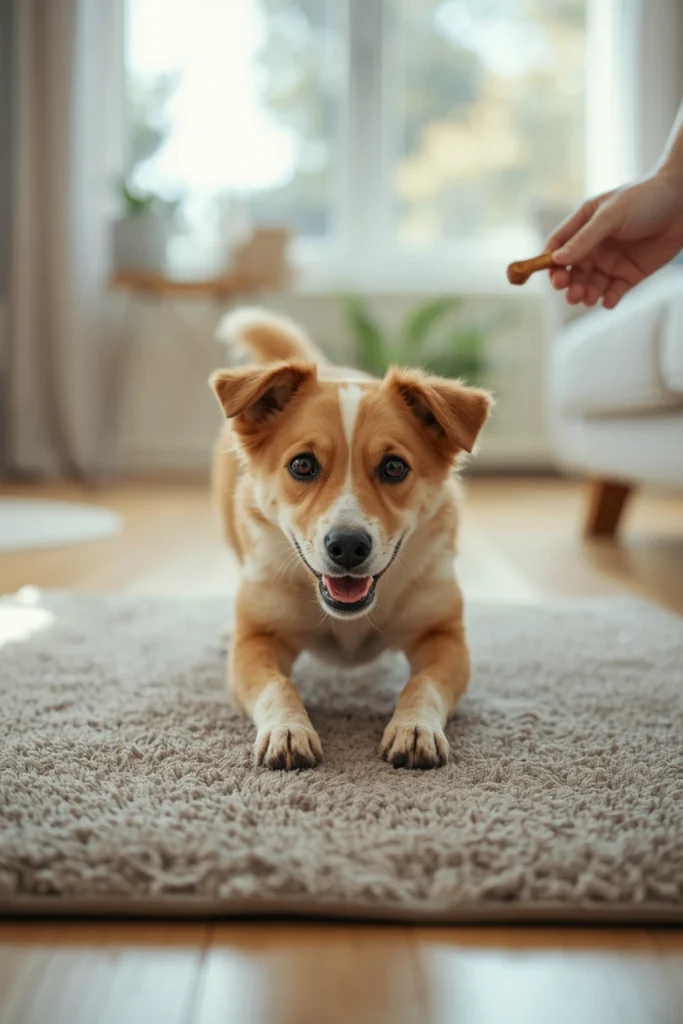
Crawling can be an entertaining trick for dogs that enjoy learning body movements. Begin with your dog lying down. Hold a treat close to the floor and slowly move it forward. Reward your dog for moving forward while keeping its body low.
Do not pull the treat too far away. Your goal is to encourage small successful movements. As your dog understands the behavior, gradually increase the crawling distance and introduce a verbal cue such as “crawl.” Stop if your dog shows discomfort or difficulty. This trick should always be practiced at a pace appropriate for your dog’s physical abilities.
9. Teach Your Dog to Balance a Treat
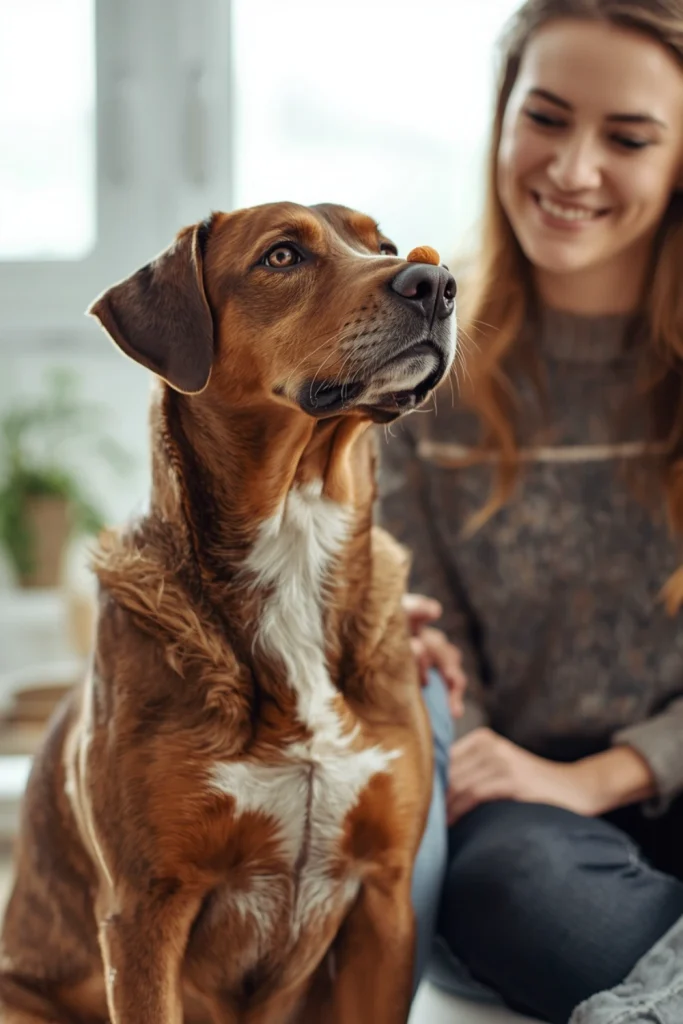
Balancing a treat briefly on your dog’s nose can be a fun advanced trick, but it should only be introduced after your dog understands basic self-control. Begin by asking your dog to sit calmly. Place a treat near the dog’s nose without forcing it to remain still for too long.
Reward your dog for calm behavior and gradually increase the duration. Once your dog can briefly hold position, use a release cue so it knows when it may take the treat. Never force the treat onto your dog’s nose, and stop if your dog becomes uncomfortable. The purpose is to create a fun game, not frustration.
10. Teach “Go Around”
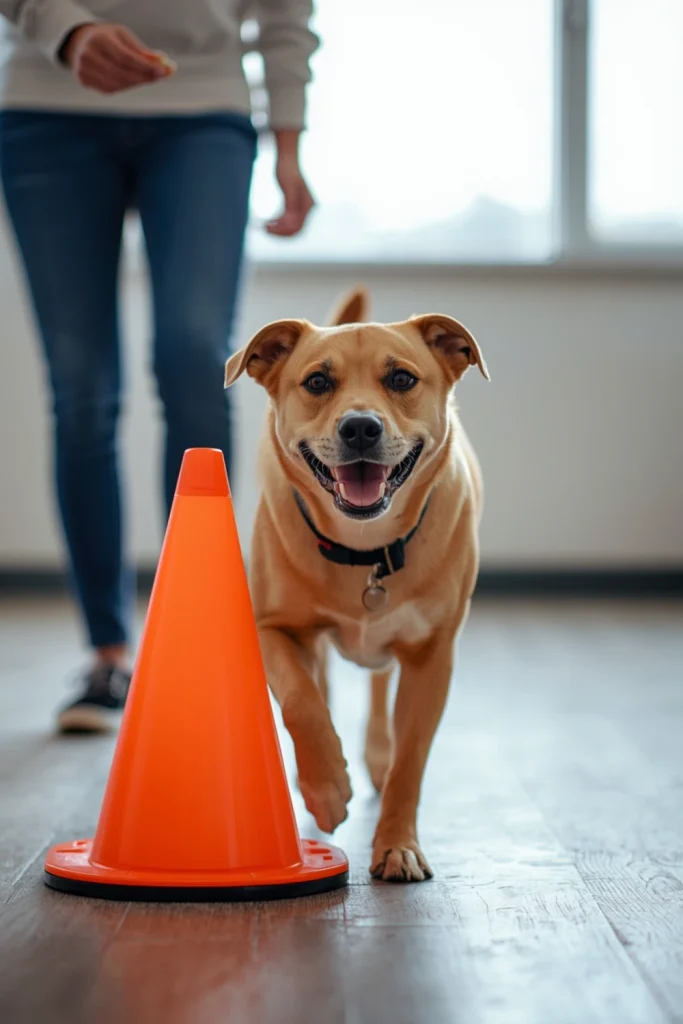
The “go around” trick teaches your dog to walk around an object such as a chair, cone, or stool. Begin with a large, easy-to-navigate object. Use a treat to guide your dog around it and reward when the dog completes the circle.
Once your dog understands the movement, introduce the cue “go around.” You can gradually use smaller objects or change the direction. This trick provides mental stimulation and encourages your dog to pay attention to your cues while navigating its environment. Always use stable objects that cannot fall or injure your dog.
11. Teach Your Dog to Ring a Bell
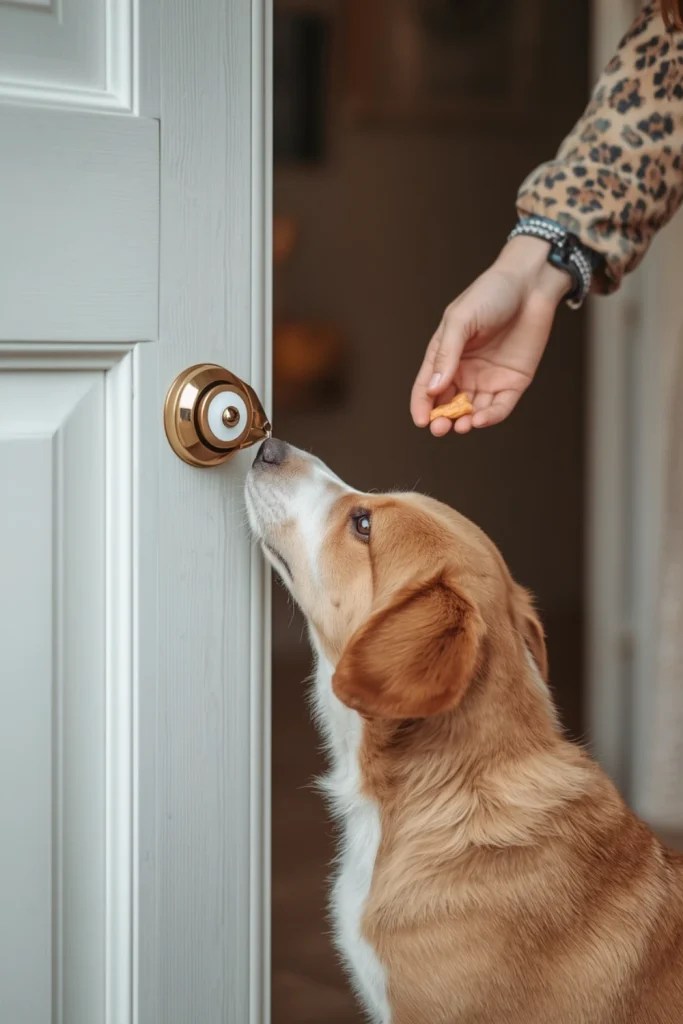
A bell can be incorporated into a training game or, when appropriate and carefully taught, used as part of a household communication routine. Begin by introducing the bell without expecting a behavior. Reward your dog for calmly investigating it.
Next, encourage your dog to touch the bell with its nose or paw. Once the behavior becomes consistent, add a cue such as “bell.” Reward successful touches. If you intend to use a bell for communication, create a clear routine and respond consistently so your dog understands what the behavior means.
12. Teach Your Dog to Put Toys Away
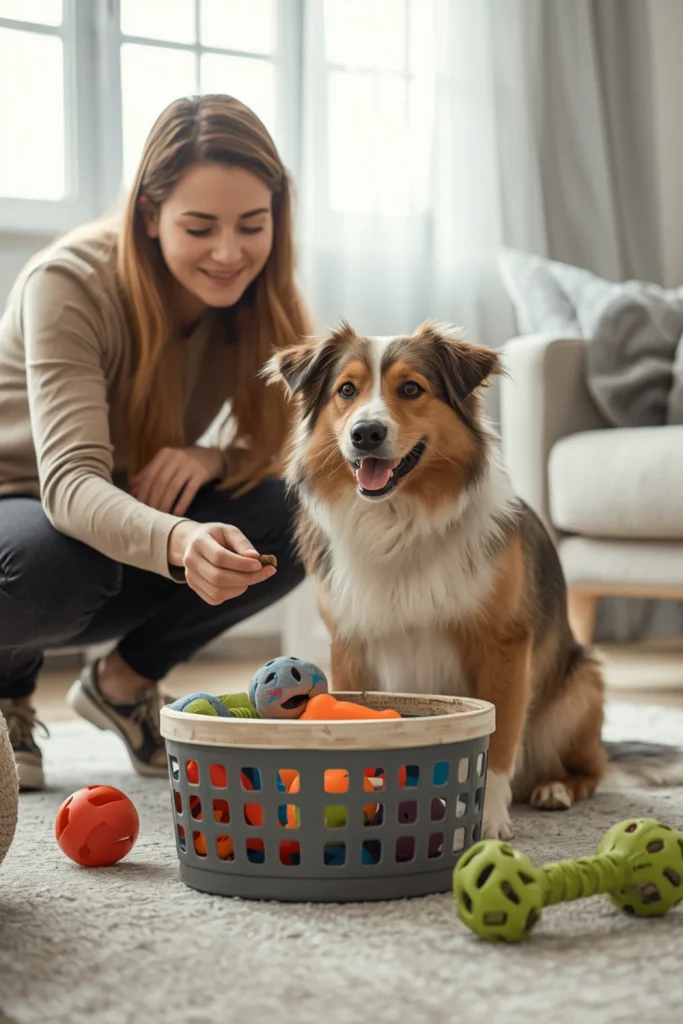
Teaching your dog to put toys into a basket can turn cleanup into a fun training activity. Begin by teaching “drop it” with a favorite toy. Place a basket directly underneath your dog’s mouth and reward when the toy falls into it.
Once your dog understands the basic movement, gradually increase the distance between the toy and basket. You can also introduce a cue such as “clean up.” Keep the game rewarding and avoid expecting perfect accuracy immediately. The goal is to build the behavior in small steps so your dog understands exactly what earns the reward.
13. Teach Your Dog to Back Up
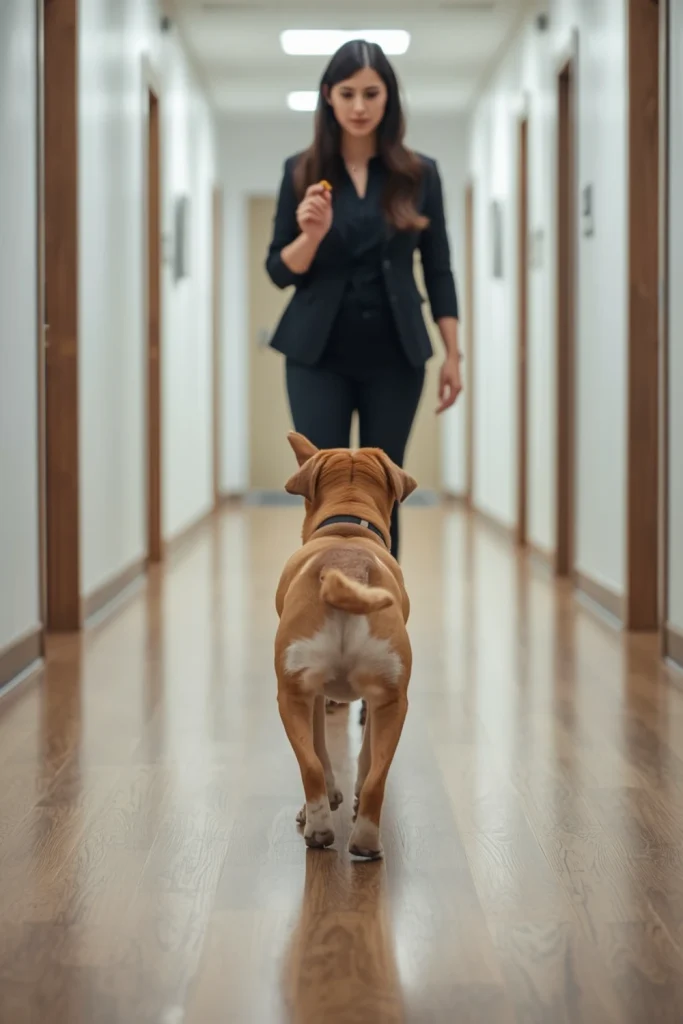
Backing up is a useful body-awareness trick and can be taught in a narrow space such as a hallway. Stand facing your dog and take a slow step toward it. Many dogs will naturally move backward to maintain space.
When your dog takes even one backward step, reward it. Repeat gradually until your dog understands that moving backward is the desired behavior. Then add a cue such as “back.” Avoid crowding or frightening your dog. Move slowly and provide enough space for your dog to respond comfortably.
14. Teach Your Dog to Nod or Shake Its Head
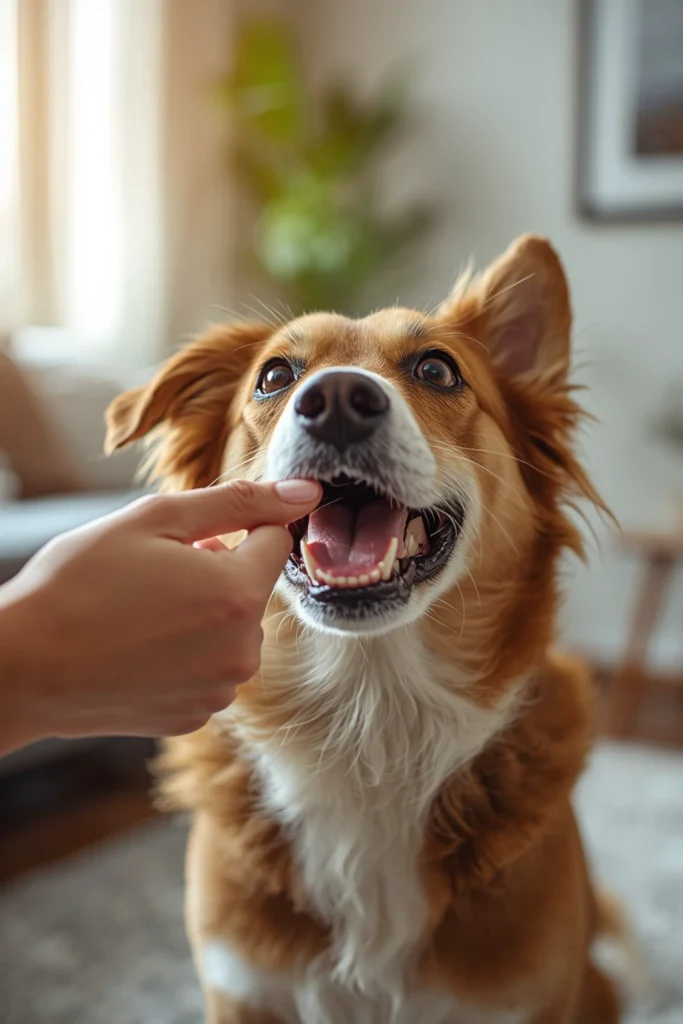
A head movement trick can be built by capturing a natural behavior. For example, if your dog naturally shakes its head after waking or hearing an unusual harmless sound, you can mark and reward that behavior. Over time, introduce a cue such as “yes” or “no” depending on the movement you are teaching.
Do not deliberately irritate your dog or create uncomfortable situations just to make it shake its head. Training should remain positive. If your dog does not naturally offer the behavior, choose another trick rather than forcing an unnatural movement. There are plenty of other enjoyable options.
15. Teach Your Dog to Hug
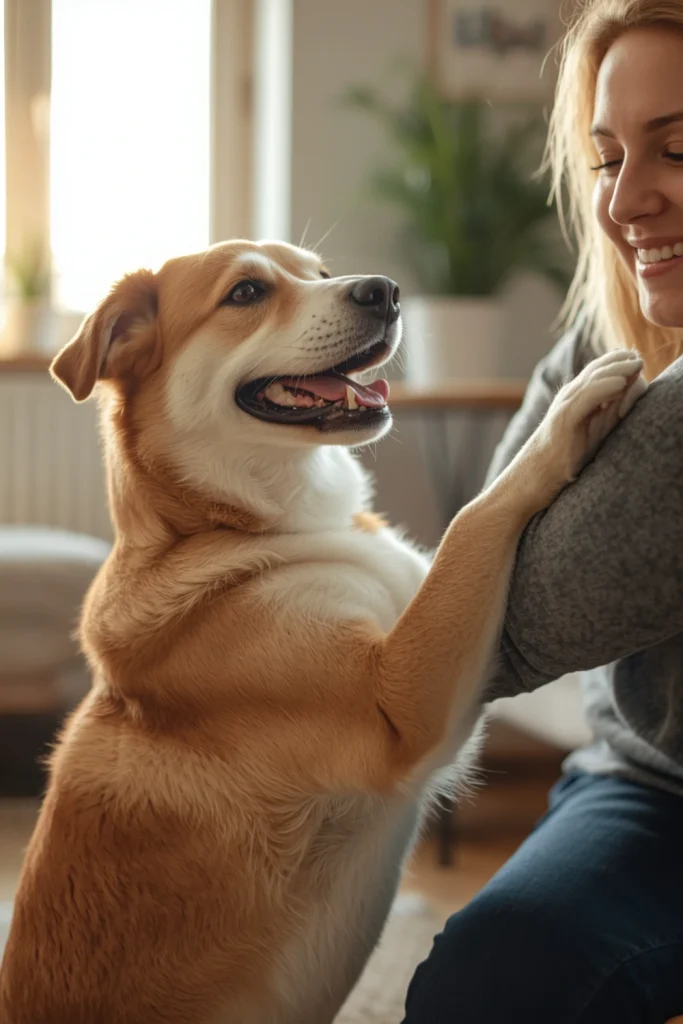
A dog hug trick can look adorable, but it should only be taught if the dog naturally enjoys close physical contact and can perform the behavior comfortably. One simple approach is to teach the dog to place its front paws gently around your arm or a soft object while you remain stationary.
Reward small steps toward the final behavior. Never squeeze, restrain, or force your dog into a hugging position. Some dogs dislike being held or having their movement restricted, so respect your dog’s body language. If your dog appears uncomfortable, choose a different trick such as paw, spin, touch, or find it.
Final Thoughts
Fun Dog Training Tricks can turn ordinary training time into an enjoyable activity for both you and your pup. From paw and spin to finding toys, weaving through your legs, putting toys away, and learning a cute bow, these tricks offer plenty of ways to keep your dog engaged.
The key is to keep training positive, simple, and appropriate for your dog’s individual abilities. Use rewards, break difficult tricks into small steps, practice consistently, and give your dog plenty of opportunities to succeed.
You do not need expensive equipment or complicated training methods. A few minutes, some patience, and a reward your dog loves can be enough to begin. Most importantly, enjoy the process. The goal is not simply to create a dog that performs impressive tricks, but to build communication, confidence, mental stimulation, and a stronger bond with your pup.