
10 Steps to Build a Consistent Puppy Potty Routine
Bringing a new puppy home is an exciting experience filled with adorable moments, playful activities, and plenty of opportunities to create beautiful memories. However, one of the first challenges every new puppy owner faces is potty training. Teaching your puppy where and when to go potty requires patience, consistency, and a well-planned daily routine. Without a proper schedule, puppies can become confused, and unexpected accidents may happen throughout your home.
Building a Consistent Puppy Potty Routine is one of the most effective ways to help your puppy develop healthy bathroom habits. A predictable schedule teaches your puppy when it is time to go outside, where to relieve itself, and how to communicate its needs. Whether you have just adopted a young puppy or are struggling with frequent indoor accidents, these 10 practical steps will help you establish a simple, manageable, and successful potty-training routine.
Step 1: Choose a Specific Potty Area for Your Puppy
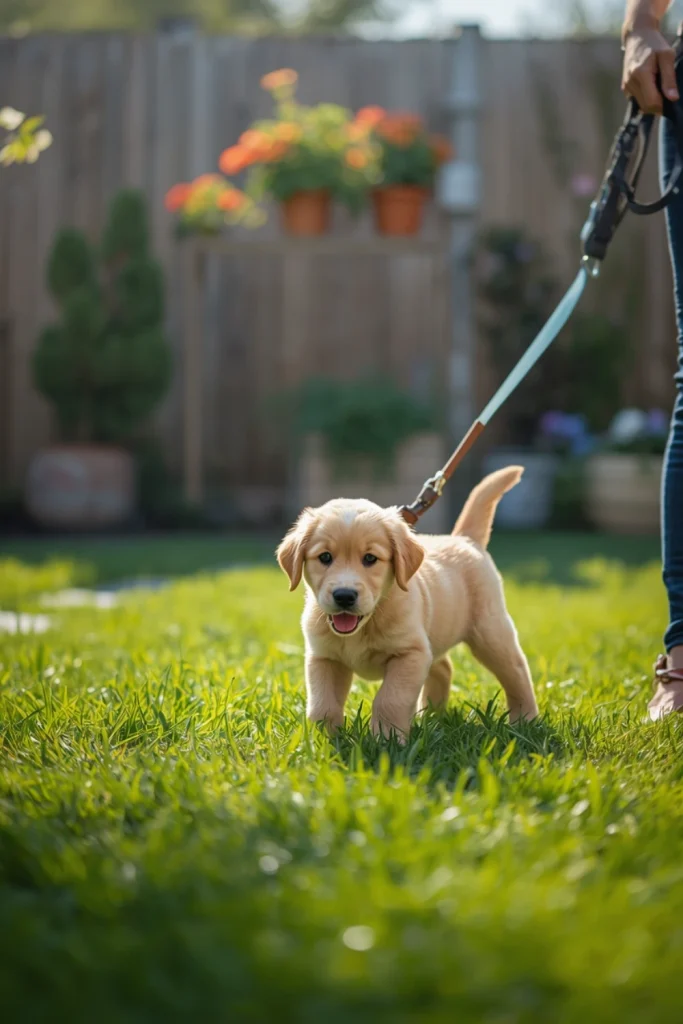
One of the first things you should do when bringing a puppy home is choose a specific location for bathroom breaks. This could be a quiet corner of your backyard, a small grassy area, or another safe outdoor location. Having one designated potty spot helps your puppy become familiar with the environment and understand where bathroom activities should happen.
Take your puppy to the same location whenever it needs to relieve itself. Allow it a few minutes to explore and sniff the area. Puppies often use their sense of smell to recognize familiar bathroom locations. Returning to the same place regularly can make the learning process easier and more predictable.
Avoid changing potty locations unnecessarily during the early stages of training. Too many different places can make it difficult for your puppy to understand where you expect it to go. If you live in an apartment, you can establish a designated outdoor area or use an indoor puppy potty station when necessary. The important thing is to make the location easy to access and use consistently.
Keep the Potty Area Safe and Comfortable
Your puppy’s bathroom area should be clean, secure, and free from unnecessary distractions. Check the surrounding environment for sharp objects, dangerous plants, chemicals, and other potential hazards. A comfortable location allows your puppy to focus on its bathroom needs without becoming frightened or distracted.
Try to choose a place that is relatively quiet and easy to reach from your home. During rainy or cold weather, having a sheltered outdoor potty area can make bathroom breaks more comfortable. If your puppy feels safe in its designated area, it may become more willing to use that location regularly.
Step 2: Create a Regular Daily Potty Schedule
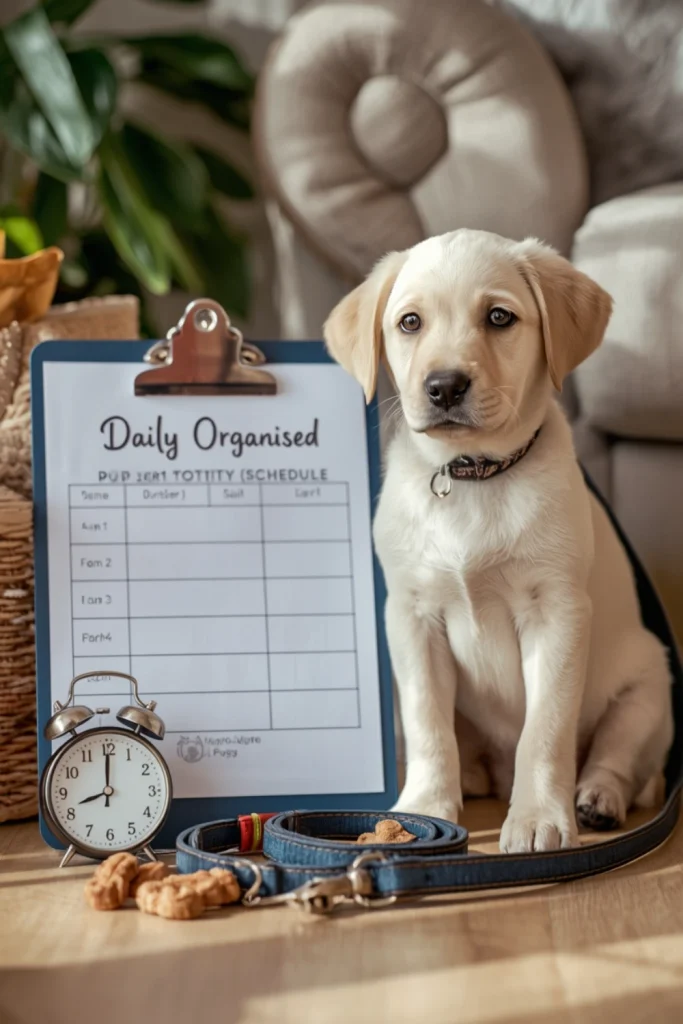
A predictable schedule is one of the most important parts of building a consistent puppy potty routine. Puppies learn through repetition, so taking them outside at approximately the same times every day helps establish reliable bathroom habits.
Start by identifying the activities that usually trigger your puppy’s need to go potty. These commonly include waking up in the morning, eating meals, drinking water, playing, taking naps, and preparing for bedtime. Schedule bathroom breaks around these activities instead of relying only on the clock.
Young puppies may need bathroom opportunities every 30 to 60 minutes while awake, depending on their age, activity level, and individual needs. This is a starting guideline rather than a strict rule. Observe your puppy carefully and adjust the schedule when necessary.
Follow the Same Routine Every Morning
Your morning routine should begin with an immediate potty break. As soon as your puppy wakes up, gently guide it to the designated bathroom area. Avoid starting playtime or offering breakfast before giving your puppy an opportunity to relieve itself.
After the first bathroom break, you can continue with breakfast, supervised play, and another potty opportunity. Repeating the same morning activities in a predictable order helps your puppy recognize what happens next. A familiar routine also makes it easier for owners to manage busy mornings.
Try to keep morning bathroom breaks calm and positive. Give your puppy enough time to sniff and explore its potty area. Once it successfully goes, offer praise and continue with the next activity. Over time, this repeated pattern can become a natural part of your puppy’s daily life.
Example Daily Potty Schedule
The following table provides a sample routine for a young puppy. Adjust the timing according to your puppy’s age, sleeping habits, meals, and individual bathroom needs.
| Time | Activity |
|---|---|
| 6:30 AM | Wake up and immediate potty break |
| 7:00 AM | Breakfast |
| 7:15 AM | Potty break |
| 8:00 AM | Supervised playtime |
| 8:30 AM | Potty break |
| 9:00 AM | Morning nap |
| 10:30 AM | Wake up and potty break |
| 11:00 AM | Training and play |
| 12:00 PM | Lunch, if scheduled |
| 12:15 PM | Potty break |
| 1:00 PM | Afternoon nap |
| 2:30 PM | Potty break |
| 3:00 PM | Supervised activities |
| 4:00 PM | Potty break |
| 5:30 PM | Dinner |
| 5:45 PM | Potty break |
| 7:00 PM | Evening playtime |
| 7:30 PM | Potty break |
| 9:00 PM | Calm family time |
| 10:00 PM | Final potty break before bedtime |
Step 3: Take Your Puppy Outside Immediately After Waking Up
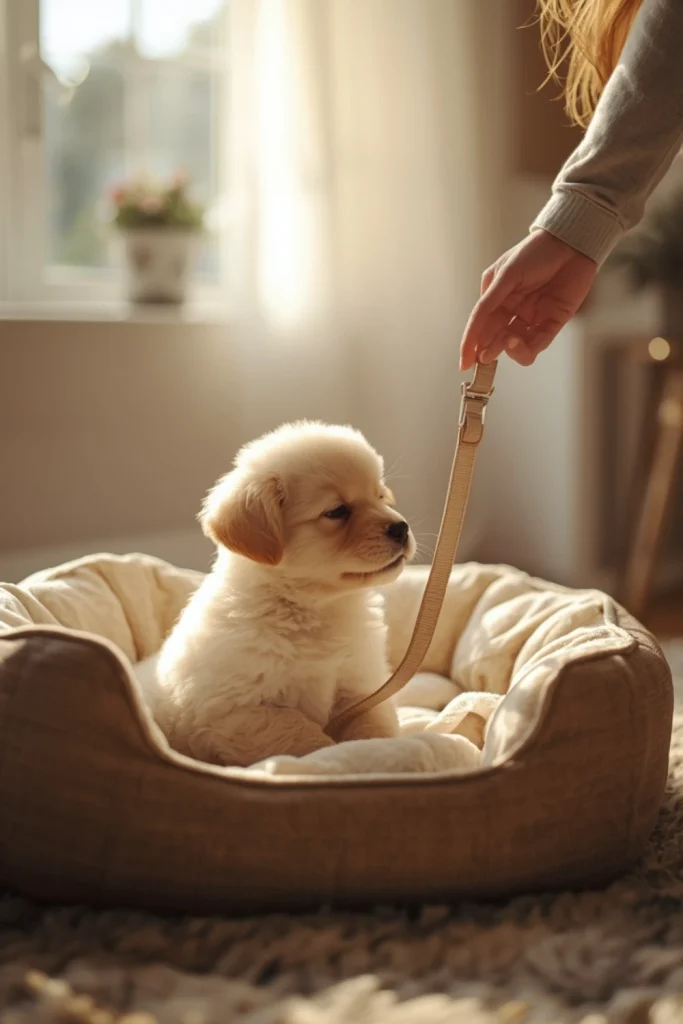
Most puppies need to go potty shortly after waking up. Their developing bladder control makes it difficult to hold urine for long periods, especially after several hours of sleep. Therefore, taking your puppy outside immediately after waking up should become one of your most important daily habits.
Whether your puppy wakes up in the morning or after a short afternoon nap, provide an immediate bathroom opportunity. Do not wait until your puppy starts walking around the house or showing signs of discomfort. A quick trip to the designated potty area can prevent accidents before they happen.
Keep your puppy’s leash and other necessary supplies close to its sleeping area. This preparation allows you to respond quickly whenever your puppy wakes up. The less time spent searching for equipment, the easier it becomes to maintain your routine.
Understand Your Puppy’s Morning Bathroom Needs
A puppy that has slept throughout the night may need to urinate as soon as it gets out of bed. Some puppies may also need to poop shortly after breakfast. These natural patterns make the morning period particularly important during house training.
Take your puppy outside calmly and avoid unnecessary excitement before the bathroom break. Once it successfully goes potty, reward the behavior with gentle praise and a small training treat. This helps create a positive connection between waking up, going outside, and receiving a reward.
Repeat the Same Process After Every Nap
Do not focus only on morning bathroom breaks. Puppies often need to relieve themselves immediately after daytime naps, too. Even a short nap can be followed by an urgent bathroom need, particularly in younger puppies.
Make it a habit to take your puppy outside whenever it wakes up. If your puppy has several naps throughout the day, include a potty break after each one. Repeating this process teaches your puppy that waking up is followed by a bathroom opportunity.
Step 4: Take Your Puppy Outside After Every Meal
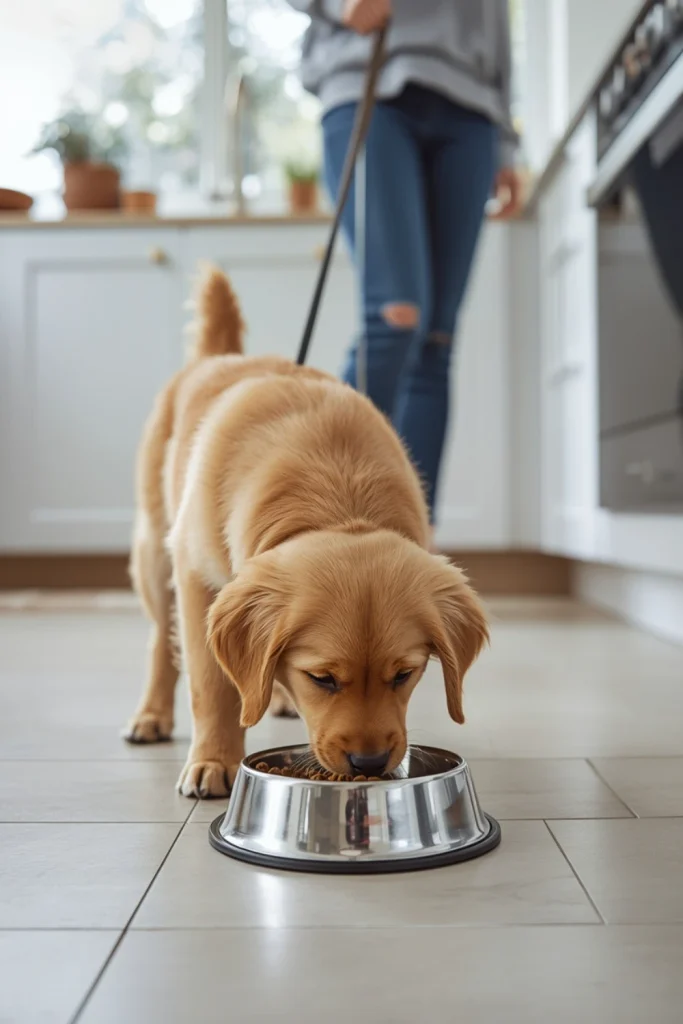
Eating often stimulates a puppy’s digestive system, which can increase the need to poop. This is why scheduling potty breaks after meals is an essential part of a consistent puppy potty routine.
Rather than allowing your puppy to wander around the house immediately after eating, take it to the designated bathroom location. Many puppies need to poop within approximately 5 to 30 minutes after a meal, although individual timing can vary. Watch your puppy’s habits to discover its natural pattern.
A regular feeding schedule also makes bathroom habits easier to predict. When meals happen at consistent times, you can identify when your puppy is most likely to need a bathroom break. This allows you to plan ahead and reduce unexpected accidents.
Establish Consistent Feeding Times
Feed your puppy at approximately the same times every day. Most young puppies do well with three or four meals daily, depending on their age, size, health, and veterinarian’s feeding recommendations. As puppies grow, their feeding schedules can gradually change.
Avoid constantly changing meal times because irregular feeding can make bathroom habits less predictable. Provide fresh drinking water and follow your veterinarian’s advice about appropriate food portions. A healthy feeding routine supports your puppy’s overall development and makes potty training easier to manage.
Monitor Bathroom Habits After Eating
Every puppy has individual digestive patterns. Some may poop shortly after breakfast, while others need more time. Pay attention to how long your puppy usually takes after eating before needing to use the bathroom.
You can maintain a small feeding and potty diary to identify these patterns. Record meal times, bathroom breaks, and successful potty trips. After several days, you may notice a predictable pattern that helps you adjust your schedule.
Step 5: Learn to Recognize Your Puppy’s Potty Signals
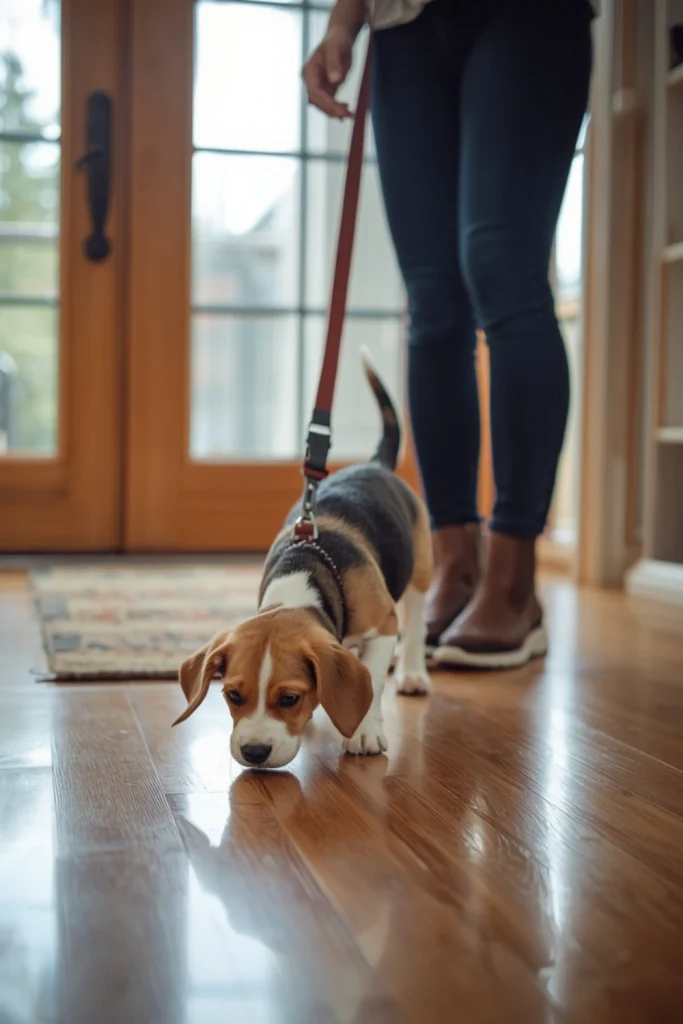
Puppies cannot explain when they need to use the bathroom, so owners must learn to recognize their body language and behavior. Understanding these signals allows you to respond quickly and prevent many indoor accidents.
Common potty signals include sniffing the floor, walking in circles, suddenly stopping during play, becoming restless, whining, scratching near a door, or moving away from family members. Some puppies may also return to the same area where they previously had an accident.
Not every behavior means your puppy needs to go potty. However, when you notice several of these signs together, it is sensible to take your puppy outside immediately. Learning these signals takes observation and patience.
Watch for Sniffing and Circling
Sniffing the floor and walking in small circles are common behaviors puppies display before eliminating. They may move toward corners, carpets, furniture, or other quiet locations because these places provide a sense of privacy.
Whenever you notice this behavior, calmly interrupt the activity and guide your puppy outside. Avoid shouting or creating unnecessary excitement because this can make the puppy nervous. Give it an opportunity to finish its bathroom activity in the correct location.
Pay Attention to Whining and Restlessness
Some puppies communicate their bathroom needs through whining, pacing, or standing near doors. These signals can become more noticeable as your puppy grows familiar with its surroundings.
Respond to these behaviors promptly, especially during the early stages of house training. If you consistently take your puppy outside whenever it communicates a need, it may gradually learn that these actions are effective ways to request a bathroom break.
Create a Bathroom Signal
You can teach your puppy a simple communication signal, such as sitting beside the door or touching a hanging bell. Begin by taking your puppy to the door before every potty break. Encourage it to touch the bell or sit near the entrance, then immediately take it outside.
With repetition, your puppy may learn to use the signal when it needs to go potty. Remember that some puppies may ring bells for attention or outdoor play rather than bathroom needs. Continue following your regular schedule even after your puppy starts communicating.
Step 6: Use Positive Reinforcement After Successful Potty Breaks
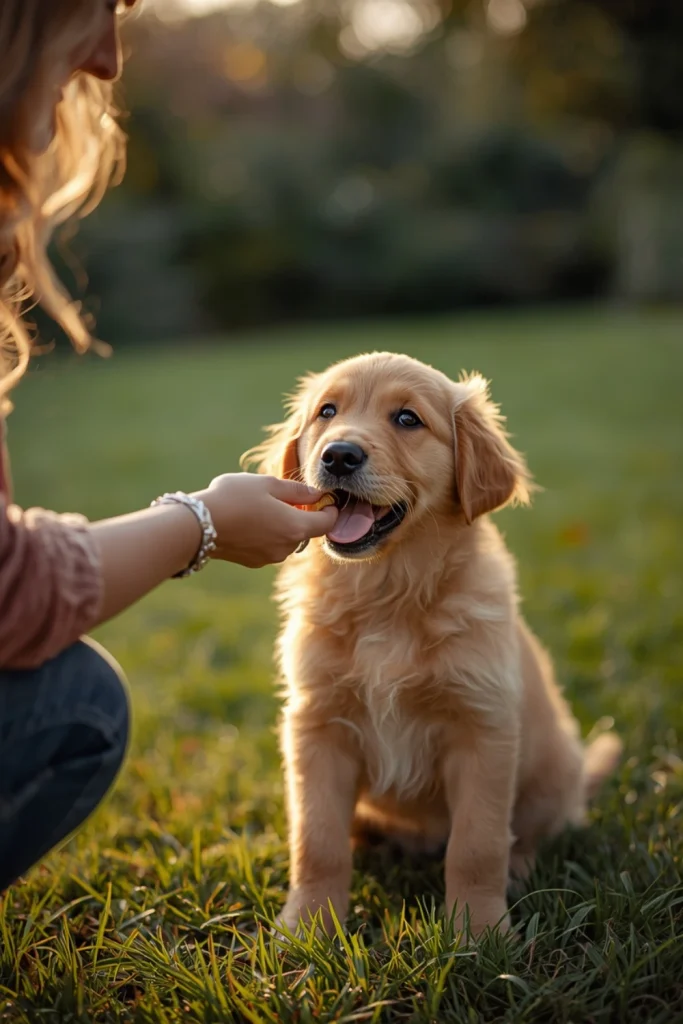
Positive reinforcement is one of the most useful training methods for teaching puppies where they should go potty. Instead of focusing on mistakes, reward your puppy whenever it successfully uses the designated bathroom location.
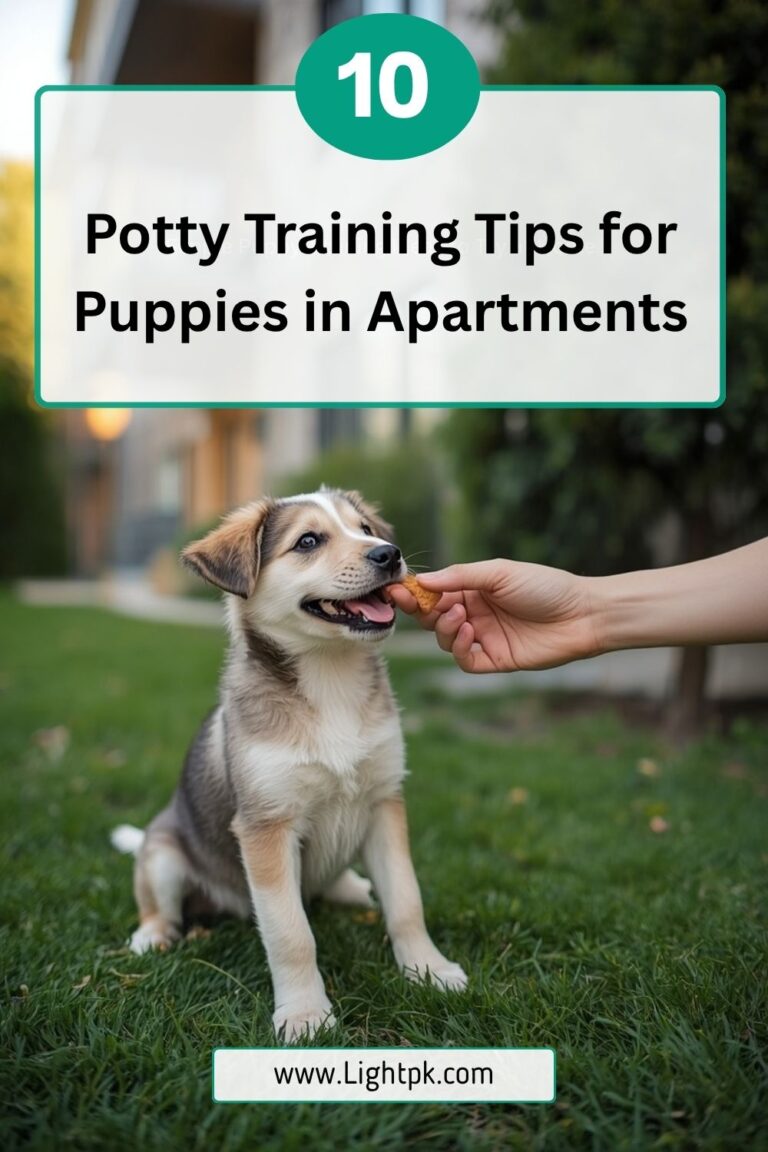
Rewards can include verbal praise, gentle affection, or a small puppy-safe training treat. The reward should be given immediately after your puppy finishes eliminating so it can connect the positive experience with the correct behavior.
For example, you can use a cheerful phrase such as “Good potty!” whenever your puppy successfully goes outside. Repeating the same words helps establish a recognizable connection between the behavior and the reward.
Choose Rewards Your Puppy Enjoys
Different puppies respond to different rewards. Some become excited about small food treats, while others prefer enthusiastic praise or a few seconds of gentle play.
Choose rewards that are suitable for your puppy’s age and dietary needs. Training treats should be small enough to avoid interfering with regular meals. If your puppy has dietary restrictions, ask your veterinarian which treats are appropriate.
Reward the Behavior Immediately
Timing is important during puppy potty training. If you wait several minutes before rewarding your puppy, it may not understand which action earned the reward.
Wait until your puppy has completely finished eliminating, then provide praise immediately. Avoid interrupting the puppy while it is still going potty because this can distract or discourage it.
Keep Training Positive and Stress-Free
A calm training environment helps puppies feel comfortable learning new habits. Avoid shouting, threatening, or punishing your puppy for bathroom mistakes.
If an accident happens, clean it properly and review your schedule to identify what might have gone wrong. Positive reinforcement encourages your puppy to repeat successful behaviors without creating unnecessary fear.
Step 7: Supervise Your Puppy Indoors to Prevent Accidents
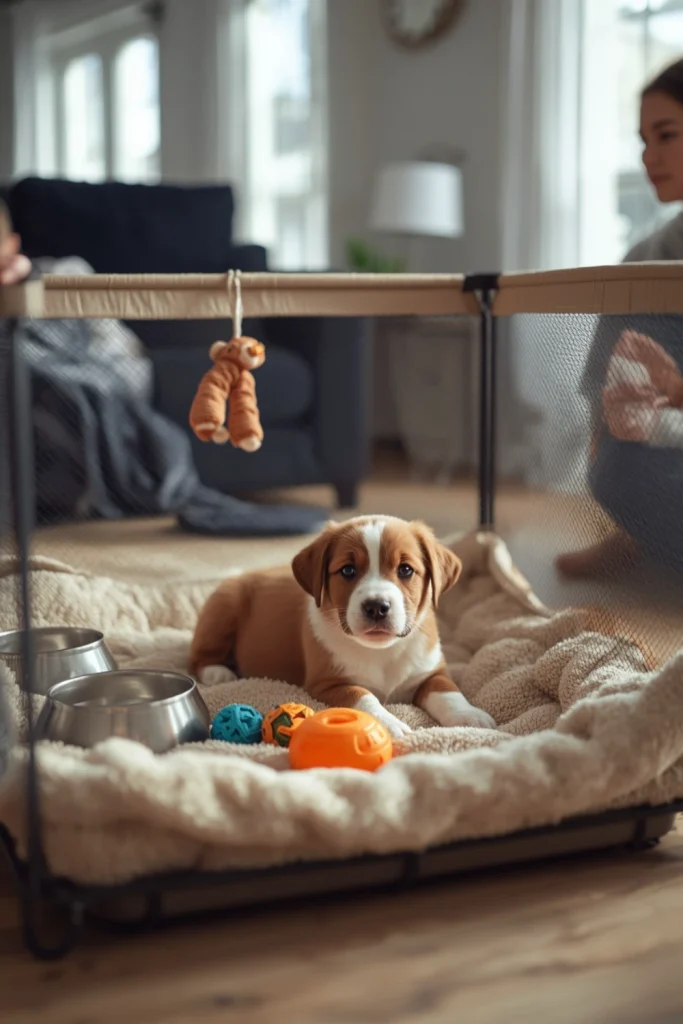
Supervision is essential when building a consistent puppy potty routine. Young puppies are curious and may explore every corner of the house. Without supervision, they can easily wander away and have accidents before their owners notice any warning signs.
During the early stages of training, keep your puppy in the same room whenever possible. This makes it easier to observe its behavior and recognize signs that it needs to go potty. If you cannot watch your puppy closely, use a safe puppy playpen or appropriately sized confinement area.
Supervision is not about restricting your puppy unnecessarily. It is about creating a safe learning environment where you can guide your puppy toward the correct bathroom location.
Use a Puppy Playpen When Necessary
A puppy playpen can help create a controlled environment when you need to complete household activities. Choose a secure enclosure with enough space for comfortable movement, toys, water, and an appropriate resting area.
The playpen should never be used as punishment. Introduce it gradually and make it a comfortable place where your puppy can relax. Take your puppy for regular potty breaks rather than expecting it to remain in the enclosure for extended periods.
Use a Leash for Indoor Supervision
Keeping your puppy on a lightweight leash while supervised can make it easier to monitor its movements. You can keep the puppy close while preparing food, working in the living room, or completing simple household activities.
A leash also helps you notice changes in behavior. If your puppy suddenly starts sniffing, circling, or moving toward a quiet corner, you can guide it outside before an accident occurs. Never leave a tethered puppy unattended because it could become tangled or injured.
Limit Access to Unsupervised Rooms
During early potty training, avoid giving your puppy unrestricted access to the entire house. Large spaces provide more opportunities for accidents, especially when puppies are still learning.
Start with one or two puppy-safe rooms and gradually expand access as your puppy becomes more reliable. Continue supervising your puppy even after it begins showing improvement. More freedom should come with demonstrated bathroom consistency.
Step 8: Manage Water Intake Without Depriving Your Puppy
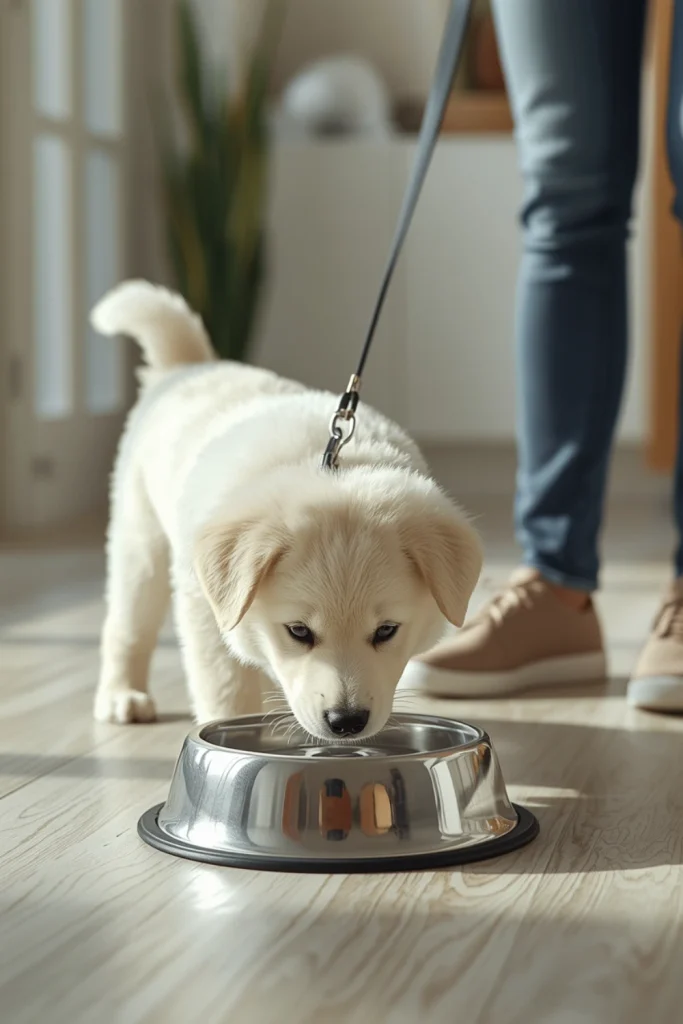
Water is essential for your puppy’s health, digestion, body temperature regulation, and normal development. During potty training, owners sometimes wonder whether limiting water can reduce bathroom accidents. However, restricting water unnecessarily is not a safe or appropriate way to establish a bathroom routine.
Your puppy should have regular access to fresh, clean drinking water throughout the day. Instead of limiting hydration, plan additional bathroom opportunities after drinking, especially when your puppy drinks a larger amount following exercise or playtime.
Understanding the relationship between water intake and bathroom habits can help you make your schedule more predictable without compromising your puppy’s well-being.
Observe Drinking Habits Throughout the Day
Some puppies drink small amounts frequently, while others drink more after meals, walks, or active play sessions. Monitor your puppy’s normal drinking pattern so you can anticipate when another potty break may be needed.
If your puppy drinks a substantial amount of water, consider offering a bathroom opportunity soon afterward. The exact timing varies between puppies, so observation is more useful than following one fixed number of minutes.
Maintain Fresh Water Access
Keep a clean water bowl in an accessible location. Wash it regularly and refill it with fresh water. During warm weather, puppies may need more water because of increased temperatures and activity.
Never withhold water simply to prevent nighttime accidents. If nighttime bathroom needs are frequent, adjust the evening routine and speak with your veterinarian if you notice unusual thirst or urination.
Establish a Calm Evening Routine
During the evening, reduce overly exciting activities and give your puppy regular opportunities to relieve itself. Offer the final bathroom break immediately before bedtime.
If your puppy wakes during the night and appears to need the bathroom, take it outside calmly. Keep the trip quiet and avoid turning it into an extended play session. This helps your puppy understand that nighttime outings are for bathroom needs.
Step 9: Handle Potty Accidents Calmly and Clean Them Properly
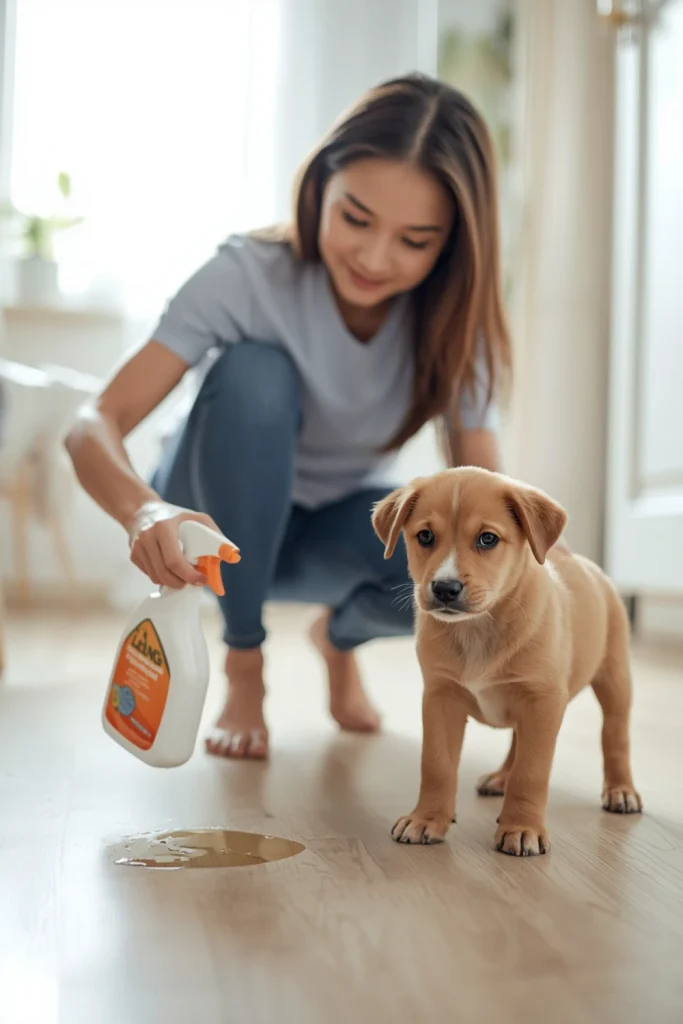
Accidents are a normal part of puppy potty training. Even puppies that are following a good routine may occasionally urinate or poop indoors. This does not mean your puppy is being stubborn or deliberately ignoring your instructions.
Young puppies are still developing bladder control and learning how to communicate their needs. Some accidents happen because a bathroom break was delayed, while others occur because the puppy was distracted or unfamiliar with the environment.
Your response to accidents can influence how comfortable your puppy feels during training. Staying calm and reviewing what happened is much more productive than reacting with frustration.
Never Punish Your Puppy for Accidents
Shouting, hitting, or frightening a puppy after an indoor accident can create confusion and anxiety. Your puppy may begin hiding when it needs to eliminate instead of learning where it should go.
If you catch your puppy beginning to go potty indoors, calmly interrupt it and guide it to the appropriate bathroom location. If it finishes there, offer praise. If you discover an accident afterward, simply clean it without punishment.
Use an Enzymatic Cleaner
Puppies have a strong sense of smell and may return to areas where they previously eliminated. Ordinary household cleaners may remove visible stains without completely removing the odor.
An enzymatic pet stain cleaner is designed to break down organic materials responsible for lingering odors. Follow the product’s instructions and make sure the cleaned area is safe for your puppy before allowing access again.
Avoid using ammonia-based cleaners for urine accidents because their smell can resemble components of urine and may not be helpful when discouraging repeat accidents.
Identify Why the Accident Happened
Instead of treating every accident as a training failure, look for the reason behind it. Perhaps your puppy had just finished playing, woke up from a nap, drank water, or waited too long for its next bathroom opportunity.
Record the time and circumstances of each accident. This information can help you identify patterns and adjust the schedule. If your puppy suddenly starts having frequent accidents after previously making progress, consider whether a medical issue could be involved.
Step 10: Track Progress and Adjust the Routine as Your Puppy Grows
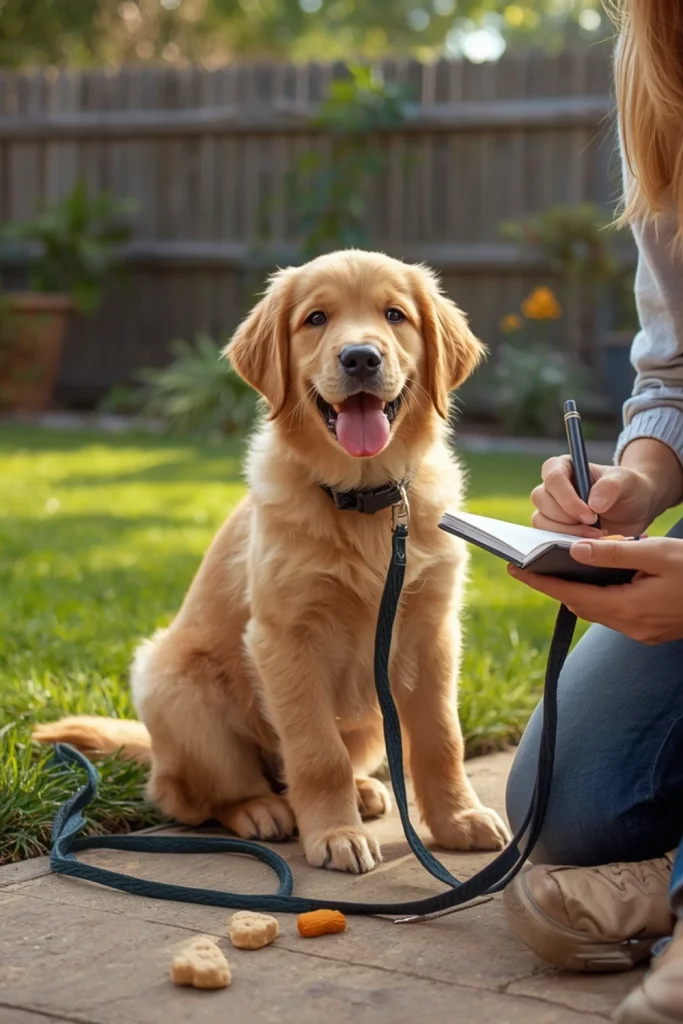
A consistent puppy potty routine should change as your puppy develops. Young puppies generally need more frequent bathroom opportunities, while older puppies gradually develop better bladder control and become more familiar with household expectations.
Do not expect your puppy to follow exactly the same schedule throughout its entire first year. Growth, feeding changes, activity levels, sleep patterns, and health can all influence bathroom needs.
Keep observing your puppy and make gradual adjustments whenever necessary. The goal is to create a routine that supports your puppy’s development while remaining manageable for your household.
Keep a Puppy Potty Training Journal
A simple training journal can help you monitor bathroom habits and identify improvements. Record when your puppy eats, drinks, sleeps, plays, and goes potty.
You can also note successful outdoor bathroom breaks, indoor accidents, and any signals your puppy displays before eliminating. After a week or two, this information may reveal patterns that were difficult to recognize through observation alone.
For example, you might discover that your puppy regularly needs to poop shortly after breakfast or urinate immediately after afternoon playtime. These observations can help you schedule bathroom opportunities more effectively.
Gradually Increase Bathroom Intervals
As your puppy becomes older and more reliable, you may be able to increase the time between bathroom breaks. However, do this gradually rather than making sudden changes.
Start by adding a small amount of time between selected breaks while watching for signs of discomfort. If accidents increase, return to the previous schedule and give your puppy more time to develop.
Remember that individual puppies progress differently. Age-based estimates are not guarantees, and smaller puppies may need more frequent opportunities than larger puppies of the same age.
Celebrate Small Improvements
Successful potty training happens through many small achievements. Your puppy might begin going to the door, using the designated bathroom area consistently, or completing several accident-free days.
Celebrate these improvements with praise and positive attention. Avoid expecting immediate perfection. A supportive training environment encourages your puppy to continue learning and strengthens the relationship between you and your pet.
Final Thoughts on Building a Consistent Puppy Potty Routine
Building a Consistent Puppy Potty Routine is an important part of raising a happy, healthy, and well-adjusted dog. Although potty training may sometimes feel challenging, establishing predictable bathroom opportunities can make the process much easier for both puppies and their owners.
Start with a designated potty location, create a regular daily schedule, and take your puppy outside after waking, eating, drinking, and playing. Learn to recognize its bathroom signals, supervise indoor activities, and reward successful potty breaks with positive reinforcement.
Remember that accidents are a normal part of learning. Every puppy develops at a different pace, so patience and consistency are more important than expecting perfect results within a few days.
By following these 10 practical steps and adjusting the routine as your puppy grows, you can establish healthy bathroom habits that last for years. Give your puppy time, celebrate small improvements, and enjoy the rewarding experience of helping your new furry family member become a well-trained companion.