
15 Recall Training Games to Help Your Dog Come Back
A reliable recall can make everyday life with your dog safer, easier, and more enjoyable. Whether you are training a young puppy or helping an adult dog improve their listening skills, teaching your dog to come back when called is an essential part of responsible dog ownership.
The best recall training does not have to feel like hard work. Dogs learn quickly when training is fun, rewarding, and consistent. These Training Games to Help Your Dog come back can turn recall practice into exciting activities that strengthen your dog’s focus, confidence, and connection with you.
1. The Happy Recall Game
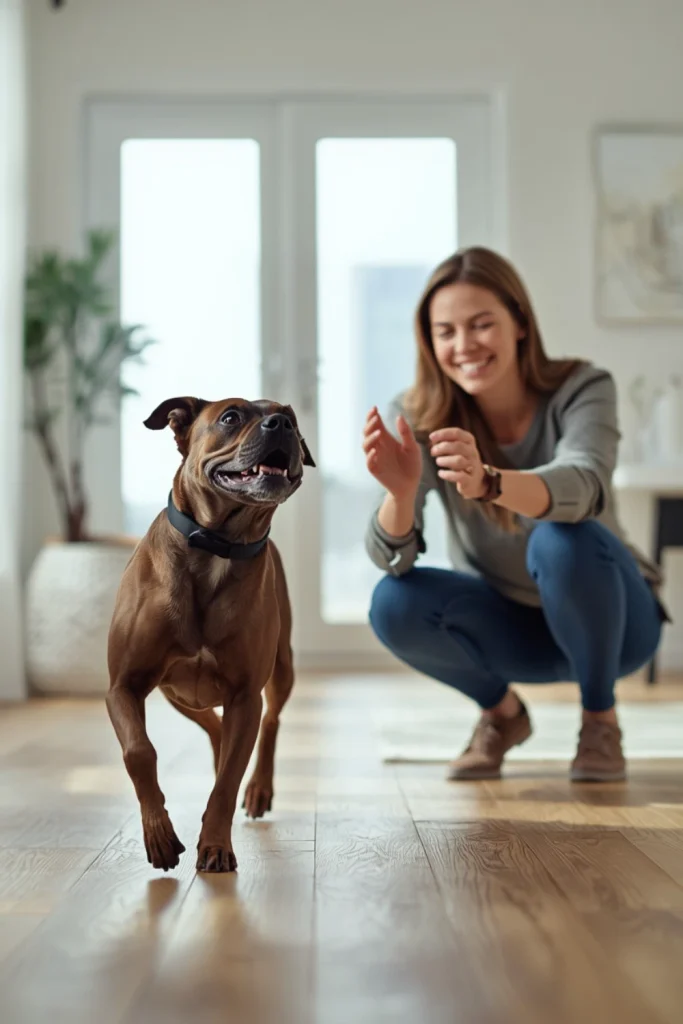
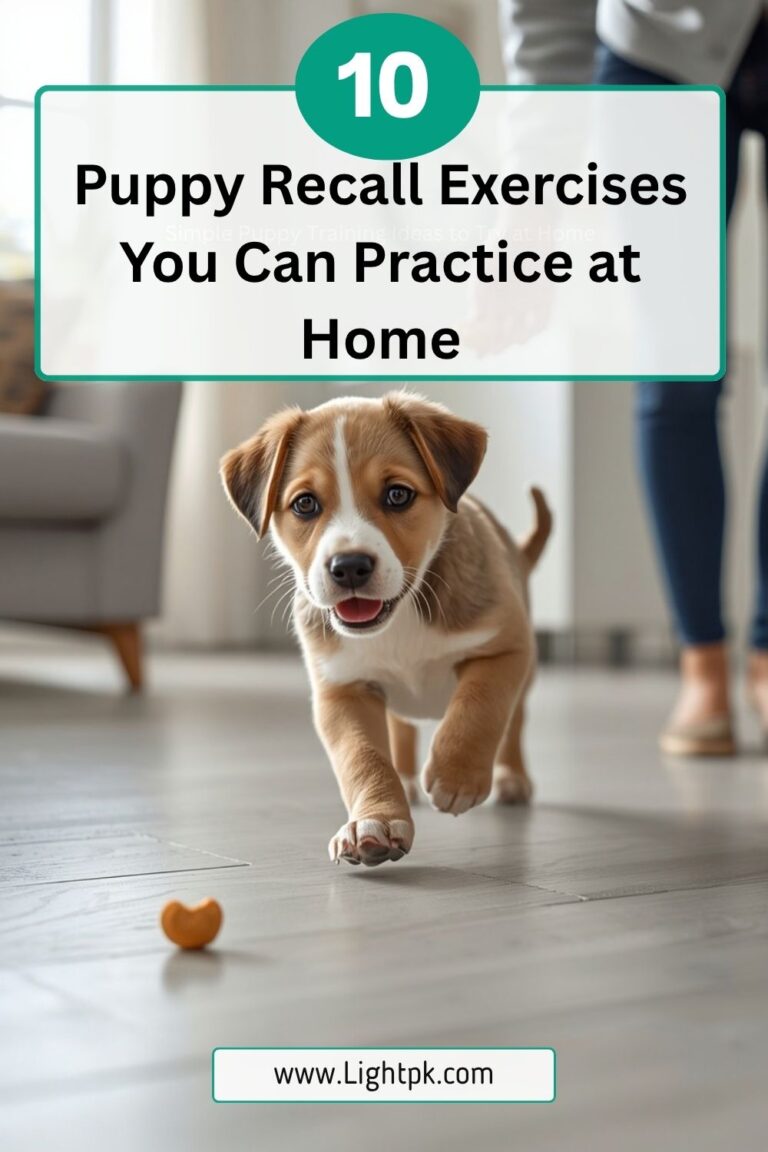
The happy recall game is a simple way to introduce or strengthen your dog’s response to a recall word. Start inside your home where there are very few distractions. Move a short distance away from your dog, say their name followed by your recall cue, and use an enthusiastic voice. When your dog comes toward you, reward them immediately with praise, affection, a small treat, or a favorite toy.
Repeat the game several times while keeping the distance short. The goal is to teach your dog that hearing the recall cue means something good is about to happen. Avoid calling repeatedly if your dog does not respond. Instead, make the exercise easier and create more opportunities for successful recalls.
2. Hide-and-Seek Recall
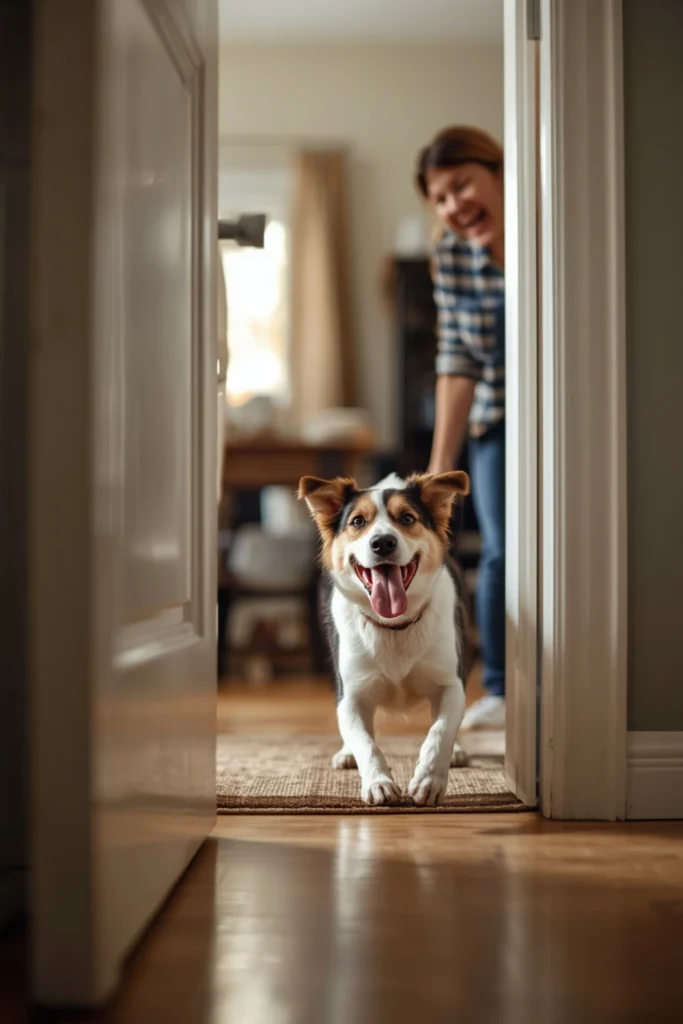
Hide-and-seek is one of the most entertaining ways to practice recall. Ask a family member to keep your dog in one safe area while you hide behind a doorway, around a corner, or in another easy-to-find location. Call your dog’s name followed by the recall cue and wait for them to find you. When they arrive, praise them enthusiastically and provide a reward.
Start with very easy hiding places so your dog can succeed. As your dog becomes confident, choose slightly more challenging locations. This game teaches your dog that locating you is rewarding and encourages them to pay attention to where you are. It can also make your recall cue more exciting.
3. Two-Person Recall Race
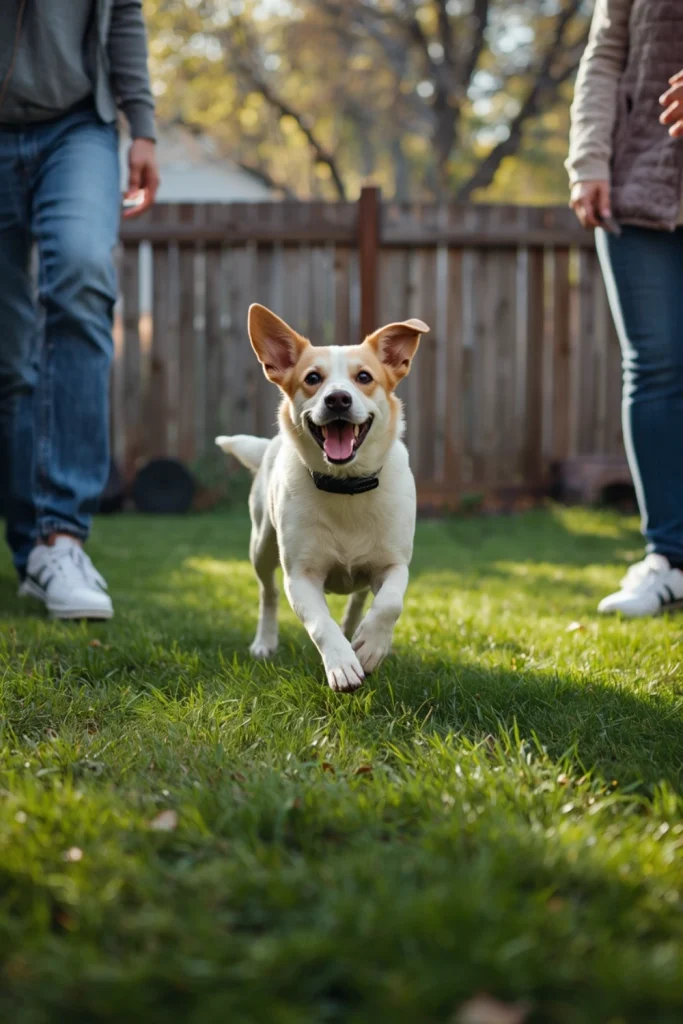
If you have another person available, try a two-person recall race. Have both people stand a short distance apart. One person calls the dog using the recall cue and rewards them when they arrive. After a brief pause, the second person calls the dog and rewards them for coming back.
As your dog understands the game, gradually increase the distance between the two people. You can also change positions so your dog learns to respond from different directions. Keep the rewards small and the game exciting. This exercise provides many recall repetitions while helping your dog learn that coming to people is consistently worthwhile.
4. Chase Me Game
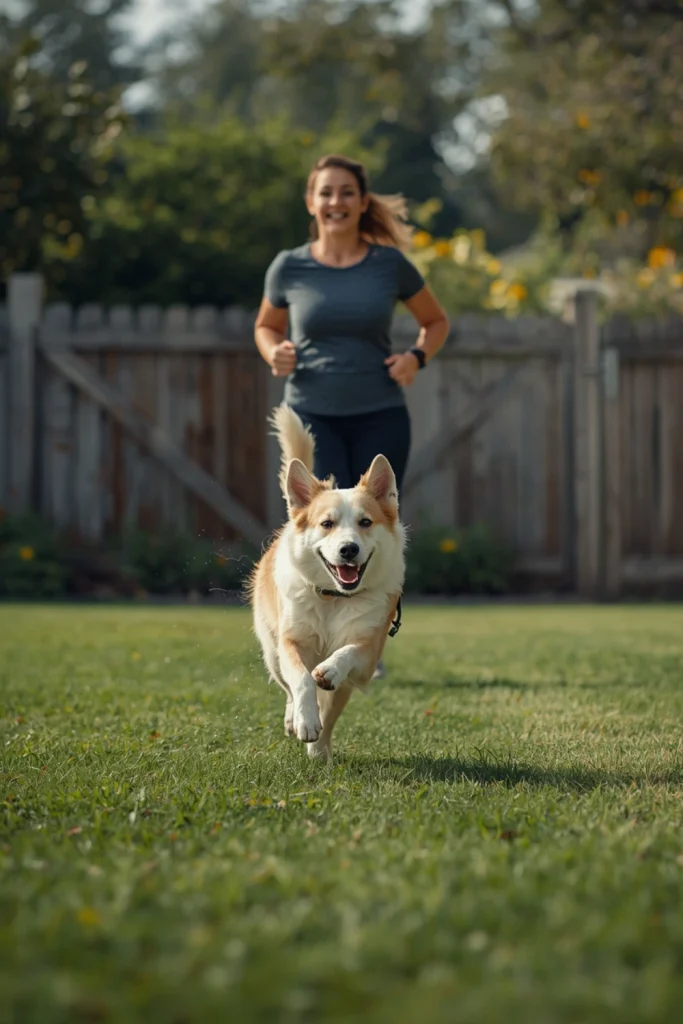
Many dogs naturally enjoy following movement, making the chase-me game useful for recall training. In a safe enclosed area, move away from your dog while encouraging them to follow. Use your recall word and make yourself interesting by walking backward, crouching, or gently jogging away.
When your dog catches up, reward them with praise, treats, or a short play session. Never turn this into a game where you chase your dog after they run away. The purpose is to teach your dog that moving toward you is exciting. This game can be particularly helpful for dogs that enjoy movement and interactive play.
5. Treat Toss and Recall
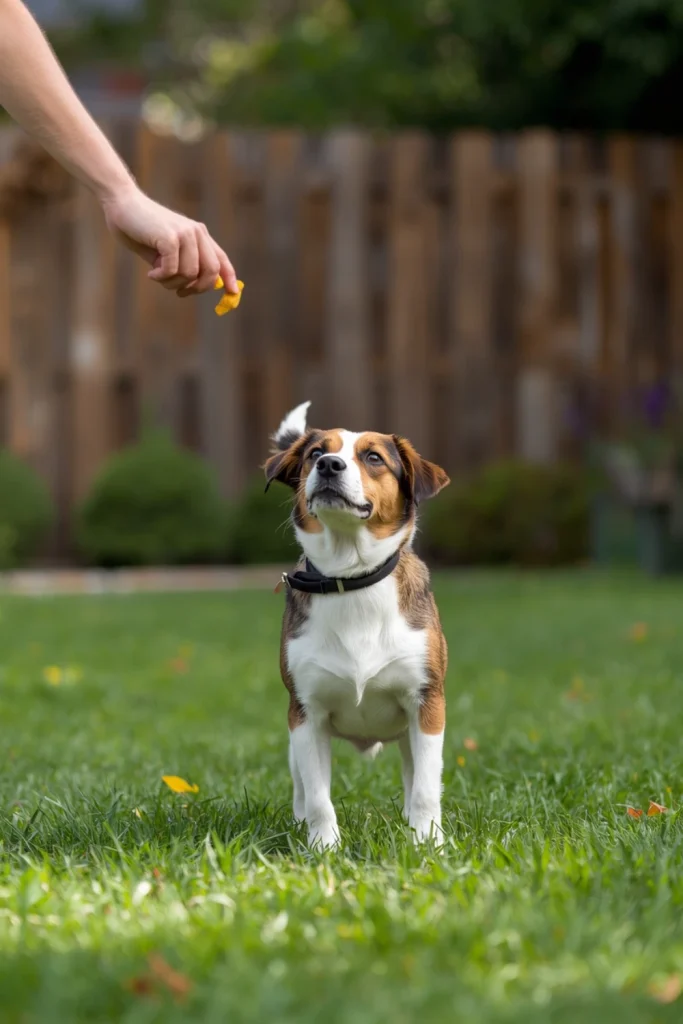
Treat toss combines movement with recall training. Begin by tossing a small treat a short distance away from your dog. Allow them to find and eat it. Once they finish, call your dog back using the recall cue and reward them again when they return.
This creates a simple pattern: move away, find a reward, and then return to the owner for another reward. As your dog improves, increase the distance slightly. Keep the game controlled and use small treats so your dog does not consume too much food during training. The exercise can help build a strong habit of returning after exploring.
6. Toy Recall Challenge
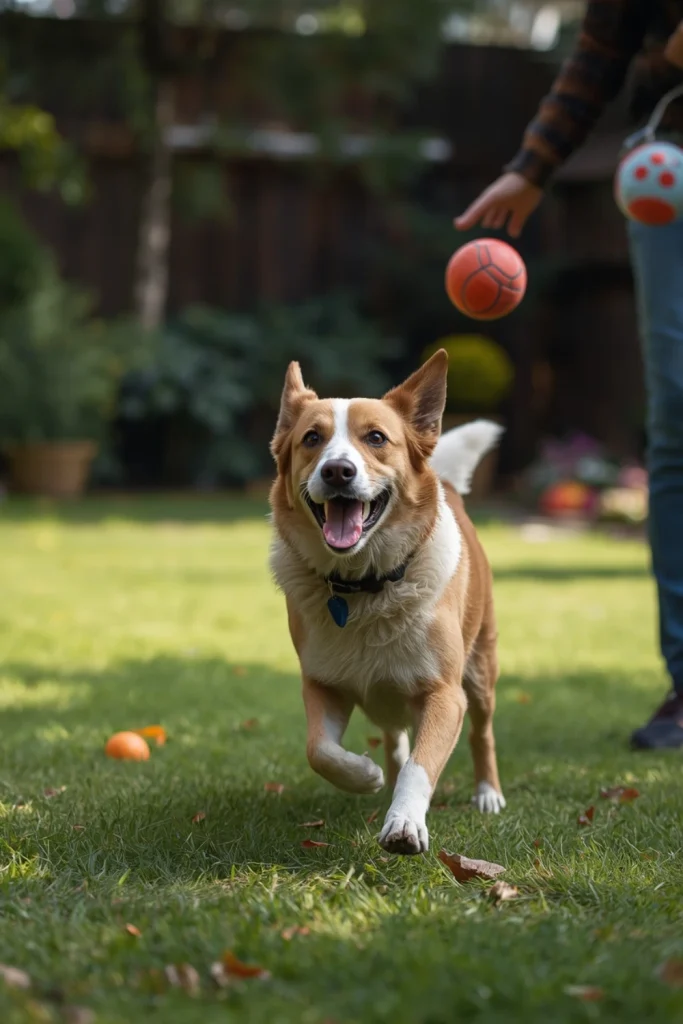
Some dogs are more motivated by toys than food. If your dog loves a ball, tug toy, squeaky toy, or another safe favorite, use it as part of recall practice. Begin by playing briefly with the toy, then move a short distance away and call your dog. When they come to you, immediately restart the game.
The important part is to make the toy a reward for responding rather than using it as a distraction. Keep the sessions short and exciting. You can gradually practice in areas with more distractions once your dog consistently responds at home.
7. Around-the-Circle Recall
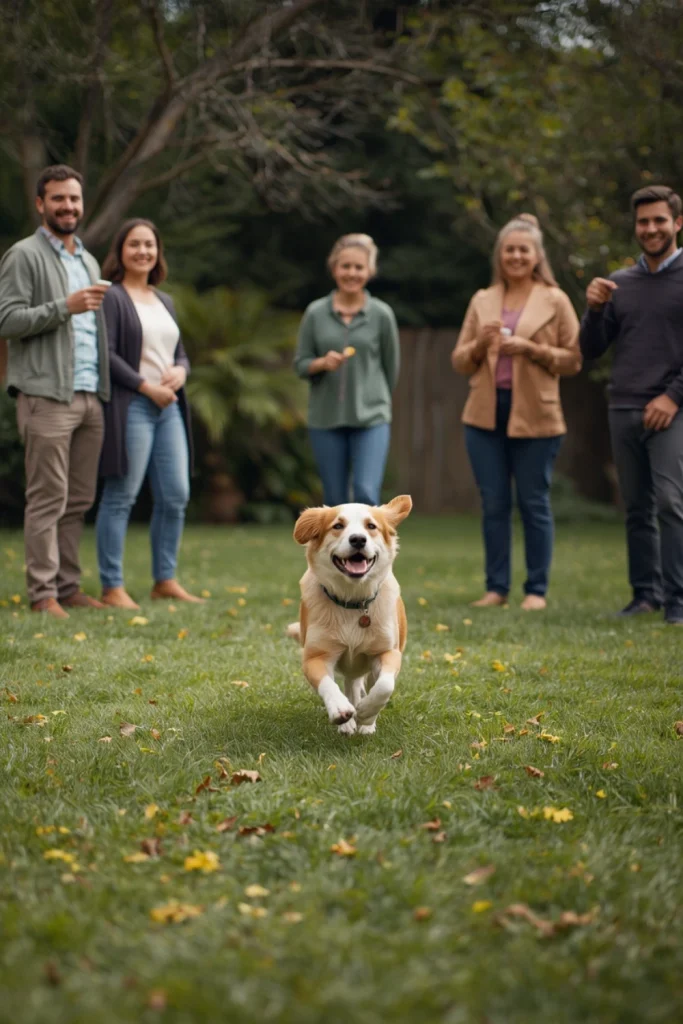
Around-the-circle recall works well with several family members. Ask everyone to stand in a large circle with the dog near the center. One person calls the dog and rewards them when they arrive. After the dog receives the reward, another person calls from a different position.
Keep the distance short at first and make sure everyone uses the same recall word. This game teaches your dog to listen carefully and locate the person who is calling. It also prevents the dog from learning that recall only works when one specific person gives the command.
8. Recall Through a Tunnel
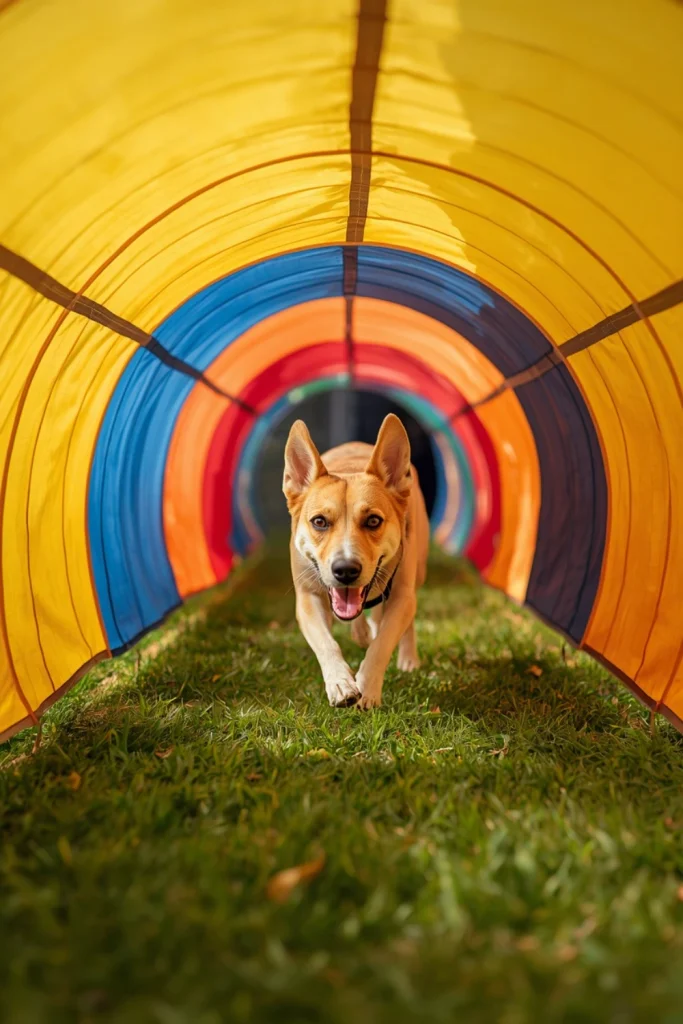
If your dog enjoys agility-style activities, a safe play tunnel can make recall training more interesting. Place the tunnel on the ground and encourage your dog to move through it. Stand at the opposite end and call your dog toward you. Reward them enthusiastically when they exit the tunnel and reach you.
Keep the tunnel short and stable, especially for beginners. Never force a nervous dog into a tunnel. The purpose is to create a positive recall experience. As your dog becomes comfortable, you can gradually increase the distance between you and the tunnel entrance.
9. Recall With a Favorite Person
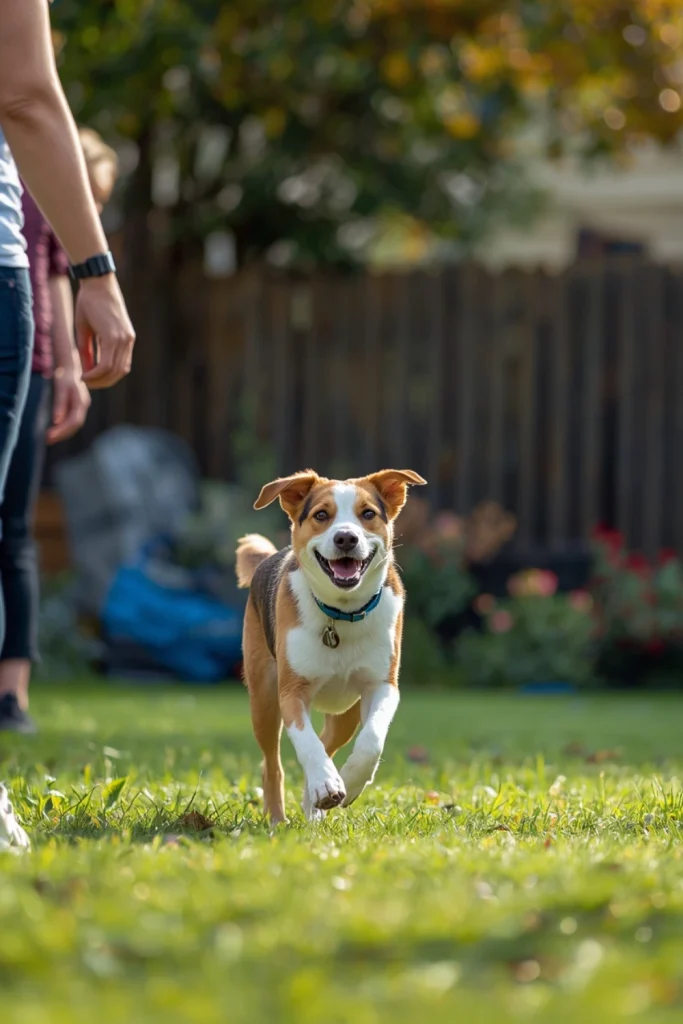
Dogs often become excited when they see a favorite family member or friend. You can use this enthusiasm to practice recall. Have the person stand a short distance away while you keep your dog with you. The other person calls the dog, and you allow them to run over and receive praise or a reward.
Switch roles so your dog learns to respond to different people. This can help your dog understand that coming when called is not limited to one particular handler. Keep the exercise positive and use only people your dog already knows and feels comfortable around.
10. Recall During a Sniffing Game
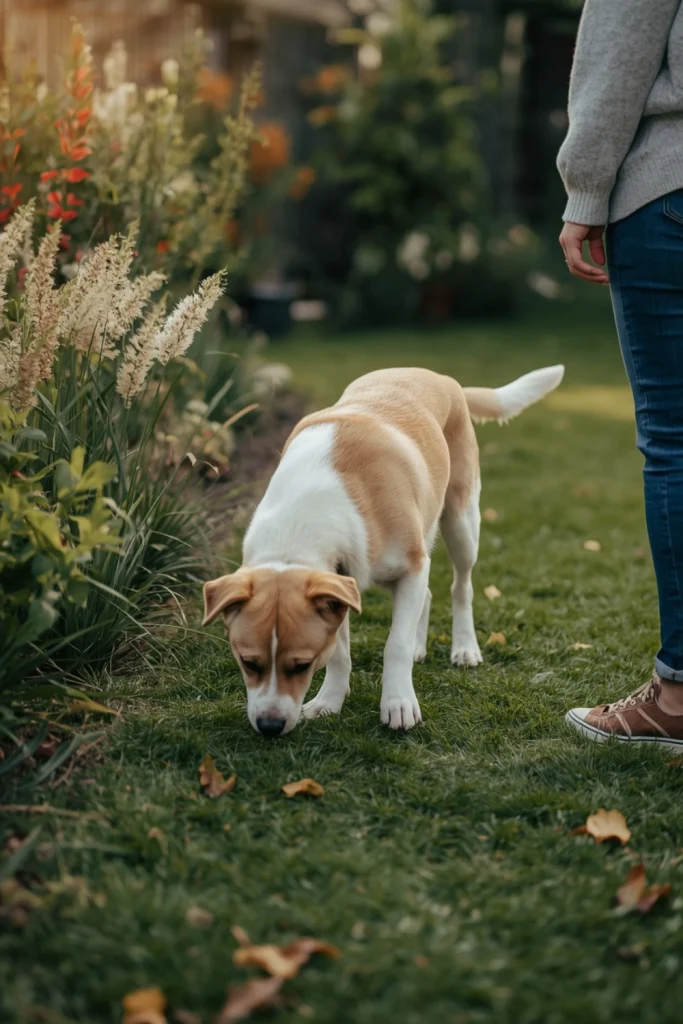
Sniffing is naturally rewarding for dogs, so you can incorporate it into recall practice. Allow your dog to explore a safe area and sniff around. After a short period, call them back using your recall cue. When they return, reward them and then allow them to continue exploring.
This teaches an important lesson: coming to you does not always mean that the fun has ended. Your dog learns that responding to the recall can actually lead to more freedom and exploration. This approach can be especially useful for dogs that become highly interested in smells outdoors.
11. Recall and Release Game
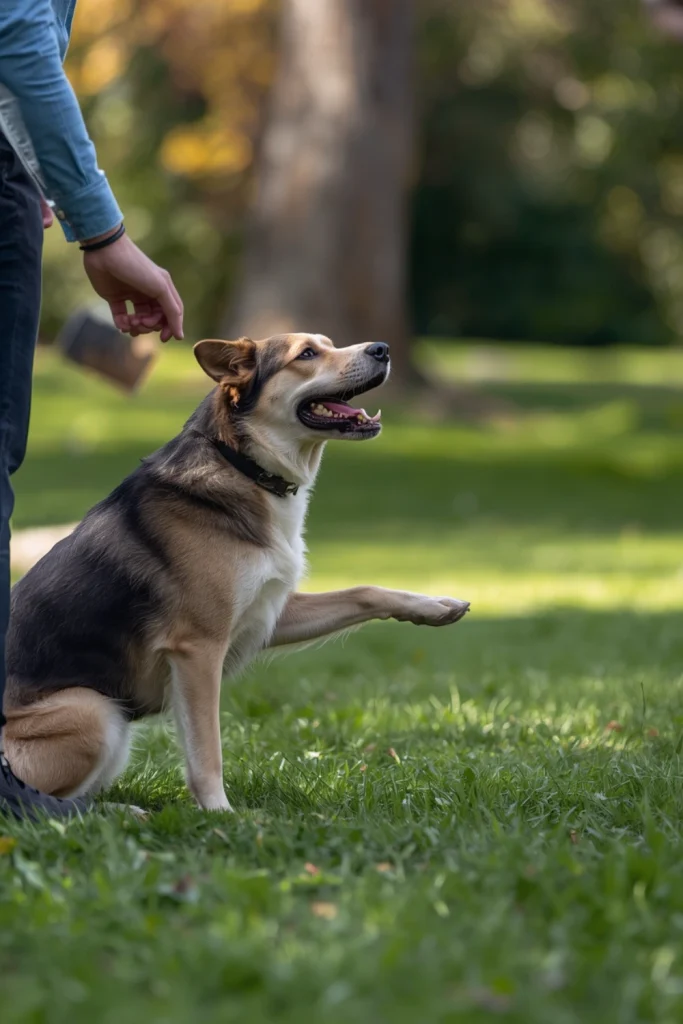
The recall and release game teaches your dog that returning to you does not always mean the activity is finished. Call your dog, reward them when they arrive, and then give a clear release cue that allows them to return to playing or exploring.
Repeat this several times during a session. Your dog begins to understand that coming back to you is not something they need to avoid. This can make recall more reliable because your dog does not automatically associate the command with having their freedom removed.
12. Doorway Recall Game
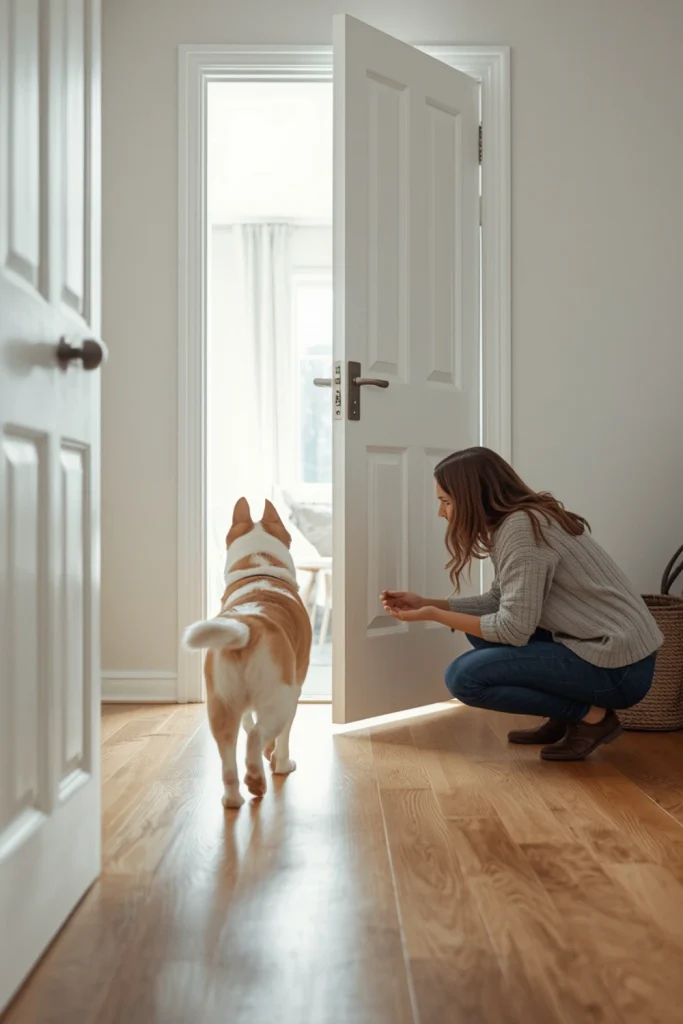
Doorways provide a useful everyday opportunity to practice recall. Start with an interior doorway where the environment is safe and controlled. Stand on one side and call your dog toward you. When they come through the doorway, reward them immediately.
As your dog improves, you can practice around different doors and entrances while maintaining safety. Never begin this exercise with an open exterior door leading to an unsafe area. The goal is to teach your dog to respond to your voice even when they are moving between different spaces.
13. Long-Line Recall Adventure
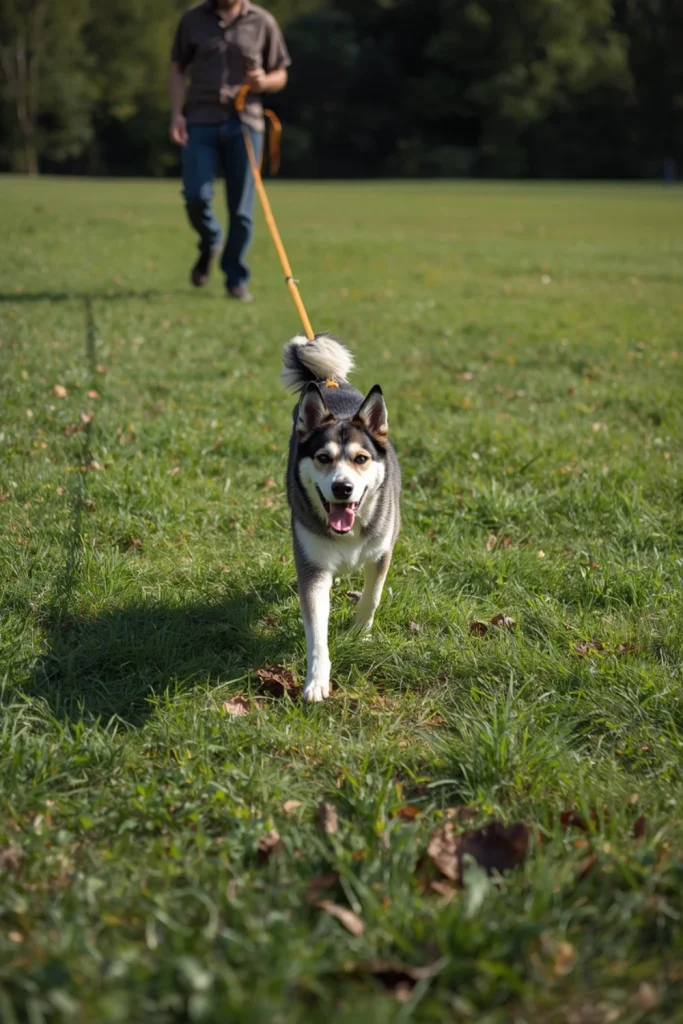
A long training line can provide controlled freedom when practicing recall outdoors. Attach an appropriate long line and allow your dog to explore a safe open area. Call them when they are not too distracted. When they turn toward you and come back, reward them generously.
The long line gives you additional control while your dog learns. Avoid using it to drag your dog toward you. Instead, use it as a safety backup while encouraging voluntary movement. Gradually increase distance and distractions as your dog’s response becomes stronger.
14. Surprise Reward Recall
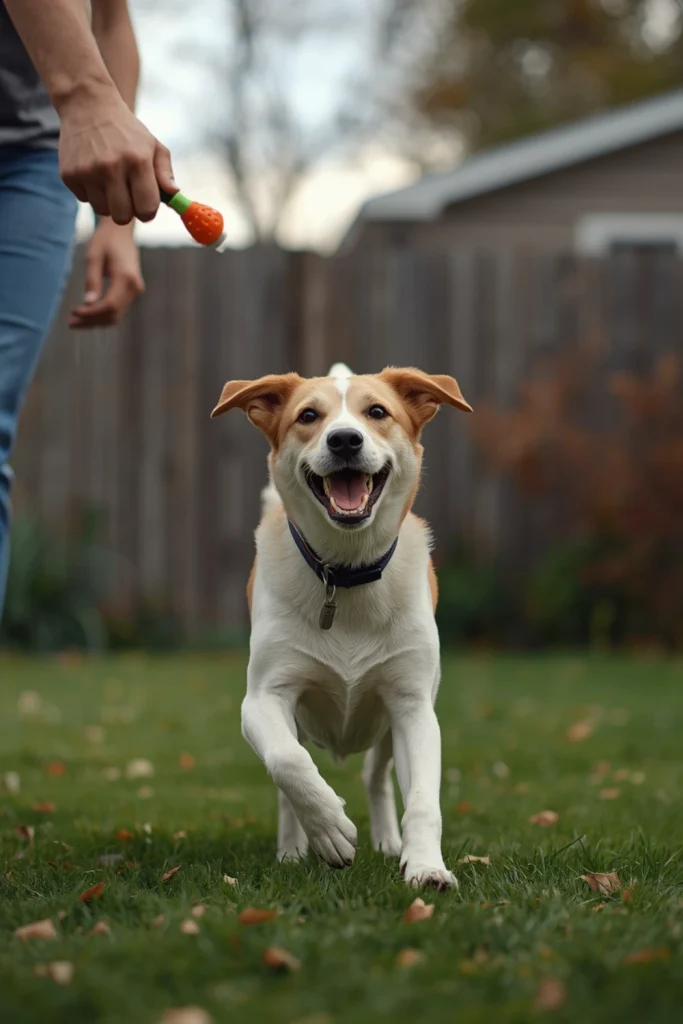
Dogs can become very enthusiastic when rewards are unpredictable. During this game, call your dog and vary the reward after each successful return. One recall might earn a small treat, another might lead to a favorite toy, and another might result in praise and a short game.
The purpose is not to confuse your dog but to keep the experience interesting. Your dog learns that coming to you is consistently rewarding even though they do not know exactly what reward will follow. This can help maintain motivation during longer-term training.
15. Real-Life Recall Challenge
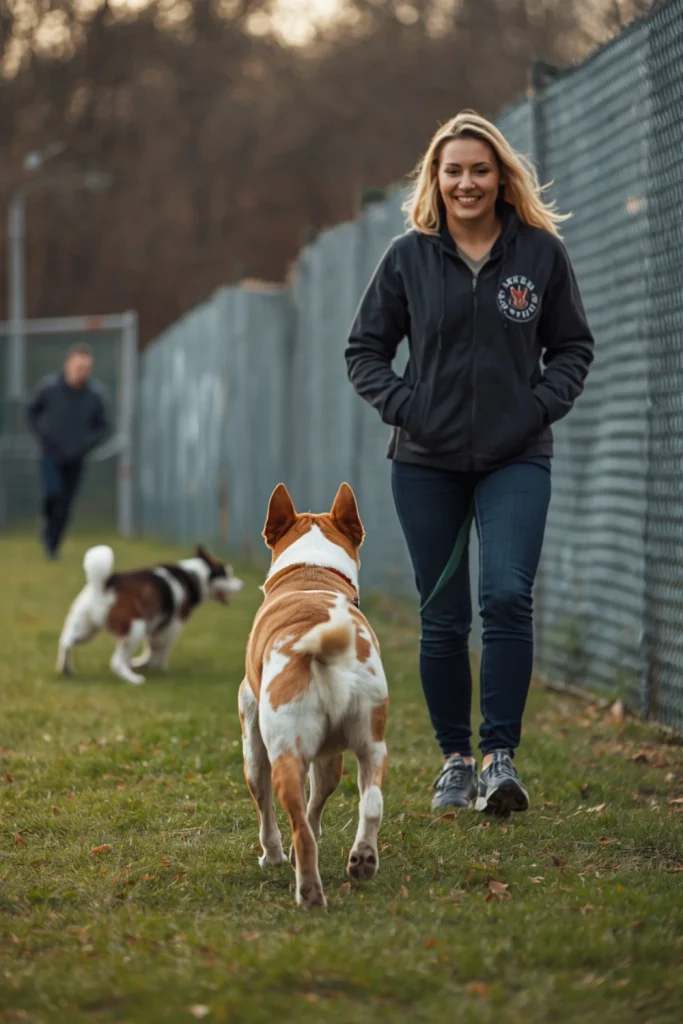
Once your dog understands the basic recall games, combine the skills in realistic but controlled situations. Practice calling your dog from another room, across the backyard, after mild sniffing, or while a family member is nearby. Keep the difficulty appropriate for your dog’s current ability.
Always increase challenges gradually. A dog that performs perfectly indoors may not be ready to recall reliably in a busy park. Continue using rewards and give your dog opportunities to succeed. Real-life practice is what eventually turns recall training into a useful everyday behavior.
Final Thoughts
Recall training does not need to be boring or repetitive. By turning practice into games, you can help your dog learn while keeping their attention and enthusiasm high. Hide-and-seek, toy games, two-person recalls, chase games, sniffing exercises, and surprise rewards are all useful ways to make coming back exciting.
These Training Games to Help Your Dog develop a stronger recall can also improve communication and trust between you and your pet. Start in a quiet environment, reward successful responses, increase difficulty slowly, and always prioritize safety. With patience and consistent practice, your dog can learn that coming back to you is one of the best things they can do.