
15 Puppy Training Tips Every New Owner Should Know
Bringing a puppy home is an exciting experience filled with playful moments, adorable memories, and plenty of learning. But those first few months are also the most important time to establish good habits. The right Puppy Training Tips can help your new companion become confident, friendly, calm, and easier to manage.
Puppy training does not have to be complicated or stressful. With patience, consistency, positive reinforcement, and a simple daily routine, new owners can teach valuable behaviors while building a strong bond with their puppy. In this complete guide, you will discover 15 practical Puppy Training Tips that every new dog owner should know.
1. Start Puppy Training as Soon as Possible
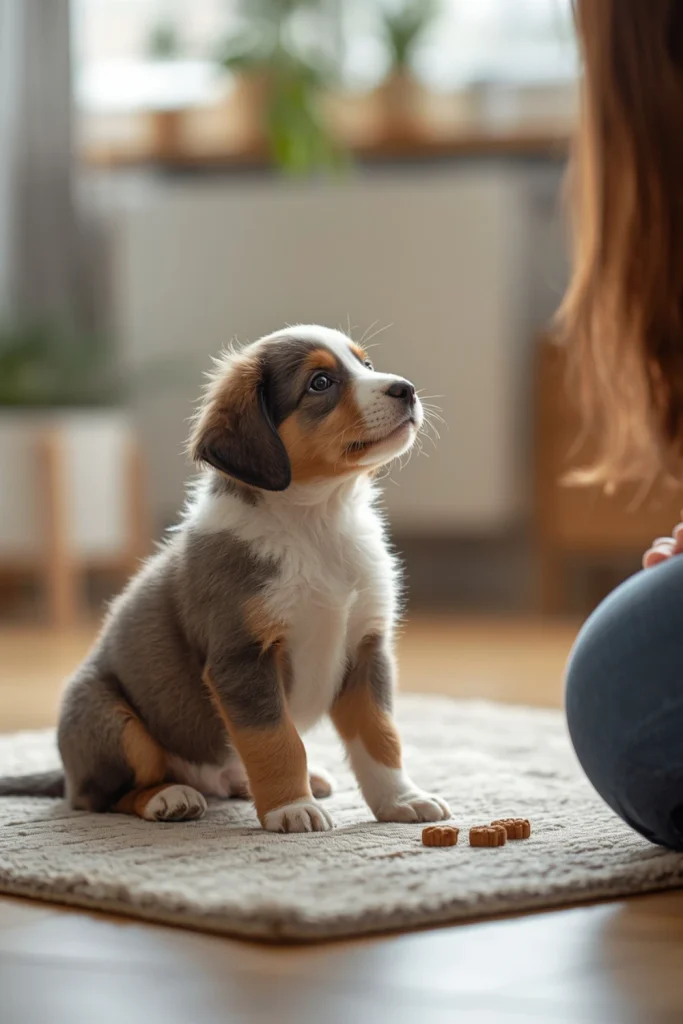
One of the most useful Puppy Training Tips for new owners is to begin training early. You do not need to wait until your puppy is several months old before teaching basic behaviors. Puppies can begin learning simple household rules and basic commands from a young age when training sessions are gentle, short, and positive.
Early training helps prevent unwanted habits from becoming established. For example, if your puppy learns from the beginning that chewing furniture is not acceptable and that appropriate toys are available, you can reduce future problems. Similarly, teaching your puppy where to sleep, where to eliminate, and how to respond to their name creates a foundation for more advanced training later.
The key is to remember that puppies have short attention spans. A young puppy may only be able to focus for a few minutes at a time. Instead of expecting long training sessions, practice small lessons throughout the day. Reward correct behavior immediately and avoid overwhelming your puppy with too many commands at once.
2. Teach Your Puppy to Respond to Its Name
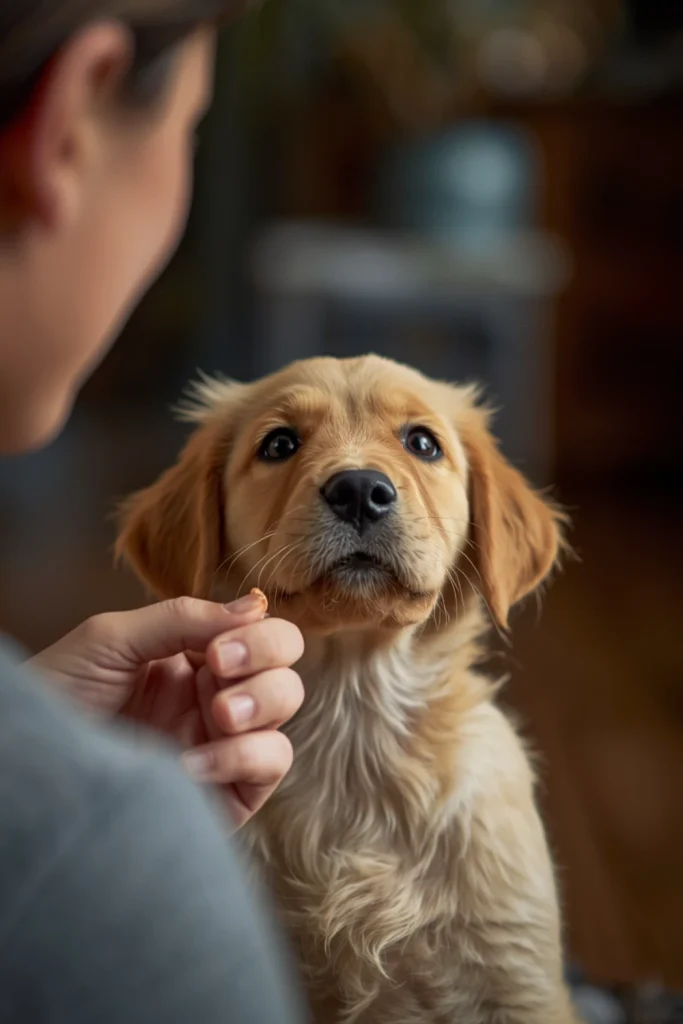
Teaching your puppy its name is one of the easiest and most useful Puppy Training Tips. Your puppy should learn that hearing their name means they should pay attention to you. This simple skill becomes extremely valuable later when teaching recall, obedience commands, and safety behaviors.
Start by saying your puppy’s name in a happy, friendly voice. When your puppy looks toward you, immediately praise them and offer a small reward. Repeat this several times throughout the day. You can practice while your puppy is sitting nearby, playing, or exploring the room.
Avoid repeatedly saying your puppy’s name when you are angry or correcting unwanted behavior. You want your puppy to associate their name with positive experiences. With consistent practice, your puppy will begin turning toward you whenever they hear their name.
3. Make Potty Training Part of the Daily Routine
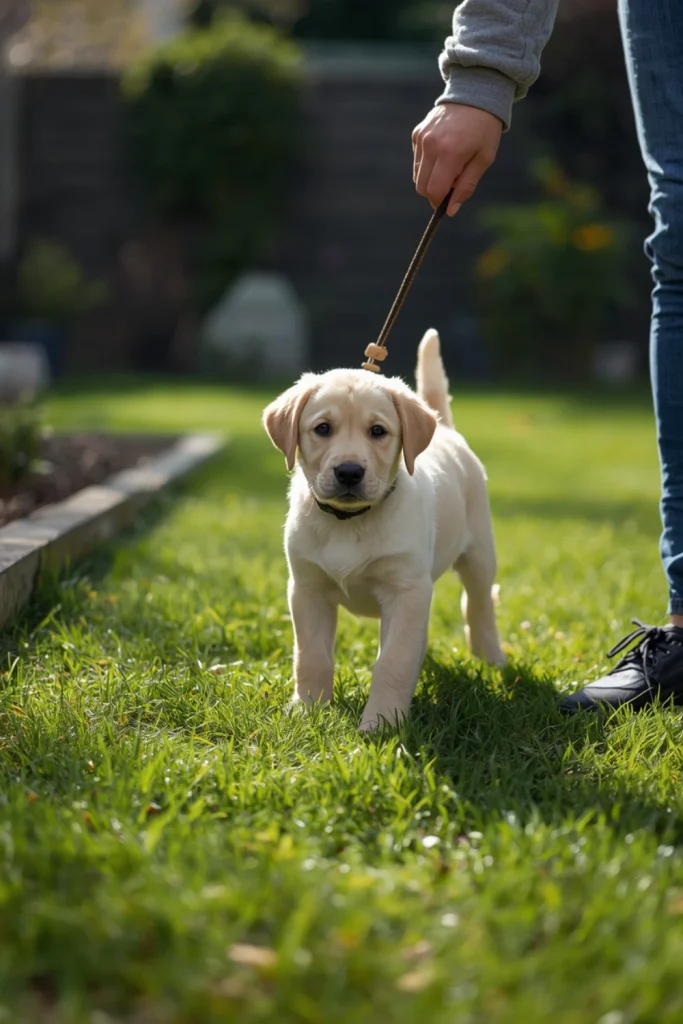
Potty training is one of the biggest challenges for new puppy owners, but a consistent routine can make the process much easier. Take your puppy to the appropriate bathroom area regularly, especially after waking up, eating, drinking, playing, and sleeping.
When your puppy eliminates in the correct location, immediately offer calm praise and a reward. Your puppy will gradually learn that using the appropriate area produces a positive result. Consistency is more important than expecting instant success.
Accidents are normal during puppyhood. Avoid yelling, hitting, or frightening your puppy after an accident. Instead, clean the area thoroughly and continue following the routine. Puppies need time to develop bladder control and understand household expectations. Patience is one of the most important parts of successful potty training.
4. Use Positive Reinforcement
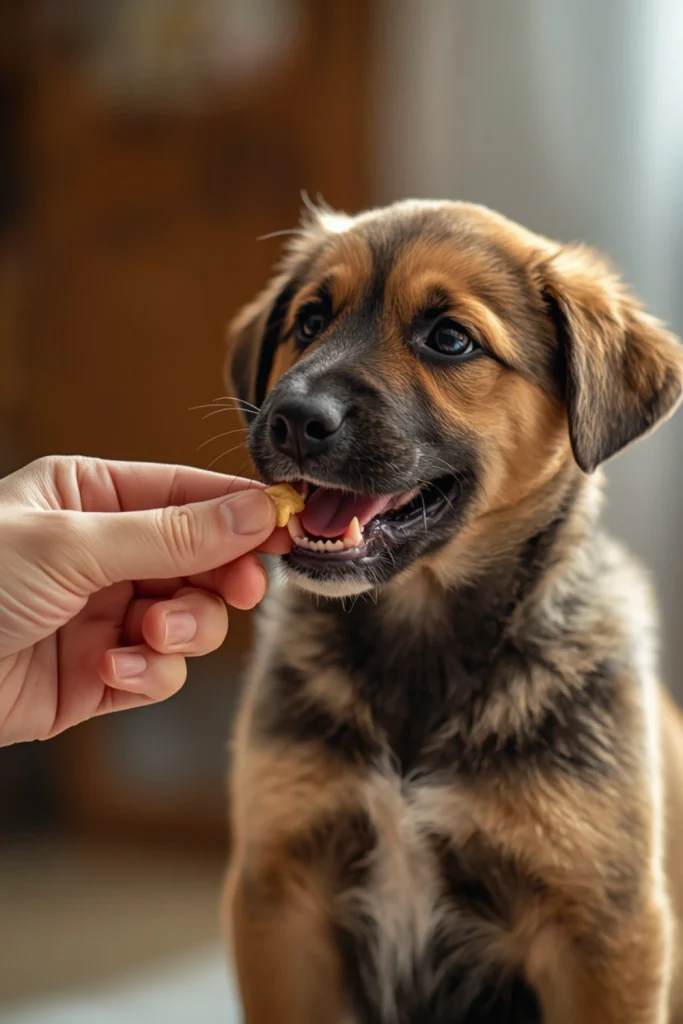
Positive reinforcement is one of the most effective foundations for Puppy Training Tips. Instead of focusing only on mistakes, reward your puppy whenever they perform a behavior you want to encourage. Rewards can include small treats, praise, toys, petting, or access to something your puppy enjoys.
For example, if your puppy sits calmly instead of jumping on you, reward the calm behavior. If they come when called, praise them enthusiastically. Over time, your puppy learns that appropriate behavior produces positive outcomes.
Timing matters when using rewards. Try to reward the desired behavior immediately so your puppy can understand what earned the reward. Keep treats small because puppies may receive several rewards during training. Positive reinforcement also helps create trust and makes training feel like an enjoyable activity rather than a stressful obligation.
5. Teach the Sit Command
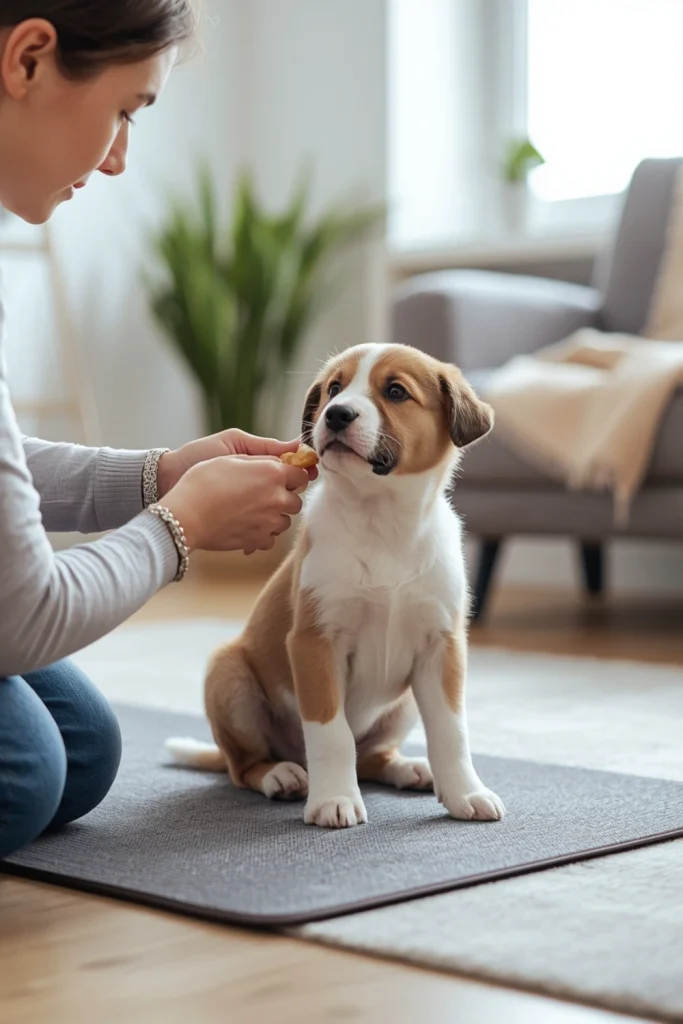
“Sit” is one of the first commands many puppies learn because it is simple and useful in everyday situations. Teaching your puppy to sit can also help them develop impulse control and learn how to wait for something they want.
Hold a small treat close to your puppy’s nose and slowly move your hand upward and slightly backward. As your puppy follows the treat, their bottom will naturally move toward the floor. The moment they sit, say “sit,” praise them, and provide the reward.
Practice in a quiet location before introducing distractions. Once your puppy understands the behavior, gradually practice in different rooms and environments. Eventually, your puppy should be able to sit even when there are toys, people, or other interesting things nearby.
6. Teach Reliable Recall
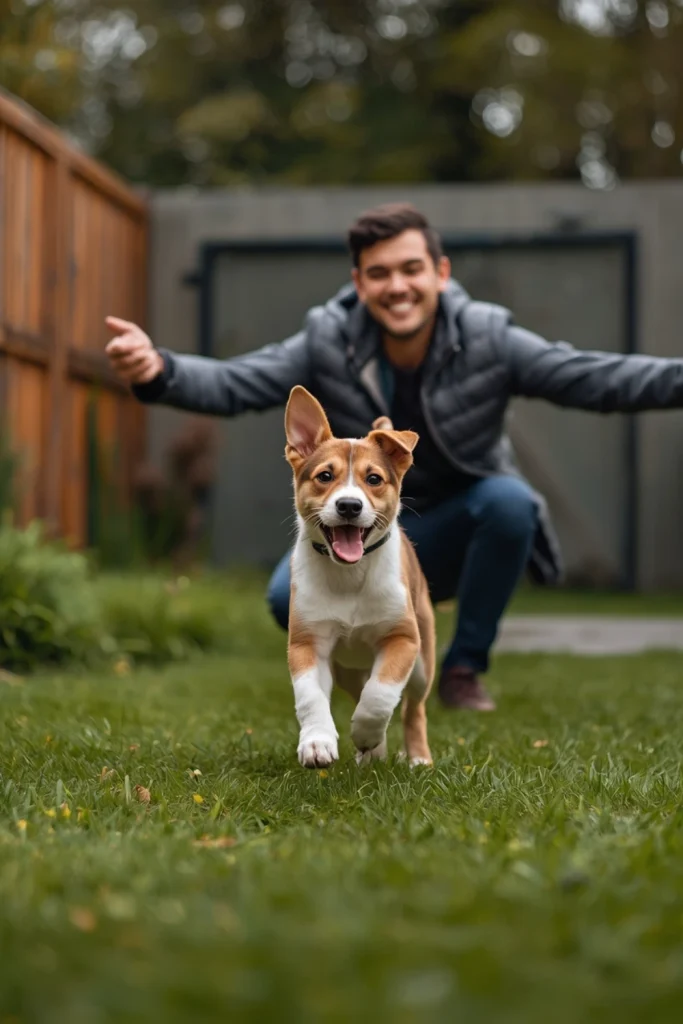
Recall training teaches your puppy to come back to you when called. This is one of the most important safety-related Puppy Training Tips because a reliable recall can help prevent dangerous situations.
Begin indoors where there are few distractions. Say your puppy’s name followed by a consistent recall word such as “come.” When your puppy moves toward you, use an enthusiastic voice, praise them, and provide a reward. Make coming to you a positive experience.
Never punish your puppy when they finally return after ignoring a recall. If returning to you results in anger, your puppy may become less willing to come in the future. As your puppy improves, practice in safe enclosed areas and gradually introduce more distractions.
7. Teach Calm Leash Walking
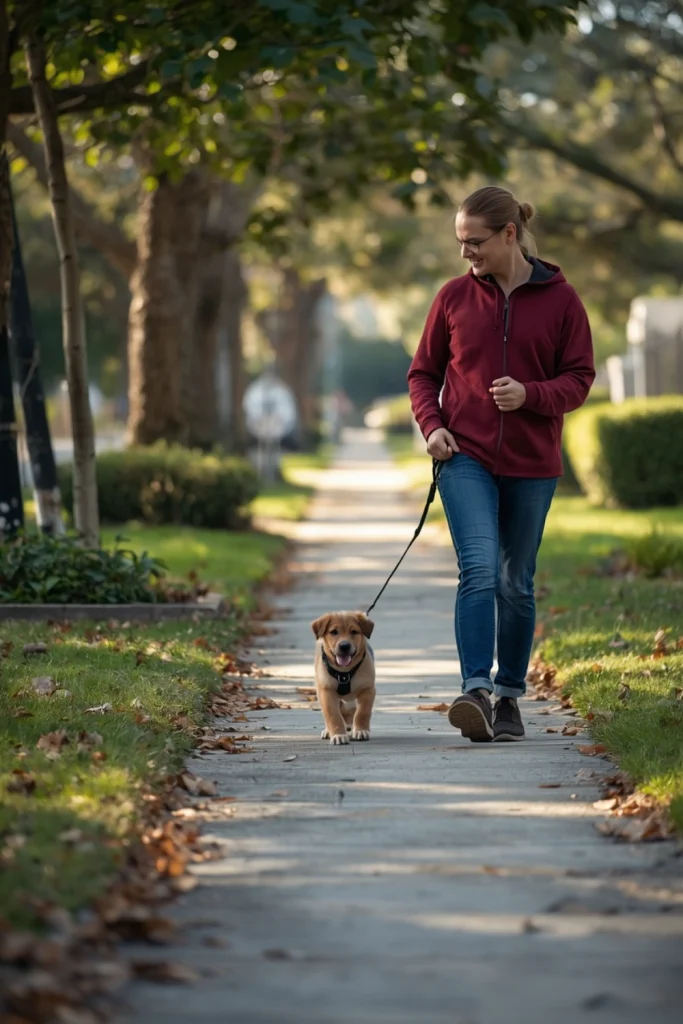
Leash training is an important part of raising a well-mannered dog. Puppies naturally want to explore everything, so pulling toward interesting smells, people, and objects is common. Early leash training can help establish better walking habits.
Start indoors or in a quiet yard. Allow your puppy to wear a properly fitted collar or harness and become comfortable with the leash. Reward them for walking beside you without pulling. If they move ahead and create tension, stop rather than turning the walk into a pulling competition.
Keep early walks short and enjoyable. Gradually introduce different environments, sounds, surfaces, and distractions. The goal is not simply to make your puppy walk perfectly but to teach them that staying connected to you is rewarding.
8. Teach Your Puppy Not to Bite Hands
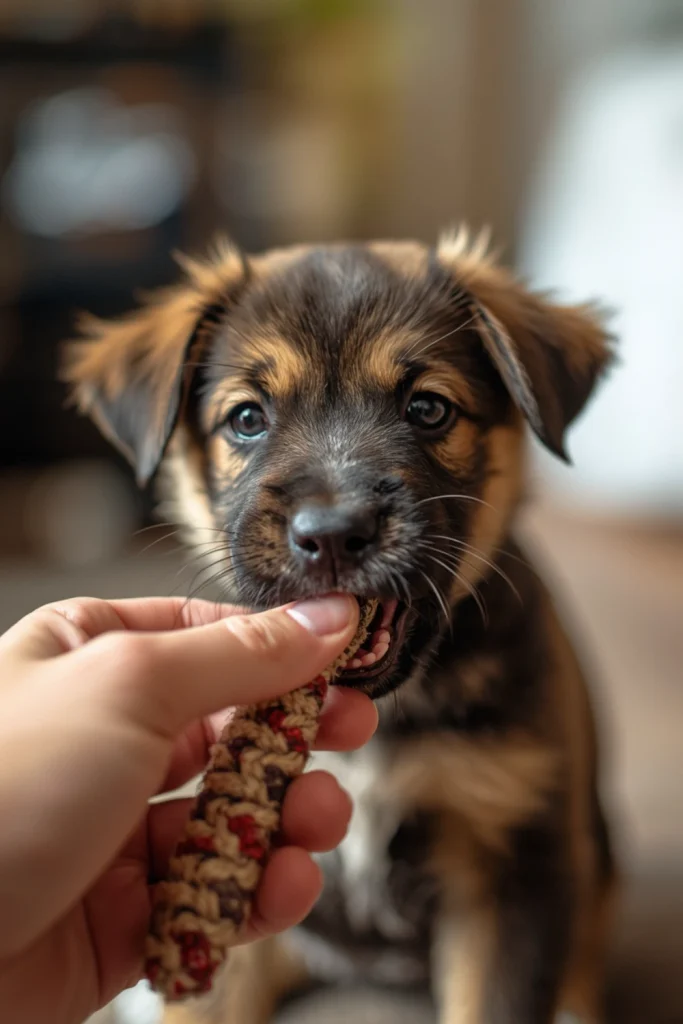
Puppy biting and mouthing are common behaviors. Puppies explore their world with their mouths and often become mouthy during play or teething. Teaching appropriate bite habits early can make life much easier as your puppy grows.
If your puppy bites your hands during play, calmly redirect them toward an appropriate chew toy. Avoid encouraging rough games that involve grabbing hands or clothing. When your puppy chooses the toy instead, praise the decision.
Consistency is essential because puppies learn from repeated interactions. Everyone in the household should follow similar rules. If one person allows rough biting while another discourages it, your puppy may become confused. Gentle redirection and appropriate toys can help teach your puppy what is acceptable.
9. Create a Consistent Daily Schedule
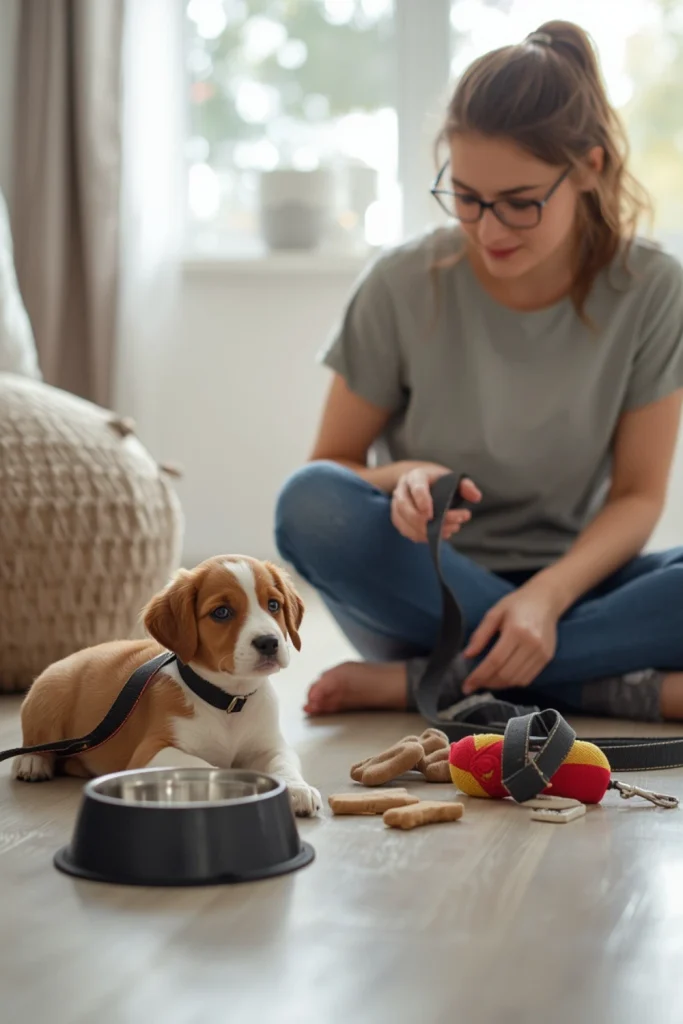
Puppies benefit from predictable routines. A consistent daily schedule can make feeding, potty training, sleeping, playtime, exercise, and training easier to manage. It also helps your puppy understand what happens throughout the day.
Try to keep major activities reasonably consistent. For example, your puppy might wake up, go outside, eat breakfast, play, rest, and then have a short training session. The exact schedule can vary depending on your puppy’s age, breed, household, and individual needs.
A routine should not be so rigid that your puppy cannot adapt to changes. Instead, think of it as a framework. Include small changes so your puppy gradually learns that different situations are normal. A predictable but flexible routine can support confidence and good behavior.
10. Socialize Your Puppy Carefully
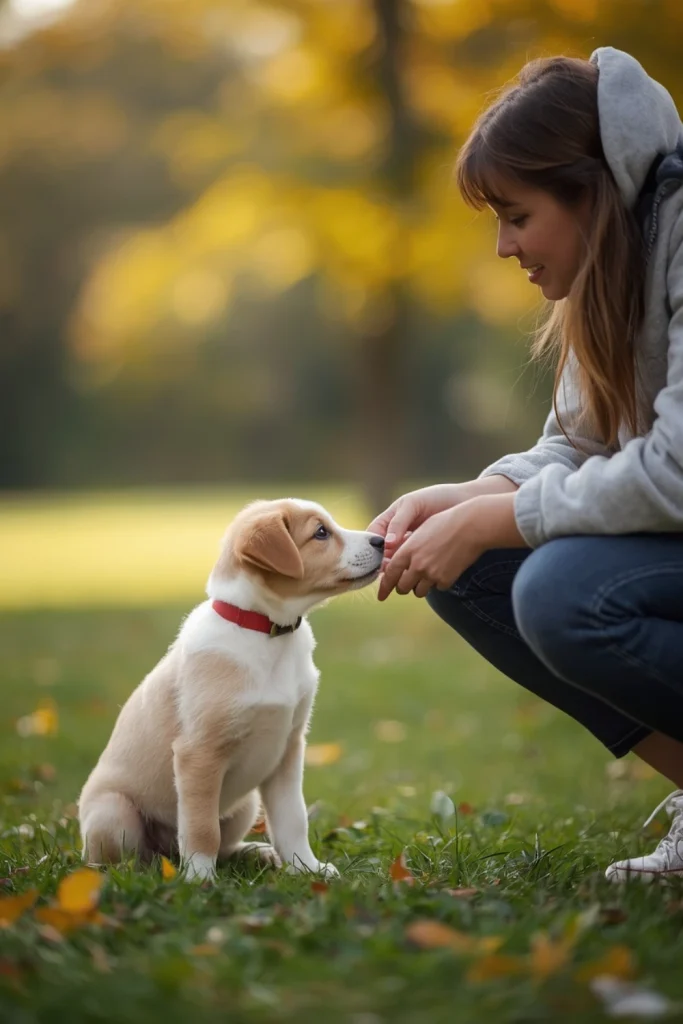
Socialization is an essential part of puppy development. A well-socialized puppy gradually learns that different people, environments, sounds, surfaces, and appropriate animals can be normal parts of life.
Introduce new experiences gradually and keep them positive. Your puppy may encounter children, adults, household sounds, vehicles, different floor surfaces, grooming equipment, and new environments. Avoid forcing a frightened puppy into an overwhelming situation. Give them enough space to observe and reward calm behavior.
Responsible socialization is not about making your puppy interact with every person or animal they encounter. Instead, it is about helping them develop confidence and appropriate responses. Follow your veterinarian’s advice regarding safe public exposure and vaccinations, especially when your puppy is very young.
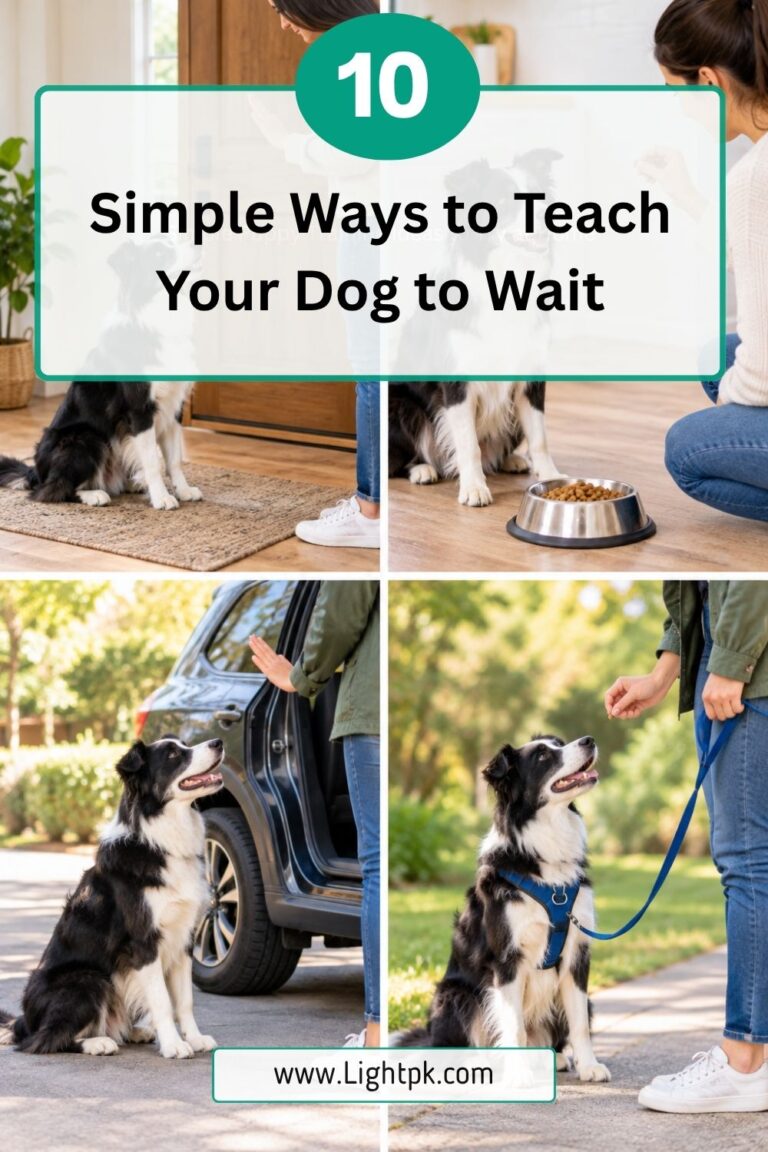
11. Teach Your Puppy to Stay and Wait
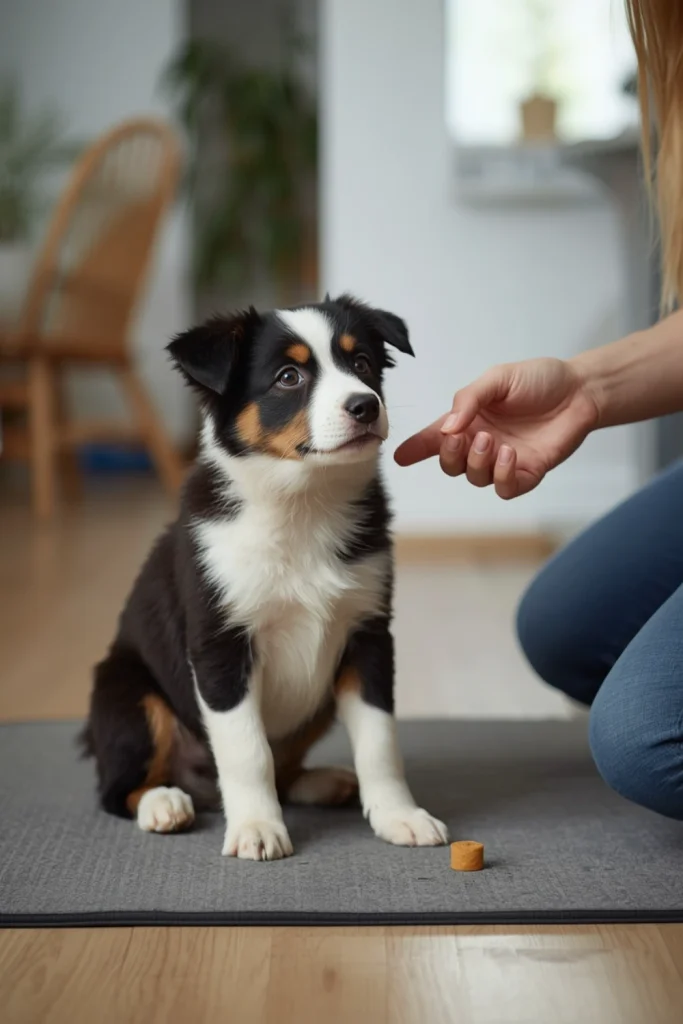
“Stay” and “wait” help puppies develop patience and impulse control. These behaviors can be useful around doors, food bowls, toys, roads, and other situations where rushing could create problems.
Start with very short periods. Ask your puppy to sit, show a calm hand signal, wait for one or two seconds, and then reward them. Gradually increase the duration before introducing distance or distractions.
Do not expect a young puppy to remain still for a long time. Training should match their developmental stage. Success comes from gradually increasing difficulty rather than demanding too much too quickly. Short successful sessions build understanding and confidence.
12. Teach Your Puppy to Leave It
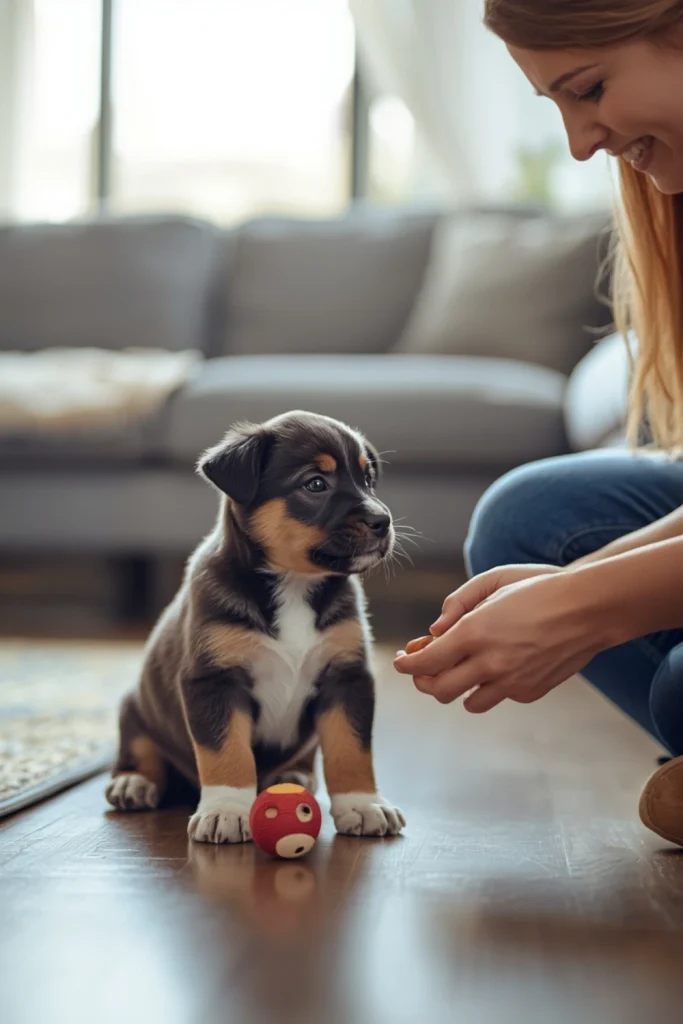
“Leave it” is a highly practical command that can help prevent your puppy from picking up unsafe or unwanted objects. Puppies are naturally curious and may investigate food, household items, plants, or objects on the ground.
Begin with a low-value item in one closed hand. Allow your puppy to investigate. When they stop trying to get the item, reward them with something better from your other hand. Gradually introduce the verbal cue “leave it” as your puppy begins understanding the behavior.
Practice slowly and reward success. Never use the command as a way to frighten your puppy. The goal is to teach them that ignoring something can lead to a better reward from you.
13. Give Your Puppy Appropriate Chew Toys
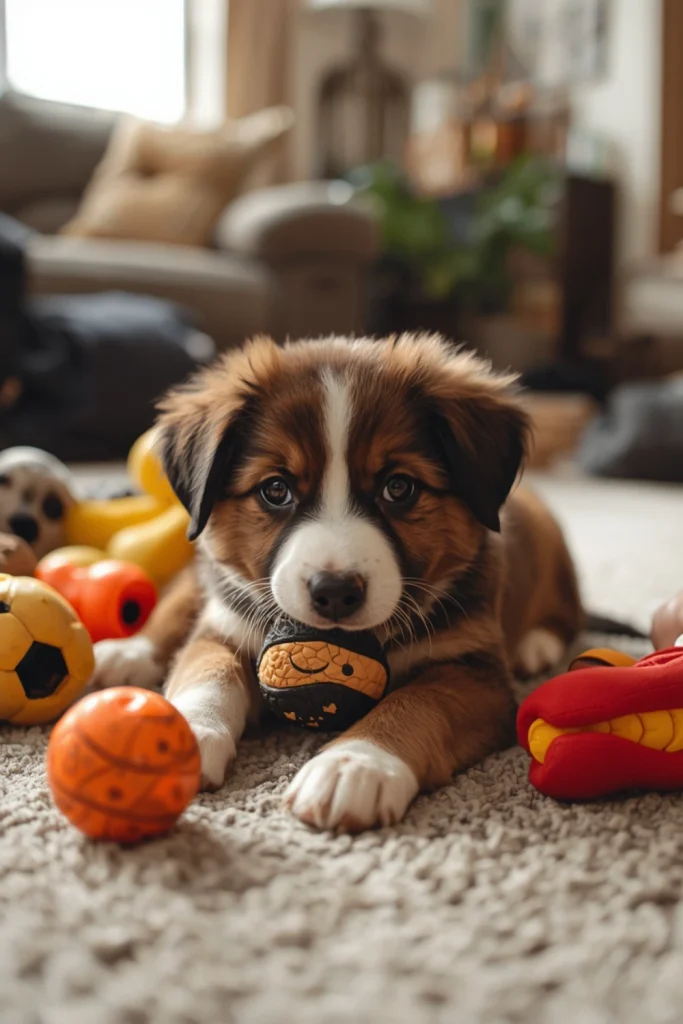
Chewing is a normal puppy behavior, particularly during periods of teething and exploration. Instead of trying to stop chewing completely, provide appropriate alternatives and teach your puppy which objects are acceptable.
Keep several puppy-safe toys available and rotate them to maintain interest. If your puppy starts chewing furniture, shoes, or another inappropriate item, calmly redirect them to an appropriate toy. When they begin chewing the toy, praise them.
Puppy-proofing your home is equally important. Keep electrical cables, medications, small objects, toxic substances, and other dangerous items out of reach. Training works best when the environment also makes appropriate choices easier.
14. Teach Your Puppy to Settle and Relax
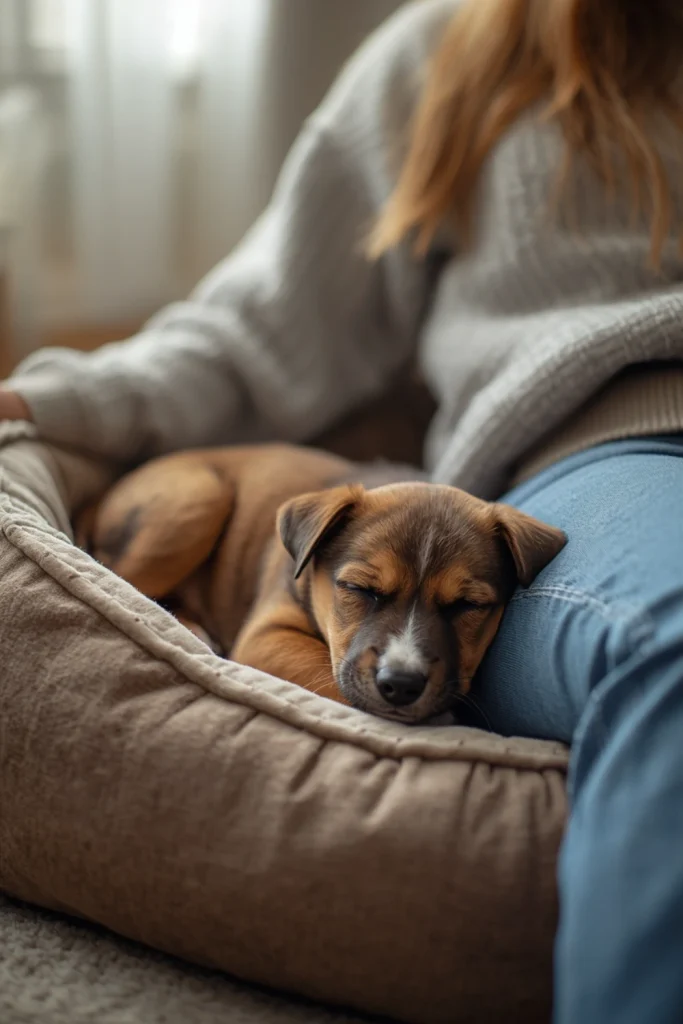
Many new owners focus heavily on commands and forget to teach their puppy how to relax. Learning to settle is an important life skill because puppies need plenty of sleep and quiet time.
Create a comfortable resting area where your puppy can relax without constant interruption. Reward calm behavior when your puppy lies quietly on their bed or mat. You do not need to entertain your puppy every minute of the day.
Teaching calmness can also help prevent excessive excitement. If your puppy becomes overly stimulated during play, provide a quiet break and allow them to rest. A healthy balance between activity and sleep is important for growing puppies.
15. Keep Training Fun and Consistent
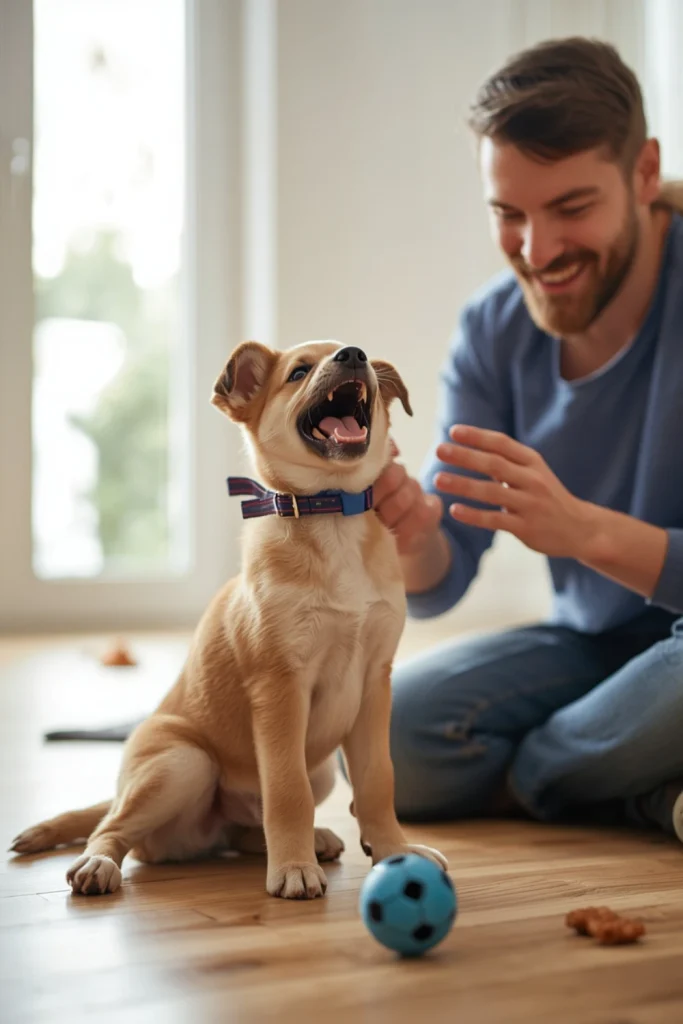
The final tip in this list of Puppy Training Tips is simple: make training enjoyable. Puppies learn best when training feels like a positive interaction rather than a stressful test. Use praise, small rewards, toys, and enthusiasm to keep your puppy interested.
Consistency is just as important as fun. Use the same commands and household rules whenever possible. If “off” means get down from the sofa today but is ignored tomorrow, your puppy may struggle to understand the rule.
Keep sessions short and end while your puppy is still engaged. A few successful minutes can be more valuable than a long session where your puppy becomes tired or frustrated. With regular practice, small lessons can become strong habits over time.
Final Thoughts on Puppy Training Tips
Raising a puppy is a learning experience for both the dog and the owner. The most effective Puppy Training Tips are not about achieving perfect behavior overnight. They are about building good habits through consistency, patience, positive reinforcement, and clear communication.
Start with simple skills such as name recognition, potty training, sit, recall, leash walking, and appropriate chewing. Then gradually introduce impulse control, socialization, distractions, and more advanced behaviors. Keep training sessions short, positive, and appropriate for your puppy’s age.
Most importantly, remember that your puppy is still learning about the world. Mistakes are expected. Celebrate progress, provide appropriate guidance, and give your puppy plenty of opportunities to rest, play, explore safely, and build confidence.
With regular practice and a positive approach, these Puppy Training Tips can help new owners establish a strong foundation for a happy and well-mannered companion. The time you invest in training during puppyhood can create benefits that continue throughout your dog’s life.