
12 Reasons Puppies Have Potty Accidents and What to Do
Bringing home a puppy is exciting, but potty training can sometimes feel like a full-time job. Even when you follow a good routine, puppies have potty accidents for many normal and understandable reasons. The good news is that most accidents are part of the learning process.
Understanding why accidents happen can make potty training much easier. Instead of getting frustrated, you can identify the cause, adjust your puppy’s routine, and help them develop better bathroom habits with patience and consistency.
1. Your Puppy Is Still Learning
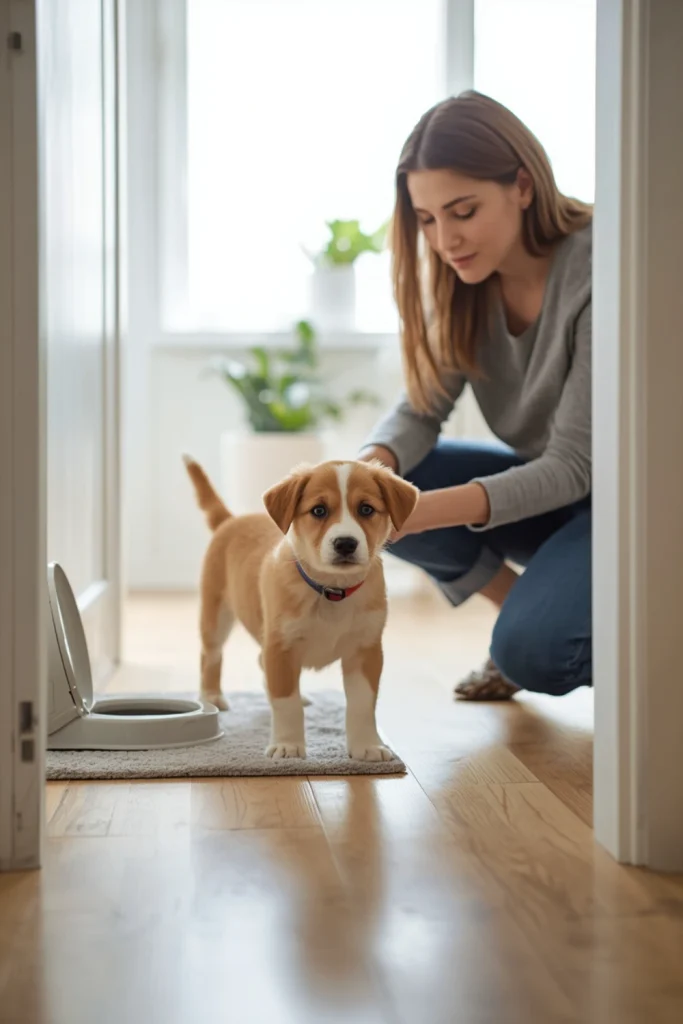
One of the biggest reasons puppies have potty accidents is simply that they are still learning. Young puppies do not automatically understand that the entire house is not a bathroom. They need time, repetition, supervision, and positive reinforcement before they understand where they should go.
A puppy may successfully use the correct potty area several times and still have an accident later. This does not necessarily mean that training has failed. Puppies learn through repeated experiences, so every successful potty trip helps build the desired habit. Continue taking your puppy to the appropriate spot regularly and reward them immediately after they finish. With consistent practice, the correct behavior becomes easier and more natural.
2. Your Puppy Cannot Hold It for Long
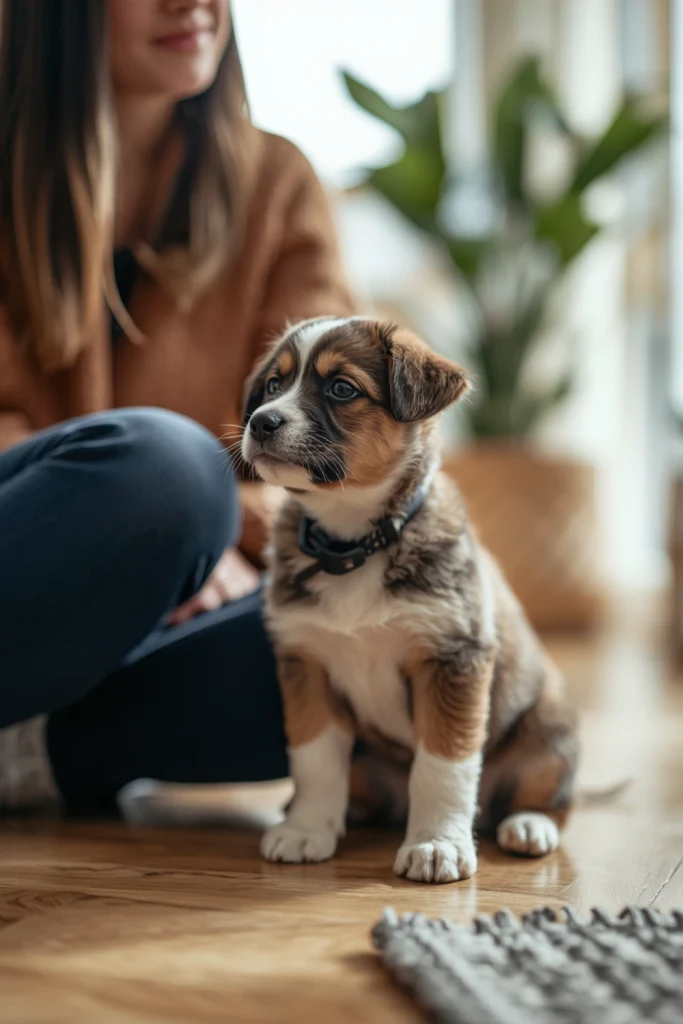
Puppies have small bladders and developing muscles, so they cannot hold their urine for as long as adult dogs. Expecting a very young puppy to wait several hours can easily result in an accident, even if they understand where they are supposed to go.
Young puppies often need frequent bathroom breaks, especially after waking up, eating, drinking, playing, and exercising. Instead of waiting for an accident, create a schedule based on your puppy’s age and individual needs. Frequent potty opportunities give your puppy more chances to succeed. As your puppy grows and gains better bladder control, you can gradually increase the time between bathroom breaks.
3. The Potty Schedule Is Not Consistent
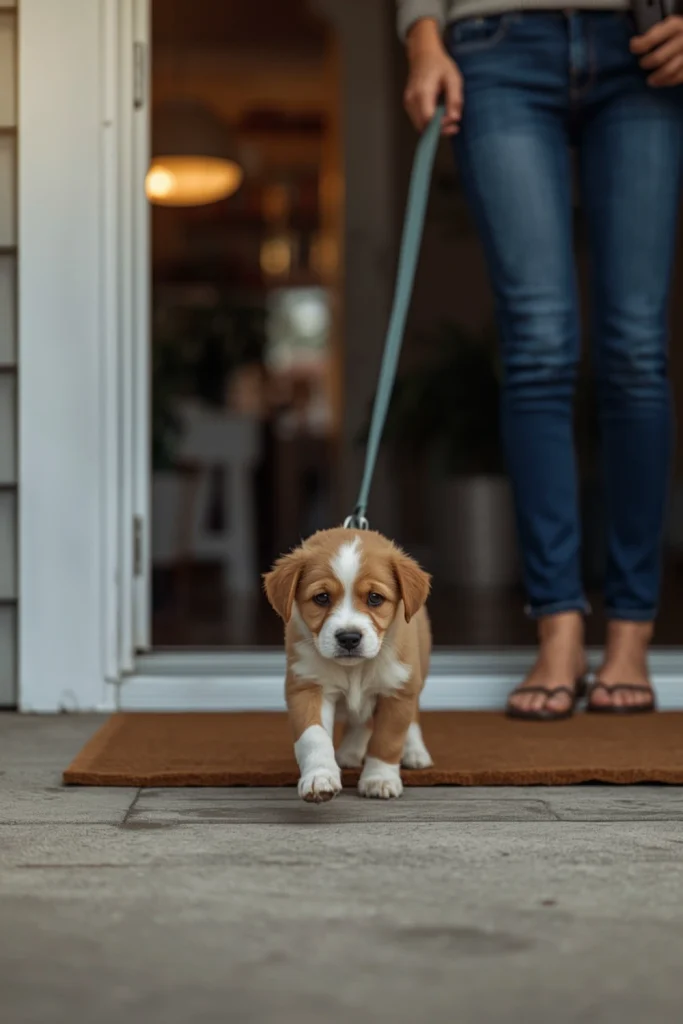
A consistent routine is one of the most important parts of successful potty training. If your puppy goes outside at completely different times every day, it may be harder for them to understand when and where they should eliminate.
Try creating predictable potty times throughout the day. Take your puppy out shortly after waking, after meals, after drinking, after naps, and after energetic play. Consistency helps your puppy recognize patterns. It also makes it easier for you to predict when they are likely to need a bathroom break. A simple daily routine can significantly reduce unexpected accidents and help your puppy build reliable habits.
4. Your Puppy Is Distracted Outside
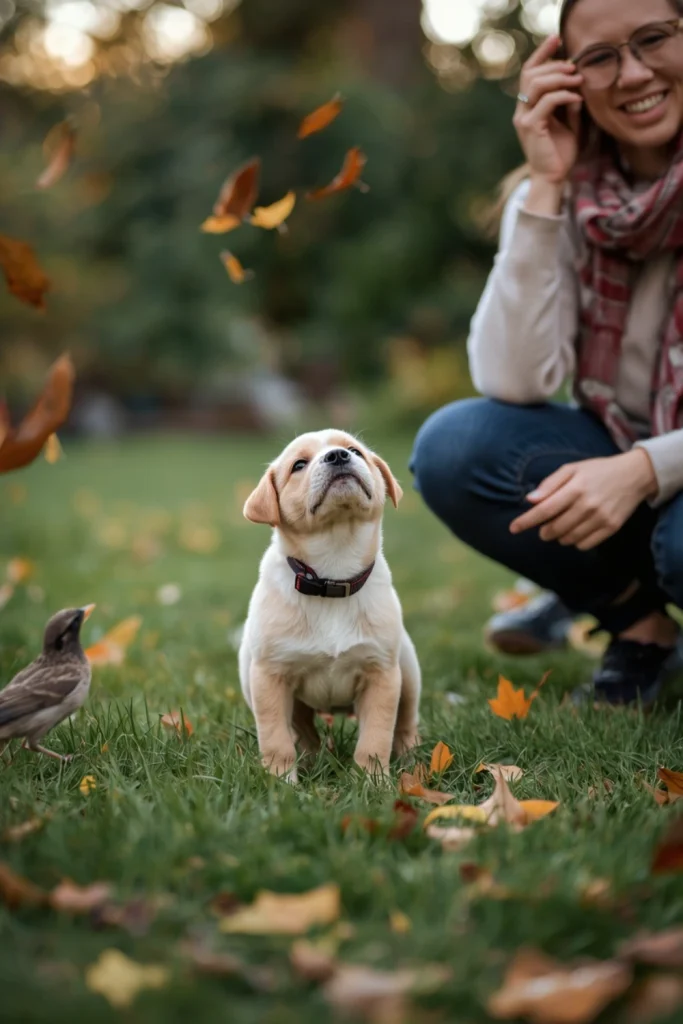
Sometimes puppies have potty accidents because they become too distracted when they go outside. A garden, park, sidewalk, birds, sounds, people, and other animals can be incredibly interesting to a young puppy.
If your puppy spends the entire potty break sniffing, playing, or watching the surroundings without eliminating, they may come back inside and have an accident shortly afterward. Keep potty trips calm and focused. Take your puppy to the same designated area and give them time to finish before allowing play. Once they successfully go, praise them and then let them enjoy some supervised exploration. This teaches your puppy that potty first can be followed by fun.
5. Your Puppy Is Not Being Supervised
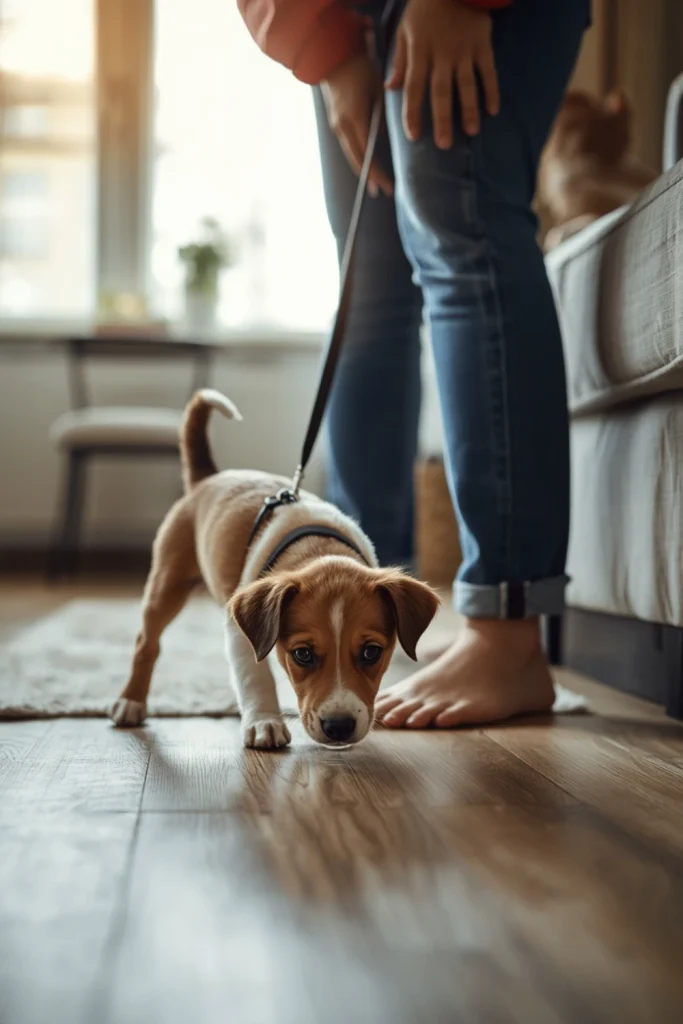
Supervision is extremely important during the early stages of potty training. Puppies often give subtle signals before an accident, such as sniffing the floor, circling, wandering away, becoming restless, or suddenly stopping what they are doing.
If your puppy has too much freedom around the house before being fully trained, you may miss these signs. Keep your puppy close enough that you can observe their behavior. Baby gates, a puppy-safe room, or a properly managed crate can help limit opportunities for accidents. When you notice signs that your puppy needs to go, take them to the appropriate potty area immediately. Close supervision allows you to prevent accidents instead of constantly reacting to them.
6. Your Puppy Has Too Much Freedom Too Soon
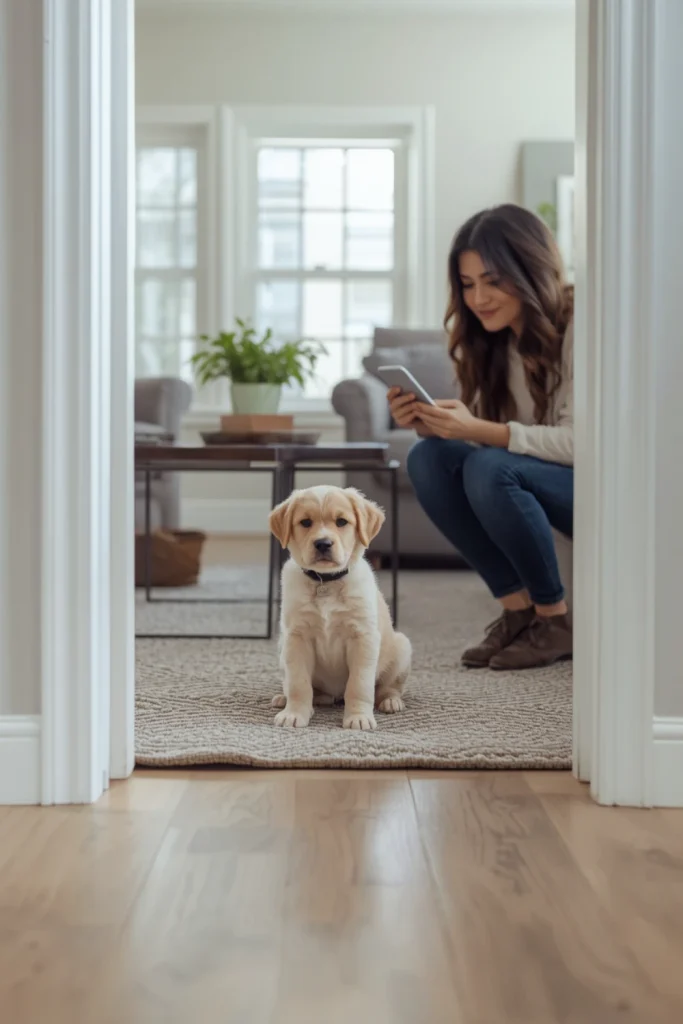
Giving a new puppy access to the entire house may seem harmless, but too much freedom can make potty training more difficult. A puppy that can explore multiple rooms may find hidden corners where accidents can happen without you noticing.
Start with a smaller, puppy-proofed area and gradually expand your puppy’s access as their potty habits improve. More freedom should be earned through consistent success rather than given immediately. If your puppy regularly uses the correct potty area and goes several days without accidents, you can slowly introduce additional rooms. This approach helps your puppy understand that good bathroom habits apply throughout the home.
7. Your Puppy Is Excited or Overstimulated
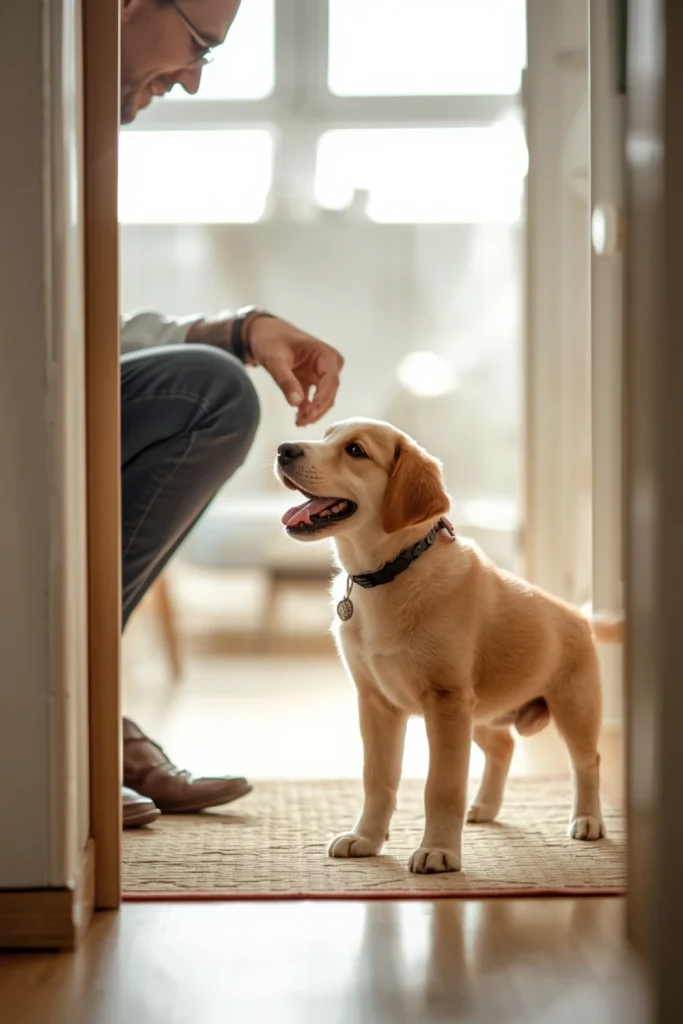
Excitement can cause puppies to lose control of their bladder, particularly when they greet people, play intensely, or experience something new. Some puppies may urinate when they become extremely excited.
Excitement-related accidents are usually handled through calm greetings and better timing. Take your puppy outside before visitors arrive or before a particularly exciting activity. Encourage family members and guests to greet the puppy calmly rather than immediately creating a high-energy situation. As your puppy matures and gains better bladder control, these accidents often become less frequent. Avoid punishment, because your puppy may not understand why the accident happened.
8. Your Puppy Does Not Recognize Potty Signals Yet
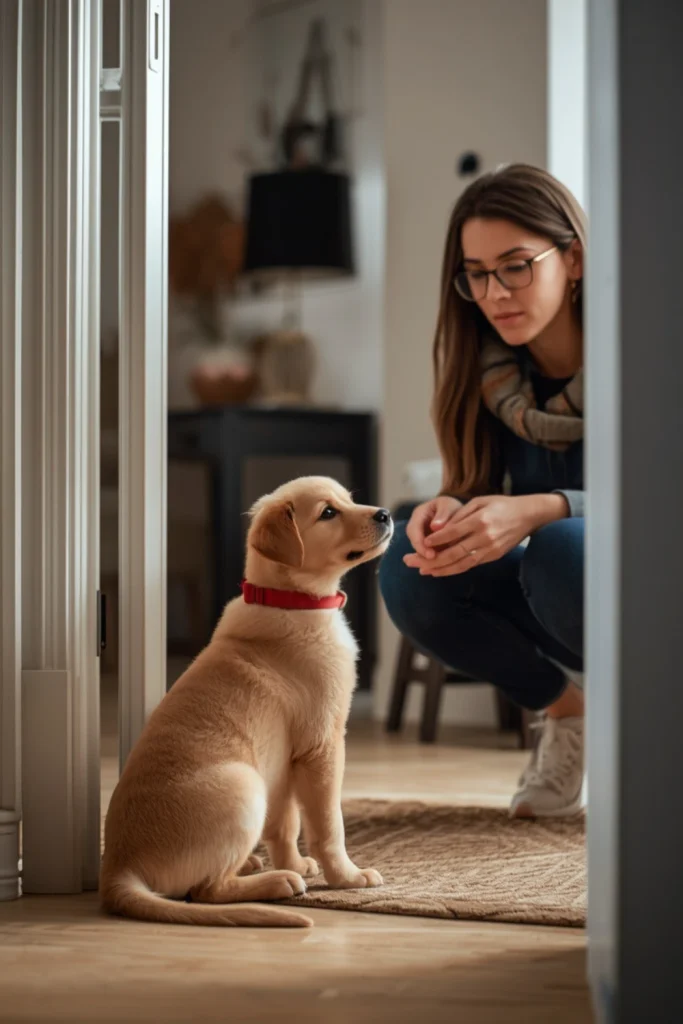
Puppies need time to learn how to communicate that they need to go outside. Some puppies may stare at the door, whine, pace, sniff, circle, or scratch near an exit, while others may show almost no obvious signal.
Pay close attention to your puppy’s behavior and learn their individual signs. Once you identify a repeated behavior before an accident, treat it as a potential potty signal. Immediately take your puppy to the designated bathroom area. Over time, you can teach a clearer signal, such as sitting near the door or ringing a potty bell. Recognizing and responding to these signals can help reduce accidents while building communication between you and your puppy.
9. Changes in Routine Can Cause Accidents
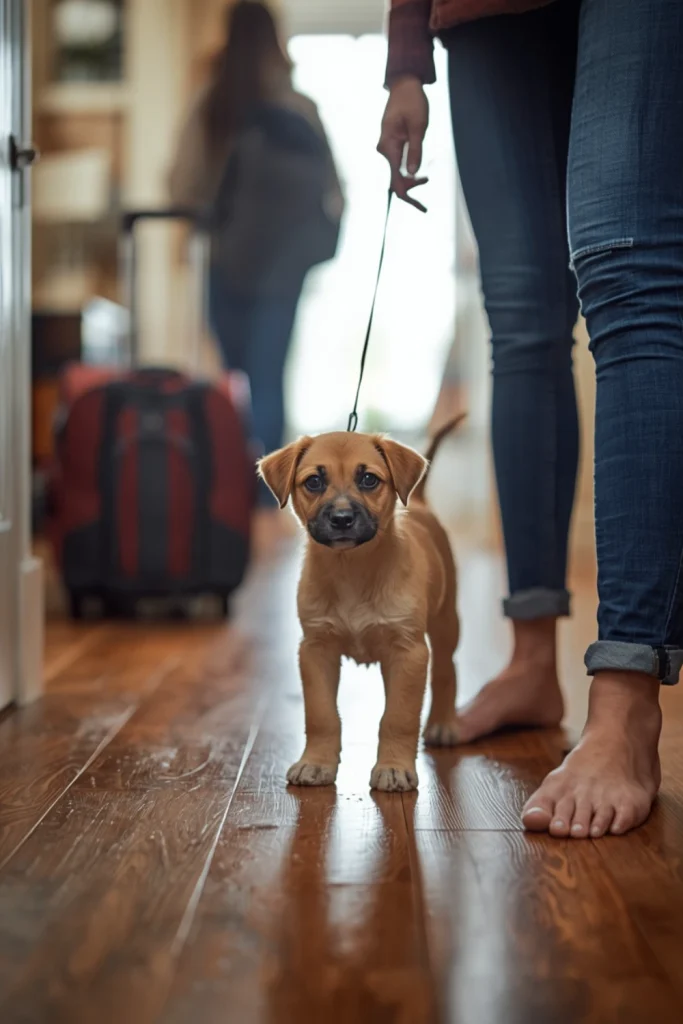
Puppies often depend on predictable routines. A sudden change in feeding time, sleeping schedule, household activity, travel, visitors, or daily exercise can sometimes lead to potty accidents.
If your normal schedule changes, try to keep potty breaks as consistent as possible. For example, if you usually take your puppy outside after breakfast, continue doing that even when your daily activities are different. During holidays, travel, or busy family events, increase supervision and offer additional potty breaks. Keeping familiar routines can help your puppy feel more secure and reduce confusion. Small adjustments may be necessary, but predictable bathroom opportunities should remain a priority.
10. Your Puppy Has a Hidden Accident History
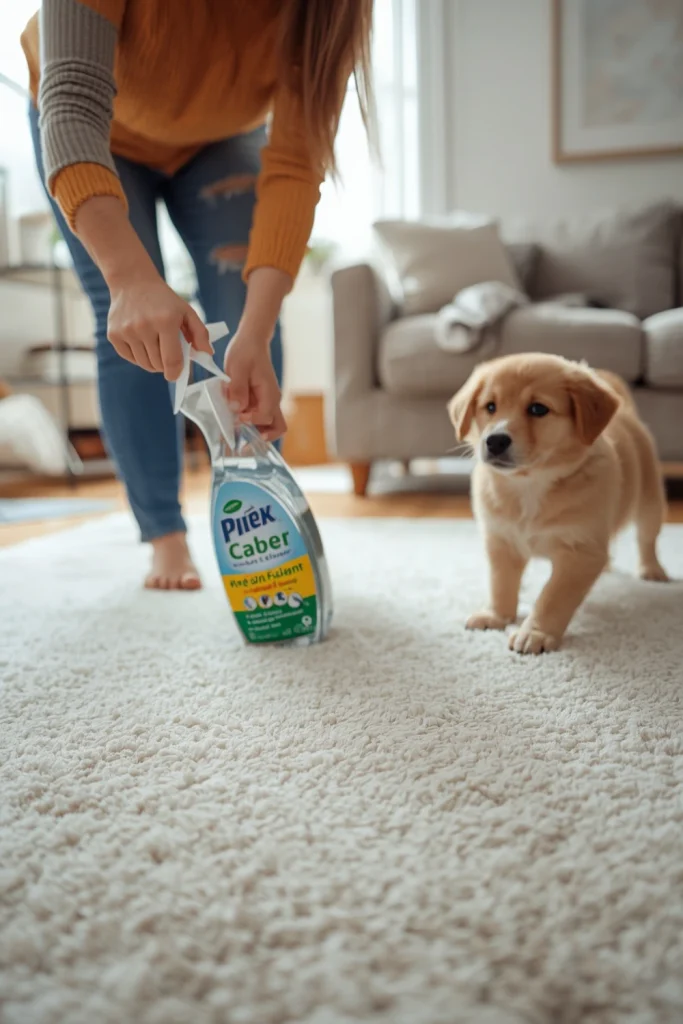
Even after cleaning an accident, your puppy may still smell traces that humans cannot detect. Dogs have a much stronger sense of smell, so an area that appears completely clean to you may still smell like a previous bathroom location to your puppy.
Use an enzymatic pet-safe cleaner designed to break down the biological components of urine and feces. Regular household cleaners may remove the visible stain without completely eliminating the odor. Thorough cleaning is particularly important for carpets, rugs, upholstery, and other absorbent surfaces. If your puppy repeatedly returns to the same location, consider restricting access until the area has been properly cleaned and the potty habit becomes stronger.
11. Your Puppy Is Afraid of the Potty Area
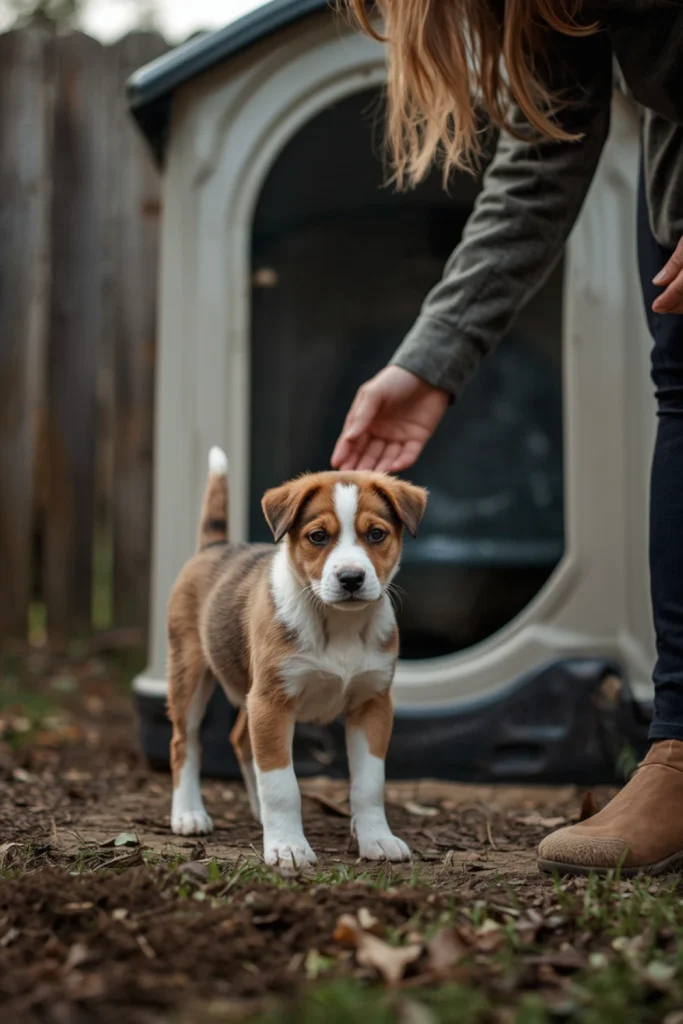
Fear or discomfort can sometimes prevent a puppy from using the correct bathroom area. Loud traffic, thunderstorms, unfamiliar environments, slippery surfaces, other animals, or frightening sounds may make a puppy reluctant to eliminate outside.
Observe your puppy carefully if they regularly refuse to go in a particular location. If something appears to scare them, try choosing a quieter and safer potty spot. Keep the experience positive and avoid forcing your puppy into a frightening situation. Calm praise and rewards can help build confidence. The goal is to make the potty area feel predictable and safe. When your puppy feels comfortable, they are more likely to relax and eliminate successfully.
12. A Health Problem May Be Involved
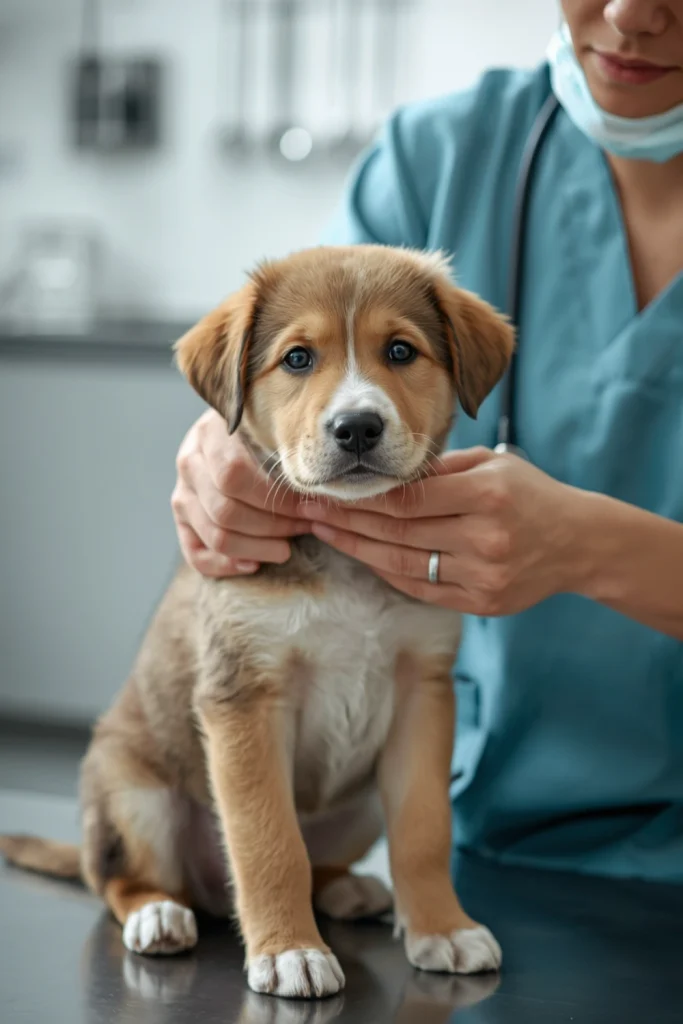
Most puppy potty accidents are related to normal training issues, but sudden or unusually frequent accidents can sometimes have a medical cause. Urinary problems, digestive issues, infections, parasites, or other health concerns may affect bathroom habits.
Pay attention to changes that seem unusual for your puppy. Frequent urination, straining, diarrhea, blood in urine or stool, excessive thirst, discomfort, lethargy, or a sudden change in previously established potty habits should be taken seriously. If you are concerned about your puppy’s health, contact a veterinarian for appropriate advice. Medical issues should not be treated as a training failure. Identifying a health problem early can help your puppy receive the care they need.
Final Thoughts
Understanding why puppies have potty accidents can make the training process much less stressful. Most accidents happen because puppies are still developing bladder control, learning the routine, becoming distracted, or simply not yet understanding what their owners expect.
The most effective approach is patience, consistency, supervision, and positive reinforcement. Give your puppy frequent opportunities to succeed and celebrate those successes. Avoid punishment and focus on teaching the behavior you want.
Remember that potty training is a process rather than a single event. With time, a predictable routine, and plenty of positive guidance, your puppy can develop reliable bathroom habits and become more confident at home.