
10 Tips to Help an Overexcited Puppy Settle
Does your puppy suddenly start running around the house, jumping on people, barking, or biting everything in sight? An overexcited puppy can be adorable one moment and difficult to manage the next. Although this behavior is common during puppyhood, helping your puppy learn to relax is essential for building good habits and creating a calmer home.
Learning how to help an overexcited puppy settle does not mean stopping your puppy from playing or exploring. Instead, it means teaching them how to balance excitement with rest, focus, and calm behavior. With patience, a consistent routine, and positive reinforcement, you can help your puppy develop the skills needed to relax after playtime, welcome visitors politely, and enjoy a more peaceful daily life.
1. Create a Consistent Daily Routine
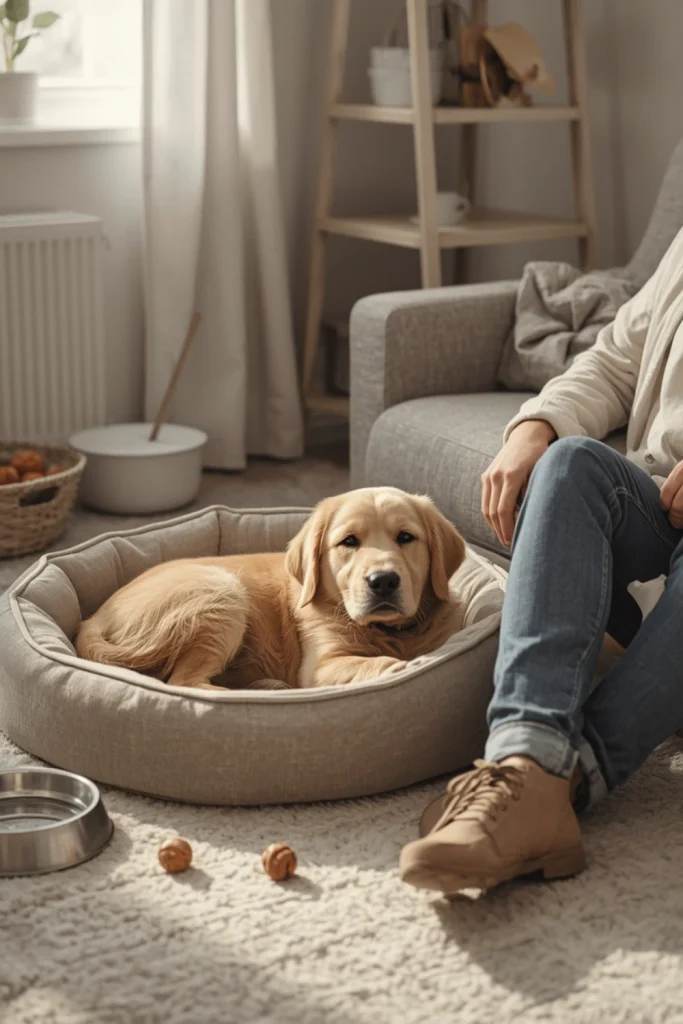
A predictable daily routine can make it easier to help an overexcited puppy settle. Puppies often become restless when their days are unpredictable or when exciting activities continue without enough breaks. Try to establish regular times for meals, toilet breaks, gentle exercise, training, play, and sleep. Your schedule does not need to be exact to the minute, but a familiar pattern helps your puppy learn what to expect. When your puppy understands that active periods are followed by quieter periods, settling down may become easier.
Pay attention to how your puppy behaves throughout the day and adjust the routine according to their age and needs. For example, after a short training session or playful activity, offer a calm opportunity to rest. Avoid filling every waking moment with entertainment, because puppies also need to learn how to relax without constant attention. Consistency from everyone in the household is important. Over time, a balanced routine can reduce unnecessary overstimulation and help your puppy develop healthier sleep and relaxation habits.
2. Make Sure Your Puppy Gets Enough Sleep

One of the most overlooked reasons puppies become overexcited is tiredness. An exhausted puppy may run around frantically, bite hands or clothing, bark excessively, or struggle to respond to familiar cues. Owners sometimes mistake these behaviors for a need for more exercise, when the puppy actually needs sleep. Puppies require substantial rest throughout the day, although the exact amount varies with age, activity, health, and individual temperament. Recognizing signs of tiredness can help you intervene before excitement becomes difficult to manage.
Create a quiet, comfortable resting area where your puppy can sleep without frequent interruptions. This could be a dog bed, a puppy pen, or a properly introduced crate if your puppy is comfortable using one. Lower household noise, reduce active play, and give your puppy time to unwind. Avoid forcing a puppy into confinement or using a crate as punishment. If your puppy repeatedly becomes frantic around the same time each day, consider whether their routine includes enough opportunities to sleep. Well-rested puppies are often better able to learn, focus, and regulate their behavior.
3. Teach a Calm Settle Cue
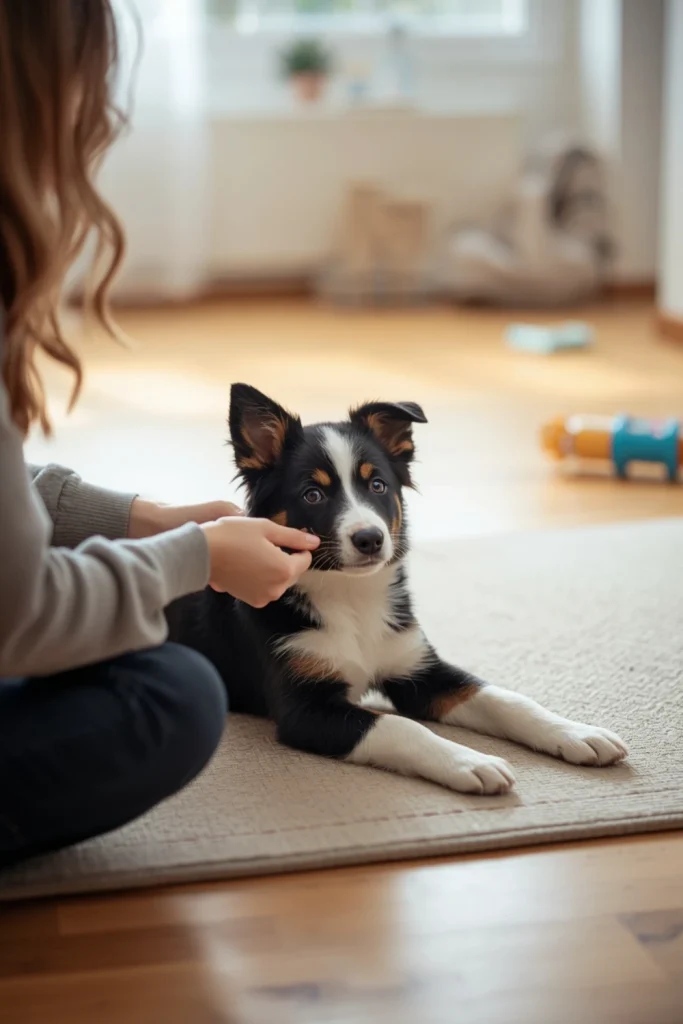
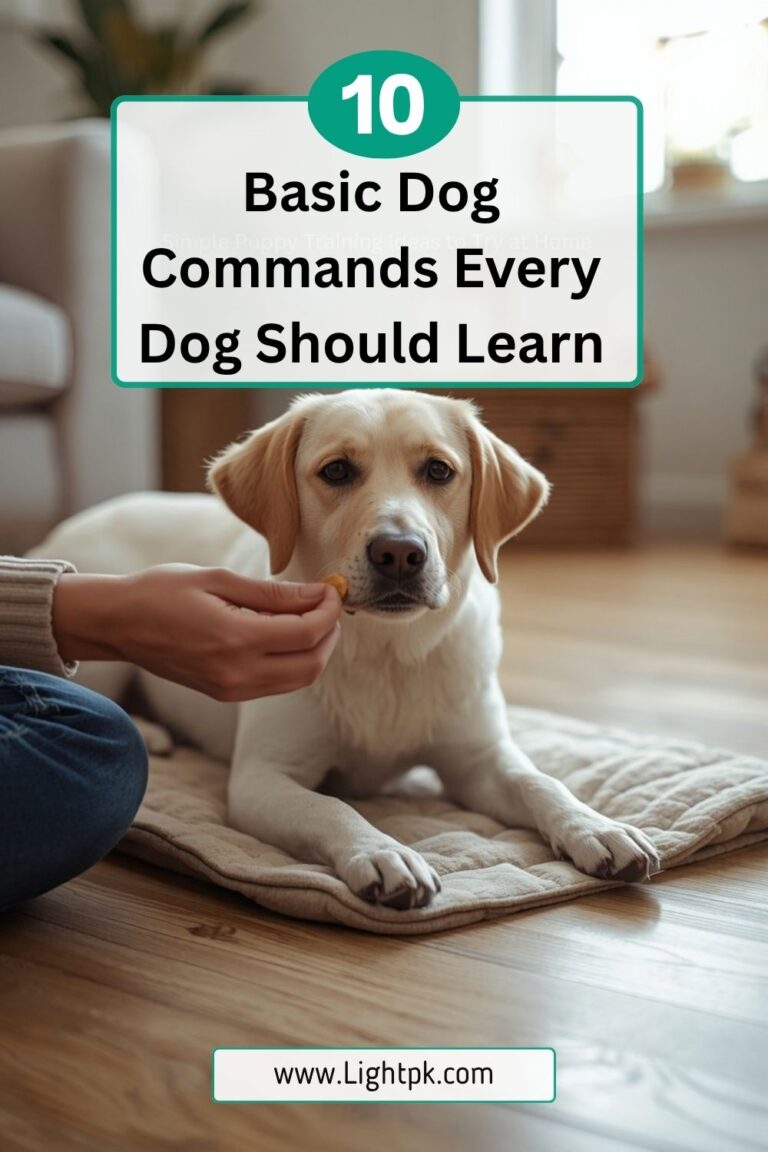
Teaching a settle cue gives your puppy a clear signal that it is time to relax. Begin when your puppy is already relatively calm rather than waiting until they are running around wildly. Place a comfortable mat or dog bed in a quiet area. Whenever your puppy steps onto the mat or lies down naturally, gently praise them and offer a small treat. Keep your movements slow and your voice soft. At first, reward even a few seconds of relaxed behavior rather than expecting your puppy to remain still for a long time.
Once your puppy starts choosing the mat regularly, introduce a cue such as “settle” or “relax” just as they begin to rest. Gradually reward longer periods of calm behavior, spacing out treats as your puppy improves. If your puppy becomes excited again, make the exercise easier and reward a shorter period of relaxation. Avoid repeatedly saying the cue when your puppy is unable to respond. Short, successful sessions help your puppy understand that relaxing is a behavior worth repeating, not something that happens only when they are exhausted.
4. Use Calm, Reward-Based Training
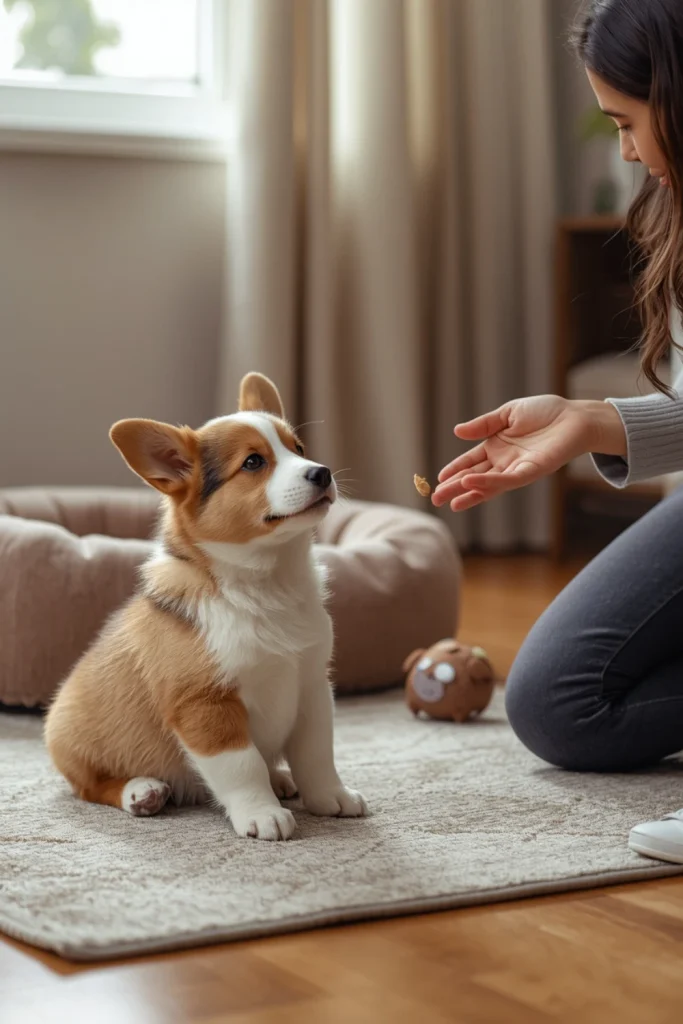
Positive reinforcement can help an overexcited puppy learn that calm behavior brings good things. Rather than rewarding only commands such as sit or come, notice the quiet moments that happen naturally. If your puppy lies down while you work, sits patiently before receiving a toy, or watches a visitor without jumping, offer gentle praise or a small treat. These rewards teach your puppy which behaviors are desirable. Keep your voice relaxed because loud praise and enthusiastic movements can sometimes increase excitement instead of helping your puppy settle.
Keep training sessions short and simple, especially when your puppy is young. Practice easy cues such as sit, down, touch, or look at me in a quiet room before trying them around distractions. Reward small successes and finish before your puppy becomes frustrated or overstimulated. If your puppy cannot focus, reduce the difficulty rather than repeating commands more loudly. The goal is to build self-control gradually through enjoyable practice. With consistent rewards, your puppy can learn that paying attention and remaining calm are effective ways to receive attention, treats, and opportunities to play.
5. Provide Appropriate Physical Exercise
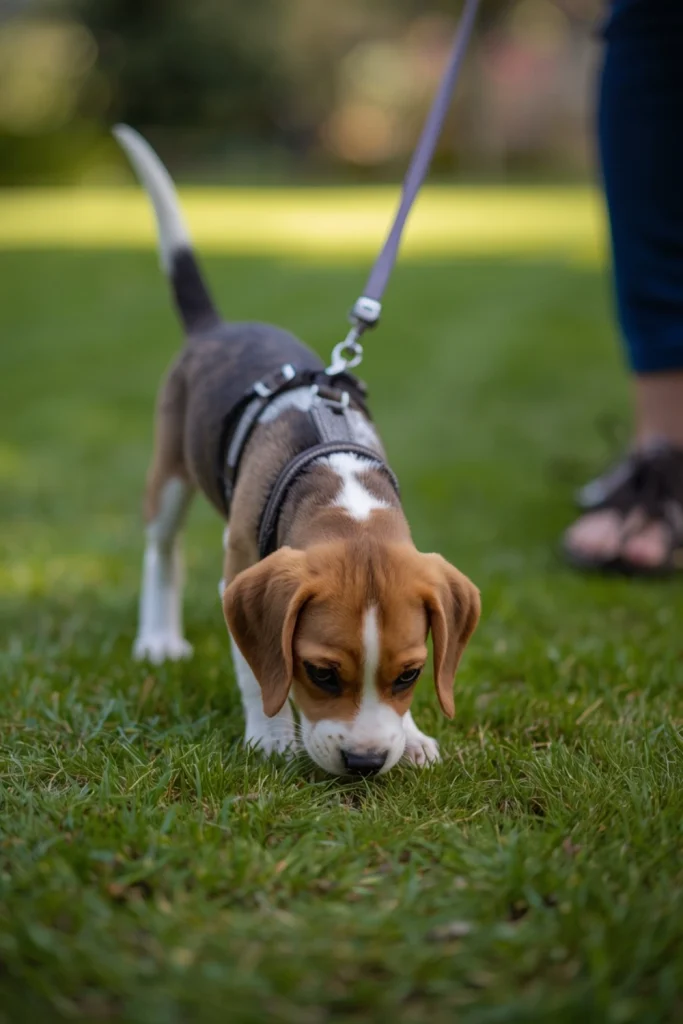
Regular, age-appropriate exercise helps puppies use their energy in healthy ways. Depending on their age, breed, health, and vaccination guidance, suitable activities may include short walks, supervised exploration, gentle games, or brief play sessions in a safe area. Allow your puppy time to sniff and explore rather than making every outing fast-paced. Sniffing provides mental stimulation and can make walks more enriching. However, avoid pushing a young puppy through strenuous exercise in the hope of making them tired, as excessive activity may contribute to discomfort or overstimulation.
Pay attention to your puppy’s behavior before, during, and after activity. If your puppy becomes more frantic after vigorous play, try shorter sessions with calm breaks between them. Some puppies need several brief activities throughout the day rather than one intense session. Follow your veterinarian’s advice about exercise, joint development, and safe outdoor exposure. Remember that exercise is only one part of the solution. A puppy also needs sleep, training, enrichment, and opportunities to relax. A balanced activity plan can help your puppy feel satisfied without becoming excessively stimulated.
6. Use Mental Enrichment to Reduce Restlessness
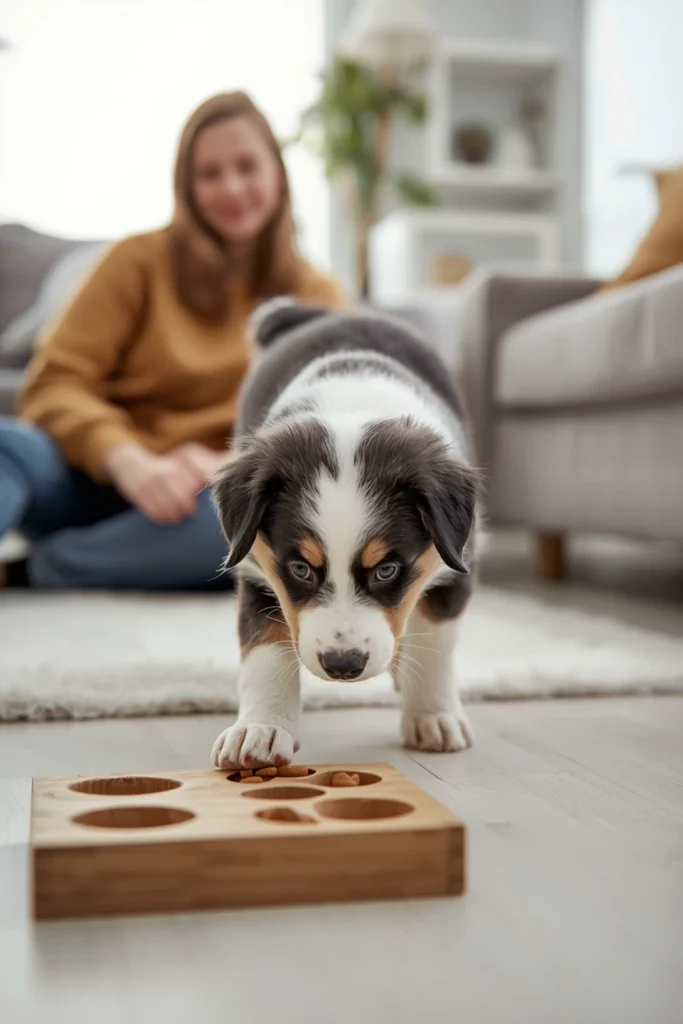
Mental enrichment gives puppies an appropriate way to explore, solve simple problems, and use their natural instincts. Sometimes a puppy becomes hyperactive because their day lacks interesting activities, even if they have had some physical exercise. Try puppy-safe food puzzles, supervised sniffing games, treat searches, or short training exercises. For example, hide a few pieces of your puppy’s regular kibble in easy-to-find locations and encourage them to sniff them out. Start with simple challenges so your puppy can succeed without becoming frustrated.
Choose enrichment activities that suit your puppy’s age, chewing habits, and abilities. Supervise new toys and puzzles, and remove anything that becomes damaged or presents a swallowing risk. Avoid using difficult puzzles when your puppy is already highly excited. Instead, offer them during a calm period when they can concentrate. Some puppies benefit from quiet sniffing activities before resting, while others need a short break afterward. By combining mental enrichment with exercise and sleep, you can help your puppy enjoy a more balanced routine and develop better ways to manage energy.
7. Reduce Overstimulation From People and Noise
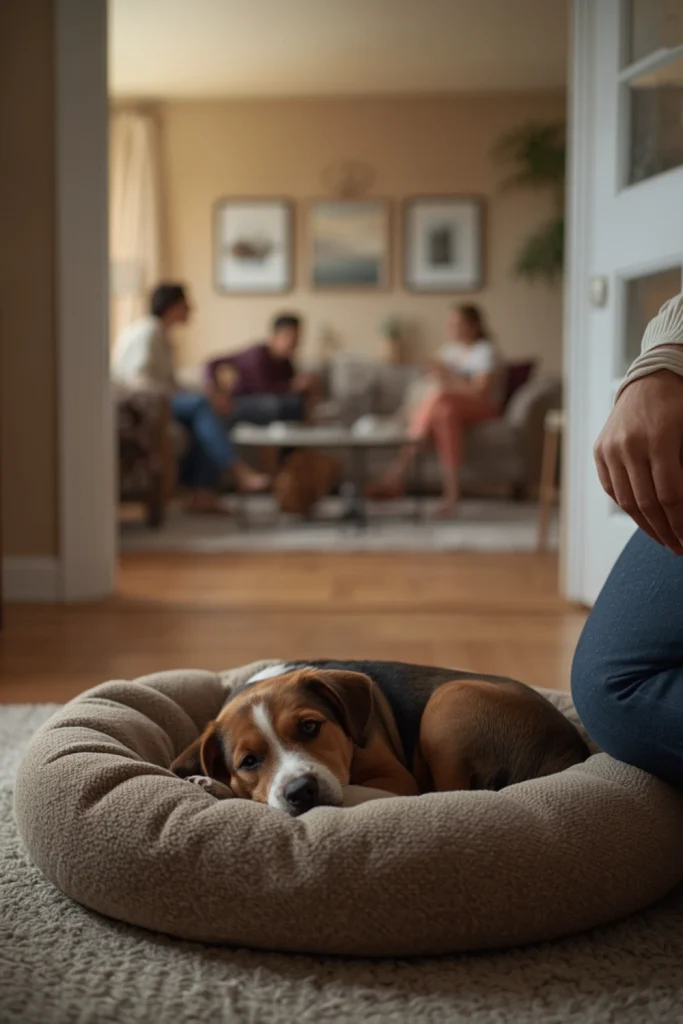
Visitors, children running around, loud television sounds, and busy household activity can overwhelm a young puppy. Although social experiences are important, too much stimulation at once may make it difficult for a puppy to settle. Watch for signs such as frantic movement, repeated jumping, excessive barking, or difficulty responding to familiar cues. When these behaviors appear, reduce the intensity of the environment. Move your puppy to a quieter room, lower the noise, or create more distance from the activity rather than encouraging more interaction.
Introduce new people and environments gradually. Ask visitors to remain calm and allow your puppy to approach at their own pace. Reward the puppy for observing people quietly instead of jumping up for attention. If children are present, supervise every interaction and provide the puppy with a safe space where nobody disturbs them. Never force a puppy to greet someone when they appear uncomfortable or overwhelmed. By balancing social experiences with quiet breaks, you can help your puppy build confidence without becoming overstimulated. Gradual exposure is more useful than overwhelming your puppy with too many new experiences at once.
8. Encourage Calm Chewing and Licking Activities
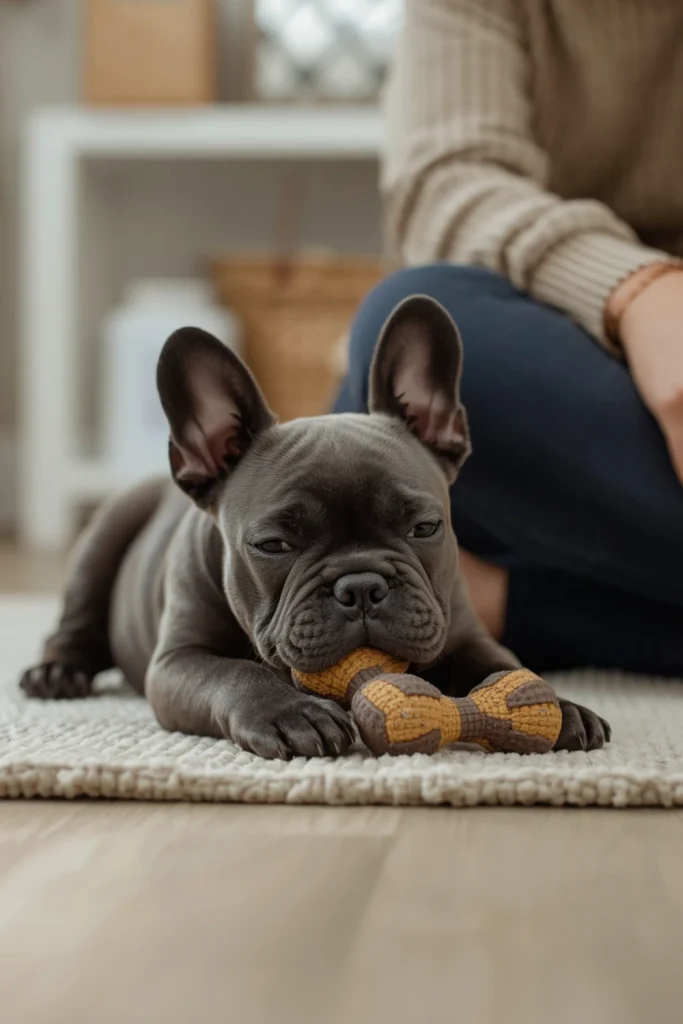
Chewing and licking are natural behaviors that can give puppies an appropriate activity during quiet periods. A suitable puppy-safe chew toy or veterinarian-approved enrichment toy may help redirect attention away from frantic play and toward a more settled activity. Choose products designed for your puppy’s age and size, and supervise them to reduce the risk of choking or swallowing pieces. If you use food-filled toys, account for those calories in your puppy’s daily diet and follow any dietary advice from your veterinarian.
Introduce these activities when your puppy is beginning to wind down, rather than using them only after excitement has become extreme. Place the toy in the puppy’s resting area and allow them to engage at their own pace. Avoid chasing the puppy with the toy or making the activity more exciting than necessary. If your puppy guards food or toys, becomes distressed when approached, or swallows objects rapidly, seek advice from a qualified professional before using food-based enrichment. Appropriate chewing can become a useful part of a calm routine when combined with adequate rest and positive training.
9. Avoid Accidentally Rewarding Hyperactive Behavior
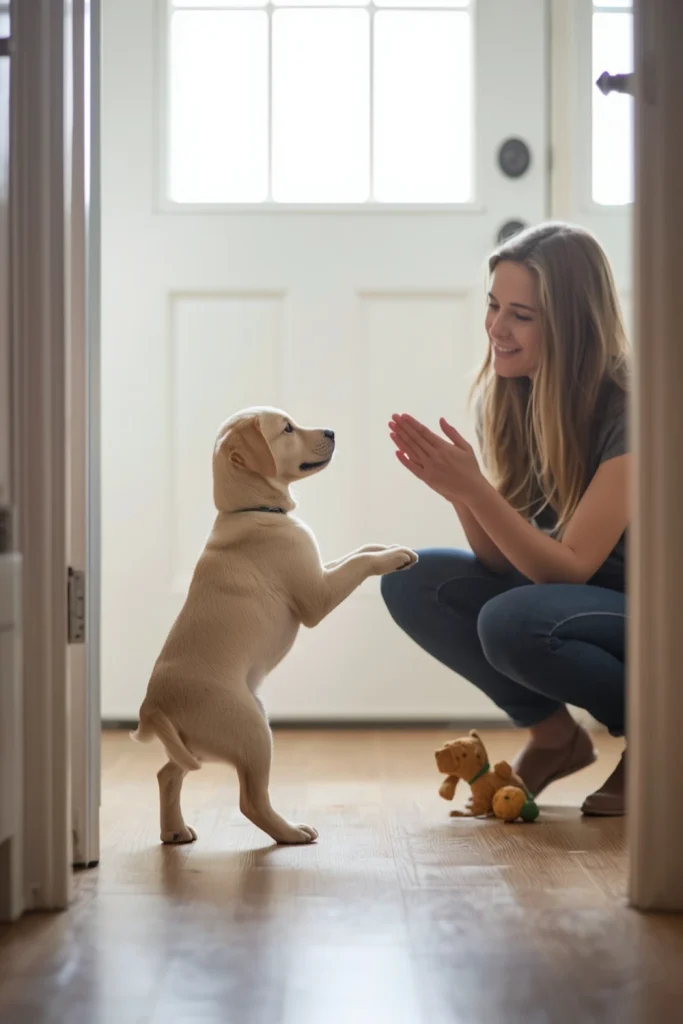
Puppies quickly learn which behaviors attract attention. If jumping, barking, or frantic running regularly leads to excited talking, chasing, or rough play, the puppy may repeat those actions. To help an overexcited puppy settle, pay attention to how you respond when excitement begins. Keep your voice calm, avoid sudden movements, and reward the first signs of appropriate behavior. For example, if your puppy pauses before jumping, stands with four paws on the floor, or sits quietly, provide attention or a small reward when it is safe to do so.
This does not mean ignoring every form of excitement or withholding affection from your puppy. Instead, give attention in ways that encourage the behavior you want. If your puppy jumps on you, turn slightly away or pause interaction when safe, then reward a calm greeting. If the puppy becomes too excited to respond, create distance and reduce stimulation. Avoid yelling or pushing the puppy away, since these reactions can sometimes turn into an exciting game. Consistent, calm responses help your puppy understand that gentle behavior is the most reliable way to get interaction.
10. Build a Peaceful Resting Environment
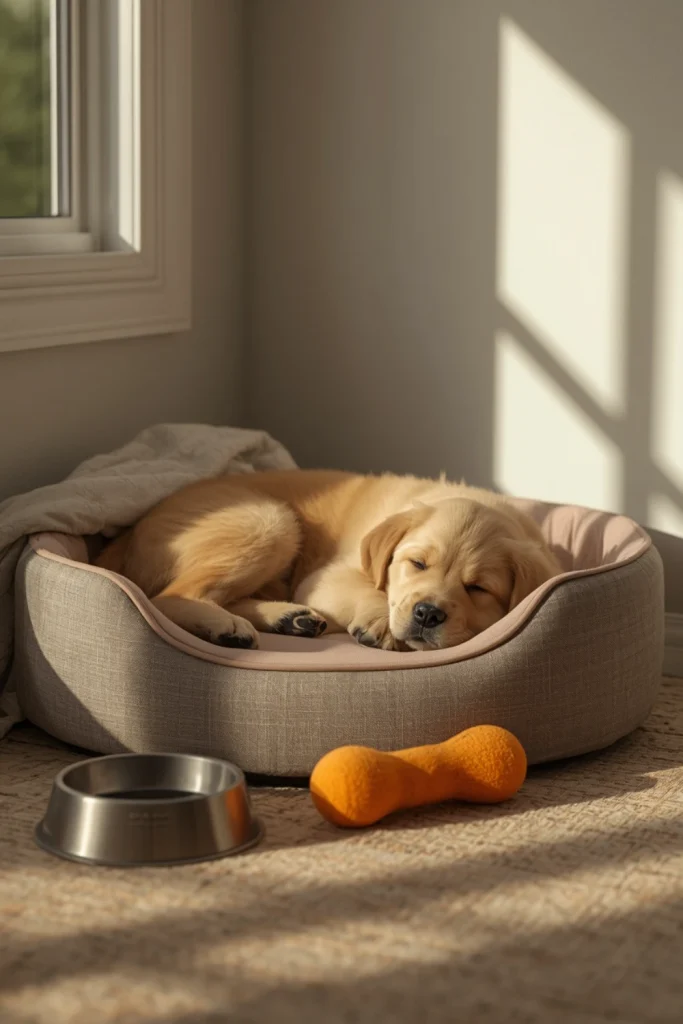
A puppy may find it difficult to settle if their resting area is noisy, uncomfortable, or constantly interrupted. Set up a quiet place with a comfortable bed, suitable temperature, fresh water nearby when appropriate, and enough space for the puppy to rest safely. Choose a location away from heavy foot traffic and loud household activity. Some puppies settle more easily when they can see a familiar person, while others prefer a quieter corner. Observe your puppy’s preferences and adjust the environment to support relaxation.
Create a gentle transition from activity to rest. After playtime, offer a toilet break if needed, provide a few minutes of quiet interaction, and then guide your puppy toward their resting area. Avoid immediately starting another exciting game when they begin to settle. If you use a crate or pen, introduce it positively and never force the puppy inside as punishment. Allow the puppy to rest without being repeatedly awakened for attention. A predictable, comfortable resting environment can help your puppy learn that quiet periods are a normal and safe part of everyday life.
Final Thoughts
Learning how to help an overexcited puppy settle is an important part of raising a confident, well-adjusted dog. A predictable routine, enough sleep, appropriate exercise, mental enrichment, and positive reinforcement can all help your puppy develop the ability to relax. Instead of trying to eliminate your puppy’s natural enthusiasm, focus on teaching them when to play and when to rest.
Be patient and celebrate small improvements. Some days will be easier than others, especially as your puppy grows and encounters new situations. By providing consistent guidance and a comfortable environment, you can help your puppy build healthy habits that last into adulthood. If excitement becomes unusually intense or difficult to manage, seek professional guidance to ensure your puppy receives the right support.