

Puppy Training Schedule by Age: A Simple Guide
Bringing home a puppy is exciting, but the first few months can also feel overwhelming. From potty training and basic commands to socialization, crate training, leash walking, and learning how to behave around people, there is a lot for a new puppy owner to understand. A simple Puppy Training Schedule by Age can make the process much easier.
Puppies learn differently at different stages of development. A young puppy may need to focus on potty routines and name recognition, while an older puppy can begin practicing recall, leash manners, impulse control, and more advanced obedience. This guide gives you a practical age-by-age puppy training schedule that beginners can follow at home.
8-Week Puppy Training Goals
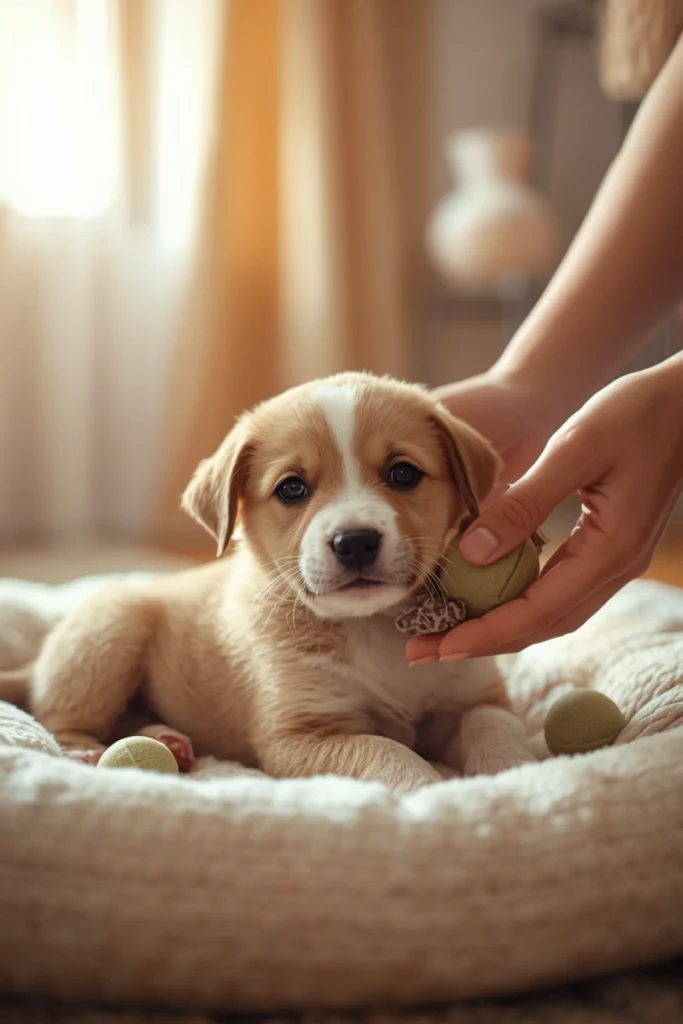
The first training goals should be simple and practical. Teach your puppy to recognize its name, follow you for short distances, accept gentle handling, explore safe areas of the home, and begin learning where potty breaks happen. You can also introduce a crate or designated sleeping area using positive associations.
Do not worry if your puppy cannot sit perfectly or stay in one place at this stage. You can introduce simple behaviors through play and rewards, but the primary objective is helping your puppy feel secure and learn household routines. Every positive interaction is part of training, even when you are not formally practicing commands.
9-Week Puppy Training Schedule
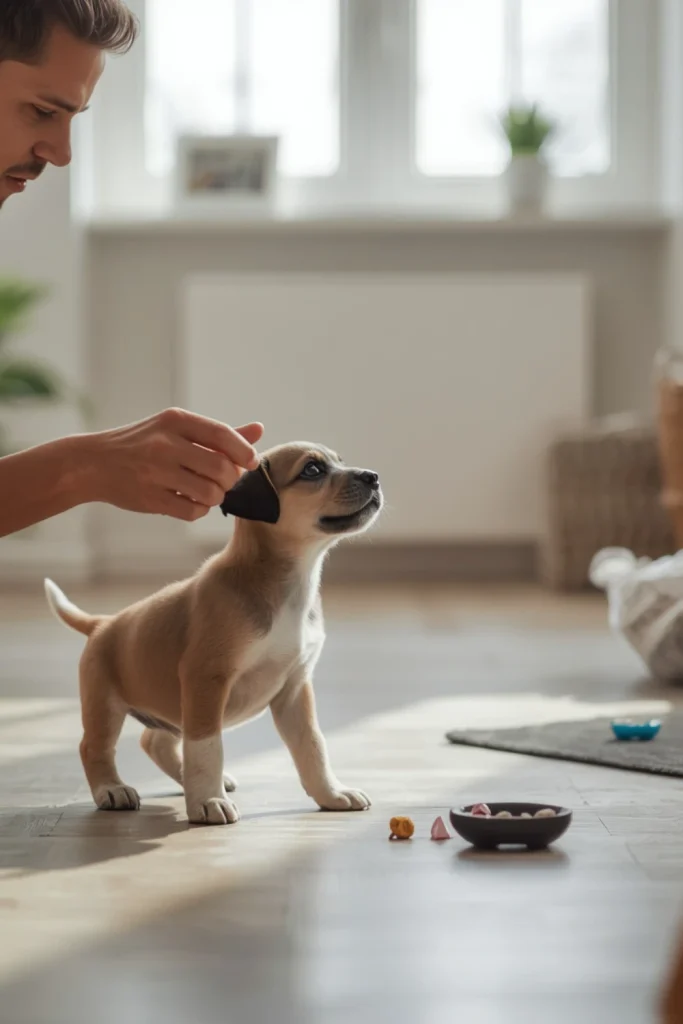
At nine weeks, your puppy can continue building the foundations established during the first week at home. Name recognition should be practiced several times throughout the day. You can also begin rewarding eye contact, following you, and coming toward you when called from a short distance.
Potty training should remain a major part of the daily routine. Take your puppy to the appropriate potty area regularly, especially after waking, eating, drinking, playing, and sleeping. When your puppy eliminates in the correct location, reward the behavior promptly. Consistency is more important than expecting immediate perfection.
10-Week Puppy Training Schedule
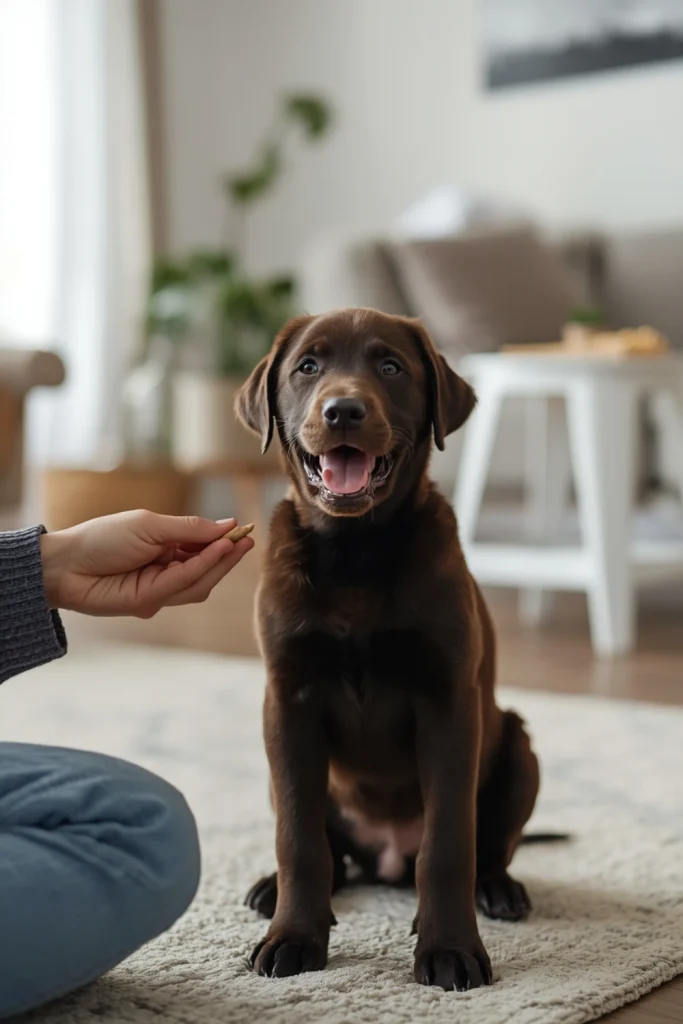
At ten weeks, you can gradually introduce basic commands such as sit, come, and wait. Keep each exercise extremely short and use positive reinforcement. For example, lure your puppy into a sitting position with a treat, reward the behavior, and repeat a few times before ending the exercise.
This is also a good time to continue introducing safe household experiences. Your puppy can gradually become familiar with different surfaces, sounds, rooms, people, and everyday activities. New experiences should be introduced carefully and positively. If your puppy appears frightened or overwhelmed, increase distance or reduce the intensity.
11-Week Puppy Training Schedule

At eleven weeks, continue practicing the basic skills your puppy already knows while introducing small challenges. Practice name recognition, sit, come, gentle handling, and calm behavior. You can also begin teaching your puppy that grabbing hands or clothing is not an appropriate game by redirecting biting toward suitable toys.
Short play-based training sessions can be particularly effective at this age. Puppies have lots of energy but also need plenty of rest. Alternate training with naps, quiet time, play, feeding, and potty breaks. A balanced schedule helps prevent your puppy from becoming overtired and difficult to manage.
12-Week Puppy Training Schedule
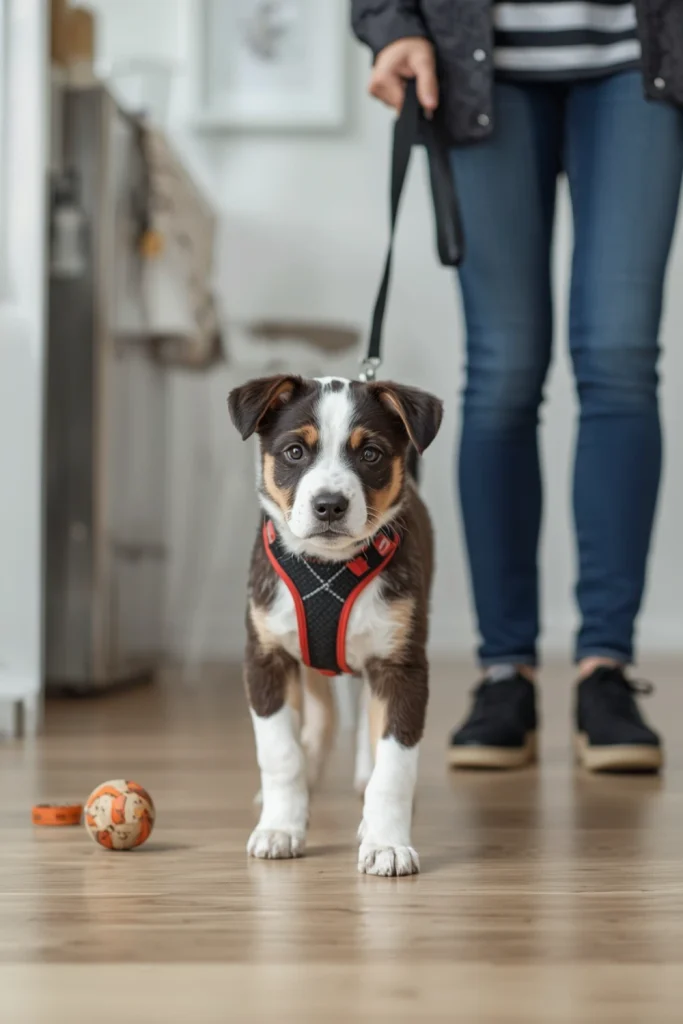
At around twelve weeks, your puppy can begin building stronger foundations in obedience and socialization. Continue name recognition, sit, come, wait, and gentle handling. Depending on your veterinarian’s advice and local health considerations, you can gradually introduce appropriate outside experiences and controlled socialization opportunities.
Leash introduction can also begin. Let your puppy wear a properly fitted harness or collar for short periods under supervision and reward calm behavior. Start walking indoors or in a secure area before expecting your puppy to walk calmly on busy streets. The goal at this stage is familiarity rather than perfect leash manners.
13-Week Puppy Training Schedule
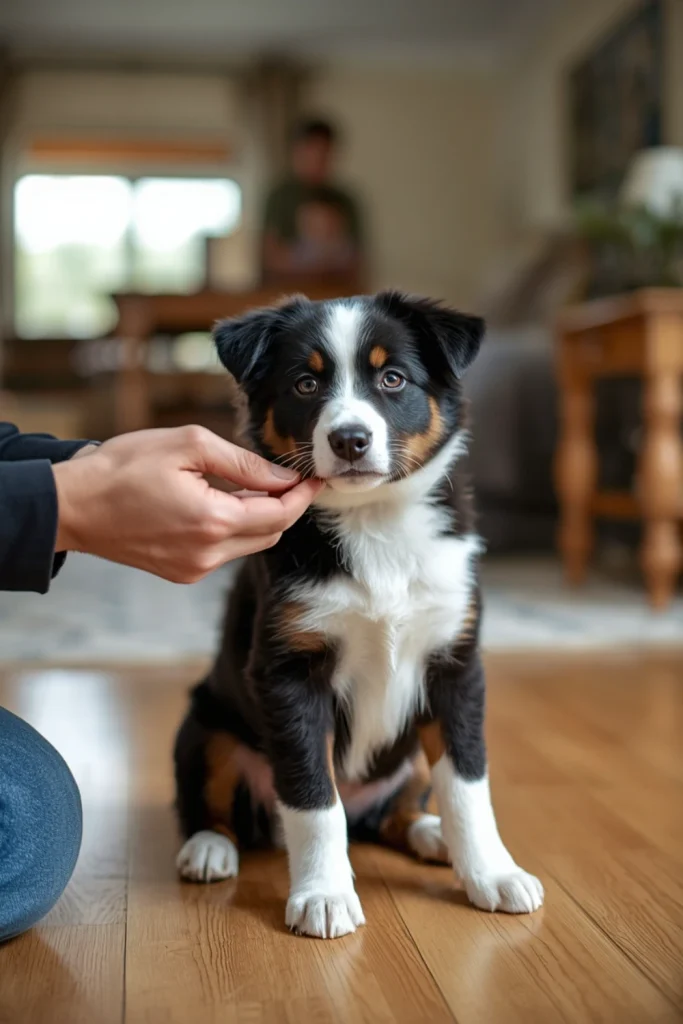
At thirteen weeks, your puppy may be ready for slightly longer training sessions, although sessions should still remain short. You can practice sit, down, come, wait, name recognition, and leave it. Start increasing the number of repetitions only if your puppy remains interested and successful.
Begin adding mild distractions. For example, practice sit while another family member moves around the room. Practice recall from a slightly greater distance. The idea is to help your puppy understand that commands apply even when something interesting is happening.
14-Week Puppy Training Schedule
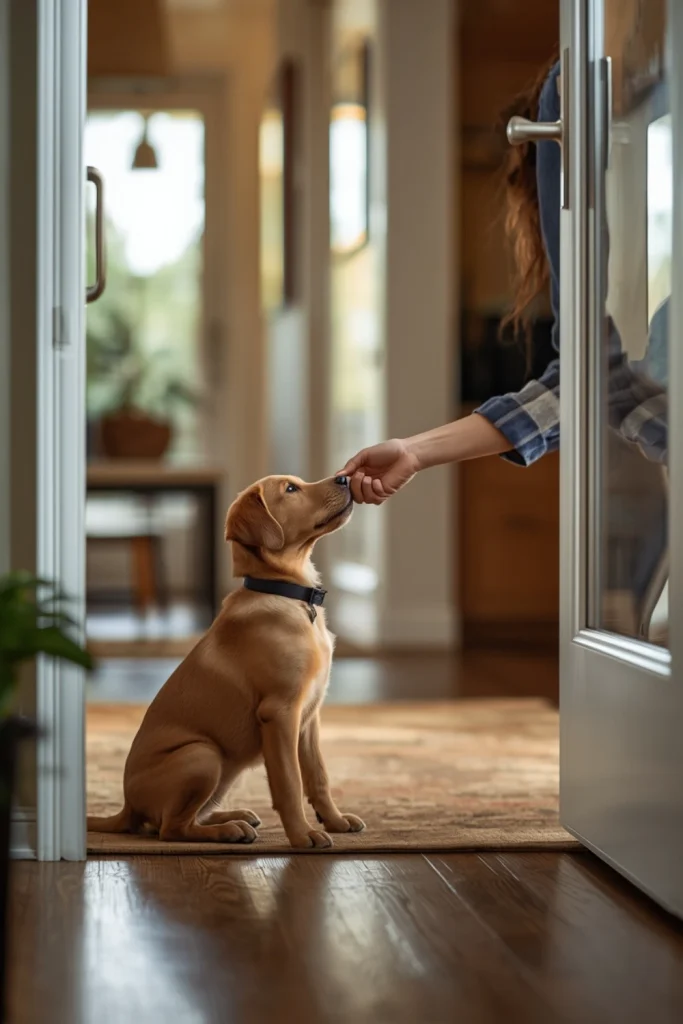
At fourteen weeks, continue strengthening basic obedience while working on everyday manners. Your puppy can practice waiting before meals, sitting before receiving attention, coming when called indoors, and walking calmly for short distances in suitable environments.
This is also a useful time to work on calm greetings. If your puppy jumps toward people, encourage visitors to wait for calmer behavior before giving attention. Reward four paws on the floor, sitting, or quiet standing. These habits can become increasingly valuable as your puppy grows stronger and more energetic.
15-Week Puppy Training Schedule
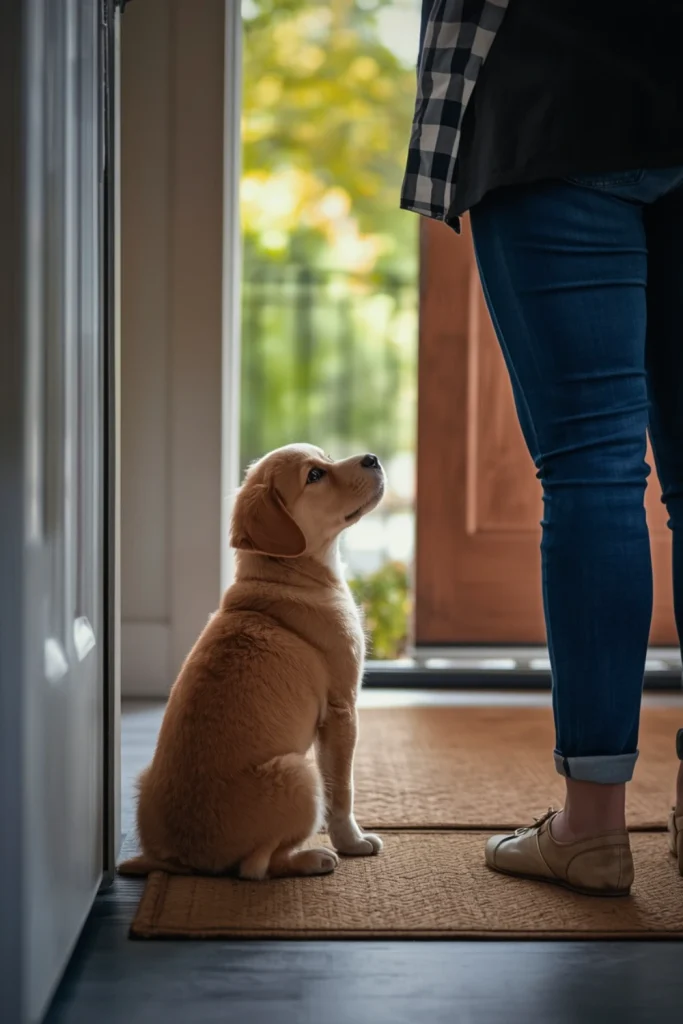
At fifteen weeks, your puppy can continue developing recall, leash manners, impulse control, and basic obedience. Practice coming when called in safe environments, but avoid giving your puppy freedom in unsecured areas if recall is not reliable.
You can also introduce simple impulse-control exercises. Ask your puppy to wait briefly before receiving a toy or moving through a doorway. Keep the waiting period very short initially. The objective is to teach your puppy that pausing and listening can lead to something rewarding.
16-Week Puppy Training Schedule
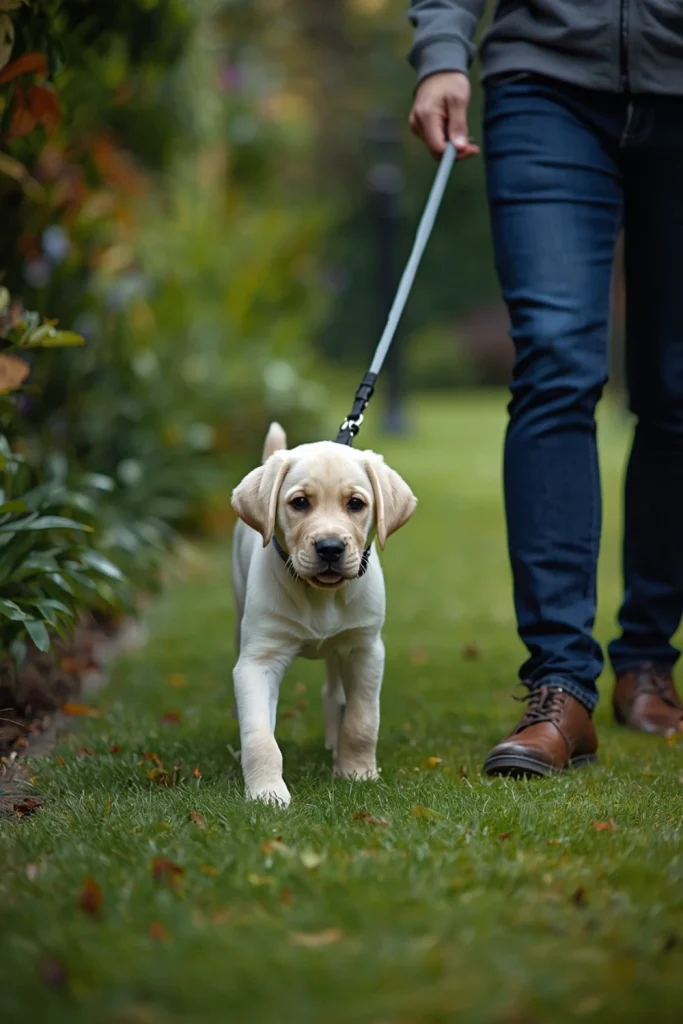
At sixteen weeks, your puppy may have developed better attention and physical coordination. Continue reinforcing the basics while increasing the variety of environments where you practice. A command that works in the living room should eventually be practiced in the backyard and other appropriate low-distraction areas.
Leash training can also become more structured. Reward your puppy for walking near you with a loose leash. Avoid expecting perfect heelwork. Instead, focus on teaching your puppy that staying close and walking calmly produces rewards and opportunities to explore.
4-Month Puppy Training Schedule
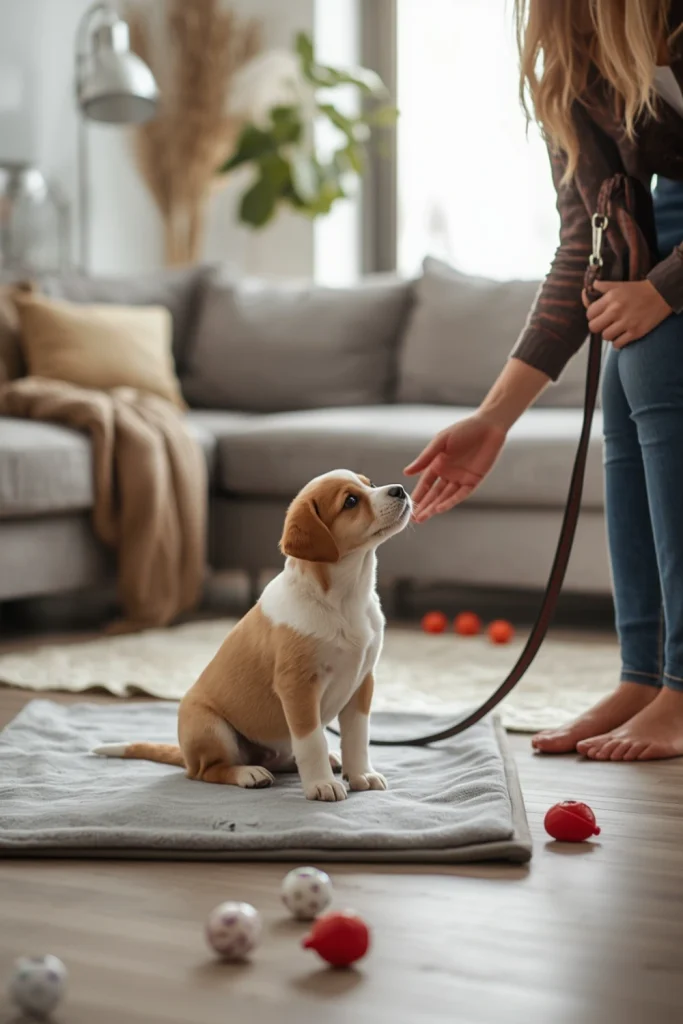
Around four months, your puppy can begin developing a more complete obedience foundation. Continue practicing sit, down, come, wait, leave it, and name recognition. You can also introduce place or mat training, where your puppy learns to settle on a specific bed or mat.
Training sessions can remain short but may become slightly more challenging. Introduce distractions gradually rather than suddenly moving from a quiet room to a crowded environment. The more successful repetitions your puppy experiences, the stronger the foundation becomes.
5-Month Puppy Training Schedule
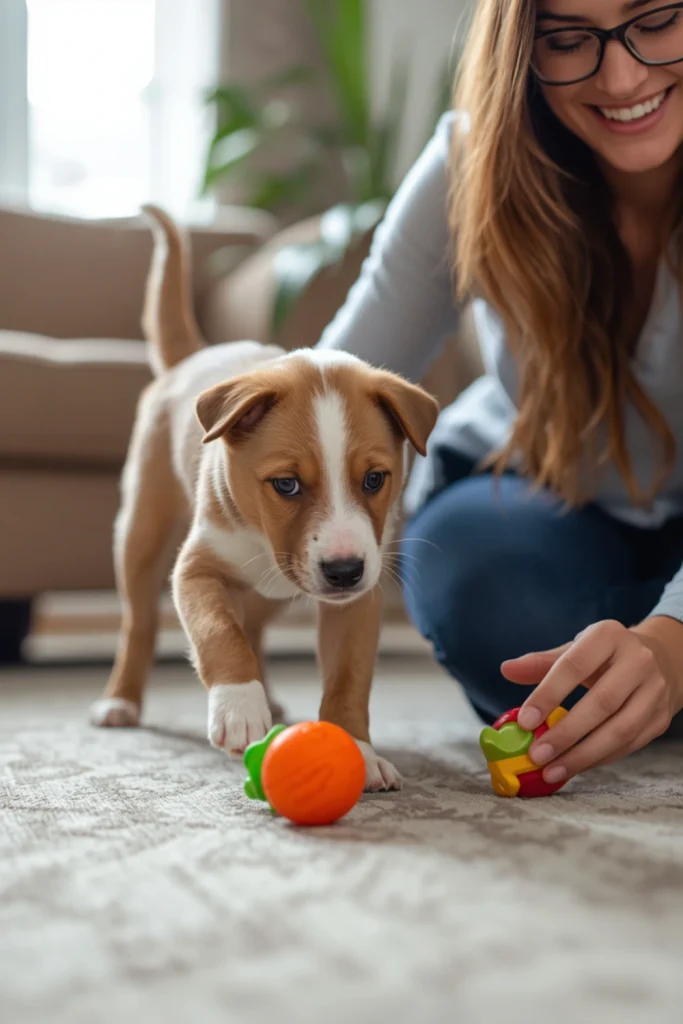
At five months, puppies can become more energetic and curious. Continue reinforcing the basics while introducing more real-life training. Practice recall, leash walking, leave it, wait, calm greetings, and settling around household activity.
You can also start using short training games to challenge your puppy mentally. Hide a favorite toy in an easy location and encourage your puppy to find it. Practice simple tricks such as paw, touch, spin, or going around an object. Mental stimulation can help make training engaging.
6-Month Puppy Training Schedule
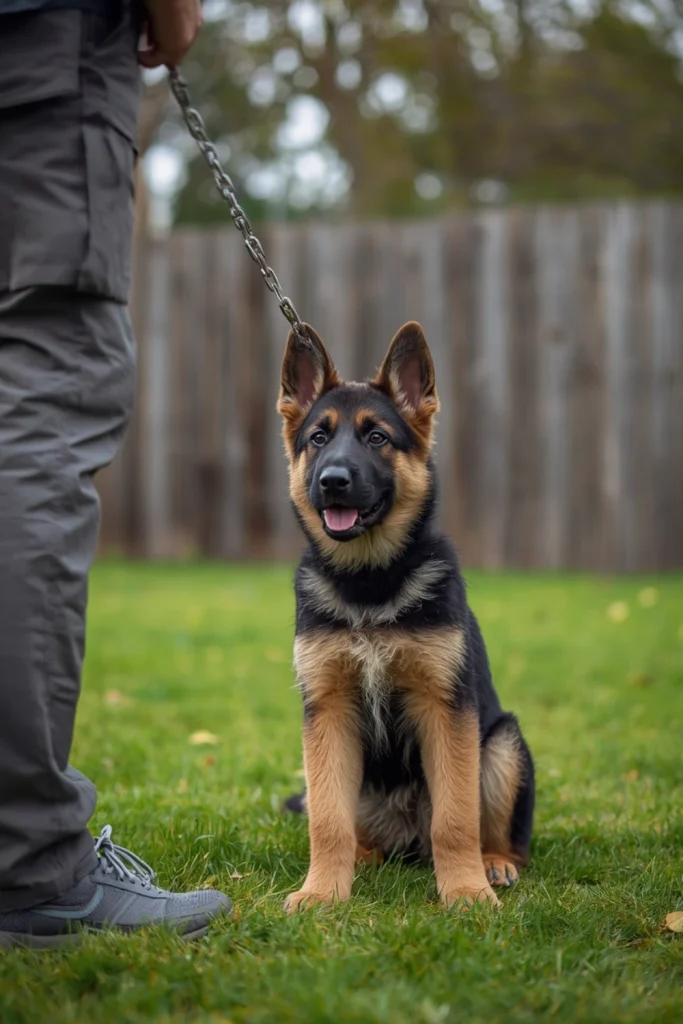
Six months can be an important training stage because your puppy may be becoming stronger, more independent, and more interested in the environment. Continue practicing basic commands while paying special attention to recall, leash walking, impulse control, and calm behavior.
Do not assume that your puppy has forgotten everything if behavior becomes inconsistent. Development can bring changes in attention and behavior. Return to easier exercises when needed and reward successful responses. Keep expectations realistic and continue reinforcing the behaviors you want.
7-Month Puppy Training Schedule
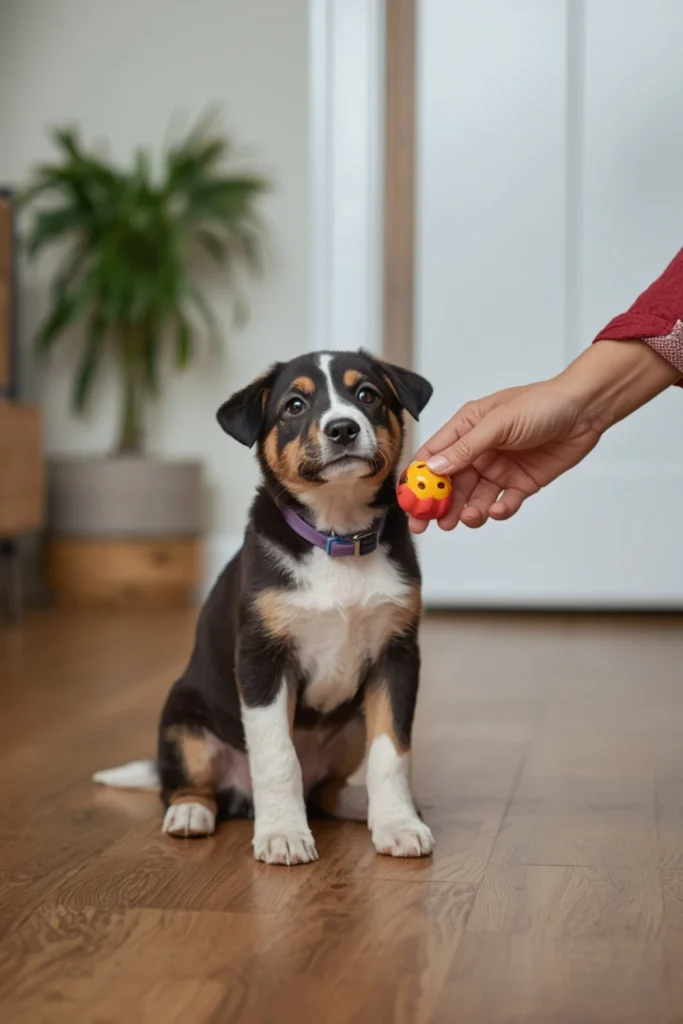
At seven months, your puppy can work on stronger impulse control and more reliable obedience. Practice waiting before doors, staying calm around toys, coming when called, and ignoring low-value distractions. Continue reinforcing loose-leash walking during everyday outings.
Training should become increasingly practical. Rather than only practicing commands in formal sessions, use them throughout daily life. Ask for a calm sit before greeting people or a brief wait before receiving a toy. These everyday repetitions help transform training into normal behavior.
8-Month Puppy Training Schedule
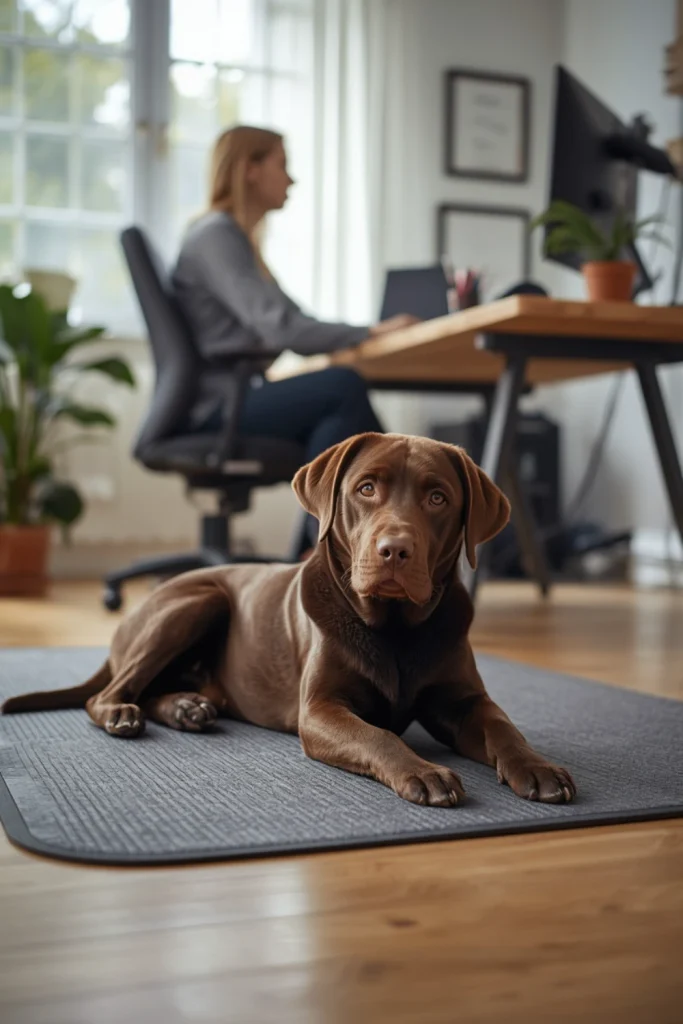
At eight months, your puppy may be capable of handling more complex training exercises, although individual development varies. Continue strengthening recall and leash skills while practicing around carefully controlled distractions.
You can also introduce longer periods of calm behavior. Teach your puppy to settle on a mat while you work, read, or prepare food. Reward calmness rather than constantly interacting with the dog. This teaches your puppy that relaxing independently is also a valuable behavior.
9-Month Puppy Training Schedule
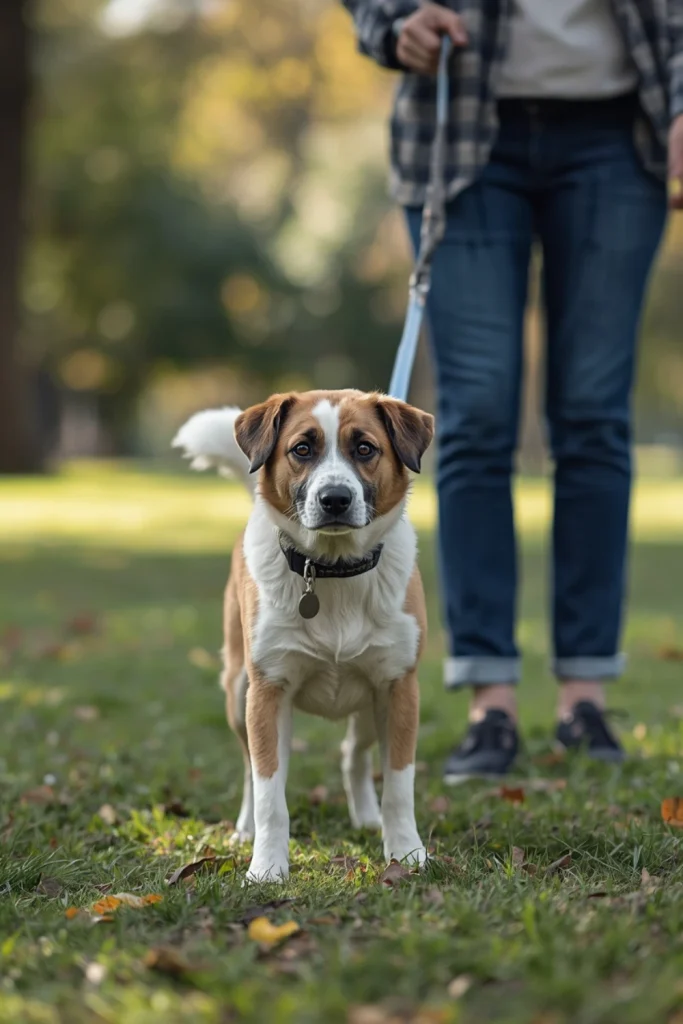
At nine months, continue treating your puppy as a learner even if it looks nearly grown. Reinforce basic obedience and continue practicing around distractions. Your puppy should have opportunities to succeed rather than being repeatedly placed in situations that are too difficult.
Work on reliable recall in safe environments, loose-leash walking, place training, leave it, and calm greetings. You can also increase the difficulty of tricks and mental games. The goal is to build consistency rather than simply collect commands.
10-Month Puppy Training Schedule
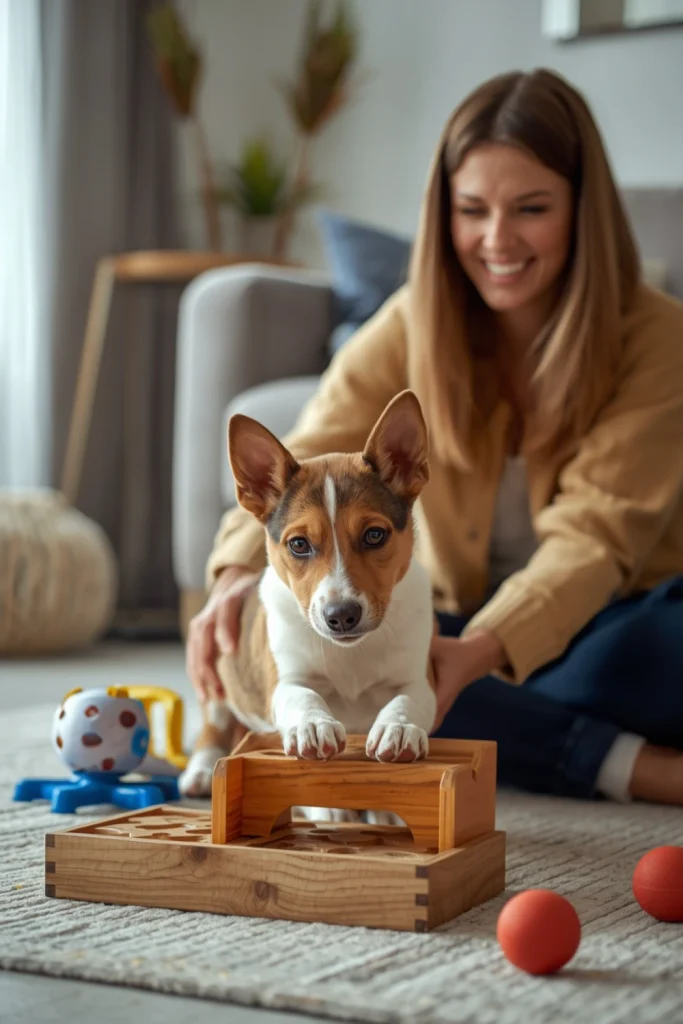
At ten months, continue reinforcing the behaviors you want your dog to maintain into adulthood. Practice obedience during walks, at home, around family members, and in appropriate public environments. Consistency is especially important because young dogs can become easily distracted by exciting surroundings.
Continue mental stimulation through training games, scent activities, puzzle toys, and new appropriate experiences. Avoid assuming that physical exercise alone is enough. A balanced routine should include physical activity, mental challenges, training, rest, and social interaction appropriate for the individual dog.
11-Month Puppy Training Schedule
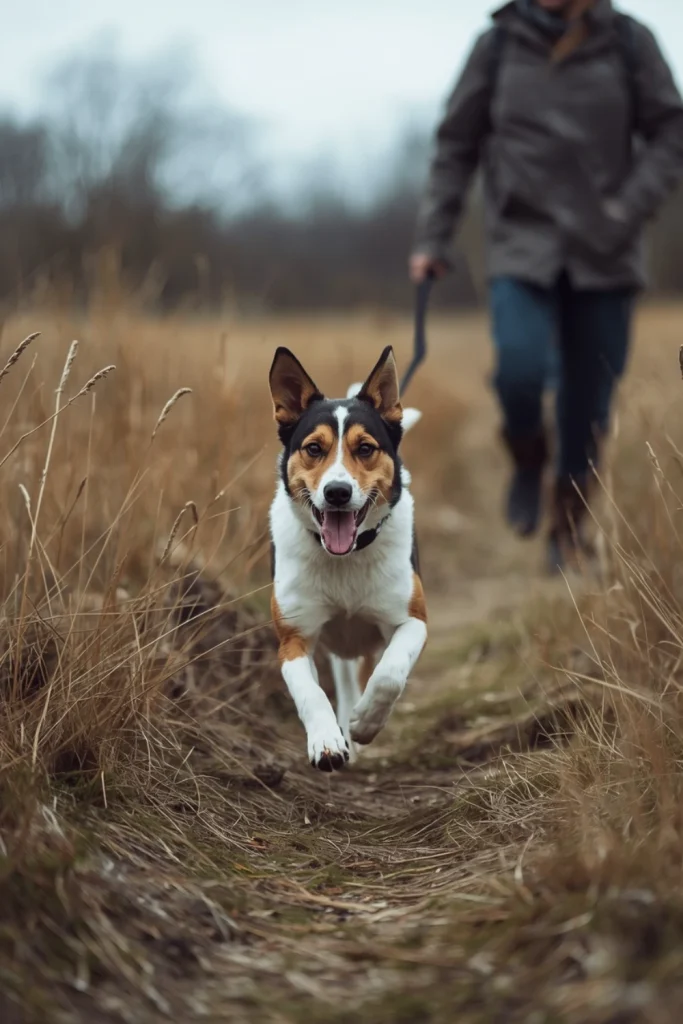
At eleven months, many dogs are approaching adulthood but still benefit from continued structured training. Review all essential commands and identify any areas that remain inconsistent. Perhaps your dog recalls well indoors but struggles outside, or walks nicely in quiet areas but pulls around distractions.
Use this stage to strengthen weak areas rather than constantly adding new commands. Gradually increase distractions and practice skills in realistic situations. Continue rewarding good choices, especially calm behavior and attention toward you.
Puppy Training Schedule by Age: Quick Overview
| Puppy Age | Main Training Goals |
|---|---|
| 8 Weeks | Name, routine, potty training, handling, crate introduction |
| 9 Weeks | Name, potty routine, attention, gentle handling |
| 10 Weeks | Sit, come, socialization, safe experiences |
| 11 Weeks | Bite redirection, basic obedience, calm behavior |
| 12 Weeks | Leash introduction, recall, basic commands |
| 13 Weeks | Basic obedience with mild distractions |
| 14 Weeks | Calm greetings, wait, everyday manners |
| 15 Weeks | Recall, impulse control, leash skills |
| 16 Weeks | Loose-leash walking, obedience in new areas |
| 4 Months | Place, down, recall, basic manners |
| 5 Months | Mental stimulation, tricks, real-life training |
| 6 Months | Recall, leash walking, impulse control |
| 7 Months | Everyday obedience and calm behavior |
| 8 Months | Settling, distractions, advanced beginner skills |
| 9 Months | Reliable obedience and recall |
| 10 Months | Mental stimulation and real-life practice |
| 11 Months | Strengthen weak areas and distractions |
| 12 Months | Adult foundation and lifelong training |
Final Thoughts
A Puppy Training Schedule by Age gives new owners a practical way to understand what to teach and when to introduce different skills. From the first weeks at home through the first year, puppies gradually develop the ability to focus, respond to commands, control impulses, walk on a leash, come when called, settle calmly, and handle everyday experiences.
The most important part of puppy training is not following a perfect calendar. It is creating a consistent, positive, and age-appropriate routine. Give your puppy plenty of opportunities to succeed, reward good choices, keep training sessions short, and allow enough time for sleep and relaxation. With patience and consistent practice, the small lessons you teach during puppyhood can become the foundation for a well-mannered adult dog.