12 Simple Tips to Stop Dogs From Jumping Up
A dog jumping up to greet you may look adorable at first, but this behavior can quickly become frustrating when your dog jumps on guests, children, family members, or strangers. Although dogs often jump because they feel excited or want attention, this habit can make greetings uncomfortable and sometimes unsafe.
The good news is that you can teach your dog better greeting manners with patience, consistency, and positive reinforcement. In this guide, you will discover 12 simple and practical ways to Stop Dogs From Jumping Up, encourage calm behavior, and help your furry friend greet people politely without losing their friendly personality.
1. Reward Your Dog for Keeping All Four Paws on the Floor
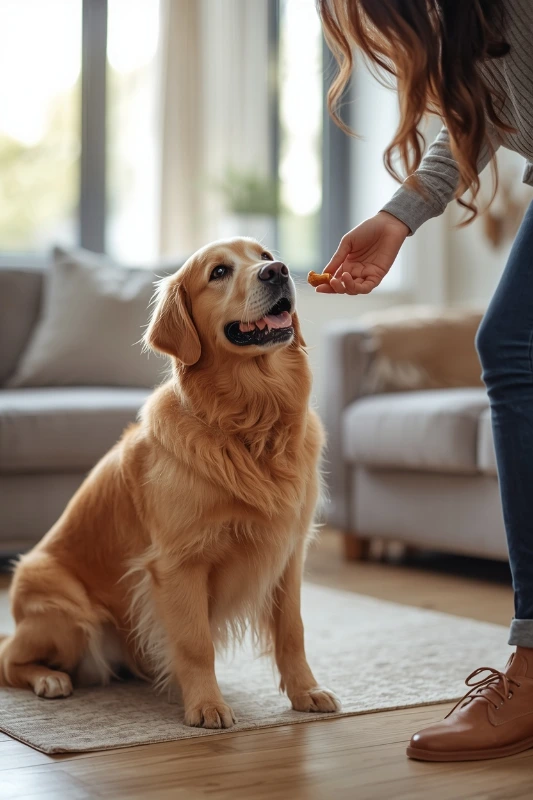
One of the simplest ways to stop dogs from jumping up is to reward them whenever they greet people with all four paws on the floor. Keep small, healthy dog treats nearby and watch for moments when your dog stands calmly. As soon as your dog approaches without jumping, offer a treat and praise them with a gentle, happy voice. This helps your dog understand which behavior earns attention. At first, reward even a few seconds of calm standing. Gradually increase the time your dog must remain calm before receiving a reward.
Consistency is essential when using this method. Reward your dog during everyday situations, including when you enter a room, return home, or approach your dog while they are resting. Avoid waiting until your dog jumps before offering attention. Instead, look for opportunities to reward good manners before the jumping begins. Over time, your dog will begin to associate keeping their paws on the floor with positive experiences. This simple exercise creates a strong foundation for other dog training techniques and helps your dog develop more polite greeting habits.
2. Ignore Jumping and Reward Calm Behavior
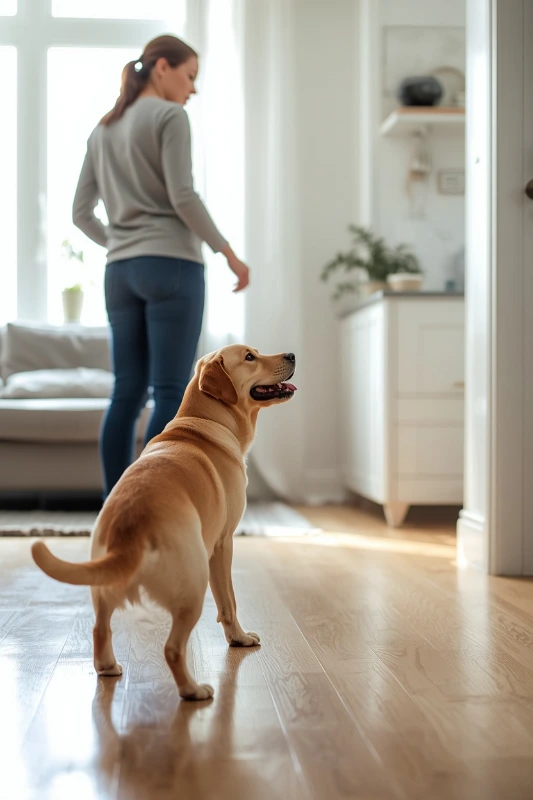
Dogs sometimes jump because they want attention, and even negative attention can reinforce the habit. If your dog jumps on you, avoid petting, talking excitedly, or making eye contact while the behavior continues. Instead, calmly turn your body away or step out of reach if it is safe to do so. The goal is to make jumping ineffective without frightening or intimidating your dog. As soon as your dog returns to the floor, calmly acknowledge them and reward the more appropriate behavior.
Everyone in your household should follow the same approach. If one person ignores jumping while another laughs, pets the dog, or encourages the behavior, your dog may become confused. Explain the training method to family members and visitors before they interact with your dog. Keep in mind that ignoring a dog is not always enough, particularly if the dog is highly excited or persistent. Pair this strategy with rewarding calm standing or teaching a reliable sit command to make the lesson clearer and easier to understand.
3. Teach Your Dog to Sit Before Greeting People
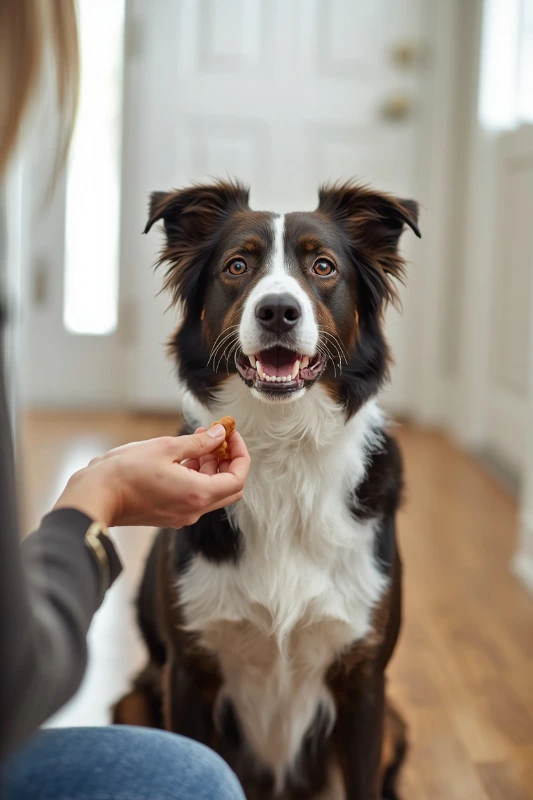
Teaching your dog to sit is one of the most useful ways to stop dogs from jumping up. Many dogs find it difficult to sit and jump at the same time, making this an effective alternative greeting behavior. Begin training in a quiet room with a few small treats. Hold a treat near your dog’s nose and move it gently upward and slightly backward. When your dog naturally lowers their rear to the floor, say “sit,” then immediately reward them. Repeat the exercise until your dog begins sitting reliably when you give the verbal cue.
Once your dog understands the command, practice before greetings. Ask your dog to sit when you approach them, when a family member enters the room, or when a familiar visitor arrives. Reward your dog for remaining seated while receiving attention. If your dog stands and jumps, calmly reset the situation and try again without scolding. Begin with short, easy greetings before practicing with more exciting visitors. With repetition, your dog can learn that sitting is the best way to receive affection, attention, and treats from people.
4. Practice Calm Greetings at the Front Door
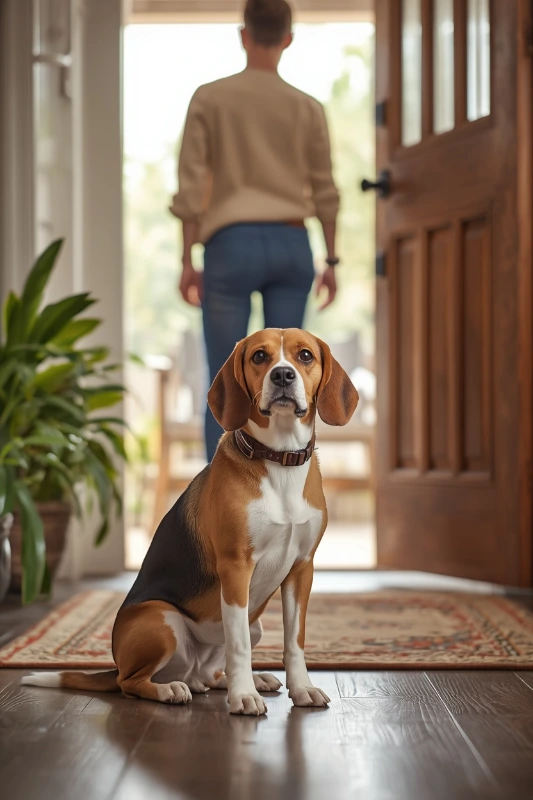
The front door is one of the most common places where jumping becomes a problem. Doorbells, footsteps, and arriving visitors can trigger excitement before your dog even sees the person. To improve this behavior, practice with a family member or friend who can help you rehearse a controlled arrival. Begin with your dog at a comfortable distance from the door. Ask for a sit or reward calm standing, then have your helper enter only when your dog remains reasonably settled. Keep the exercise brief and make it easy for your dog to succeed.
Gradually introduce more realistic situations, such as knocking, ringing the doorbell, opening the door, and greeting someone inside. If your dog becomes too excited, increase the distance or pause the exercise until they can respond again. A baby gate, leash, or separate room can help manage the greeting while your dog is learning. These tools are not punishments; they provide structure and prevent your dog from rehearsing unwanted behavior. With regular practice, arrivals can become calmer and less stressful for everyone.
5. Teach Your Dog an Alternative Greeting Behavior
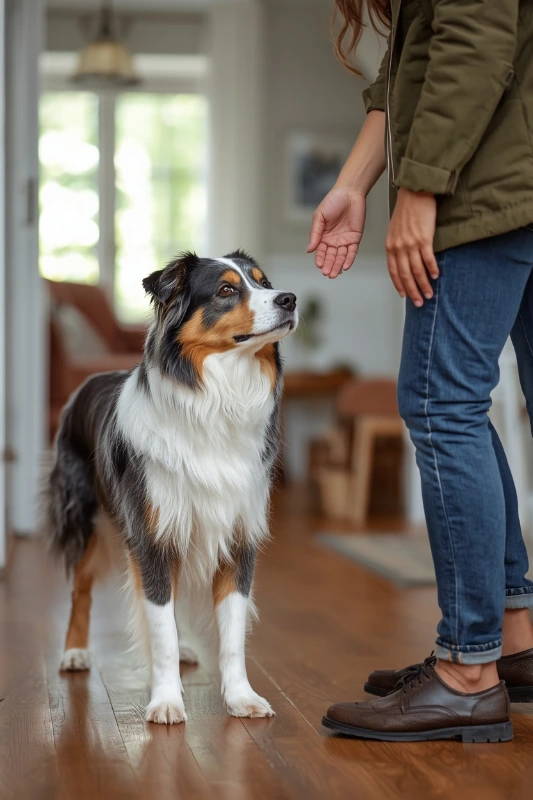
Simply telling your dog not to jump may not be enough because dogs need to learn what they should do instead. Choose an easy greeting behavior, such as sitting, standing calmly, or going to a designated mat. Start practicing when your dog is relaxed and there are few distractions. Reward your dog for performing the chosen behavior, then gradually introduce greetings with family members. By giving your dog a clear alternative, you make it easier for them to understand how to interact with people successfully.
Choose one main greeting behavior and encourage everyone to use it consistently. For example, if your dog learns to sit before receiving attention, ask visitors to wait until the dog is seated before offering a gentle greeting. If your dog prefers standing calmly, reward that behavior instead. There is no need to demand a perfect performance immediately. Start with brief moments of success and gradually build longer, calmer greetings. This approach helps stop dogs from jumping up by replacing an unwanted habit with a behavior that earns attention and rewards.
6. Use a Leash to Manage Excited Greetings
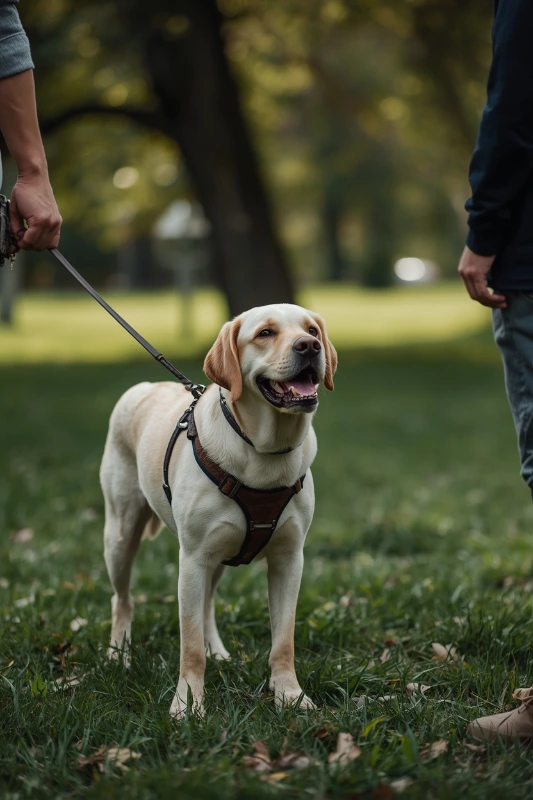
A leash can help you manage your dog safely while teaching better greeting manners. During training, attach a comfortable leash and keep enough distance from visitors to allow your dog to remain calm. When someone approaches, reward your dog for keeping their paws on the floor or responding to a sit command. If your dog starts moving forward too excitedly, calmly increase the distance rather than pulling harshly or allowing the dog to reach the visitor and jump. The leash gives you a way to control the situation while helping your dog practice more appropriate behavior.
Practice this exercise with people your dog knows before moving to busier environments. Keep the leash loose whenever possible and reward your dog for checking in with you instead of rushing toward people. Avoid using the leash to jerk, choke, or punish your dog, as harsh handling can increase stress and make greetings more difficult. If your dog is large, strong, or difficult to control, consider working with a qualified positive-reinforcement trainer. Safe management allows your dog to learn at a comfortable pace without putting visitors or your dog at risk.
7. Ask Family Members to Follow the Same Rules
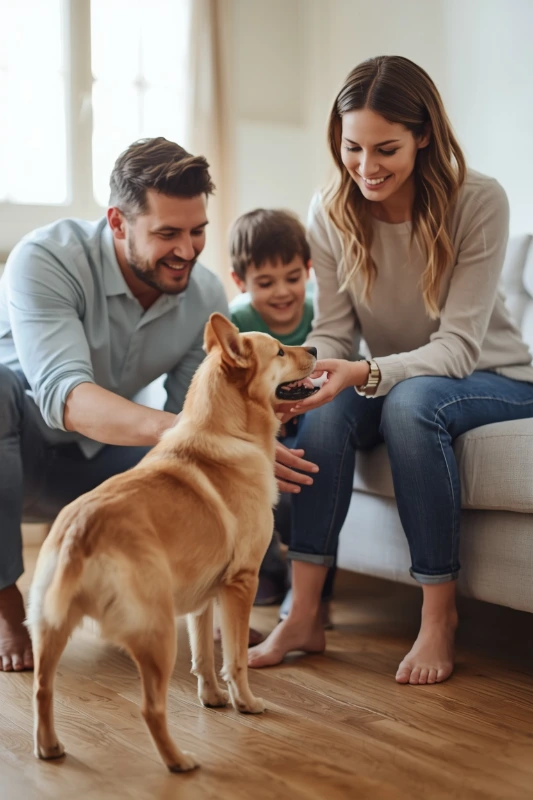
Dogs learn more quickly when everyone responds to their behavior in a similar way. If you discourage jumping but another family member encourages the dog to jump up for hugs, the dog may continue the habit because it sometimes works. Establish a simple household rule: attention, petting, and treats are given when the dog is calm, not while they are jumping. Explain the rule to children and adults, and demonstrate how to reward a polite greeting without creating extra excitement.
Consistency does not mean every training session must look exactly the same. Instead, everyone should reward the same basic behavior and avoid reinforcing jumping. Ask family members to wait for all four paws to return to the floor before offering attention. Children should interact with dogs under adult supervision, especially during training. If your dog becomes overly excited, give them space and use a barrier or leash when appropriate. When the whole household follows the same approach, your dog receives a clearer message and has more opportunities to practice successful greetings.
8. Exercise Your Dog Before Exciting Social Situations
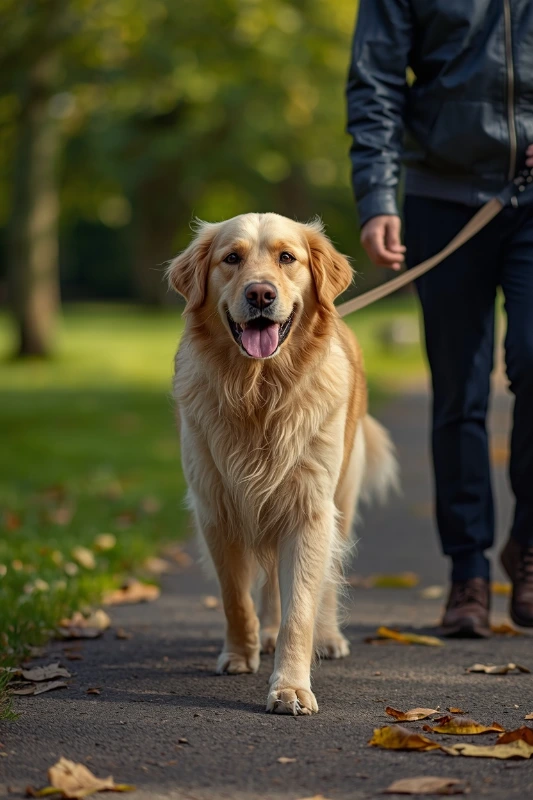
Some dogs jump more frequently when they have excess energy or become overstimulated. Providing suitable physical activity and mental enrichment can help your dog settle more easily before visitors arrive. Depending on your dog’s age, health, breed, and fitness, this might include a relaxed walk, sniffing games, retrieving toys, or short obedience exercises. Give your dog an opportunity to explore and engage their mind before a planned visit. A dog who has had an appropriate outlet for energy may find it easier to focus on calm greeting behavior.
Exercise alone will not eliminate jumping, so combine it with consistent training. Avoid trying to exhaust your dog with intense activity, particularly if they are a puppy, senior, or have health limitations. Overstimulation can sometimes make excitement-related behavior worse rather than better. A balanced routine that includes rest, enrichment, and reward-based training is usually more helpful than simply increasing exercise. Before guests arrive, prepare a quiet resting area and have treats ready to reward calm behavior. These small preparations can make greetings easier to manage and help your dog succeed.
9. Train Your Dog to Stay on a Mat
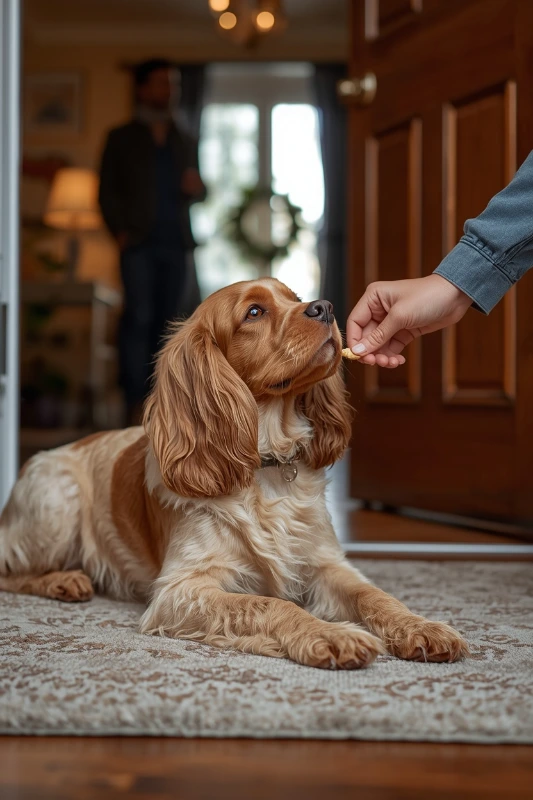
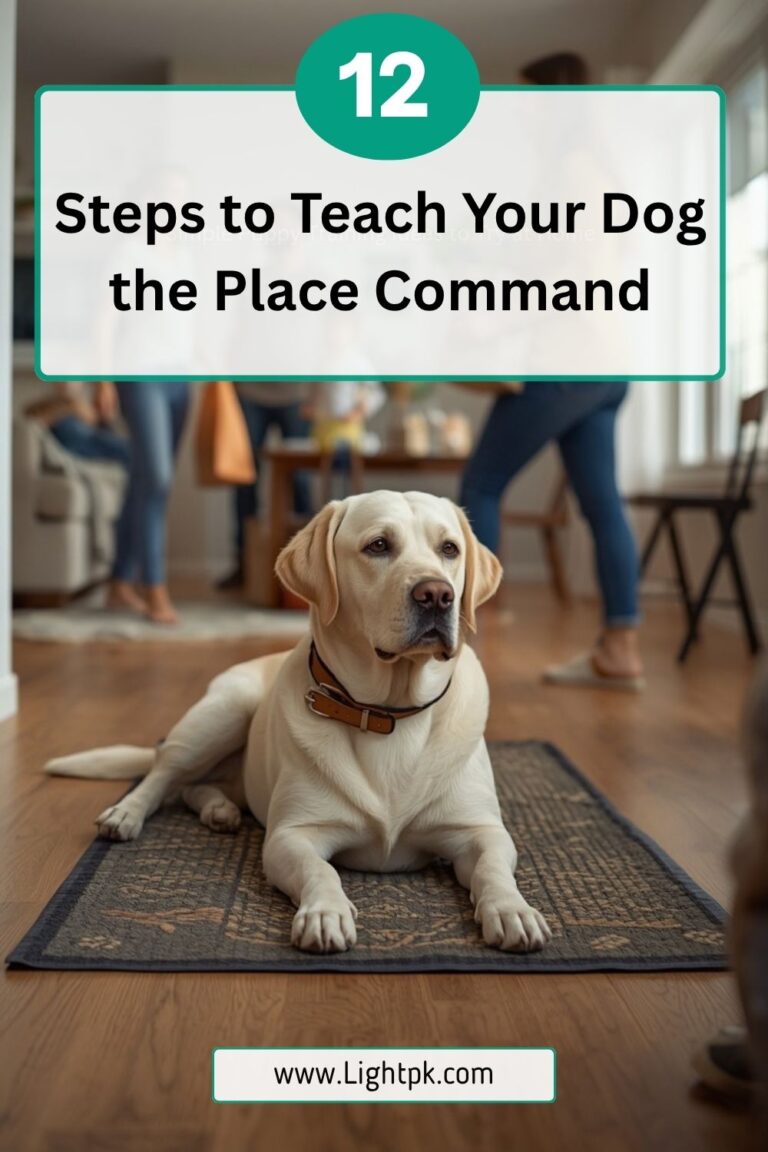
Teaching your dog to settle on a mat gives them a clear place to go when visitors arrive. Begin by placing a comfortable mat in a quiet room. Reward your dog for looking at the mat, approaching it, and eventually stepping onto it. Once your dog willingly stands or sits on the mat, introduce a cue such as “place.” Reward them for remaining there for a few seconds, then gradually increase the duration. Keep early sessions short and enjoyable so your dog learns that the mat is a comfortable place rather than a form of punishment.
When your dog becomes comfortable with the exercise, practice while a family member walks around or knocks on the door. Reward your dog for staying on the mat and remaining relaxed. If your dog leaves the mat, guide them back with a simple cue and make the next attempt easier. You can also provide a safe chew or food puzzle when appropriate to encourage settling. Over time, the mat can become a useful part of your greeting routine, helping prevent rushing toward visitors and giving your dog a predictable activity during exciting situations.
10. Practice With Friends Who Can Help You Train
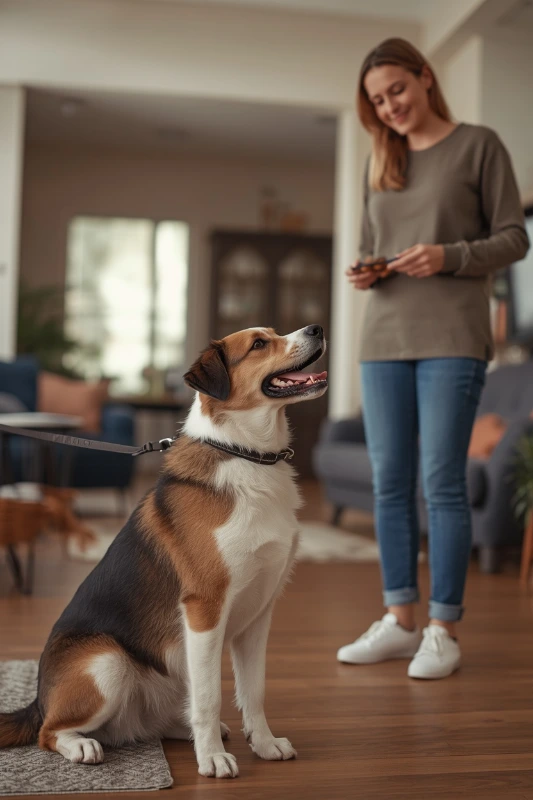
Once your dog can greet family members calmly, introduce practice sessions with cooperative friends. Choose people who understand the training process and are willing to follow your instructions. Begin with your dog at a comfortable distance and ask your helper to approach slowly. Reward your dog for remaining calm, sitting, or keeping all four paws on the floor. If your dog starts jumping, your friend can briefly pause the greeting or step away. Resume when your dog settles, making the connection between polite behavior and social interaction clear.
Keep these sessions short at first and finish while your dog is still able to respond to cues. Start with one familiar person in a quiet setting before practicing with different people, clothing, voices, and movement patterns. Some dogs can greet family members politely but become much more excited around unfamiliar visitors. That is normal and simply means the training needs to progress gradually. Avoid forcing your dog to interact with people if they seem frightened or uncomfortable. Calm, controlled practice builds confidence and helps your dog generalize good greeting manners to different situations.
11. Keep Training Sessions Short and Positive
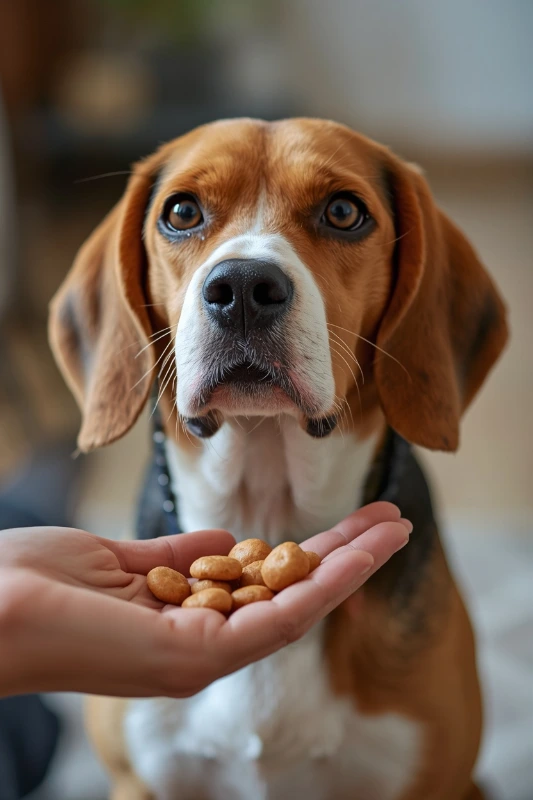
Short training sessions are often more effective than long sessions that leave your dog frustrated or overstimulated. Practice greeting manners for a few minutes at a time, rewarding your dog whenever they respond correctly. Use small treats, gentle praise, or a favorite toy, depending on what motivates your dog. End each session after several successful repetitions instead of waiting until your dog becomes distracted. Regular, manageable practice helps dogs understand the desired behavior without making training feel overwhelming.
Remember that learning takes time, and occasional mistakes are part of the process. If your dog jumps again after several successful greetings, avoid shouting or punishing them. Instead, calmly reset the situation and reward the next appropriate response. Increase the difficulty gradually by adding distractions, changing locations, or practicing with new people. If your dog repeatedly struggles, return to an easier version of the exercise. Patience and positive reinforcement help build lasting habits while protecting the trust between you and your dog.
12. Be Patient and Practice in Different Environments
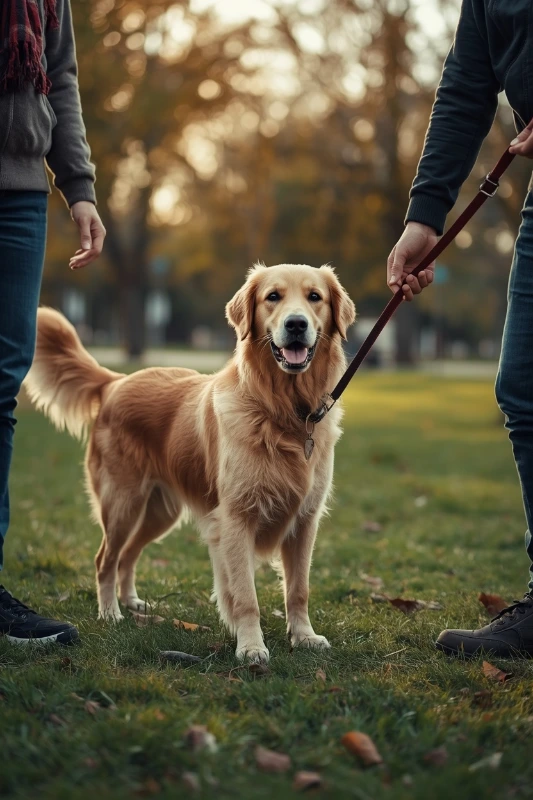
The final step in learning how to stop dogs from jumping up is to practice consistently in different environments. Your dog may behave beautifully at home but become excited when greeting people at the park, during walks, or at a friend’s house. Dogs do not automatically understand that a rule learned in one location applies everywhere. Begin with familiar, low-distraction settings and gradually introduce new places and people. Reward your dog whenever they greet someone politely, even if the situation is more challenging than usual.
Track your dog’s progress by noticing how quickly they settle, how often they respond to your cues, and whether they can remain calm around increasingly exciting distractions. Some dogs learn quickly, while others need weeks or months of practice. If jumping is accompanied by fear, growling, snapping, or difficulty safely managing your dog, consult a veterinarian or qualified reward-based behavior professional. The goal is not to suppress your dog’s friendly personality but to teach safe, respectful greetings. With patience, management, and consistent rewards, your dog can develop better manners that last.
Final Thoughts
Learning how to stop dogs from jumping up takes patience, consistency, and positive reinforcement. By rewarding calm behavior, teaching simple commands, and practicing polite greetings with family members and visitors, you can help your dog develop better manners. Remember to avoid harsh punishment and give your dog plenty of opportunities to succeed. Every dog learns at a different pace, so celebrate small improvements and keep training sessions short and enjoyable. With these 12 simple tips, you can help your furry friend greet people calmly, build stronger bonds, and become a well-mannered companion at home and in public.