
12 Positive Reinforcement Training Ideas for Dogs
Training your dog can become one of the most rewarding parts of being a pet owner when learning feels positive, simple, and enjoyable. With the right approach, everyday moments such as mealtime, walks, play, and quiet time can become valuable opportunities to teach your dog useful behaviors.
These Positive Reinforcement Training Ideas are designed to help dog owners build better communication, encourage good behavior, and create a stronger bond with their pets. Whether you have a young puppy, an adult dog, or a rescue companion, positive training can be adapted to your dog’s individual needs and learning pace.
1. Reward Your Dog for Paying Attention
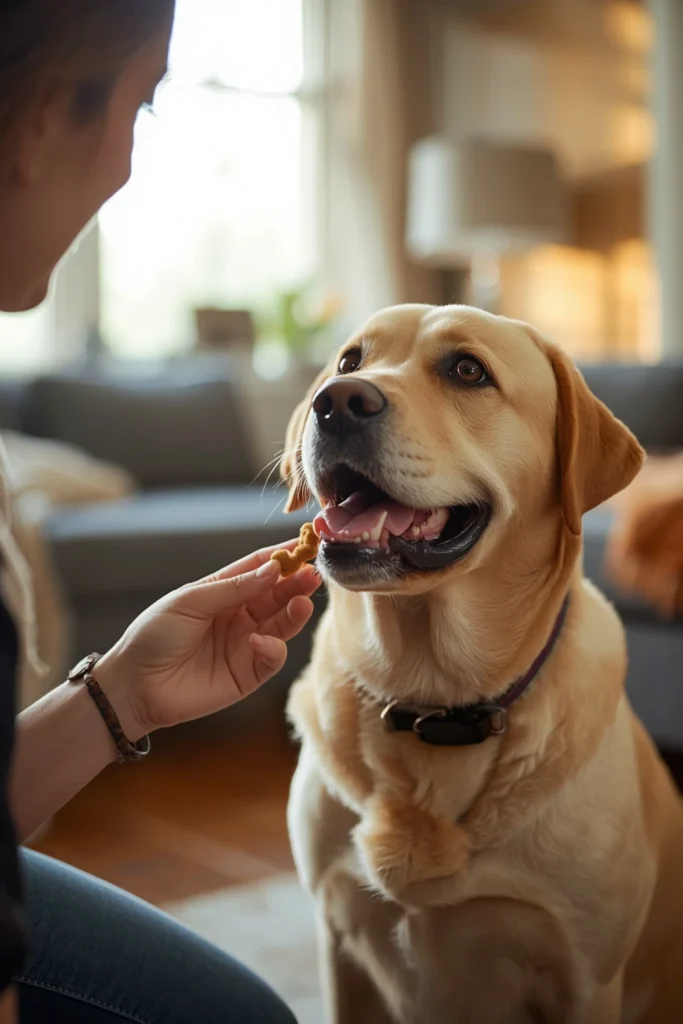
Getting your dog’s attention is one of the most useful foundations for successful training. Start in a quiet area with minimal distractions. Say your dog’s name once in a cheerful voice and wait for your dog to look toward you. As soon as your dog responds, provide a reward. The reward could be a tiny treat, praise, a toy, or a brief play session. Repeating this exercise helps your dog learn that looking toward you when called can lead to something enjoyable.
Practice attention training during ordinary moments rather than limiting it to formal sessions. You can reward your dog for checking in with you while walking around the house or calmly looking at you outdoors. Gradually increase distractions as your dog becomes more reliable. Avoid repeatedly calling your dog’s name when you know the dog is unlikely to respond. Building a strong association between attention and positive outcomes can make later training exercises much easier.
2. Teach Sit With Positive Rewards
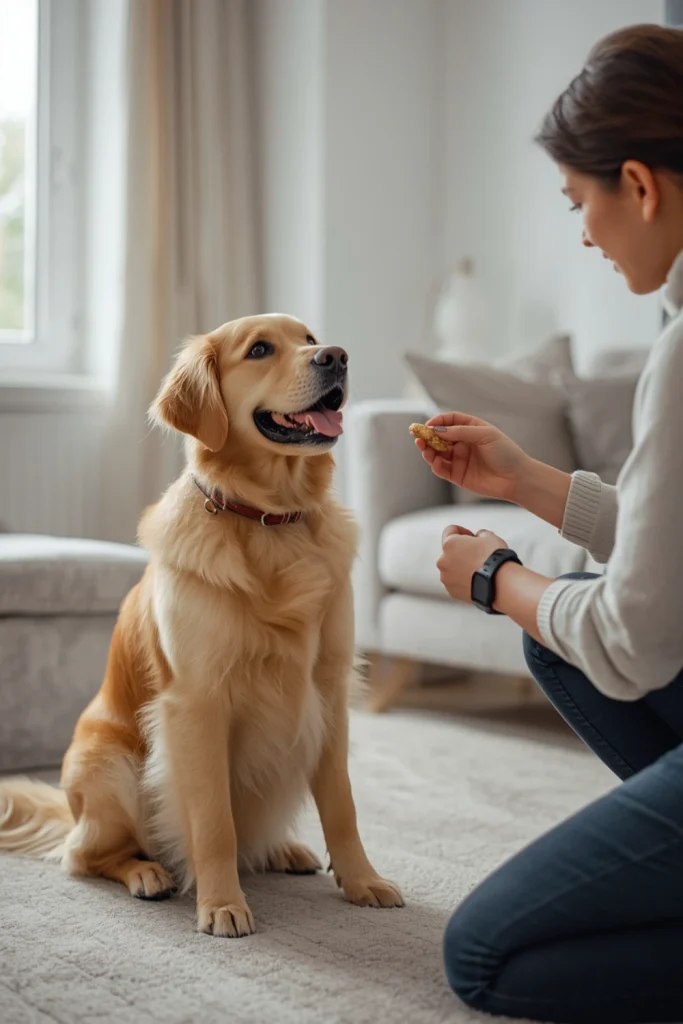
“Sit” is a simple behavior that can become useful in many everyday situations. Begin in a quiet environment where your dog can focus. Hold an appropriate reward near your dog’s nose and slowly move it upward and slightly backward. When your dog’s bottom naturally moves toward the floor, mark the behavior with praise and provide the reward. Once your dog begins offering the movement reliably, introduce the verbal cue “sit” before the behavior.
Practice sit in different situations instead of only during formal training. Ask your dog to sit before meals, before opening a door, before attaching a leash, or before receiving a toy. Keep expectations appropriate for your dog’s age and experience. The goal is to help your dog understand that responding to a cue produces a positive consequence. Short repetitions throughout the day can be more practical than lengthy training sessions.
3. Reward Calm Behavior
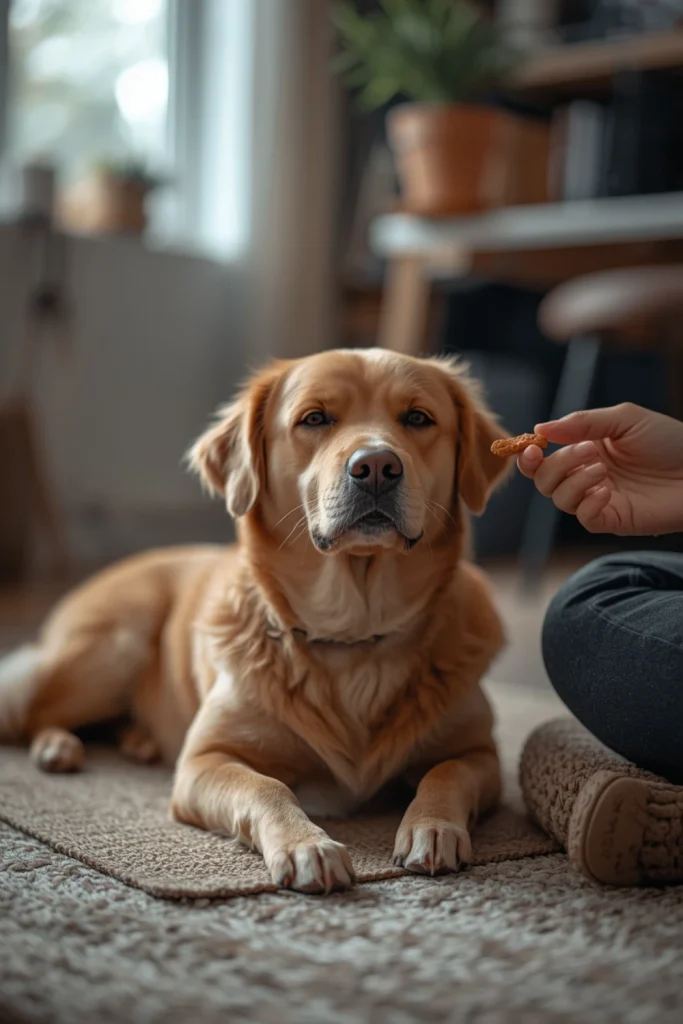
Many owners naturally give their dogs attention when they are excited, barking, jumping, or demanding interaction. Positive reinforcement can also be used to teach the opposite: calm behavior. Watch for moments when your dog naturally settles, lies quietly, or relaxes on a bed. When your dog is calm, provide a quiet reward such as gentle praise, a small treat, or access to a preferred activity.
The important part is to reward calmness without making the dog overly excited again. Keep your voice relaxed and movements gentle. You can practice this while watching television, working at your desk, preparing food, or reading. Over time, your dog can learn that relaxing and settling are behaviors that receive positive attention. This can be particularly useful for dogs that become easily excited during household activities.
4. Use Positive Reinforcement for Recall Training
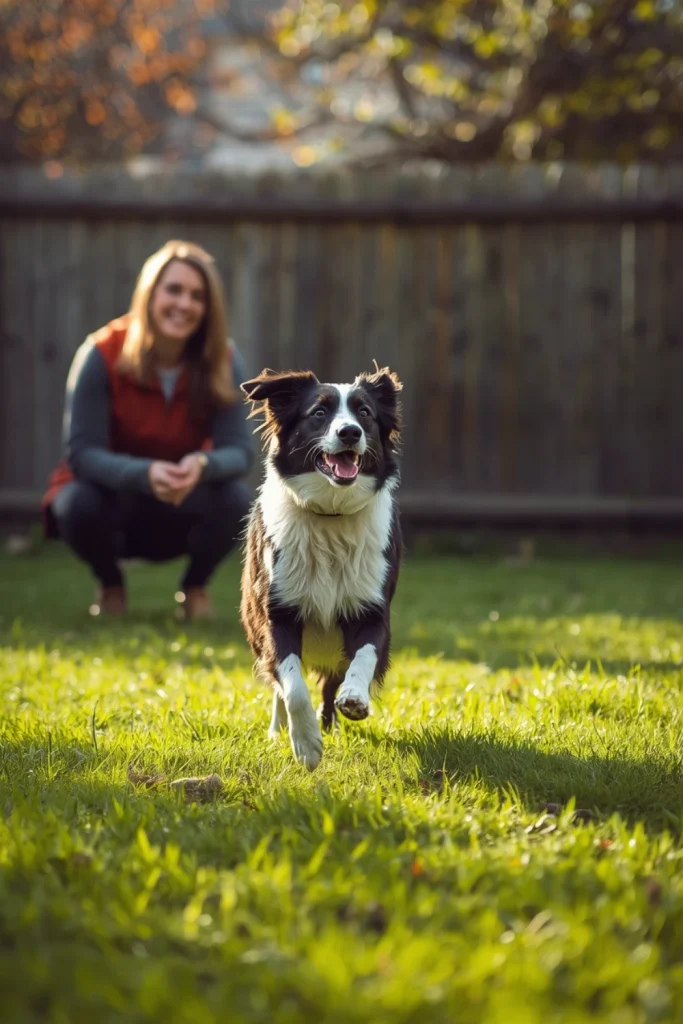
Recall training teaches your dog to come toward you when called. Begin in a safe, quiet environment where distractions are minimal. Move a short distance away, use your chosen recall cue, and make yourself interesting by using an enthusiastic but friendly voice. When your dog comes toward you, reward immediately. The reward should be valuable enough to make responding worthwhile for your individual dog.
Gradually increase the distance and distractions as your dog’s response becomes more reliable. You can turn recall practice into a fun game by taking turns calling your dog between two family members. Avoid using the recall cue only when something enjoyable is ending, such as leaving the park. You want your dog to associate coming to you with positive experiences. In uncontrolled environments, use appropriate safety measures rather than assuming recall is reliable before it has been thoroughly practiced.
5. Teach Loose-Leash Walking With Rewards
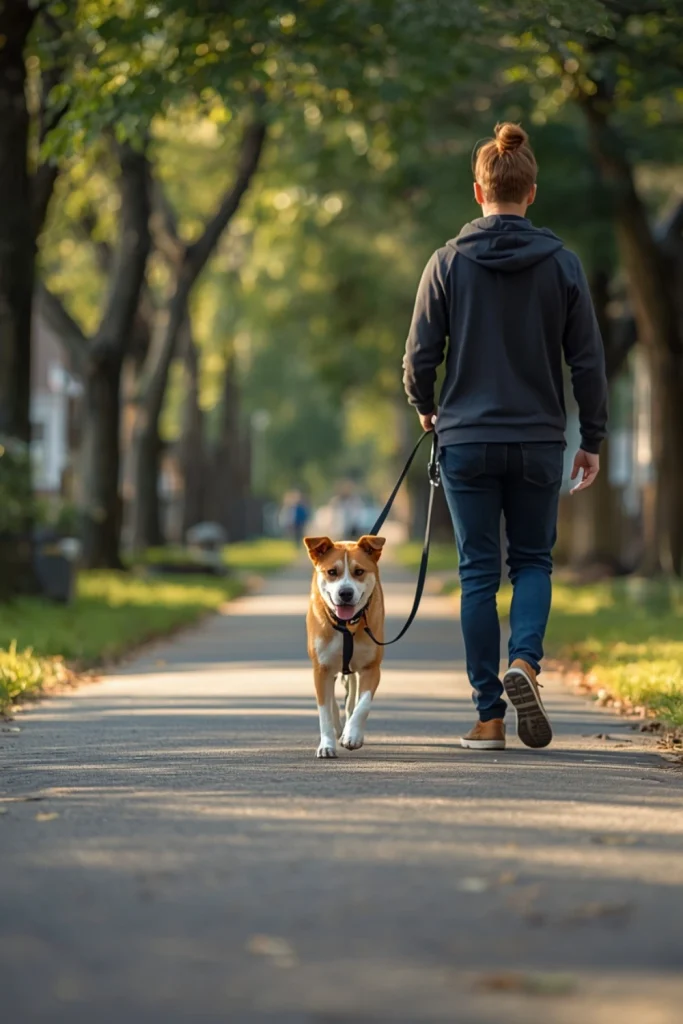
Loose-leash walking can make daily walks more comfortable for both dogs and owners. Start in a low-distraction environment and reward your dog for staying near you while the leash remains loose. You can initially reward just a few steps of appropriate walking. If your dog moves ahead and creates tension on the leash, pause and wait for an opportunity to return attention toward you before continuing.
As your dog improves, gradually practice in different environments. Reward voluntary check-ins, calm walking, and returning toward you. Remember that dogs naturally want to explore smells and surroundings, so walks should provide appropriate opportunities for sniffing and exploration as well as training. Positive reinforcement does not require every step to be perfectly controlled. Instead, focus on reinforcing the walking behaviors you want your dog to repeat.
6. Teach “Leave It” Using Positive Reinforcement
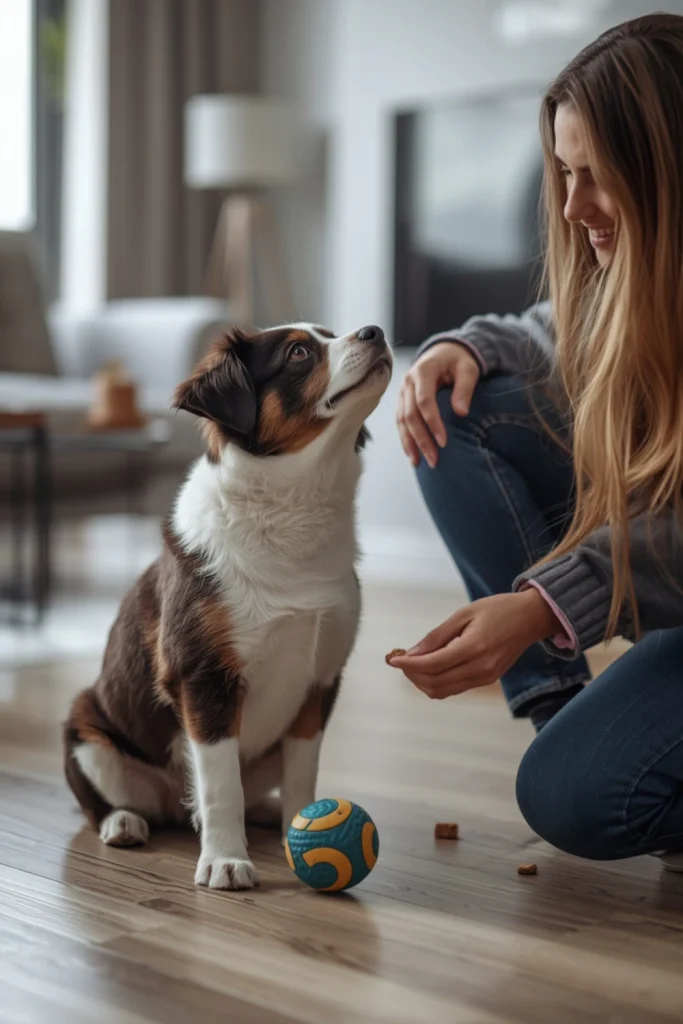
“Leave it” can help your dog learn to disengage from something when you provide the appropriate cue. Begin with a low-value item that your dog can safely ignore. When your dog moves attention away from the item and toward you, reward that choice with something more valuable. The exercise should be gradual and controlled rather than frustrating your dog.
As your dog becomes more successful, you can practice with different safe objects and slightly more distracting situations. Always make sure dangerous items are physically inaccessible rather than relying entirely on training. Positive reinforcement teaches your dog that turning away from something can lead to a better outcome. This can help build impulse control and improve your dog’s ability to respond to you when interesting objects are nearby.
7. Reward Your Dog for Waiting Patiently
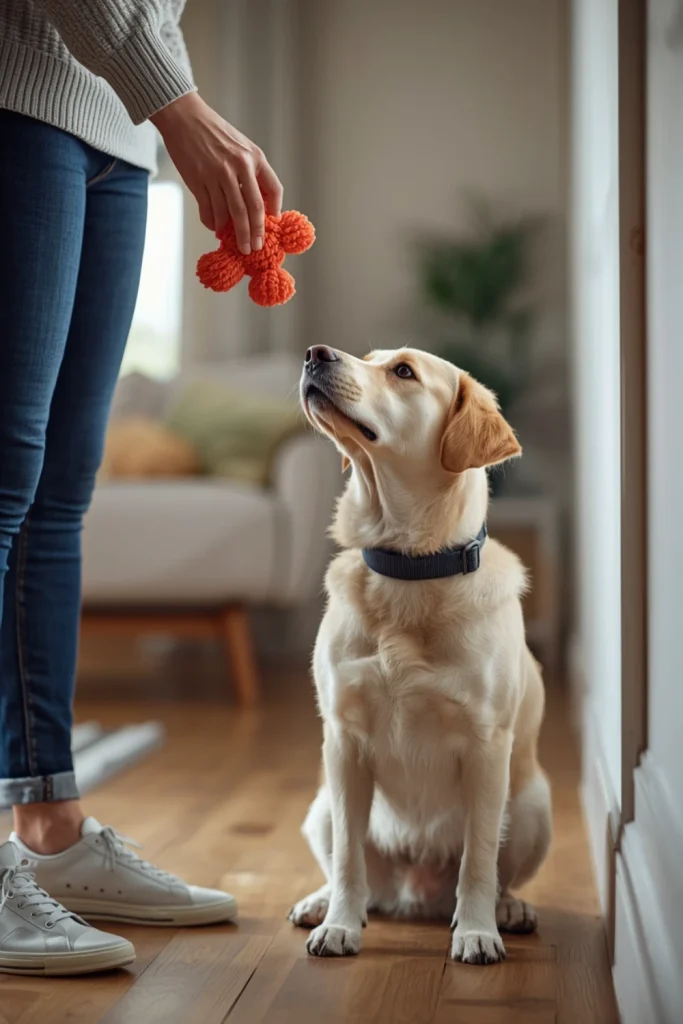
Teaching a dog to wait can help develop impulse control in everyday situations. Begin with very short periods. Ask your dog to remain in a comfortable position while you briefly pause before providing access to something your dog wants. This could be a meal, toy, doorway, or invitation to play. Reward your dog for remaining calm rather than making the exercise unnecessarily difficult.
Gradually increase the duration only when your dog is successful. If your dog breaks the behavior, simply make the next attempt easier. Avoid expecting a young or inexperienced dog to wait for long periods. The purpose of this training is to teach patience in manageable steps. With regular positive reinforcement, waiting can become a useful part of your dog’s daily routine and can help make transitions smoother.
8. Use Treats to Encourage Good Greetings
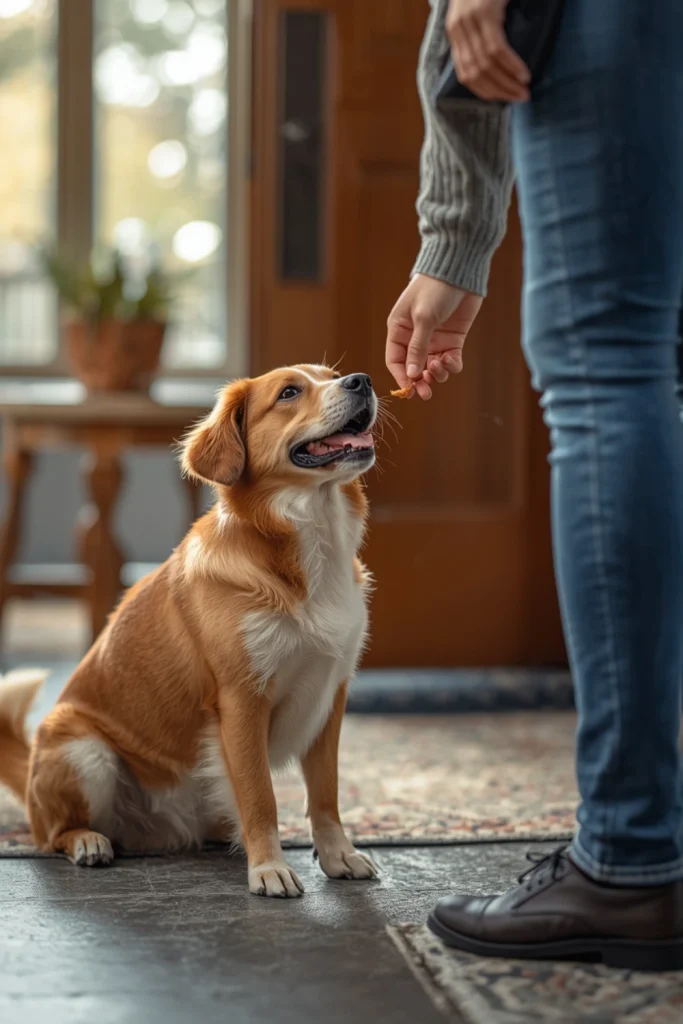
Jumping on people can become a common puppy or dog behavior because dogs often receive attention when they become excited. Positive reinforcement can help teach an alternative greeting behavior. Ask visitors to ignore jumping and reward your dog when all four paws remain on the floor. If your dog knows a calm sit, you can use that behavior as an alternative when appropriate.
Practice with family members before introducing more challenging visitors. Keep greetings short and controlled at first. Reward your dog for looking at the visitor calmly, standing politely, or sitting when asked. Everyone should respond consistently so your dog receives a clear message. The goal is not simply to stop jumping but to teach your dog what behavior should replace it.
9. Turn Mealtime Into Training Time
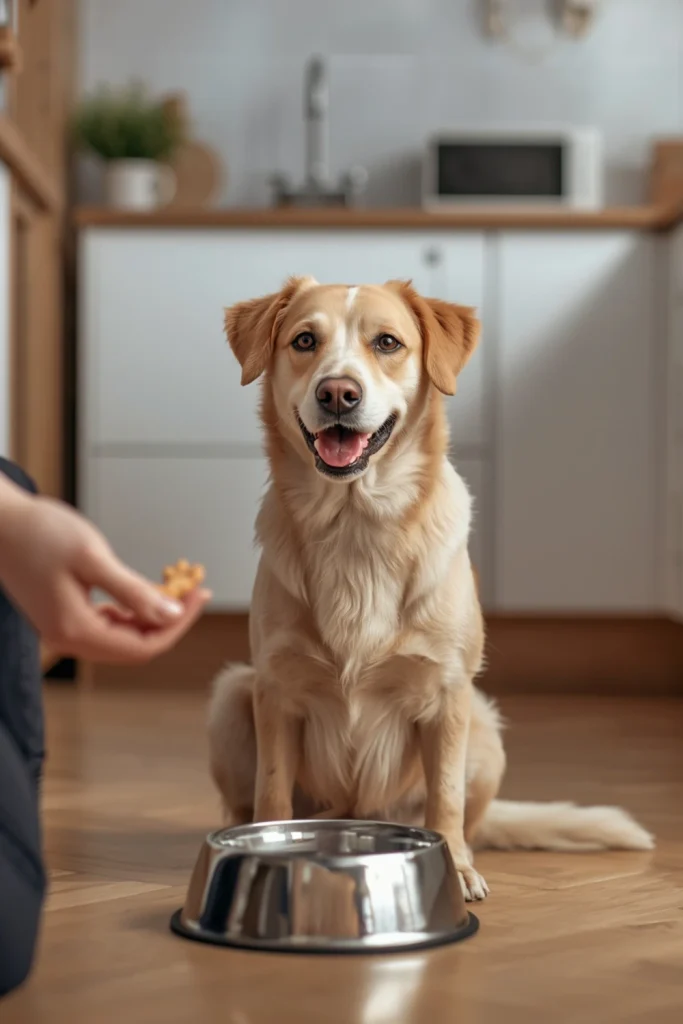
Food can be a useful training reward for many dogs, making mealtime a natural opportunity to reinforce desirable behaviors. You can use a portion of your dog’s normal meal for simple exercises such as sit, attention, wait, or touch. Ask for a behavior and provide a small portion as the reward. This can make training easy to incorporate without requiring additional treats throughout the day.
Keep food rewards appropriately sized and account for them within your dog’s overall daily nutrition. Mealtime training should remain simple rather than turning every feeding into a demanding exercise. You can also use calm behavior around the food bowl as a training opportunity. Rewarding patience and attention can help your dog learn useful habits while keeping the daily routine predictable.
10. Use Play as a Powerful Training Reward
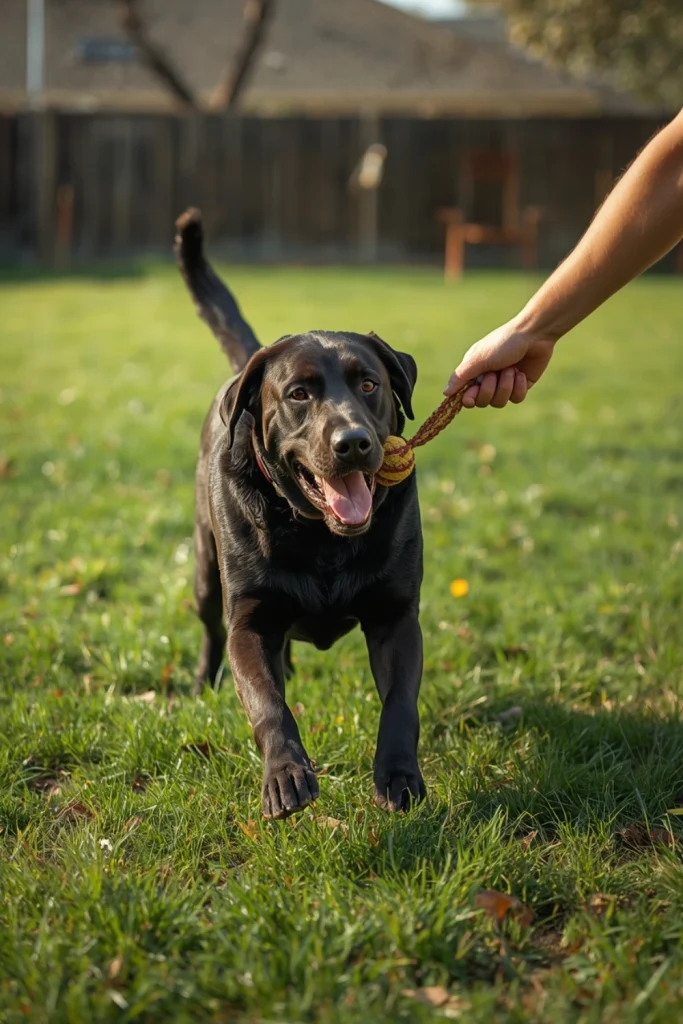
Not every dog is motivated primarily by food. Some dogs become especially excited about toys, games, chasing, retrieving, or interacting with their owners. Positive reinforcement allows you to use appropriate play as a reward when your dog performs a desired behavior. For example, ask for a simple sit before starting a favorite game of fetch.
Play can also make training more engaging. Practice a command, reward your dog with several seconds of a favorite game, then return to another simple exercise. Keep sessions appropriate for your dog’s physical condition and avoid games that encourage unsafe behavior. By identifying what your dog genuinely enjoys, you can make training more rewarding without relying exclusively on food.
11. Teach Your Dog to Go to a Mat
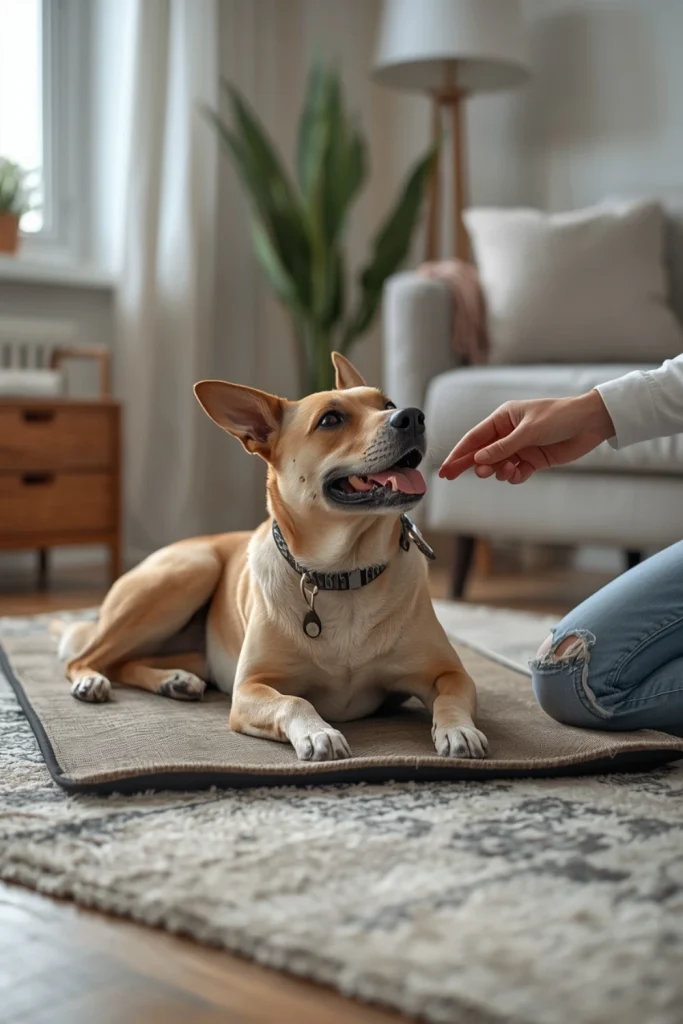
Teaching a dog to go to a specific mat or bed can create a useful calm behavior. Begin by rewarding your dog for looking at or approaching the mat. Then reward stepping onto it. Gradually reinforce lying down or remaining there for short periods. Keep the process gradual and make the mat a comfortable, positive place rather than a punishment area.
Once your dog understands the behavior, you can use it during everyday situations. Ask your dog to settle on the mat while you eat, work, answer the door, or prepare food. Increase duration slowly and continue rewarding calm behavior. This exercise combines positive reinforcement with impulse control and relaxation, making it one of the most practical skills for many households.
12. Reward Your Dog for Making Good Choices
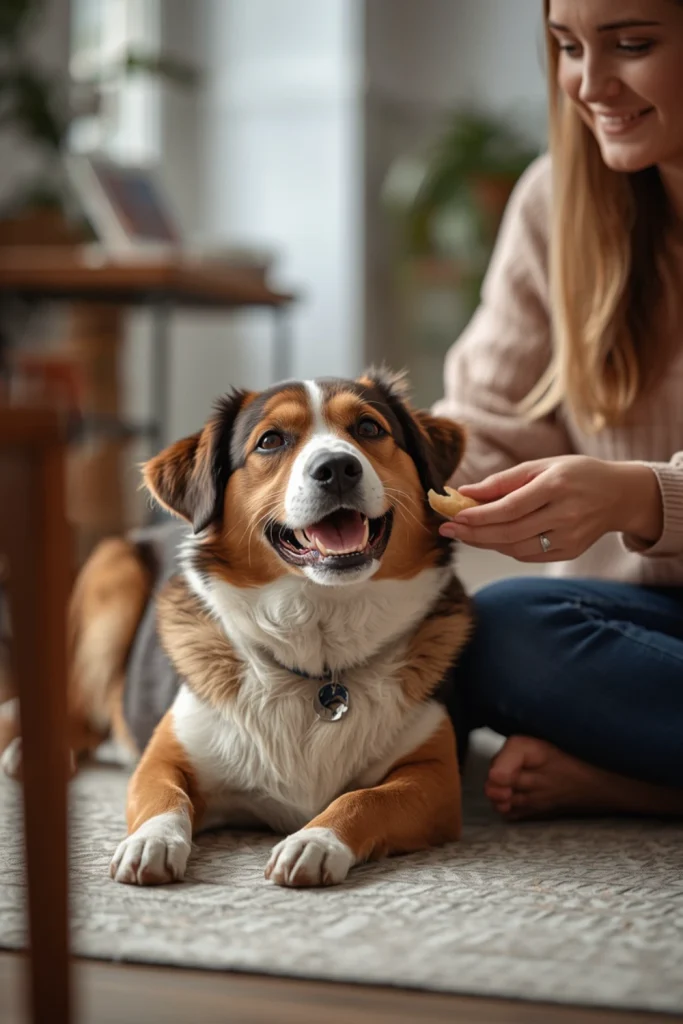
One of the most powerful Positive Reinforcement Training Ideas is to notice good behavior even when you did not specifically ask for it. If your dog calmly watches another dog from a distance, chooses a toy instead of chewing furniture, settles quietly, walks beside you, or checks in with you, reward that behavior when appropriate.
This teaches your dog that good choices can produce positive outcomes even without a formal command. Over time, your dog may begin offering desirable behaviors more frequently. Watch your dog throughout the day and look for opportunities to reinforce behavior you want to see again. This approach turns everyday life into training and can help create a dog that understands how to succeed in different situations.
Final Thoughts
Positive reinforcement can make dog training a more engaging and rewarding experience for both dogs and their owners. Instead of focusing only on correcting unwanted behaviors, you can actively look for opportunities to teach and reward the behaviors you want to see more often.
These Positive Reinforcement Training Ideas can be incorporated into ordinary parts of your dog’s day, including meals, walks, playtime, greetings, and relaxation. Start with simple behaviors, use rewards your dog values, and gradually increase the challenge as your dog becomes more confident.
Remember that every dog learns at a different pace. Consistency and patience are more useful than expecting instant results. With regular practice and clear communication, positive reinforcement can become a practical part of your everyday dog-training routine and help strengthen the relationship you share with your companion.