
10 Easy Ways to Teach Your Dog the Leave It Command
Teaching your dog to ignore something tempting can make everyday life much easier. Whether it is food on the kitchen floor, a toy they should not grab, or something dangerous outside, the “leave it” command gives your dog a clear instruction to stop and choose a better behavior.
The good news is that you do not need complicated equipment or advanced training experience. With patience, short practice sessions, tasty rewards, and these Easy Steps to Teach Your Dog, you can gradually build a reliable “leave it” response at home and in real-world situations.
Why the Leave It Command Matters
The “leave it” command is more than a basic obedience trick. It teaches your dog to control an impulse and ignore something they may want. This can be especially useful when your dog encounters dropped food, garbage, household objects, or other items that could be unsafe. The American Kennel Club describes “leave it” as an important safety behavior because dogs may encounter potentially harmful objects before their owners notice them.
A good “leave it” response also improves communication between you and your dog. Instead of constantly pulling your dog away from interesting objects, you can give one clear cue and reward the correct decision. The goal is not to frighten your dog or punish curiosity. The goal is to teach your dog that ignoring a tempting object can lead to something even better.
1. Start With a Quiet Training Area

The first of these Easy Steps to Teach Your Dog is choosing the right environment. Begin somewhere quiet, familiar, and free from major distractions. Your living room, hallway, or another calm area can work well. Keep a few small, tasty treats nearby so you can reward your dog quickly when they make the right choice.
Starting in a quiet area makes learning easier because your dog can focus on you rather than competing with outdoor smells, noises, people, or other animals. Keep each session short and positive. If your dog becomes frustrated or loses interest, take a break and try again later. Short, successful sessions are generally more useful than long sessions that overwhelm your dog. Reward-based training is particularly useful because it helps your dog understand which behavior earns something valuable.
2. Begin With a Treat in Your Closed Hand
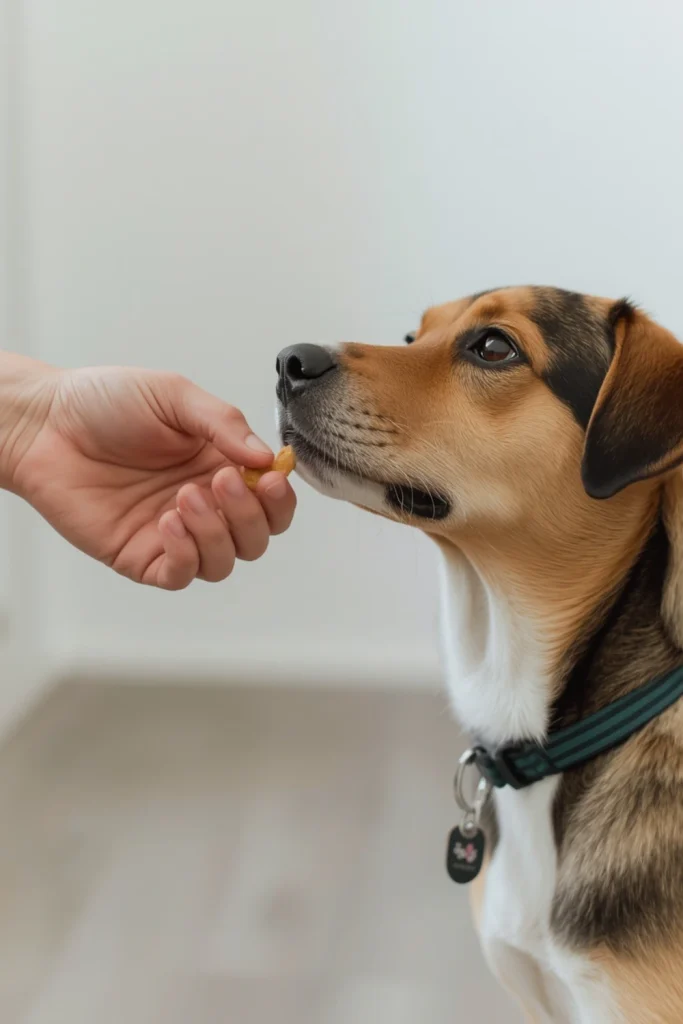
Place a low-value treat inside your closed fist and allow your dog to investigate. Your dog may sniff, lick, paw, or nudge your hand because they want the treat. Do not open your hand while your dog is trying to get it. Simply wait calmly and give your dog time to figure out that grabbing or pushing will not make the treat appear.
The moment your dog stops trying, even for a brief second, mark the behavior with a calm word such as “yes” and immediately reward them with a different, better treat from your other hand. This distinction is important. You want your dog to learn that leaving the first treat alone produces the reward, rather than teaching them that they will eventually receive the treat they were trying to grab. This is a core part of effective “leave it” training.
3. Teach Your Dog That Ignoring the Treat Gets Rewarded
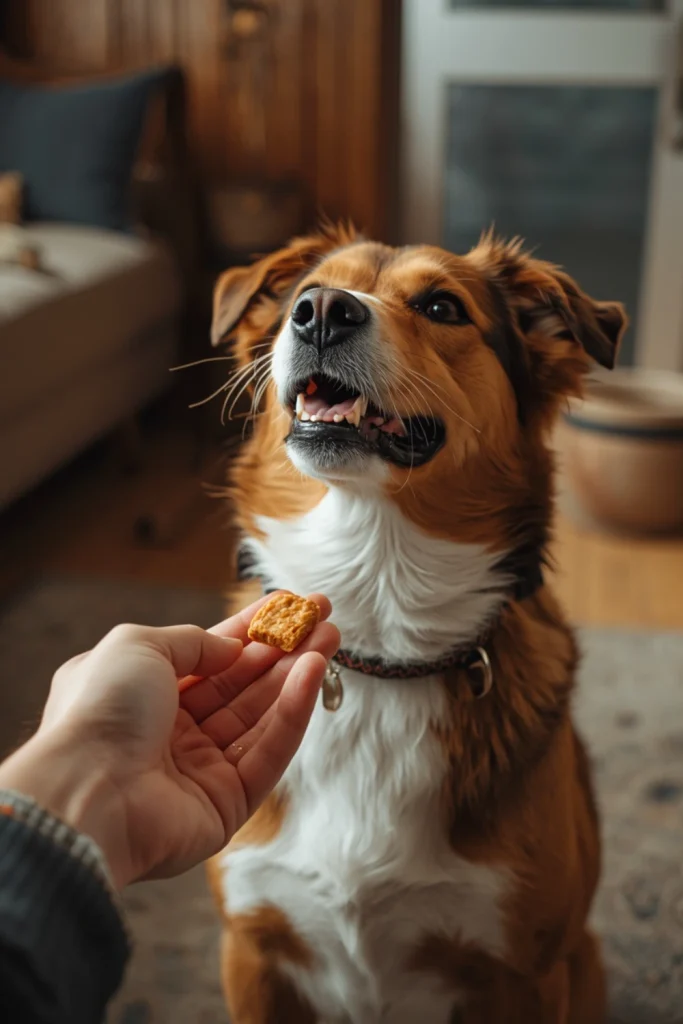
Once your dog regularly stops trying to open your fist, repeat the exercise several times. Watch for small signs of self-control, such as looking away, moving their nose back, sitting quietly, or choosing to look at you. Reward these moments immediately so your dog understands exactly which behavior you want.
At this stage, avoid rushing to add the verbal command. Your dog first needs to understand the behavior itself. In other words, they should learn that ignoring something tempting is rewarding before you expect them to respond to a specific phrase. This approach helps make the cue more meaningful later. Consistent timing between the desired behavior and the reward can make training clearer for your dog.
4. Move From a Closed Hand to an Open Hand
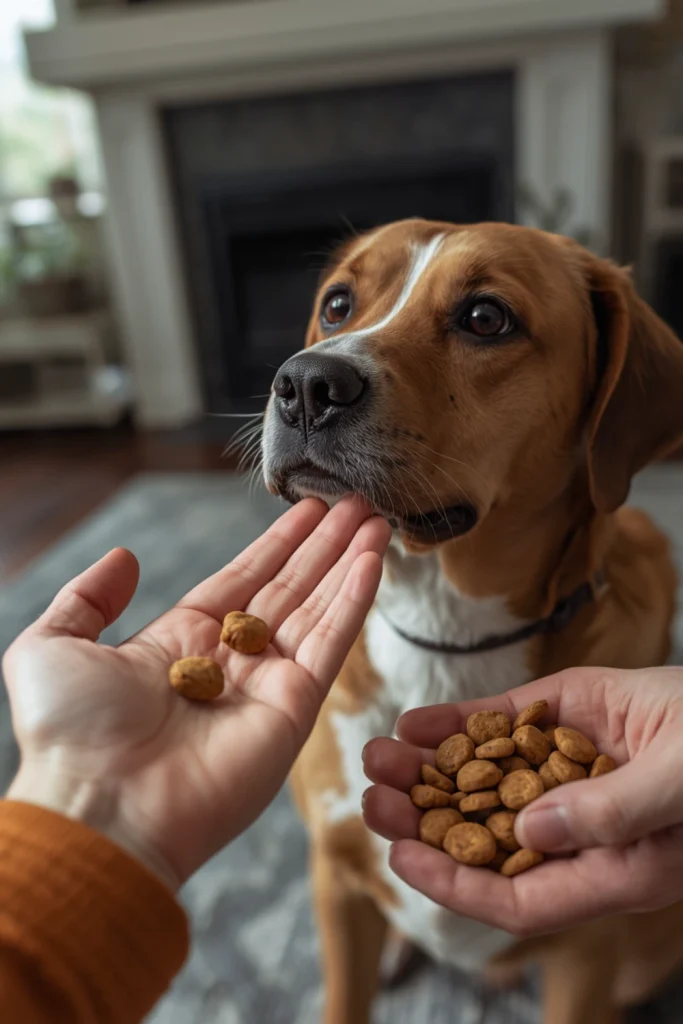
When your dog understands the closed-hand exercise, make the challenge slightly harder. Place a treat on your open palm while keeping your hand ready to close if your dog tries to take it. If your dog moves toward the treat, calmly close your hand. When the dog backs away or looks elsewhere, mark the behavior and reward from your other hand.
This exercise teaches your dog that the presence of an uncovered treat does not automatically mean permission to eat it. Stay patient and avoid repeatedly saying “leave it” if your dog does not yet understand the cue. The American Kennel Club recommends progressing gradually from a closed hand to an open hand and rewarding the dog with a separate treat when they ignore the tempting item.
5. Introduce the Words “Leave It”
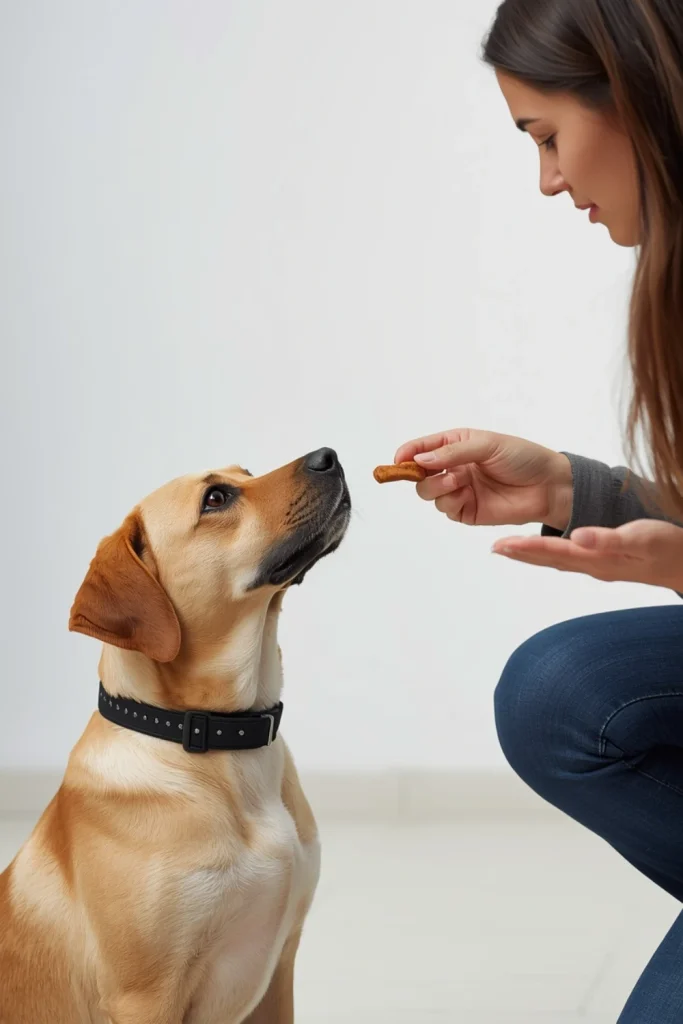
Now that your dog is beginning to ignore the treat, you can introduce the verbal cue. Hold the treat in your closed or open hand and calmly say “leave it” once. When your dog ignores the treat, immediately mark the correct behavior and reward with a separate high-value treat.
Use the same phrase every time. Avoid changing between “no,” “stop,” “don’t touch,” and “leave it,” because consistency makes communication easier. Your tone should remain calm and clear rather than angry. The goal is for the words “leave it” to become a predictable signal that tells your dog to stop focusing on the tempting object and pay attention to you.
6. Practice With a Treat on the Floor
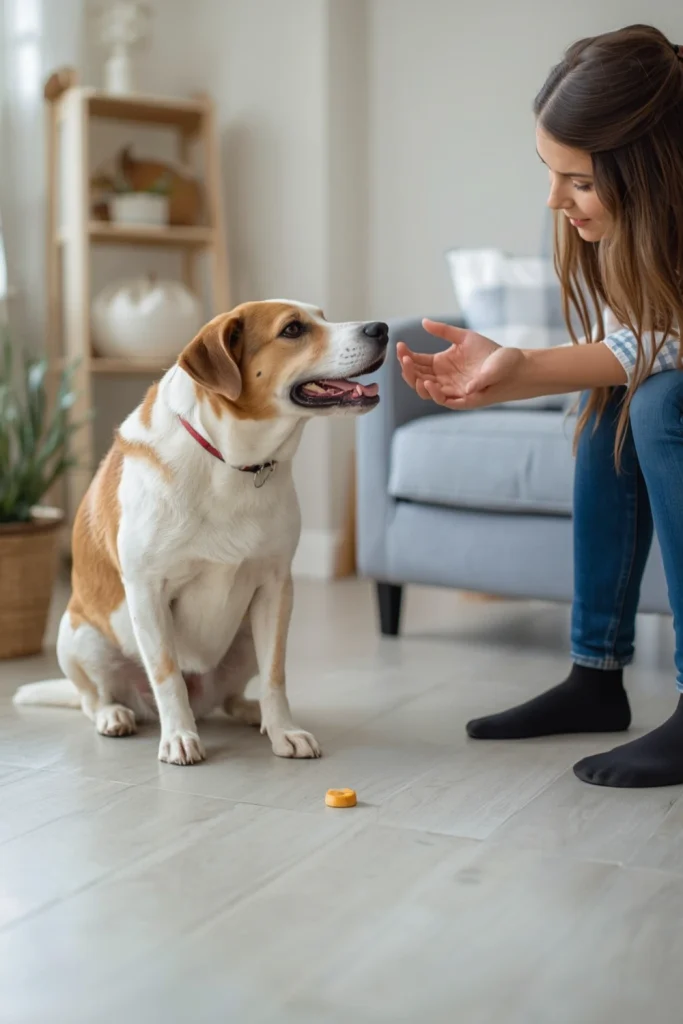
Once your dog can ignore treats in your hand, move the exercise to the floor. Put a low-value treat on the floor and cover it with your hand or foot if necessary. Say “leave it” and wait. When your dog looks away or stops trying to reach the treat, mark the behavior and reward with a separate treat from your hand.
Using a separate reward is especially useful because your dog should learn that “leave it” does not mean they will eventually receive the object they were told to ignore. This distinction becomes important in real-life situations. You may ask your dog to leave something dangerous, such as medication or unsafe food, and that item should never become the reward.
7. Add Distance and Movement
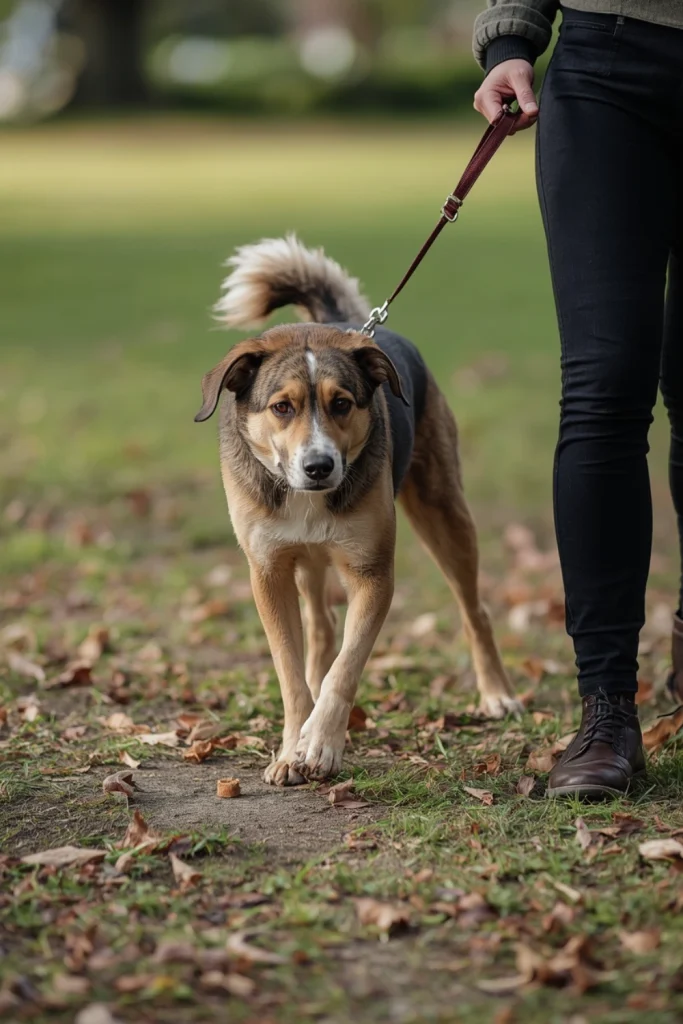
After your dog becomes reliable with a stationary treat, gradually increase the challenge. Place the treat farther away, walk past it, or gently move it while your dog watches. Keep your dog on a leash during early practice so you can prevent them from reaching the item if they make a mistake.
Do not make the exercise dramatically harder all at once. If your dog repeatedly tries to grab the treat, move it closer to the earlier training level where they were successful. Your goal is to build confidence and reliability, not to test your dog until they fail. Training should progress from easy situations toward more challenging ones as your dog understands the cue.
8. Practice With Toys and Other Objects
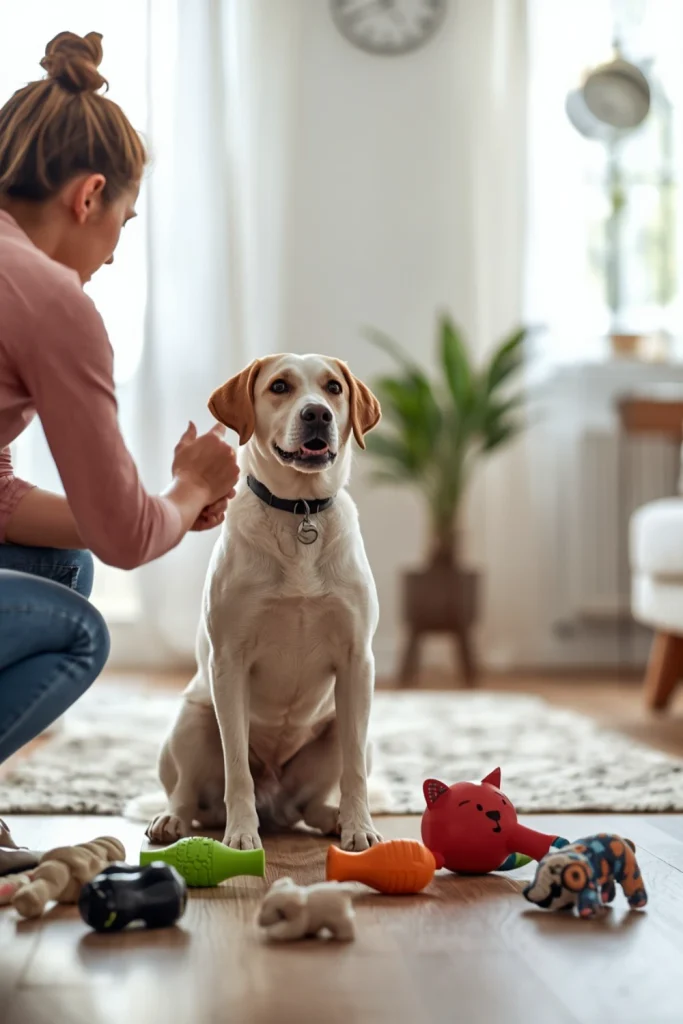
The “leave it” command should not be limited to food. Once your dog understands the basic concept, introduce safe objects such as toys, balls, tissues, or other household items that your dog normally finds interesting. Begin with objects that are mildly exciting before progressing to more tempting items.
This helps your dog understand that “leave it” applies to many different situations. You can also practice during normal routines, such as when your dog wants to investigate something during a walk. Remember that “leave it” and “drop it” are different skills. “Leave it” tells your dog not to approach or take an object, while “drop it” is used when your dog already has something in their mouth.
9. Take the Training Outside
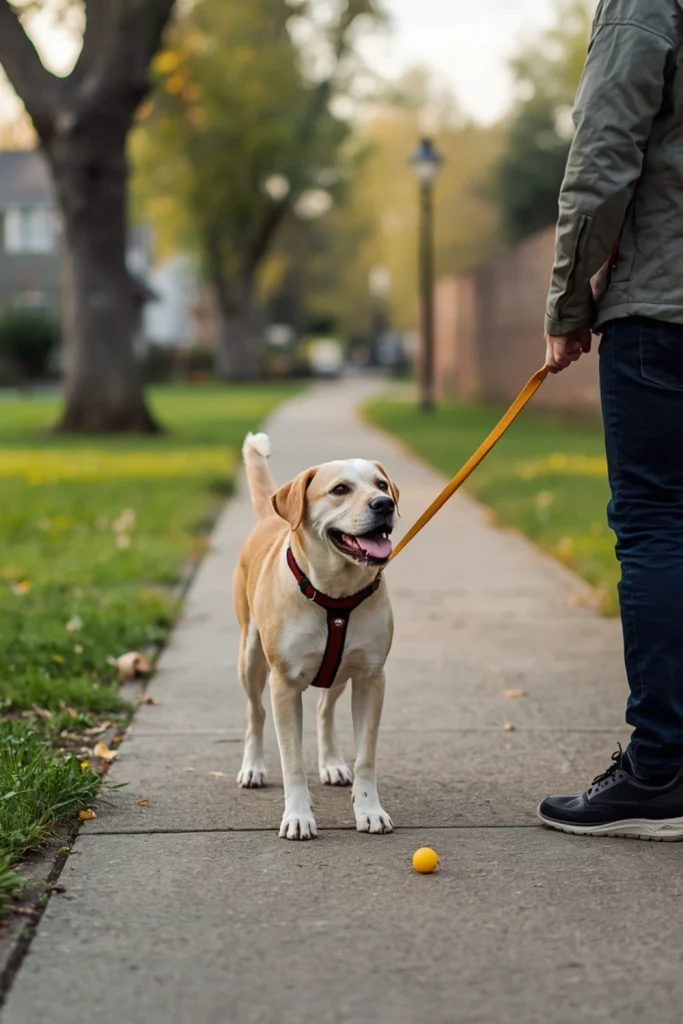
Dogs do not automatically understand that a command learned inside the home will work perfectly everywhere. Outdoor environments contain new smells, sounds, people, animals, and objects. That is why taking your “leave it” training outside is an important part of these Easy Steps to Teach Your Dog.
Start in a quiet yard or low-distraction area before moving to a busier walking route. Keep your dog on a leash and use valuable rewards when they successfully ignore something interesting. Practice around safe distractions first. As your dog becomes more reliable, you can gradually increase the difficulty. Training in different locations helps your dog generalize the behavior rather than associating the cue with only one room in your house.
10. Build the Command Around Real-Life Distractions
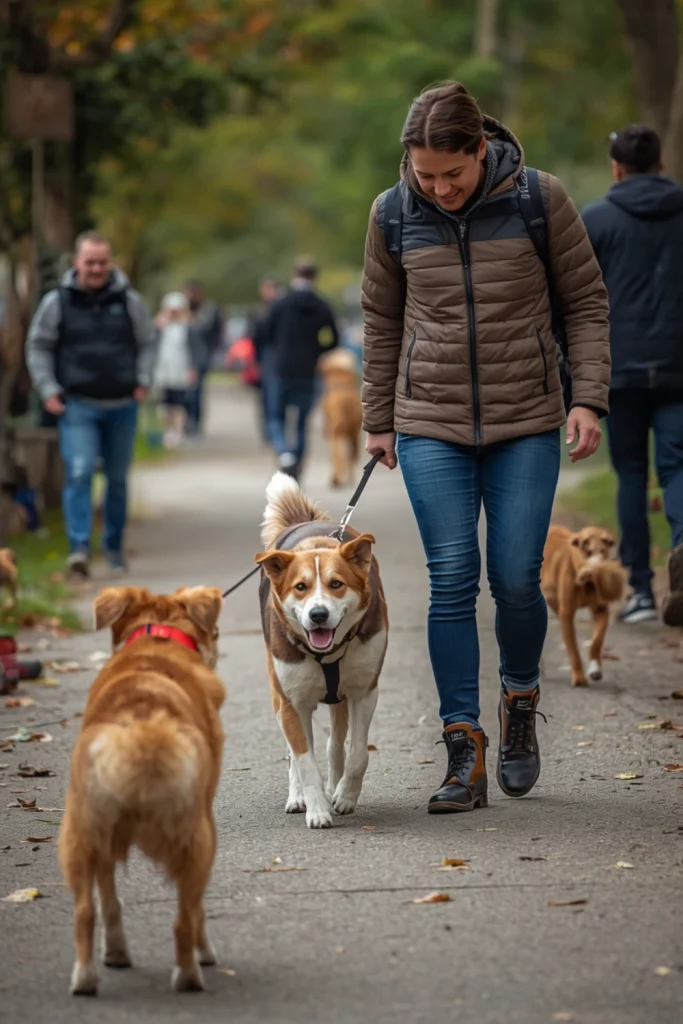
The final step is to make “leave it” useful in everyday life. Practice around increasingly realistic distractions, but always stay within your dog’s current ability. For example, you might walk past a toy, food container, fallen leaf, or harmless object before eventually practicing around more distracting environments.
Always reward successful choices, especially when your dog ignores something particularly tempting. If your dog fails repeatedly, do not keep repeating the command. Reduce the difficulty and practice at a level where your dog can succeed. The American Kennel Club recommends not using the cue when you already know the dog is unlikely to respond, because repeatedly practicing failure can weaken the behavior.
Final Thoughts
Teaching your dog the “leave it” command is one of the most useful skills you can add to your training routine. It can help your dog develop self-control, improve communication, and respond appropriately when something tempting appears. The key is to start with simple exercises and gradually increase the difficulty.
These Easy Steps to Teach Your Dog are designed to take you from a simple treat-in-the-hand exercise to more realistic situations involving objects, movement, outdoor environments, and distractions. Use patience, consistent rewards, and short training sessions. With regular practice, your dog can learn that ignoring certain things and paying attention to you is a behavior worth repeating.
Remember that training is a process rather than a one-time lesson. Continue practicing in different places and situations while keeping safety and supervision a priority. If your dog has a serious tendency to ingest unsafe objects, professional help from a qualified positive-reinforcement trainer or veterinary professional can also be valuable.